
- Date Published:
2023 - Length:
304 pages—Listening Time: 11 hours 15 minutes - Genre:
Fiction, Historical Fiction - Setting:
1888-2010s; South Dakota, Pennsylvania, Missouri, Chicago, and Minnesota - Awards:
National Book Award Longlist Fiction 2023; High Plains Book Award Winner Woman Writer 2024; High Plains Book Award Finalist Fiction 2024; Nautilus Book Award Gold Winner Fiction 2024; American Indians in Children's Literature Best Books Crossover Books 2023; Carol Shields Prize for Fiction Longlist 2024; Minnesota Book Awards Winner Novel & Short Story 2024; Great Reads from Great Places Minnesota Adults 2024; Chicago Public Library Best of the Best: Adults Selection Must-Read Books: Fiction 2023; RUSA CODES Listen List Listen-Alike to “A Grandmother Begins the Story” 2025 - Languages:
English - Sensitive Aspects:
Racism, religious discrimination, Indian boarding schools, cultural erasure, emotional abuse, physical abuse, child abuse, child sexual abuse, sexual violence, sexual harassment, bullying, graphic violence, murder, blood, child death, illness, alcoholism, family violence, intergenerational trauma, grief and loss, nightmares and psychological trauma, poverty and systemic oppression - Movie:
There is no currently announced or active movie adaptation of A Council of Dolls. - Recommended for Book Club:
Yes

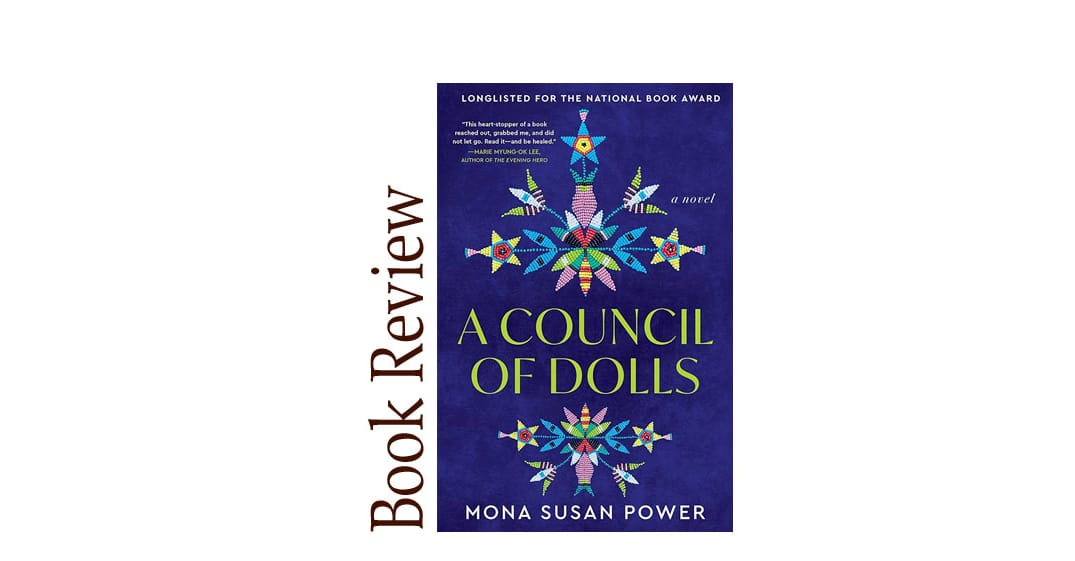
This book has been on my to-be-reviewed list for a couple of years now, not because I've forgotten it, but because I guess I've been waiting for the right moment to do it justice. A Council of Dolls by Mona Susan Power has been that kind of book for me—quietly patient, waiting on the shelf like one of the dolls in its pages, watching and remembering. And with the current tension simmering in Minnesota—the state that hums beneath this novel’s heart—it finally felt right to bring it into the spotlight.
There’s something extraordinary about this book, something that presses into your heart and stays there. Power doesn’t just tell a story about three generations of Dakota women; she holds up a mirror to the soul of a nation that has tried too often to look away. Through their dolls—yes, dolls, those fragile keepers of memory and spirit—these women’s voices cross time, land, and loss. The result is a novel that feels both haunted and healing.
It’s brilliant, really, the way Power threads together the plight of Native Americans and the quiet endurance of women. Each doll becomes a vessel for survival, holding stories too painful for their owners to speak aloud. Dolls that witness, comfort, grieve, and sometimes, fight back. It’s history told with a heartbeat—and a chorus of small, unblinking eyes.
As someone who loves stories that blend the mystical with the profoundly human, A Council of Dolls isn’t just another novel I admired—it’s one that demanded reverence. It’s a book about what’s passed down, what’s taken, and what refuses to disappear. And if you’ve ever wondered how storytelling can become an act of reclamation, this book will show you—with tenderness, rage, and undeniable grace.

A Council of Dolls unfolds through the intertwined lives of three Dakota women, each shaped by the weight of history and the watchful presence of her doll. The story begins with Sissy, living in the 1960s—sharp-tongued, sensitive, and trying to understand her mother’s distant pain. Her doll, Ethel, isn’t the kind that just sits prettily on a shelf. She’s alive in the quiet way that memory is alive—observing, remembering, sometimes whispering truths Sissy can’t yet name. Through Ethel’s “eyes,” we sense the deep, unbroken cord that ties Sissy back to generations before her.
The novel then moves through time, stepping backward into the lives of her foremothers. There’s Lillian, a woman scarred by the violence of boarding schools designed to erase her culture. Her doll, Mae, carries the burden of those memories, becoming a silent witness to a life spent piecing together lost identity. And beyond Lillian stands Cora, born in the late nineteenth century, who bears the first shocks of forced assimilation after living freely with her Dakota family. Each of these women carries her trauma differently—one in anger, one in grief, one in silence—but all are connected through the lineage of their dolls.
As their stories unfold, the dolls themselves form a kind of secret council—a gathering of spirits who refuse to forget. They pass emotional truths across time, binding the generations together when human words and institutions have failed. The result is a layered narrative that spans more than a century, set against the shifting backdrop of Minnesota and the relentless pressures of American history.
By following these women and their dolls, Power reveals both the persistence of cultural memory and the long reach of intergenerational pain. Each chapter hands the story forward like an heirloom, until the reader can see the entire line—the mothers, the daughters, and their quiet, unbreakable witnesses.

Here are a few reasons seasoned readers will be drawn to A Council of Dolls, both intellectually and emotionally.
A multigenerational story with emotional depth
Readers who love sweeping family sagas will find themselves immersed in a century-long conversation between grandmothers, mothers, and daughters. Each generation carries its own wounds and wisdom, offering that satisfying sense of emotional continuity that makes literary fiction so rich and rewarding.
The originality of the dolls as narrators
There’s something quietly stunning about letting dolls—objects of childhood and silence—become narrators of history. They aren’t gimmicks; they’re keepers of memory, witnesses to trauma, and vessels for resilience. It’s the kind of imaginative choice that invites deep reflection on what’s seen, what’s hidden, and what survives.
Honest portrayal of Indigenous experience
Mona Susan Power writes from the heart of Dakota heritage, offering a view of Native life that’s deeply personal but never didactic. Readers who value authenticity and truth-telling in fiction will appreciate how she captures both the tenderness and the violence of survival in America’s complicated history.
Lyrical, layered storytelling
Power’s prose is luminous—you can feel it hum beneath the sentences. She writes with lyrical precision, balancing heartbreak with beauty. For readers drawn to language itself as an art form, A Council of Dolls satisfies that craving for sentences that make you pause and reread, not because they’re complex, but because they’re so true.
Themes that echo long after reading
This isn’t a story you leave behind when you close the cover. It lingers—because it invites questions about inheritance, memory, womanhood, and the small acts of care that tether us to one another. It’s a book that keeps resurfacing in your thoughts, the way a line from a powerful poem does months later.
A powerful sense of place
Minnesota isn’t just a backdrop here—it’s alive, pulsing with weather, spirit, and history. For readers who love a strong setting that becomes a character in itself, Power’s portrayal of the land will feel both grounding and transcendent.

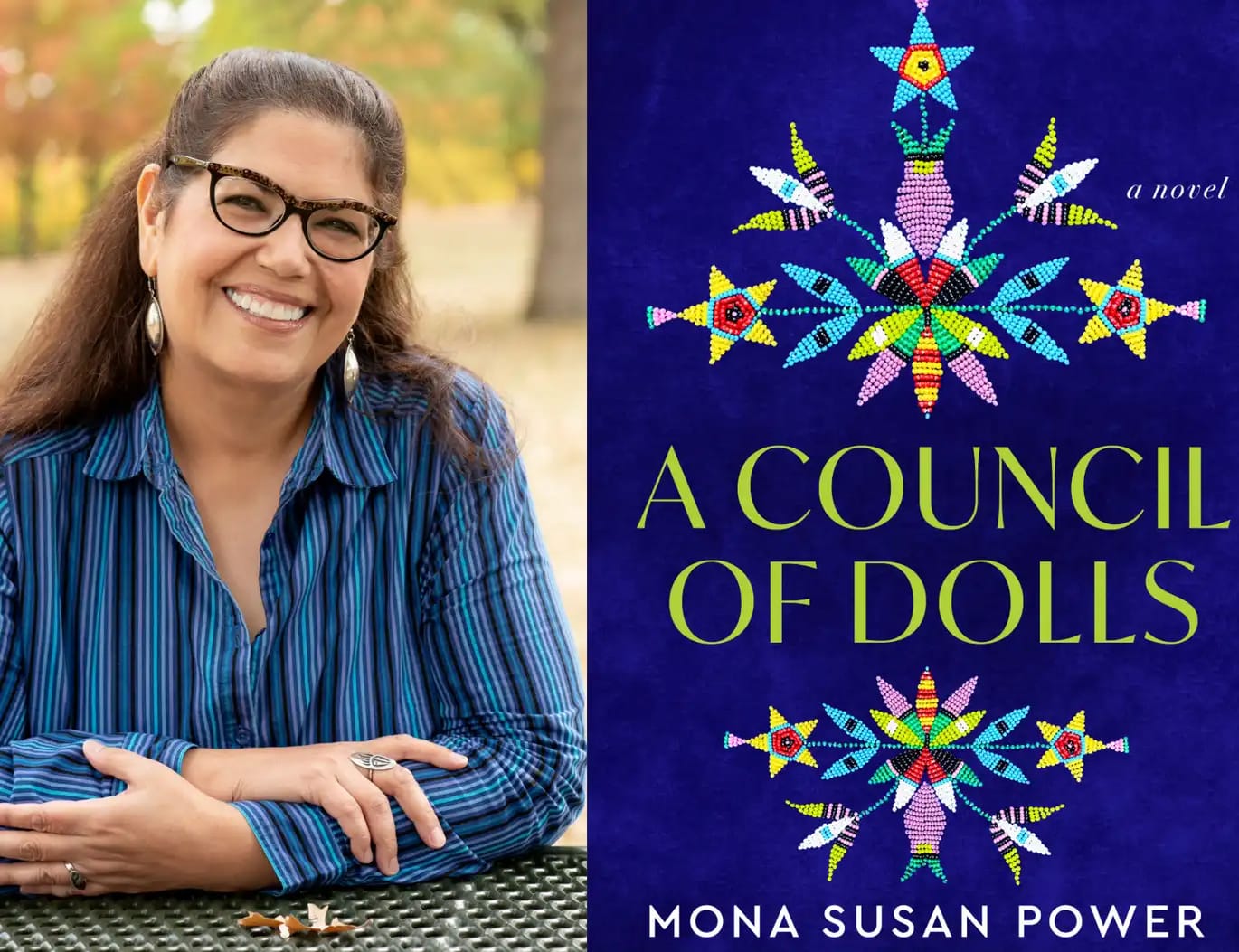
Get Mona Susan Power Books
Mona Susan Power’s books illuminate Native American life with lyrical storytelling, weaving history, spirituality, and identity into powerful narratives that resonate across generations.
Bookshop.org was created as a socially conscious alternative to Amazon, with the goal of helping local, independent bookstores thrive. This is why Readers With Wrinkles supports their efforts. Please join us in this effort by purchasing your next read here.

Here are some books that echo the multigenerational, Indigenous, and trauma-healing threads of A Council of Dolls, with brief descriptions for each.
Native boarding schools & legacy
- Wandering Stars by Tommy Orange
A prequel–sequel to There There, this novel traces a Native family line from the Sand Creek Massacre and the Carlisle Indian Industrial School into present-day Oakland, showing how colonial violence and forced assimilation reverberate across generations. - The Round House by Louise Erdrich
Set on an Ojibwe reservation in the 1980s, this coming-of-age story follows a 13‑year‑old boy seeking justice after his mother is brutally attacked, exposing jurisdictional gaps and the ongoing impact of violence and racism on Native families.
Multigenerational trauma & diaspora
- Salt Houses by Hala Alyan
This lyrical novel follows a Palestinian family displaced multiple times—from Nablus to Kuwait, Jordan, and beyond—exploring war, exile, and the fragile sense of home as children and grandchildren inherit both trauma and resilience. - The Mountains Sing by Nguyễn Phan Quế Mai
Spanning the Land Reform, wartime upheaval, and the aftermath of the Vietnam War, a grandmother and granddaughter narrate the Tran family’s story, illuminating how violence, loss, and survival shape memory and identity across generations. - The Vanishing Half by Brit Bennett
Twin sisters make opposite choices about race—one passing as white, one returning to their Black hometown—and the consequences ripple through their daughters’ lives in a decades‑spanning story about identity, secrecy, and family ties.
Family sagas with history’s weight
- Galway Bay by Mary Pat Kelly
A sweeping Irish family saga beginning with the Great Famine and following the Kelly family to America, highlighting the endurance of women who carry cultural memory and hope through poverty, loss, and migration. - The Seven or Eight Deaths of Stella Fortuna by Juliet Grames
Following Stella from an Italian mountain village to life as an immigrant in America, this novel centers on her many near‑death experiences and a bitter rift with her sister, using a family saga frame to probe patriarchy, trauma, and survival. - The Many Daughters of Afong Moy by Jamie Ford
Blending speculative and historical elements, this book follows descendants of Afong Moy, the first Chinese woman in America, as inherited trauma and memory manifest in different eras—and as one descendant seeks to break the cycle.
Comments