
- Date Published:
1995 - Length:
352 pages—Listening Time: 12 hours 33 minutes - Genre:
Fiction, Science Fiction, Dystopian - Setting:
Mid- to Late-Twentieth Century, in an unnamed city and country - Awards
Dublin Literary Award Nominee 1999; Salon Book Award Fiction 1998; Nobel Prize in Literature 1998; The Guardian 1000 Novels Everyone Must Read Science Fiction and Fantasy; Reading the world in 196 books Portugal; Norwegian Book Clubs' top 100 books of all time; 50 Must-Read Modern Classics in Translation - Languages:
Arabic, Catalan, Chinese, Czech, Danish, Dutch, English, Estonian, Finnish, French, German, Greek, Hebrew, Hungarian, Italian, Japanese, Korean, Lithuanian, Norwegian (Bokmål), Norwegian, Farsi/Persian, Polish, Romanian, Russian, Serbian, Slovak, Slovenian, Spanish, Swedish, Turkish, Vietnamese, Portuguese (Portugal), Portuguese (Brazil) - Sensitive Aspects:
Graphic mass rape and sexual violence, murder and graphic physical violence, ableist portrayal of blind people as helpless and incapable of self-care, ableist depiction linking blindness to moral depravity and criminal behavior, dehumanizing representation of disabled people as needing a "sighted savior" to function, inhumane forced quarantine and state abandonment of vulnerable people, severe graphic squalor, starvation and withholding of food as a weapon of power, gun violence and military brutality against civilians, pervasive hopelessness and unrelenting psychological distress, animal death, confinement and imprisonment without due process, and the use of disability as a heavy-handed metaphor for social and moral collapse - Movie
Blindness (2008) is a feature film directed by Academy Award-nominated filmmaker Fernando Meirelles and features a screenplay written by Don McKellar. - Recommended for Book Club:
Yes

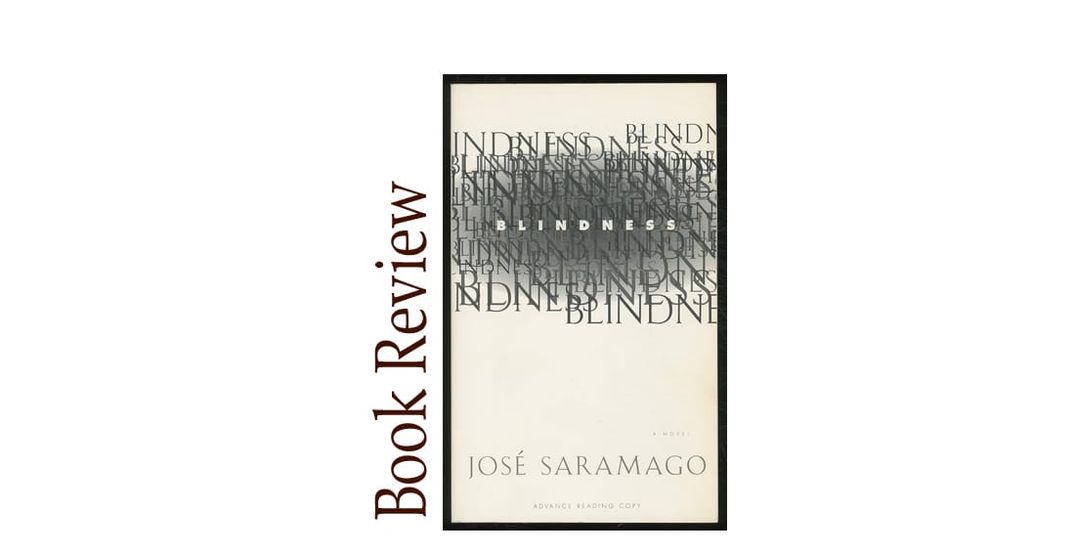
Let me be candid with you for a second. I usually don't pick up books like Blindness by José Saramago. It's not cozy. It's not comforting. There's no charming protagonist sipping tea while solving a murder in a quaint English village. No, this one hits differently—and by "differently," I mean it will quietly unravel something inside you that you didn't even know needed unraveling.
I read it several months ago. I still think about it.
That's the thing about certain books—they don't just end when you close the cover. They follow you into the grocery store, into the shower, into those quiet 2 a.m. moments when your brain refuses to clock out. Blindness is absolutely that kind of book.
Here's the premise: a mysterious epidemic of blindness sweeps through an unnamed city, and society collapses with terrifying speed. Governments fail. Humanity fractures. And Saramago asks the most uncomfortable question imaginable—what are we, really, when everything is stripped away?
Fair warning, though: this is a slow read. Intentionally, gloriously slow. Saramago writes in long, winding sentences with minimal punctuation and no quotation marks, which sounds maddening (and honestly, the first few pages will make you wonder what you've signed up for). But once you find the rhythm, it pulls you under like a current. Every paragraph carries weight. Every scene has layers of meaning beneath it—social commentary, moral philosophy, raw human nature—and you'll want to pause, set the book down, and just sit with it for a minute.
This is not a breezy beach read. This is a book you chew on slowly, like something rich and a little bitter, because you know it's doing something important to you.
And when you're done? You won't forget it. Ever. I promise you that.
It starts with something so ordinary it's almost laughable—a traffic light turns green, and a man can't move. Not because of his car, but because he's suddenly, inexplicably gone blind. Not darkly blind. White blind. A blinding, milky whiteness that swallows everything.
A stranger helps him home. A small act of kindness in a busy world. But kindness, it turns out, isn't contagious—the blindness is.
Within days, what begins as one man's bewildering affliction becomes something far more terrifying: an epidemic. Person after person loses their sight, and no one—not doctors, not governments, not scientists—can explain why it's happening or how to stop it. The authorities, desperate and frightened, do what authorities tend to do when they don't have answers: they quarantine everyone. The blind. The possibly blind. Anyone who might have breathed the same air, touched the same door handle, or sat in the same waiting room.
They're all shipped off to a crumbling old asylum—no real care, dwindling supplies, and armed guards stationed outside with orders to shoot anyone who tries to leave.
Among the quarantined are a doctor and, quietly slipping in alongside him, his wife—the one person in the story who, for reasons never explained, never loses her sight. She becomes the group's reluctant anchor, their eyes in a world gone sightless, watching everything unfold with a clarity that is both a gift and a burden.
Inside the asylum, the fragile structures of civilization begin to crack. Resources run short. Power shifts. And human nature—the complicated, contradictory, sometimes beautiful, sometimes monstrous thing that it is—steps into the vacuum.
What Saramago builds from there is not just a story about survival. It's a slow, unflinching examination of what holds societies together and just how quickly those threads can unravel.

Okay, let's talk—I know my readers, and I have a feeling this will resonate with you more than you expect.
It respects your intelligence
Saramago doesn't spoon-feed you anything. He trusts you to sit with complexity, draw your own conclusions, and wrestle with uncomfortable ideas. After decades of reading, you've earned a book that challenges you, and this one absolutely will.
The characters feel achingly human
Nobody here is perfectly heroic or conveniently evil. They're flawed, scared, generous, selfish, and sometimes all of those things in the same chapter. Sound familiar? That's because real life rarely gives us clean categories—and neither does Saramago.
It will spark the best book club conversation you've ever had
I'm not exaggerating. Every single page has something worth arguing about over a second cup of coffee. Morality, power, compassion, survival—the discussion questions practically write themselves.
It stays with you long after the last page
We've all read books that were perfectly enjoyable and completely forgotten by Tuesday. Blindness is the opposite of that. It's the kind of story that creeps back into your thoughts weeks later while you're doing something completely mundane, like folding laundry.
It makes you see the world a little differently
And I mean that literally. After reading this book, you might find yourself noticing things—the kindness of strangers, the fragility of social order, the quiet courage of ordinary people—in a way you simply didn't before.
It's a Nobel Prize-winning masterpiece that earns every word of that title
Saramago won the Nobel Prize in Literature in 1998, and Blindness is widely considered his crowning achievement. This isn't literary hype—it's a book that genuinely delivers on its reputation, and seasoned readers will feel that on every page.
It's proof that challenging reads are worth it
Yes, the style takes some getting used to. You might consider listening to the audiobook version. Yes, it's slow and dense in the most intentional way. But if you've been reading long enough to appreciate that the best books often ask the most of you, then you already know—the payoff is always worth the patience.
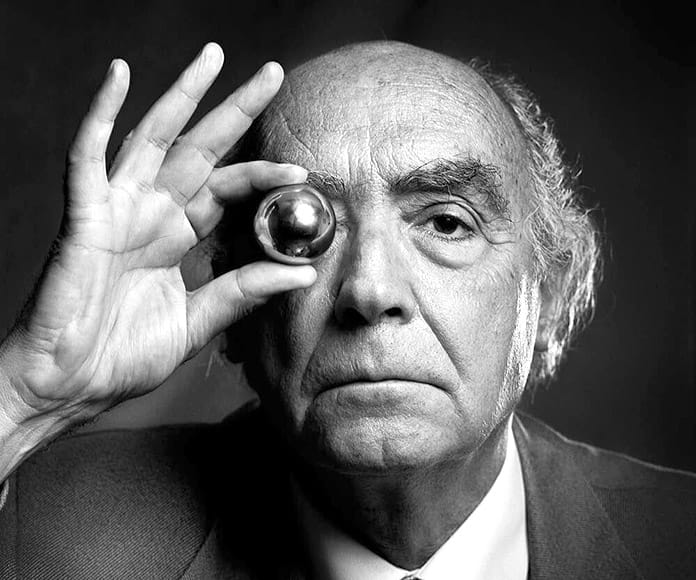
Get Jose Saramago Books
José Saramago writes the kind of books that don't just tell a story — they hold a mirror up to humanity and dare you to look.
Bookshop.org was created as a socially conscious alternative to Amazon, with the goal of helping local, independent bookstores thrive. This is why Readers With Wrinkles supports their efforts. Please join us in this effort by purchasing your next read here.

If Blindness whetted your appetite for more dystopian literature, here are a few excellent books you might enjoy.
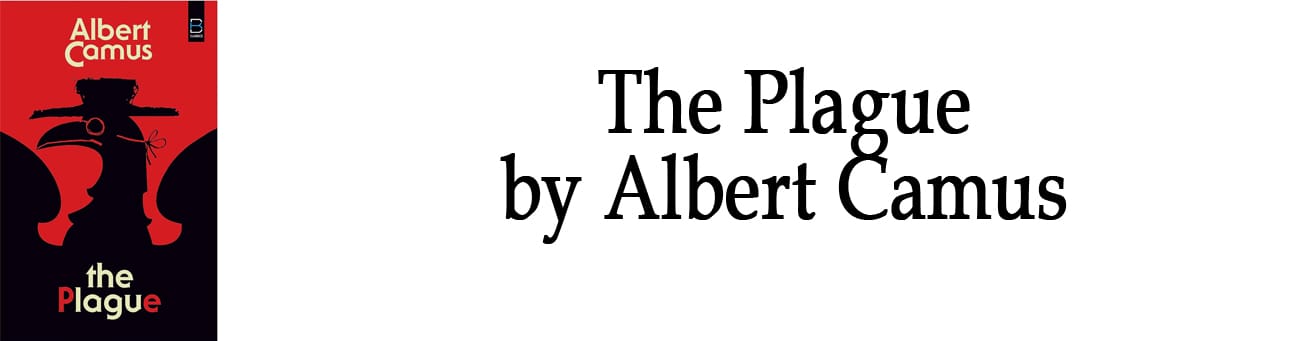
The Plague by Albert Camus
A devastating epidemic overtakes a quarantined Algerian city, forcing its residents to confront mortality, meaning, and moral responsibility. If Blindness felt like a gut punch, The Plague is its existentialist older sibling.
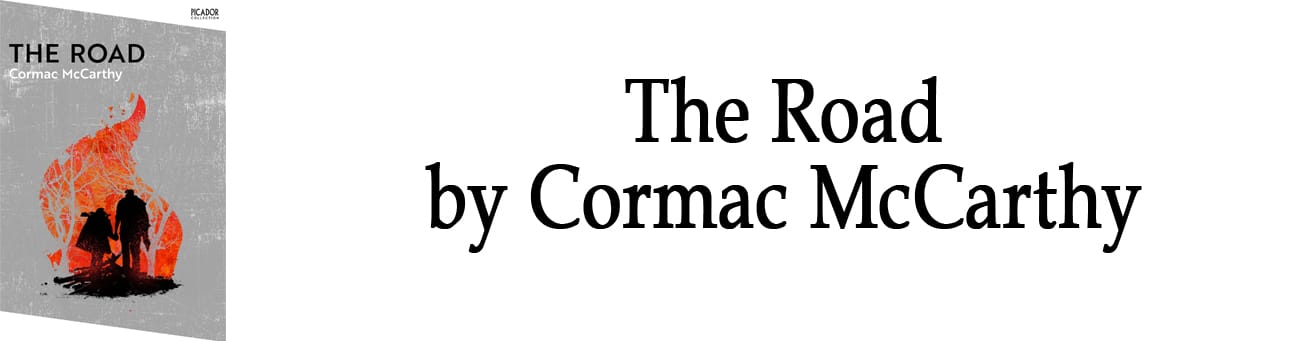
The Road by Cormac McCarthy
A father and son navigate a destroyed, ash-covered America with nothing but each other and a desperate will to survive. Like Blindness, it strips civilization down to its bones and asks what's left of us when everything is gone.
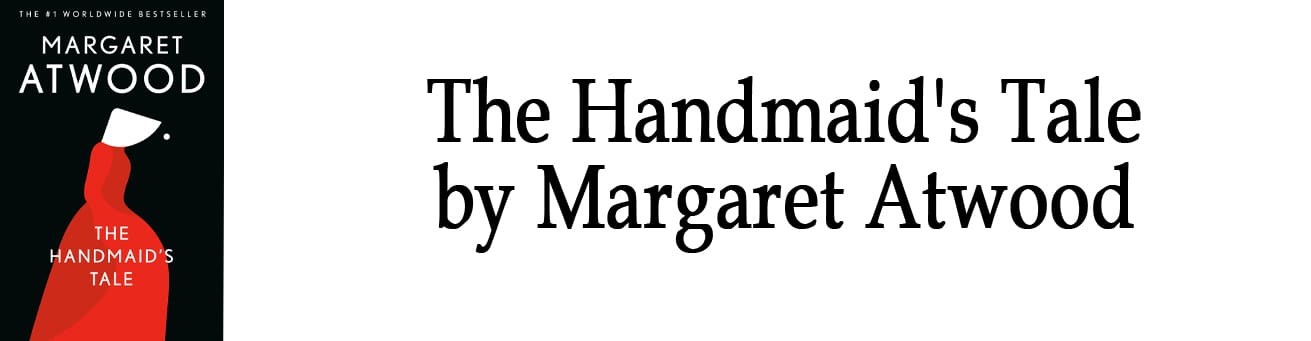
The Handmaid's Tale by Margaret Atwood
In a chilling near-future theocracy, women are reduced to their biological utility while the rest of the world looks away. It shares Blindness's unflinching examination of power, compliance, and the quiet courage it takes to resist.
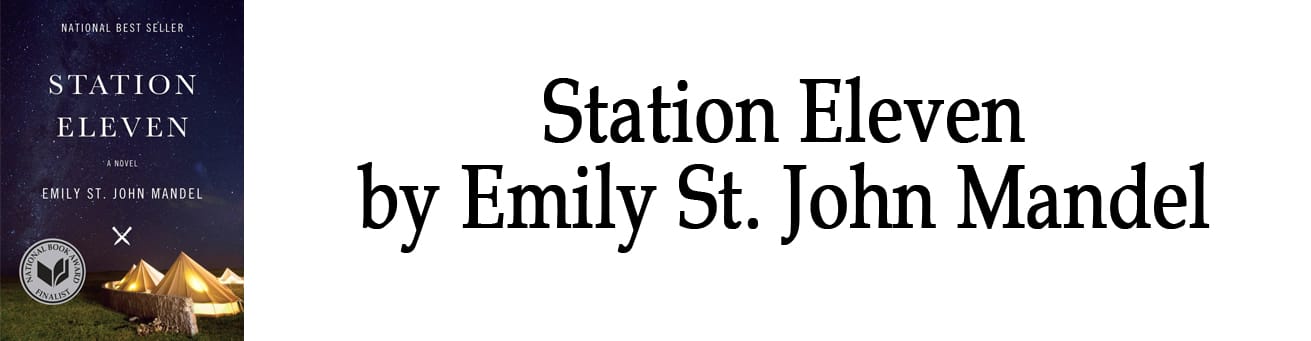
Station Eleven by Emily St. John Mandel
A flu pandemic collapses civilization overnight, and the story weaves together survivors across time, exploring what art, memory, and human connection mean when the world as we know it ends.
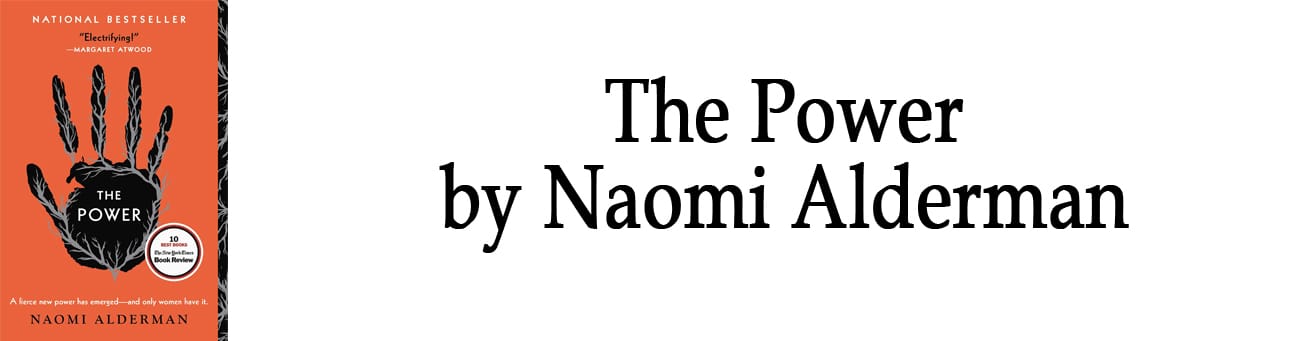
The Power by Naomi Alderman
Women suddenly develop the physical power to electrocute people, and the global balance of power shifts overnight—with terrifying results. It mirrors Blindness in its sharp, unsettling look at how quickly society reorganizes itself when the rules change.
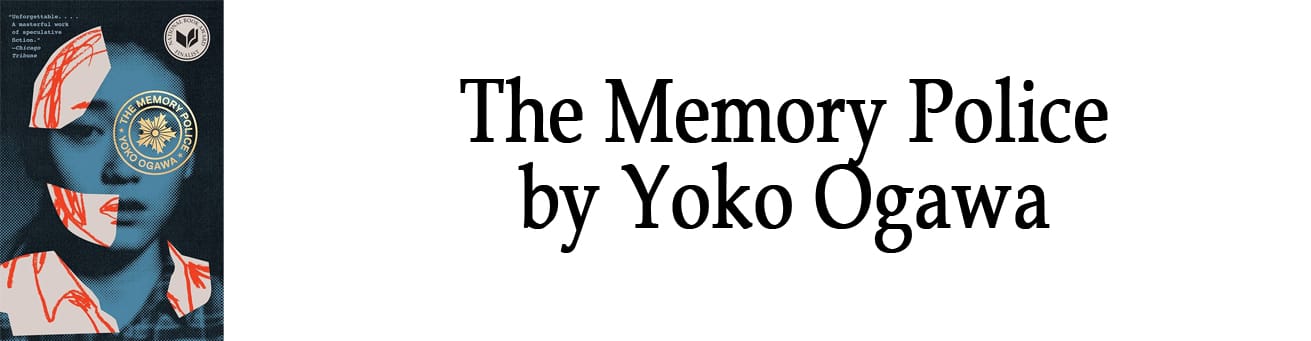
The Memory Police by Yoko Ogawa
On a mysterious island, objects begin to disappear—roses, birds, photographs—and the people forget they ever existed. It's quiet, eerie, and deeply unsettling in the same way Blindness is: a slow unraveling that you feel more than you see coming.
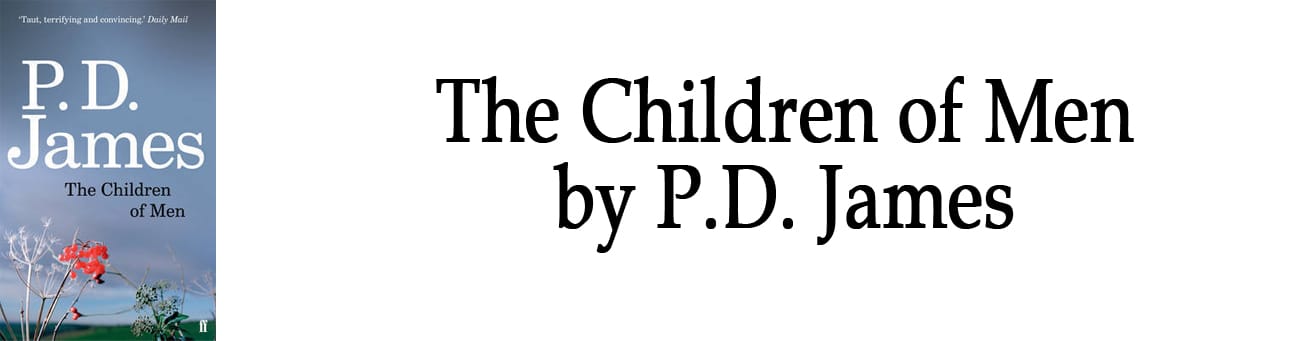
The Children of Men by P.D. James
Set in a world where humanity has become infertile and extinction looms, one man is pulled reluctantly into a desperate fight for the future. Like Blindness, it uses an impossible premise to explore what gives life—and society—its meaning.
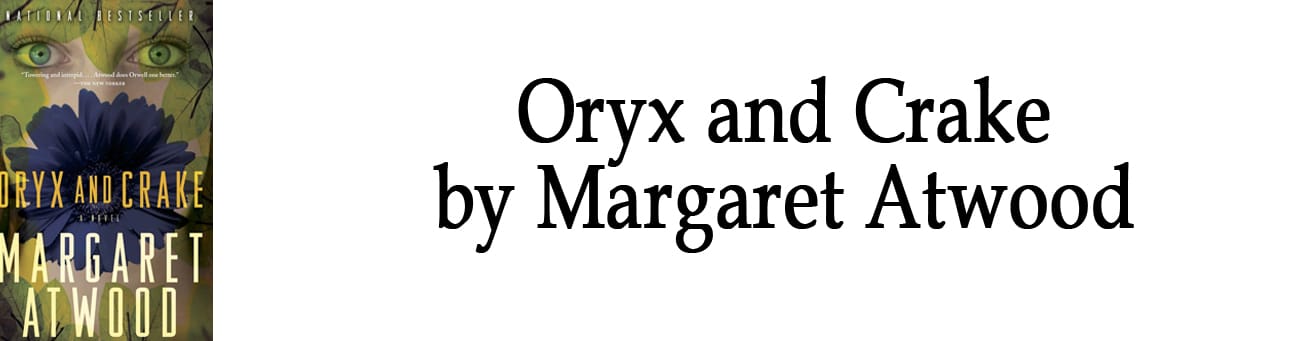
Oryx and Crake by Margaret Atwood
A bioengineered plague has wiped out nearly all of humanity, and the sole apparent survivor pieces together how the world ended. Atwood's darkly brilliant storytelling will feel immediately familiar to anyone who loved Saramago's brand of literary dystopia.
Paid Subscriber Perk!
Love the book we just reviewed? Paid subscribers can now download an exclusive printable list of books with a similar vibe—perfect for planning your next read or curating your book club’s picks. It’s a handpicked, beautifully designed list guide you won’t find anywhere else.
Unlock your next favorite reads—become a paid subscriber today to get instant access to these printable book lists!
Comments