

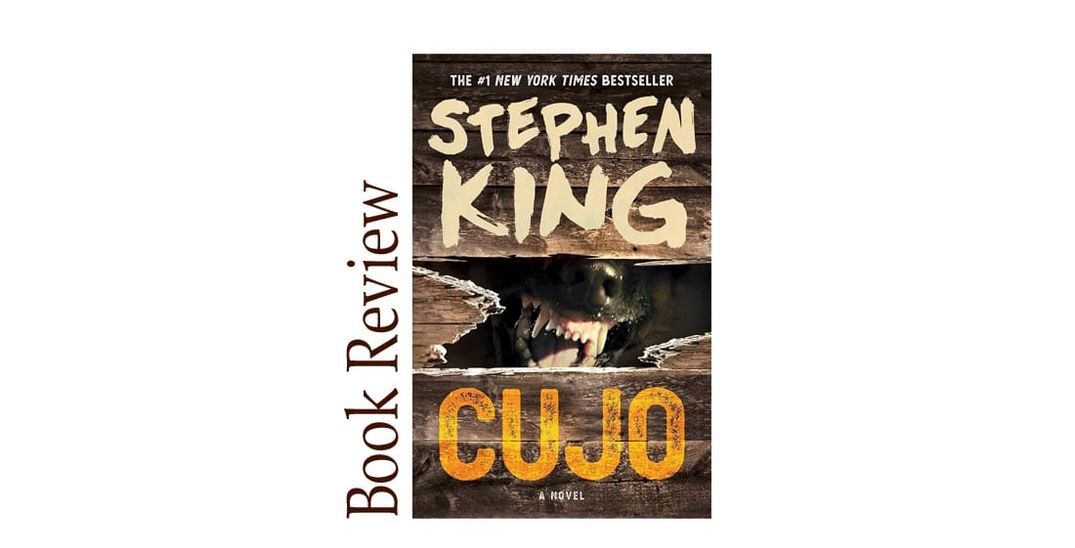
- Date Published:
1981 - Length:
496 pages—Listening Time: 14 hours 7 minutes - Genre:
Fiction, Horror - Setting:
Late 1970s, the fictional town of Castle Rock, Maine - Awards
Locus Award Nominee Fantasy Novel 1982; British Fantasy Award Winner August Derleth Award for Best Novel 1982: Balrog Awards Nominee Novel 1982; Publishers Weekly Bestseller Fiction 1981; New York Times bestseller Fiction 1981; ALA Top 100 Most Frequently Challenged Books: 1990-1999; ALA 100 Most Frequently Challenged Books of 1990-2000 - Languages:
Czech, Danish, Dutch, English, Finnish, French, German, Greek, Hungarian, Italian, Japanese, Norwegian (Bokmål), Polish, Romanian, Slovak, Spanish, Swedish, Turkish, Ukrainian, Portuguese (Portugal) - Sensitive Aspects:
Animal cruelty and graphic animal death, child endangerment and graphic child death, confinement and prolonged terror, graphic violence and gore, domestic abuse, alcoholism and substance abuse, sexual assault and attempted rape, sexual harassment, infidelity and marital dysfunction, racial slurs and discriminatory language, frequent profanity, classism and socioeconomic prejudice, depiction of rabies and body horror, panic attacks and psychological trauma, grief and death of a parent, bullying and toxic relationships - Movie
Cujo was famously adapted into a 1983 feature film directed by Lewis Teague. A new remake is currently in development at Netflix produced by Roy Lee. - Recommended for Book Club:
Yes, for groups that love to be terrified together!

If you’ve ever side‑eyed a neighbor’s dog and thought, “What if…,” you’re exactly where you need to be.
Welcome to the beginning of Paws, Pages, and Plot Twists: A National Dog Month Reading Series, where we’re celebrating canines by immediately confronting your worst canine nightmare. I know, I know—starting with Stephen King’s Cujo is a bit like learning to swim by being tossed into a stormy ocean. But trust me, there’s a method to this madness.
Because if you’ve ever been afraid of dogs—whether it’s a childhood scare, a bad encounter, or just that primal anxiety that creeps in when you hear growling in the dark—this novel is the book that lets you stare that fear in the face, get it over with, and then enjoy the rest of the series with your heart rate slightly more under control. Think of Cujo as exposure therapy with extra plot twists, sweaty palms, and the occasional urge to sleep with the lights on.
Let’s be clear right from the start: this book is not for the faint of heart. King doesn’t just hand you a scary dog and call it a day; he builds a suffocating atmosphere where everyday frustrations—car trouble, broken marriages, parental guilt—slowly tighten around you like a vise. And right in the middle of all that human mess is a Saint Bernard who should’ve been the lovable, slobbery, oversized cuddle monster of your dreams ... but isn’t.
Cujo, as King writes him, is terrifying. He’s relentless, monstrous, and at times feels like the living embodiment of every “Beware of Dog” sign you’ve ever ignored. But even at his worst, I couldn’t bring myself to hate him. I had compassion for him. Because underneath the horror, the gore, and the absolute panic of those iconic scenes, King keeps whispering the same truth: Cujo is just a dog. A sick, unlucky, tragically doomed dog who didn’t choose any of this.
And that’s where Cujo hits harder than your standard horror fare. You’re not only scared; you’re conflicted. You’re clutching the book, half‑afraid to turn the page, while a tiny voice in your head keeps saying, “It’s not his fault.” You’re terrified of him, but you also ache for him. How often does a horror novel make you want to flip on all the lights and also hug the monster?
As we kick off Paws, Pages, and Plot Twists, starting with Cujo is my way of saying, "Let's deal with the dark side of dog‑dom first." Let’s walk right up to the thing that scares us, examine it, talk about it, and maybe—even while our hearts pound and our palms sweat—find compassion in the chaos. Once we’ve made it through this blood‑spattered small town and this broken family’s worst day imaginable, the rest of the series is going to feel like a reward: complex, emotional dog stories without the rabid terror attached.
Take a deep breath, maybe keep a friendly dog photo nearby for emotional support, and let’s talk about Cujo.

You’re not getting a chapter-by-chapter recap here—I want you curious, not spoiled. So let’s just set the stage.
Cujo takes place in Castle Rock, Maine, during one of those blistering, uncomfortable summers where everything feels a little off, a little charged. At the center of it all are two families whose lives are quietly coming apart at the seams. The Trentons are a middle‑class couple trying to hold their marriage together while juggling a failing business, parenting a fearful young son, and dealing with the fallout from an affair that refuses to stay in the past. Across town, the Cambers are living a very different kind of chaos: a blue-collar household marked by resentment, control, and small-town stagnation—plus one massive Saint Bernard named Cujo, who starts out as the gentle, beloved dog every kid dreams of.
On paper, these families shouldn’t have much to do with each other. One is dealing with advertising campaigns and suburban guilt; the other, with lottery winnings, an abusive marriage, and the quiet hope for something better. But King being King, he slowly lines up their problems like dominoes. A hot summer, a neglected vaccination, a car that needs fixing, a husband out of town, a child who’s already terrified of imagined monsters—all these small, ordinary details quietly converge.
Cujo himself begins as that “gentle giant” trope: good with kids, loyal, dependable. Then a chance encounter—a rabbit chased into a hole, a bat that shouldn’t matter—starts a transformation that no one sees coming. As Cujo’s illness goes unnoticed, his behavior shifts from slightly off to genuinely unsettling, and the people around him are too wrapped up in their own drama to see the danger forming on the edges of their lives.
Eventually, a simple errand turns into the stuff of nightmares. A mother, her young son, a failing car, and a remote repair shop become the ingredients for a brutal test of endurance. What should have been an annoying, everyday inconvenience turns into a life‑and‑death struggle against time, heat, fear, and a dog who is no longer in control of himself.
That’s as far as I’ll take you for now. No big twists spoiled, no final outcomes revealed. Just know that Cujo isn’t just “rabid dog attacks family”; it’s a slow burn where human tensions and one tragic animal collide in a way that feels horribly plausible. And once you see how carefully King stacks the pieces, you’ll understand why this story lingers long after you close the book—and why starting our Paws, Pages, and Plot Twists series here changes how you’ll look at every dog story that comes next.

You don’t have to be a horror junkie, a Stephen King superfan, or even a “dog person” to get a lot out of Cujo. In fact, you might be the exact reader this book quietly snags and refuses to let go. Here are some reasons you’ll enjoy it anyway:
It’s really about ordinary people under pressure
At its core, Cujo is a story of regular families whose lives are already stressed to the breaking point—marital tension, money worries, parenting anxiety—and then something unimaginably awful lands on top of all that. If you like stories where everyday people are forced to dig deep and figure out who they are when things go wrong, this book delivers.
The emotional stakes are intense and relatable
You don’t need to love horror to feel the pull of a mother trying to protect her child, a husband drowning in guilt, or people realizing too late that the “little problems” they ignored have snowballed into catastrophe. King leans hard into parental love, regret, and desperation—emotions most of us recognize, even if we’ve never faced down a rabid Saint Bernard.
It’s a masterclass in slow-burn tension
If you enjoy feeling the suspense coil tighter and tighter, Cujo is basically a workshop on how to build dread. No cheap jump scares, no ghosts—just the creeping realization that something is very wrong, and the claustrophobic horror of being trapped with no good options. Even non‑horror readers can appreciate the craft here.
The themes go beyond “scary dog”
Beneath the fur and fangs, Cujo explores addiction, loss of control, broken communication, and the way small choices and random chance can wreck lives. It’s the kind of book that leaves you thinking about human nature, blame, and how fragile our sense of safety really is.
Cujo himself is heartbreakingly tragic
Even if you don’t like dog stories, there’s something gut‑punching about watching a loyal, loving animal become dangerous because of something completely outside his control. The way King writes Cujo’s mind and decline makes him feel less like a monster and more like another victim of the story, which adds unexpected emotional weight.
It’s grounded, not supernatural
If you roll your eyes at ghostly clowns or haunted hotels, you might actually find Cujo more unsettling—precisely because it could happen. We’re talking car trouble, vet visits skipped, a bad bite, a hot day. The horror grows out of familiar, believable circumstances, and that realism can hook readers who usually stay far away from the genre.
The writing itself is sharp and immersive
Even if horror isn’t your usual shelf, King’s ability to capture small‑town life, strained relationships, and the textures of fear is impressive from a purely literary standpoint. The imagery, pacing, and psychological depth make Cujo interesting to anyone who enjoys well‑crafted, character‑driven fiction.


Purchase Stephen King Books
Enter the haunting world of Stephen King, where everyday life twists into gripping tales of terror, suspense, and unforgettable human drama.
Bookshop.org was created as a socially conscious alternative to Amazon, with the goal of helping local, independent bookstores thrive. This is why Readers With Wrinkles supports their efforts. Please join us in this effort by purchasing your next read here.

Here are eight books that can scratch a similar itch, even if you’re not normally a horror or “scary dog” reader:
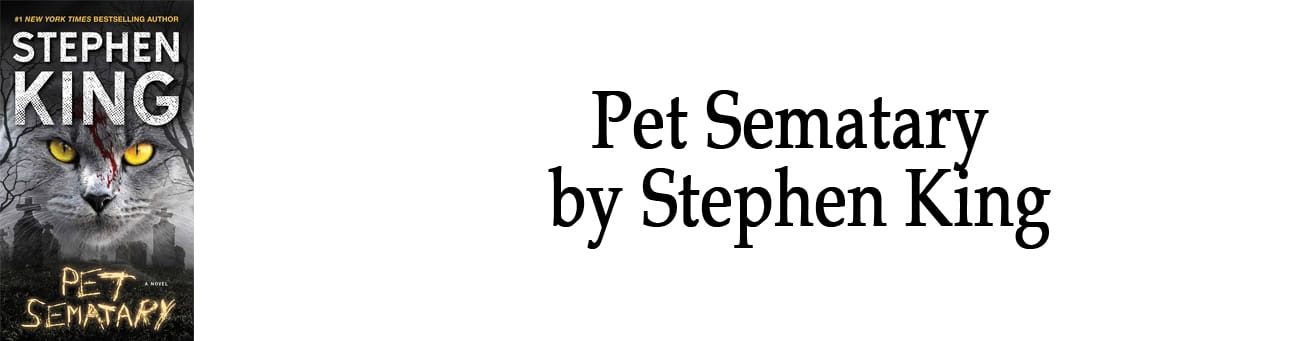
Pet Sematary by Stephen King
A family moves to a rural town and discovers a burial ground with the power to bring the dead back, with consequences that spiral far beyond grief and good intentions. Widely considered one of King’s best, it’s frequently cited on “scariest novels of all time” lists and has been adapted into multiple film versions that keep it in the public conversation. Like Cujo, it blends domestic life, parental fear, and small‑town tragedy into a grounded, emotional horror story that asks how far love can push us into danger.
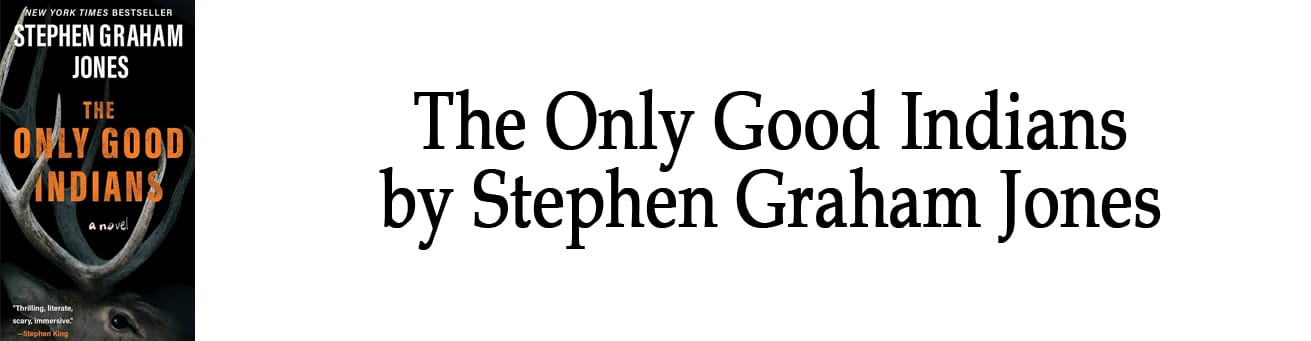
The Only Good Indians by Stephen Graham Jones
Four Native American men find themselves haunted—literally and figuratively—by a violent event from their youth, as something vengeful and uncanny stalks them years later. The novel won the Shirley Jackson Award and the Bram Stoker Award, and it’s been a favorite on horror and literary “best of” lists since its release. Readers who loved Cujo’s mix of guilt, fate, and relentless pursuit will appreciate this book’s intense psychological pressure and sense of inescapable consequences.
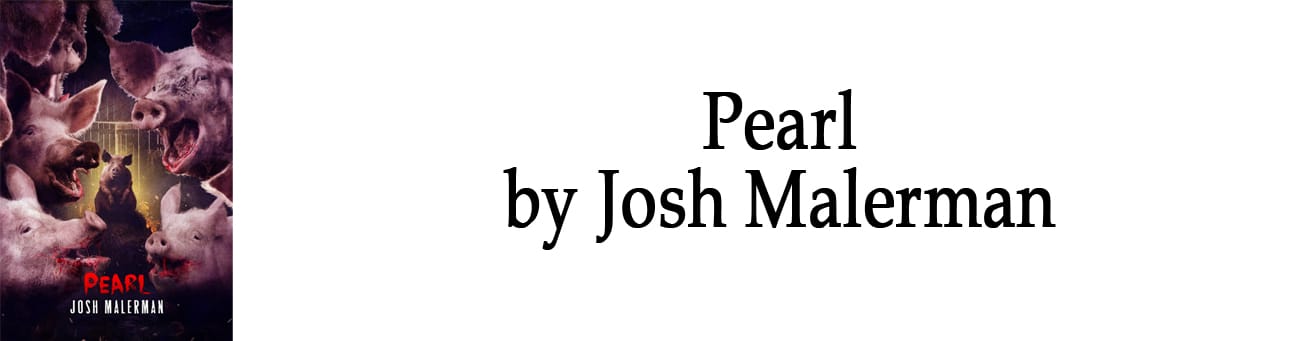
Pearl by Josh Malerman
On a quiet Midwestern farm, a seemingly ordinary pig named Pearl becomes the center of a disturbing, escalating horror that threatens both the family and the wider community. While not a mainstream award magnet yet, it’s been highlighted in horror‑focused media and recommended specifically as a read‑alike for Cujo by genre curators. Like Cujo, Pearl turns a domesticated animal into a terrifying yet strangely sympathetic force, exploring how violence collides with family dynamics and rural isolation.

Jaws by Peter Benchley
A seaside town’s fragile sense of safety shatters when a great white shark begins attacking swimmers, forcing officials and locals into a high‑stakes battle against nature. It’s a modern classic, forever linked to the iconic Spielberg film, and regularly appears on lists of top thrillers and “best beach reads that will ruin the beach.” If Cujo hooked you with realistically grounded, creature‑based terror and escalating public panic, Jaws offers that same blend of plausible danger and human denial.

Dogs by Nancy Kress
A mysterious virus alters dogs’ behavior, turning beloved pets into potential threats and forcing society to confront what happens when trust in our closest animal companions breaks down. Though more of a cult favorite than a mainstream bestseller, it’s frequently recommended by horror and thriller communities as a smart, suspenseful exploration of bio‑horror. Readers who were fascinated by Cujo’s “what if the good dog goes bad?” premise will find a broader, more systemic version of that nightmare here, with similar emotional complexity.
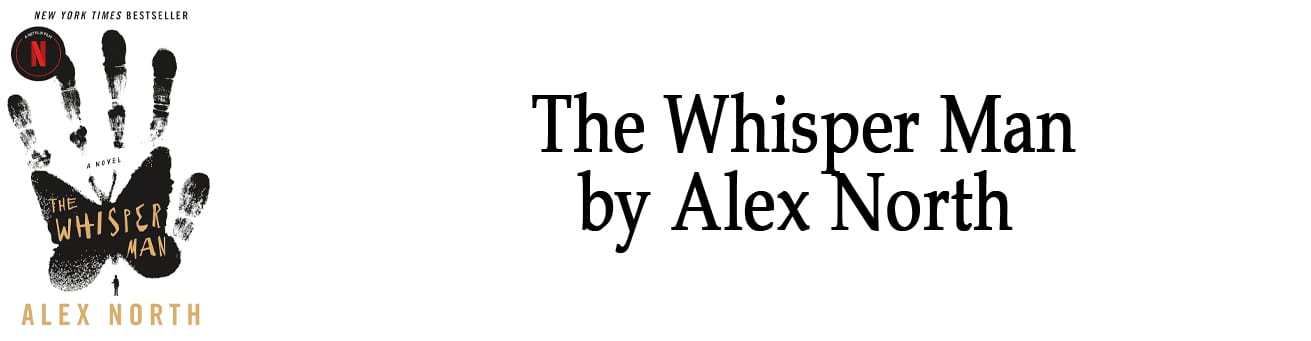
The Whisper Man by Alex North
After a father and son move to a village with a dark history of child abductions, strange events begin to suggest that the past—and possibly a new predator—is not entirely gone. The book was a bestseller, longlisted for several crime and thriller awards, and chosen for numerous “best crime novels” and “must‑read thrillers” lists. If you appreciated Cujo’s focus on parent‑child bonds, small‑town secrets, and mounting dread, The Whisper Man offers a similarly tense, emotionally driven experience without relying on the supernatural.
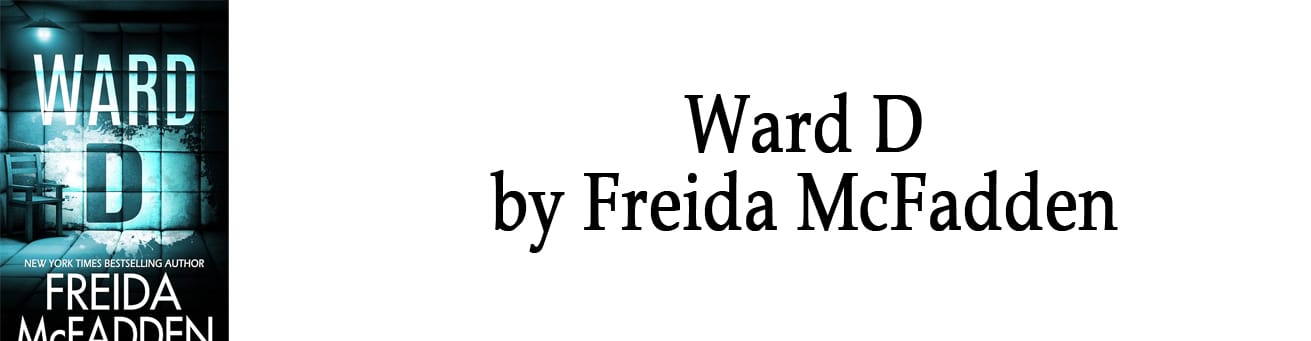
Ward D by Freida McFadden
A psychiatry resident finds herself trapped overnight on a locked ward with a group of patients—and quickly realizes that someone may be intent on killing her before morning. McFadden’s thrillers have exploded via word of mouth and online book communities, landing on bestseller lists and feeding the current appetite for twisty psychological suspense. Readers who loved Cujo’s claustrophobic “no escape” feeling and ticking‑clock tension will find that same suffocating intensity in Ward D’s confined, high‑stakes setting.
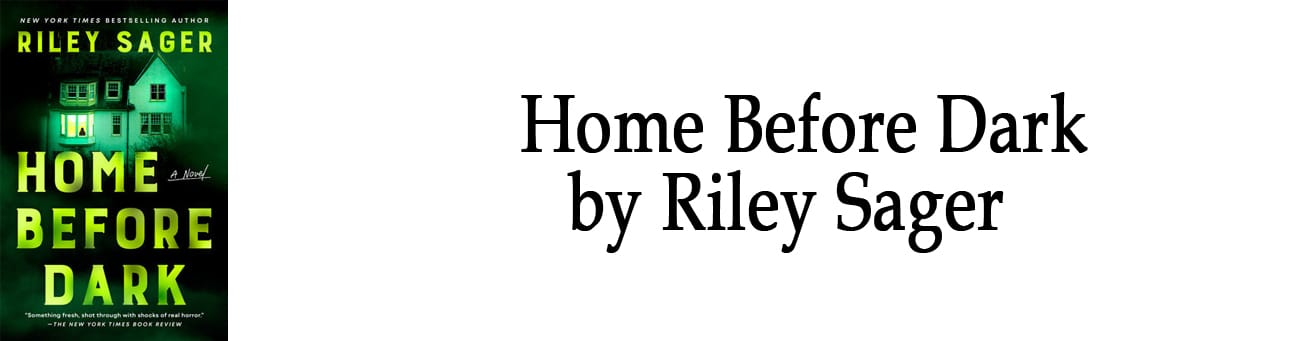
Home Before Dark by Riley Sager
A woman returns to the supposedly haunted Victorian house her family fled when she was a child, determined to separate fact from fiction and uncover what really happened there. This novel hit bestseller lists, was featured in popular thriller roundups, and helped cement Sager’s status as a go‑to author for modern, cinematic suspense. Like Cujo, it balances psychological stress, family history, and creeping dread, making it a great pick for readers who want that same “I can feel the tension in my body” experience—just in a haunted‑house wrapper instead of a rabid‑dog one.
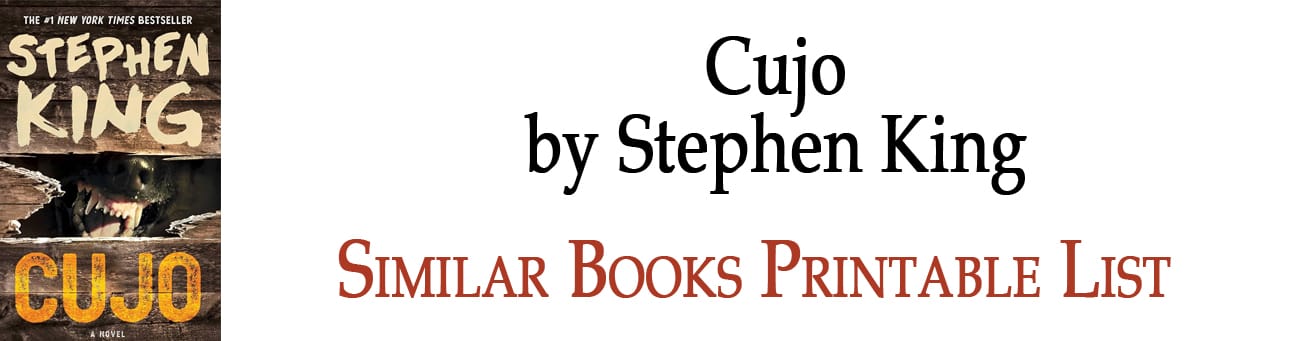
Paid Subscriber Perk!
Love the book we just reviewed? Paid subscribers can now download an exclusive printable list of books with a similar vibe—perfect for planning your next read or curating your book club’s picks. It’s a handpicked, beautifully designed list guide you won’t find anywhere else.
Unlock your next favorite reads—become a paid subscriber today to get instant access to these printable book lists!
Comments