
Table of Contents
You know that feeling when a book doesn’t just hold your attention—it recognizes you? When a line feels like it was written by someone who sees the world through your peculiar window: tilted, vivid, maybe a little noisy, but always interesting?
That’s what this April’s all about on Readers With Wrinkles.
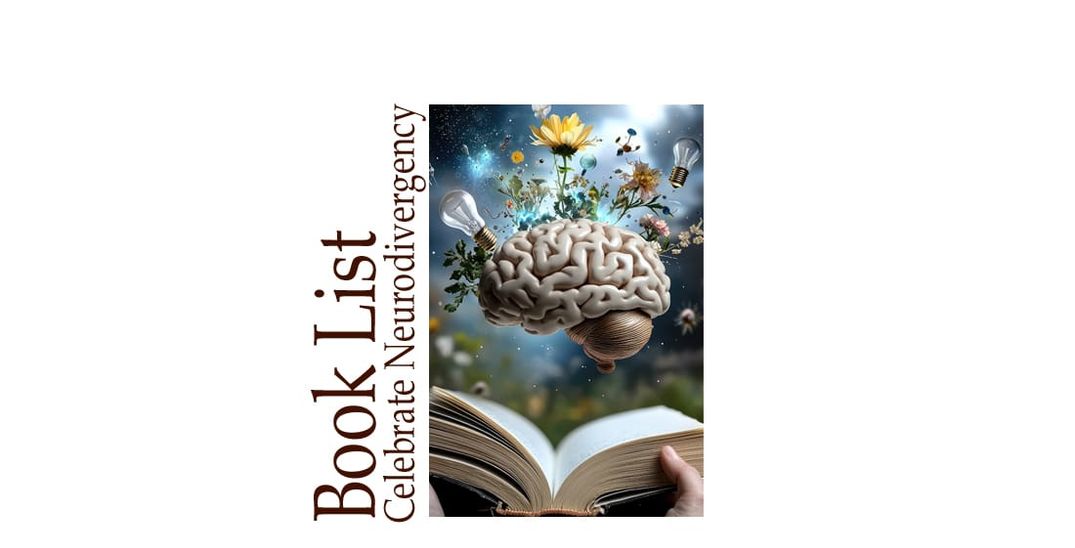
April is officially recognized as Neurodiversity Celebration Month—a time dedicated to recognizing, celebrating, and supporting individuals with neurological differences like autism, ADHD, dyslexia, and beyond. It’s not just about awareness; it’s about appreciation. This month reminds us that minds wired differently bring unique perspectives, creativity, and color to every corner of life, including the stories we read and love.
The books I'm reviewing this month are all about neurodivergent characters, and honestly, these are some of the most beautifully strange, heartbreakingly funny, and deeply humane books I’ve ever read.
Why celebrate neurodivergent stories?
Because fiction has this magical way of turning difference into revelation. It lets you live inside a brain that plays by its own rules. You see what the world looks like through someone else’s sensory filters, their meticulous logic or racing thoughts, their struggle to decode the social expectations that the rest of us just perform without thinking.
It’s empathy by immersion.
And I can’t think of a better time—or a better stack of books—to celebrate that.
The Series: Nine Books, Nine Brilliant Perspectives
Each book in this series highlights a neurodivergent protagonist whose voice reshapes the way we understand connection, isolation, and what it means to make sense of a messy world.
Here’s your reading itinerary for April—no passport required, just curiosity.
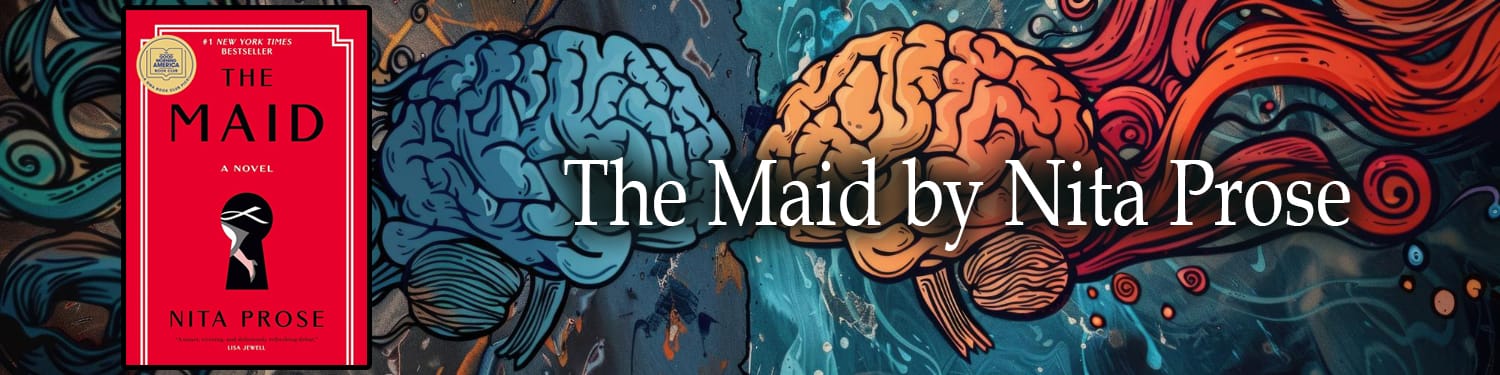
The Maid by Nita Prose
RWW Full Review on April 10
Meet Molly Gray, a hotel maid whose meticulous routines and social misunderstandings make her both lovable and unpredictable. She sees everything—the hidden messes, the misplaced glances—and when a guest turns up dead, her precise attention to detail becomes her superpower. This one’s a cozy crime story with a big heart. Molly reminds us that order is not the enemy of passion—it’s just a different way of loving the world.
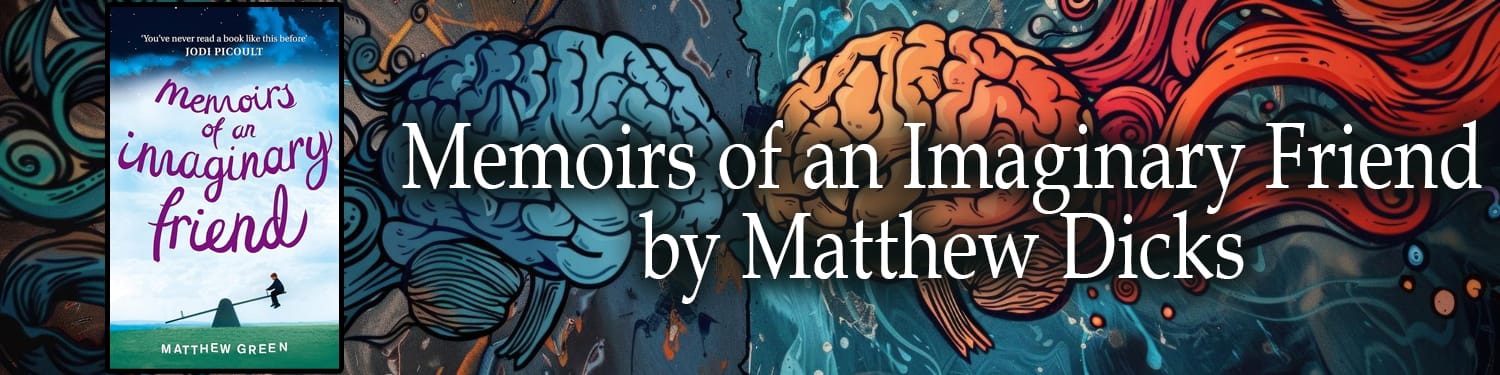
Memoirs of an Imaginary Friend by Matthew Dicks
RWW Full Review on April 13
Ever wondered what loyalty looks like through the eyes of an imaginary friend? Max has autism; Budo is the friend he invented who just… never left. Their bond turns into a rescue mission, and yes, you’ll cry (in that good, cathartic way that leaves you blinking at the ceiling). It’s one of those stories that sneaks up on your emotions—the kind you finish and think, “Okay, how do I reenter reality now?”
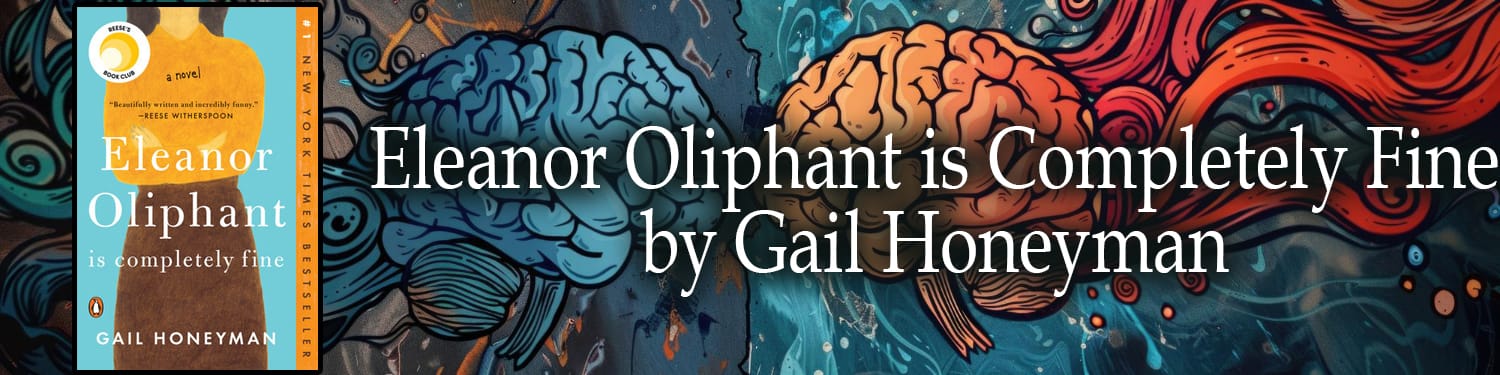
Eleanor Oliphant is Completely Fine by Gail Honeyman
RWW Full Review on April 15
Eleanor is not fine—and that’s why she’s unforgettable. Her rigid routines, her painfully awkward social encounters, and her slow unfurling into self-acceptance make the novel a modern classic of neurodivergent representation. If loneliness could talk, it would sound like Eleanor. But if healing could whisper, It would sound like her, too.
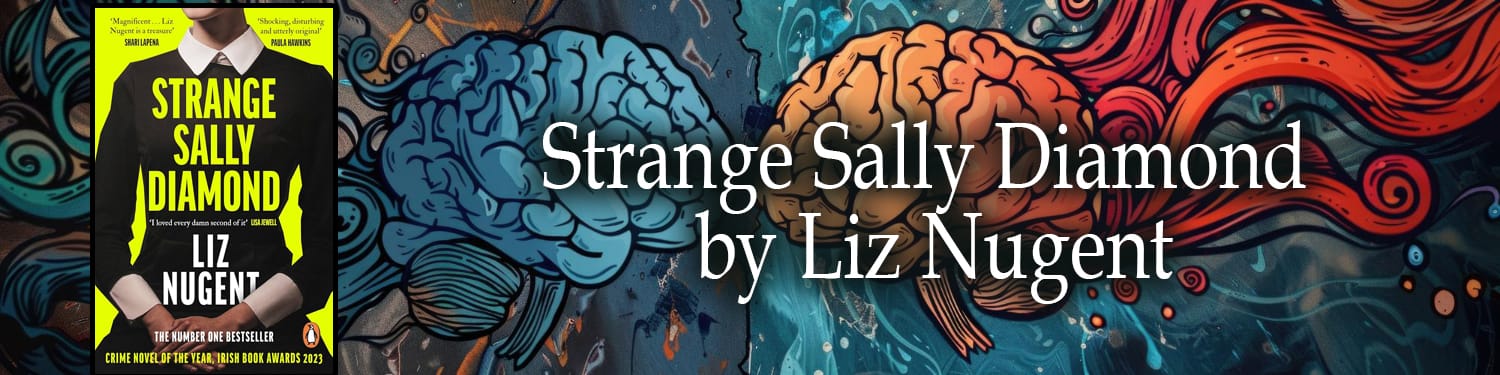
Strange Sally Diamond by Liz Nugent
RWW Full Review on April 17
Sally is… well, strange. The novel opens with Sally following her father’s unusual instructions for his death, and trust me—once you start, you cannot look away. Sally’s blunt honesty and puzzling sense of morality reveal the weight of trauma and the persistence of self, even when the world doesn’t understand you.It’s darkly funny, deeply disturbing, and oddly tender. Nugent gives us a character who’s not here to perform neurodivergence for your sympathy—she simply is.
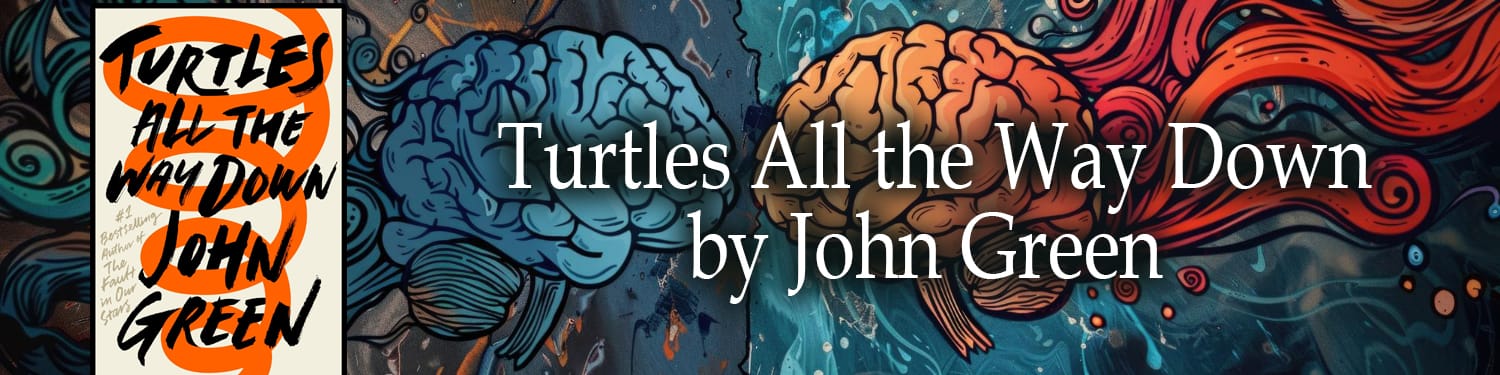
Turtles All the Way Down by John Green
RWW Full Review on April 20
We all have thoughts that spiral sometimes—but Aza’s spirals have their own gravity. Her obsessive, intrusive thinking captures OCD with raw honesty and poetic intensity. John Green never romanticizes her struggle; instead, he writes it like truth—messy, circular, and full of heartbreaking hope. It’s one of the most authentic mental health portrayals in YA fiction, and it still hits hard years after publication.
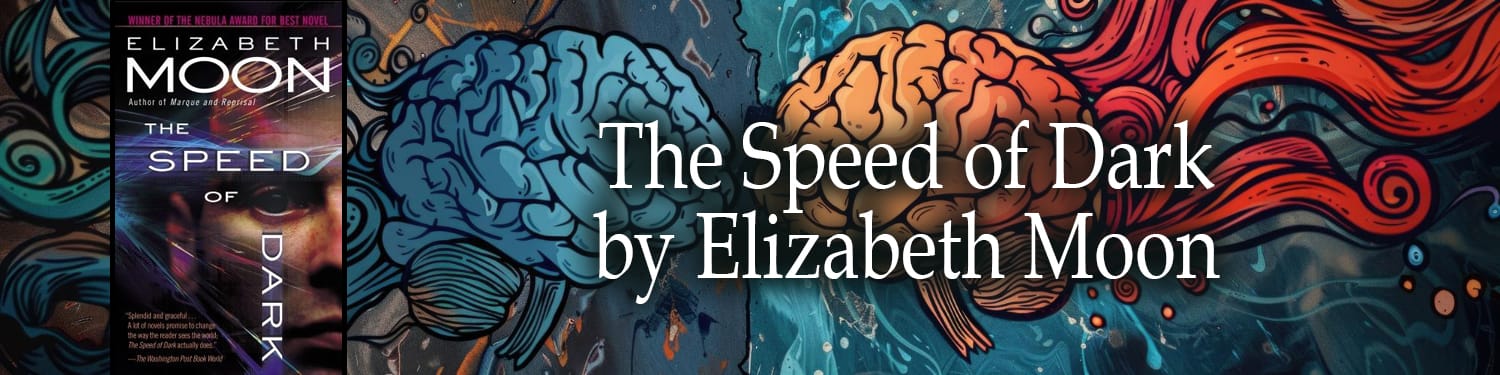
The Speed of Dark by Elizabeth Moon
RWW Full Review on April 22
Lou is brilliant, methodical, and autistic—and living in a near-future world where science offers to “cure” him. But should he change? Should he want to? This book doesn’t give easy answers. It asks questions that burrow under your skin: what do we lose when we “normalize” difference? Moon’s writing is luminous and unapologetic—a rare blend of philosophy, empathy, and science fiction that challenges how we define intelligence and identity.
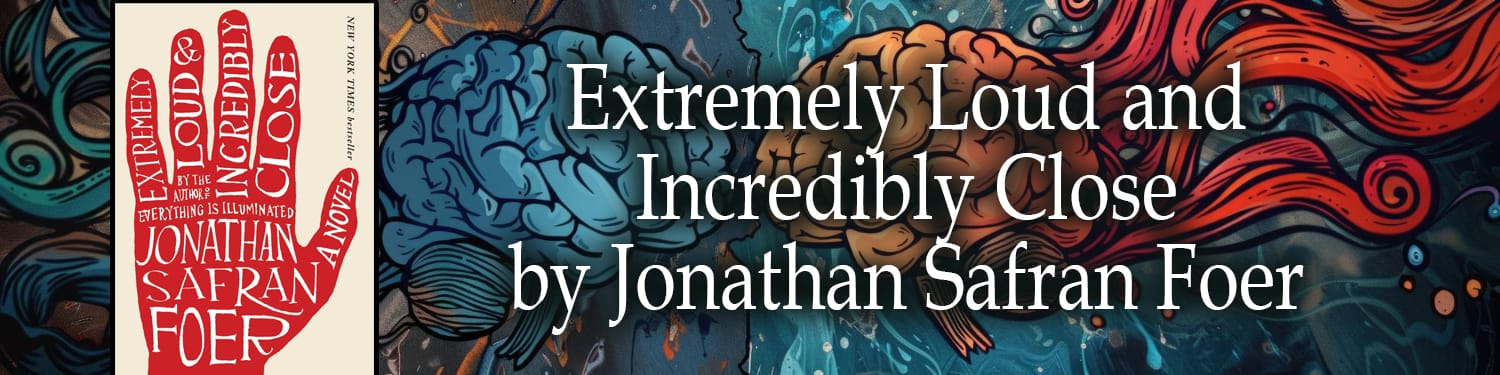
Extremely Loud and Incredibly Close by Jonathan Safran Foer
RWW Full Review on April 24
Nine-year-old Oskar is grieving his father, lost in the 9/11 attacks. He’s smart, anxious, and endlessly curious—the kind of kid who turns his pain into puzzles, missions, and maps. Foer’s fragmented storytelling mirrors Oskar’s mind perfectly: chaotic, questioning, beautiful. This novel reminds us that sometimes, the loudest grief is the one expressed through small, obsessive quests for meaning.
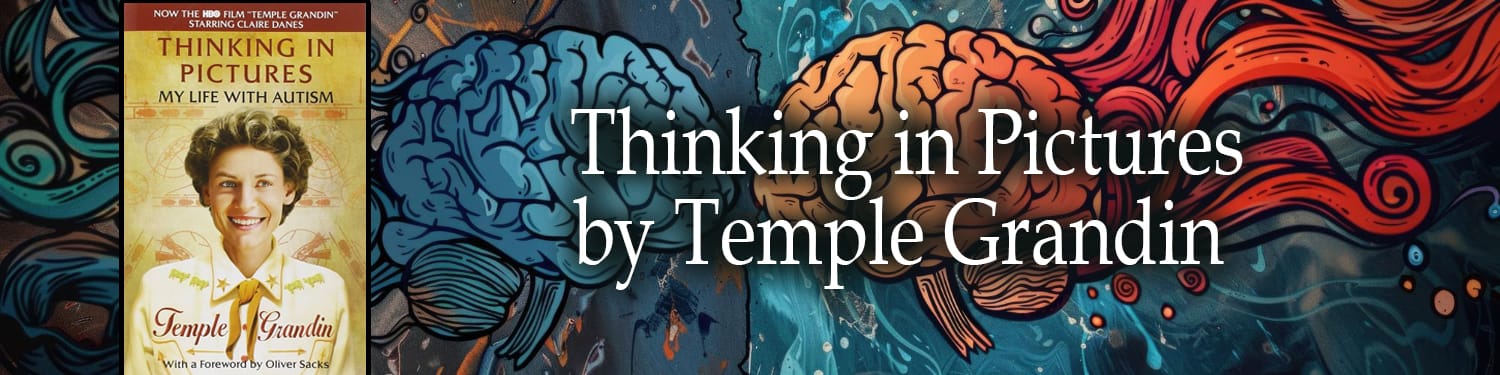
Thinking in Pictures by Temple Grandin
RWW Full Review on April 27
If fiction opens windows, memoirs fling open the door. Temple Grandin changed how the world understands autism—especially how the autistic mind processes emotion, empathy, and visual thinking. Her insights combine science and soul. Reading this feels like sitting across from her in a sunlit café, listening to her explain how she sees the world in patterns, not abstractions—and that it’s not a flaw, but a gift.
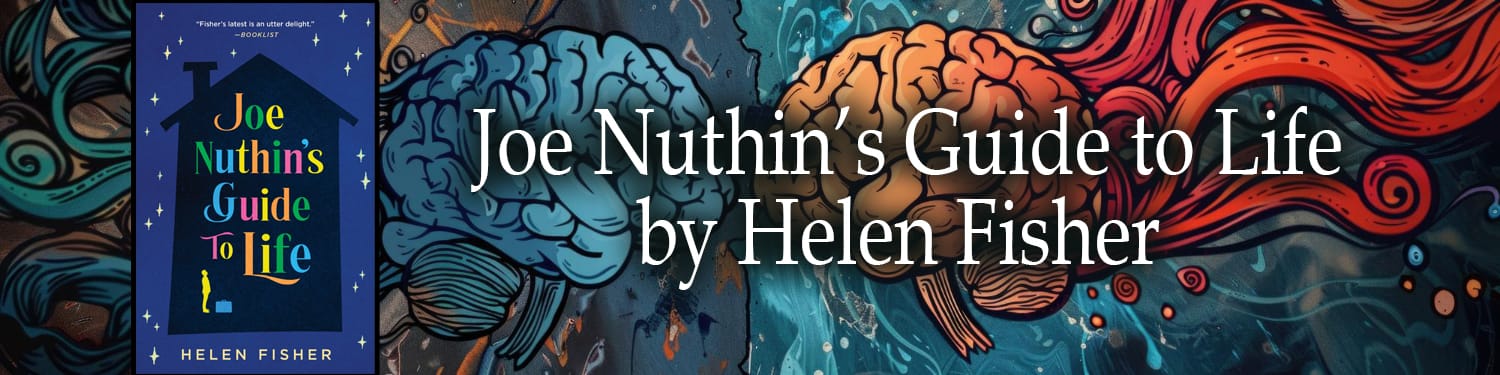
Joe Nuthin’s Guide to Life by Helen Fisher
RWW Full Review on April 29
Joe’s brain works differently, and that’s exactly what makes him a joy to read. His heart is wise, his perspective refreshingly literal, and his journey through loss and friendship brims with kindness. Fisher writes with tenderness and wit, showing that being “different” doesn’t mean being broken—it just means loving the world from a unique angle.
What This Series Really Celebrates
Representation isn’t just about ticking boxes. It’s about shifting perspective.
Books like these remind us that difference is not deficiency. The neurodivergent mind is one of humanity’s most creative engines—it notices patterns others miss, finds beauty in repetition, humor in chaos, and meaning in what others dismiss as noise.
And when we read about characters like Molly or Eleanor or Aza, we start to understand how much the world asks for conformity—and how much quieter, poorer, and less imaginative life would be if we all fit perfectly into its molds.
This April, I want you to read not just with empathy but with curiosity.
Notice how each character thinks, how they solve problems or misunderstand gestures, how their world sparkles with different rules. You don’t read these books to “study” difference—you read them to feel it.
An Invitation (and a Challenge)
Here’s my invitation: Pick one book from the list that scares you a little. Not because of its content, but because it might challenge how you think about empathy, logic, communication, or mental health.
Then, read it slowly. Let the awkward moments breathe. Sit with the discomfort. Laugh at the literalness. Cry at the clarity.
And when you’re done, talk about it. Comment. Email. Join our blog discussions. Because this month isn’t just about celebrating neurodivergent voices—it’s about listening to them.
The Wrinkles We Celebrate
Readers With Wrinkles has always been about seeing beauty in complexity. The wrinkles, the quirks, the illusion that we ever “age out” of curiosity. Celebrating Neurodivergency Month feels like coming home to that mission.
These characters remind us that brains are like fingerprints—beautiful, irreplaceable, and sometimes difficult to read until you slow down and really look.
So, let’s do that together. Let’s spend April honoring minds that refuse simplification. Let’s fall in love with the mess, the brilliance, the humanity of difference.
Because every story in this lineup tells the same quiet truth:
Being wired differently isn’t something to overcome—it’s something to understand, cherish, and write into the world.
Comments