

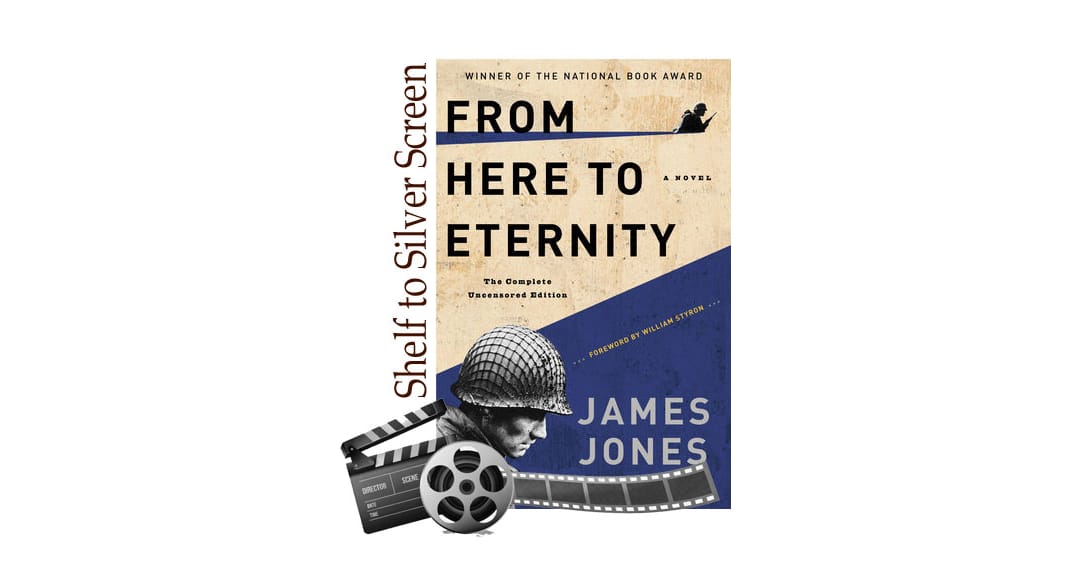
Note: If you're reading this in your inbox, be sure to check out the full post online — it includes great videos you won’t see in the email version!
Shelf Meets Silver Screen Series
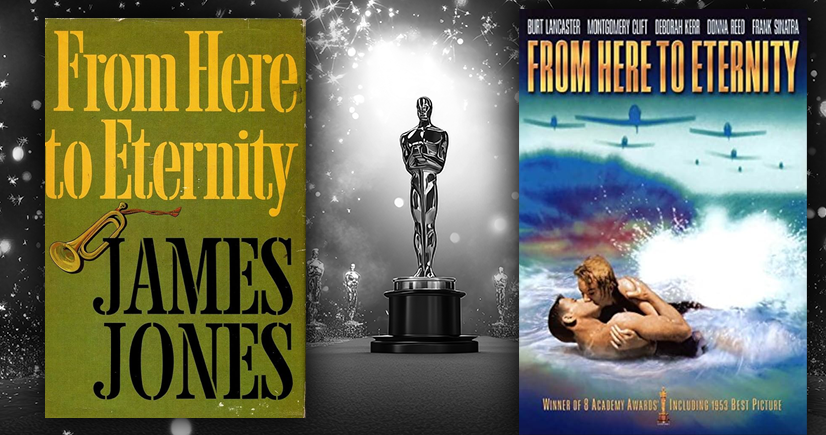
Book Awards:
- 🥇 National Book Award Winner Fiction 1952
- 🥇Publishers Weekly Bestseller Fiction 1951
- 🥇New York Times Bestseller Fiction 1951
Oscar Awards:
- 1954 Nominated for 13 Academy Awards
- Won:
🏆 Best Movie
🏆 Best Director: Fred Zinnemann
🏆 Best Supporting Actor: Frank Sinatra
🏆 Best Supporting Actress: Donna Reed
🏆 Best Writing, Screenplay: Daniel Taradash
🏆 Best Cinematography (Black-and-White): Burnett Guffey
🏆 Best Film Editing: William A. Lyon
🏆 Best Sound, Recording: Columbia Studio Sound Department
I’m sure I never actually read From Here to Eternity until last week, and if I ever saw the movie before, the only part that stuck was that unforgettable scene of Burt Lancaster and Deborah Kerr lying on the beach, bodies entwined, and the waves crashing over them. Ooh-la-la! After finishing the book, I decided to rewatch the film—and I absolutely loved it. It’s fascinating to see how the story I just read translated to the screen, what was kept, what changed, and how the spirit of James Jones’s novel still comes through. Also, I have to say, I never really appreciated just how hot Burt Lancaster was until now. Montgomery Clift too.
From Here to Eternity didn’t just go from page to screen; it went from scandalous, doorstopper debut to National Book Award winner to eight‑time Oscar champ in just a few short years, reshaping how Hollywood handled “serious” novels along the way.
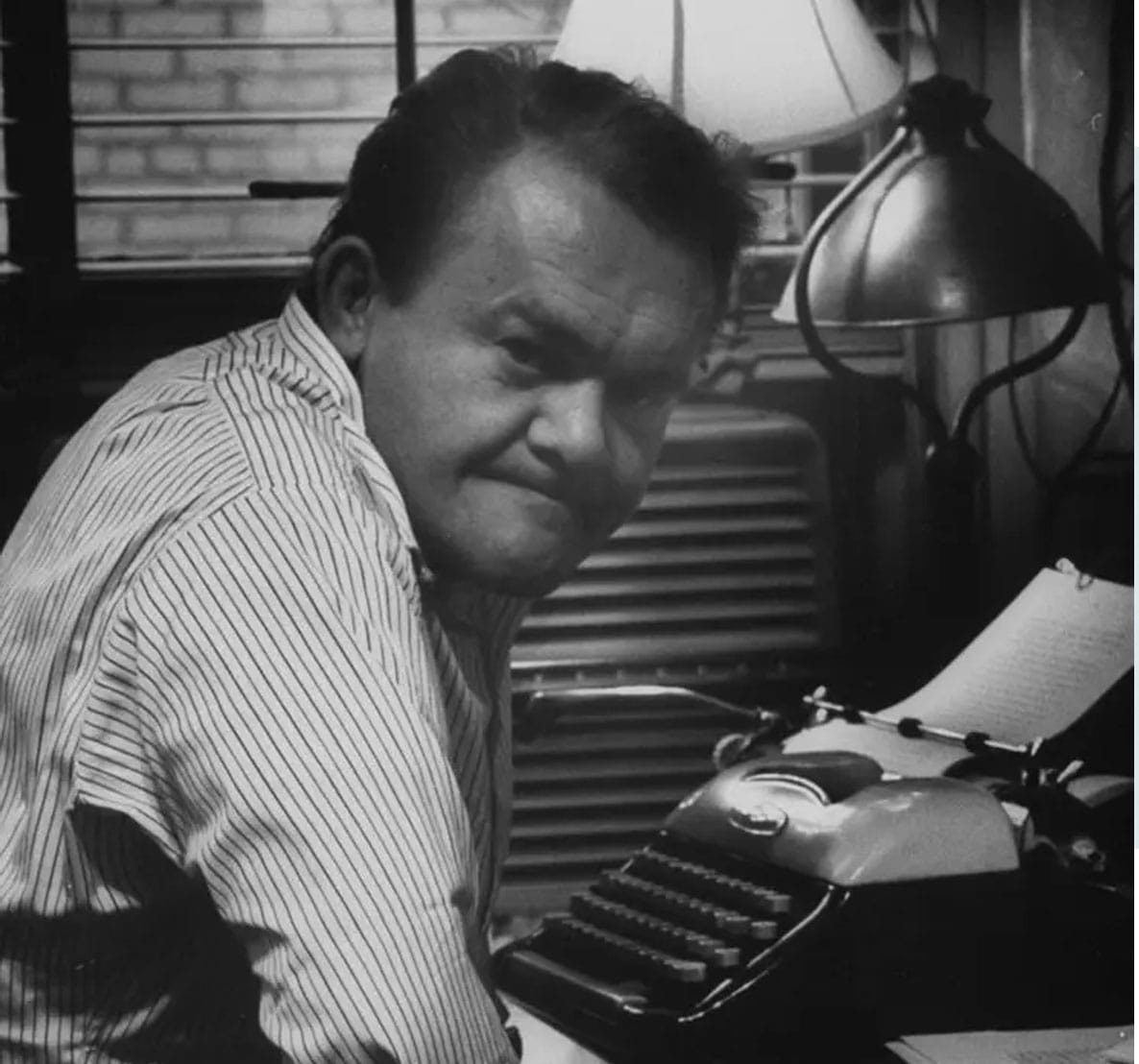
The Book That Rocked Postwar America
James Jones published From Here to Eternity in 1951, drawing on his own Army experience in Hawaii before Pearl Harbor. The novel followed enlisted men at Schofield Barracks, diving into their drinking, brothels, brutality, and rage at the military machine that owned their days and nights.
It was long, messy, and gloriously unwholesome by early‑1950s standards, and readers devoured it; the book became a bestseller and won the 1952 National Book Award for Fiction. That award, plus its massive sales, made the novel exactly the kind of “prestige property” Hollywood was suddenly hungry for in the postwar era.
Hollywood Smells Prestige (and Trouble)
Columbia Pictures snapped up the rights, but adapting a profanity‑laced, sex‑soaked, anti‑authoritarian Army novel under the Hollywood Production Code was always going to require some careful pruning. The studio also needed the full cooperation of the U.S. Army to shoot on location at Schofield Barracks and to use military equipment and Pearl Harbor footage—which meant the institution being criticized in the book had real leverage over the film.
Screenwriter Daniel Taradash became the key translator between Jones’s brutal realism and what would pass both censors and the Pentagon. His task: keep the emotional truth of the story while clearing enough obstacles to secure Army approval and a production code seal.
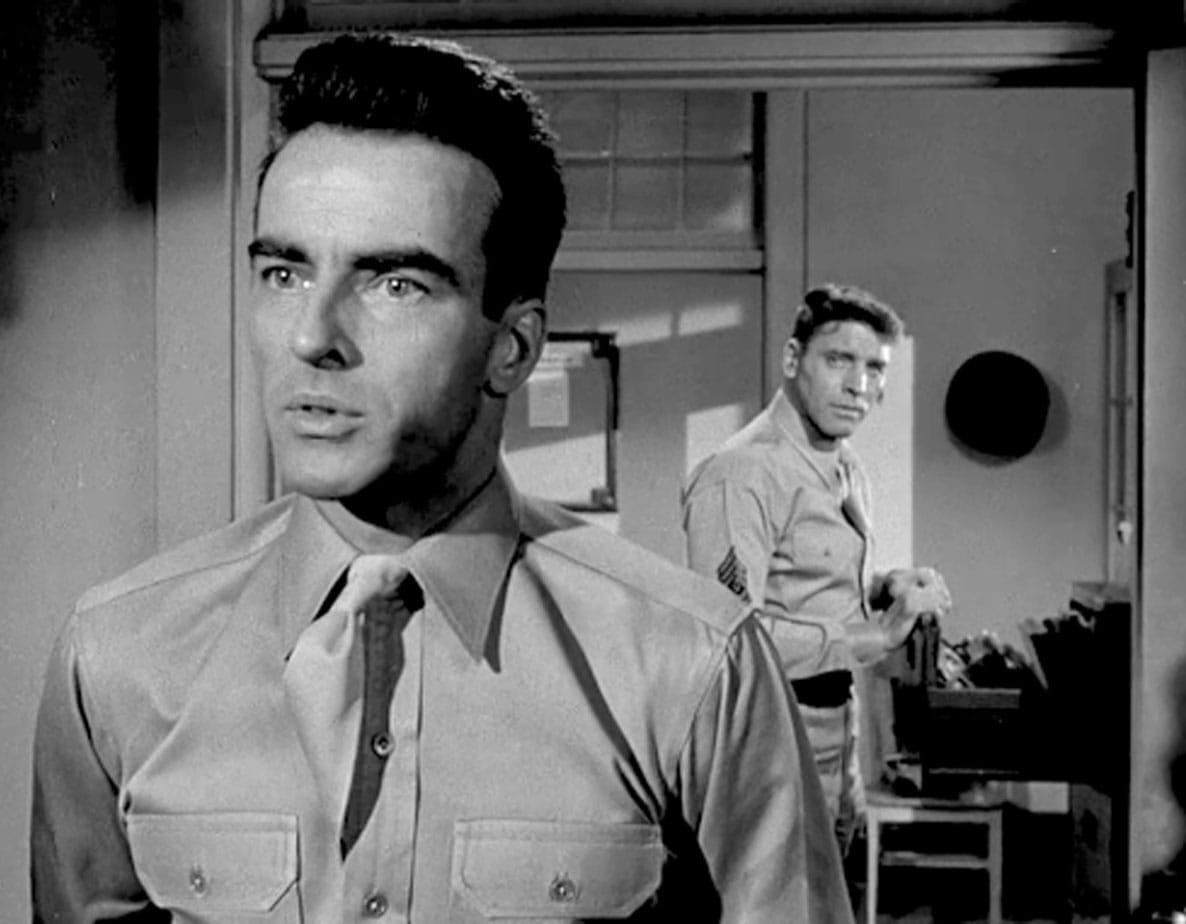
What the Movie Softened—and What It Kept
The 1953 film, directed by Fred Zinnemann and starring Burt Lancaster, Montgomery Clift, Deborah Kerr, Frank Sinatra, and Donna Reed, clocks in at under two hours—about as far from an 800‑plus‑page sprawl as you can get. To get there, Taradash and Zinnemann made several big changes: prostitution becomes euphemistic “escort” work, the famous beach affair is erotic but limited to kisses, and some of the book’s bleaker character arcs are softened or trimmed.
And yet, the adaptation still lets the corrosive cost of military life seep through: the cruelty of officers, the way the institution grinds down individuality, the casual violence between soldiers, and the sense that devotion to the Army will not save these men when the system turns on them. For mid‑century moviegoers, this balance—cleaned‑up surfaces, simmering disillusion underneath—was both palatable and quietly radical.
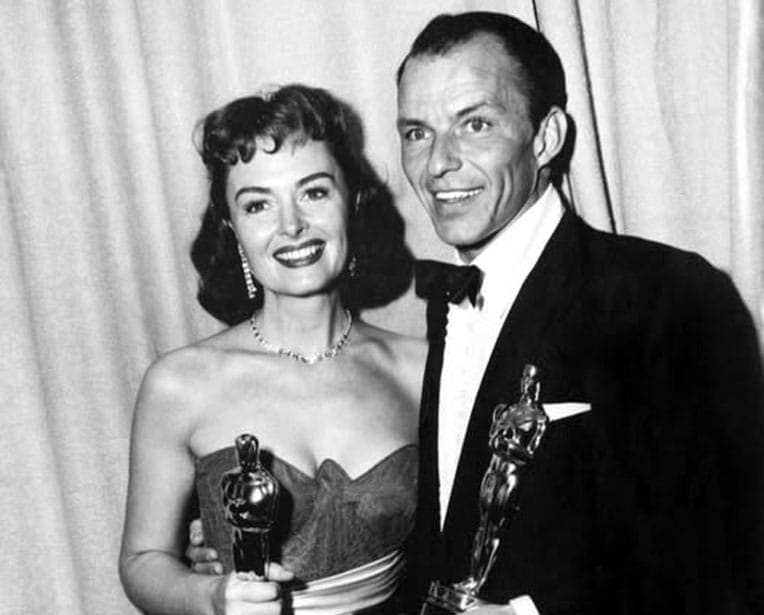
Oscar Night: When Grim Got Glamorous
From Here to Eternity premiered in 1953, and by the 26th Academy Awards (held in 1954) it had become the kind of event film that pulled older viewers out to the theater and convinced critics that popular war stories could still be serious art. The movie earned 13 nominations and won 8 Oscars, including Best Picture, Best Director (Fred Zinnemann), Best Adapted Screenplay (Daniel Taradash), Supporting Actor (Frank Sinatra), Supporting Actress (Donna Reed), cinematography (black‑and‑white), sound recording, and film editing.
That haul put it in the same rarefied air as the biggest Oscar winners of its era and sent a clear message: literate, adult stories with moral ambiguity could absolutely be box‑office hits and awards darlings. It also cemented Sinatra’s comeback as a serious actor and permanently fused Lancaster and Kerr with that surf‑and‑sand clinch, which has been enshrined on multiple American Film Institute “greatest movies” and “greatest screen passions” lists.
What It Means for Readers with Wrinkles
If you’re reading this as someone who loves long, chewy novels and also has a soft spot for black‑and‑white classics, From Here to Eternity is a fascinating case study in how stories age—and who they age with. The book captured the anger and disillusion of postwar readers who were ready to see the Army’s shine scuffed up; the movie translated that mood into a tighter, more romantic package that older 1950s audiences could handle on a Saturday night date.
For a modern, mature reader, the fun is in the cross‑stitch between the two: reading Jones’s jagged, ambitious novel, then watching how Zinnemann and Taradash reshape those same characters into Oscar‑winning archetypes without entirely sanding off the anti‑institution edge. It’s the perfect double‑feature for a book club that doesn’t mind a few rough edges, a lot of moral gray, and a reminder that sometimes the stories that last “from here to eternity” are the ones that make both readers and moviegoers just a little thrillingly uncomfortable.
Readers with Wrinkles followers will find From Here to Eternity both richer and more surprising than its pop‑culture image suggests, making it an excellent candidate for a first read or a thoughtful reread. Beneath the famous beach scene and war-movie sheen is a big, messy, deeply human novel about soldiers trying to hold onto their souls inside a system designed to grind them down. It’s the kind of book that rewards life experience: the older you are, the more you notice in its questions about love, loyalty, compromise, and who we become under pressure.
Here are some reasons you might want to pick it up (or return to it) now:
It’s a landmark of 20th‑century American fiction.
The novel won the National Book Award and is widely considered one of the major American novels of the postwar era, not just another “old war book.” Jones uses modernist techniques and an unvarnished style to probe conformity, patriotism, and the human condition in a way that still feels bracingly contemporary.
The portrayal of military life is unflinchingly real.
Jones drew on his own experience in the pre‑Pearl Harbor Army to show boredom, brutality, camaraderie, and corruption among enlisted men, shattering the tidy, heroic myths many wartime stories lean on. Readers who appreciate honest, ground‑level depictions of institutions will find the day‑to‑day details of barracks life, punishment, and power games fascinating and often disturbing.
The characters are flawed, complex, and unforgettable.
Private Prewitt and Sergeant Warden, in particular, are richly drawn men at war with themselves as much as with the Army, torn between integrity, desire, and survival. Their inner conflicts—wanting to live by their own codes while needing what the system offers—give the novel a psychological depth that rewards slow, reflective reading.
It asks big questions about individuality and conformity.
The book keeps circling one core tension: how much of yourself can you keep when the world demands obedience, sacrifice, and silence “for the greater good.” Mature readers who have navigated workplaces, families, churches, or communities with strong expectations will recognize the cost of either resisting or giving in.
It’s a powerful meditation on suffering and resilience.
Jones is obsessed with the idea that even the “worst” people have suffered, and he insists on showing how pain, shame, and past wounds shape behavior. The result is a story where cruelty and tenderness sit side by side, inviting readers to consider how people keep going—even badly—under unbearable pressure.
The love stories are messy, adult, and morally complicated.
Relationships in the novel—between Warden and Karen, Prewitt and Lorene—are steeped in compromise, secrets, and unequal power, not tidy romantic arcs. Readers who are tired of neat love stories will appreciate how desire, respect, survival, and self‑deception are all tangled together here.
It reframes the Pearl Harbor story from the ground up.
Instead of focusing on generals and strategy, the novel spends most of its pages in the humid, uneasy months before the attack, among ordinary soldiers who have no idea what’s coming. When the bombing finally arrives, it hits as a personal and moral earthquake, not just a historical event you recognize from textbooks.
The themes land differently as an older reader.
Questions about wasted time, wrong turns, loyalty to the wrong people, and whether you can ever really change have a particular sting if you’re reading in midlife or later. A reread lets you measure how your sympathies have shifted—who you judge, who you forgive, and which compromises suddenly feel understandable.
It’s a rich companion to the film you remember.
The movie condenses the 800‑plus‑page novel into just under two hours, softening or omitting some of the book’s frankest and darkest material while preserving its emotional core. Reading or rereading the novel lets you see what had to be cut or changed for 1950s Hollywood, making that iconic beach scene and the performances feel layered in new ways.
It invites big, juicy book club conversations.
Between its treatment of masculinity, military justice, sexuality, class, and the stories we tell about “good” patriotism, there is no shortage of tender spots to poke at together. It’s a book that almost guarantees differing opinions—about the characters, their choices, and even whether you “like” the novel—which is catnip for a thoughtful reading group.
From Here to Eternity offers a rich blend of character-driven drama, wartime history, and swoony old-Hollywood romance that pairs beautifully with the novel or a book-club discussion.
Here are compelling reasons to watch—or rewatch—this film:
Montgomery Clift and Burt Lancaster at their peak
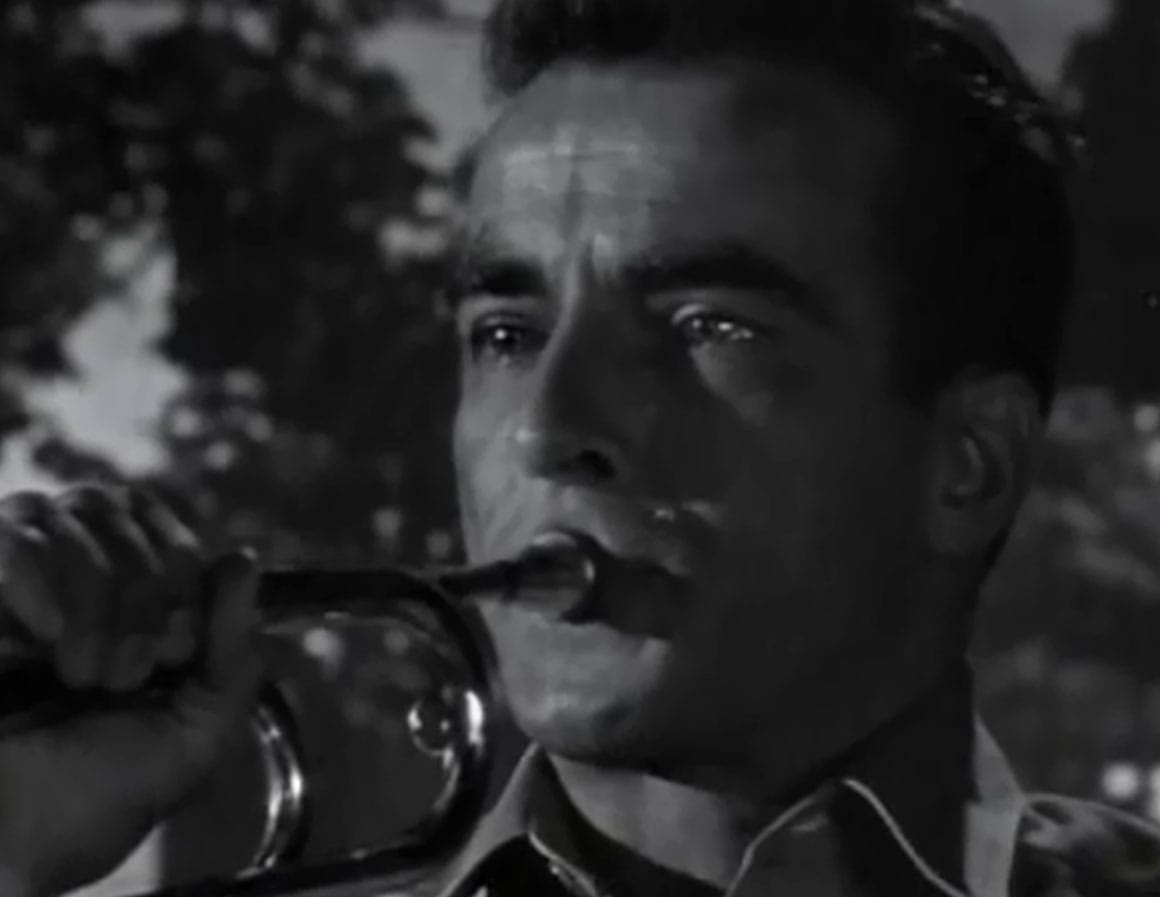
The film centers on Private Robert E. Lee “Prew” Prewitt (Montgomery Clift), a principled, stubborn soldier, and First Sergeant Milton Warden (Burt Lancaster), the competent career man torn between duty and desire. Their contrasting performances anchor the story and give it the emotional and moral complexity that makes the film feel surprisingly modern. And, they are both "hotties!"

Complex, flawed women who hold the screen
Deborah Kerr’s Karen Holmes and Donna Reed’s Alma/Lorene are far more than love interests; each is negotiating respectability, desire, and limited options within a rigid social world. Reed’s portrayal of a prostitute dreaming of a different life even won her an Academy Award, underscoring how central the women’s arcs are to the film’s power.
A Best Picture winner that actually holds up
From Here to Eternity won the Oscar for Best Picture and took home eight Academy Awards in total, tying earlier records for wins and cementing its status as the film of its year. Rewatching it now lets viewers test whether classic awards darlings still resonate—and this one’s mix of grit and romance generally does.
Frank Sinatra’s “comeback” performance
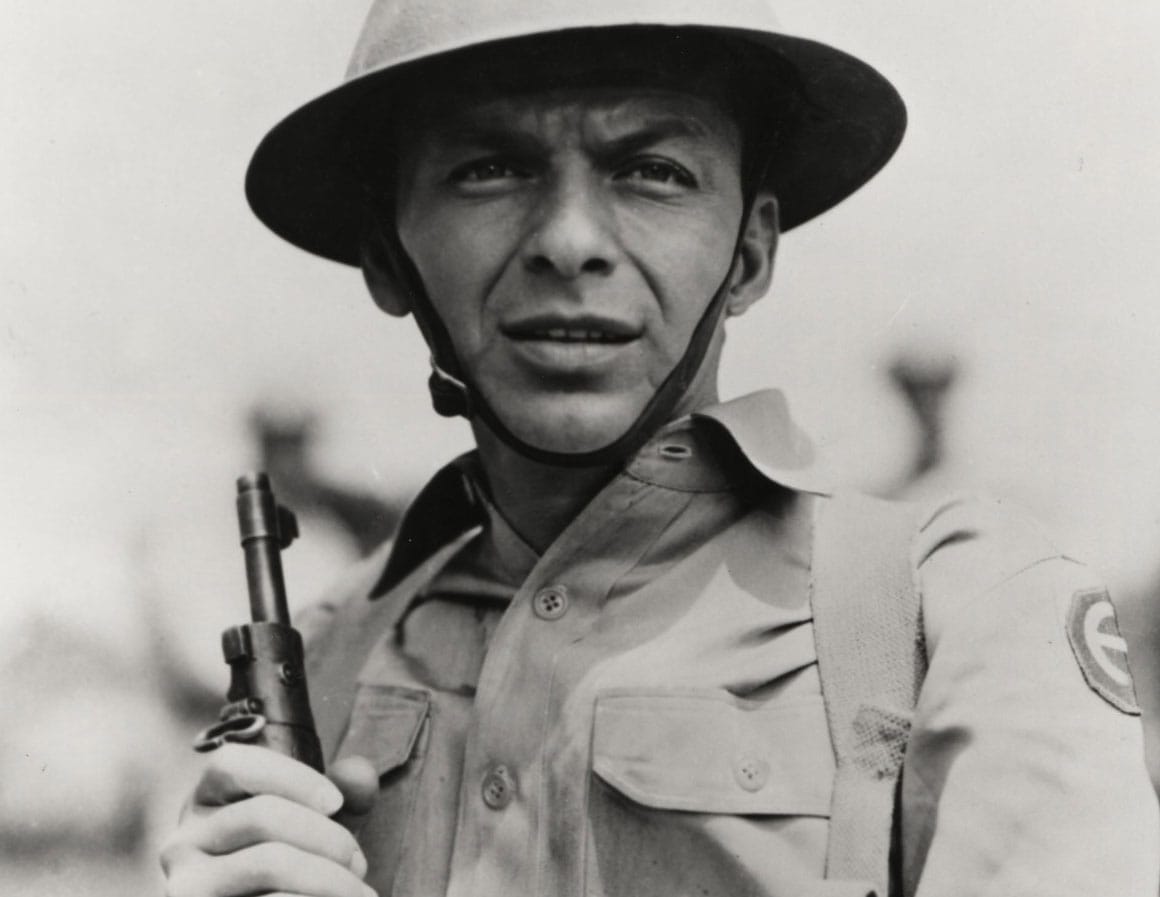
Frank Sinatra’s turn as Angelo Maggio, the hotheaded, vulnerable friend who suffers under a sadistic sergeant, revived his film career and earned him an Oscar for Best Supporting Actor. His scenes with Clift add warmth, humor, and ultimately heartbreak, giving book‑club viewers plenty to unpack about masculinity, loyalty, and violence.
A character study set on the brink of catastrophe
The story unfolds in Hawaii in the months leading up to the attack on Pearl Harbor, following the daily lives, romances, and moral choices of soldiers who don’t yet know what is coming. That impending historical disaster turns their personal dramas into something larger, inviting viewers to think about how ordinary lives intersect with world events.
Themes that pair beautifully with the novel
The film explores courage, conformity, the cost of standing by one’s principles, and the compromises people make in love and career, echoing key themes from James Jones’s novel. For readers who enjoyed or are curious about the book, the adaptation offers a chance to compare how Hollywood shapes character arcs, censors content, and reframes moral ambiguity.
Iconic romance with a darker undercurrent
Even if someone only knows the famous beach embrace between Lancaster and Kerr, the full context reveals a fraught affair between a married woman and her husband’s subordinate. Rewatching that “classic” scene in light of the surrounding story opens up discussions about power, betrayal, and what people are really yearning for.
A window into mid‑century attitudes toward the military
The film doesn’t shy away from showing hazing, abuse of power, and the pressures to conform inside an Army unit, particularly through Prew’s refusal to box and Maggio’s clashes with authority. For modern viewers, it’s a fascinating artifact of how 1950s Hollywood balanced patriotism with critique just a decade after the war.
Rich material for intergenerational discussion
Because it blends war, romance, and social critique, From Here to Eternity gives different age groups different entry points—nostalgia and star power for older viewers, moral complexity and historical framing for younger ones. It’s ideal for a Readers with Wrinkles watch night followed by a discussion that compares the film’s gender roles, power dynamics, and wartime anxieties with contemporary stories.
A classic that rewards close, “book-clubby” viewing
The film’s layered performances, intertwined subplots, and morally messy decisions invite the same kind of close reading that your community brings to novels. Watching or rewatching it with an eye for motif, character development, and what gets left unsaid turns a black‑and‑white war drama into a rich, shared text for conversation.
The 98th Academy Awards (2026 Oscars) will air live on Sunday, March 15, 2026, at 7 p.m. ET (4 p.m. PT). The ceremony will be broadcast from the Dolby Theatre in Hollywood on ABC and available to stream on Hulu. Comedian Conan O'Brien is set to host the event.
Comments