

Table of Contents
Shelf Meets Silver Screen Series
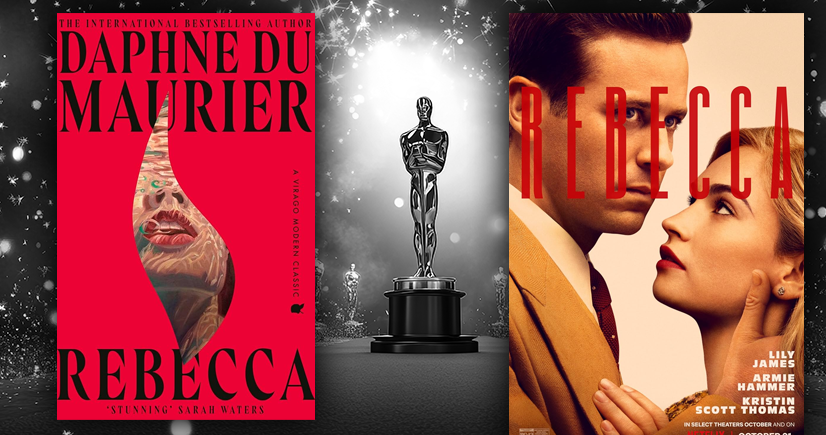
Book Awards:
- 🥇National Book Award Winner – Most Distinguished Novel 1936
- 🥇Anthony Award Winner – Novel Of The Century 2000
Oscar Awards:
- 1940 Nominated for 11 Academy Awards
- Won:
🏆Best Picture
🏆Best Cinematography - George Barnes
Rebecca didn’t just haunt readers; it walked straight off the page, onto the Oscars stage, and took home Best Picture. This is the story of how Daphne du Maurier’s Gothic masterpiece became Alfred Hitchcock’s first Hollywood film and an Academy Award winner, and what that journey can teach book lovers (and book clubs) about adaptation, longevity, and cultural obsession.
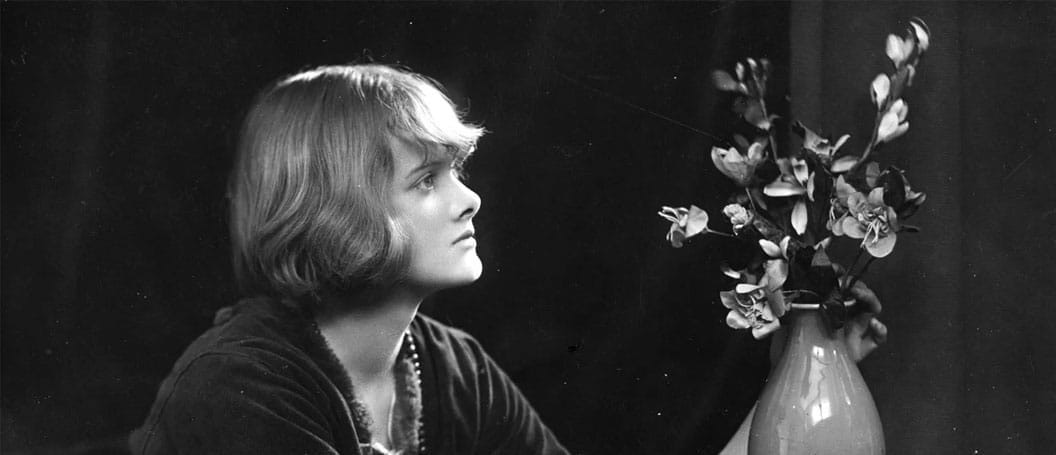
From runaway bestseller to “inevitable” adaptation
Rebecca was published in 1938 and almost immediately became an international bestseller, selling tens of thousands of copies in the UK alone and winning the National Book Award in the U.S. for favorite novel. The combination of romantic suspense, psychological unease, and that unforgettable opening line made it feel tailor-made for the silver screen long before anyone said “Roll camera.”
Hollywood noticed quickly. Producer David O. Selznick—fresh off buying the film rights to Gone with the Wind—snapped up Rebecca’s film rights in 1938 for about 50,000 dollars, the same figure he’d paid for Margaret Mitchell’s epic. In other words, the industry was already treating du Maurier’s novel as a prestige property, not just a spooky crowd-pleaser.
Hitchcock meets du Maurier (and Selznick)
Alfred Hitchcock had been reading the galley proofs of Rebecca while he was still in Britain filming Jamaica Inn, another du Maurier adaptation. He was interested in the rights himself, but the project was simply too valuable; Selznick’s studio outbid him and then signed Hitchcock to direct the film as his first American project.
Here’s where it gets deliciously messy. Hitchcock’s first treatment reshaped the story into something more in line with his existing thriller style, but Selznick was adamant that the film should preserve the core of du Maurier’s novel. He reportedly told Hitchcock, in essence, “We bought Rebecca, and we intend to make Rebecca,” pushing the director back toward the book’s character-driven dread and its atmosphere of psychological claustrophobia.
For readers like us, this is the fascinating hinge point: a director known for control and suspense wrestling with a producer obsessed with fidelity to a beloved text. The result isn’t a perfect replica of the novel, but it’s one of the rare page-to-screen journeys where the tug-of-war arguably preserved what readers loved most.
What had to change on the way to the Oscars
No beloved book makes it to the screen without bruises. For Rebecca, the biggest bruiser was the Production Code Administration—the censors—who simply wouldn’t allow the novel’s version of Rebecca’s death, which involves murder. To pass the censors, the film reframed the death as accidental, which shifts the moral texture of Maxim de Winter’s character and softens some of the book’s darker implications.
There were other adjustments: the novel’s more explicitly unsettling psychological and sexual undercurrents (particularly around Mrs. Danvers and Rebecca) had to be handled through suggestion, glances, and that eerie, nearly tactile atmosphere. Hitchcock compensated using what he did best—lighting, camera movement, and the physical design of Manderley—to convey what couldn’t be said aloud.
For book clubs, this is fertile discussion territory: what do we lose when a plot point is “cleaned up” for screen, and what do we gain when a great visual stylist is forced to imply rather than show? Rebecca’s adaptation asks us to consider whether an altered plot can still honor a book’s emotional truth.
The Oscar night that crowned Manderley
Rebecca premiered in 1940 and was both a critical and commercial success, standing out in a competitive Hollywood year. At the 13th Academy Awards in 1941, it earned eleven nominations—the most of any film that year—including nods for Best Actor (Laurence Olivier), Best Actress (Joan Fontaine), Best Supporting Actress (Judith Anderson), Best Director (Hitchcock), and several technical categories.
It ultimately won two Oscars: Best Picture for producer David O. Selznick and Best Cinematography (Black-and-White) for George Barnes. Remarkably, it remains the only Hitchcock film ever to win Best Picture, despite his long, decorated career. For a Gothic, psychologically driven story led largely by women’s interior lives, that’s a quietly radical legacy in an awards landscape that often favors war epics and male-centered narratives.
Why Rebecca’s journey still matters to modern readers
Decades later, Rebecca continues to be recognized as a classic of Gothic suspense; it has been honored as the Anthony Award winner for Best Novel of the Century and consistently appears on lists of favorite or most thrilling novels. The 1940 film, for its part, has been preserved in the U.S. National Film Registry as “culturally, historically, or aesthetically significant,” and it still appears on AFI lists for both thrills and iconic villains, thanks to Mrs. Danvers.
For mature readers Rebecca’s page-to-Oscar path is a case study in endurance: a book written in 1938 that still commands reissues, special editions, and critical essays, and a film that still feels genuinely eerie in a post–prestige TV world. It reminds us that deep interiority, ambiguous morality, and slow-burning dread don’t just survive translation to film; in the right hands, they can win the biggest prize in Hollywood.
Rebecca is almost tailor-made for seasoned readers—a moody, grown‑up gothic that rewards slow reading, strong opinions, and a good book club debate. Here are reader-facing reasons you will want to read or reread it.
It’s a foundational modern gothic novel.
Rebecca is a touchstone for twentieth‑century gothic fiction—Manderley, the mist, the psychological “haunting” by the past—and it continues the lineage of works like Jane Eyre while updating the genre for modern readers.
Manderley is one of literature’s great houses.
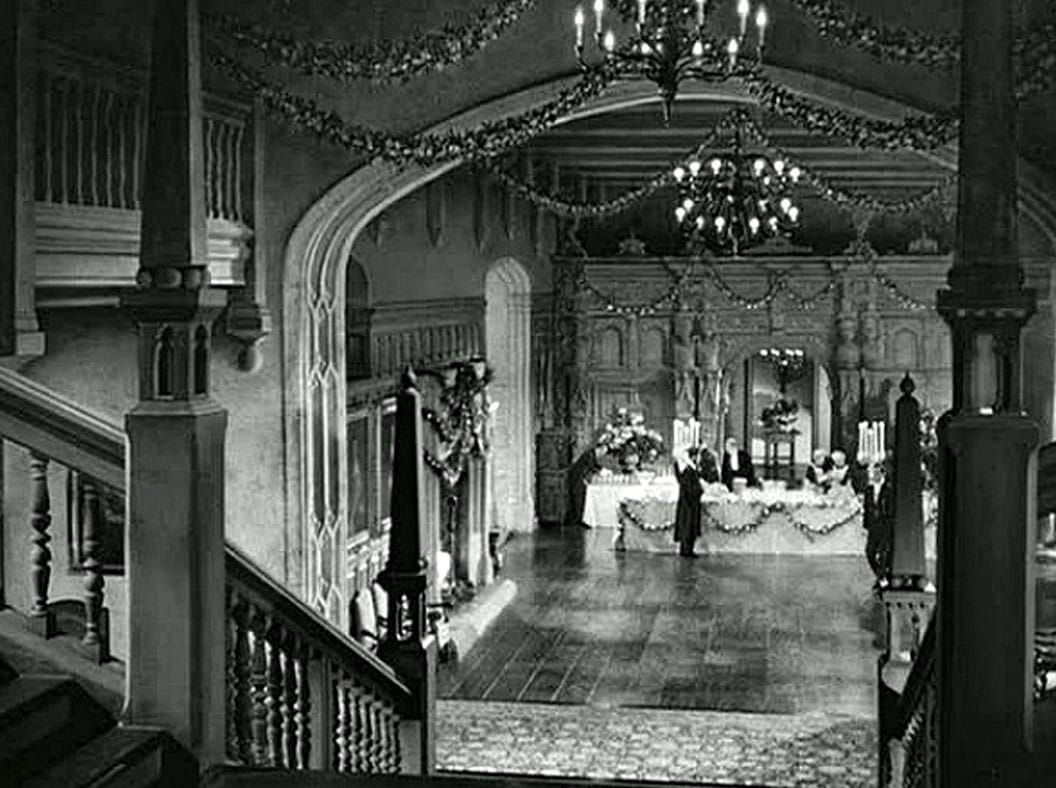
The estate functions as a living character: beautiful, oppressive, and full of secrets, a classic mansion of corridors, fog, and locked emotional cupboards that shapes every relationship in the book.
The story is a masterclass in psychological suspense.
Instead of jump scares or overt horror, the novel builds unease through social humiliation, half‑heard conversations, and the narrator’s anxious inner life, showing how memory and secrecy can be more terrifying than ghosts.
The themes are strikingly relevant for midlife readers.
Du Maurier probes jealousy, insecurity, and the feeling of living in someone else’s shadow—questions of identity, marriage, and self‑erasure that resonate powerfully with readers who have already lived a few chapters of their own story.
It’s a brilliant study of women, power, and patriarchy.
Rebecca, the second Mrs. de Winter, and Mrs. Danvers embody clashing versions of feminine power—compliant, transgressive, obsessive—inviting rich conversation about “good” vs. “bad” women and who gets punished for stepping out of line.
The writing is lush without being fussy.
From “Last night I dreamt I went to Manderley again” onward, the prose is atmospheric, quotable, and emotionally precise, offering the kind of sentences seasoned readers love to linger over and mark.
It rewards rereading with new sympathies.
On a first read, many readers simply root for the shy young narrator; on a reread, you notice troubling gaps, ethical gray zones, and the novel’s critique of the very romance it appears to deliver.
It’s an enduring cultural touchstone.
Rebecca has never gone out of print, has been repeatedly adapted for film and television, and has been voted one of the U.K.’s most beloved and inspiring novels, so rereading it helps your followers feel oriented inside a larger literary conversation.
The marriage at its center is wonderfully troubling.
Maxim and the second Mrs. de Winter’s relationship raises difficult questions about power imbalance, secrecy, and what we’re willing to overlook for security or love—perfect material for a mature audience that has watched real marriages evolve and fracture.
It’s a rich case study in toxic legacies and “toxic workplaces.”
Manderley shows what happens when a household—or organization—remains loyal to a charismatic but destructive past leader, making Rebecca unexpectedly relevant to conversations about leadership, culture, and the cost of enabling bad behavior.
The “twist” lands differently later in life.
Learning the truth about Rebecca’s character and death hits harder when you’ve seen how image, rumor, and social performance can warp a community’s understanding of a person, inviting older readers to question who gets to control the narrative.
It’s ideal for nuanced book club discussion.
Between its unreliable narration, ambiguous morality, and layered treatment of gender, class, and memory, Rebecca practically begs for “What would you have done?” questions that draw on your followers’ hard‑won life experience.
Here are some reader-friendly reasons you should watch or rewatch Rebecca, especially the 1940 Hitchcock version:
Gothic atmosphere and suspense
The film is a masterclass in slow-burn tension: Manderley’s shadowy corridors, crashing waves, and fog-drenched coastline create an eerie, immersive setting that feels like a character in its own right. The suspense builds through psychological dread rather than jump scares, which suits thoughtful, character-focused viewers.
A psychologically rich heroine
The unnamed second Mrs. de Winter is an anxious, self-effacing young woman whose inner turmoil will resonate with readers who love introspective narrators. Watching her evolve from timid companion to a more self-possessed partner gives the story an emotional arc that rewards rewatching.
Themes tailor-made for book or film clubs
Identity, jealousy, insecurity, class, and the haunting pull of the past offer plenty of discussion fuel. The way Rebecca’s “perfect” image dominates the living, and how the second Mrs. de Winter struggles against that myth, invites conversation about comparison culture and self-worth.
Mrs. Danvers as an unforgettable antagonist
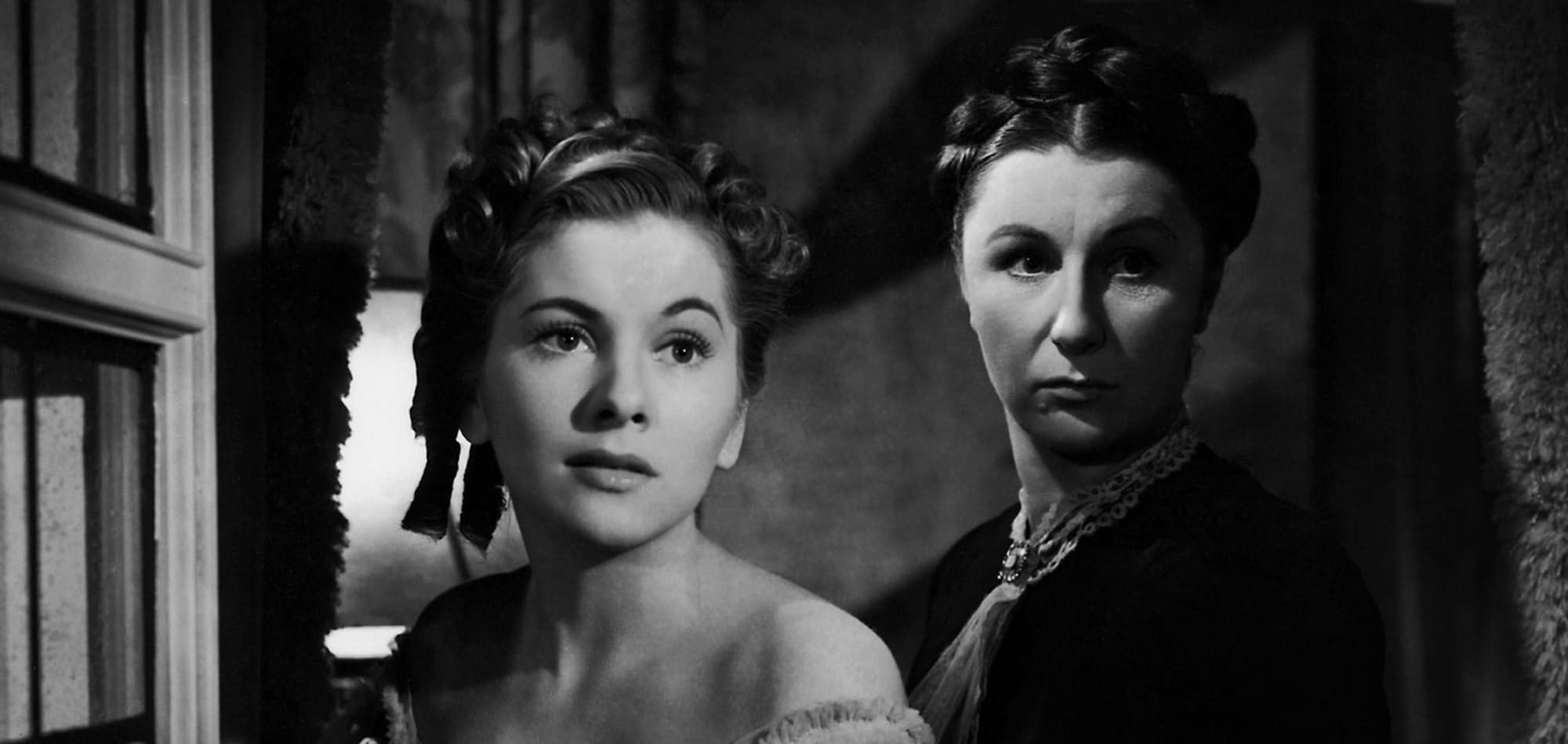
Judith Anderson’s Mrs. Danvers is chillingly composed, her devotion to Rebecca bordering on the obsessive. Her quiet manipulations and iconic scenes with the new Mrs. de Winter make her one of cinema’s most compelling Gothic figures.
A nuanced take on marriage
Maxim and his new wife do not offer a straightforward romance; their relationship is tangled up with secrets, guilt, and power imbalances. The film invites viewers to question how much we can ever really know our partners and what we’re willing to overlook for love or security.
The “invisible” title character
Rebecca never appears on screen, yet her presence dominates every frame. Rewatching lets viewers track how often characters invoke her name, how spaces and objects are arranged around her memory, and how that invisible influence drives the plot.
Deliciously rewatchable plot twists
The investigation into Rebecca’s death, the inquest, and the doctor’s revelation about her illness shift everything you think you know about Maxim and Rebecca. A rewatch lets you see earlier scenes in a new light, catching hints and double meanings you missed the first time.
A cornerstone of Hitchcock’s career
Rebecca was Alfred Hitchcock’s first American film and remains the only one of his movies to win the Oscar for Best Picture. For followers who love film history as much as fiction, it’s a key piece of cinematic heritage worth revisiting with that context in mind.
Gothic romance meets mystery
The story blends moody romance with a whodunit-style mystery about what really happened to Rebecca. That genre crossover makes it ideal for readers who enjoy both emotional drama and puzzle-box plotting.
Rich comparisons with the book and newer adaptations
For those who’ve read du Maurier or seen the 2020 Netflix version, the 1940 film offers a fascinating study in how each medium handles tone, character sympathy, and the reveal about Rebecca. It’s perfect for a “page vs. screen” discussion or a themed watch party followed by a book-club-style debrief.
Iconic imagery and set pieces
From the masquerade ball to the climactic scenes at Manderley, the film’s visual moments stick in the mind long after the credits roll. A rewatch lets viewers savor the production design, costumes, and framing that subtly reinforce class, power, and emotional distance.
Still relevant emotional core
Beneath the period trappings is a story about imposter syndrome, living in someone else’s shadow, and the fear of not being “enough.” Those anxieties feel very contemporary, giving your followers plenty of personal angles to explore in comments, discussion guides, or newsletter features.
The 98th Academy Awards (2026 Oscars) will air live on Sunday, March 15, 2026, at 7 p.m. ET (4 p.m. PT). The ceremony will be broadcast from the Dolby Theatre in Hollywood on ABC and available to stream on Hulu. Comedian Conan O'Brien is set to host the event.
Comments