

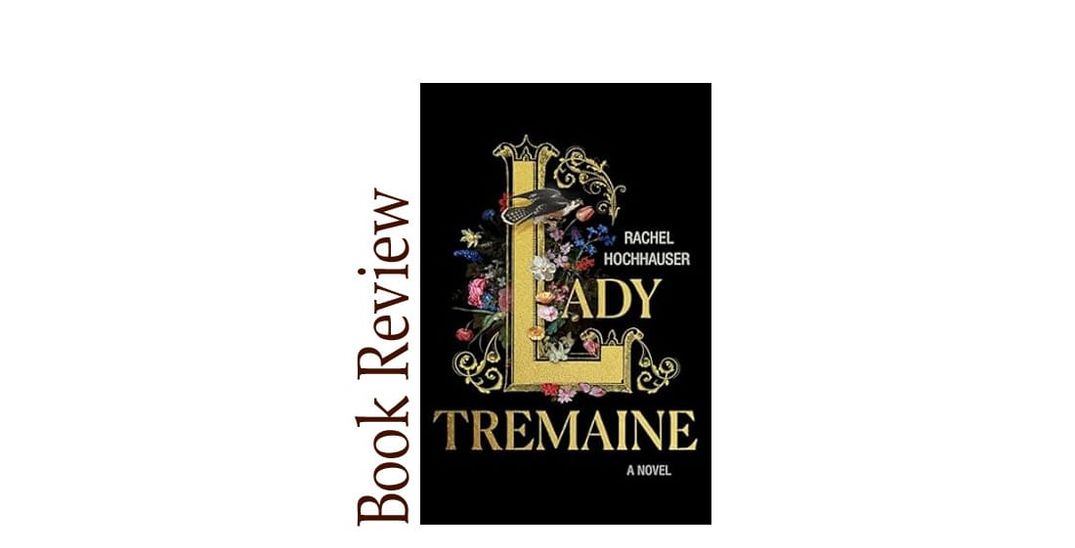
- Date Published:
March, 2026 - Length:
352 pages—Listening Time: 12 hours 41 minutes - Genre:
Fiction, Historical Fiction - Setting:
Medieval or early European time with no magical elements; an unnamed fictional kingdom - Awards
Reese's Book Club Pick March, 2026; New York Times Bestseller 2026; Book of the Month Pick 2026; Indie Next Pick 2026 - Languages:
English - Sensitive Aspects:
Graphic violence and gore, body horror, death and child death, animal death and animal cruelty, sexual violence and rape, incest including sibling incest, an adult/minor sexual relationship, pregnancy out of wedlock, emotional abuse, domestic abuse, physical abuse and child abuse, grief and parental death, alcohol use, strong language, classism, gender discrimination and misogyny, patriarchal oppression, implied racism/colorism, toxic relationships, coercion and exploitation - Movie
As of September 2026, no official movie adaptation has been greenlit or announced for Lady Tremaine. - Recommended for Book Club:
Oh, yes!

What if the woman history has taught us to despise was never the villain at all?
That’s the question I kept circling while reading Lady Tremaine by Rachel Hochhauser—and honestly, I loved this book far more than I expected to. I went in knowing it had a fairy-tale foundation, and I fully prepared myself to tumble headfirst into a glittering rabbit hole of wicked stepmothers, enchanted destinies, and perhaps an aggressively symbolic glass slipper. You know the kind of story: beautiful gowns, brooding princes, and a heroine whose biggest obstacle is usually one inconveniently timed ball.
But Lady Tremaine does something much more interesting.
Yes, its premise nods to the familiar Cinderella tale, particularly through the figure we think we know as the “wicked stepmother.” But Hochhauser refuses to let the story drift into fantasy for fantasy’s sake. Instead, she roots it in the complicated, often unforgiving reality of a woman trying to survive in a world designed to limit her choices. The result is a historical novel that feels vivid, intelligent, and surprisingly intimate. This isn’t a fairy tale with the edges softened. It’s a story about power, reputation, motherhood, ambition, survival—and what it costs women when everyone assumes they already know the worst thing about them.
One of the things I admired most was the novel’s attention to the power of women working together. Not in a neat, overly polished “we’re stronger together” way, either. These relationships have tension, history, risk, and real stakes. Women supporting one another can be revolutionary when the world benefits from keeping them suspicious, isolated, and quiet. Hochhauser handles those bonds with such care that they become some of the book’s most moving—and most satisfying—moments.
And then there’s the falconry.
I did not expect to be so fascinated by it, but the falconry details absolutely pulled me in. They aren’t tossed in as decorative historical wallpaper. They bring texture, danger, discipline, and symbolism to the story, while also offering a glimpse of what freedom might look like when so much of a woman’s life is controlled by other people. Watching these birds—and the women connected to them—navigate restraint, instinct, loyalty, and flight? It’s quietly brilliant.
If your book club enjoys historical fiction with substance, morally complex characters, rich discussion material, and a fresh perspective on a familiar tale, put Lady Tremaine on your list. This is the kind of novel that invites debate long after the final page: Who gets to be called cruel? Who gets forgiven? And how different might a “villain” look when we finally hear her side of the story?

Lady Tremaine turns the Cinderella story sideways and asks us to reconsider the woman that history—and fairy tales—have been happiest to label a villain. Told through the eyes of Lady Etheldreda “Ethel” Tremaine, this richly imagined novel follows a twice-widowed mother doing her best to hold together a crumbling estate, protect her daughters’ futures, and maintain an appearance of respectability in a world where a woman’s security can disappear with a man’s signature—or his death.
Ethel has responsibilities piling up faster than the bills at Bramley Hall: two daughters of her own, a guarded stepdaughter named Elin, an increasingly precarious household, and a razor-taloned peregrine falcon who is every bit as memorable as the humans. With few options available to women without money, property, or powerful men behind them, Ethel sees marriage as more than romance. It is survival.
Then comes the possibility of a royal ball.
It sounds like the beginning of a familiar tale, doesn’t it? But Hochhauser has other plans. When the chance to enter royal circles arrives—and events begin to unfold in a way Ethel never intended—she is forced to navigate old rivalries, dangerous expectations, family loyalties, and the uneasy truth that the people we think we understand may be hiding far more than we realize. A troubling secret within the royal family raises the stakes even further, putting Ethel in the position of choosing what security means and whom she is willing to protect.
This is not a sparkly, magic-dust version of Cinderella. There are no easy rescues here, and no character is content to wait around for a pumpkin carriage. Lady Tremaine is a grounded, emotionally layered historical reimagining about motherhood, class, female friendship, sacrifice, and the messy business of trying to build a safe life when the rules were never written in your favor.
If you love fairy-tale retellings with sharp edges, morally complicated women, atmospheric settings, and plenty to discuss after the final page, this one is ready to sweep you off your feet—glass slipper entirely optional.

I’ll be real with you: I picked up Lady Tremaine expecting a clever Cinderella retelling. What I got was a deeply human, surprisingly grounded story about women doing what they can with the choices they have—and sometimes the choices they don’t have. If you’re wondering whether this one deserves a spot on your reading list, here’s why I think it absolutely does.
You’re ready to rethink the “villain”
We’ve all heard the fairy-tale version of Lady Tremaine: cold, cruel, and apparently allergic to kindness. But Rachel Hochhauser invites you to look past that label and meet Ethel as a whole person—a mother, a widow, a woman under pressure, and someone trying to keep her family afloat. You may not agree with every choice she makes, but you’ll understand why she makes them. And that is where this book gets its claws into you.
You love historical fiction that feels lived-in rather than overly polished
This isn’t a story that floats away on a cloud of gowns and royal balls. The setting feels tangible: a deteriorating estate, financial anxiety, social expectations, household tensions, and the exhausting work of appearing respectable when everything is hanging by a thread. It has the atmosphere you want from historical fiction, but it never forgets that survival is often less glamorous than a ballroom dance.
You want a fairy-tale retelling that stays refreshingly real, no magic involved
I expected this book to dive much deeper down the fairy-tale rabbit hole. Instead, it surprised me by keeping both feet firmly on the ground. There’s still the delicious familiarity of a Cinderella-inspired setup, but Hochhauser uses it to explore real emotional stakes rather than leaning on magic or nostalgia. Think less “bibbidi-bobbidi-boo” and more “how is this woman supposed to survive this?”
You enjoy complicated women who are allowed to be complicated
Ethel is not written to be instantly lovable, endlessly patient, or conveniently perfect. Thank goodness. She can be fierce, calculating, frightened, loving, and wrong—all sometimes within the same chapter. If you’re tired of female characters being sorted into neat little boxes labeled “good woman” or “bad woman,” this book will feel like a breath of fresh air.
You care about stories where women support one another
One of my favorite parts of Lady Tremaine is the way it explores the strength that can come from women working together. Not in a cheesy, everything-is-solved-with-a-group-hug way, either. These relationships are nuanced, sometimes strained, and shaped by a world that encourages women to compete for security and approval. That makes the moments of trust, loyalty, and solidarity land even harder.
You want a book that understands motherhood is messy
This novel doesn’t treat motherhood as simple sainthood. It recognizes the fear behind it: fear of failing your children, fear of not having enough, and fear of making a decision that will follow them for the rest of their lives. Ethel’s love isn’t always soft or easy, but it is powerful—and it made me think about how quickly mothers are judged when they don’t fit the version of motherhood people want to see.
You’ll appreciate the fascinating falconry details
I did not expect falconry to become one of my favorite elements of this novel, but here we are. The peregrine falcon is not just a historical detail added for decoration; the world of training, handling, instinct, and flight adds so much texture to the story. It’s vivid, unusual, and genuinely fascinating—especially because it echoes the novel’s larger questions about freedom, control, and what it means to be caged by circumstance.
You want a book-club pick with actual discussion fuel
This is the kind of novel that gives everyone something to talk about. Was Ethel misunderstood, or did she make unforgivable choices? Can survival excuse harm? How much agency did women truly have? What do we lose when we reduce a woman to the role of “wicked stepmother”? Your group may not agree on every answer, but that’s exactly why this would make such a rewarding book-club read.
You enjoy a story that makes you feel something and think afterward
Lady Tremaine is emotional without being manipulative, thought-provoking without feeling like homework, and familiar without being predictable. I finished it with that rare, satisfying feeling that the author had taken a story I thought I knew and made it feel entirely new.
For Readers With Wrinkles readers who love historical fiction, complex heroines, feminist reimaginings, and a little literary conversation with their escapism, Lady Tremaine is an easy recommendation from me. It’s smart, moving, atmospheric, and proof that sometimes the most compelling woman in the room is the one everyone has been told not to trust.

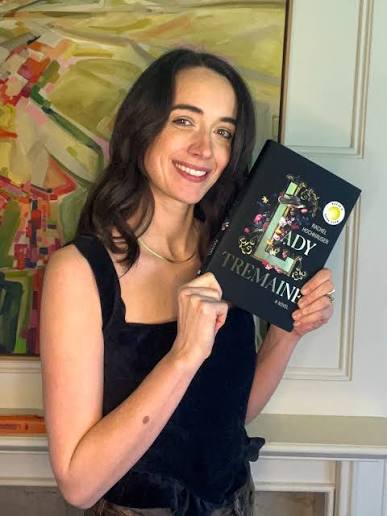
Get Rachel Hochhauser's Lady Tremaine
Rachel Hochhauser writes with the kind of sharp, immersive clarity that makes history feel immediate, flawed women feel fiercely real, and a familiar fairy tale impossible to see the same way again.
Bookshop.org was created as a socially conscious alternative to Amazon, with the goal of helping local, independent bookstores thrive. This is why Readers With Wrinkles supports their efforts. Please join us in this effort by purchasing your next read here.

If Lady Tremaine made you want to defend the “wicked” woman, question the official version of a familiar story, and sit with the complicated choices women make to survive, these eight books belong on your TBR. I chose titles that share its feminist reimagining, historical texture, morally layered women, and book-club-ready questions—not just books with a fairy-tale costume change.
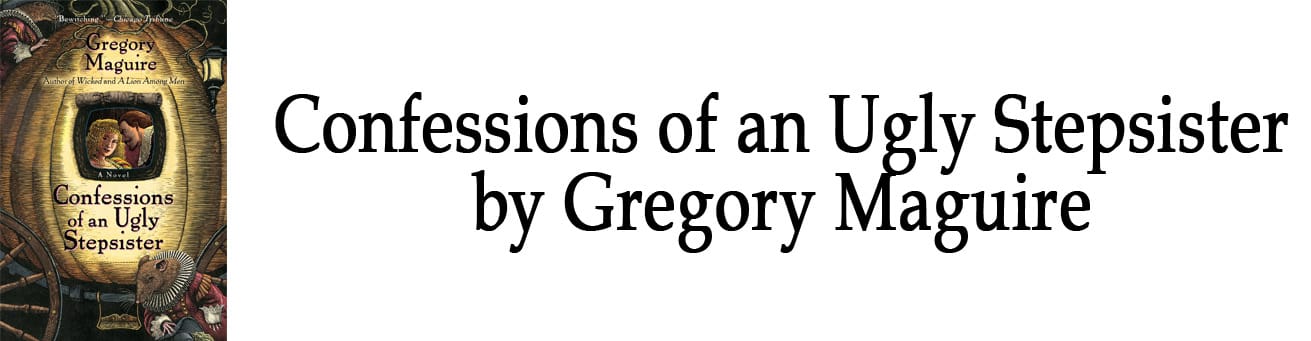
Confessions of an Ugly Stepsister by Gregory Maguire
In seventeenth-century Holland, Iris Fisher and her family become entwined with the strange, beautiful Clara van den Meer, reshaping the Cinderella story into a darker tale of art, beauty, poverty, ambition, and who gets branded “ugly.” This inventive Cinderella retelling was adapted into a television film in 2002, and Maguire’s broader reputation as the author of Wicked—which inspired the Tony Award-winning musical—makes it a notable cornerstone of modern villain-revision fiction. If you loved that Lady Tremaine refused to treat its stepmother as a flat fairy-tale monster, you’ll appreciate how Maguire gives the stepsisters and their mother interior lives, real pressures, and a version of the story that is far less tidy than the one we were told as children.
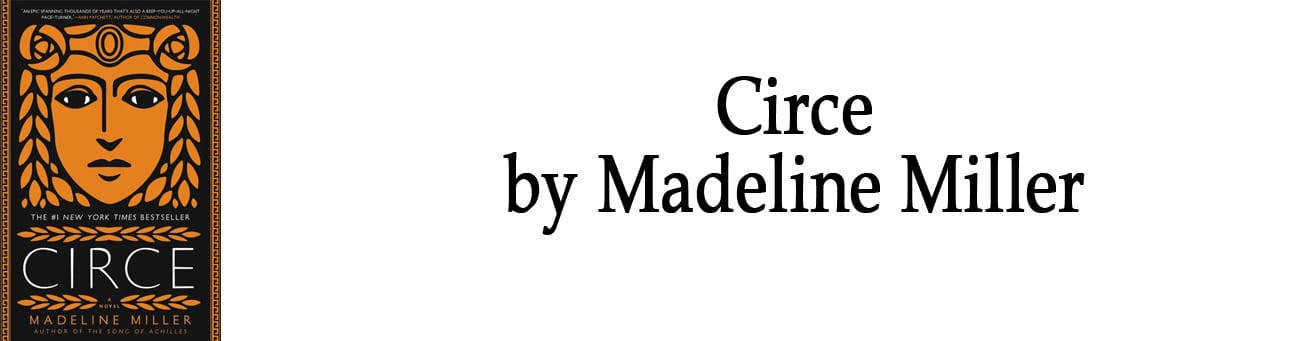
Circe by Madeline Miller
Miller reimagines the life of Circe, the witch from The Odyssey, as she grows from a disregarded daughter of the gods into a powerful woman determined to define herself in a world ruled by divine men. A #1 New York Times bestseller, Circe won the 2019 Indie Choice Award and was shortlisted for the 2019 Women’s Prize for Fiction; it was also named a Best Book of 2018 by outlets including NPR, The Washington Post, Time, and People. Like Ethel Tremaine, Circe is a woman history has reduced to one alarming label—witch, threat, villain—and you’ll love watching Miller restore her complexity, intelligence, anger, tenderness, and hard-won power. Read the full review here.
Circe Book Club Kit.
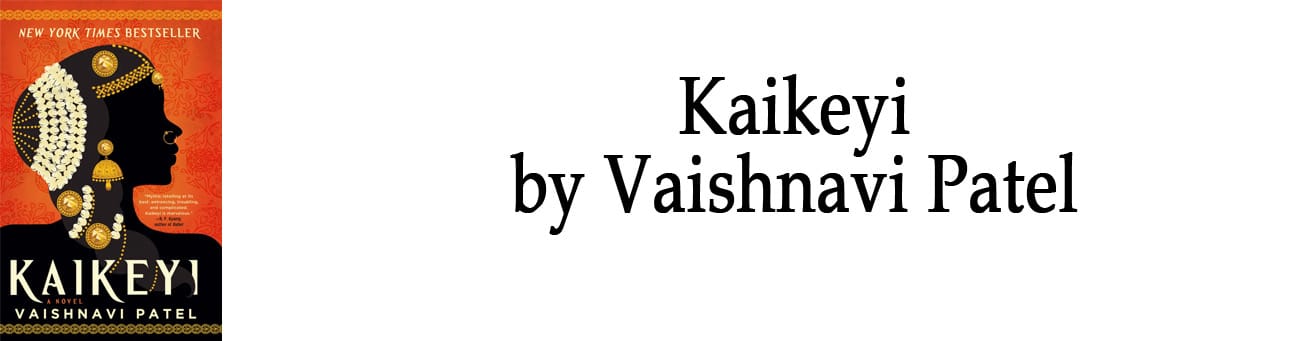
Kaikeyi by Vaishnavi Patel
This sweeping retelling of the Ramayana follows Kaikeyi, a queen long remembered as a villain, as she seeks independence, influence, and a future in a kingdom where women are expected to remain decorative and obedient. Kaikeyi was an instant New York Times bestseller, a 2023 Ignyte Award finalist, and a Book of the Month Club pick; it was also nominated for the 2022 Goodreads Choice Awards in both Fantasy and Debut Novel categories. If the heart of Lady Tremaine for you was seeing a supposedly selfish woman through the lens of motherhood, duty, survival, and impossible expectations, Kaikeyi will hit that same sweet spot—only with epic mythological stakes.
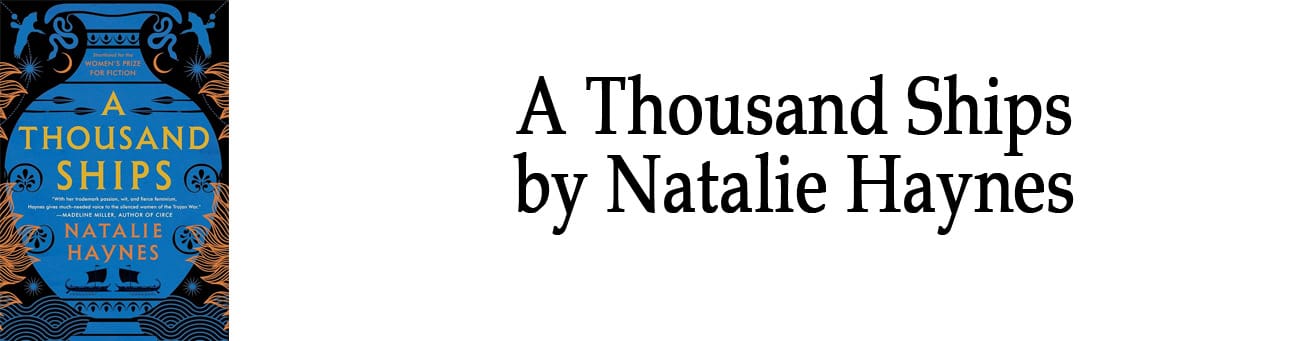
A Thousand Ships by Natalie Haynes
Natalie Haynes retells the Trojan War through the women whose lives, loves, rivalries, grief, and endurance are usually pushed to the edges of the traditional tale—from queens and goddesses to captives and widows. The novel was a national bestseller and was shortlisted for the 2020 Women’s Prize for Fiction. Readers who loved Lady Tremaine’s insistence that women are more than the roles assigned to them will find the same deliciously corrective energy here: men may launch the famous war, but Haynes makes sure the women finally get the story.
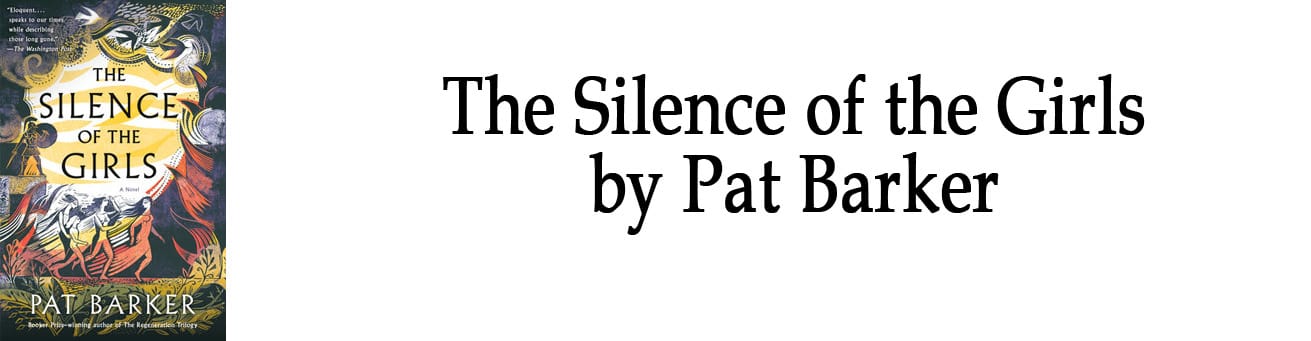
The Silence of the Girls by Pat Barker
Pat Barker retells The Iliad through Briseis, a queen taken captive by the Greek army and forced to survive among the women whose labor, fear, and resilience are erased from the heroic version of the Trojan War. The novel was shortlisted for the Women’s Prize for Fiction and the Costa Novel Award, won an Independent Bookshop Award in 2019, and was named a Guardian Best Book of the 21st Century. This is the read-alike for you if you admired how Lady Tremaine looks beneath a familiar legend’s polished surface; Barker similarly asks what happens when we stop centering the celebrated men and start listening to the women living with the consequences.
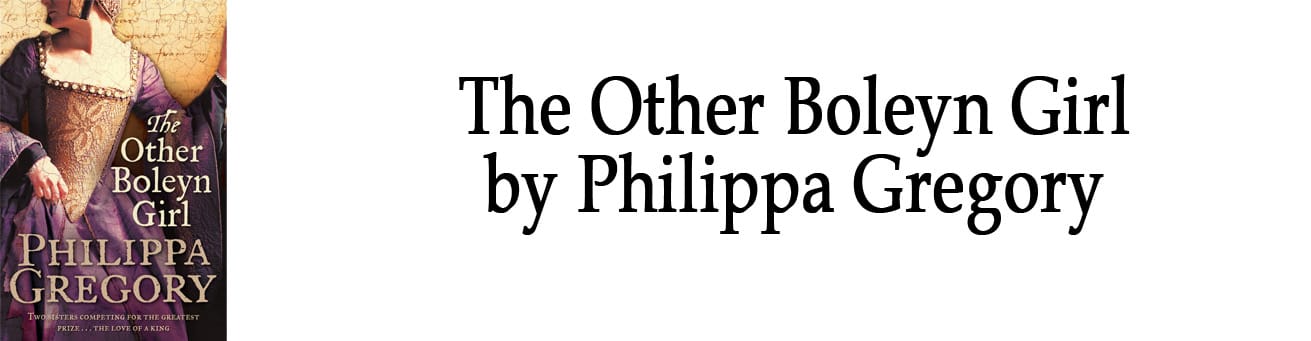
The Other Boleyn Girl by Philippa Gregory
Set in Henry VIII’s Tudor court, this historical novel follows Mary Boleyn as she is drawn into the ruthless ambitions of her family, her sister Anne, and the king himself. A #1 New York Times bestseller, The Other Boleyn Girl won the Romantic Novel of the Year Award in 2002 and was adapted into a 2008 film. If you found yourself fascinated by Ethel’s efforts to protect her family while navigating status, marriage, money, and unforgiving social expectations, Mary’s story will give you that same heady mix of female ambition, family loyalty, and courtly danger—with considerably more Tudor necklines and treachery.
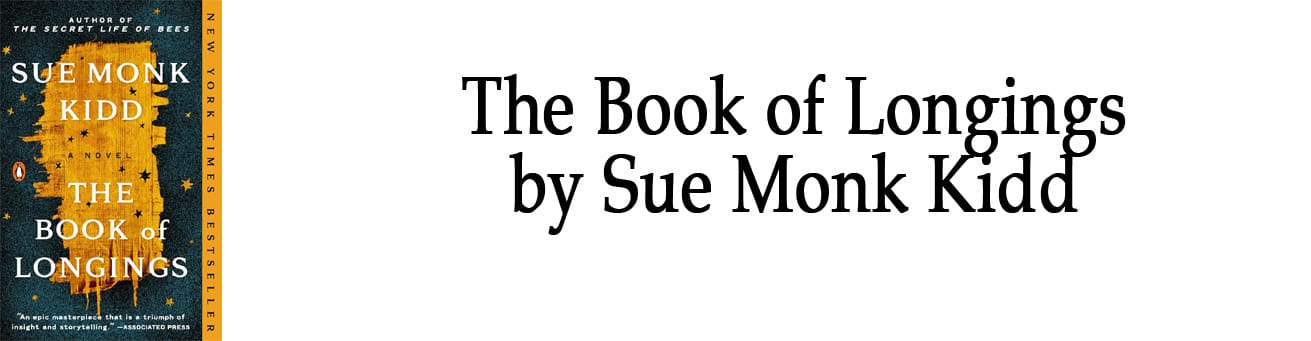
The Book of Longings by Sue Monk Kidd
Sue Monk Kidd imagines Ana, an ambitious and gifted young woman living in first-century Galilee, and gives her a life, voice, spiritual hunger, and creative dreams beyond the narrow historical role readers may expect. The novel was an instant New York Times bestseller and a #1 IndieBound bestseller. Like Lady Tremaine, this is a novel for readers who love seeing a woman pushed to the margins of a well-known story step forward as the emotional and intellectual center of her own life.
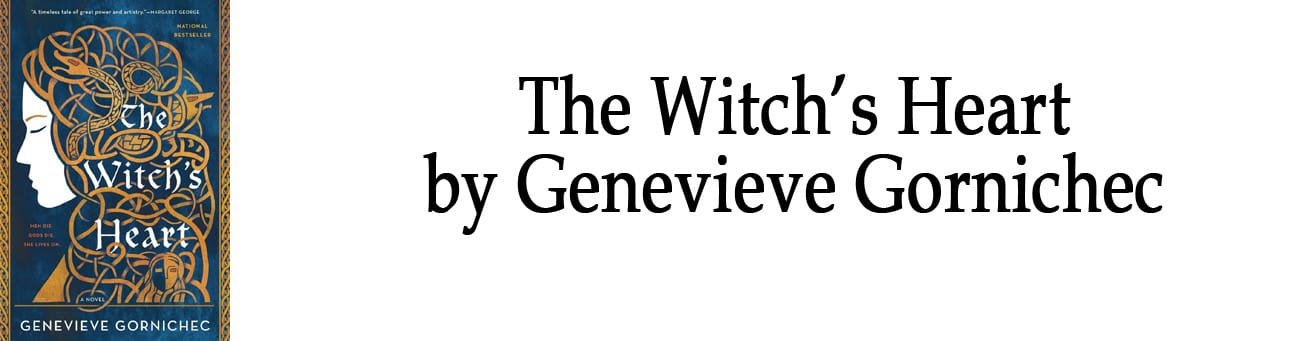
The Witch’s Heart by Genevieve Gornichec
In this Norse-myth retelling, the banished witch Angrboda builds a life with Loki and their children while confronting a future shaped by prophecy, danger, motherhood, and the demands of the gods. The Witch’s Heart won a 2022 American Library Association Alex Award, which recognizes adult books with special appeal for teen readers. Readers who connected with Ethel’s fierce, imperfect maternal instincts will likely fall hard for Angrboda: another woman dismissed as dangerous who must decide how much she can sacrifice, whom she can trust, and whether fate gets the final word.
Paid Subscriber Perk!
Love the book we just reviewed? Paid subscribers can now download an exclusive printable list of books with a similar vibe—perfect for planning your next read or curating your book club’s picks. It’s a handpicked, beautifully designed list guide you won’t find anywhere else.
Unlock your next favorite reads—become a paid subscriber today to get instant access to these printable book lists!
Comments