

Table of Contents

- Date Published:
2012 - Length:
320 pages—Listening Time: 10 hours 57 minutes - Genre:
Fiction, Fantasy - Setting:
Early 2010s, Newington, Connecticut - Awards
Dublin Literary Award Longlist 2014; Nutmeg Book Award Nominee 2017; Dolly Gray Children's Literature Award Winner 2014; Goodreads Choice Awards Nominee Fiction 2012; 1,000 Books to Read Before You Die: Page-A-Day Calendar 2021 - Languages:
Chinese, Dutch, English, French, German, Italian, Portuguese, Spanish - Sensitive Aspects:
Child abduction, emotional abuse by a teacher/caregiver, endangerment of a child’s safety, child with autism (on the spectrum) portrayed in distress, bullying at school, social isolation and exclusion, bathroom-related humiliation, mild to moderate violence, threats and physical intimidation, an instance of fat-shaming, parental stress and family conflict, fear of abandonment, imaginary friends “dying” when forgotten, existential anxiety about ceasing to exist, intense suspense and peril involving a child, grief/sadness over fading childhood and growing up - Movie:
As of late 2020, a movie adaptation of Memoirs of an Imaginary Friend has not been released, but the film rights have been optioned, and a project has been in development, according to the author. - Recommended for Book Club:
Yes

When I was four, my best friend was a fluffy white kitten named Snowball. She wasn’t real—at least not in the kind of way my mother could see—but she was real enough to me. Every morning before preschool, I’d pour a tiny saucer of milk and set it beside the kitchen stove, right where Snowball liked to curl up after our "adventures." My mother, in her infinite patience and quiet understanding, never questioned it. She would simply smile and slide the saucer closer, as if to say, go ahead, feed your magic.
Snowball visited me on and off for a few years—usually when things felt uncertain, when the world got too loud or unfamiliar. Sometimes she’d appear during thunderstorms, batting at invisible raindrops; other times she simply stretched in the corner while I scribbled stories about pirates and talking trees. Then, one day, she stopped showing up. I like to think she wandered off to inspire another kid somewhere—a child who needed her company more than I did, someone waiting for a spark of imagination or kindness when reality felt too sharp around the edges.
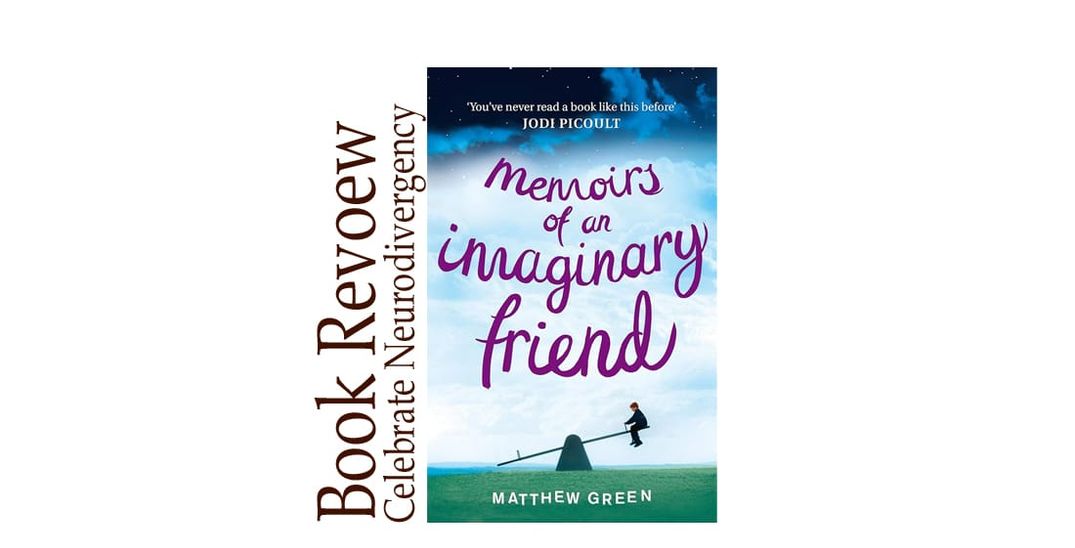
That is why Memoirs of an Imaginary Friend by Matthew Dicks resonated deeply with me. It’s not just about a boy named Max and his imaginary companion, Budo—it’s a love letter to all of us who’ve ever lived a little to the left of ordinary. It’s a story that doesn’t just accept neurodiversity; it celebrates the unique ways certain minds see, create, and love.
This review is part of my ongoing Celebrating Neurodiversity series, where I highlight novels that capture the beauty of different brains at work—books that remind us imagination isn’t a quirk but a form of resilience. So before we dive into Max and Budo’s world, let’s raise a toast (or maybe a saucer of milk) to Snowball and every invisible friend who helped us understand ourselves long before anyone else could.

Budo knows he’s not real—but he’s very much alive. As imaginary friends go, he’s ancient, over five years old, which in his world is basically Methuselah status. He belongs to Max, an eight-year-old boy who’d rather watch the same movie a hundred times than make eye contact once. Max likes patterns, routines, and rules, and he definitely doesn’t like surprises. Budo’s job? Help Max survive a world that never quite learned how to meet him where he is.
From the start, we see Max’s life the way Budo sees it: the slow, careful dance of special ed classrooms, the chaos of the playground, the minefield of group work, bullies, and adults who underestimate Max because they don’t understand him. Budo can slip through doors, spy on teachers, and listen in on conversations, but he can’t pick up a pencil or tap someone on the shoulder. He’s completely dependent on Max’s belief—and painfully aware that when kids grow up, imaginary friends fade. That ticking clock never stops in the background.
As Max navigates school, therapy, and parents who love him but don’t always “get” him, Budo becomes both narrator and bodyguard, interpreting human behavior like it’s an alien language. We watch Max struggle to decode facial expressions, handle sudden changes, and fend off classmates who sense he’s different and circle accordingly. Meanwhile, Budo haunts the corners of classrooms and hallways, picking up on tensions and secrets Max misses—especially around one adult who seems a little too interested in Max’s vulnerabilities.
When a terrible choice is made and Max is placed in real danger, the story shifts from gentle, day-to-day survival to something much more urgent. Budo is suddenly the only one who knows what’s truly happening, and he has to figure out how an invisible, untouchable being can intervene in a crisis built entirely of real-world locks, roads, and grown-up decisions. Along the way, he encounters other imaginary friends—each with their own strange forms and loyalties—which forces him to question what loyalty costs when your very existence depends on the happiness of one child.
The result is a suspenseful, often funny, and surprisingly tender story about a boy who experiences the world differently, and the invisible companion who refuses to let that boy face it alone. The stakes are simple and enormous at the same time: Can Max be kept safe, and what will Budo have to risk to make that happen?

Readers With Wrinkles is prime for this one. Here are some reasons I think, like me, you will love this book.
A child narrator that respects adult readers
Max’s world is filtered through Budo’s voice, which keeps the perspective firmly rooted in childhood while still offering emotionally nuanced insight that older readers will appreciate. You can highlight how the book avoids cutesy “kid lit” simplification and instead emits that bittersweet, wiser-than-he-realizes narrator who makes you feel protective, moved, and challenged all at once.
Neurodiversity handled with empathy, not melodrama
Max clearly processes the world differently, but the story never turns him into a diagnosis or a “lesson.” Instead, his sensory overloads, routines, and communication struggles play out in everyday scenes—classrooms, car rides, family moments—that you will recognize from real life. This gives you room to talk about representation, caregiving, and compassion without the book ever feeling like an after-school special.
High emotional stakes without graphic content
The danger Max faces is serious and suspenseful, but the author keeps things tense rather than traumatic, which works well for mature readers who want intensity without graphic violence. The book deals with fear, separation, and safety in ways that are gripping yet accessible for sensitive readers and book clubs.
Big themes in an easy-to-read package
On the surface, this is a story about a boy and his imaginary friend. Underneath, it’s quietly wrestling with growing up, letting go, loyalty, and what it means to protect someone you love when you’re essentially powerless. That makes the book perfect for Readers with Wrinkles: the prose is straightforward, but the emotional questions are layered enough to spark long, thoughtful discussions.
A fresh twist on the “invisible friend” trope
Imaginary friends in fiction can seem gimmicky, but Budo feels surprisingly grounded. He has rules, limitations, a social world of other imaginary beings, and a keen awareness of his own mortality (or whatever you call it when you can vanish the second a kid stops believing). You can lean into how this twist will delight seasoned readers who think they’ve seen every possible angle on childhood imagination already.
Prime book club conversation fuel
This story will give your club a ton to chew on:
- How should adults respond to kids who “don’t fit”?
- What responsibilities do bystanders have when they sense something’s wrong?
- Is there a “right” time to let a child grow out of comforting illusions?
It is one of those rare novels that is compulsively readable but still leaves people wanting to talk for an hour over wine or tea.
Heartfelt without being saccharine
The book wears its heart on its sleeve, but it’s also dryly funny and self-aware enough to balance out the sentiment. If you enjoy stories that make you misty-eyed but not manipulated, this is your book. you will probably tear up—but you won’t feel like your emotions were cheaply engineered.


Get Matthew Dicks (Green) Books
Matthew Dicks writes warmly funny, emotionally resonant novels about ordinary people facing extraordinary turning points, blending quirky premises with heartfelt insight into love, loneliness, and second chances.
Bookshop.org was created as a socially conscious alternative to Amazon, with the goal of helping local, independent bookstores thrive. This is why Readers With Wrinkles supports their efforts. Please join us in this effort by purchasing your next read here.

Here are some read-alikes you can tuck into your “Since I enjoyed this…” section.
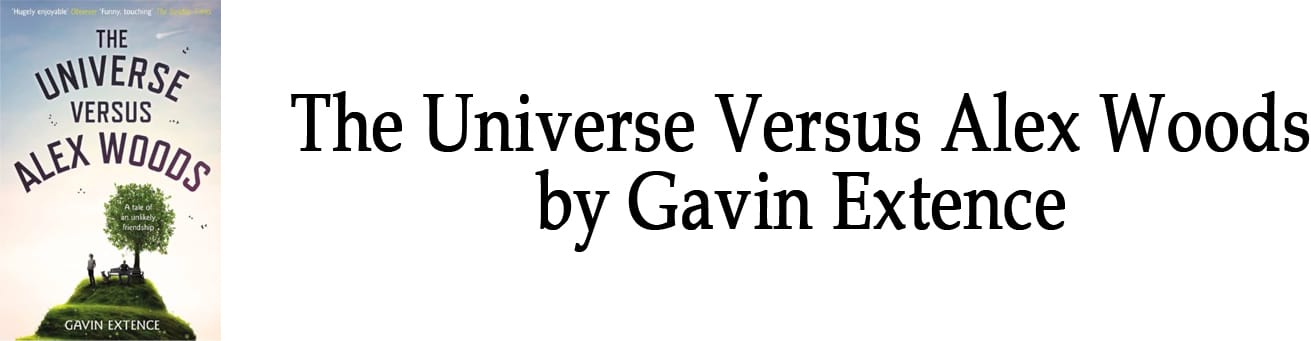
After a freak accident and a very unusual childhood, Alex—an awkward, hyper-rational teen—ends up on a road trip with an elderly man and an urn of ashes. It’s quirky, voicey, and deeply humane, with a neurodivergent-feeling protagonist trying to make moral sense of a messy world.
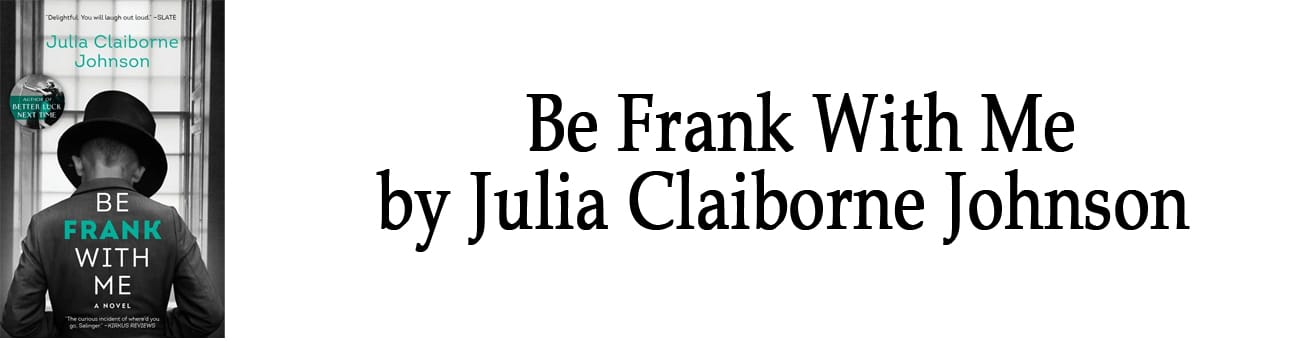
When a reclusive novelist’s young son Frank—brilliant, theatrical, and socially unusual—meets the assistant sent to help manage his life, both of them are forced out of their comfort zones. The story leans into found family, caretaking, and the tricky, funny, exhausting work of loving a kid who doesn’t fit the mold.
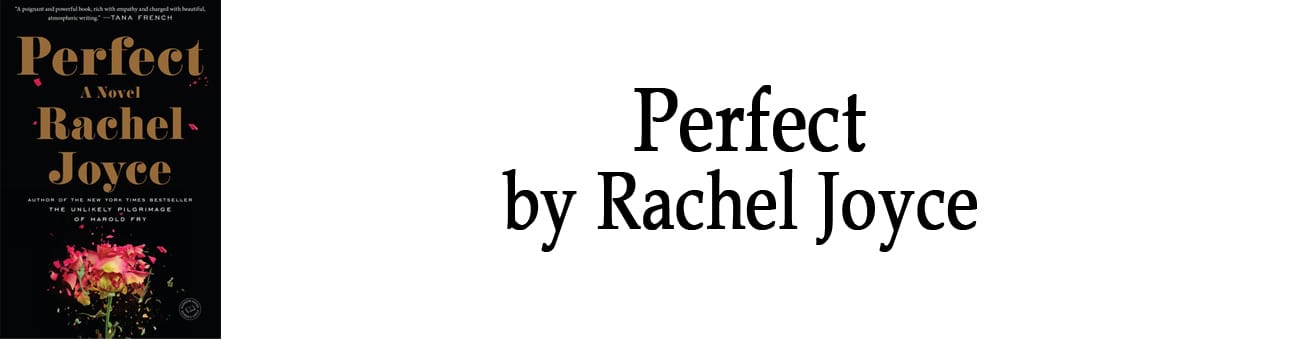
Two schoolboys believe extra seconds have been added to the year, and an ordinary drive on a foggy day leads to a split-second decision that reshapes a family. Through that lens, the novel explores anxiety, difference, and the long tail of childhood events with a quietly emotional touch.

In 1980s New York, a shy, artistic girl grieving her beloved uncle discovers a secret friendship he kept, and the two mourners form a fragile new bond. It’s a tender, coming-of-age story about loss, loneliness, and the fierce, invisible ties that shape us.
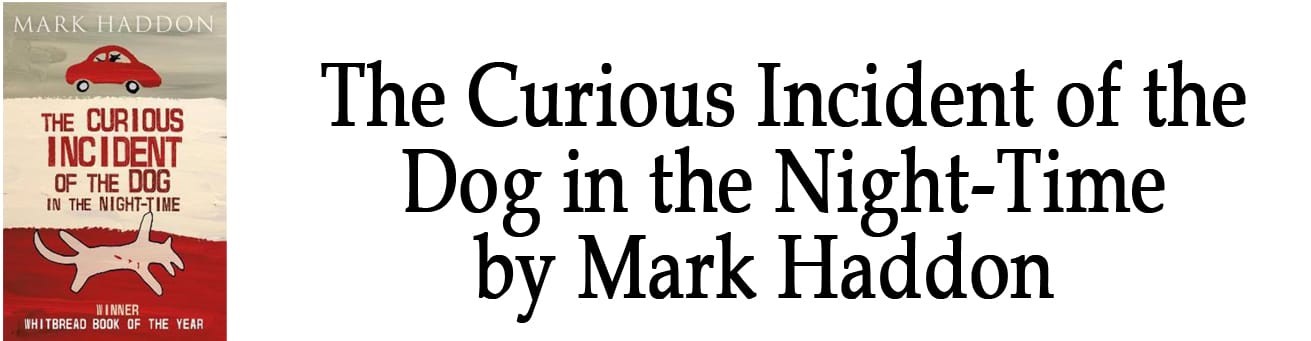
Told through the eyes of Christopher, a fifteen-year-old boy on the autism spectrum, this novel follows his obsessive investigation into a neighborhood dog’s death as he navigates sensory overload, strict routines, and a world that doesn’t quite make sense to him. While there isn’t a literal imaginary friend, his intense inner logic and self-soothing strategies function a bit like an internal companion, giving readers a similar “inside-the-mind” experience of neurodivergence that pairs well with Max and Budo.
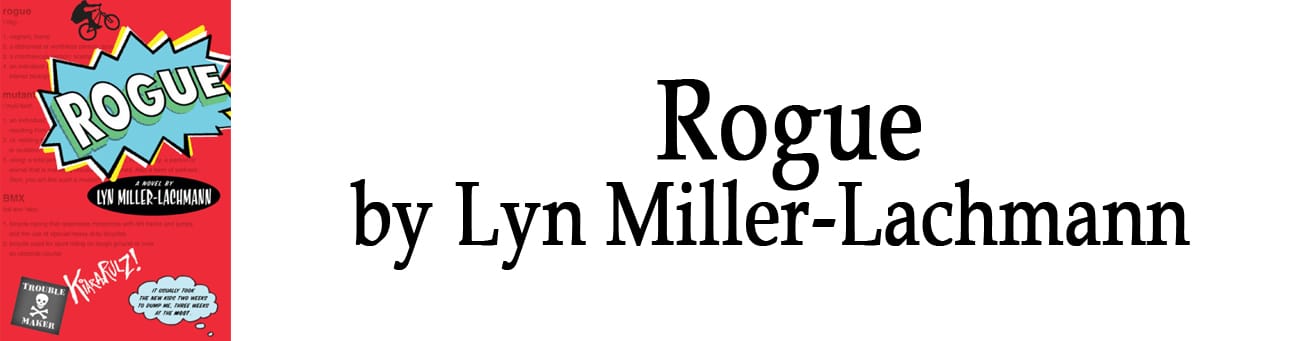
Kiara, an eighth grader with Asperger’s syndrome, struggles to make friends in the offline world and instead leans heavily on the X-Men universe and her online persona “Rogue” as a kind of imagined alter ego and confidante. Her rich inner world and reliance on this heroic self-image echo the emotional role an imaginary friend can play for a neurodivergent kid trying to survive bullying, misunderstanding, and loneliness.
New Paid Subscriber Perk!
Love the book we just reviewed? Paid subscribers can now download an exclusive printable list of books with a similar vibe—perfect for planning your next read or curating your book club’s picks. It’s a handpicked, beautifully designed list guide you won’t find anywhere else.
Unlock your next favorite reads—become a paid subscriber today to get instant access to these printable book lists!
Comments