
February turned out to be less of a reading month and more of a movie marathon disguised as one. Most of what I picked up came straight from the Readers With Wrinkles Bookshelf to Silver Screen lineup—a little tribute to Oscar season, where I’ve been chasing the stories that won literary awards and then found their second life on film as Oscar winners. And honestly? It’s been a cinematic rollercoaster: war bridges, political conspiracies, mad geniuses, haunted geniuses, and one tiger in a lifeboat who may or may not represent the meaning of faith itself. (Casual stuff.)
There’s something intoxicating about reading a book that’s already been projected onto a screen. You can almost feel the flicker of film in the sentences—see Anthony Hopkins lurking in Harris’s prose or Nicole Kidman’s face ghosting through Cunningham’s Virginia Woolf. Each story feels familiar but more intimate, like pressing play on a director’s cut that never made it to theaters.
In February, I read ten books that stretched across decades, continents, and human weirdness: The Bridge on the River Kwai, The Manchurian Candidate, All the King’s Men, The Hours, A Beautiful Mind, The Silence of the Lambs, From Here to Eternity, Chronicle of a Death Foretold, Life of Pi, and The Invisible Life of Addie LaRue. Together, they made up the sort of reading list that leaves you stunned and slightly over-caffeinated, questioning why so many good stories start with tragedy and end with some form of transcendence.
So grab your metaphorical popcorn and your actual TBR list—here’s what I thought of each, and which books might just deserve a place on your reading list.
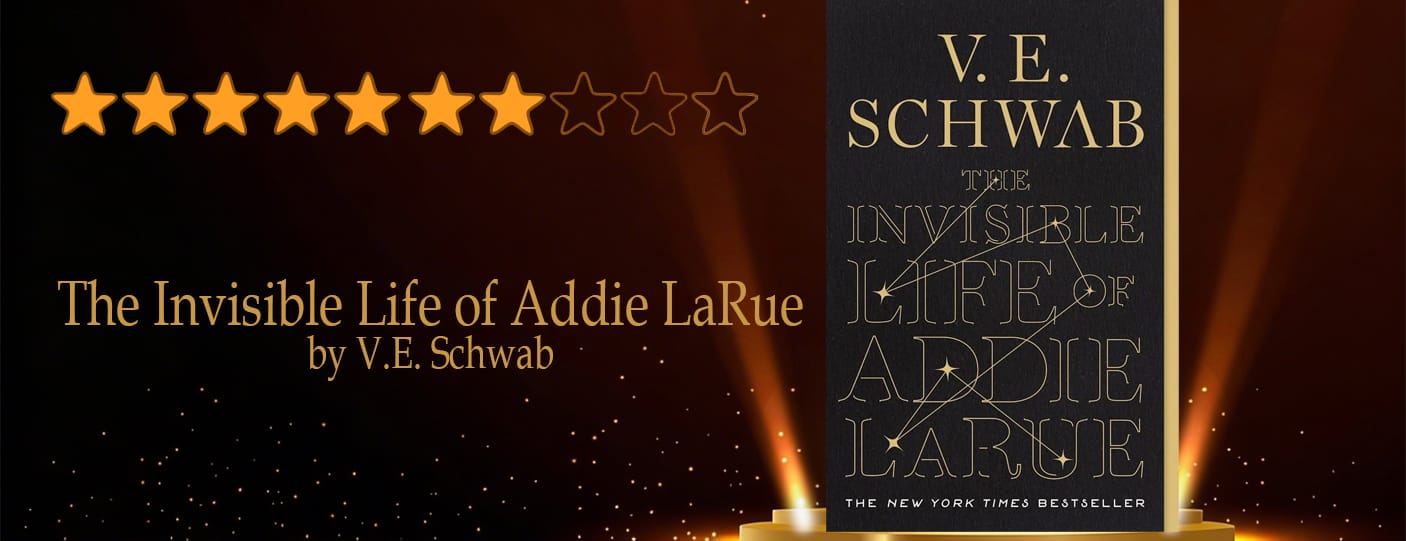
I read this book before I started my Oscar winning books marathon. Lots to absorb here. Addie makes a deal with a dark god for freedom: she’ll live forever, but everyone she meets will forget her the moment she’s out of sight. So begins three centuries of being perpetually erased—stealing to survive, drifting through wars and cities, inspiring art without ever getting credit, and having nothing tangible to prove she was ever there.
Then, in modern-day New York, she meets Henry, the one person who remembers her name the next day—because he’s made his own desperate bargain, not to be loved by everyone, but simply to be truly seen by someone. Together they carve out a fragile, bright little life: secret haunts, an art installation called Artifact, journals full of Addie’s history that finally sticks when she writes through Henry’s hand. It’s romantic, melancholy, and very much about the hunger to leave a mark in a world that moves on too fast.
This one was another pre-Oscar read.
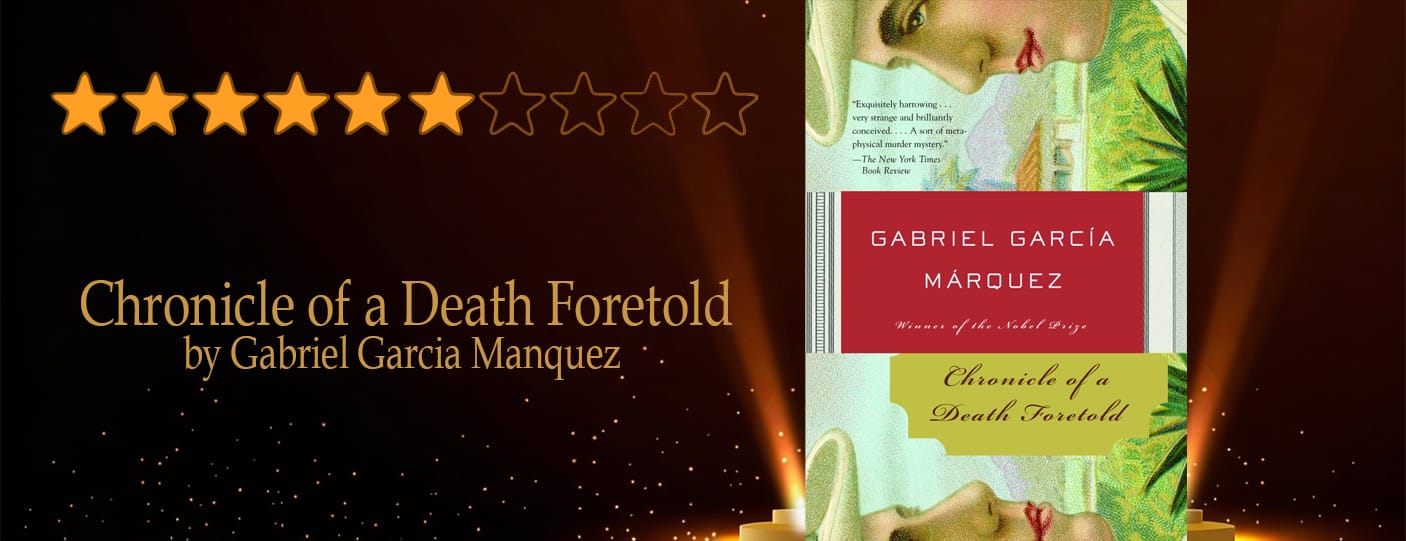
Imagine a whole town knowing a murder is about to happen…and watching it happen anyway. This slim novel reconstructs the killing of Santiago Nasar, who’s accused—rightly or wrongly—of taking a bride’s virginity and thus “dishonoring” her family.
The Vicario brothers announce, repeatedly, that they’re going to kill him; people hear, misunderstand, delay, and assume someone else will intervene. By the time Santiago finally runs toward his house, his mother, thinking he’s safely inside, literally locks him out and straight into the path of the knives. The book reads like a feverish true‑crime file written by a poet: looping timelines, unreliable memories, and this gnawing sense that the real culprit is the collective shrug of a community that lets fatalism do its worst. This book is an ode to complicity, a strong punch in the guts for today's chaos.
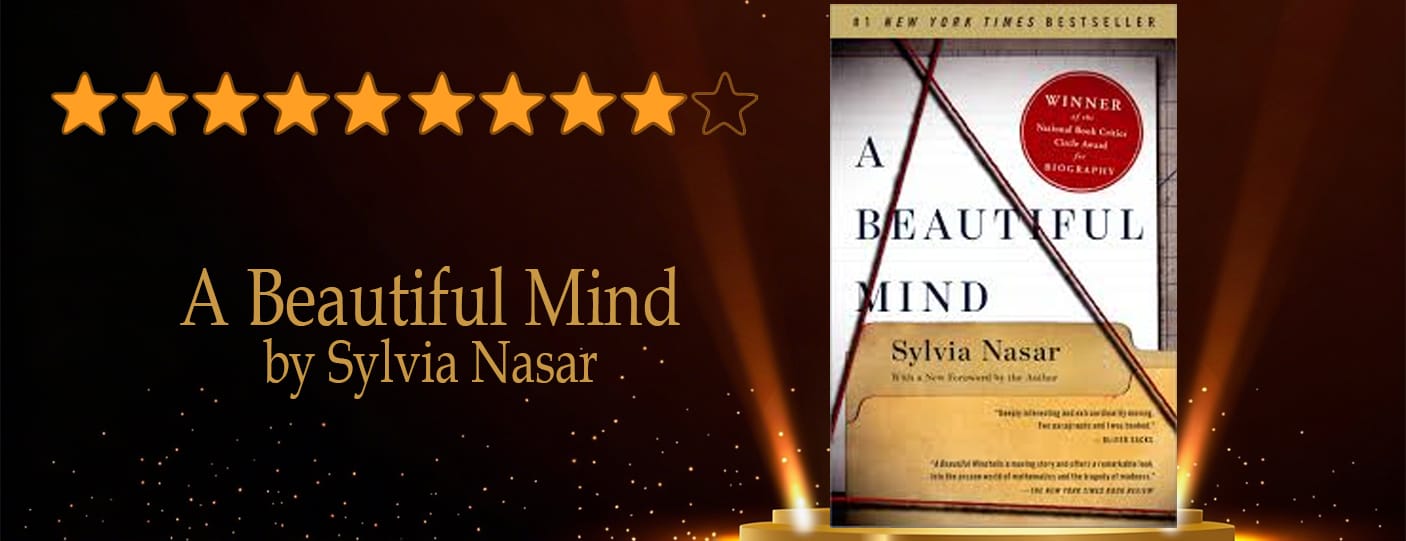
This is narrative nonfiction that reads like a tragic, brilliant, very human epic. Sylvia Nasar traces the life of mathematician John Nash—from an odd, fiercely gifted boy in West Virginia, to Princeton prodigy, to “kid professor” at MIT whose bravado is matched only by his ideas.
Then schizophrenia arrives and blows his life apart: delusions, hospitalizations, the loss of career and stability, and the immense toll on his wife Alicia and their family. What moved me most is the slow, hard‑won partial recovery—Nash learning to consciously separate delusion from reality, finding a place again at Princeton, and reshaping his relationships. It’s a story about genius, yes, but more about endurance, care, and the fragile miracle of a mind that finds a way back to itself. Read my Bookshelf to Silver Screen review of this book and the movie here.
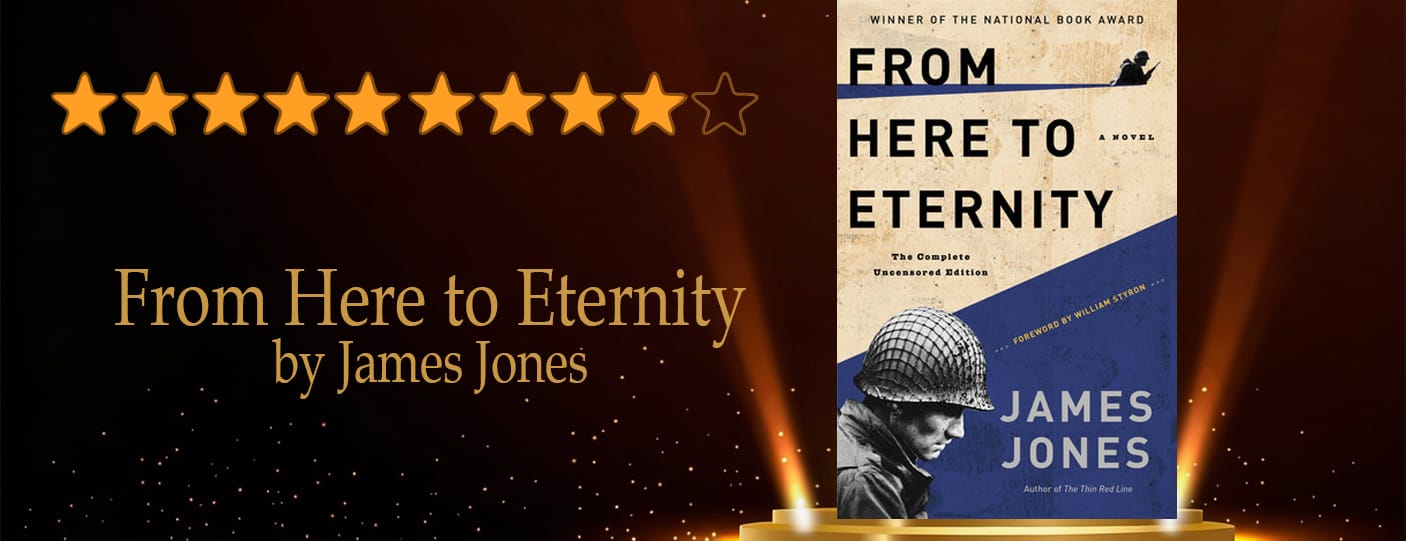
If you’ve ever wondered what the days before disaster feel like, this novel answers that with a long, bruising sigh. Set in Hawaii in the months leading up to Pearl Harbor, it follows a group of soldiers whose lives are already exploding long before the bombs fall.
There’s Prewitt, the stubborn former boxer who refuses to fight anymore and pays for it with relentless hazing; Warden, the capable sergeant having an affair with his captain’s unhappy wife; Maggio, struggling not to be crushed by the system; and the women who love them but know the army will always own the bigger piece of their hearts. By the time Pearl Harbor hits, the real damage has already been done in the barracks, the stockade, and the quiet corners where people tried to hold onto their dignity and failed. It’s sprawling, messy, and achingly human. Read my Bookshelf to Silver Screen review of this book and the movie here.
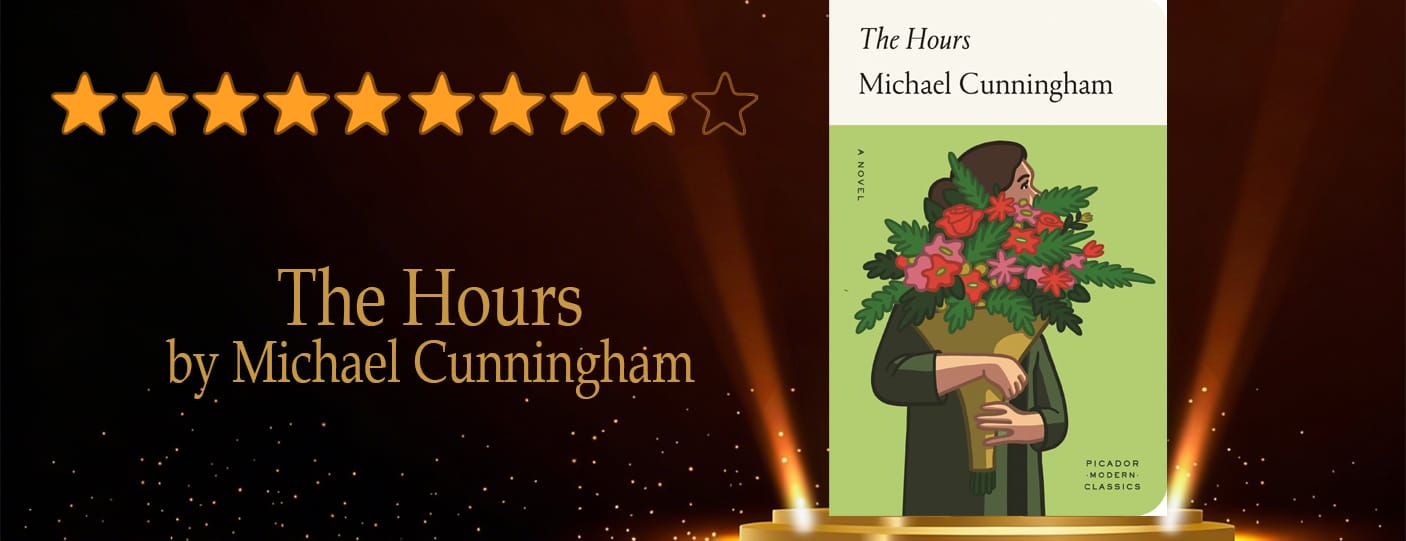
This is a novel about three women, one ordinary day each, and the way a single book—Virginia Woolf’s Mrs. Dalloway—ripples through time and across lives. We move between Virginia herself in the 1920s, struggling with mental illness while beginning to write the novel; Laura, a 1949 housewife choking on domestic perfection; and Clarissa, a modern New Yorker planning a party for her dear friend Richard, a poet dying of AIDS.
On the surface, not much “happens”—there are flowers to buy, cakes to bake, and guests to host—but internally, everything is shaking. Desire, depression, caretaking, queer love, and the question of whether your life is the one you meant to live: all of it quietly collides until the connections among the three women click into place and absolutely gut you. It’s intimate, sorrowful, and weirdly luminous, like watching sunlight move across a room you suddenly realize you’re not sure you want to stay in. Read my Bookshelf to Silver Screen review of this book and the movie here.
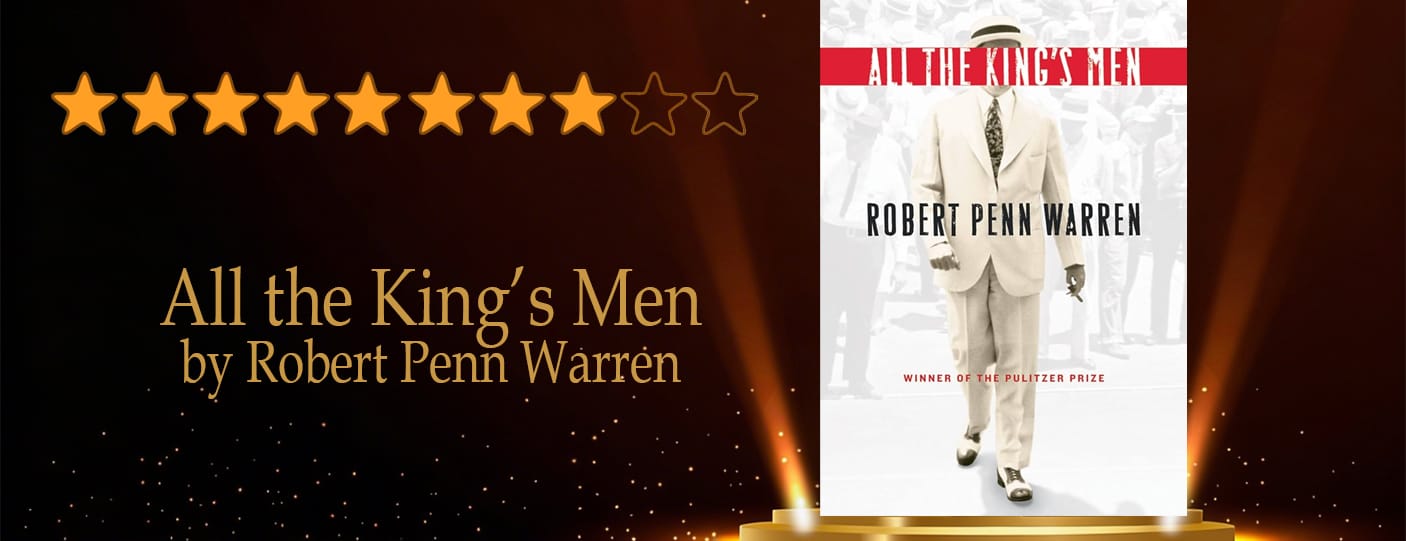
This is the big, sweaty American political novel that looks you in the eye and asks, “So, how do you feel about compromise?” We follow Willie Stark, who starts out as a scrappy idealist and morphs into a dangerously effective, deeply corrupt governor, while his aide Jack Burden narrates with a mix of cynicism, regret, and uncomfortable self‑awareness.
Jack keeps telling himself he’s just an observer, just a historian, just a guy doing a job—but as Willie’s power grows and his methods get uglier, that little word “just” disintegrates. The book turns into a slow, devastating excavation of how power corrodes not just institutions but the people who orbit it, and how easy it is to look away until it’s far too late. Read my Bookshelf to Silver Screen review of this book and the movie here.
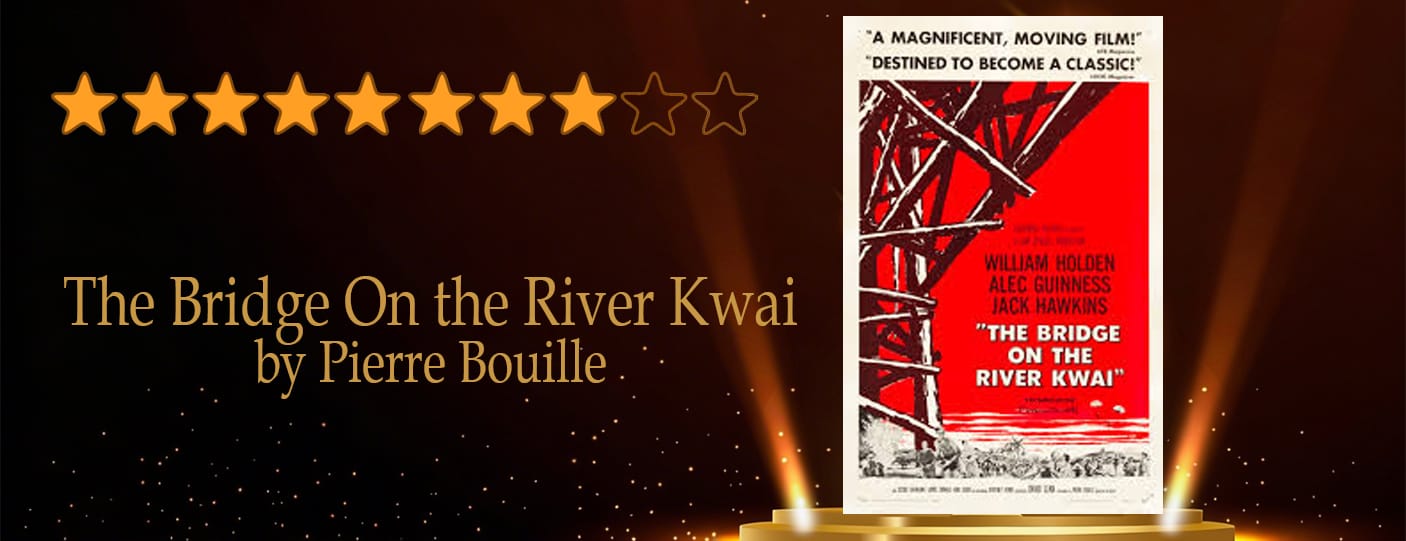
This one drops you into a World War II POW camp in the Thai jungle, where British prisoners are forced by the Japanese army to build a railway bridge that’s crucial to the war effort. Colonel Nicholson, the hyper-principled British officer, becomes so obsessed with proving his men’s superiority through perfect engineering that he starts to lose sight of the tiny detail that he is…helping the enemy.
What grabbed me is the moral whiplash: you’re watching men endure brutal conditions, stand up to cruelty, and then somehow slide into cooperating with it, all in the name of pride and professionalism. There’s also a parallel mission with Allied commandos sneaking through the jungle to blow up the very bridge Nicholson is pouring his soul into, so the book becomes this tense clash between duty, ego, and the cost of “doing a good job” in a world that’s come completely off its hinges. Read my Bookshelf to Silver Screen review of this book and the movie here.
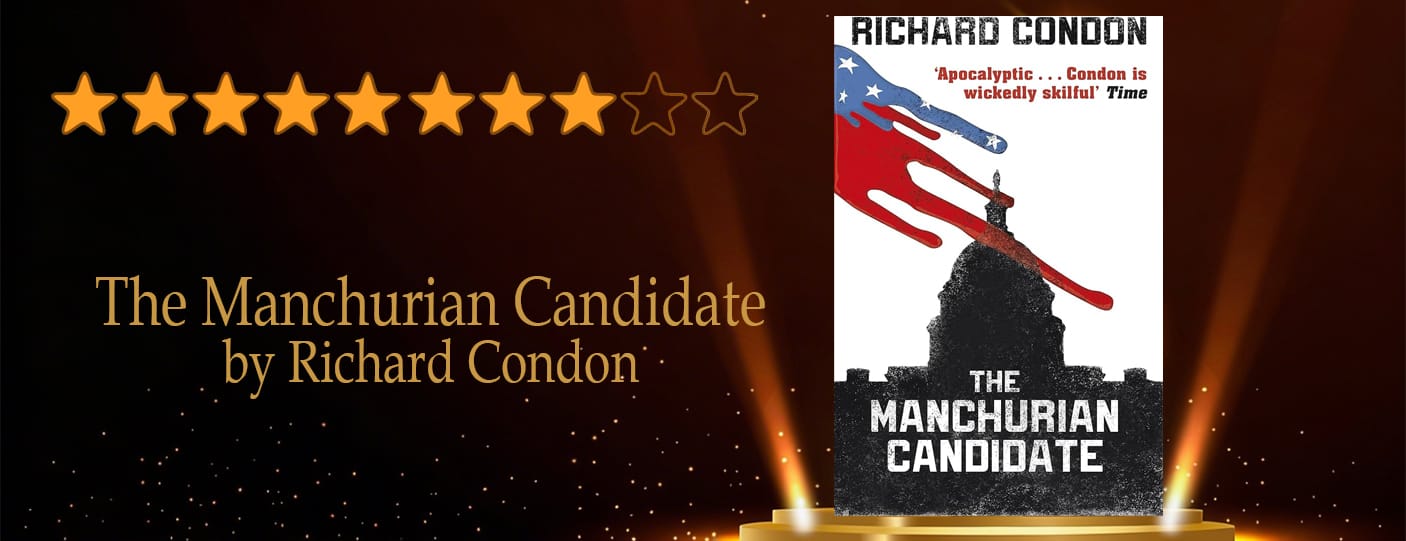
This is my local book club's read for March. I didn't think I would like it, but I ended up loving it. If paranoia had a patron saint, it would be this novel. We follow Raymond Shaw, the awkward, damaged son of a grotesquely ambitious political family, who’s been secretly brainwashed during the Korean War and turned into an unwitting assassin for a Communist conspiracy.
His mother—one of the great monsters of 20th‑century fiction—uses him as the ultimate political weapon, planning to ride a wave of orchestrated violence straight into the White House. Meanwhile, Major Marco slowly pieces together the truth through nightmares, suspicions, and card decks that are suddenly way too meaningful. The result is a cold, creepy thriller about manipulation, propaganda, and how terrifying it is when the danger isn’t the enemy “out there” but the person you think you know best.
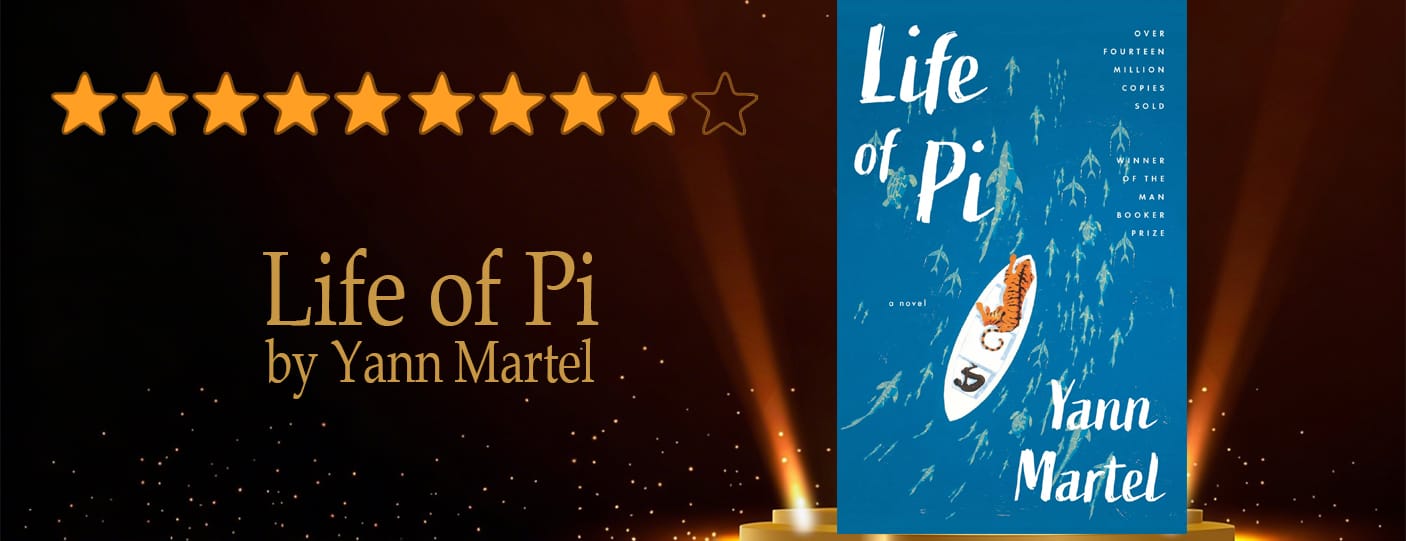
This is part survival story, part spiritual fable, part “excuse me, there’s a tiger on this lifeboat,” and I loved it! After a shipwreck, teenage Pi finds himself stranded on the Pacific in a lifeboat with a Bengal tiger named Richard Parker, and the novel tracks their harrowing journey of hunger, storms, and bizarre, possibly hallucinatory wonders.
We get two versions of what happened: one fantastical, one brutally realistic, and the book very pointedly refuses to tell you which is “true.” Instead, it asks: which story do you choose, and what does that say about your relationship to faith, suffering, and meaning? It’s contemplative but never dry, full of vivid ocean imagery and quiet, desperate negotiations between boy and beast that feel like arguments with your own fear. Read my Bookshelf to Silver Screen review of this book and the movie here.
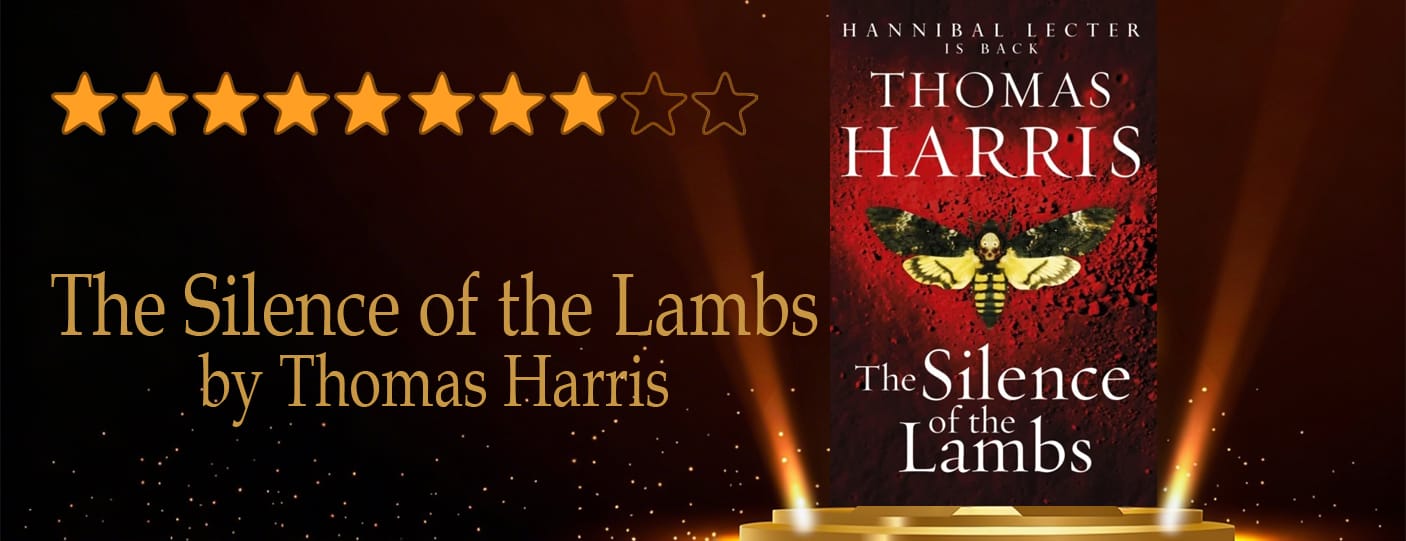
I had seen the movie, but never read this book. Wow! This is the one that made me question my life choices every time I turned off the lights. We follow Clarice Starling, a young FBI trainee who’s sent to interview incarcerated psychiatrist and cannibalistic serial killer Dr. Hannibal Lecter, in hopes he’ll help her track down another killer known as Buffalo Bill.
Lecter doesn’t just help; he plays—with the FBI, with the investigation, and especially with Clarice’s psyche. While she races to save Buffalo Bill’s latest victim, he peels back her childhood trauma with surgical precision, turning the case into a twisted therapy session where the cost of insight might be your safety. It’s grisly, yes, but it’s also a razor‑sharp study of power, manipulation, and what it takes for a young woman to walk into rooms designed to terrify her and not back down. Read my Bookshelf to Silver Screen review of this book and the movie here.
I knew going into February that this lineup would be good—how could it not be? Most of these titles wear their literary laurels like badges of honor, dripping with Pulitzers, Bookers, or screen adaptations that raked in Oscars. And yet, somehow, many of them had been quietly orbiting my reading radar for years without landing. Until now.
Reading them back-to-back felt like time-traveling through every shade of storytelling: the brutal dignity of The Bridge on the River Kwai, the political paranoia of The Manchurian Candidate, and, the aching poetry of All the King’s Men. Then came The Hours and A Beautiful Mind, both blurred where genius meets madness—each page humming with the strange beauty of flawed people trying to do beautiful things.
The Silence of the Lambs reminded me why crime fiction can still make your pulse quicken, while From Here to Eternity left me thinking about love, war, and the way people break under both. And when I read Chronicle of a Death Foretold, Life of Pi, and The Invisible Life of Addie LaRue, I realized I’d stumbled into an accidental theme: stories about memory, meaning, and what lives on after us.
Watching the Oscar-winning movies afterward was pure book-nerd bliss. There’s a special delight in seeing how directors translate the exact emotional tremor you felt on the page into a flicker on the screen. Sometimes they get it gloriously right—sometimes you just whisper, “the book was better,” and feel smugly justified.
Either way, February was a joyride. Long nights, full shelves, cinematic mornings—and a reminder that award winners aren’t just trophy holders. They’re time capsules of what moved the world once—and what still can, if you let them.
Comments