
Table of Contents
Note: If you're reading this in your inbox, be sure to check out the full post online — it includes great videos you won’t see in the email version!
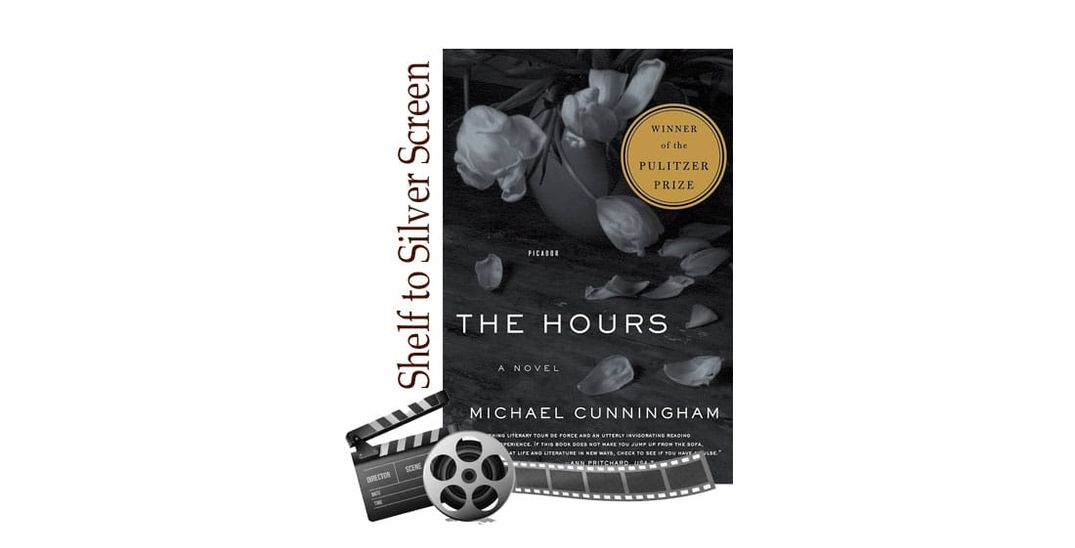
Shelf Meets Silver Screen Series
Book Awards:
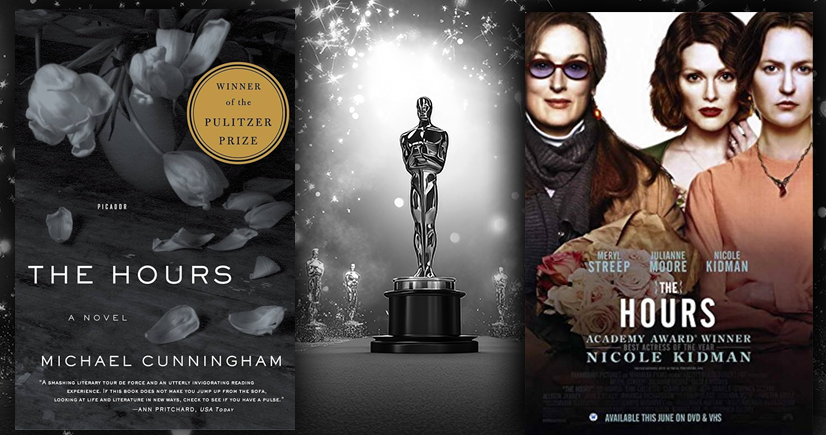
- 🥇Pulitzer Prize Winner Fiction 1999
- 🥇PEN/Faulkner Award for Fiction Winner 1999
- 🥇Dublin Literary Award Longlist 2000
- 🥇National Book Critics Circle Award Finalist Fiction 1998
- 🥇Publishing Triangle Awards Winner Ferro–Grumley Award for Gay Fiction 1999
- 🥇Indies Choice Book Awards Honor Book Adult Fiction 2001
- 🥇Stonewall Book Award Winner Literature 1999
- 🥇Writers Guild of America Award Winner Best Adapted Screenplay 2002 (David Hare)
- 🥇Grinzane Cavour Prize Foreign Fiction 2000
- 🥇Gay, Lesbian, Bisexual, and Transgendered Book Award 1999
75th Academy Awards:
- In 2003 Nominated for 9 Academy Awards
- Won:
🏆Best Actress: Nicole Kidman
I have a confession worthy of a clutching-my-pearls moment—before starting the Book to Oscar series, I had never read The Hours nor seen the movie. I know, I know. How did this literary oversight happen? It’s like skipping dessert for twenty years and then realizing chocolate exists. But the moment I cracked open Michael Cunningham’s haunting, elegant prose, I was instantly smitten—torn between awe and mild irritation that no one had shaken me sooner and said, “Read this!” Consider this installment my official apology to The Hours—and my heartfelt plea for forgiveness from Virginia Woolf devotees everywhere.
The journey of The Hours from prizewinning novel to Oscar-anointed film is a case study in how a quiet, interior book can conquer Hollywood without losing its soul. This is the kind of adaptation story seasoned readers love: layered, literary, and just a little bit haunted.
The book that shouldn’t be filmable
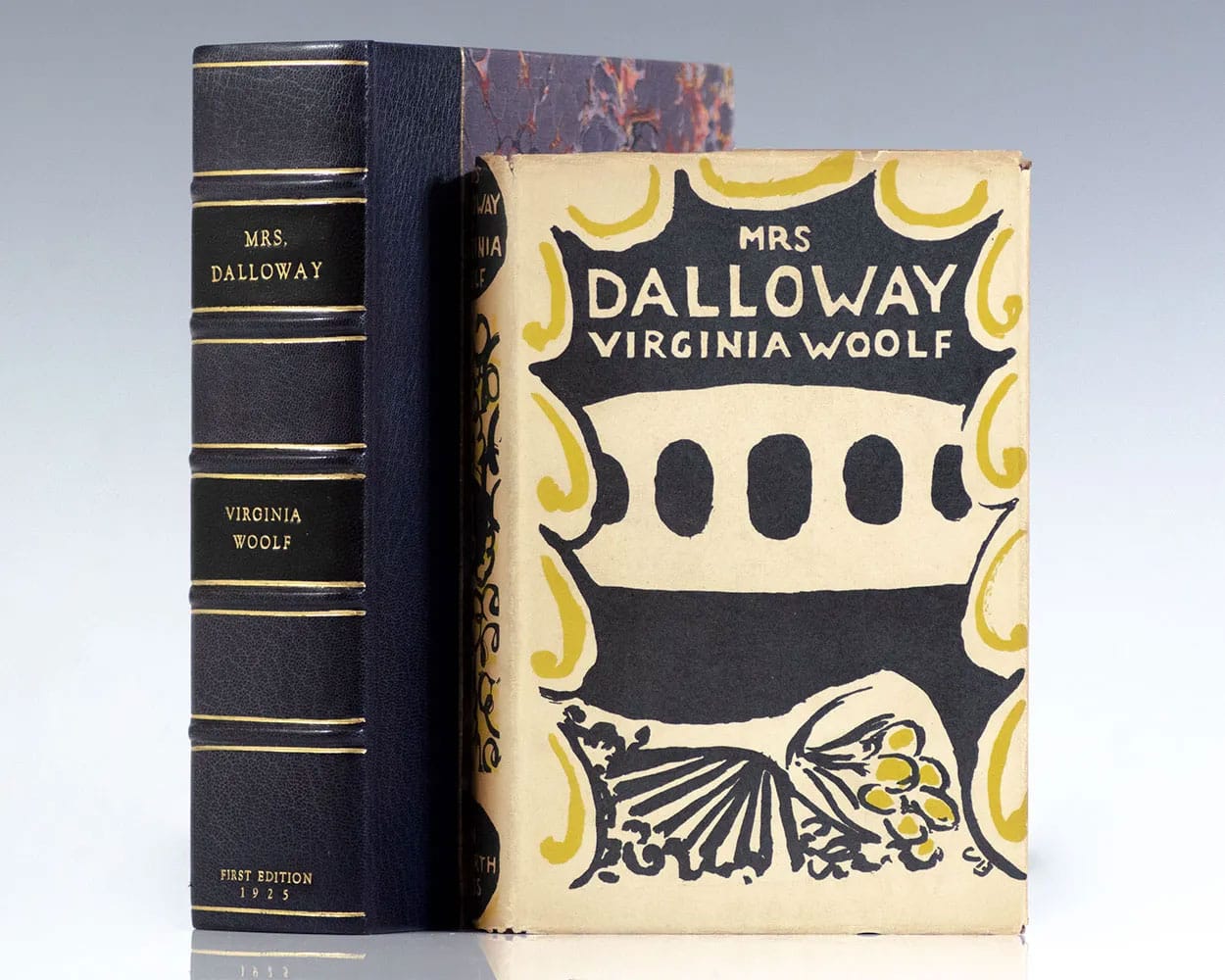
Michael Cunningham published The Hours in 1998, braiding one day in the lives of three women: Virginia Woolf in 1920s England, Laura Brown in 1940s Los Angeles, and Clarissa Vaughan in late-20th-century New York. The novel uses Woolf’s Mrs. Dalloway as both homage and scaffolding, adopting her single-day structure, interior monologue, and preoccupation with time, mortality, and the small, shimmering moments that make a life.
On the page, Cunningham’s effects are intensely interior: streams of thought, sensory detail, and subtle shifts in mood that feel almost impossible to visualize. It is, frankly, the kind of book club read that gets described as “too internal for film” while we pass the cheese board and nod sagely.
In 1999, the novel won both the Pulitzer Prize for Fiction and the PEN/Faulkner Award, instantly elevating it from “admired literary novel” to “canonical contemporary classic.” That double win also signaled to producers that this was serious material with built‑in prestige—catnip for awards‑minded filmmakers.
Hollywood notices the quiet ones
Producer Scott Rudin, already known for shepherding literary properties to the screen, moved quickly to develop a film adaptation. By 1999, just a year after publication and the award sweep, Rudin and producer Robert Fox had brought in playwright David Hare to adapt the novel. The choice of a playwright rather than a traditional screenwriter tells you everything about the creative priority: language, structure, character psychology.
Hare started the process with a marathon, six‑hour conversation with Cunningham, digging into discarded backstory and character histories that never made it into the published novel. Cunningham had originally written a much longer book, and Hare used that buried material as a map of the characters’ inner lives, essentially treating the author as a living archive. This is a reader's fantasy: the adapter asking the author about scenes that exist only in drafts, notebooks, and memory.
Adapting an interior novel
The central formal problem was how to translate a “book within a book” and three intercut interior narratives to a medium that thrives on external action. Hare experimented with multiple structures and ultimately discovered, as Cunningham had, that the existing triptych—three women, one day, alternating chapters—was the strongest spine, so the film largely preserves that architecture.
The major changes are telling. One of the most debated: in the novel, Laura Brown brings pills to a hotel and realizes she’s capable of suicide; in the film, Hare replaces the pills with a gun because the internal, slow dawning of intent was too subtle to read on camera. Cunningham disagreed, seeing the pills as thematically and psychologically truer, and the two kept arguing about that choice long after the film was made. It’s a small example of a larger tension: film’s need for visible, legible stakes versus literature’s ability to live in ambiguity.
Throughout development, the screenplay evolved alongside casting, with some actors essentially chasing the book rather than the script. Julianne Moore, who plays Laura, was reportedly in love with the novel and approached her role as if she were playing Cunningham’s Laura more than Hare’s Laura, anchoring herself in the original text. Meryl Streep, by contrast, worked strictly from the screenplay, embodying Clarissa Vaughan as she appears on the page of the script rather than Cunningham’s novel. Those two approaches—novel‑faithful and screenplay‑faithful—coexist in the finished movie, and you can feel the productive friction.
Casting as a promise to readers
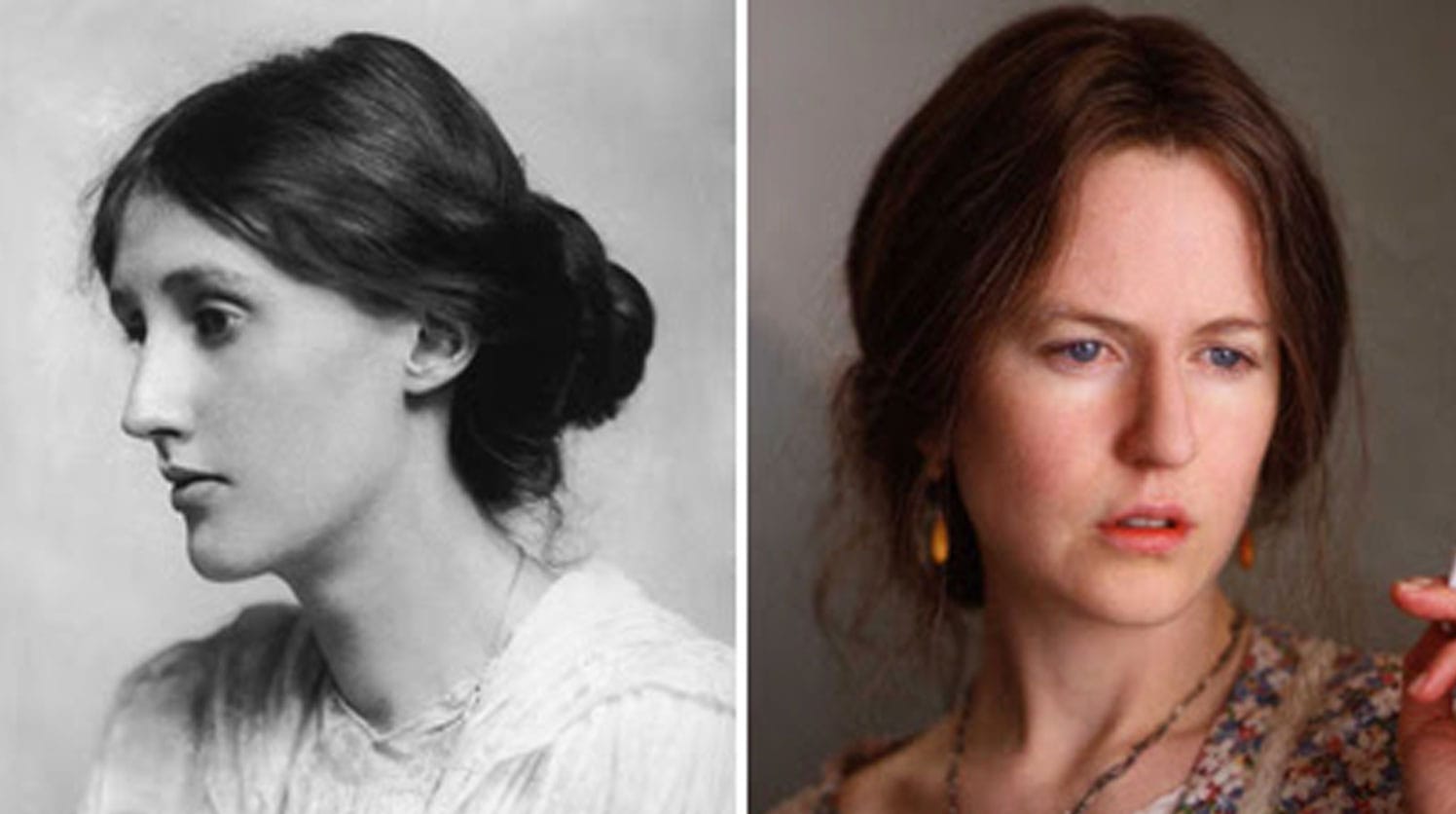
The Hours assembled a prestige cast rarely seen in such a quiet, melancholy film: Nicole Kidman as Virginia Woolf, Julianne Moore as Laura Brown, and Meryl Streep as Clarissa Vaughan, with Ed Harris, Allison Janney, Toni Collette, and Claire Danes rounding out the ensemble. The casting is doing double duty: it sells the film as an awards contender and quietly reassures readers that the novel is in safe hands.
Kidman’s transformative turn as Woolf, complete with the now‑famous prosthetic nose, became the film’s visual shorthand—an image that could be clipped into Oscar montages in a way Cunningham’s prose never could. Her performance channels the novel’s themes of mental illness and creative obsession into something visibly fragile and unsettling, a presence that anchors the film’s more abstract Woolfian preoccupations.
Moore and Streep, meanwhile, shoulder the burden of interiority—those long silences at kitchen tables and in New York apartments where, in the book, paragraphs of thought would unfurl. Their faces become the film’s equivalent of Cunningham’s sentences: layered, hesitant, sometimes contradictory, and always aware of time slipping past.
From prestige adaptation to Oscar night
The Hours premiered in Los Angeles and New York on Christmas Day 2002, followed by a limited release and then expansion in early 2003—a classic “awards corridor” rollout designed to keep the film fresh in voters’ minds. With a production budget of about 25 million dollars and a worldwide gross of roughly 108 million, it proved that a somber, literary adaptation could be commercially viable when packaged and timed correctly.
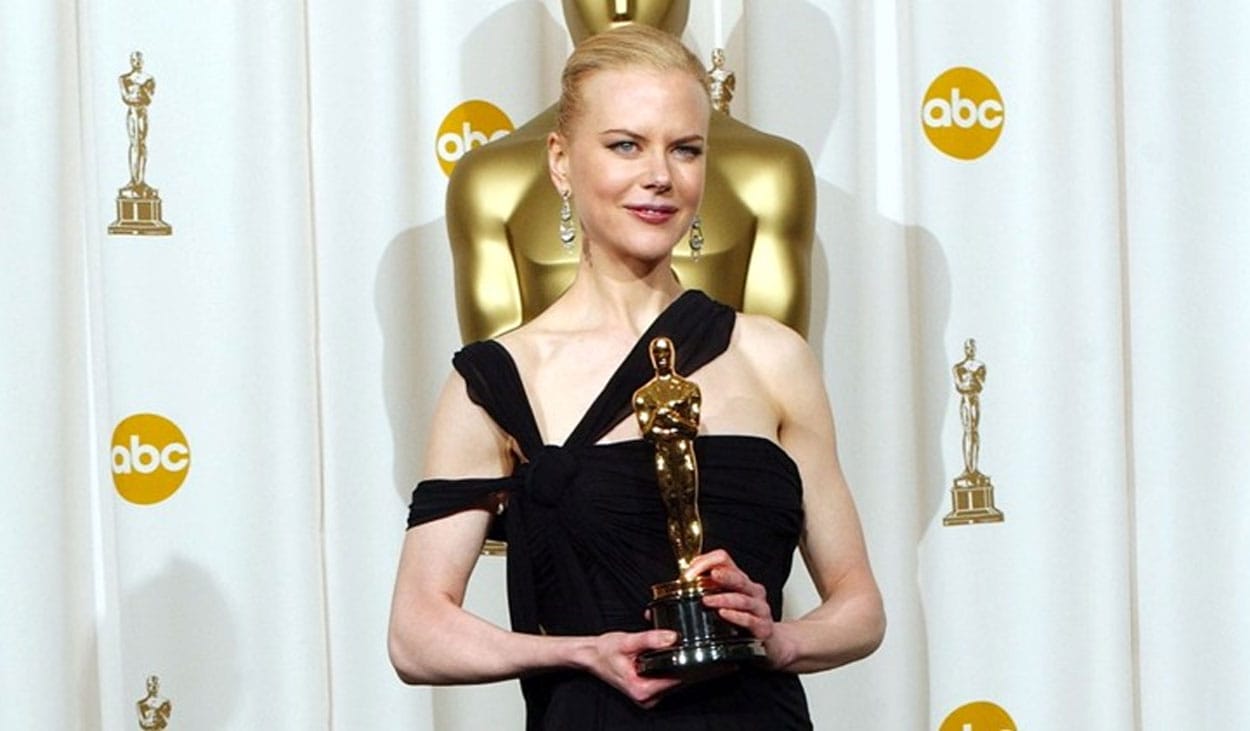
At the 75th Academy Awards, the film earned nine nominations, including Best Picture, Best Director (Stephen Daldry), Best Adapted Screenplay (David Hare), and acting nominations for Kidman, Moore, and Harris across various categories. Kidman’s win for Best Actress became the emblematic prize, the one most casual moviegoers remember, but the nominations themselves acknowledge the film as a full‑ensemble, full‑craft achievement rather than a one‑performance showcase. The screenplay also received recognition beyond the Oscars, including the USC Scripter Award, which specifically honors adaptations that respect and extend their literary sources.
For readers, this trajectory—from Pulitzer shelf to Oscar stage—can look almost inevitable in hindsight, but it was a gamble: a mournful, nonlinear, queer‑inflected story about depression, AIDS, domestic suffocation, and artistic despair is not obvious blockbuster material. Its success sits at the intersection of literary prestige, careful adaptation, actor name recognition, and a cultural moment ready to engage more openly with Woolf, mental illness, and queer history.
Why The Hours still works for book clubs (and viewers with wrinkles)
By the time The Hours reached the screen, it had become a multi‑text ecosystem: Woolf’s Mrs. Dalloway, Cunningham’s novel, Hare’s screenplay, Stephen Daldry’s film, and eventually even a 2022 opera based on both book and film. That layering is why it remains such fertile ground for book clubs, especially for readers who enjoy tracing how stories echo across time, medium, and generation.
For a Readers with Wrinkles‑style discussion, The Hours offers built‑in conversation paths:
- How aging is portrayed in Clarissa’s storyline versus Woolf’s sense of time and legacy.
- How domestic confinement and female interiority read differently on the page with Laura Brown than on screen with Julianne Moore.
- How our own reading lives—many of us having met Mrs. Dalloway decades ago—shape the way we watch Cunningham’s and Daldry’s reinterpretations now.
In other words, The Hours is not just a book that became a movie; it is a conversation between works, artists, and eras, and we, the slightly wrinkled readers in the middle rows, get to be part of that ongoing dialogue every time we reread, rewatch, or recommend it
The Hours is an especially rich pick for Readers with Wrinkles because it rewards slower, reflective reading and has even more to say to midlife and later-life readers than it did on first publication. Reasons to read or reread The Hours;
It speaks directly to midlife, aging, and “what now?” questions.
All three women feel the pressure of time passing, grapple with aging bodies and faces, and revisit choices that have shaped their lives, making it deeply resonant if you’re looking back as much as forward.
The triple‑timeline structure is more rewarding when you’re older.
The novel’s three interwoven days—Virginia Woolf in the 1920s, Laura Brown in the 1940s, and Clarissa Vaughn in the 1990s—echo and refract one another in ways that are easier to appreciate with more reading and life experience behind you.
It deepens your relationship with Mrs. Dalloway and Virginia Woolf.
Cunningham builds his novel as a conversation with Mrs. Dalloway and with Woolf’s life, so if you’ve read Woolf before—or plan to—this book becomes a rich intertext that illuminates both writers.
It captures queer lives and chosen family across generations.
From Clarissa’s life with her female partner to Richard’s experience as a gay man with AIDS, the novel traces queer desire, community, and loss over decades, which hits differently in a post‑90s, post‑marriage‑equality world.
It offers a nuanced portrait of depression and suicidal thinking.
Virginia, Laura, and Richard each confront despair and suicidal ideation in different eras, opening up space for thoughtful conversations about mental health, stigma, and survival across time.
It’s an incisive critique of women’s roles and domestic life.
Laura’s suffocating 1950s housewife existence and Clarissa’s polished, high‑functioning New York life both expose the tension between social roles and an authentic inner self, making it ideal for readers who enjoy feminist lenses.
It turns an “ordinary day” into something quietly epic.
Like Mrs. Dalloway, the novel follows a single day in each woman’s life, showing how small tasks—buying flowers, baking a cake, planning a party—can sit alongside life‑or‑death decisions and existential reckoning.
It’s a beautiful meditation on time and recurrence.
The book circles around motifs of hours, days, and cycles, suggesting that different generations face eerily similar struggles while still making distinct choices, which is powerful to revisit at different stages of your own life.
It invites conversation about art, legacy, and “enoughness.”
Richard’s anguish over whether his writing matters, and Clarissa’s doubts about the meaning of her carefully curated life, will resonate with anyone wondering whether their work or relationships have been “enough.”
It’s short but emotionally dense—perfect for a focused club read.
Despite its relatively slim length, the novel is packed with themes (time, identity, queerness, motherhood, mortality) that easily sustain a full meeting or even a multi‑session discussion.
It pairs brilliantly with a film night.
The star‑studded adaptation with Nicole Kidman, Julianne Moore, and Meryl Streep gives book clubs an accessible way to compare page and screen, talk about what was lost or gained, and revisit the story through performance.
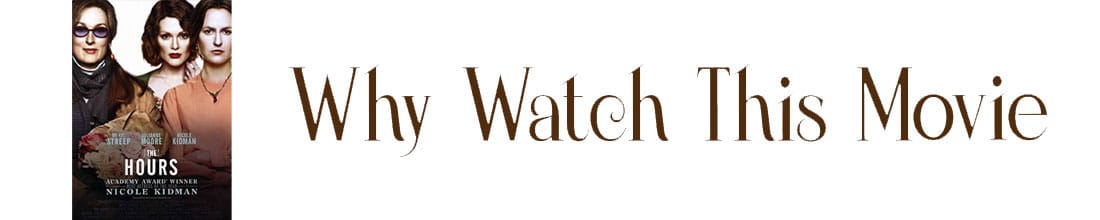
It’s a rich, layered character study
Each of the three women—Virginia Woolf, Laura Brown, and Clarissa Vaughan—grapples with purpose, depression, and desire in ways that feel painfully recognizable to thoughtful, mature readers.
It deepens your relationship with Mrs. Dalloway
The film works as a kind of echo or reply to Woolf’s novel, mirroring the party setup, inner monologues, and themes of time and mortality, so it’s especially rewarding if you’ve read (or plan to read) Mrs. Dalloway.
The performances are a masterclass
Nicole Kidman, Julianne Moore, and Meryl Streep give nuanced, interior performances that reward close attention—perfect for viewers who enjoy “reading” faces and body language the way they read prose.
It takes women’s interior lives seriously
The Hours foregrounds the inner conflicts of women who are dutiful on the surface but quietly questioning the roles of wife, mother, caregiver, and friend, inviting conversations about societal expectations across generations.
It treats mental health with gravity (and compassion)
From Woolf’s struggle with mental illness to Laura’s suicidal ideation and Richard’s AIDS-related despair, the film offers a sensitive, serious look at depression, suicide, and the suffocating feeling of being unable to go on.
It’s a powerful portrait of queer lives and love
Clarissa and Richard’s shared history, Clarissa’s partnership with Sally, and Woolf’s and Laura’s moments of same-sex longing create a moving tapestry of queer desire, regret, and chosen family across decades.
The structure is catnip for literary minds
The intercut timelines, recurring motifs (flowers, parties, kisses, water, doors), and refrains like “Mrs. Dalloway said she would buy the flowers herself” make the film feel like a novel come to life, ideal for analysis and rewatching.
It explores time, aging, and “the life not lived”
By juxtaposing 1920s, 1950s, and early 2000s storylines, the film invites you to think about how time reshapes identity, how small choices ripple outward, and how we mourn the paths we didn’t take.
It’s a moving snapshot of the AIDS generation
Clarissa’s New York story and Richard’s impending death ground the film in the late-twentieth-century AIDS crisis, capturing both the devastation and the stubborn insistence on love, art, and daily rituals. Ed Harris as Richard is brilliant.
The score is hauntingly beautiful
Philip Glass’s minimalist music creates a sense of mounting emotional pressure, binding the three narratives together and making the film’s quieter moments feel monumental.
It rewards rewatching at different ages
Viewers in midlife and beyond may recognize new layers in Laura’s choices, Clarissa’s compromises, and Virginia’s defiance—what once seemed “dramatic” can feel uncomfortably, poignantly true with more life experience.
It’s perfect for book and film club–style discussion
Themes like duty vs. desire, motherhood, the ethics of leaving, queer identity, and what constitutes a “good” life give you endless angles for reflection, journaling, or group conversation after watching.
The 98th Academy Awards (2026 Oscars) will air live on Sunday, March 15, 2026, at 7 p.m. ET (4 p.m. PT). The ceremony will be broadcast from the Dolby Theatre in Hollywood on ABC and available to stream on Hulu. Comedian Conan O'Brien is set to host the event.
Comments