
Table of Contents
In this kit:
- Book Summary Page (Online & Printable Kit)
- Main Characters Page (Online & Printable Kit)
- Discussion Questions Page (Online & Printable Kit)
- Book Quotes Page (Online & Printable Kit)
- Icebreaker Game: (Printable kit only)
- About the Author Page (Online & Printable Kit)
- Historical Facts (Online & Printable Kit)
- List of Podcasts and Videos about this Book (Online only)
- Meeting Decoration Ideas (Online & Printable Kit)
- Meeting Decorations Printable Images (Printable kit only)
- Meeting Menu Ideas (Online & Printable Kit)
- Meeting Food Recipes (Printable kit only)
- Printable decoration images (Printable kit only)
- AIPrompt Instructions for Artistic Portraits (Printable kit only)
- Printable Bookmarks for The Lion Women of Tehran (Printable kit only)
- Printable Bookmarks for Readers With Wrinkles (Printable kit only)
In 1950s Tehran, seven-year-old Elaheh—called Ellie—grows up in comfort until the sudden death of her beloved father forces her and her grieving mother to leave their uptown home and move to a small apartment in a working-class neighborhood downtown. Lonely, overwhelmed by her mother's anxiety and bitterness, Ellie dreams of one true friend.
On her first day at the new school, she finds exactly that: Homa, a kind, fierce, passionate girl with a brave and irrepressible spirit. Together, the two girls explore the vivid stalls of the Grand Bazaar, learn to cook in Homa's warm stone kitchen, and make each other a solemn promise—that they will grow up to be "lion women": shirzan, fierce and unstoppable women of courage.
Their friendship deepens through childhood, adolescence, and university, even as Iran itself is changing. The Women's Rights Movement is gaining momentum—women are voting, working, and pushing against old restrictions. But as the political turmoil of the late 1970s builds toward the 1979 Islamic Revolution, the world the two friends grew up in begins to unravel.
At a pivotal moment, one devastating act of betrayal—born of jealousy, social class, and a single catastrophic misunderstanding—tears the two friends apart, sending each on a radically different path. Homa stays in Iran and becomes a fierce human rights activist, fighting for the freedoms that women have lost. Ellie flees to America, building a quiet new life as a department store perfume counter worker in 1980s New York City, tormented by guilt over what she did—and didn't do—for her best friend.
Told across three transformative decades—from the hopeful 1950s to the dangerous 1970s to the expatriate loneliness of 1980s New York—The Lion Women of Tehran is a heartfelt, epic story of enduring friendship, class, betrayal, and redemption. It asks, how does a single moment define a life? What does it mean to be brave? And can two people who loved each other find their way back?
Elaheh (Ellie)
The novel's central narrator and protagonist. Ellie begins the book in 1980s New York, haunted by memory. In flashback, we watch her grow from a privileged uptown girl to a newcomer in a working-class neighborhood—and from a devoted best friend to the person who, in one terrible moment of weakness and cowardice, destroys Homa's life. Ellie's internal reckoning with guilt, class privilege, and the possibility of redemption drives the emotional heart of the novel.
Homa
Ellie's childhood best friend and the novel's moral compass. Born downtown to a politically active family, Homa is passionate, brave, and fearless from girlhood. She is the one who first declares they will be 'lion women.' After the revolution, she suffers imprisonment and assault but refuses to leave Iran, dedicating her life to the women's rights movement. Her courage and her fate are the shadow that falls over every page of the book.
Ellie's Mother
A widowed woman consumed by grief, social anxiety, and an obsessive fear of the evil eye (cheshm). She regards Homa and her family with class-based suspicion and jealousy, and her toxic disapproval quietly poisons Ellie's friendship. Her behavior haunts the novel as a portrait of how fear and bitterness can destroy what we love most.
Homa's Mother
A warm, generous woman who welcomes Ellie into her home with open arms. She teaches both girls to cook Persian dishes — Shirazi salad, fesenjoon—and represents the kind of nurturing, community-minded womanhood that the novel celebrates. Her kitchen becomes a sacred space of friendship and belonging.
Mehrdad
Ellie's university fiancé, a privileged young man whose presence in the apartment where Homa is cooking fesenjoon becomes the flash point for the catastrophic misunderstanding that ends the friendship. He is charming but passive, and his role exposes how the entanglement of love, jealousy, and class can destroy even the deepest bonds.
Leily (the Epilogue)
Homa's grandaughter, to whom the novel's epilogue is addressed. Writing in 2022, Homa speaks directly to Leily about the Woman, Life, Freedom protests, connecting the girls' childhood dreams of becoming lion women to the women marching in the streets of Tehran decades later.
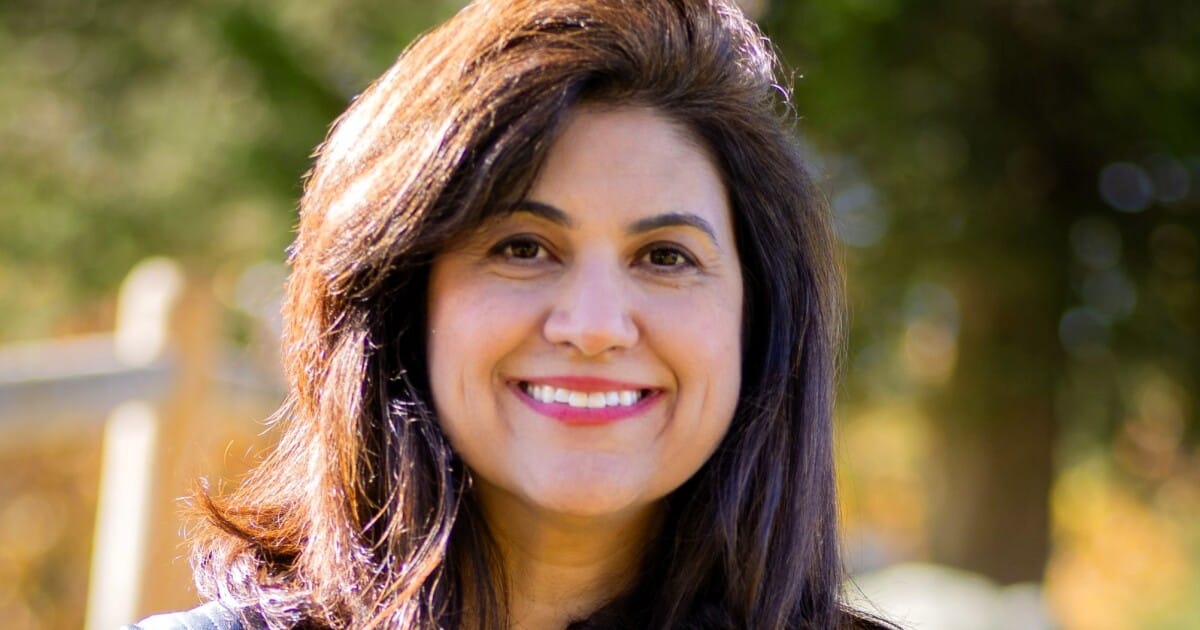
Marjan Kamali is an internationally acclaimed, nationally bestselling author whose work explores the lives of Iranian women with extraordinary warmth, psychological depth, and historical richness. Born in Turkey to Iranian parents, she lived in Iran as a child before eventually immigrating to the United States. She now lives in Lexington, Massachusetts.
Her debut novel, Together Tea (2013), introduced her voice to American readers. Her second novel, The Stationery Shop (2019), became a national bestseller and was praised by Shelf Awareness as "powerful and heartbreaking." It established Kamali as one of the most important voices writing about modern Iranian history for a Western audience. The Lion Women of Tehran (2024) is her most ambitious and personal work yet. Kamali deliberately set the novel against the arc of the Iranian Women's Rights Movement, making her characters — Ellie and Homa — contemporaries of her own mother, born in 1943. "I wanted to show the entire arc," she has said, "from the early organizing decades to the
freedoms women won in the 1960s and 70s—and then the devastating losses after 1979."
The novel was also shaped by the 2022 Woman, Life, Freedom protests in Iran following the death of Mahsa Amini in morality police custody. Kamali has spoken movingly about how real-world events changed the book's ending: "There she was, a friend working at a human rights organization in Iran, and here I was in America. I couldn't stop thinking about how the friends we make when we are young shape us — even when the friendship doesn't last."
"We are cubs now, maybe. But we will grow to be lionesses. Strong women who will make things happen." — Homa, to Ellie — early in the novel, establishing the girls' shared dream
"The past was always there, lurking in the corners, winking at you when you thought you'd moved on, hanging on to your organs from the inside." — Ellie — on memory and guilt
"That's how losses of rights build. They start small. And then soon, the rights are stripped in droves." — On the erosion of women's rights after the 1979 revolution
"You skipped our country's slide back into medieval times. Women have lost decades —no, centuries — of rights in this country. I'm glad you're sitting comfortably with your professor husband in America." — Homa, to Ellie — in a letter after the revolution
"And so when you see the women screaming in Iran for their rights, please remember, dear Leily, that the force and fury of our screams have been gathering power for years."— Homa, to her grandaughter Leily — in the 2022 epilogue
"In The Lion Women of Tehran, Kamali brings to life the beauty and tragedy of Iran in the 1960s. From the delicious scent of spices simmering, to the laughter of young women dreaming of their futures — and the darkness that can extinguish a dream in an instant." — Critical praise for the novel
One of the great pleasures of reading The Lion Women of Tehran is Kamali's commitment to historical accuracy. Every major political event she depicts—the women's march of March 8, 1979; the introduction of mandatory hijab; the suspension of the Family Protection Law — actually happened. Here is the context that enriches the novel's world.
The Iranian Women's Rights Movement (1920s–1979)
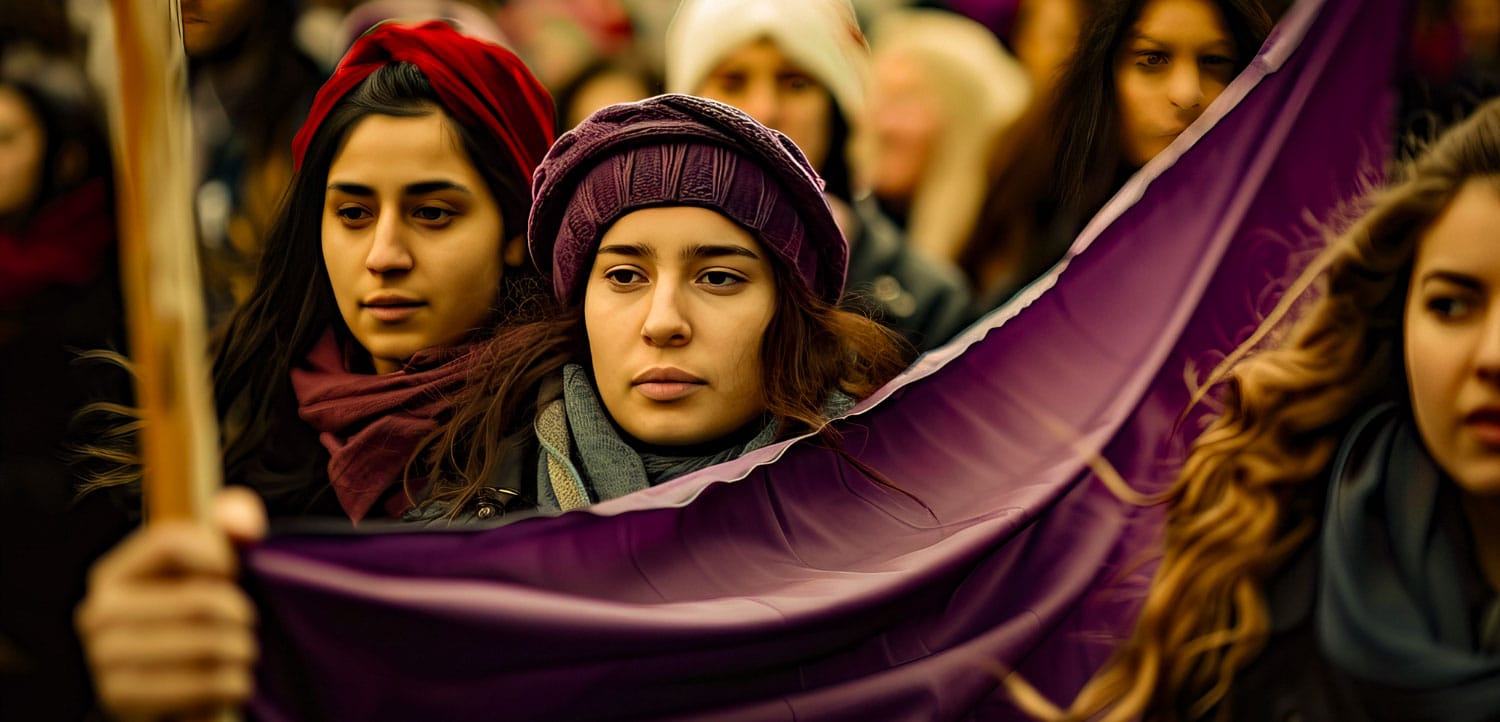
The organized women's rights movement in Iran began in the 1920s, when the first women's organizations were founded. Through the 1950s, 60s, and 70s—the decades of Ellie and Homa's girlhood and young adulthood—Iranian women made extraordinary gains. Women won the right to vote in 1963 as part of Mohammad Reza Shah's White Revolution. In 1968, Farrokhroo Parsa became Iran's first female Minister of Education. The Family Protection Law of 1975 gave women equal rights in marriage and divorce, raised the minimum age of marriage to 18, and all but eliminated polygamy. These were the freedoms Ellie and Homa grew up with — and took for granted.
The 1979 Islamic Revolution
After massive popular protests against the Shah — in which women participated fully and enthusiastically—the Islamic Republic came to power under Ayatollah Ruhollah Khomeini in February 1979. Within weeks, the new government began rolling back women's rights. Mandatory hijab was decreed. On International Women's Day, March 8, 1979, thousands of women marched in protest—a demonstration Kamali depicts directly in the novel. The Family Protection Law was suspended; the age of marriage for girls was reduced from eighteen to nine; women were barred from serving as judges; universities segregated men and women and barred women from certain fields. "You skipped our country's slide back into medieval times," Homa writes to Ellie.
The Grand Bazaar of Tehran
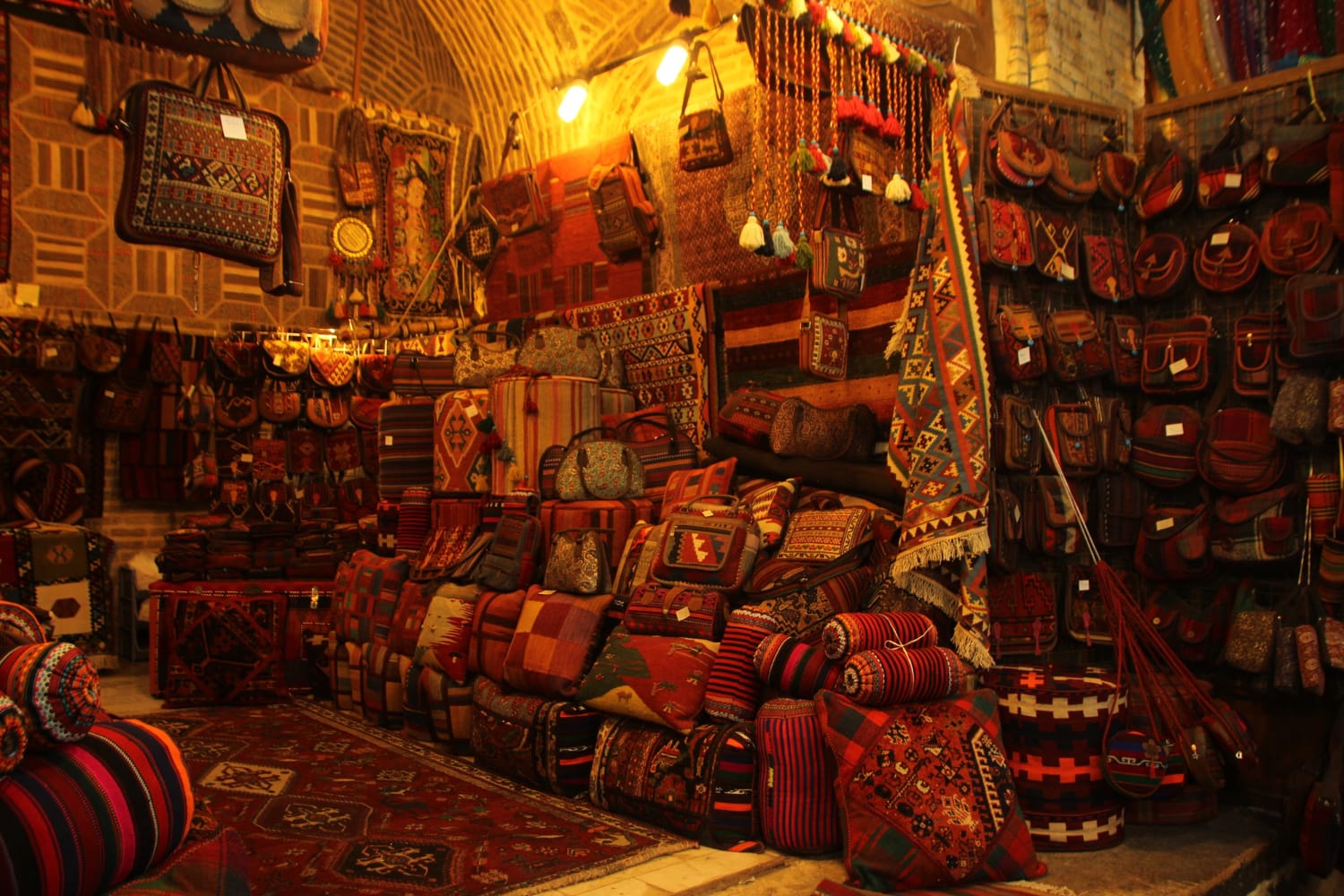
Throughout the novel, Ellie and Homa wander the stalls of Tehran's Grand Bazaar—one of the oldest and largest covered markets in the world, with more than ten kilometers of winding passages. Founded in the 10th century, the Bazaar is not just a marketplace but a social institution, a meeting place, and historically a center of political organizing. It was in the bazaar that merchants and clerics built the networks that would make the 1979 revolution possible.
Shir Zan—Lion Women
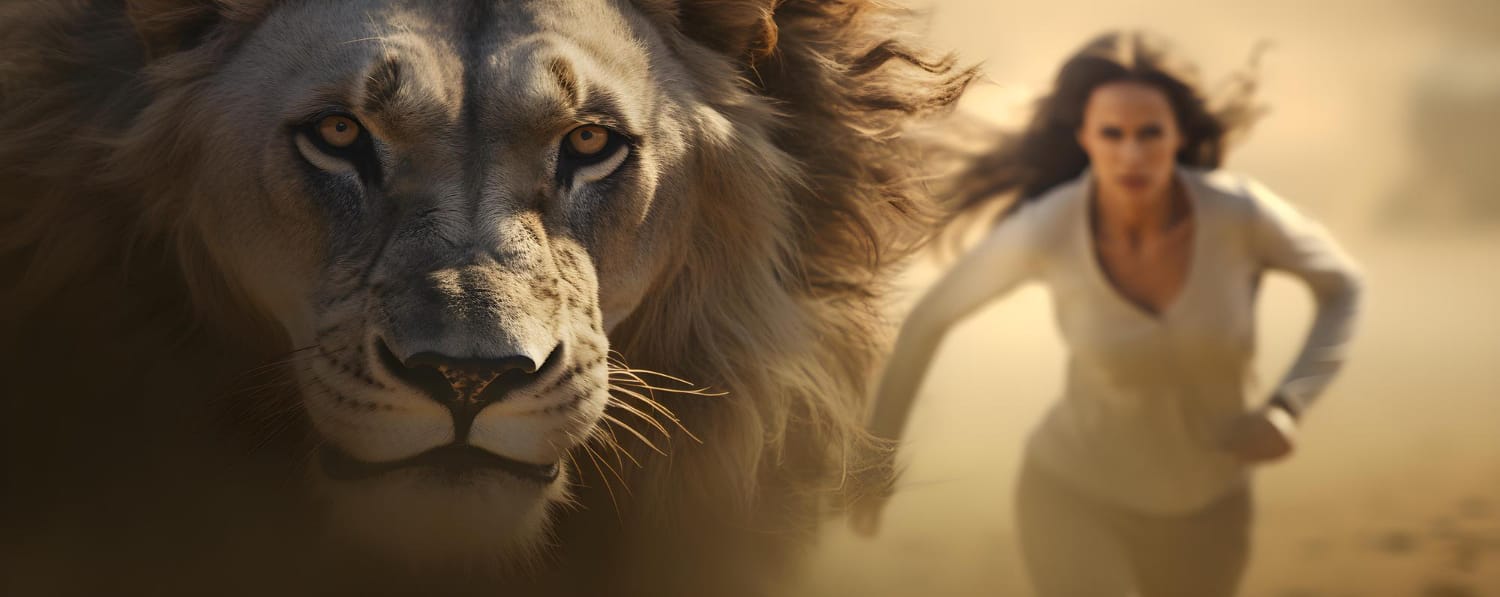
The phrase 'lion women' is Kamali's translation of the Persian phrase shir zan (literally: lion woman), a culturally embedded term for a woman who is fierce, brave, courageous, and unstoppable. Kamali grew up hearing this phrase in her family and chose it as the novel's central metaphor. The lion has deep roots in Persian culture and iconography: the Lion and Sun (Shir-o-Khorshid) was Iran's national emblem for centuries. To be shir zan is to embody the lion's strength and boldness.
The Woman, Life, Freedom Movement (2022)
The novel's epilogue is set in 2022, the year 22-year-old Mahsa (Zhina) Amini died in the custody of Iran's morality police after being arrested for allegedly wearing her hijab improperly. Her death sparked nationwide protests under the slogan 'Woman, Life, Freedom' (Zan, Zendegi, Azadi)—the largest uprising in Iran in decades. Kamali has said that the real-world protests directly shaped the novel's ending, connecting Ellie and Homa's childhood dreams to the women still marching in the streets of Tehran more than seventy years later.
Choose 8–10 questions that suit your group. The first 12 can be discussed even if not everyone has finished the book. Questions 13–16 contain spoilers and are best saved for a full-group, post-ending discussion.
The book opens from Ellie's point of view in 1980s New York City. What are some observations she makes about the city and how she fits into it? How does she describe New York differently in the first chapter versus the end of the novel?
2.
How would you describe the city of Tehran during Ellie and Homa's childhoods? What feelings and textures does Kamali evoke — the Grand Bazaar, the neighborhoods, the kitchens? How did reading about Tehran make you feel?
3.
Ellie and Homa come from very different class backgrounds. How does class shape their friendship, their expectations for the future, and the choices they make? In what ways does the novel suggest class can be both invisible and decisive?
4.
Ellie's mother is obsessed with the evil eye (cheshm). What does her obsession reveal about her character? How does it function as a symbol of jealousy and the poisoning effect of fear?
5.
Seven years pass between Part One and Part Two, and Ellie has moved to an upscale school with new friends. How has her sense of herself — and of Homa — changed? What does this gap say about how class shapes memory and loyalty?
6.
Describe the role that politics in Iran plays throughout the book. Does it function almost as a character in its own right? How do Ellie and Homa respond to politics differently, and how does that difference shape their futures?
7.
Two central themes are betrayal and jealousy. In how many different forms do these appear — between characters, across social classes, in politics? Were there instances of betrayal that surprised you?
8.
Homa's time in prison devastates her plans and sets her on a completely new life trajectory. What might have happened if she had not been imprisoned? Would Homa and Ellie have remained friends?
9.
Part Four is narrated from Homa's point of view. How is her voice different from Ellie's? What does this shift in perspective reveal that Ellie's narration could not?
10.
Homa talks throughout the book about growing up to be 'lion women'—shir zan in Persian. How would you define a lion woman based on what you have read? How do Ellie and Homa each embody—or fail to embody—this ideal at different points in the story?
11.
Discuss the romantic relationships throughout the book — Mehrdad and Ellie, Homa and her own hopes, the marriages and partnerships we see. How does romance intersect with and complicate the central friendship?
12.
The author explores mother-daughter bonds throughout. Discuss the mother-daughter relationship for each character. What do they have in common? What does the novel ultimately say about what we inherit from our mothers?
13.
[SPOILER] Was Ellie's act of betrayal—turning Homa in, or failing to protect her—a result of youthful cowardice, class prejudice, or something deeper? Can you understand it, even if you cannot forgive it?
14.
[SPOILER] In the final chapter and epilogue, we fast-forward to 2022 and learn that Homa remained in Iran to fight for women's rights while Ellie opened an Iranian café in America. How do these two lives reflect what it means to be a lion woman—in different but equally valid ways?
15.
[SPOILER] The epilogue is addressed to Leily, Homa's niece, in the context of the 2022 Woman, Life, Freedom protests following the death of Mahsa Amini. How does this ending connect the girls' childhood dreams to real, present-day women's resistance in Iran? What did it make you feel?
16.
This book is propelled by the relationships between women—Ellie and Homa, mothers and daughters, women in the workplace and on the street. Do you see relationships like these in your own life? What, for you, makes friendships between women singular and powerful?
Here are 10 evocative, on-theme decorating ideas for a The Lion Women of Tehran book club meeting, rooted in its Tehran setting, Persian culture, women's resilience, and the warm sensory world of Homa's mother's kitchen. Use these to create a space that feels like stepping into 1950s and 60s Tehran.
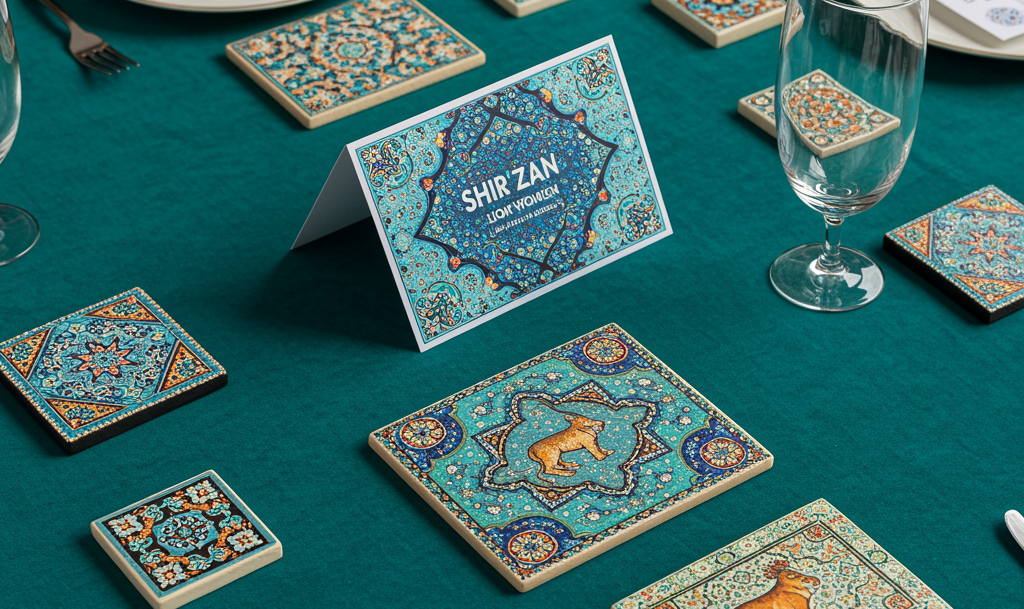
Persian Tile Tablescape
Cover your table in a deep teal or indigo fabric to evoke the famous Persian tilework of Isfahan and Tehran's historic buildings. Add small ceramic tiles, mosaic coasters, or printed tile-pattern cards at each place setting. Place a small card at the center that reads 'Shir Zan—Lion Women.'
Saffron & Pomegranate Color Palette
Keep your linens, napkins, and ribbons in saffron gold, deep pomegranate red, and rich teal — the jewel tones of Persian textiles. These colors appear throughout the novel's food, clothing descriptions, and bazaar scenes.
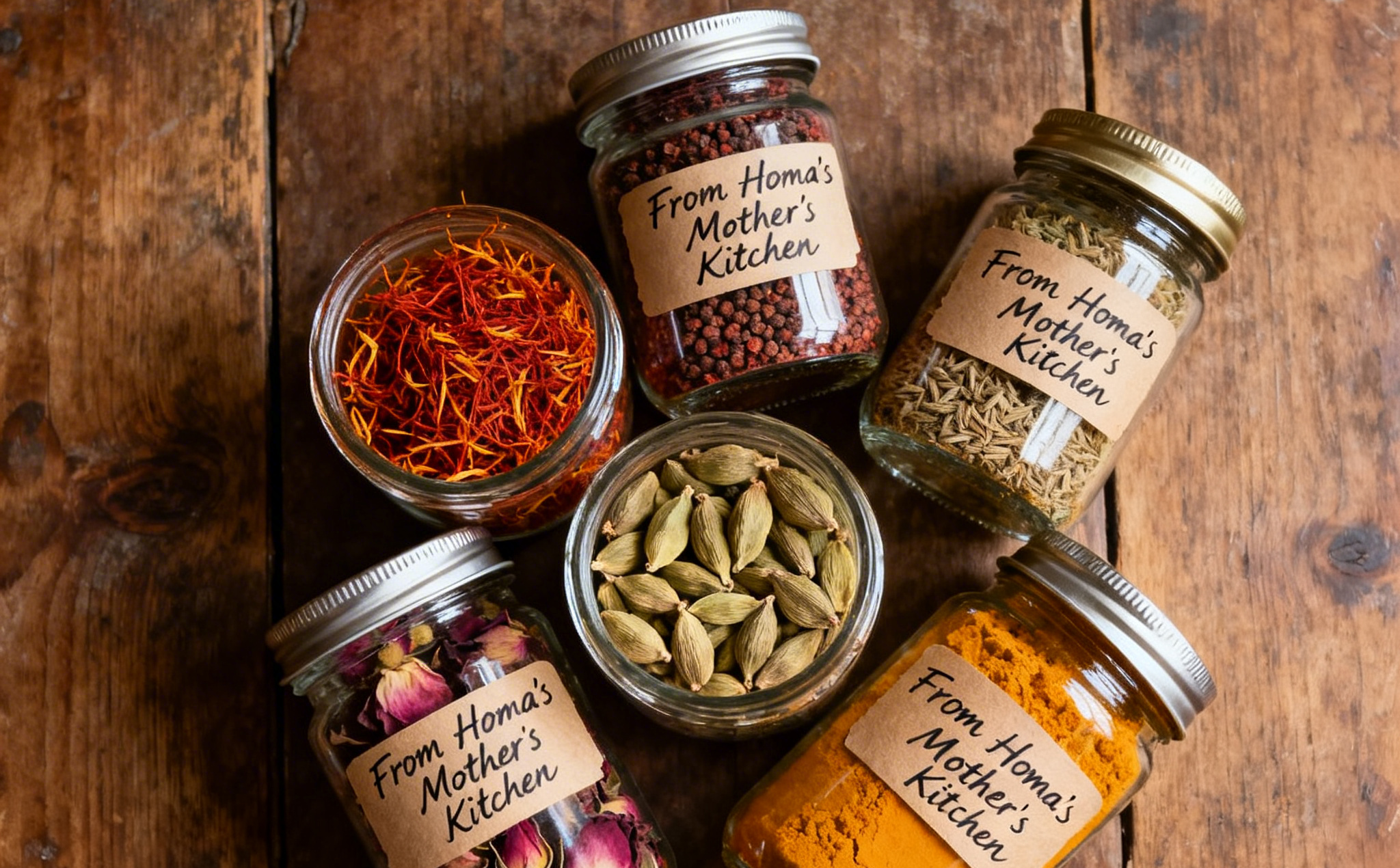
Spice Jar Centerpiece
Fill small glass jars with the spices that appear in the novel's kitchen scenes: dried saffron threads, sumac, cardamom pods, dried rose petals, and turmeric. Group them at the center of the table with a handwritten label: 'From Homa's Mother's Kitchen.' The scents alone will transport your guests.
Grand Bazaar Mood Board
Print or display photos of Tehran's Grand Bazaar—its arched ceilings, fabric stalls, and crowds. Hang a few on the wall with quotes from the novel about the bazaar. This is where Ellie and Homa's friendship takes shape, and seeing it brings the setting to life.
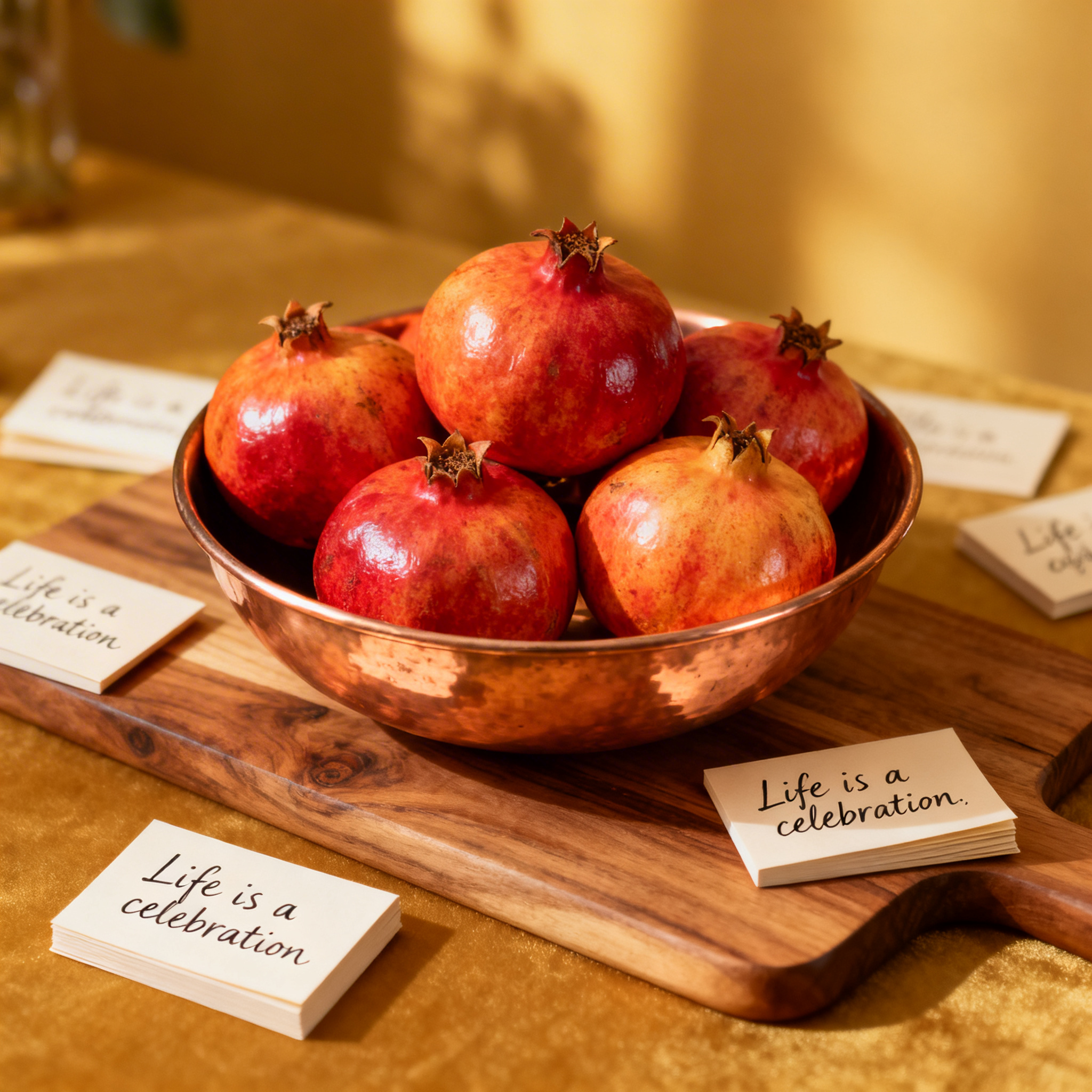
Pomegranate Centerpiece
Stack several pomegranates on a wooden board or in a copper bowl. The pomegranate is one of the most potent symbols in Persian culture—representing fertility, abundance, and the seeds of the future. It also appears directly in the novel's central recipe, fesenjoon. Place small cards near the pomegranates with a quote from the book.
Women's March Acknowledgment
Create a small display with the slogan 'Zan, Zendegi, Azadi' (Woman, Life, Freedom)—the battle cry of the 2022 Iranian protests. This connects the book's epilogue to the living, ongoing struggle of Iranian women and makes the meeting feel politically meaningful as well as literary.
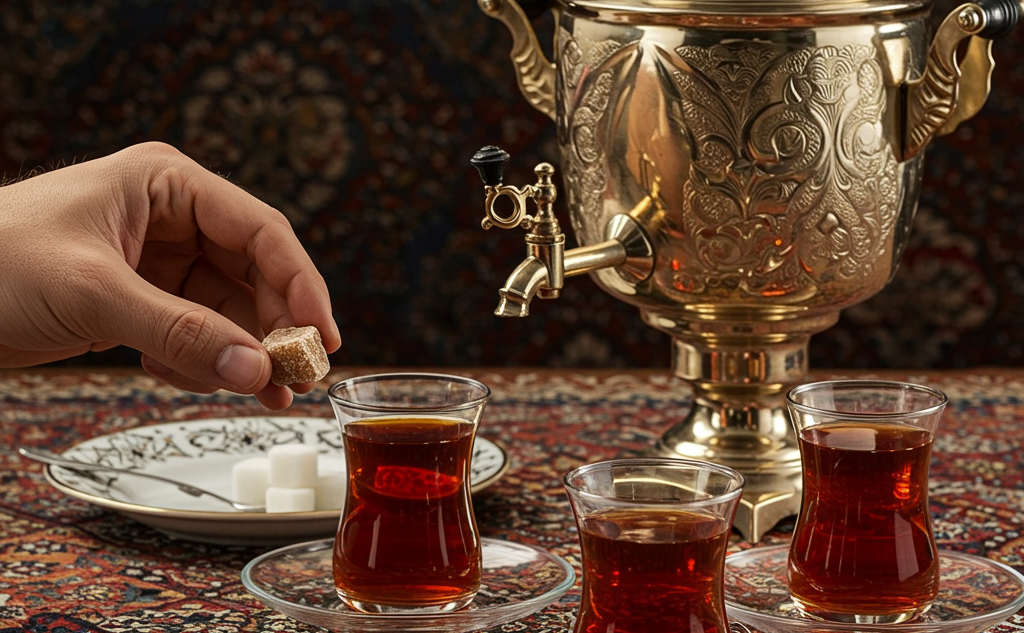
Persian Tea Service
Set out a traditional Persian tea service—clear glass tea cups (istakan), a samovar or decorative teapot, and sugar cubes for drinking tea the Persian way (holding the sugar between the teeth). Tea appears throughout the novel as a symbol of hospitality, comfort, and the ritual of female friendship.
Lion Motif Details
Incorporate small lion figurines or prints as a nod to the title's central metaphor. The lion and sun (shir-o-khorshid) is a beloved Persian symbol. A small figurine, a vintage-style print, or even a hand-drawn card with a lion will tie the decorations directly to the book's theme of feminine courage.
Ellie's Perfume Counter
In homage to Ellie's life in 1980s New York — where she works behind a department store perfume counter — place a small tray of perfume bottles or a scented candle in floral or oud notes near the entrance. Add a card: 'Welcome to Ellie's America.'
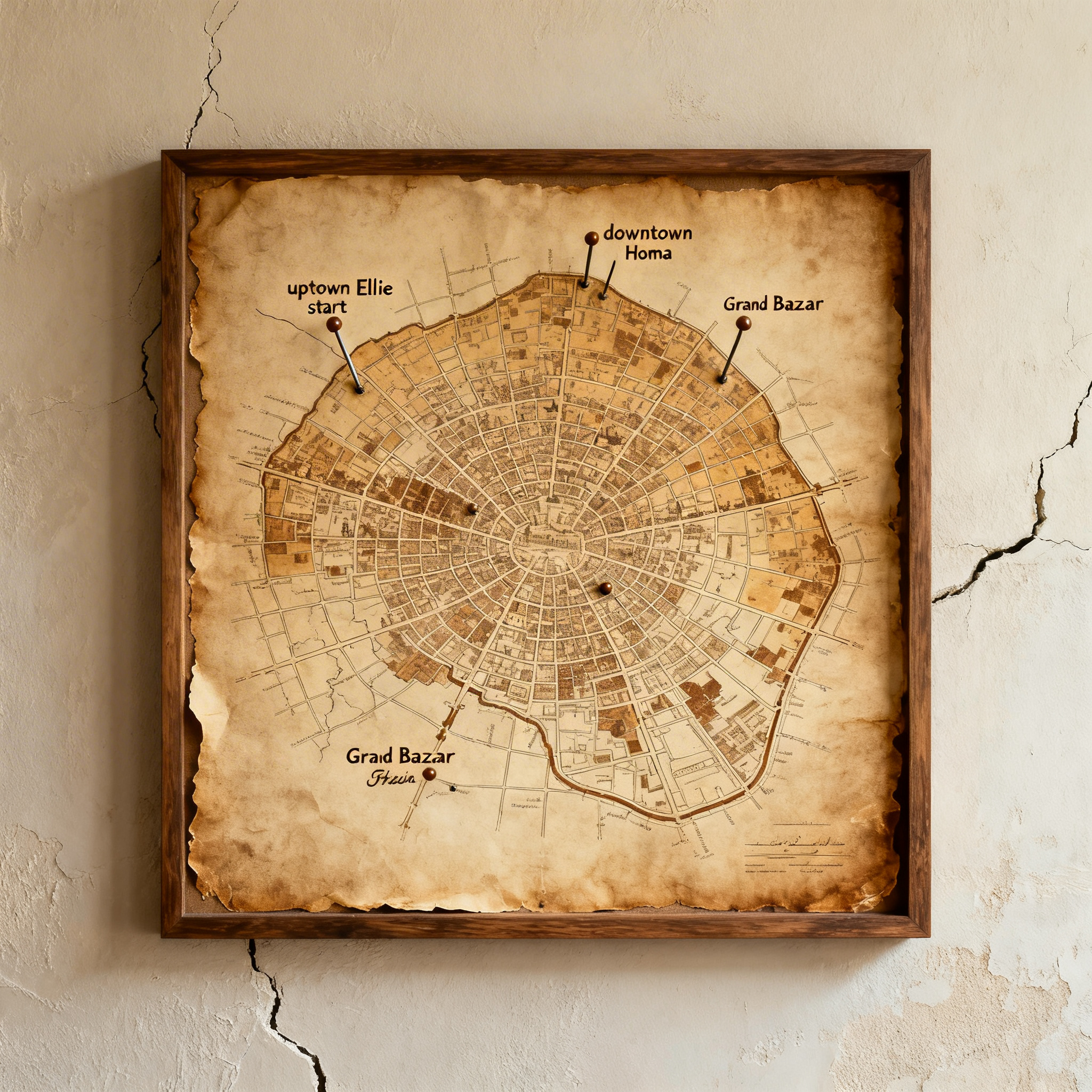
Tehran Street Map
Print a vintage or stylized map of Tehran and mount it on the wall, with small pins or labels marking the novel's key locations: the uptown neighborhood where Ellie starts out, the downtown streets where Homa lives, and the Grand Bazaar. This geographic grounding makes the characters' movements vivid.
- Icebreaker: Shirzan--Who Is Your Lion Woman? Activity (In printable kit)
- Icebreaker: Two Truths and a Betrayal Activity (In printable kit)
- Icebreaker: Persion Spice Challenge Activity (In printable kit)
Food is woven into the DNA of this novel. Kamali has said that the kitchen scenes — Ellie learning to cook in Homa's mother's warm stone kitchen—were among the most personal she has ever written. Here is a complete menu that brings the flavors of Tehran to your table, drawn directly from the novel's pages.
APPETIZERS & STARTERS
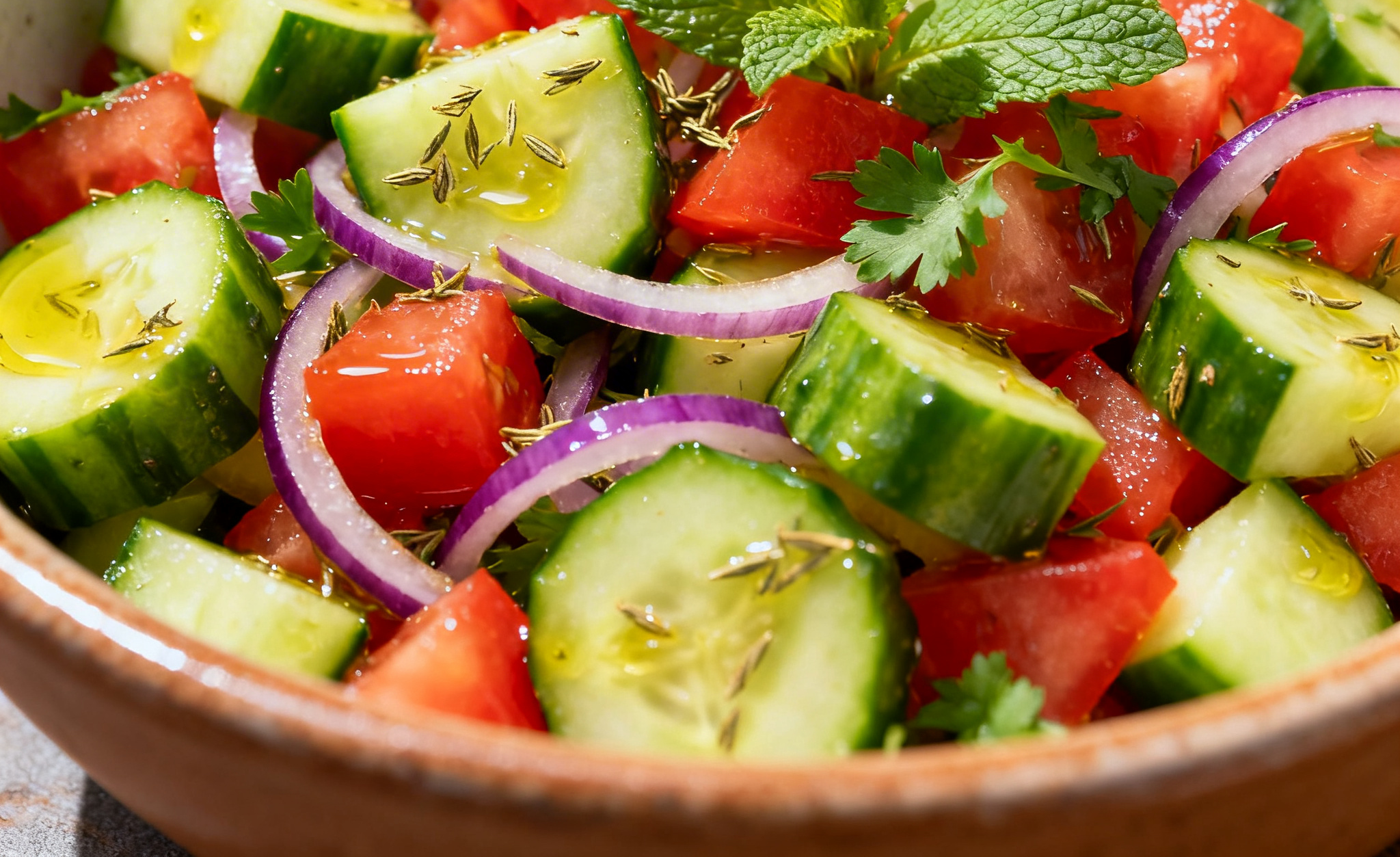
Shirazi Salad
Crisp Persian cucumbers, ripe tomatoes, red onion, lemon juice, olive oil, dried mint, and fresh parsley. This is the very first dish seven-year-old Ellie learns to make in Homa's mother's kitchen. Simple, bright, and unforgettable—the perfect start.
Fresh Herb Platter (Sabzi Khordan)
A traditional Persian spread of fresh herbs, radishes, walnuts, feta cheese, and lavash flatbread. Sabzi khordan appears on every Iranian table, a symbol of spring, abundance, and the generosity of Homa's household.
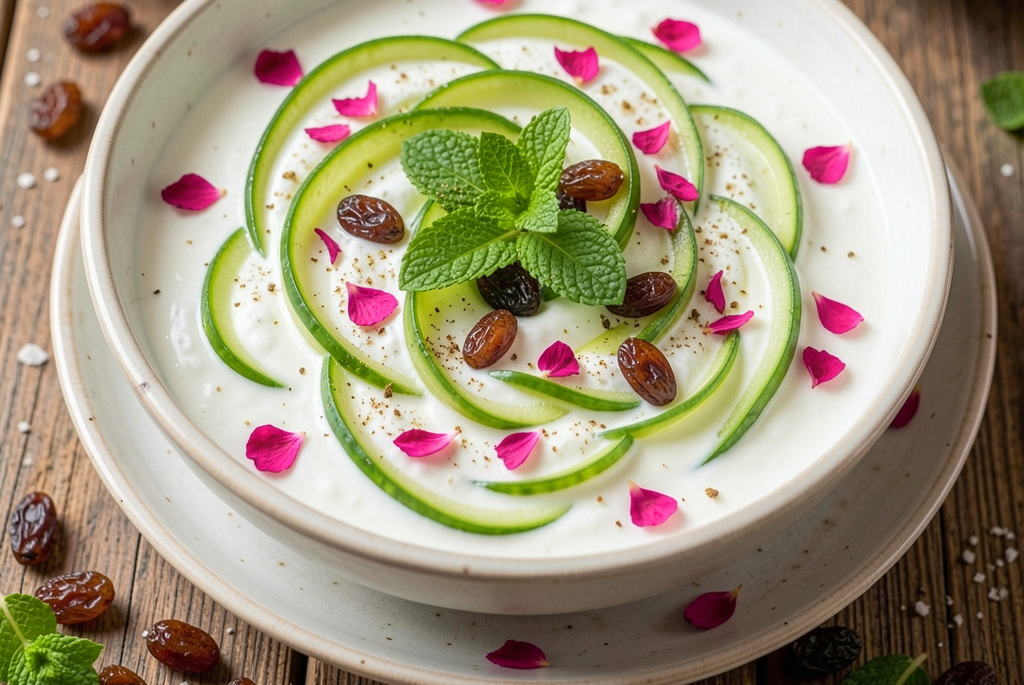
Mast-o-Khiar
Persian strained yogurt with cucumber, dried mint, raisins, and rose petals. Cool, delicate, and aromatic—a refreshing opener that showcases the Persian love of contrast between savory and sweet.
MAIN DISHES
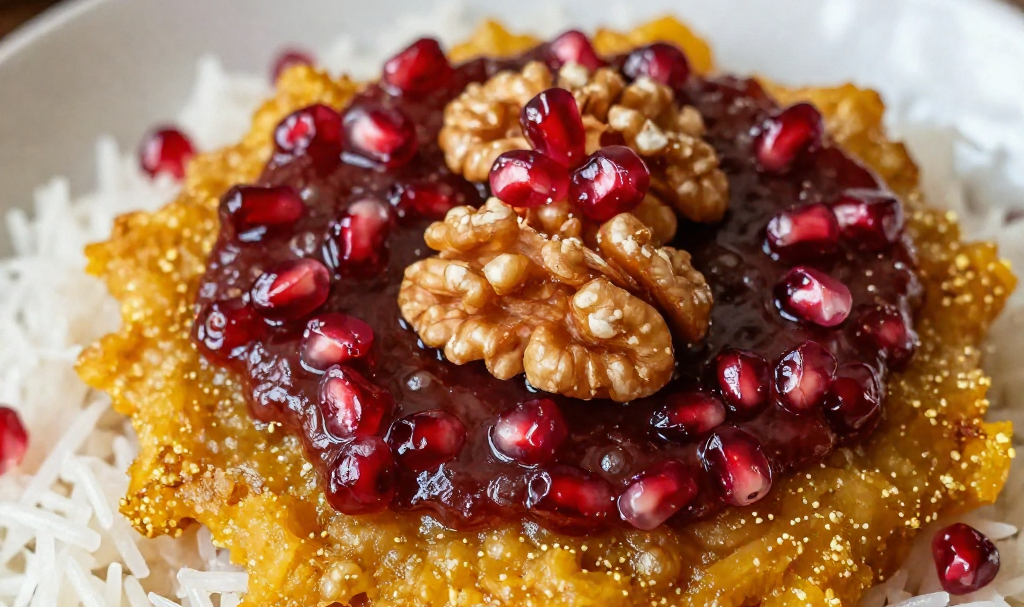
Fesenjoon Khoresh
The walnut and pomegranate stew that is Homa's absolute favorite — and the dish she is cooking when the fateful misunderstanding occurs. Rich, sweet-sour, and deeply flavored, it is served over basmati rice with tahdig (the golden, crunchy bottom-of-the-pot rice). Recipe included in this kit.
Saffron Rice with Tahdig
Fluffy basmati rice perfumed with saffron and topped with a golden crust. Tahdig—literally 'bottom of the pot'—is the most prized part of the meal in Persian culture. Whoever gets the crunchiest piece is considered lucky.
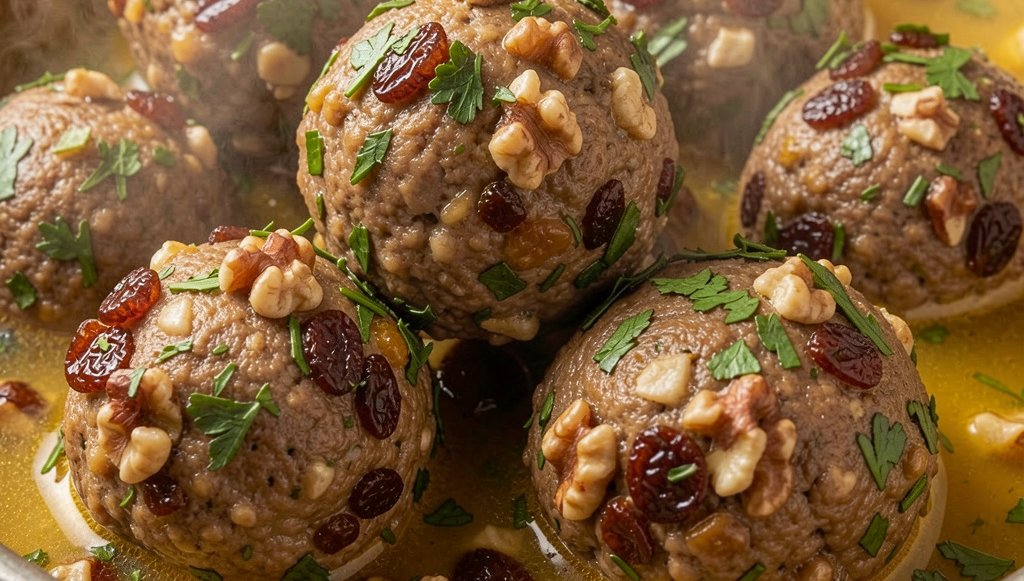
Koofteh Tabrizi (Persian Meatballs)
Large meatballs stuffed with dried fruit, walnuts, and herbs, simmered in a golden broth. A beloved Persian comfort food and a beautiful centerpiece dish for a communal gathering.
DESSERTS & SWEETS
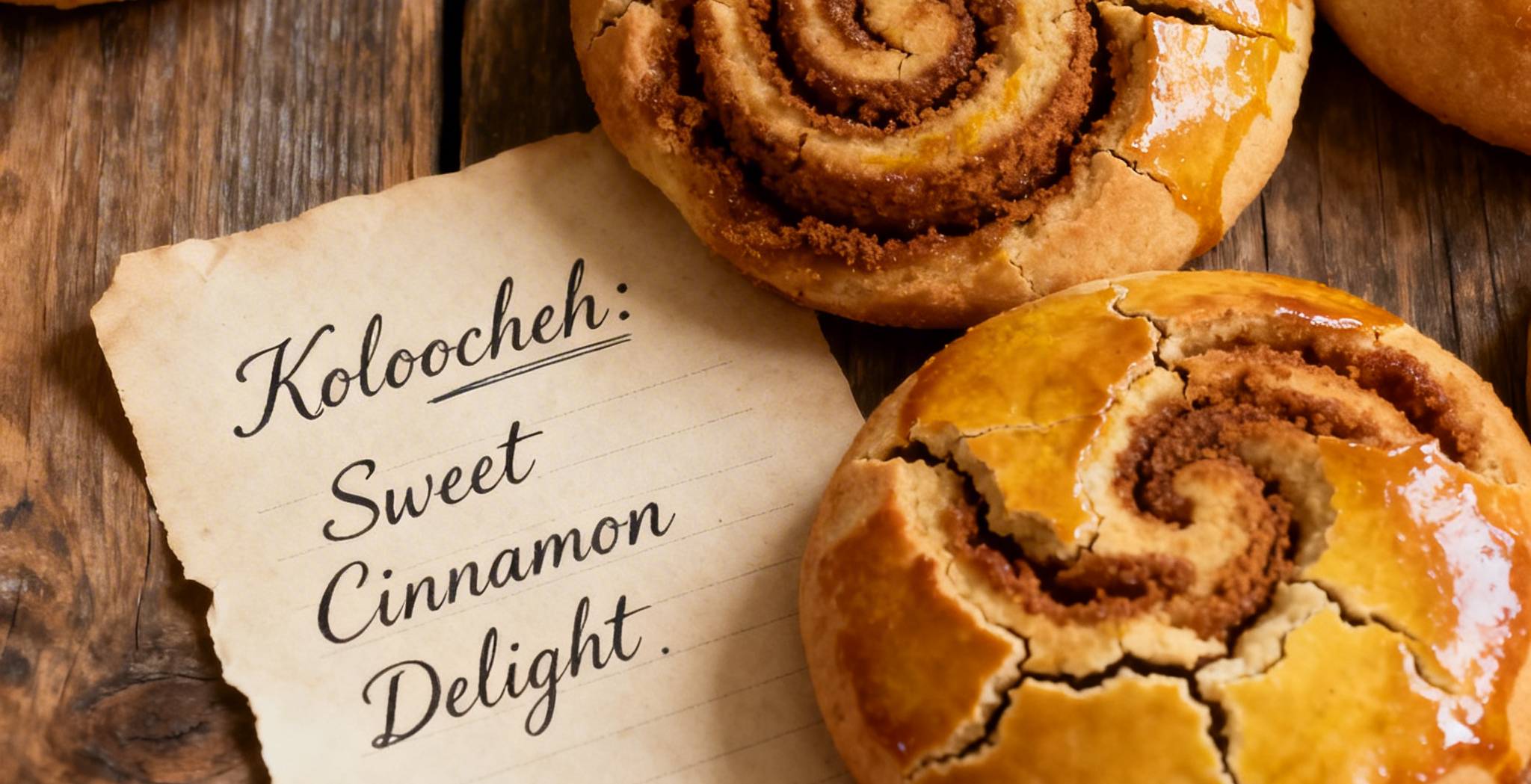
Koloocheh (Persian Filled Cookies)
Saffron-and-cardamom spiced cookies with a sweet cinnamon filling, brushed with egg yolk and saffron for a golden finish. A recipe is included in this kit. These cookies appear in the novel's sweeter moments of childhood and connection.
Persian Ice Cream (Bastani Sonnati)
Traditional Persian ice cream made with saffron, rose water, and pistachios, sometimes with wisps of frozen cream. In the novel, Persian ice cream is served at Ellie's wedding — and Homa's absence at that moment is felt acutely. Purchase at a Middle Eastern market or make ahead.
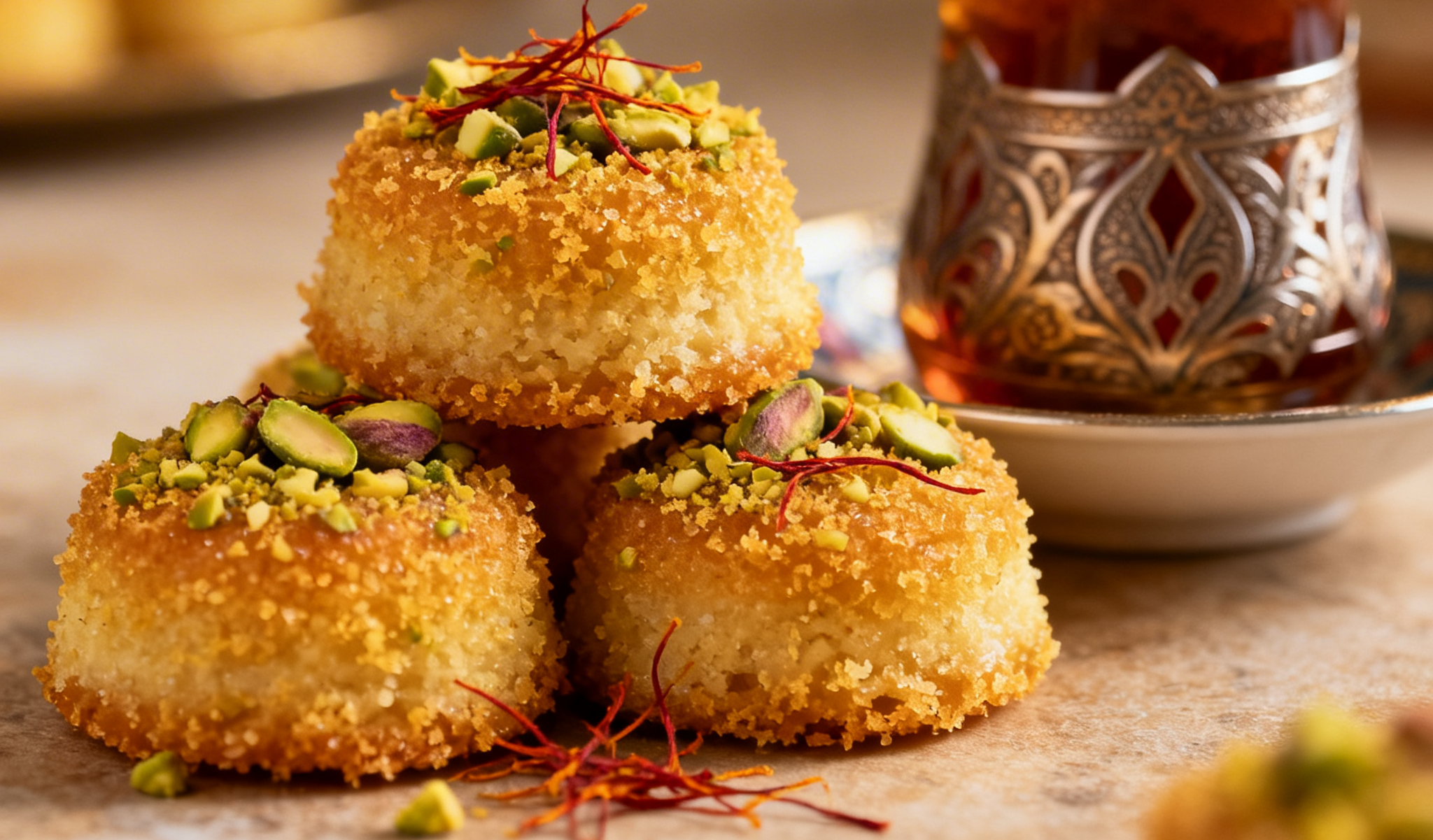
Saffron & Rose Water Tea Cakes
Small, aromatic cakes scented with rose water and topped with crushed pistachios and a pinch of dried saffron. Serve alongside Persian tea for a golden, fragrant finale.
BEVERAGES
Persian Black Tea with Saffron Sugar Cubes
Strong brewed black tea served in clear glass cups (istakan), alongside sugar cubes and, if possible, saffron sugar cubes. The Persian way is to hold the sugar between your teeth and sip—a ritual of warmth and hospitality.

Sharbat-e-Gol (Rose Water Lemonade)
A refreshing Persian cooler made with fresh lemon juice, rose water, water, and a touch of sugar. Garnish with dried rose petals and a sprig of mint. Beautiful, fragrant, and deeply Persian.
Pomegranate Juice Cocktail
Fresh or bottled pomegranate juice, sparkling water, lime, and fresh mint. Add a splash of rose water for a Persian twist. For an adult version, combine with prosecco for a jewel-toned pomegranate spritz.
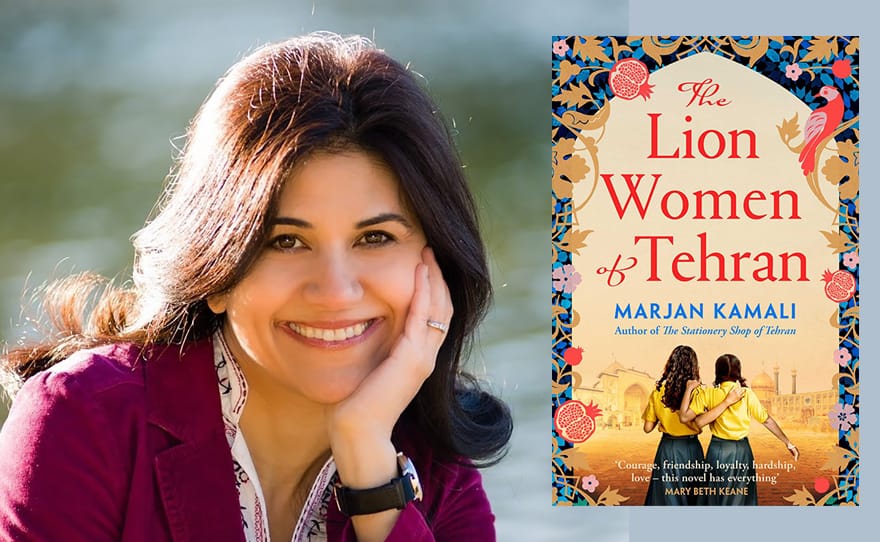
Get Marjan Kamali Books
Marjan Kamali's beautifully crafted novels offer deeply moving portrayals of Iranian women navigating love, friendship, and resilience across cultures, perfect for readers seeking emotionally rich stories that challenge stereotypes and celebrate the universal bonds of sisterhood.
Bookshop.org was created as a socially conscious alternative to Amazon, with the goal of helping local, independent bookstores thrive. This is why Readers With Wrinkles supports their efforts. Please join us in this effort by purchasing your next read here.
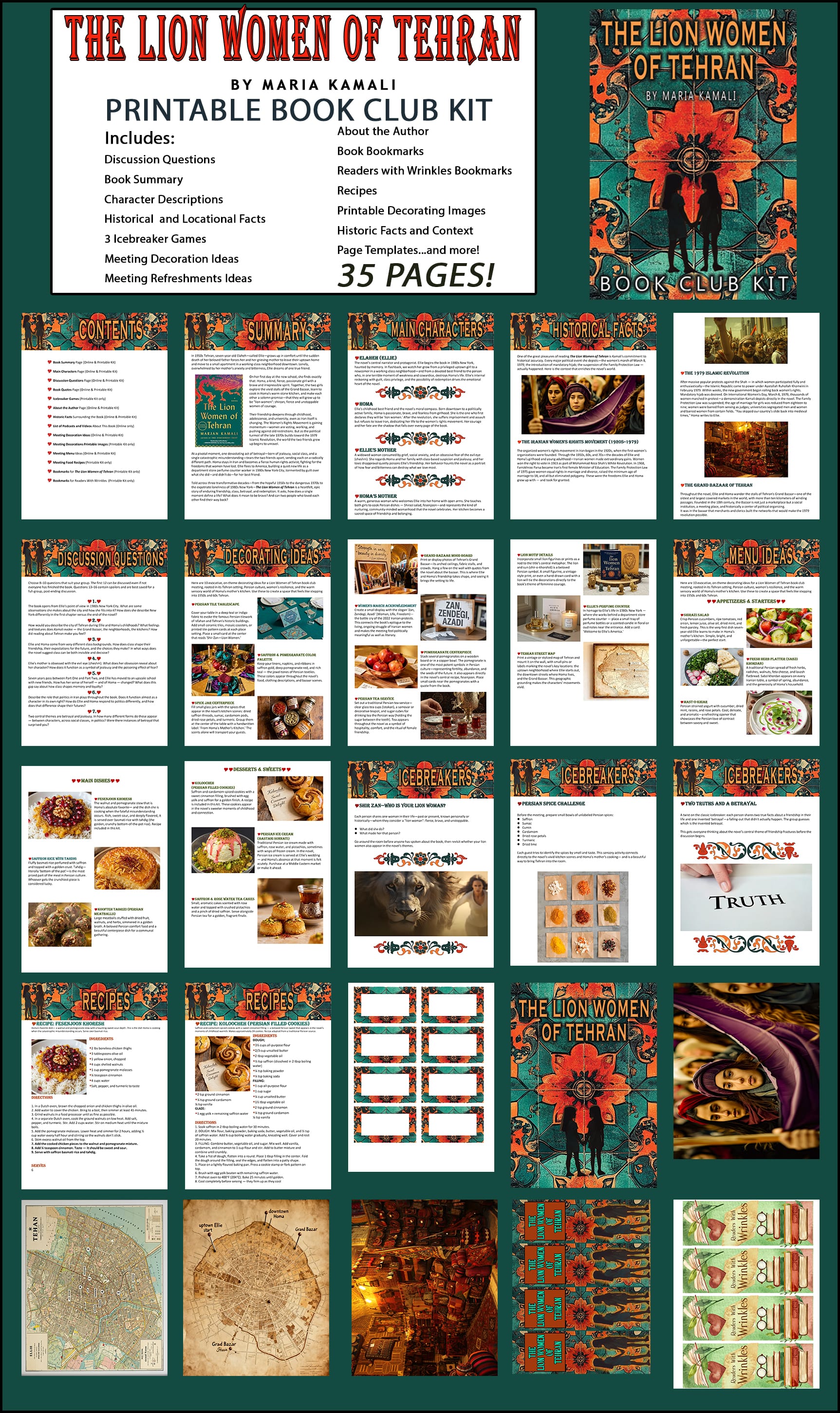
The Lion Women of Tehran printable BOOK CLUB KIT
The RWW book club kits provide everything you need to organize a great meeting with insightful discussions. These resources simplify book club preparation with character lists, book quotes, refreshment suggestions, recipes, and carefully prepared book club questions!
Comments