

- Date Published:
1989 - Length:
617 pages—Listening Time: 27 hours 19 minutes - Genre:
Fiction, Historical Fiction - Setting:
1950s-1960s; New Hampshire, Boston and Phoenix, Arizona - Awards:
Eliot Rosewater Indiana High School Book Award Nominee 2000; Notable Books List 1990; New York Times bestseller Fiction 1989; The Guardian 1000 Novels Everyone Must Read; 1001 Books You Must Read Before You Die; BBC's Big Read; 100 Essential New England Books; The Modern Library's 100 Best Novels: The Readers' List; Koen Book Distributors Top 100 Books of the Past Century; The Great American Read; Waterstones Books of the Century; ALA Top 100 Most Frequently Challenged Books: 2000-2009; The 100 Favorite Novels of Librarians; Harvard Book Store Top 100; Book Depository's 100 Best Books Ever; Orange Prize for Fiction's 50 Essential Reads by Contemporary Authors; The Guardian Readers' top 100 novels of all time; Waterstones' Top 25 Books of the Last 25 Years (No 14) - Languages:
Czech, Danish, Dutch, English, Finnish, French, German, Hungarian, Italian, Japanese, Lithuanian, Norwegian (Bokmål), Norwegian, Polish, Russian, Serbian, Spanish, Swedish - Sensitive Aspects:
Strong profanity and crude language, mature sexual content and discussions of adolescent sexuality, an affair and questions of illegitimacy/paternity, sexual promiscuity and unequal-age sexual relationships, alcohol misuse and drunkenness, cigarette smoking, bullying and sibling violence, accidental death involving a baseball, graphic injury and intentional self-mutilation to avoid military service, Vietnam War violence and civilian/child casualties, a bombing and traumatic death, death and grief, religion and faith explored in potentially challenging or irreverent ways, political commentary and criticism of U.S. foreign policy, social-class prejudice, ableism and mocking/insensitive treatment related to physical difference, family conflict and dysfunctional relationship - Movie:
The movie adaptation of A Prayer for Owen Meany is the 1998 drama film Simon Birch. Because the film departs so significantly from the source material, it does not share the book's title or character names. John Irving sold the screen rights on the condition that the film be renamed and use different character names so readers would not be misled. Irving himself actually suggested the name "Simon Birch" to replace Owen Meany. - Recommended for Book Club:
Yes!

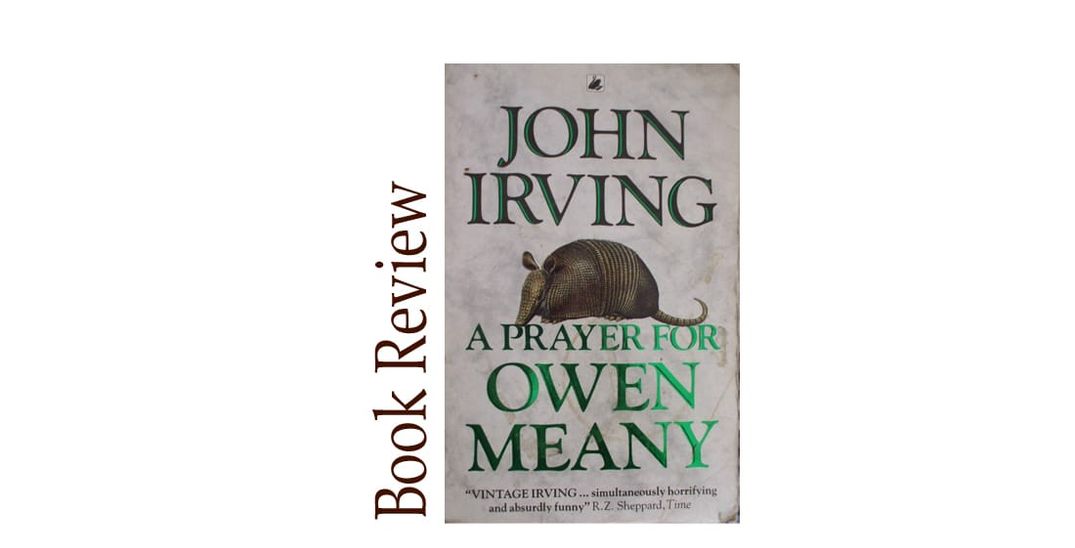
Some books entertain you for a few days. Some make you feel clever for having finished them. And then there are the rare, slightly dangerous books—the ones that climb into your head, rearrange the furniture, and refuse to leave. A Prayer for Owen Meany by John Irving is that kind of book.
Be forewarned, this isn’t a quick little weekend read you toss into your beach bag and breeze through between naps. It’s long. It’s winding. It asks for your attention. But please don’t let that scare you off. This is the sort of novel that rewards every page, every detour, every seemingly odd detail that makes you pause and think, “Well, that’s certainly… something.” Trust John Irving. He knows where he’s taking you—even when the road gets strange, funny, heartbreaking, theological, political, and occasionally downright bizarre.
At the center of it all is Owen Meany, a boy so physically small and so unforgettable that calling him “memorable” feels almost laughably insufficient. Owen has a high, startling voice, an unshakable sense of purpose, and a conviction that he is an instrument of God. He could have been an irritating character in less capable hands—the kid who always has something profound to say while the rest of us are just trying to survive adolescence—but Irving turns him into an icon. Owen Meany is one of the great American literary characters: singular, complicated, funny, fierce, and impossible to forget.
The story is narrated by John Wheelwright, Owen’s best friend, who looks back on their childhood in New Hampshire with the knowledge that one terrible, life-altering moment has shaped everything that followed. It’s a coming-of-age story, yes, but that description barely scratches the surface. This is also a novel about friendship, grief, faith, fate, family secrets, and the messy business of trying to understand why terrible things happen to people who don’t deserve them.
Reading it now, decades after it was first published, also gives the novel a different kind of power. The sections connected to the Vietnam War land with more perspective and, for many readers, a deeper awareness of the cost of that era—the anger, division, loss, and moral confusion surrounding it. Irving doesn’t turn history into a lecture. Instead, he lets the political turbulence of the time seep into the characters’ lives, their beliefs, their choices, and the futures they can’t quite escape. Knowing more now about what Vietnam meant to the United States makes the novel’s questions feel even sharper.
And yes, I’m going to say it: I think this is John Irving’s best book. That’s not a claim I make lightly, especially because Irving has written plenty of beloved novels filled with his signature blend of dark humor, eccentric families, coincidence, tragedy, and deeply human weirdness. But A Prayer for Owen Meany is the one that feels biggest—not just in length, although it certainly has the page count to prove it. It’s big in heart, in ambition, and in the way it invites you to wrestle with belief, destiny, and what it means to truly know another person.
If you’re an avid reader looking for a novel you can sink into—one that will make you laugh, break your heart, test your patience in the best possible way, and stay with you long after you’ve turned the final page—read A Prayer for Owen Meany. Owen is waiting. And trust me: you’ll never meet anyone quite like him.
Spoiler-Free
A Prayer for Owen Meany follows John Wheelwright, an American living in Canada who looks back on the friendship that shaped his entire life. His story begins in Gravesend, New Hampshire, where he and Owen Meany grow up together during the 1950s and 1960s—a turbulent period marked by cultural change, religious questioning, and the looming shadow of the Vietnam War.
John and Owen could hardly be more different. John comes from an established New England family and carries unanswered questions about his own past. Owen is physically small, outspoken, intensely intelligent, and completely unlike anyone else in town. He also possesses an extraordinary certainty that his life has a purpose far beyond the ordinary. Owen believes he is an instrument of God, and that belief influences nearly every choice he makes.
As John recounts their childhood, adolescence, and early adulthood, the novel becomes much more than a story about two best friends. It explores what it means to believe in something when life is confusing, unfair, or devastatingly random. It wrestles with faith and doubt, family loyalty, identity, class, friendship, grief, and the uneasy question of whether our lives are guided by fate—or whether we simply spend our lives trying to make sense of what has already happened.
John Irving tells the story with his trademark blend of dark humor, eccentric characters, emotional depth, and wonderfully strange details. One minute you may be laughing at the absurdity of small-town traditions, school politics, or Owen’s unforgettable way of speaking; the next, you may find yourself sitting with a question about loss, belief, or the cost of growing up during a divisive time in American history.
Although the novel is expansive, it never feels like it is merely wandering. Every relationship, memory, and seemingly peculiar moment adds another layer to John and Owen’s story. At its heart, A Prayer for Owen Meany is about the kind of friendship that changes how you see the world—and the one unforgettable person who makes you question whether coincidence is ever really just coincidence.

Some books are easy to recommend because they’re fun, fast, or trendy. A Prayer for Owen Meany isn’t necessarily an “easy” recommendation—at least not in the sense that it’s short or breezy. It’s a big, emotionally demanding novel with a cast of wonderfully odd people and plenty of detours along the way. But it is one of the most wholehearted recommendations I can make.
This book means a great deal to me because it doesn’t just tell a story. It creates a whole emotional weather system. You live inside it for a while. You laugh at things you probably shouldn’t laugh at. You get attached to people who frustrate you. You carry certain lines and moments around afterward, like little stones in your pocket. And when you finally finish it, you may find yourself doing that rare reader thing: staring at the last page and wishing you could go back to the beginning.
Here’s why I think you should give it your time.
Because Owen Meany is worth meeting
There are characters you enjoy while you’re reading, and then there are characters who become part of your personal literary history. Owen Meany is absolutely the second kind. He is unusual, stubborn, funny, infuriating, vulnerable, and utterly certain that his life has meaning. He isn’t polished into a perfectly likable hero, thank goodness. He’s strange in the way real, unforgettable people are strange. By the time you know him, you don’t simply admire him—you feel like you’ve known him.
Because it understands friendship in all its complicated glory
The friendship between Owen and John Wheelwright is not neat or sentimental. They misunderstand each other. They irritate each other. They come from different worlds. And still, their bond is the beating heart of the novel. It reminded me that the people who matter most in our lives are not always the easiest people to love. Sometimes they are the ones who challenge us, embarrass us, make us laugh at the wrong moment, and force us to grow up.
Because it gives you permission to wrestle with big questions
You do not need to be religious to be moved by this book. In fact, I think it speaks just as powerfully to readers who are doubtful, searching, skeptical, angry, or unsure what they believe. A Prayer for Owen Meany asks enormous questions about God, fate, suffering, purpose, and whether anything in life happens for a reason. It does not hand you a tidy answer tied up with a bow. Instead, it invites you to sit with the uncertainty—which, frankly, is often where the real thinking begins.
Because it will make you laugh before it breaks your heart
John Irving has a wonderfully offbeat sense of humor. This novel is filled with absurd moments, sharp observations, family chaos, social awkwardness, and characters who behave in ways that make you want to cover your face and peek through your fingers. That humor matters because it makes the emotional moments hit even harder. Life is like that too, isn’t it? One minute you’re laughing so hard you can barely breathe; the next, something shifts, and your whole heart feels exposed.
Because its view of the Vietnam era feels even more meaningful now
Reading this book today brings a different level of perspective to its portrayal of the Vietnam War and the deep fractures it created in American life. The novel captures a time when patriotism, politics, grief, protest, military service, and personal conscience were tangled together in painful ways. With the distance of history, those passages carry added weight. You can see how national events reach into ordinary homes, shape young people’s futures, and leave scars that don’t disappear just because the headlines move on.
Because it trusts you to be a real reader
This is a long novel, and yes, it asks you to stay with it. But I never think of that length as a burden. I think of it as an invitation. Irving gives you enough time to know these people, their histories, their private jokes, their griefs, their fears, and their peculiar habits. You aren’t just told that their lives matter; you feel why they matter. This is not a book to rush through for the sake of checking it off a list. It is a book to settle into, live with, and let unfold at its own strange, deliberate pace.
Because it reminds you why classics become classics
A book earns its lasting place not because everyone agrees it is perfect, but because it keeps giving readers something real to return to. A Prayer for Owen Meany has humor, heartbreak, moral questions, memorable scenes, flawed people, and enough emotional truth to keep readers talking about it long after they’ve finished. To me, it is John Irving at his very best: bold, tender, outrageous, deeply human, and unwilling to play it safe.
Because you deserve a book that leaves a mark
We all read plenty of books that are perfectly pleasant. We enjoy them, recommend them, and then—if we’re being honest—forget most of them a few months later. This is not that kind of book. A Prayer for Owen Meany has stayed with me because it makes room for joy and sorrow, faith and doubt, foolishness and courage. It makes you care. Really care. And in a reading life full of books competing for your attention, that is no small thing.
If you are an avid reader who wants more than a quick distraction, pick up this novel. Give it your patience. Let its oddness win you over. Let Owen Meany get under your skin. I can’t promise you’ll experience it exactly as I did—no great book works the same magic on every reader—but I can promise that this one has the potential to become the kind of story you remember for the rest of your life.


Get John Irving Books
John Irving’s unforgettable novels blend dark humor, eccentric characters, family secrets, and life-altering heartbreak into richly layered stories that stay with readers long after the final page.
Bookshop.org was created as a socially conscious alternative to Amazon, with the goal of helping local, independent bookstores thrive. This is why Readers With Wrinkles supports their efforts. Please join us in this effort by purchasing your next read here.


If A Prayer for Owen Meany left you searching for another big-hearted, slightly eccentric, emotionally devastating novel—the kind that makes you laugh, question your life choices, and then stare at the wall for a bit—these eight books are excellent next reads. They share Irving’s affection for unforgettable outsiders, complicated families, faith and doubt, history’s intrusions into private lives, and stories that are absolutely not afraid to go for the heart.
Here are 8 books to read next:
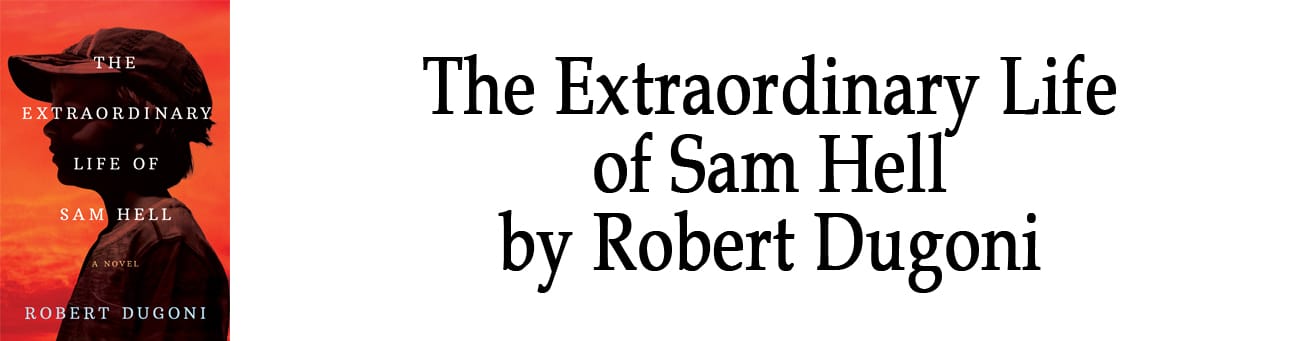
The Extraordinary Life of Sam Hell by Robert Dugoni
Born with ocular albinism and red pupils, Sam Hill grows up branded “Devil Boy” by cruel classmates, then spends decades trying to understand the role faith, friendship, family, and tragedy have played in his life. The novel won Suspense Magazine’s Crimson Scribe Award and was a Goodreads Choice Award nominee for Readers’ Favorite Historical Fiction in 2018. If Owen Meany’s religious conviction, outsider status, and profound friendship with John spoke to you, Sam’s story will feel like a natural emotional companion—less quirky than Irving, perhaps, but every bit as sincere about the ways childhood wounds and lifelong friendships shape us. Read my full review here.

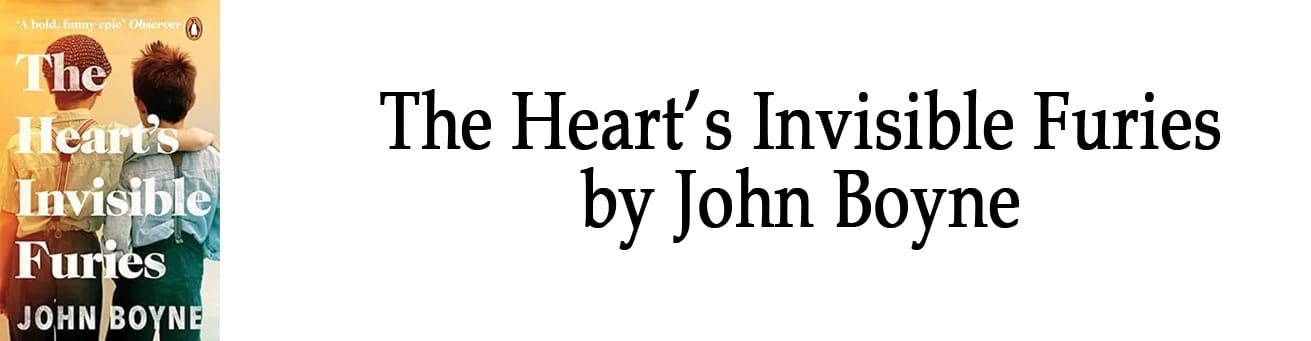
The Heart’s Invisible Furies by John Boyne
This sweeping, often hilarious, deeply moving novel follows Cyril Avery from his unconventional birth in 1940s Ireland through a lifetime spent searching for love, belonging, identity, and a place to call home. It was named Book of the Month Club’s 2017 Book of the Year, won the 2018 Goldsboro Books Glass Bell Award, and was a finalist for the 2018 Ferro-Grumley Award for LGBTQ Fiction.
Readers who loved Irving’s sprawling storytelling, outrageous supporting characters, bitter humor, and capacity to break a heart without asking permission will find a lot to treasure here.
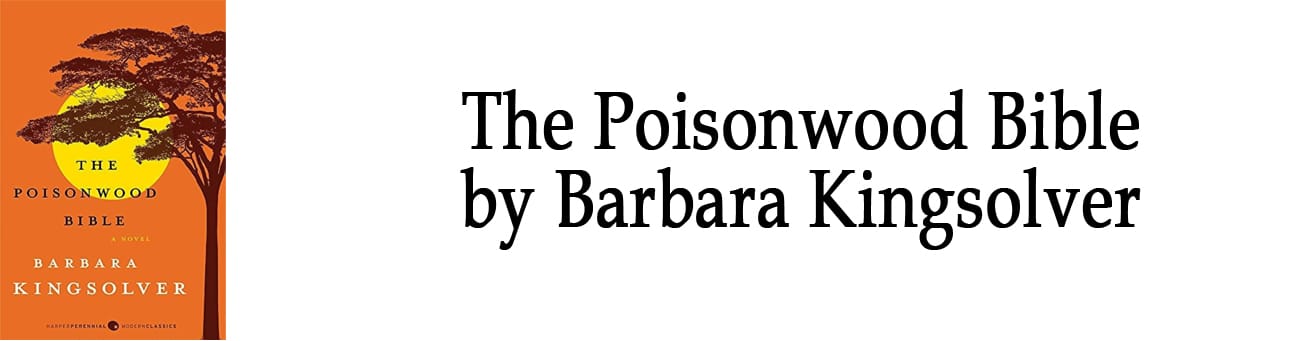
The Poisonwood Bible by Barbara Kingsolver
Told through the voices of a missionary’s wife and four daughters, this novel follows an American family whose move to the Belgian Congo in 1959 exposes the dangerous consequences of certainty, colonialism, religion, and family loyalty.
It was an Oprah’s Book Club selection, a New York Times bestseller, and a finalist for the Pulitzer Prize for Fiction. Like A Prayer for Owen Meany, it treats faith as something deeply personal, powerful, messy, and sometimes terribly misguided—and it gives readers the rewarding experience of living inside a fully realized world.
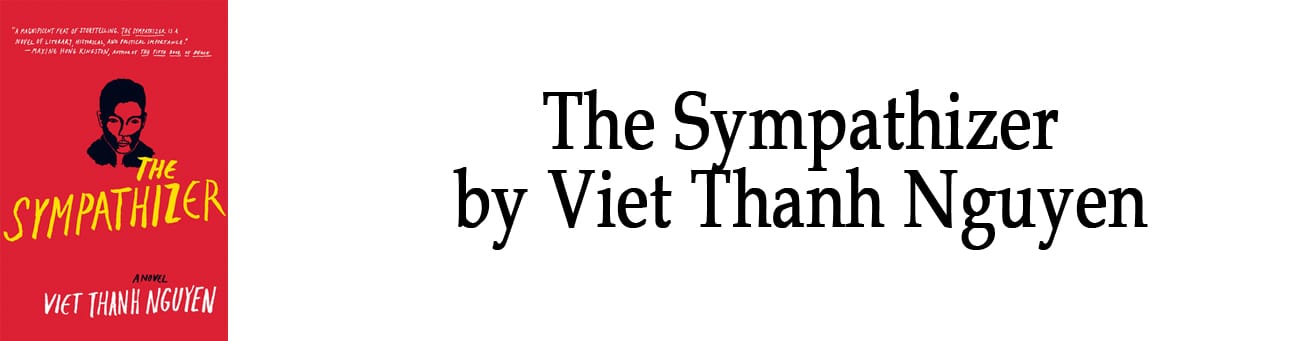
The Sympathizer by Viet Thanh Nguyen
A Vietnamese communist spy living among South Vietnamese refugees in the United States recounts a life divided by loyalties, ideology, identity, and the devastating aftermath of war. Viet Thanh Nguyen’s debut novel won the 2016 Pulitzer Prize for Fiction, the Dayton Literary Peace Prize, the Edgar Award for Best First Novel, and the Andrew Carnegie Medal for Excellence in Fiction.
This is the sharper, darker, more satirical choice for readers especially moved by Irving’s Vietnam-era concerns: it confronts the war from a Vietnamese perspective while still delivering an intensely personal, intelligent, and darkly funny narrative.
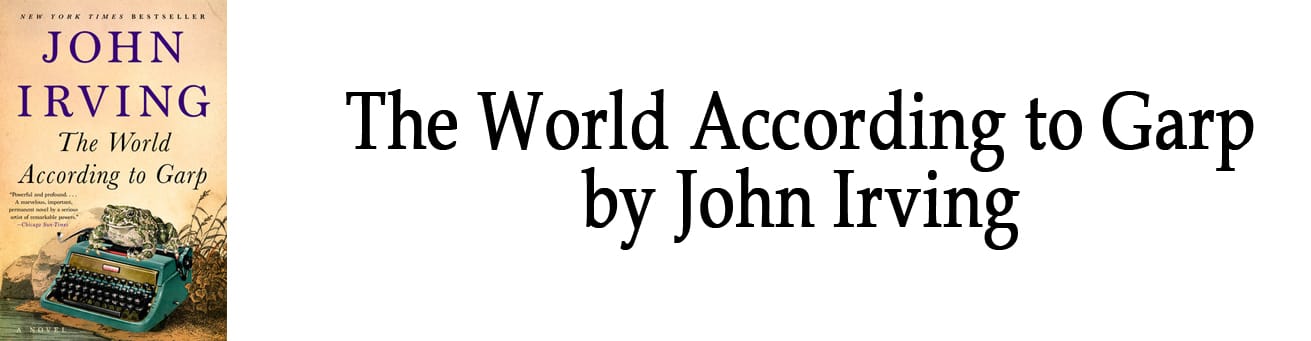
The World According to Garp by John Irving
Before Owen Meany became an icon for many readers, John Irving introduced T. S. Garp, a writer whose strange, eventful life unfolds amid unconventional family bonds, sex, violence, feminism, parenthood, and the absurd unpredictability of being alive. The novel was a finalist for the 1979 National Book Award for Fiction and became Irving’s breakthrough bestseller, establishing him as one of the major American novelists of his generation. If you want more of Irving at full, glorious volume—eccentric people, dark comedy, startling tragedy, and a story that refuses to behave itself—this is the obvious and essential next stop.
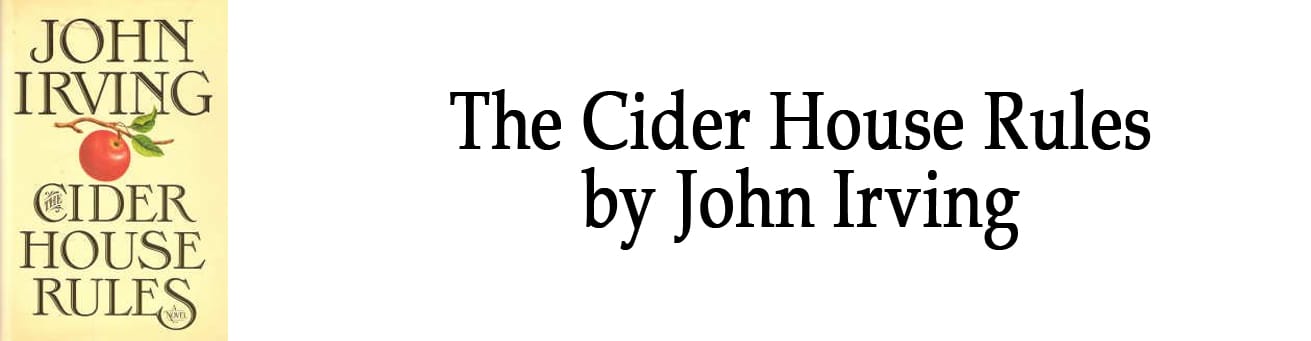
The Cider House Rules by John Irving
Set largely in rural Maine, this sweeping novel follows Homer Wells, an orphan raised by a doctor who provides abortions in an era when the subject is shrouded in secrecy, as he tries to build a moral life beyond the world he has always known. The novel was adapted into the Academy Award-winning 1999 film, for which Irving won the Oscar for Best Adapted Screenplay. Like A Prayer for Owen Meany, it combines a coming-of-age story with moral questions that don’t come with easy answers, plus Irving’s signature talent for making even the most unusual setting feel intimate and deeply human.
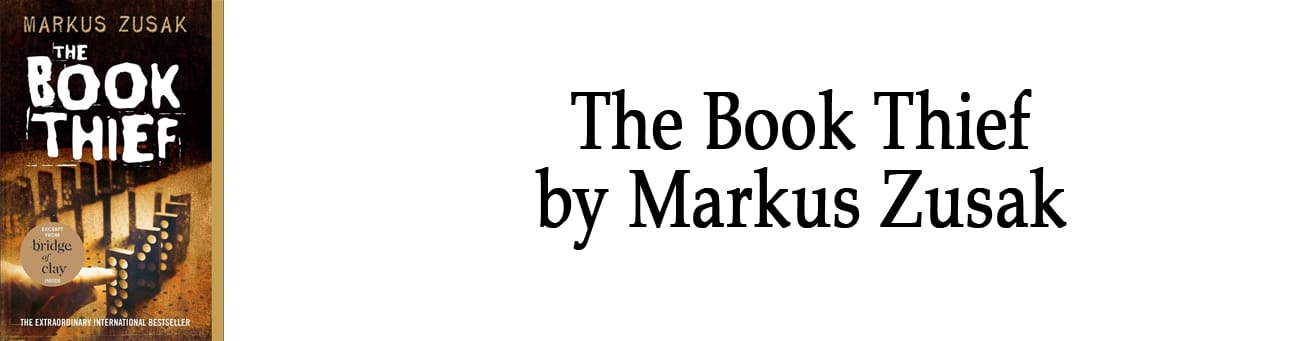
The Book Thief by Markus Zusak
Narrated by Death, this historical novel follows Liesel Meminger, a young girl in Nazi Germany who discovers the sustaining power of books while her foster family risks everything to hide a Jewish man. The novel spent more than a decade on the New York Times bestseller list and received numerous honors, including the Michael L. Printz Honor, the National Jewish Book Award, and the Commonwealth Writers’ Prize for Best Book in the Asia-Pacific region. Readers who loved the way A Prayer for Owen Meany balances grief, humor, storytelling, and enormous questions about faith and fate will likely be drawn to this book’s unusual voice and deeply compassionate heart.
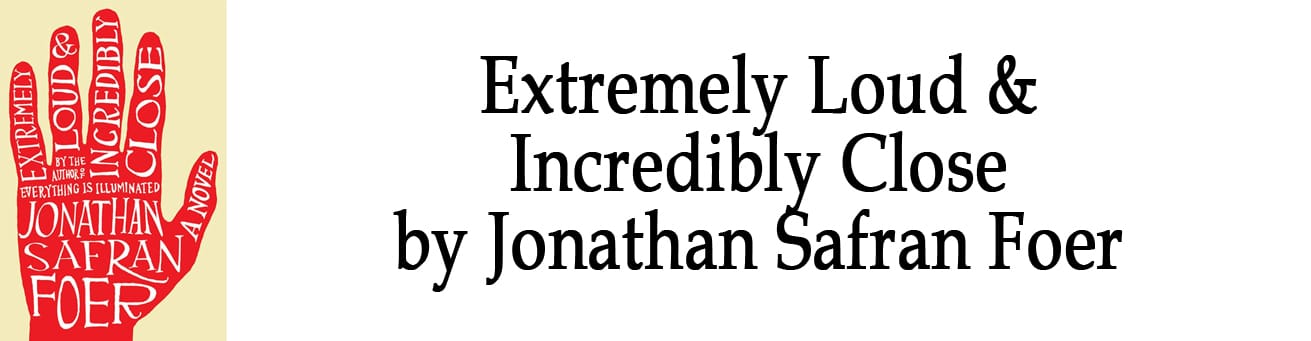
Extremely Loud & Incredibly Close by Jonathan Safran Foer
After the death of his father in the September 11 attacks, nine-year-old Oskar Schell embarks on a strange, tender, and increasingly meaningful journey through New York City in search of answers. The novel was a finalist for the 2005 National Book Critics Circle Award and was later adapted into an Academy Award–nominated film. This is a beautiful match for readers who connected to John Wheelwright’s reflective narration and the novel’s exploration of grief: Foer brings the same mix of offbeat humor, childhood perspective, emotional vulnerability, and questions that cannot be neatly solved. Read the full review here.
A Little Something Extra for Paid Subscribers
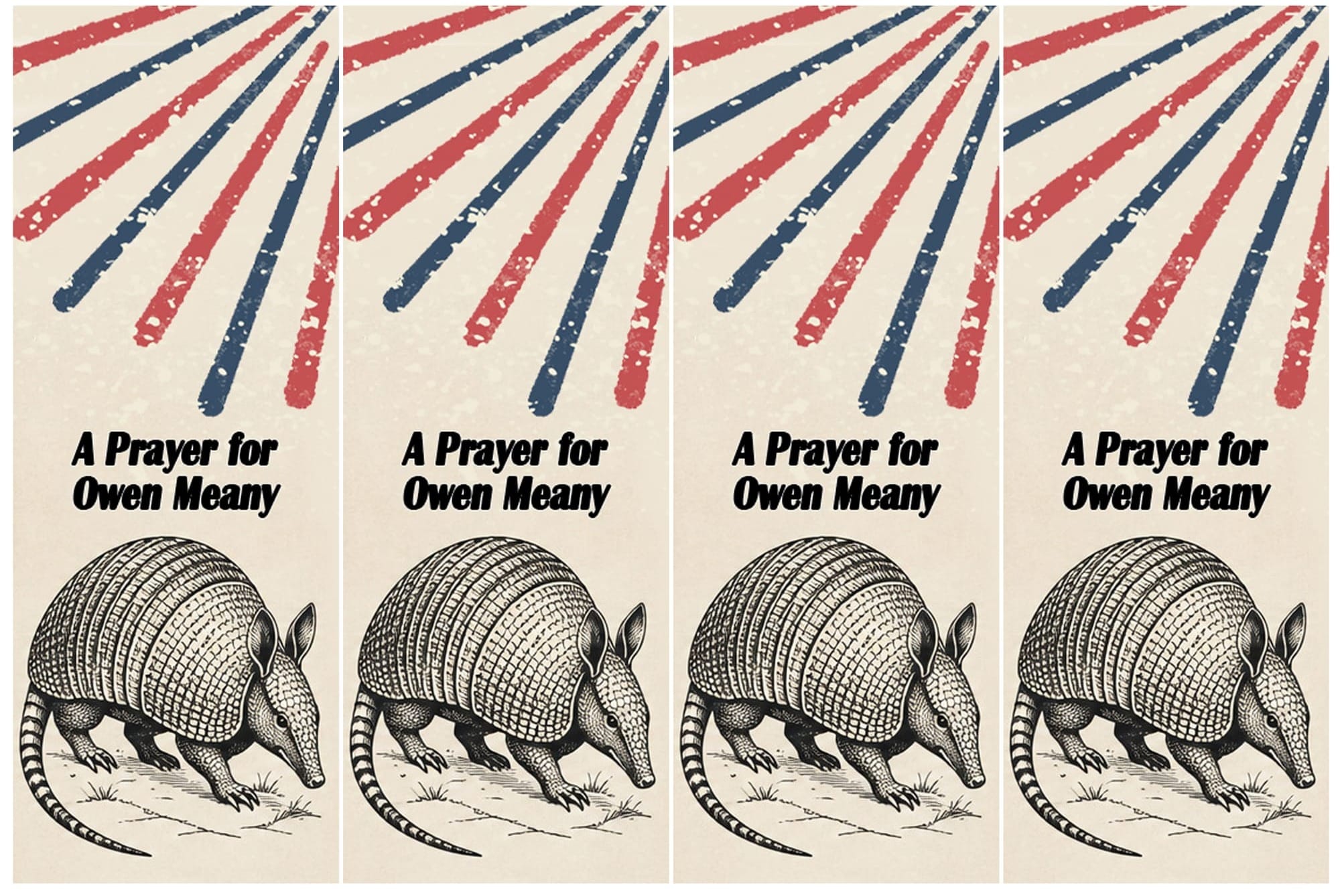
Every great book deserves a place to be remembered—and now, paid Readers With Wrinkles subscribers can collect a little piece of every review they love.
With your paid subscription, you’ll receive exclusive access to free printable bookmark pages created for each book reviewed on Readers With Wrinkles. Simply download, print, and tuck one inside the book you’re reading—or save a few for your next book-club pick, gift, or reread.
Each bookmark is a small, bookish keepsake designed to help you celebrate the stories that stay with you. Whether you use them to mark your place, share them with fellow readers, or build a collection of your favorite reads, they’re a thoughtful extra made especially for our subscriber community.
Paid subscribers already enjoy exclusive bookish printable lists resources and special savings on Book Club Kits. Now you can make every reviewed book even more memorable—one beautiful bookmark at a time.
Subscribe today and start collecting your printable bookmarks with every new Readers With Wrinkles review.
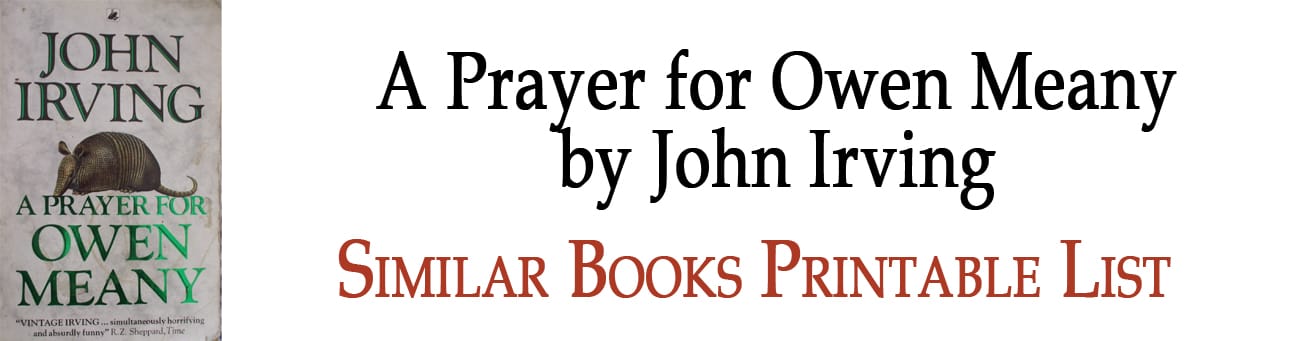
Paid Subscriber Perk!
Love the book we just reviewed? Paid subscribers can now download an exclusive printable list of books with a similar vibe—perfect for planning your next read or curating your book club’s picks. It’s a handpicked, beautifully designed list guide you won’t find anywhere else.
Unlock your next favorite reads—become a paid subscriber today to get instant access to these printable book lists!
Comments