
- Date Published:
2026 - Length:
144 pages—Listening Time: 4 hours 15 minutes - Genre:
Fiction - Setting:
Part one: 2024, Providence, Rhode Island; Part two: during Covid pandemic, Madrid, Spain; Part three: present day, Los Angeles, California - Awards:
Orwell Prize Winner Political Fiction 2026; The Guardian Book of the Day 03-31-2026; New Yorker Best Books of the Year Fiction 2026; 70 brilliant books for the summer Fiction - Languages:
Dutch, English, Finnish, German - Sensitive Aspects:
Eating disorder, avoidant/restrictive food intake disorder (ARFID), mental illness, suicidal ideation, death by suicide, grief and loss, child abuse, emotional abuse, strained parent–child relationships, parental anxiety, strong language and profanity - Movie:
As of late 2026, there is no announced movie adaptation or film option for Transcription. - Recommended for Book Club:
Yes, there are so many layers that make this book prime for club discussion

In 2017, my husband and I were on Vieques Island, Puerto Rico, when Hurricane Maria hit. The aftermath was grueling: months without power, running water, cell reception, internet, and with limited food. Forget checking your notifications. We had more pressing concerns.
We’d just started a travel blog, which suddenly seemed like an ambitious undertaking for people whose immediate travel plans involved getting through the day.
One of the young relief workers, hearing about my new venture, offered his sympathy. Without electricity or internet, he pointed out, I wouldn’t be able to write articles for my blog.
I appreciated his concern. Truly. But I also had to introduce him to a remarkable piece of vintage technology.
Pen. And. Paper.
As a baby boomer, I remembered the olden days, when writing didn’t require a charger, a password, or an update we’d been postponing for six weeks. Publishing those articles would have to wait. Writing them? That was still entirely possible.
His assumption stayed with me. Somewhere along the way, the device had become inseparable from the activity. No computer, no writing. No phone, no record. No internet, no connection.
And that’s what drew me to Ben Lerner’s Transcription: the alluring power of mobile phones, tablets, and screens—and the uneasy question of what happens when we can’t rely on them. Lerner approaches that question through a writer whose phone breaks just before he’s supposed to record an interview with his elderly mentor. Suddenly, a conversation becomes something he must remember rather than replay.
Now, I’m not suggesting a broken iPhone belongs in the same category as surviving a hurricane. It most certainly doesn’t. But I recognize that moment when the technology disappears and you discover how much of your life you’ve entrusted to it.
Think about it. How many of the phone numbers that you have saved on your phone could you recite from memory? And, gulp, do you even know your own phone numbers?
Before we boomers get too comfortable polishing our screen-free childhood halos, let’s acknowledge the television in the room. A major study published in 1961 found that children’s television viewing generally averaged between two and three hours on weekdays, with viewing peaking around sixth or seventh grade. We weren’t exactly strangers to a glowing screen.
The scale is different in more recent research. Common Sense Media’s U.S. survey found that children ages 8–12 averaged five hours and 33 minutes of entertainment screen time daily; teenagers ages 13–18 averaged eight hours and 39 minutes. Those figures excluded schoolwork and homework. This isn’t a perfect apples-to-apples comparison—the older research measured television, not today’s collection of digital activities—but it gives us a useful sense of the change.
What interests me about Transcription isn’t the opportunity to wag a generational finger. Lerner’s novel reaches beyond screen habits into memory, relationships, and the gap between recording an experience and actually understanding it. Technology can preserve a conversation, but it doesn’t settle what that conversation means.
That’s a much more inviting question than “Why won’t those kids put down their phones?” Especially when we might be reading or listening to this with a phone in our own hands.
If you enjoy fiction that makes an ordinary habit suddenly feel strange, Transcription deserves your attention. Its broken recording device opens up questions about what we notice, what we remember, and what we ask our machines to hold for us.
On Vieques, I could still write. I couldn’t upload a thing, but I could put words on a page.
That young relief worker’s surprise is part of why I wanted to read this book. I suspect I’m not the only reader who could use a reminder that a dead battery doesn’t have to mean the end of the story.

Spoiler-Free
One broken phone. One important interview. And one confession that somehow feels impossible to make.
In Ben Lerner’s Transcription, an unnamed writer travels to Providence, Rhode Island, to interview Thomas, his ninety-year-old mentor and a celebrated thinker about art and technology. This is meant to be Thomas’s final published interview, making the assignment both a professional responsibility and a deeply personal encounter. Thomas is also the father of Max, the narrator’s longtime friend—a connection that adds another layer to an already complicated relationship.
Then the narrator accidentally drops his smartphone into his hotel sink. Just like that, his recording device is out of commission. You might think he’d explain what happened and find another way forward. Instead, he arrives at Thomas’s home unable to admit that his phone can’t record their conversation. What should have been a straightforward interview becomes an uneasy exercise in listening, remembering, and navigating everything left unsaid.
From that quietly absurd predicament, Lerner builds a story about the relationships among three men: a mentor, his son, and the former student who occupies a different place in each of their lives. Friendship, rivalry, fathers and sons, and the anxieties of parenting come into focus as the novel explores how difficult it can be to understand the people closest to us.
The broken phone sets the story in motion, but the questions reach beyond technology: What do we actually hear when someone speaks? What slips past us? And how much of another person’s story can we ever faithfully preserve?

If you remember when a conversation didn’t need to be recorded and a handwritten letter counted as staying connected, Transcription offers plenty to think about—and perhaps a few uncomfortable moments of recognition. Its appeal isn’t simply nostalgia for life before smartphones; it’s the way Lerner asks what our devices preserve and what they can’t.
Why seasoned readers will enjoy Transcription:
Recognition
You remember functioning perfectly well without a phone in your pocket. That makes the narrator’s predicament—a broken smartphone threatening an important interview—especially intriguing. You may find yourself thinking, “Surely there’s another way,” even while recognizing how thoroughly we’ve all come to depend on our devices.
Humor
There’s something wonderfully human about being able to discuss big intellectual ideas while struggling to admit you’ve dropped your phone in the sink. If you enjoy humor built around pride, embarrassment, and people making their own lives unnecessarily complicated, this setup should strike a chord.
Memory
After enough years, you know that remembering a conversation isn’t the same as replaying it. One sentence stays with you; another disappears; something you barely noticed becomes important much later. Lerner’s interest in memory gives you room to consider your own version of the past without turning the novel into a lecture about forgetfulness.
Relationships
The connections among a ninety-year-old mentor, his son, and his former student give the story emotional weight beyond its technological mishap. If you’ve experienced the overlapping loyalties of family, friendship, and admiration, you’ll have plenty to recognize in these complicated bonds.
Perspective
Thomas isn’t simply an elderly character brought in to dispense a few wise remarks. He’s an influential thinker whose relationship with the narrator sits at the heart of the story. Readers who appreciate seeing an older person’s intellectual life treated as consequential may find that especially appealing.
Nuance
This isn’t merely an invitation to declare that everything was better before the internet. The more interesting question is whether having a record of something helps us understand it. You can appreciate video calls, digital photographs, and the convenience of your tablet while still enjoying a novel that questions what we ask technology to do for us.
Conversation
For readers who remember long telephone calls and kitchen-table conversations, the interview offers a compelling tension: how do you listen when you’re also worried about preserving every word? That tension makes the book a chance to reflect on the difference between capturing someone’s voice and truly hearing them.
Discussion
This is fertile territory for a seasoned book club. Would you trust a recording more than your own recollection? Has technology made you more attentive—or simply better equipped to revisit what you missed? The novel’s themes invite personal stories and differing opinions, not just agreement that everyone spends too much time on their phones.

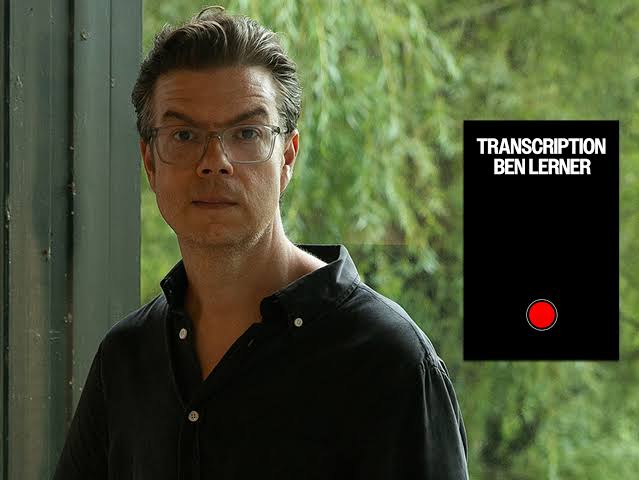
Get Ben Lerner Books
Ben Lerner’s books turn ordinary moments into extraordinary questions, blending sharp wit, intimate reflection, and literary daring into stories that invite you to look closer at the world—and yourself.
Bookshop.org was created as a socially conscious alternative to Amazon, with the goal of helping local, independent bookstores thrive. This is why Readers With Wrinkles supports their efforts. Please join us in this effort by purchasing your next read here.


These eight books make thoughtful companions to Transcription, whether you were drawn to its unreliable memories, complicated mentorships, or questions about how we preserve a life. Some share its interest in technology; others offer the intimate conversations and emotional complexity that make its themes resonate.
Eight books to read next:
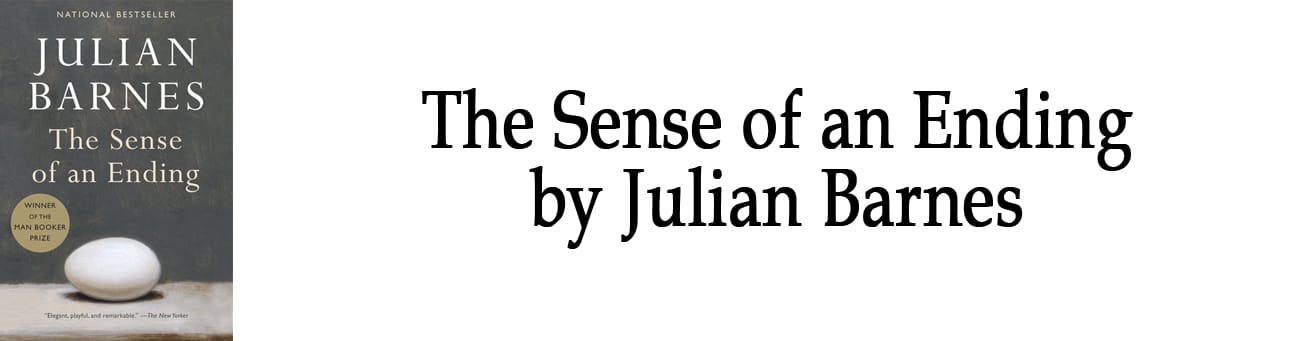
The Sense of an Ending by Julian Barnes
A retired man’s settled understanding of his younger years begins to unravel when an unexpected bequest sends him back into the territory of old friendships and imperfect memories. The novel won the 2011 Booker Prize. If Transcription made you question the distance between what happened and what we remember, Barnes offers another compact, unsettling story that may have you reconsidering your own confidently told anecdotes.


The Friend by Sigrid Nunez
After losing her longtime friend and literary mentor, a writer inherits his enormous Great Dane and finds herself navigating grief, companionship, and the tangled legacy of their relationship. The novel won the 2018 National Book Award for Fiction. Like Transcription, it combines a writer’s reflective voice with questions about mentorship and what remains of another person, making it especially appealing if you enjoy literary intelligence grounded in recognizable human feelings. Read my full review here.

Outline by Rachel Cusk
An English writer travels to Athens to teach a writing course, becoming the listener to a succession of people who reveal themselves through stories about marriage, family, ambition, and loss. The novel was shortlisted for the 2014 Goldsmiths Prize and the 2015 Folio Prize and Women’s Prize for Fiction. If you enjoyed the way Transcription makes just listening itself dramatic, Cusk offers conversations in which what people reveal—and what they leave out—becomes the real story.
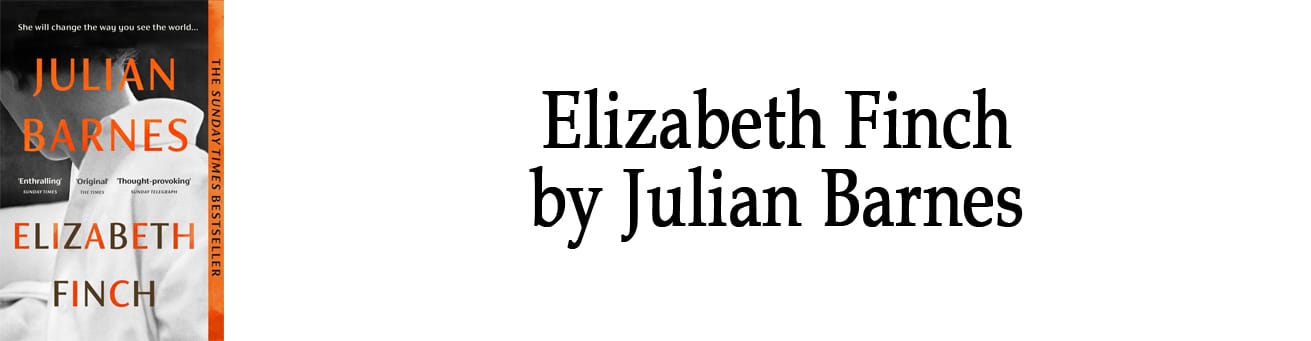
Elizabeth Finch by Julian Barnes
A former student inherits the notebooks of an intellectually formidable teacher and tries to understand the woman whose ideas have continued to shape his life. The novel became a Sunday Times bestseller. Its fascination with a mentor’s influence and the difficulty of reconstructing another person makes this a particularly close thematic match for readers who enjoyed Transcription’s thoughtful, intellectually questioning side.
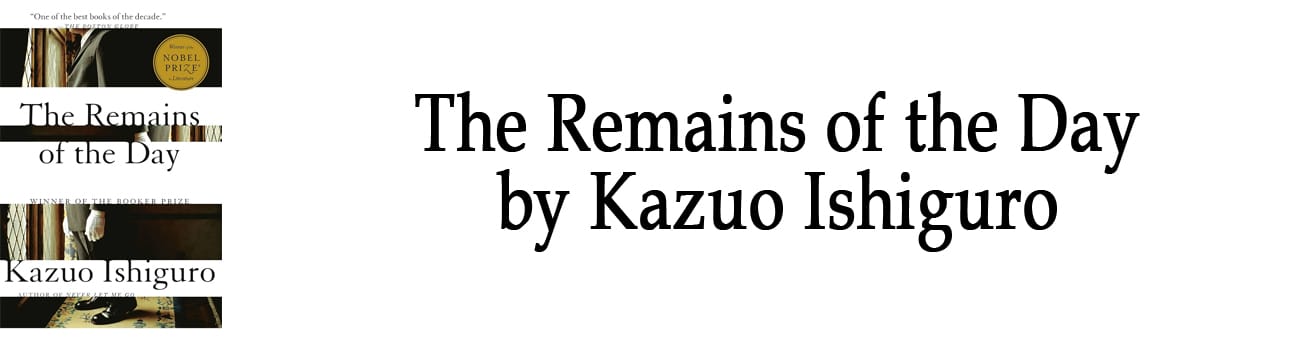
The Remains of the Day by Kazuo Ishiguro
During a motoring trip through the English countryside, an aging butler looks back on decades of service and the personal choices bound up with his professional devotion. The novel won the 1989 Booker Prize and was adapted into the acclaimed 1993 film starring Anthony Hopkins and Emma Thompson. Readers drawn to Transcription’s evasions and imperfect recollections will appreciate a narrator whose carefully composed account invites you to listen for the feelings he cannot quite acknowledge.
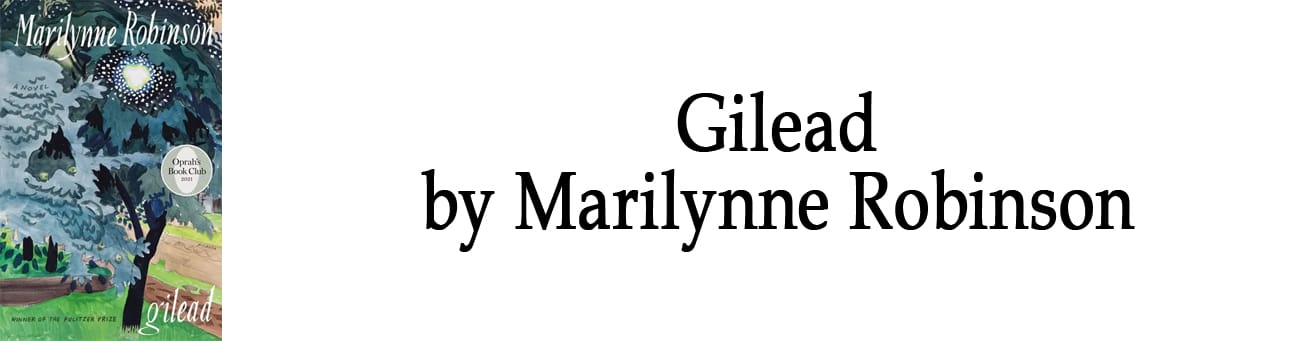
Gilead by Marilynne Robinson
An elderly Iowa minister writes a long letter to his young son, preserving family memories and reflecting on faith, love, and the life his child may barely remember sharing with him. The novel won the 2005 Pulitzer Prize for Fiction and the National Book Critics Circle Award for Fiction. If Transcription left you thinking about fathers, sons, and how a voice survives its speaker, this deeply personal act of writing offers a moving, decidedly non-smartphone answer.
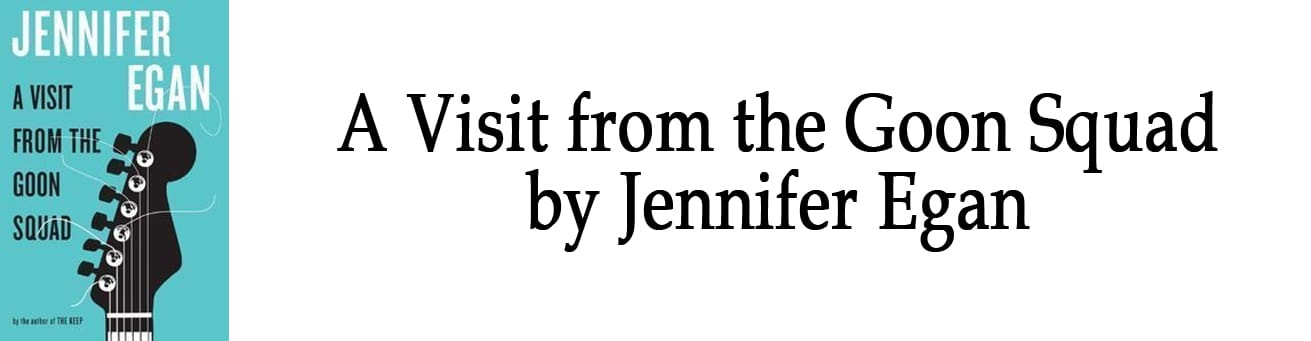
A Visit from the Goon Squad by Jennifer Egan
Interconnected stories follow a music executive, his assistant, and the people around them across decades of shifting relationships, cultural change, and technological transformation. The novel won the 2011 Pulitzer Prize for Fiction and the National Book Critics Circle Award for Fiction. For readers who connected with Transcription’s questions about technology and human connection, Egan offers a more expansive, formally playful look at growing older in a world that keeps changing the way we communicate.
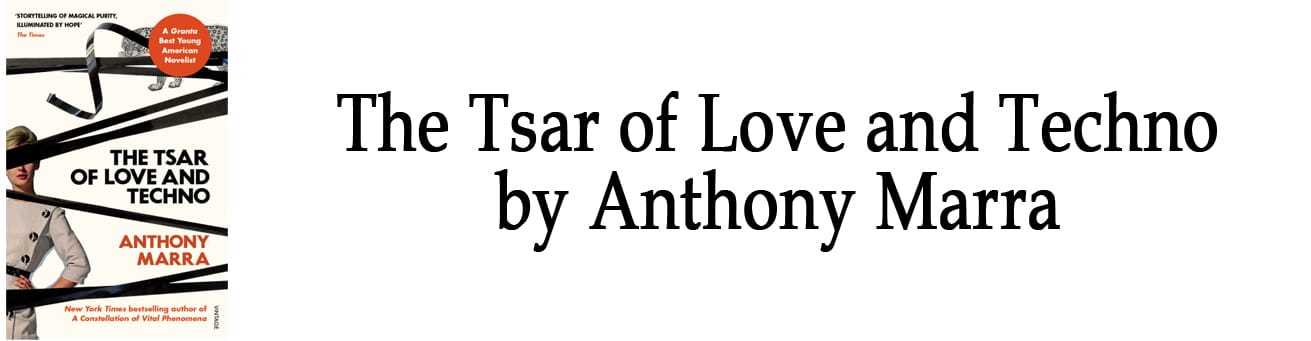
The Tsar of Love and Techno by Anthony Marra
This linked story collection follows intersecting lives across Soviet and post-Soviet Russia and Chechnya, connecting generations through photographs, paintings, music, and acts of remembrance. The collection was a finalist for the 2015 National Book Critics Circle Award for Fiction and was named among Kirkus Reviews’ best fiction books of 2015. Although its historical canvas is broader than Transcription’s, its concern with the gap between a preserved image and lived reality should appeal to readers fascinated by what records reveal, distort, or fail to hold
A Little Something Extra for Paid Subscribers
Every great book deserves a place to be remembered—and now, paid Readers With Wrinkles subscribers can collect a little piece of every review they love.
With your paid subscription, you’ll receive exclusive access to free printable bookmark pages created for each book reviewed on Readers With Wrinkles. Simply download, print, and tuck one inside the book you’re reading—or save a few for your next book-club pick, gift, or reread.
Each bookmark is a small, bookish keepsake designed to help you celebrate the stories that stay with you. Whether you use them to mark your place, share them with fellow readers, or build a collection of your favorite reads, they’re a thoughtful extra made especially for our subscriber community.
Paid subscribers already enjoy exclusive bookish printable lists resources and special savings on Book Club Kits. Now you can make every reviewed book even more memorable—one beautiful bookmark at a time.
Subscribe today and start collecting your printable bookmarks with every new Readers With Wrinkles review.
Paid Subscriber Perk!
Love the book we just reviewed? Paid subscribers can now download an exclusive printable list of books with a similar vibe—perfect for planning your next read or curating your book club’s picks. It’s a handpicked, beautifully designed list guide you won’t find anywhere else.
Unlock your next favorite reads—become a paid subscriber today to get instant access to these printable book lists!
Comments