
- Date Published:
September 29, 2026 - Length:
656 pages—Listening Time: 22 hours 55 minutes - Genre:
Fiction - Setting:
1992-2007; Seoul, South Korea, Australia, Southern California - Awards:
Book of the Month Club Selection Literary Fiction Oct 2026; New Yorker Best Books of the Year Fiction 2026; New York Times Bestseller 2026; Sunday Times Bestseller 2026 - Languages:
English - Sensitive Aspects:
Sexual content and nudity, infidelity and extramarital affairs, sex work, false allegations of sexual assault, physical violence including slapping, corporal punishment of children by teachers, sexism and misogyny, workplace abuse of power, bribery and corruption, intense academic pressure, class prejudice and social exclusion, financial hardship and job insecurity, betrayal by trusted friends - Movie:
As of November 2026, there is no official movie adaptation announced or in production for American Hagwon. - Recommended for Book Club:
Yes

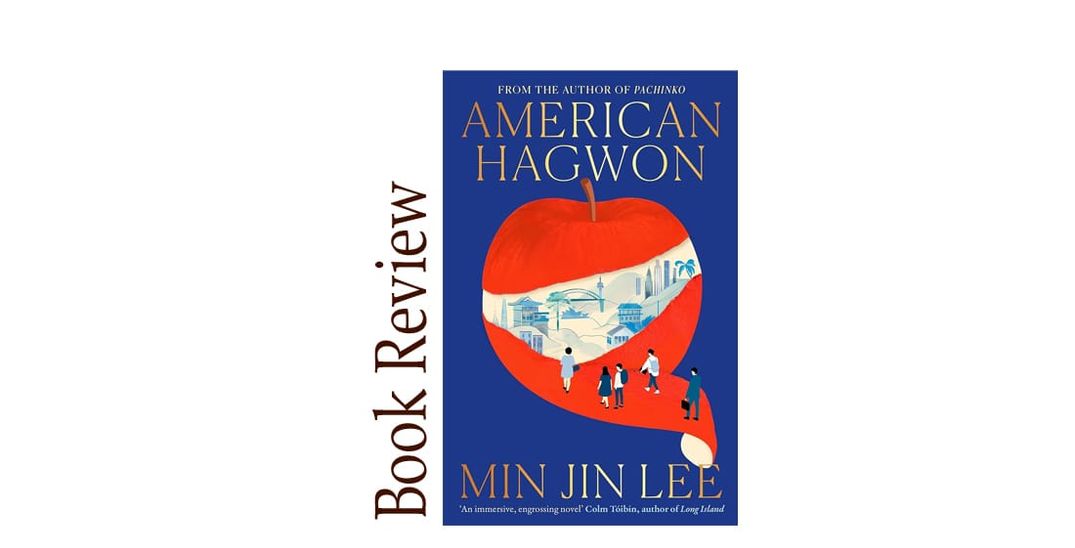
How old were you when someone first asked what you wanted to be when you grew up? And how long did it take before that innocent question started sounding a little more like, “So, what’s the plan?”
Keep your grades up. Get into the right school. Find a good job. Make enough money to feel safe. It’s a familiar checklist, isn’t it? But Min Jin Lee’s American Hagwon asks us to look at what happens when that checklist becomes a family’s whole map of the future—and the children following it aren’t sure where they want to go.
My husband spent a year in Seoul on a project, so I had the chance to spend some time there, too. I loved being there and learned a lot about the culture. But I’ll confess something: until I read this book, I had absolutely no idea what a hagwon was. Apparently, spending time in a country doesn’t mean you’ve graduated beyond the introductory course.
Hagwons are private, for-profit learning centers, often associated with tutoring and preparation for competitive entrance exams. That sounds straightforward enough. Extra instruction. A little academic support. Except “a little” hardly captures the weight these institutions carry in a world where education can feel inseparable from a child’s chances of financial security.
That’s where this story gets under my skin.
For the young Koreans Lee writes about, the competition isn’t simply about earning an impressive grade. It’s about gaining admission to the right university, finding work that pays well, and making good on the sacrifices their parents have made. Money buys educational advantages; education promises access to money. And somewhere inside that exhausting loop is a young person trying to work out what they actually want. What happens when their answer doesn’t match the family plan?
American Hagwon follows the Koh family from Seoul to Sydney and eventually Southern California, carrying their faith in education across borders even as their circumstances change. Their pursuit of opportunity gives the novel a deeply human question to wrestle with: how much can you ask of your children in the name of giving them a better life?
If you’re drawn to family stories that give you something substantial to discuss—not just whether you liked the ending—put this one on your radar. There’s plenty here for a book club to untangle: ambition, obligation, money, and the uncomfortable possibility that loving someone fiercely doesn’t always mean knowing what’s best for them.
And really, who among us has never confused wanting someone to be happy with wanting them to follow our advice?

Spoiler-Free
John and Helen Koh believe they know what it takes to give their three children a fulfilling life: work hard, make sacrifices, and put education first. But when a trusted friend’s betrayal and the 1997 Asian financial crisis unravel their comfortable life in Korea, doing everything right no longer seems to offer much protection. With their footing shaken and their children’s futures at stake, the family leaves Seoul for Sydney and eventually Southern California, hoping each move will bring a more secure beginning.
Starting over, though, comes with a price. While Bo, DH, and Mido encounter new possibilities, their parents discover that the qualifications and experience they once relied on don’t carry the same weight in their new home. John and Helen remain determined to give their children opportunities, even when that means accepting a far more difficult life themselves. Education becomes the family’s guiding promise: perhaps the right schooling can give the next generation the security their parents have lost.
Across years and continents, the Kohs’ lives intertwine with those of friends, relatives, and rivals, each pursuing some version of success. But ambition and loyalty don’t always pull in the same direction. As the children develop dreams of their own, the family must navigate the space between honoring sacrifice and choosing a life for themselves.
At its heart, American Hagwon is a family story about starting over—and carrying your expectations with you, no matter how far you travel. Through the Kohs’ search for stability and belonging, Min Jin Lee explores a question with no easy answer: when you’ve built your hopes around giving your children a better future, who gets to decide what “better” looks like?

If you’ve ever caught yourself worrying about someone else’s future more than your own, you already have a way into American Hagwon. Yes, it’s a story about a Korean family pursuing opportunity across continents. But the reasons to read it are much closer to home: the hopes we pin on our children, the sacrifices we struggle to explain, and the uneasy relationship between having money and feeling secure.
Here’s why I think this one deserves a place on your TBR:
Because you know love can come with expectations
John and Helen Koh want to give their children better lives. Who could argue with that? The trouble begins when a parent’s definition of “better” leaves too little room for a child’s own ambitions. Read this for the uncomfortable recognition that good intentions don’t settle every family argument.
Because you’ve probably wondered whether doing everything right is enough
Work hard. Be responsible. Plan ahead. The Kohs believe in that bargain—until betrayal and financial upheaval disrupt their comfortable lives. Their story gives you a family to follow while asking a question many of us would rather avoid: what happens when diligence can’t protect you?
Because starting over looks different when you’re the parent
A move can mean a possibility for children and a lost professional standing for their parents. As the Kohs relocate, that contrast gives their pursuit of opportunity its emotional weight. If you’ve ever accepted a step backward so someone you love could move forward, this part may feel especially personal.
Because the pressure to succeed doesn’t stop at the classroom door
In this family, education carries the promise of financial security—and the burden of making parental sacrifice worthwhile. That makes a school decision much more than a school decision. You don’t need firsthand experience of Korean academic competition to understand how exhausting it can be when your future feels like everybody’s business.
Because money belongs in the conversation about dreams
It’s easy to tell someone to follow their passion when you’re not worried about paying the bills. The Kohs’ changing circumstances make ambition inseparable from practical concerns about work, status, and stability. That tension gives you something more substantial to consider than a simple “follow your heart.”
Because your book club could have a wonderfully uncomfortable discussion
How much do children owe their parents? When does encouragement become pressure? And who gets to decide whether a sacrifice was worth it? The family’s competing hopes give those questions a human center. I’d put this on the table for a group willing to move beyond “I liked it”—and perhaps reconsider an opinion or two along the way.
Get Min Jin Lee Books
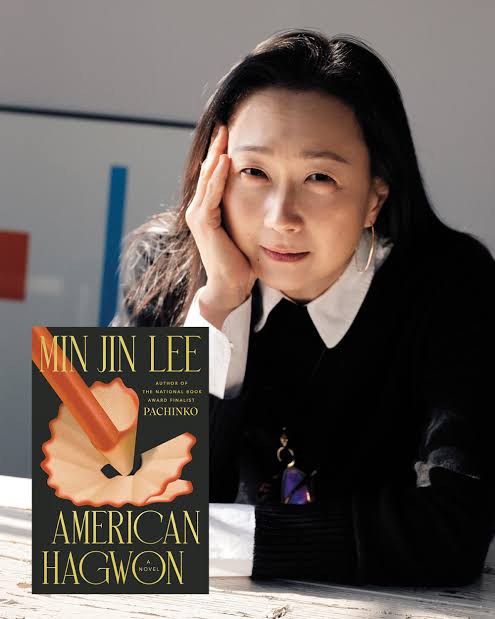
Discover the unforgettable fiction of Min Jin Lee, where family, ambition, and the search for belonging spark the kind of conversations your book club won’t want to end.
Bookshop.org was created as a socially conscious alternative to Amazon, with the goal of helping local, independent bookstores thrive. This is why Readers With Wrinkles supports their efforts. Please join us in this effort by purchasing your next read here.

If American Hagwon drew you in with its complicated families, educational ambition, and the uneasy connection between money and opportunity, these eight books belong on your TBR.
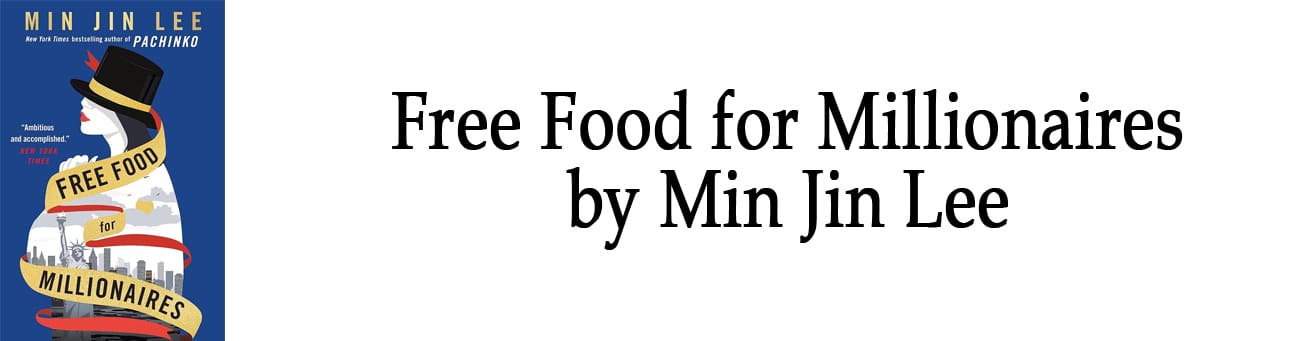
Free Food for Millionaires by Min Jin Lee
Casey Han, a Princeton graduate and the daughter of Korean immigrants, tries to find her footing in a wealthy Manhattan world that her education has prepared her to enter—but her bank account certainly hasn’t. The novel became a national bestseller and earned best-book-of-the-year recognition from The Times of London, NPR’s Fresh Air, and USA Today. If you loved the tension between education and financial security in American Hagwon, read this book for another sharp look at what happens when an impressive degree doesn’t deliver the life everyone expected.
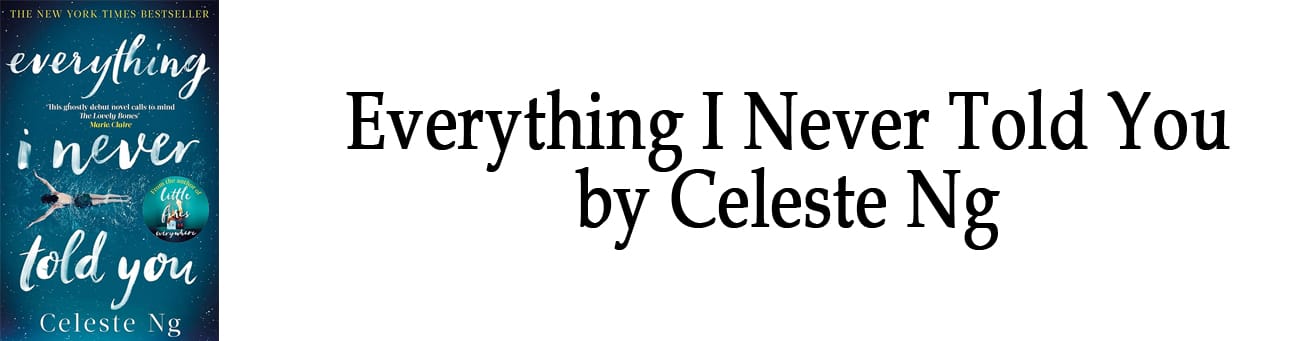
Everything I Never Told You by Celeste Ng
After the death of their teenage daughter, a Chinese American family in 1970s Ohio confronts the secrets, misunderstandings, and parental expectations that shaped her life. The novel won the Asian/Pacific American Award for Literature and an Alex Award, and Amazon named it the best book of 2014. Like American Hagwon, it explores the weight children carry when their parents’ unrealized dreams become their responsibility, making it an especially powerful choice if the Koh family’s expectations stayed with you.
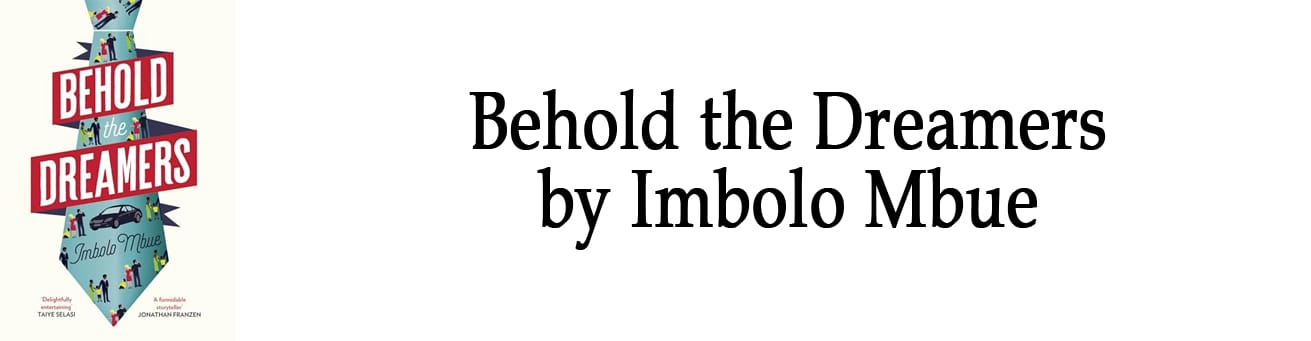
Behold the Dreamers by Imbolo Mbue
A Cameroonian immigrant couple pursues a better life in New York, where their fortunes become entangled with a wealthy Lehman Brothers executive’s family on the eve of the financial crisis. The novel won the 2017 PEN/Faulkner Award for Fiction and became an Oprah’s Book Club selection. Read it if American Hagwon made you question the bargain of hard work and upward mobility, because both novels place families’ carefully constructed hopes at the mercy of economic forces they can’t control.
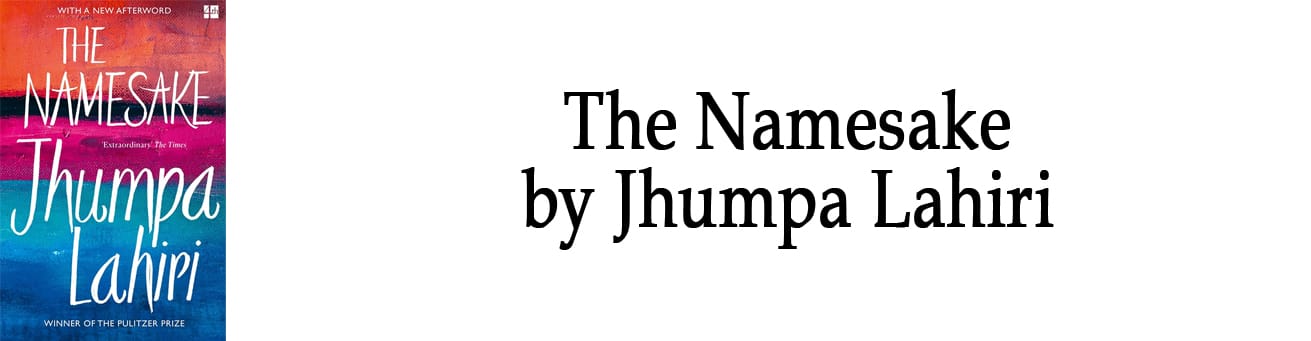
The Namesake by Jhumpa Lahiri
The Ganguli family builds a life in America while their son, Gogol, struggles to reconcile his Bengali heritage with the identity he wants to claim for himself. The novel became a New York Times bestseller and was adapted into a film directed by Mira Nair. If you connected with the distance between the Koh parents’ sacrifices and their children’s desires, Lahiri offers another intimate portrait of loving a family without necessarily wanting the life it envisions for you.
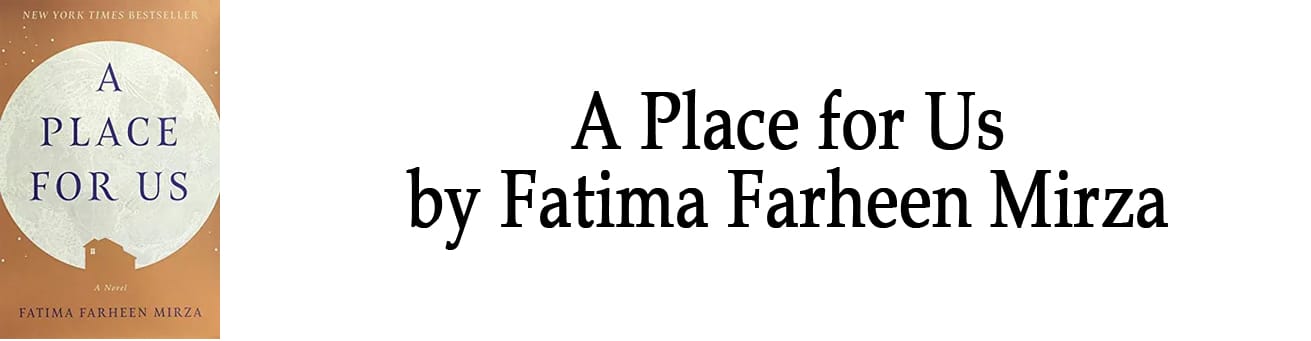
A Place for Us by Fatima Farheen Mirza
An Indian American Muslim family reunites for the eldest daughter’s wedding, bringing years of estrangement, conflicting loyalties, and unspoken hurt back into the room. The novel became a New York Times bestseller and appeared on best-books-of-2018 lists from NPR and The Washington Post. Like American Hagwon, it asks how children can honor their parents while choosing their own paths, so read it if the messy overlap between devotion and disappointment is what held your attention.
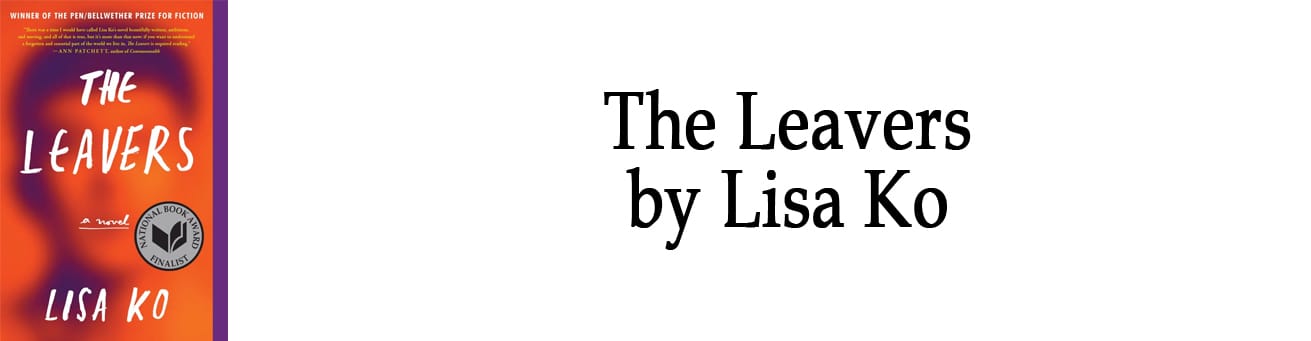
The Leavers by Lisa Ko
When his Chinese immigrant mother disappears, young Deming Guo is adopted by a white American couple and must navigate a new name, a new home, and competing ideas about who he should become. The novel won the PEN/Bellwether Prize for Socially Engaged Fiction and was a finalist for the 2017 National Book Award for Fiction. If American Hagwon left you thinking about who gets to define a child’s “better future,” this novel presses that question further by examining the tension between economic opportunity and cultural belonging.
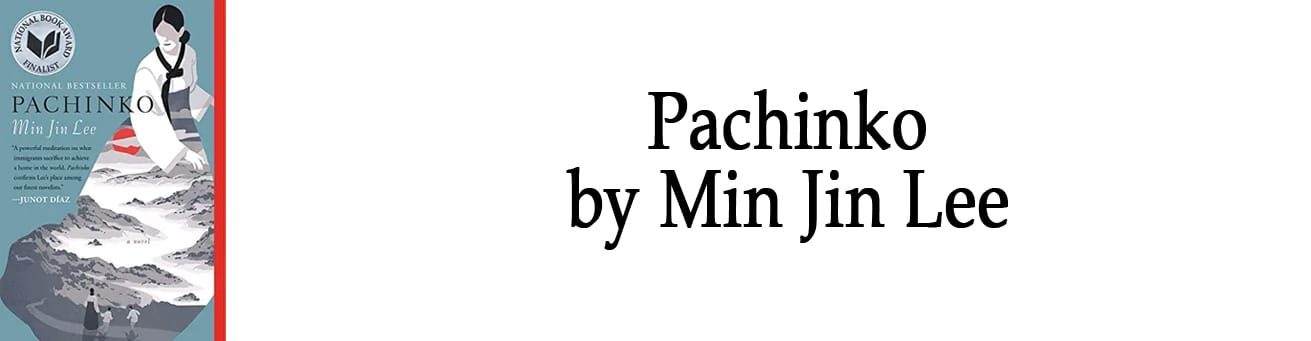
Pachinko by Min Jin Lee
Beginning in early-twentieth-century Korea, this multigenerational saga follows a Korean family in Japan as its members struggle against discrimination and pursue security, dignity, and belonging. The novel was a National Book Award finalist, won the Medici Book Club Prize, and appeared among The New York Times’ ten best books of 2017. Read it if you want more of Lee’s expansive family storytelling, particularly her attention to how one generation’s sacrifices shape—and sometimes constrain—the next.
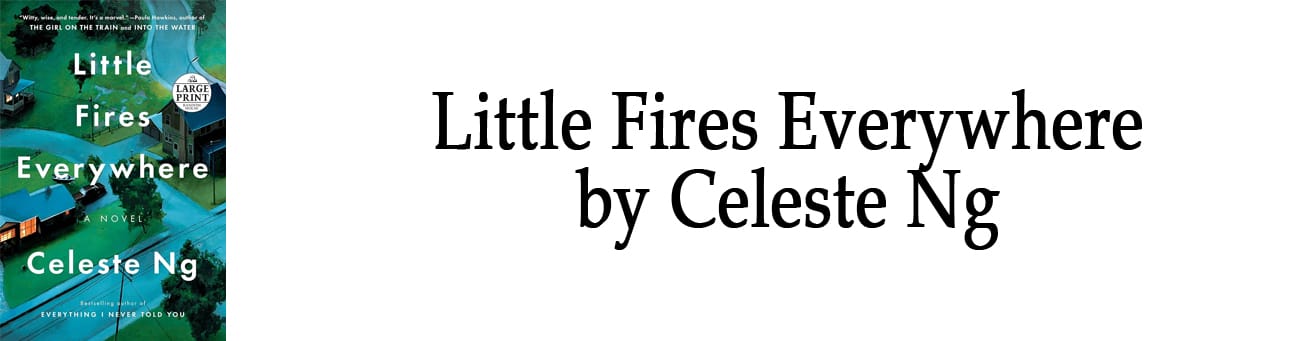
Little Fires Everywhere by Celeste Ng
In the carefully ordered suburb of Shaker Heights, the Richardson family’s life becomes entangled with an itinerant artist and her daughter, exposing deep disagreements about motherhood, privilege, and belonging. The novel became a New York Times bestseller, won the 2017 Goodreads Choice Award for Fiction, and was Amazon’s best fiction book of that year. If American Hagwon made you wonder whether providing every advantage is the same as understanding your children, this is your next stop—especially if you enjoy watching a seemingly sensible family plan unravel.
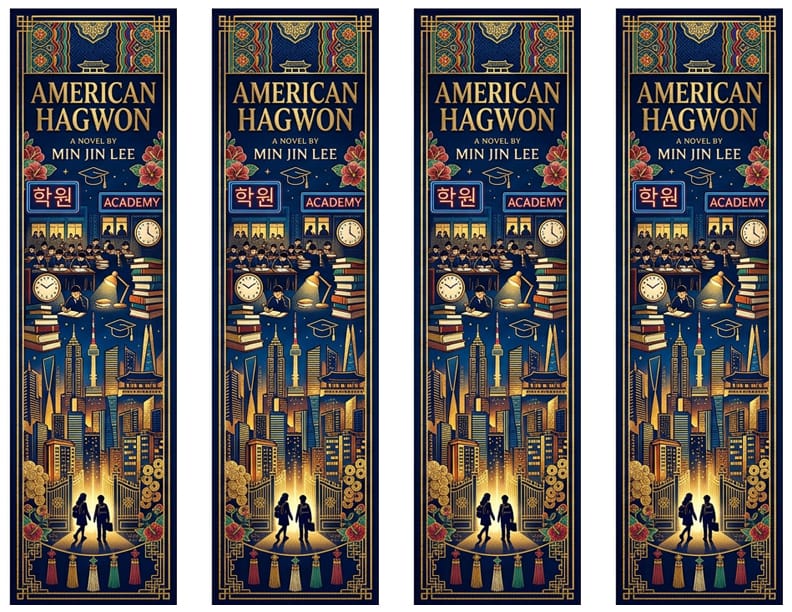
A Little Something Extra for Paid Subscribers
Every great book deserves a place to be remembered—and now, paid Readers With Wrinkles subscribers can collect a little piece of every review they love.
With your paid subscription, you’ll receive exclusive access to free printable bookmark pages created for each book reviewed on Readers With Wrinkles. Simply download, print, and tuck one inside the book you’re reading—or save a few for your next book-club pick, gift, or reread.
Each bookmark is a small, bookish keepsake designed to help you celebrate the stories that stay with you. Whether you use them to mark your place, share them with fellow readers, or build a collection of your favorite reads, they’re a thoughtful extra made especially for our subscriber community.
Paid subscribers already enjoy exclusive bookish printable lists resources and special savings on Book Club Kits. Now you can make every reviewed book even more memorable—one beautiful bookmark at a time.
Subscribe today and start collecting your printable bookmarks with every new Readers With Wrinkles review.
Paid Subscriber Perk!
Love the book we just reviewed? Paid subscribers can now download an exclusive printable list of books with a similar vibe—perfect for planning your next read or curating your book club’s picks. It’s a handpicked, beautifully designed list guide you won’t find anywhere else.
Unlock your next favorite reads—become a paid subscriber today to get instant access to these printable book lists!
Comments