

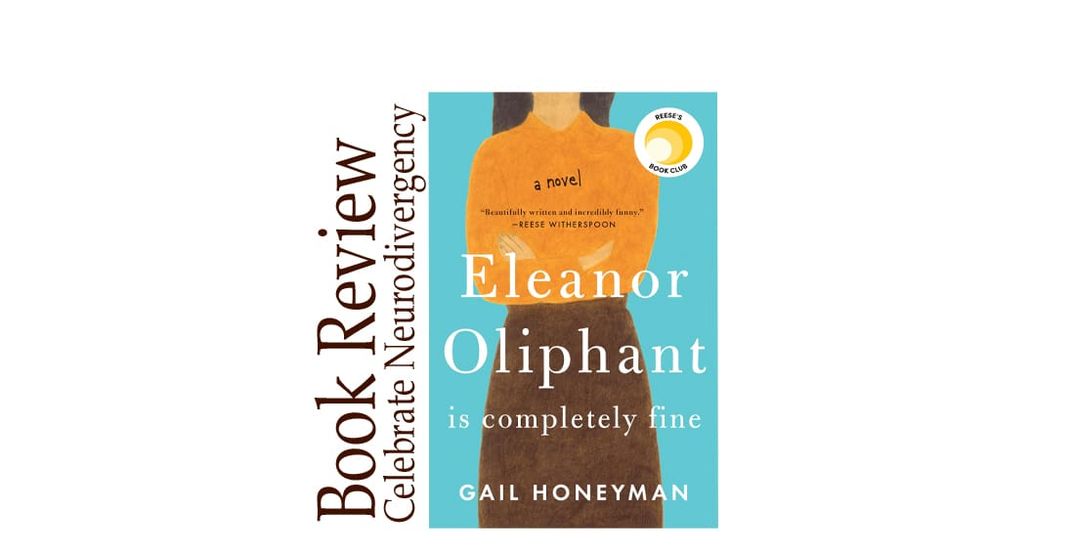

- Date Published:
2017 - Length:
336 pages—Listening Time: 11 hours 2 minutes - Genre:
Contemporary Fiction - Setting:
Present day, Glasgow, Scotland - Awards
Dublin Literary Award Longlist 2019; Women's Prize for Fiction Longlist 2018; Costa Book Awards Winner First Novel 2017; Audie Award Winner Fiction 2018; British Book Awards Overall Book of the Year Début Book of the Year 2018; RUSA CODES Reading List Shortlist Women's Fiction 2018; Waverton Good Read Award Winner 2017; Indie Book Awards Britain Shortlist 2018; Authors' Club First Novel Award Winner 2018; Books Are My Bag Readers' Award Winner Readers' Choice 2018; Australian Book Industry Awards Shortlist International Book 2018; TCK Publishing Reader's Choice Award Readers' Choice 2018; Booklist Editors' Choice: Adult Audio 2017; Comedy Women In Print Prize Shortlist Published Novel 2019; Goodreads Choice Awards Nominee Fiction 2017; Desmond Elliott Prize Shortlist 2018; Goldsboro Books Glass Bell Award Shortlist 2018 - Languages:
Arabic, Danish, Dutch, English, Finnish, French, German, Hungarian, Italian, Polish, Portuguese, Croatian, Spanish, Swedish, Turkish, Vietnamese - Sensitive Aspects:
Child abuse, emotional neglect, physical abuse, alcoholism, domestic violence, suicide attempts, severe loneliness, social isolation, trauma, disfigurement from burns, mental health struggles, depression, PTSD, grief, intrusive memories, emotional manipulation, bullying, parental cruelty, neglect by social services, stigma around therapy and mental illness - Movie:
A movie adaptation of Eleanor Oliphant Is Completely Fine is currently in development by Hello Sunshine and MGM, with Harry Bradbeer (known for Fleabag) attached to direct. The project, optioned by Reese Witherspoon in 2017, is still in early development, with no official cast or release date confirmed as of April 2026. - Recommended for Book Club:
Yes

Some books slip quietly off your shelf when you’ve finished them, leaving nothing but a thin layer of dust and the memory of a weekend well spent. Others linger—uninvited but welcome—long after you’ve turned the last page. Eleanor Oliphant Is Completely Fine, is one of those rare ones for me. I read it years ago, yet I still catch myself thinking about Eleanor when I see someone sitting alone at a café or when the world feels unbearably noisy and a little cruel.
It fits beautifully into the Readers With Wrinkles Celebrating Neurodivergency Series, which is all about honoring the many ways minds cope, protect, and persevere. Eleanor’s routines, her literal thinking, her social discomfort, and her carefully controlled solitude all hint at a brain that doesn’t move through the world in a “standard” way—but the book never turns her into a diagnosis or a case study. Instead, it lets us live inside her experience long enough to feel both the safety of her structure and the cost of her isolation. That’s precisely the kind of story this series is meant to spotlight: characters whose differences are treated with empathy and complexity, not pity. For neurodivergent readers, Eleanor can feel like a deeply validating mirror; for everyone else, she becomes a gentle, unforgettable invitation to rethink what “fine” really looks like from the inside out.
I remember closing the book and feeling that curious mixture of gratitude and heartbreak—gratitude for Eleanor’s hard-earned hope, heartbreak for the quiet ways we all go unseen sometimes. Honeyman doesn’t romanticize pain. She just lets it breathe, awkwardly and honestly, until you recognize some of your own in her pages.
In a world that tells us to be “fine”—to smile, to cope, to push through—Eleanor reminds us that fine isn’t always honest. And maybe that’s why, all these years later, her story still feels like a friend I can’t forget.

Eleanor Oliphant lives a life that’s rigid, predictable, and very small. She works in an office, eats the same meals, drinks the same vodka on weekends, and spends most of her free time alone in her flat. Her days are governed by routine because routine feels safe; she avoids social interaction whenever possible and keeps conversations brisk, overly literal, and slightly awkward. From the outside, it looks like she’s functioning just fine. On the inside, her world is stripped down to the bare minimum of human contact, with loneliness quietly doing its damage just below the surface.
When the novel opens, Eleanor develops a sudden, intense crush on a local musician she’s never met. Convinced he’s the answer to her stagnant existence, she begins a clumsy “self-improvement” campaign—updating her wardrobe, trying new grooming rituals, and imagining how her life will change once they’re together. These attempts push her to interact with people and spaces she’s avoided, but her lack of social experience and emotional fluency often turn simple moments into painful, isolating ones. Each awkward encounter underlines how cut off she’s been for years and how ill-equipped she feels to navigate even basic relationships.
At the same time, Eleanor is reluctantly drawn into a tentative friendship with Raymond, the IT guy from her office. After they help an elderly man who collapses in the street, their lives start overlapping in small, practical ways—shared visits, text messages, occasional meals. These aren’t grand gestures; they’re tiny cracks in the wall she’s built around herself. Through these new connections, we see how her socially stunted behaviors—brutal honesty, rigid boundaries, a total lack of small talk—have long protected her but also kept her starved of warmth. The plot follows Eleanor as her tightly controlled “I’m fine” façade begins to wobble, showing how chronic loneliness and emotional isolation can slowly erode a person’s sense of self and how even fragile, imperfect connections might offer a path toward something better without revealing exactly what that “better” will look like.

Here are some reasons this one is such a good fit for Readers with Wrinkles:
Loneliness portrayed with compassion
Many of us know what it feels like to be “fine” on the outside and quietly unraveling on the inside. Eleanor’s version of loneliness is painfully recognizable but never mocked, which makes her feel less like a quirky character and more like someone you might worry about—and root for—in real life.
A heroine who’s prickly, not polished
Seasoned readers tend to love complicated women, and Eleanor is gloriously, stubbornly herself. She’s blunt, literal, and socially awkward, but once you understand why she’s that way, those sharp edges start to look like survival tools rather than flaws.
Humor tucked inside the heartbreak
This isn’t a gloomy book, even though it deals with heavy emotional territory. Eleanor’s deadpan observations, bafflement at social norms, and slightly skewed logic will make you smile in the same breath that you’re feeling a lump in your throat.
Everyday moments that feel big
There are no car chases or dramatic plot twists here; the tension comes from small, ordinary moments—office interactions, phone calls, bus rides—that carry enormous emotional weight for Eleanor. That slower, character-focused pace tends to resonate with mature readers who enjoy watching tiny shifts add up to real change.
A gentle invitation to empathy
If you’ve ever wondered what it’s like to move through the world feeling out of step with everyone else, this story opens that door. By the time you’re a few chapters in, you’re not judging Eleanor’s “odd” behavior—you’re asking what might have happened to make solitude feel safer than connection.
Rich material for thoughtful discussion
This one is catnip for book clubs. You can talk about emotional neglect, mental health, found family, office culture, friendship in midlife, and what we owe the lonely people around us. It’s the kind of novel that lingers in your head long after the meeting (and the snacks) are over.
A fitting addition to the Celebrating Neurodivergency Series
Eleanor isn’t labeled or neatly categorized, but many readers will recognize traits that align with neurodivergent experiences—rigid routines, difficulty reading social cues, intense internal logic. That subtle, respectful portrayal fits beautifully with this series’ goal: to honor different ways of thinking and feeling without turning anyone into a stereotype.

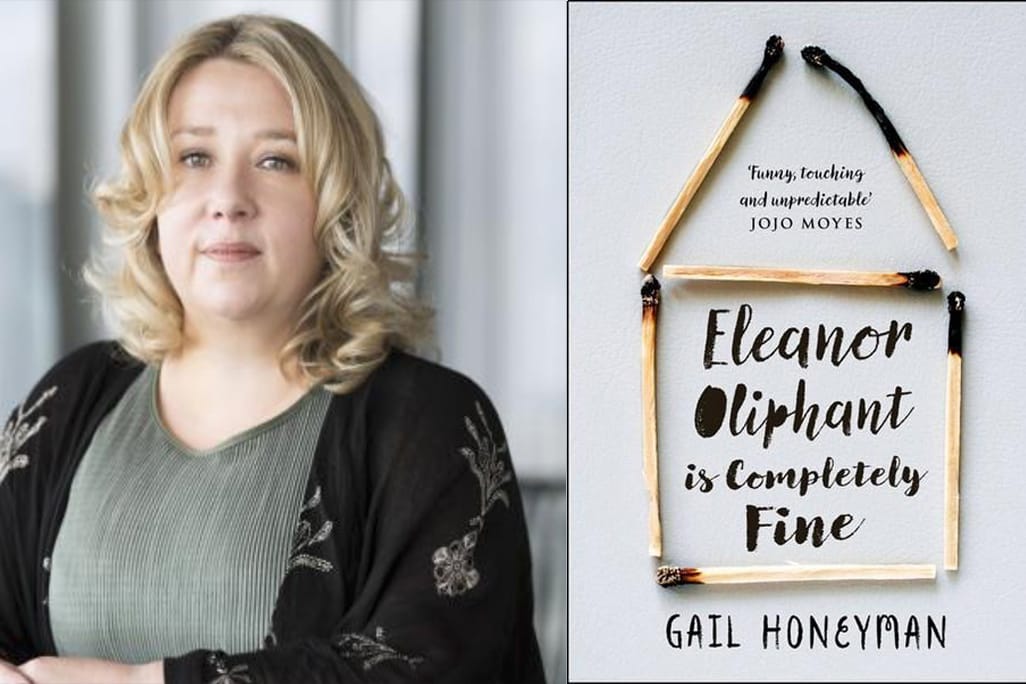
Get Eleanor Oliphant is Completly Fine by Gail Honeyman
A tender, darkly funny story about a socially awkward woman whose perfectly “fine” life slowly cracks open to reveal how devastating loneliness can be—and how transformative one unexpected connection might become.
Bookshop.org was created as a socially conscious alternative to Amazon, with the goal of helping local, independent bookstores thrive. This is why Readers With Wrinkles supports their efforts. Please join us in this effort by purchasing your next read here.

Here are some great companion reads to Eleanor Oliphant is Completely Fine:
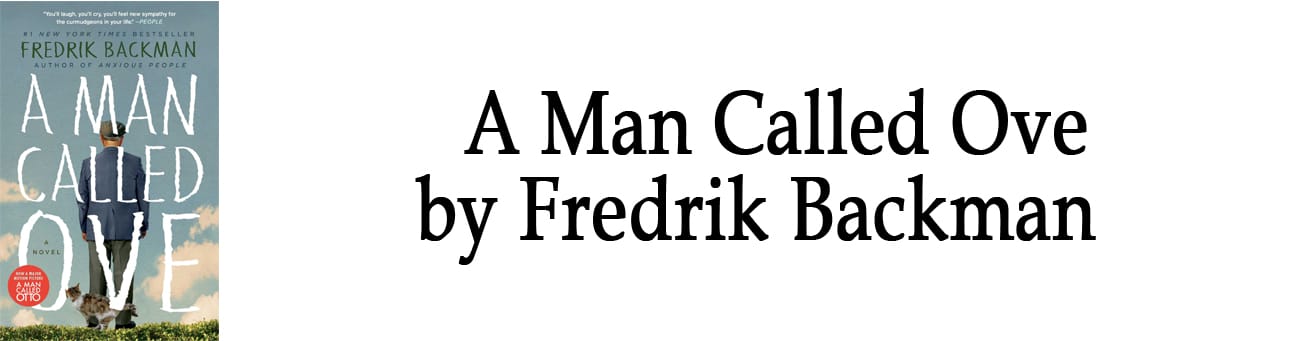
A grumpy, isolated widower with strict routines finds his life repeatedly interrupted by noisy new neighbors, slowly pulling him into a messy, unexpected community that challenges his determination to stay alone.
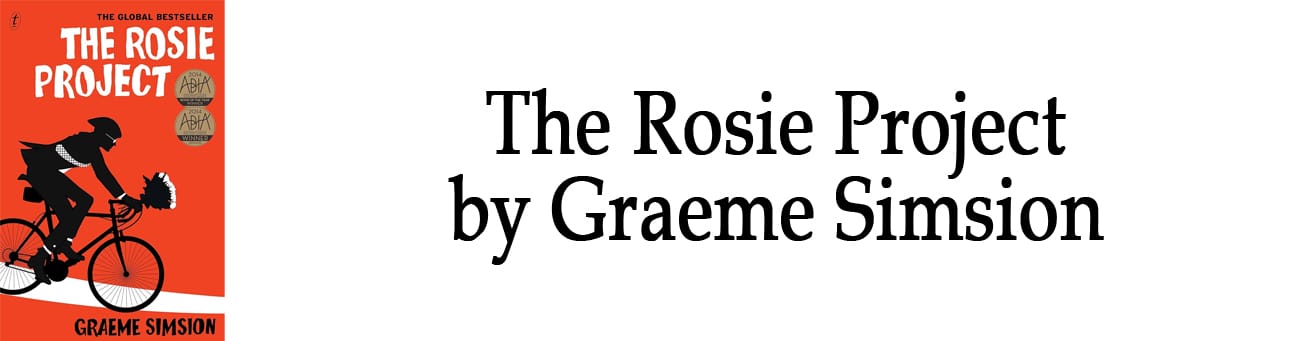
Don Tillman, a brilliant but socially awkward genetics professor, creates a scientifically optimized questionnaire to find the perfect wife, only to have his plans upended by a spontaneous, rule-breaking woman who doesn’t fit any of his boxes.
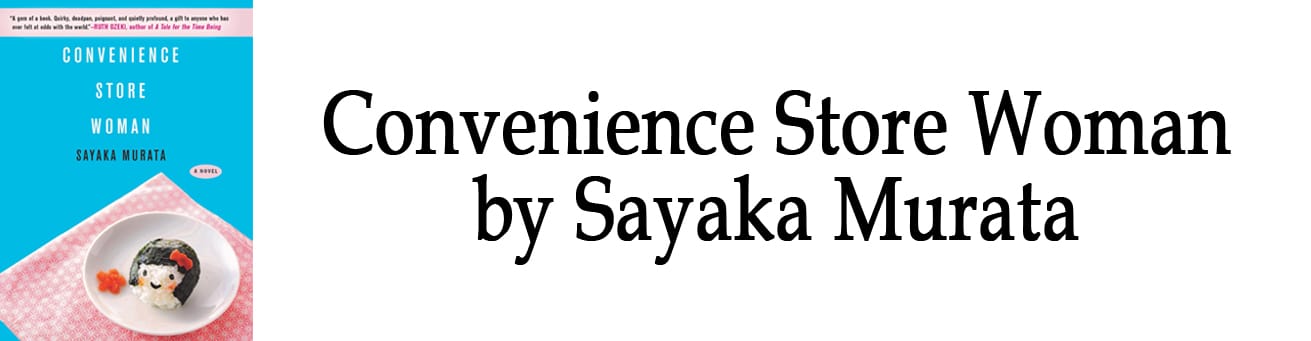
Keiko, a 36-year-old woman who has spent most of her adult life working at a Tokyo convenience store, clings to the comfort of store rules and scripts as she struggles to understand—and resist—society’s expectations that she “grow up” and fit in.
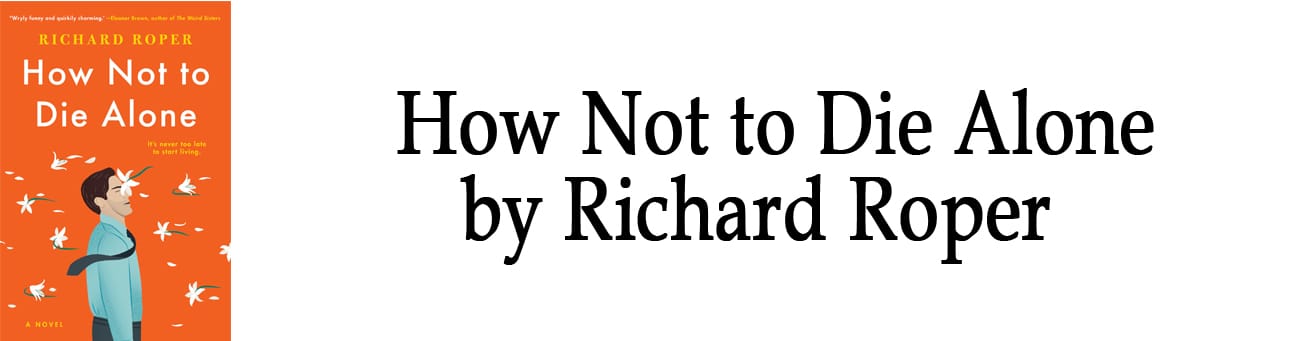
Andrew’s job is to find the next of kin for people who die alone, but he’s secretly living a lie about his own home life, and a new coworker starts to unravel the carefully constructed story he’s used to keep real intimacy at bay.
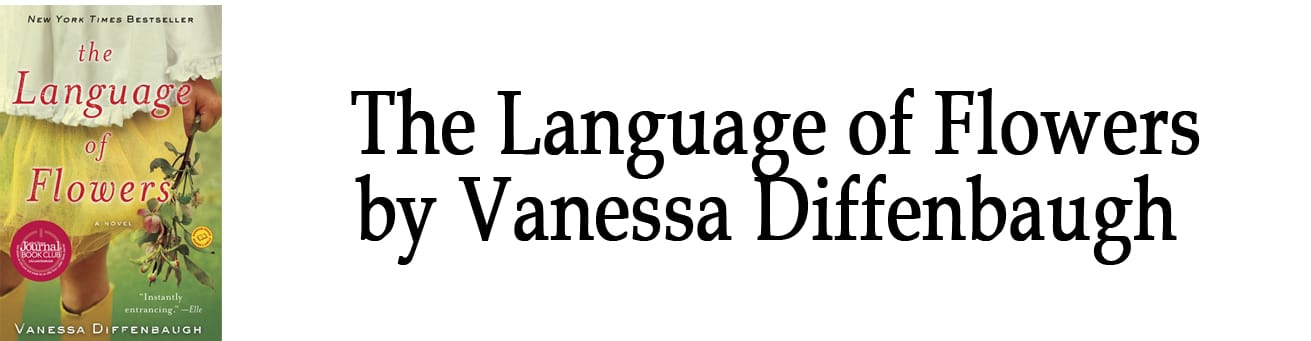
After aging out of the foster system, Victoria uses her deep knowledge of flower symbolism to communicate emotions she can’t easily express, slowly building a fragile life and tentative relationships while haunted by a complicated past.
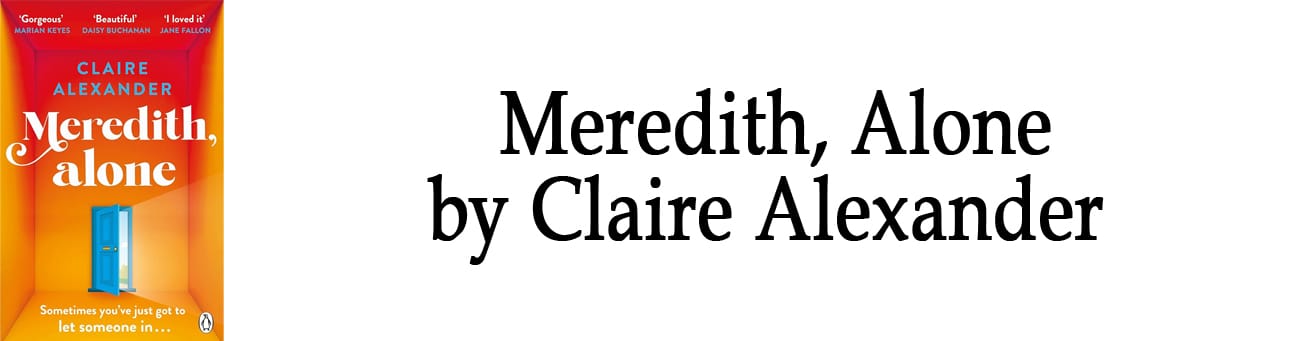
Meredith hasn’t left her Glasgow home in over three years, yet insists she’s doing just fine with her routines, online connections, and puzzles—until new friendships and old memories begin to push against the walls she’s built.
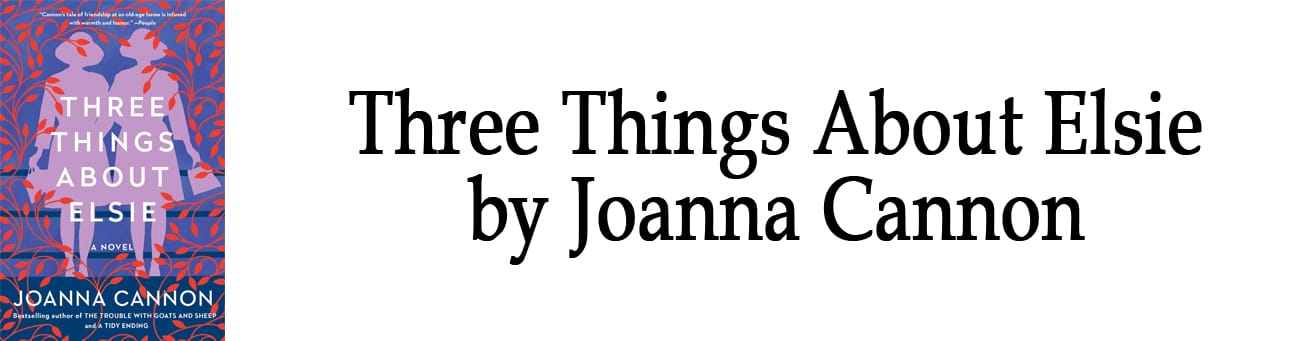
Eighty-four-year-old Florence, living in a care home and worried about losing her independence, becomes convinced that a figure from her past has resurfaced, and with the help of her friends, she starts piecing together what’s real and what’s memory.
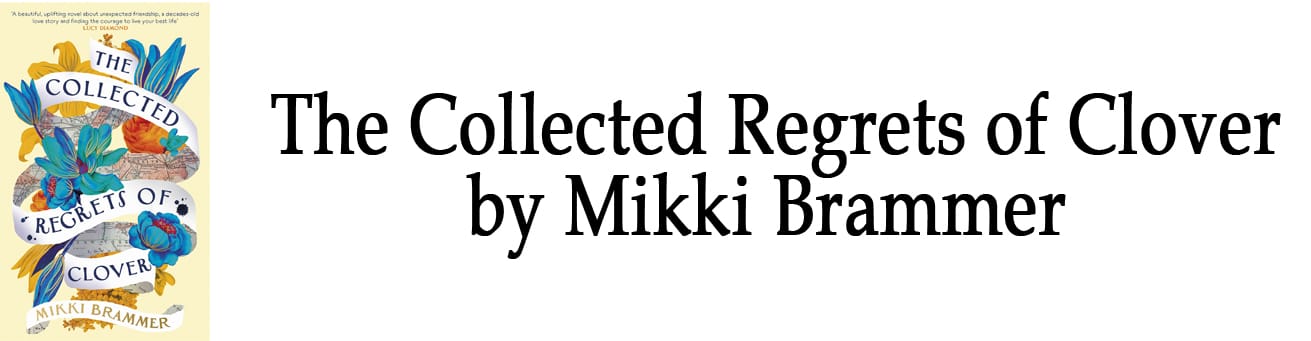
Clover, a death doula who’s more comfortable at the bedside of the dying than among the living, starts to realize that her carefully contained life might be its own form of hiding, and that honoring her clients’ regrets may require facing her own.

New Paid Subscriber Perk!
Love the book we just reviewed? Paid subscribers can now download an exclusive printable list of books with a similar vibe—perfect for planning your next read or curating your book club’s picks. It’s a handpicked, beautifully designed list guide you won’t find anywhere else.
Unlock your next favorite reads—become a paid subscriber today to get instant access to these printable book lists!
Comments