

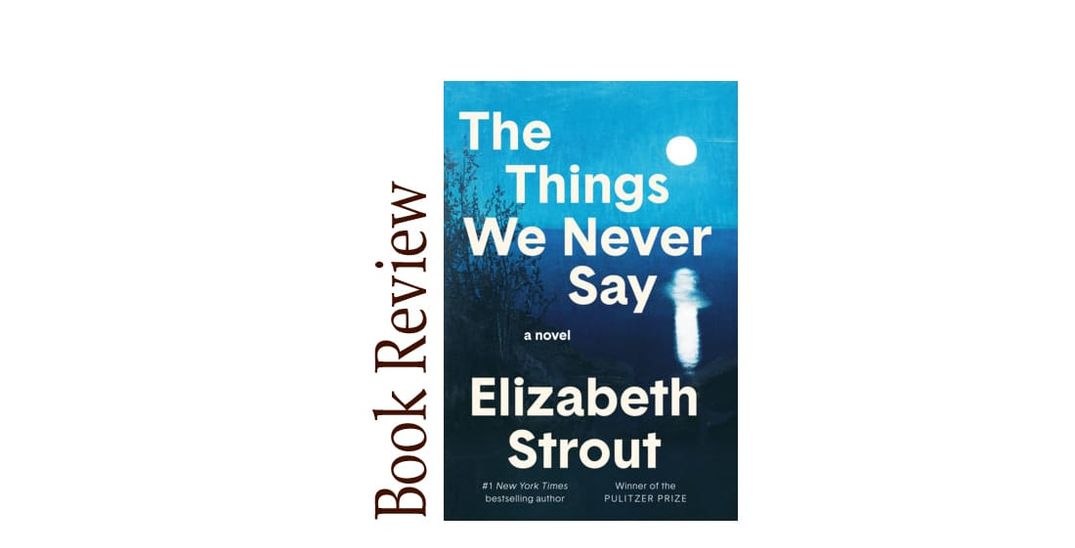
- Date Published:
May, 2026 - Length:
224 pages—Listening Time: 6 hours 35 minutes - Genre:
Contemporary Fiction - Setting:
Present day, a coastal town along Massachusetts Bay - Awards
The Guardian Book of the Day 04-27-2026; Katie Couric Book Club Pick May 2026; New York Times Best Seller; Amazon Editors' Pick 2026 - Languages:
English - Sensitive Aspects:
Suicide ideation and planning, depression and profound loneliness, death by suicide of a secondary character, traumatic fatal car accident, marital infidelity, parental emotional neglect and distance, pervasive anxiety and isolation, political tension around Trump’s second presidency, references to contemporary conflicts including Israel–Gaza, shoplifting and other self-sabotaging behavior, strong language around anger, fear, and despair - Recommended for Book Club:
Yes

I finished listening to The Things We Never Say by Elizabeth Strout last night at 3:30 am, and then I lay there for an hour thinking about it. There’s something almost unsettling about a quiet book that knows you better than you know yourself. The kind that doesn’t shout or dazzle but lingers. This is the kind of book.
If you’ve read Strout before—especially her Pulitzer Prize–winning Olive Kitteridge—you already know she has an uncanny ability to slip past your defenses. She writes about ordinary people in such an unflinching, intimate way that you start to feel exposed. Seen, even. And here, she does it again—but somehow softer, sadder, and more urgent.
This isn’t a book you rush through. It’s a gift—but one that has to be unwrapped slowly, layer by careful layer. Each page reveals something tender, something uncomfortable, something quietly devastating. Strout doesn’t deal in grand plot twists or dramatic spectacle. Instead, she leans into the fragile, complicated spaces between people—the things we swallow, the words we hold back, and the emotional negotiations we make just to get through the day.
And maybe that’s why it hits so hard right now.
Because beneath its intimate character work, this novel feels eerily reflective of the current American moment. There’s a tension humming beneath the surface, a sense of fracture—of people talking past each other, of emotional distance widening in ways that feel both subtle and irreversible. Strout vividly portrays the experience of living in a country that appears to be slowly unraveling. Not with explosions, but with silence. With things unsaid.
What makes this book so powerful isn’t that it offers answers. It doesn’t. Instead, it invites you to sit in the discomfort—to recognize pieces of yourself in its characters, even when you’d rather not. Especially when you’d rather not.
So if you’re looking for a story that will entertain you, this might not be it. But if you’re willing to feel something real—to reflect, to ache a little, to see the world (and yourself) a bit more clearly—then this is a book worth your time.
Just don’t expect it to let you go easily.

At first glance, The Things We Never Say looks like a quiet little novel about a high school history teacher on the Massachusetts coast, and technically, it is. But Elizabeth Strout being Elizabeth Strout, that’s just the doorway. Step inside, and you’re in the thick of one man’s private storm, set against a country that feels like it’s slowly tearing itself apart.
Our guide through all this is Artie Dam, a 57-year-old teacher who seems, from the outside, to have built exactly the kind of life most people are told to want. He’s got a long marriage, a grown son, a job where he genuinely tries to show up for his students, and a sailboat he takes out on the bay like something from a New England postcard. To neighbors, colleagues, and parents, he’s steady, affable, dependable.
Inside, though, Artie is quietly unraveling. He’s plagued by an “accretion of loneliness,” the sense that he’s drifting further and further away from everyone—even the people he loves most. As he watches his students, his marriage, and his friendships shift in the shadow of the pandemic and the looming 2024 election, he keeps circling one question: How can we know so little about the people closest to us?
Strout anchors Artie’s midlife crisis in the messy realities of contemporary America: anxious kids, exhausted teachers, brittle friendships, and a political climate that feels like the country is slowly committing a kind of moral and civic suicide. Conversations turn sharp without warning, long-held relationships feel suddenly fragile, and the air seems full of things no one quite dares to say out loud. Artie’s job—as a history teacher, no less—forces him to hold the past and present together, even as he wonders what, if anything, we’ve learned.
When a chance incident knocks his already shaky life off its axis, Artie is pushed to reconsider everything: his marriage, his role as a father, his friendships, and the stories he’s told himself about who he is. The novel follows him as he tentatively reaches for connection, fumbles conversations, misreads people, and occasionally gets brave enough to ask the questions most of us dodge. Along the way, Strout threads in small moments of grace—a gesture here, a shared memory there—that suggest connection is still possible, even when the world feels like it’s burning.
This is not a plot-driven thrill ride; it’s a slow, observant, deeply human story about a man trying to stay decent and awake in a country that seems intent on sleepwalking off a cliff. No spoilers here—but know that the “things we never say” aren’t just secrets; they’re the truths we’re most afraid to face about ourselves and about the place we call home.

You should read this one. Really.
Here’s why, friend to friend:
It understands the quiet loneliness you carry
If you’ve ever looked around your life and thought, “By all accounts, I’m fine… so why do I still feel so alone?”—this book sits down next to you on the couch and says, “Yeah. Me too.” It doesn’t judge you for that ache. It names it. It follows a man who has the “right” life on paper yet feels emotionally marooned, and if you’ve ever felt like the reliable one who keeps it all together while slowly dissolving inside, you’re going to recognize yourself here.
It captures our political exhaustion without preaching
If you’re tired—tired of the headlines, tired of the arguing, tired of feeling like the country is slowly sawing off its own limb—this novel gets it. It doesn’t lecture you or demand a think piece from your soul. Instead, it shows how that slow national unraveling seeps into everyday life: classrooms, kitchens, text threads, marriages. You see how people who love each other end up on opposite sides of a widening crack, and it hurts because it feels so familiar.
It gives you permission to feel complicated things
You know those feelings you don’t always admit out loud? The resentment, the boredom, the “is this really it?” kind of questions? Strout walks right into that mess with you. The characters are allowed to be petty, kind, selfish, generous, insecure, and brave—sometimes all in the same chapter. If you’ve ever thought, “If people knew what I really felt, they’d think I’m awful,” this book gently proves you wrong.
It’s a mirror for long marriages and grown kids
If you’re in a long-term relationship, or you’ve got adult children (or you are the adult child), this story will feel uncomfortably close to home. It captures that strange midlife space where you look at your partner or your kid and think, “When did you become this person?” It’s full of small, recognizable moments—misunderstood texts, half-finished conversations, old arguments that never really died. You may find yourself mentally revisiting a few of your own.
It honors ordinary decency in an indecent-feeling world
So many stories right now are either bleak or saccharine. This one walks the narrow path in between. It doesn’t sugarcoat how hard things are, but it also doesn’t wallow. It pays attention to the tiny, stubborn acts of kindness that still exist: a teacher who keeps showing up, a friend who calls back, a spouse who tries one more time to connect. If you’ve ever wondered, “Does trying to be decent even matter anymore?” this book quietly argues yes.
It’s a slow-burn, reflective read for mature readers
Readers With Wrinkles folks? This book is your pace. It’s not trying to sprint; it’s here for the long, thoughtful walk. It assumes you’ve lived a little, lost a little, and know that life doesn’t resolve neatly. It invites you to read a few chapters, put it down, stare out the window, maybe think about that one old friend you haven’t called in years. It trusts your emotional intelligence—and that’s rare.
It makes you feel less alone in your worry for America
If part of your private anxiety is "What on earth is happening to this country?” you will feel seen here. The story doesn’t offer solutions, but it validates that sense of watching a slow-motion disaster and not quite knowing what to do with your fear. You’re not crazy. You’re not overreacting. You’re just paying attention—and this book is, too.
If even one of these reasons poked at something tender in you, this might be the next book your heart’s been quietly asking for.

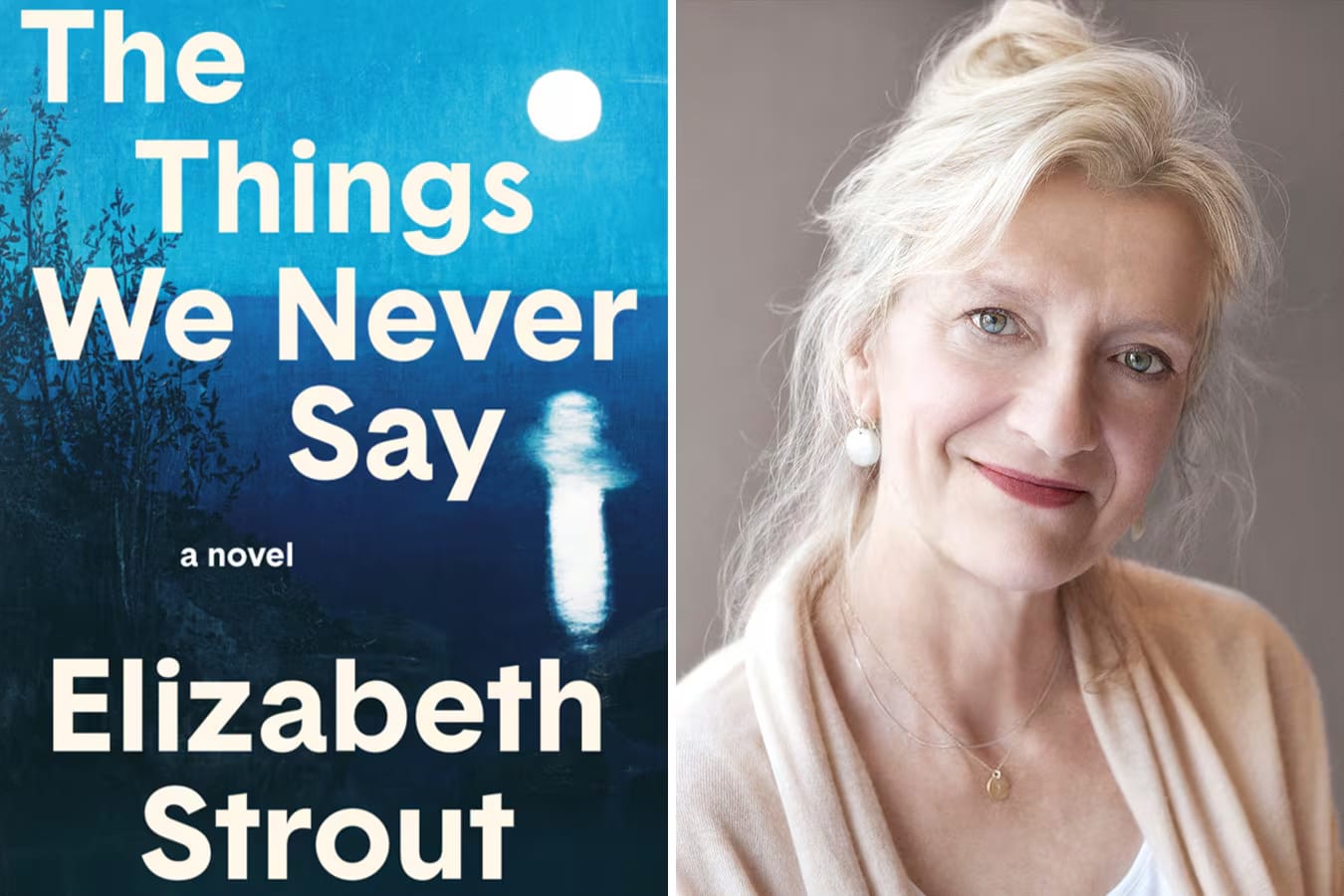
Get Elizabeth Strout Books
Emotionally brilliant! You'll want to read every word this masterful writer has ever penned.
Bookshop.org was created as a socially conscious alternative to Amazon, with the goal of helping local, independent bookstores thrive. This is why Readers With Wrinkles supports their efforts. Please join us in this effort by purchasing your next read here.

Here are books that walk in the same emotional neighborhood as The Things We Never Say—quietly powerful, character-driven, and deeply human. I’m talking to you as a fellow Reader With Wrinkles here: these are the ones that sit with you long after the kettle’s gone cold.
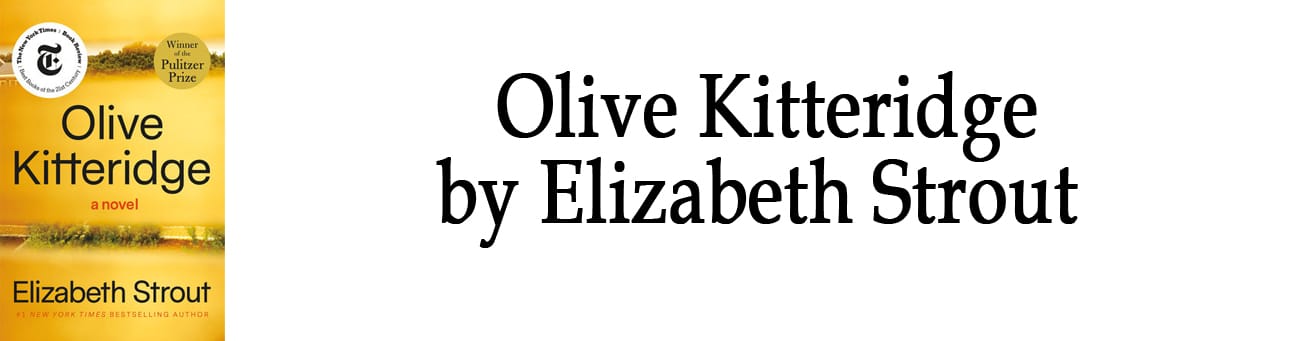
Olive Kitteridge by Elizabeth Strout
If you haven’t spent time with Olive yet, consider this your gentle nudge. Through linked stories set in a small Maine town, Strout gives us a prickly, brutally honest retired teacher who will both irritate and break you. It’s about aging, marriage, regret, and the ways we misread the people closest to us—right in your emotional strike zone. Read my full review here.
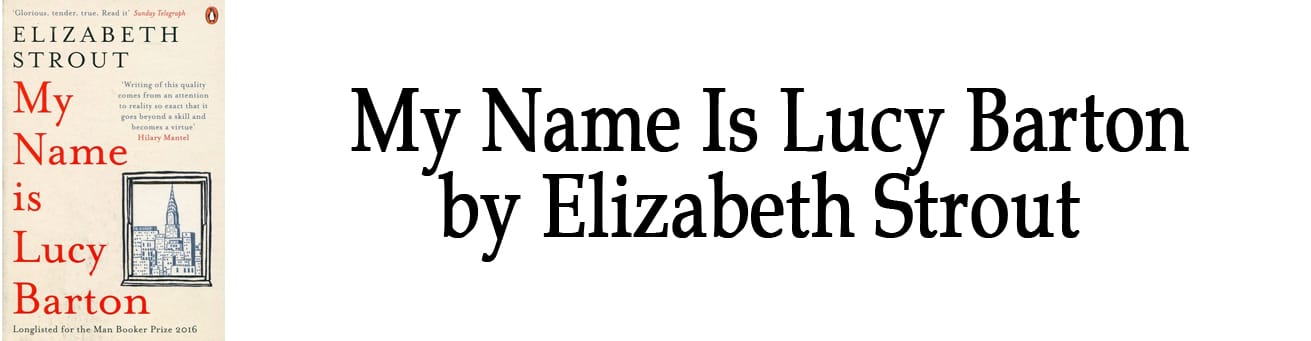
My Name Is Lucy Barton by Elizabeth Strout
Another Strout gem, this one circles a fragile mother–daughter relationship as Lucy lies in a hospital bed and her estranged mother appears at her side. It’s slim but piercing, full of those “oh no, that’s me” moments about class, shame, and the stories we tell ourselves to survive. Read the full review here.
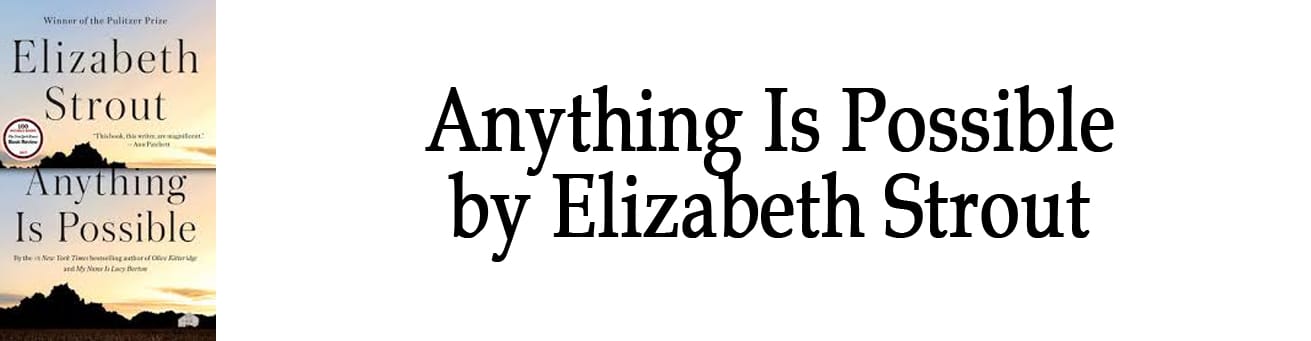
Anything Is Possible by Elizabeth Strout
Think of this as Lucy Barton’s chorus. It’s a collection of interconnected stories about people from Lucy’s hometown, each carrying their own quiet heartbreaks and compromises. If you loved the way The Things We Never Say widened from one life to a whole community, this feels like a natural next stop. Read my full review here.

Stoner by John Williams
Don’t let the title fool you; this is not about weed. It’s the life story of an unremarkable university professor, told with such compassion and clarity that his small disappointments feel epic. If you’re drawn to quiet, interior novels about duty, marriage, and the cost of staying emotionally buttoned-up, this one will hit you where you live.
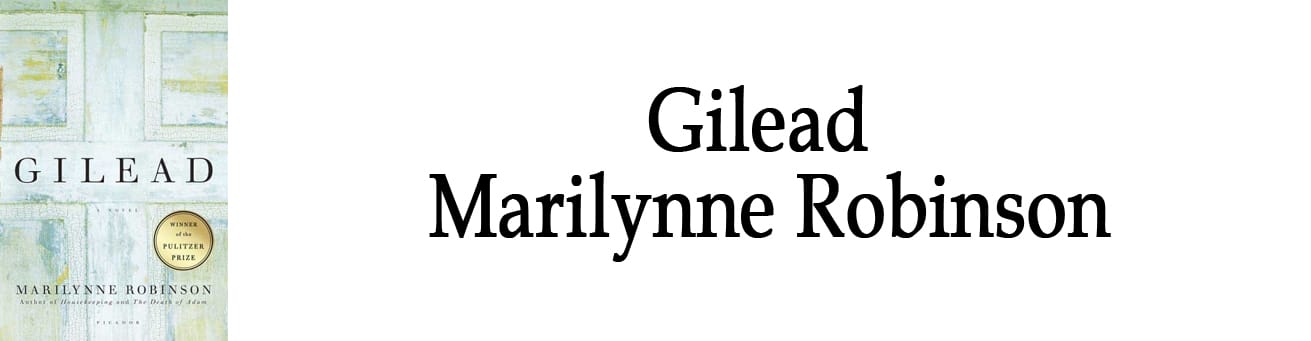
Gilead by Marilynne Robinson
An elderly pastor writes a long, meditative letter to his young son, reflecting on faith, failure, and America’s complicated past. It moves at a contemplative pace and rewards the kind of reader who doesn’t mind sitting with big questions about forgiveness, legacy, and what kind of country we’re handing dow
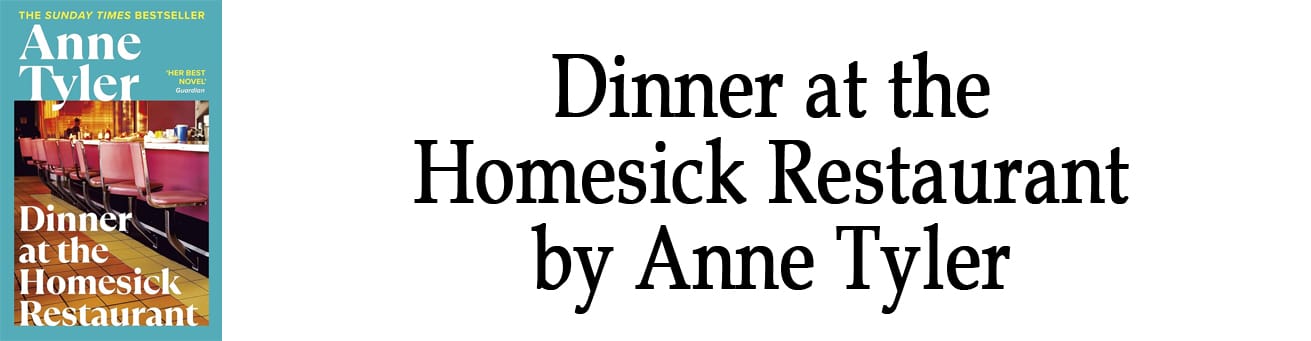
Dinner at the Homesick Restaurant by Anne Tyler
Anne Tyler is often mentioned in the same breath as Strout, and for good reason. This novel follows a messy Baltimore family over decades, with all their grudges, misunderstandings, and attempts (sometimes clumsy, sometimes beautiful) to love each other better. It’s perfect if you like your fiction steeped in domestic realism and emotional nuance.
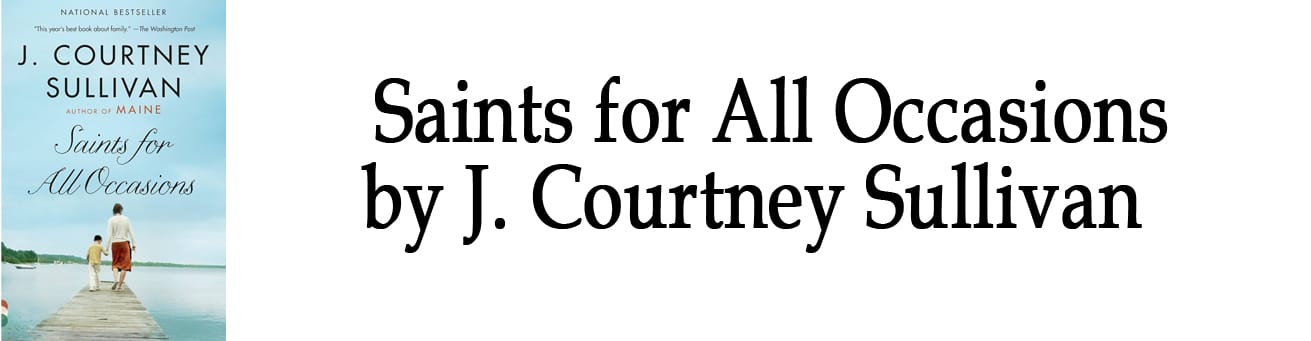
Saints for All Occasions by J. Courtney Sullivan
Two Irish sisters immigrate to Boston, make very different choices, and decades later their shared past explodes into the present. It has that same “slow moral unraveling of a country/family” feeling, with religion, politics, and buried secrets all humming in the background.
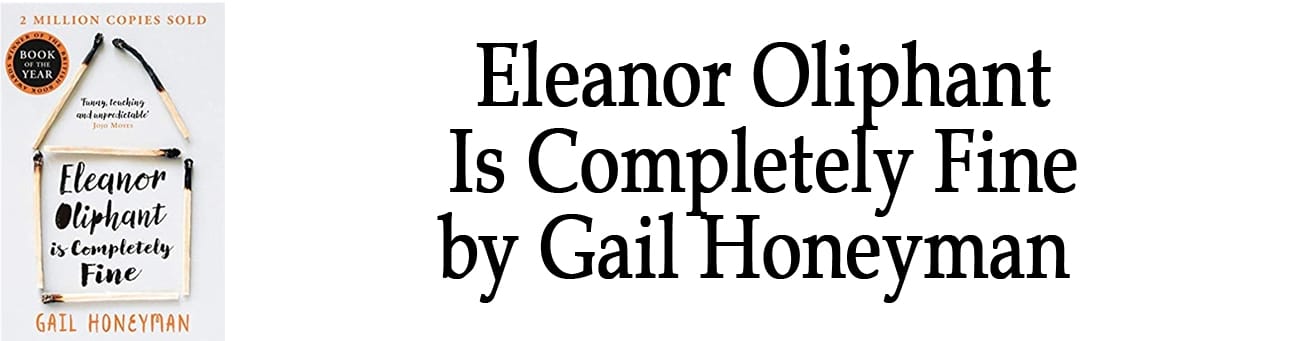
Eleanor Oliphant Is Completely Fine by Gail Honeyman
On the surface, this might seem quirkier than Strout’s work, but underneath it’s doing similar emotional excavation. It’s about profound loneliness, social awkwardness, and the long, uneven road toward connection. If what gripped you in The Things We Never Say was that ache of being slightly out of step with the world, Eleanor is a kindred spirit. Read my full review here.
Paid Subscriber Perk!
Love the book we just reviewed? Paid subscribers can now download an exclusive printable list of books with a similar vibe—perfect for planning your next read or curating your book club’s picks. It’s a handpicked, beautifully designed list guide you won’t find anywhere else.
Unlock your next favorite reads—become a paid subscriber today to get instant access to these printable book lists!
Comments