
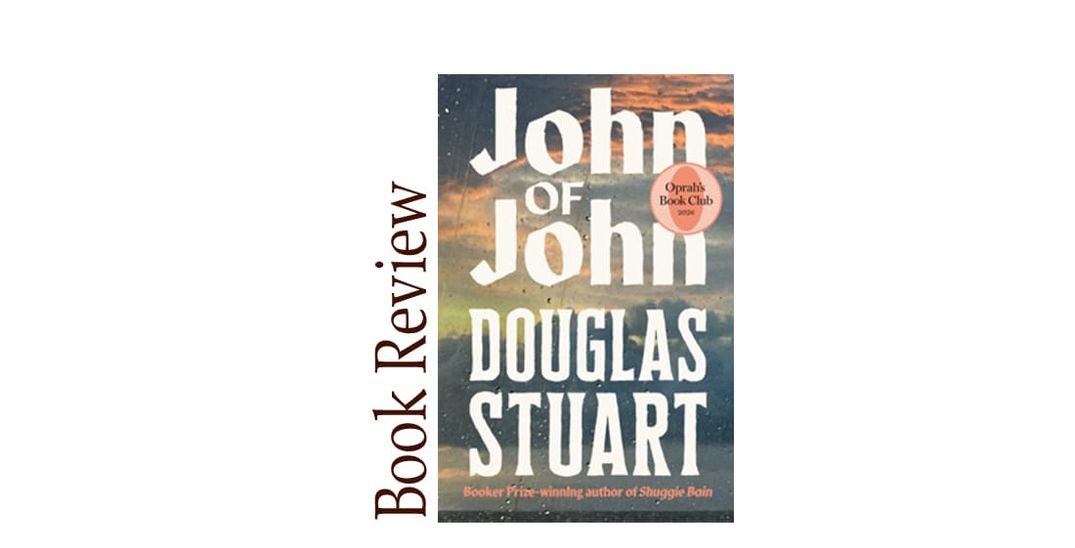
- Date Published:
May, 2026 - Length:
416 pages—Listening Time: 15 hours 30 minutes - Genre:
Fiction - Setting:
Late 1990s, on the Isle of Harris in the Outer Hebrides, off the remote western coast of Scotland - Awards
Oprah Book Club Pick May, 2026; The Guardian Book of the Day 5-11-2026 - Languages:
English, Dutch - Sensitive Aspects:
Closeted homosexuality, religious bigotry, homophobia, father-son violence, emotional abuse, secrets and deception within family relationships, rural isolation and poverty, rigid Calvinist religiosity, abandonment by mother, community ostracism, suppressed identity, foul language, duty versus personal freedom conflict - Movie:
There is currently no official movie or television adaptation for John of John. - Recommended for Book Club:
Yes

Imagine Steinbeck’s lyrical, windswept, empathetic prose colliding with the aching tenderness of Brokeback Mountain, all unfolding along the cold, craggy edges of Scotland’s Outer Hebrides—that’s the world Douglas Stuart builds in John of John.
If Stuart’s name rings a bell, it should. He’s the author of Shuggie Bain, the Booker Prize–winning novel that left so many of us emotionally wrecked in the best possible way. That book set the bar incredibly high. So naturally, I approached this one with equal parts excitement and a tiny bit of dread. Could anything match that level of raw honesty?
Somehow… this book does.
Set against the stark, windswept beauty of Scotland’s outer islands, John of John feels both intimate and expansive—like you’re eavesdropping on a life while also witnessing something mythic unfold. Stuart writes with a kind of quiet precision. Every sentence feels deliberate, every character fully lived-in. These aren’t just people on a page—they breathe, they ache, and they make choices you might not understand but somehow still recognize.
And then there’s the emotional core. If Brokeback Mountain taught us anything, it’s how devastating restrained love and unspoken longing can be. Stuart taps into that same vein of tenderness and heartbreak but filters it through his own lens—gritty, compassionate, and unflinchingly human. The result? A story that doesn’t just tug at your heart—it grips it and refuses to let go.
I found myself slowing down as I read, not because the prose is difficult, but because I didn’t want to leave this world—or these characters—too quickly. That’s always a sign of greatness for me: when a book asks you to linger, to feel, to sit in the discomfort and the beauty at the same time.
And honestly? I think we’re looking at another major literary moment here. I’d be surprised if John of John doesn’t sweep up awards and quietly earn its place as a modern classic. It has that weight to it—that sense that years from now, people will still be talking about it.
So if you’re wondering whether this is worth your time… let me just say, come a little closer. This one stays with you.
(Spoiler-Free)
Set on the remote Isle of Harris in the Outer Hebrides, John of John follows John-Calum Macleod—Cal—an early-twenties art school graduate who runs out of money and options on the mainland and is forced to return home to his family’s croft. Once back, he’s reunited with the two central figures of his childhood: his strict, deeply religious father, John, a sheep farmer, tweed weaver, and lay preacher; and his sharp-tongued, warm-hearted grandmother, Ella, who has helped hold the family together since Cal’s mother left years before.
The novel traces Cal’s uneasy homecoming as he navigates the cramped house, the family weaving shed, and the small Presbyterian community where everyone notices the slightest deviation from tradition. John wants Cal to fall in line—on the loom, on the land, and in church—while Cal, newly shaped by his time in Edinburgh, quietly resists being folded back into the narrow expectations of island life. Around them, the rhythms of the croft—lambing, shearing, ferry trips, and weather that arrives sideways—provide the steady backdrop to a story built on what goes unsaid.
At the same time, Cal is tentatively exploring desire and connection in a place where privacy barely exists, sending letters, testing old friendships, and noticing the gaps between who people are and who they feel allowed to be. John, too, carries his own secrets and longings, and the book’s central tension grows from the way father and son move around each other, each misreading the other’s silences. As the seasons turn and pressures mount in both the family and the island community, the novel builds toward a series of emotional and moral crossroads, asking how much truth this fragile trio—and their watchful world—can bear without everything coming apart.

The Readers With Wrinkles followers are absolutely this book’s people. Here are some reasons why it’s going to land hard with you:
The emotional maturity
This isn’t a coming-of-age book so much as a “what do you do with the bruises you’ve already collected?” book. It treats grief, desire, faith, and shame like the complicated grown-up tangles they are, not as plot devices to hurry past.
Deep, lived-in characters
These people don’t feel “invented”; they feel like relatives you only see at funerals and ferry terminals. You’ll recognize their stubbornness, their pride, their terrible communication skills, and the way love shows up sideways instead of being said out loud.
The ache of generational silence
If you are drawn to stories where what’s not spoken carries as much weight as what is, this book will hit home. Fathers and sons, secrets and half-truths, the way one generation’s fear quietly shapes the next—this book lives right there.
Rich, sensory atmosphere
Mature readers tend to appreciate place as more than a backdrop, and here the outer Scottish islands feel like a full character—wet wool, salt air, peat smoke, and all. It’s rugged, isolating, and heartbreakingly beautiful, mirroring the interior landscapes of the characters.
Nuanced queer themes
Instead of a tidy “issue novel,” you get a layered exploration of queerness, masculinity, religion, and community in a world that doesn’t have the language or safety for any of it. It trusts the reader to sit with complexity and ambiguity.
A slow, satisfying burn
This isn’t a book you gulp in one sitting; it’s one you steep in. The pacing respects attention spans that are ready for subtle turns, quiet confrontations, and emotional payoffs that feel earned, not engineered.
Moral gray areas
If your reading group loves to argue (kindly) about choices characters make, this novel gives them so much to chew on: loyalty versus self-preservation, faith versus authenticity, and staying versus leaving. No easy heroes, no easy villains.
Beautiful, accessible prose
The writing is lyrical without being showy and grounded without being plain. It’s the kind of style seasoned readers adore: you can breeze through a chapter, then suddenly hit a sentence that knocks the wind out of you.
Book club gold
There’s enough thematic density here to fuel a whole evening’s discussion—family dynamics, closeted lives, rural communities, art, class, religion, and the cost of silence. It’s tailor-made for underlining passages and saying, “Okay, we have to talk about this scene.”

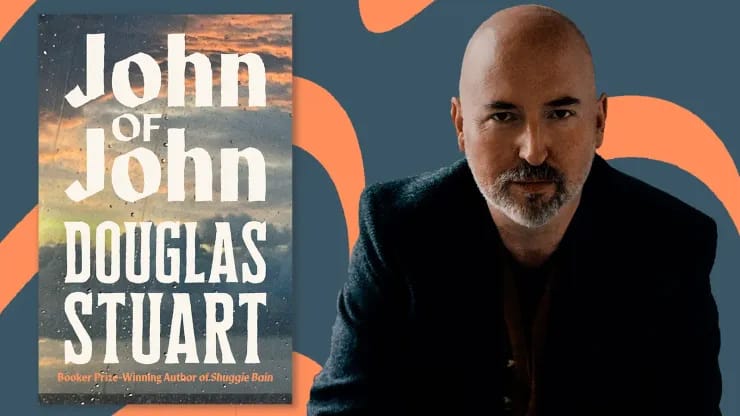
Get Douglas Stuart Books
Douglas Stuart writes tender, devastating novels about working-class Scotland, where queer love, family loyalty, and generational trauma collide in gorgeous, gut-punch prose that lingers long after the last page.
Bookshop.org was created as a socially conscious alternative to Amazon, with the goal of helping local, independent bookstores thrive. This is why Readers With Wrinkles supports their efforts. Please join us in this effort by purchasing your next read here.

Here are books you are likely to love if John of John hit the spot—each has that blend of emotional depth, gorgeous prose, and complicated lives.

Shuggie Bain by Douglas Stuart
Stuart’s Booker Prize winner follows a tender, determined boy growing up with his alcoholic mother in 1980s Glasgow, pairing brutal poverty with aching, stubborn love in a way that feels both unsparing and deeply humane.
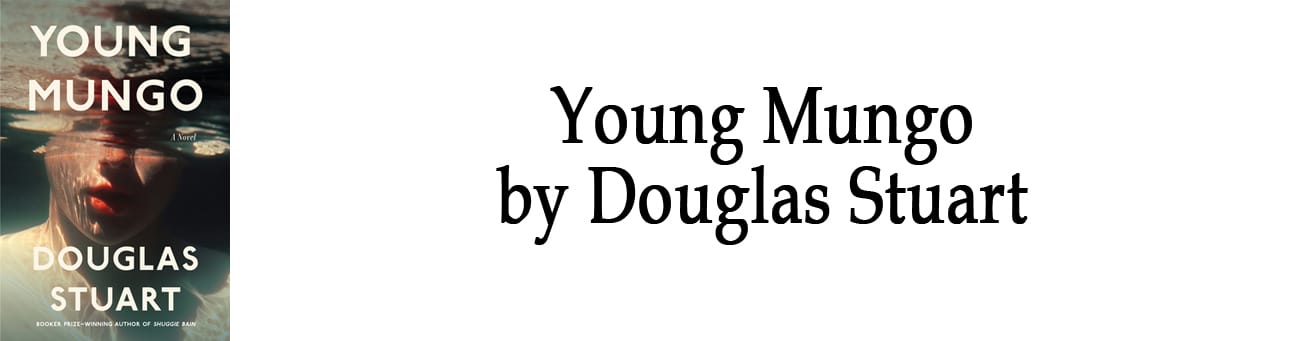
Young Mungo by Douglas Stuart
Set in working-class Glasgow, this novel traces a dangerous first love between two teenage boys from rival Protestant and Catholic communities, weaving tenderness and violence together against a backdrop of sectarian tension and economic hardship.
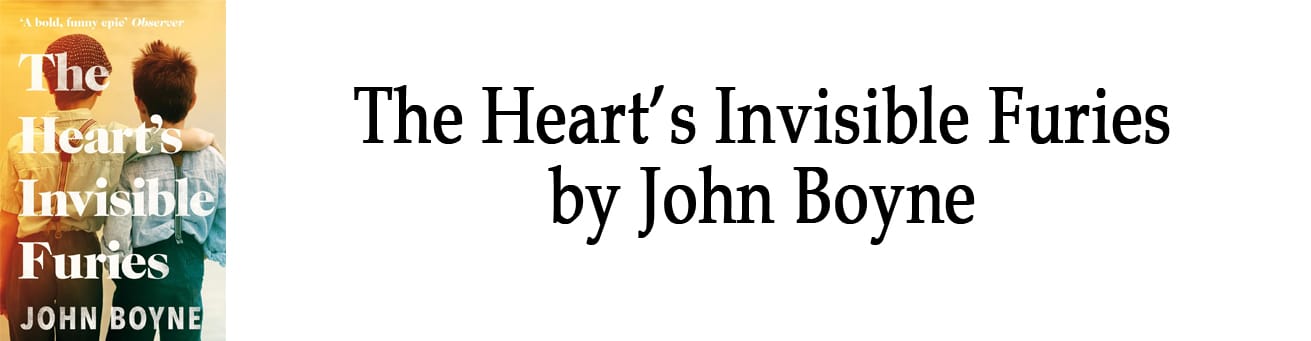
The Heart’s Invisible Furies by John Boyne
This epic follows Cyril Avery from the 1940s to the present as he navigates being gay in rigidly Catholic Ireland, blending sharp humor, heartbreak, and social critique into a life story that feels sprawling yet intimate.
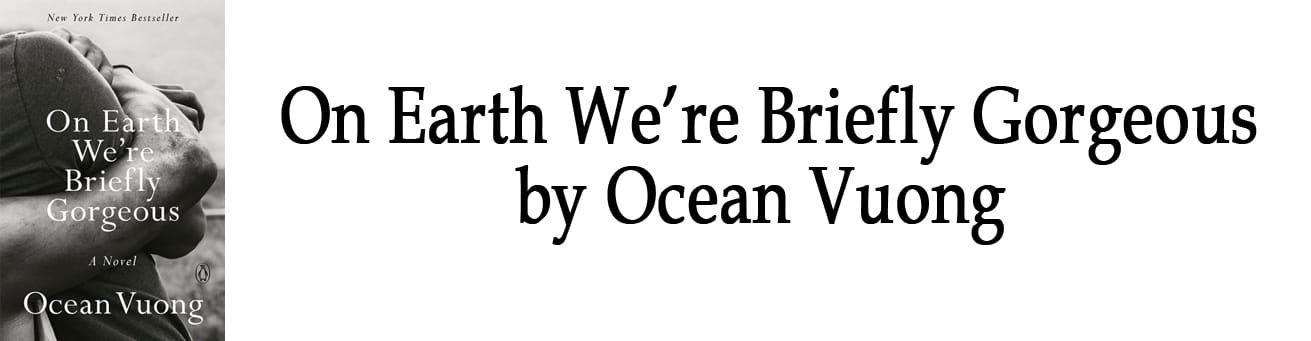
On Earth We’re Briefly Gorgeous by Ocean Vuong
Told as a letter from a son to his Vietnamese immigrant mother, this novel explores queer desire, family trauma, and class through lyrical, poetic prose that lingers on the body, memory, and the weight of inherited pain.
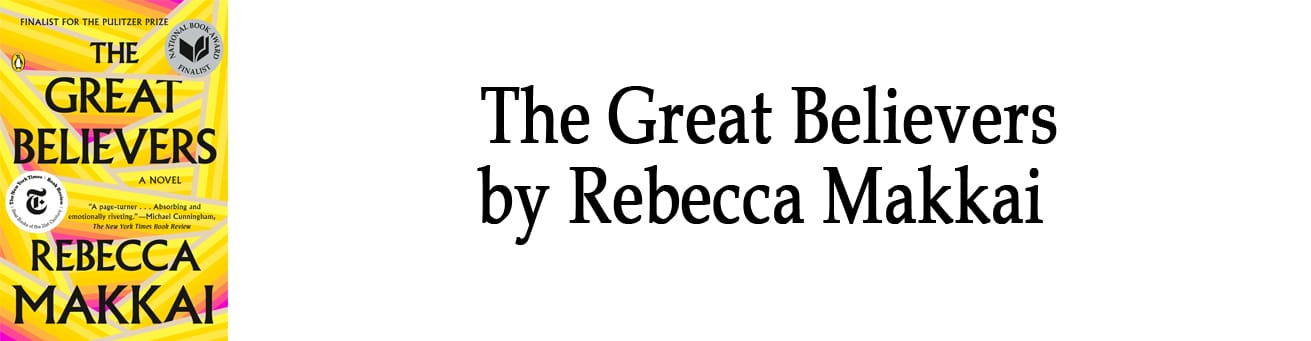
The Great Believers by Rebecca Makkai
Moving between 1980s Chicago and present-day Paris, this book follows friends, lovers, and survivors of the AIDS crisis, offering a powerful meditation on queer community, grief, and the long echo of lost futures.
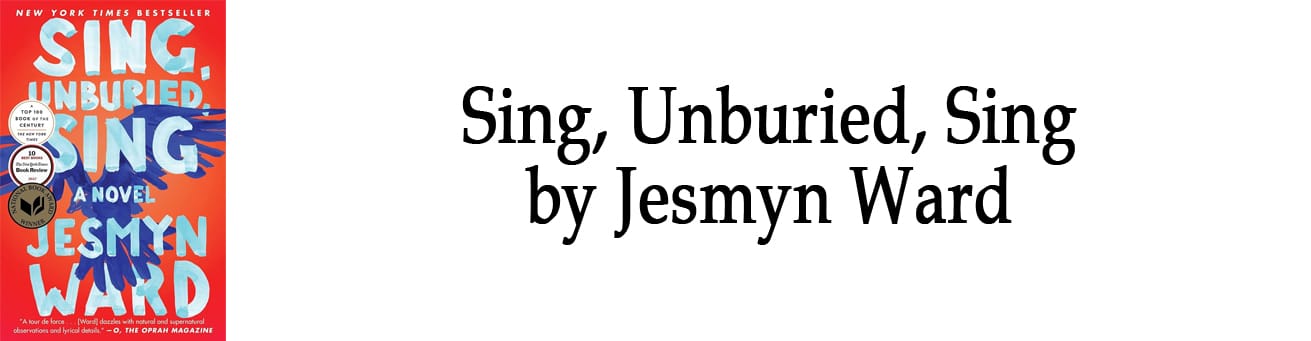
Sing, Unburied, Sing by Jesmyn Ward
Set in rural Mississippi, this multigenerational story follows a boy on a fraught road trip to retrieve his incarcerated father, blending realism and the supernatural to explore racism, family wounds, and the ghosts of the past.
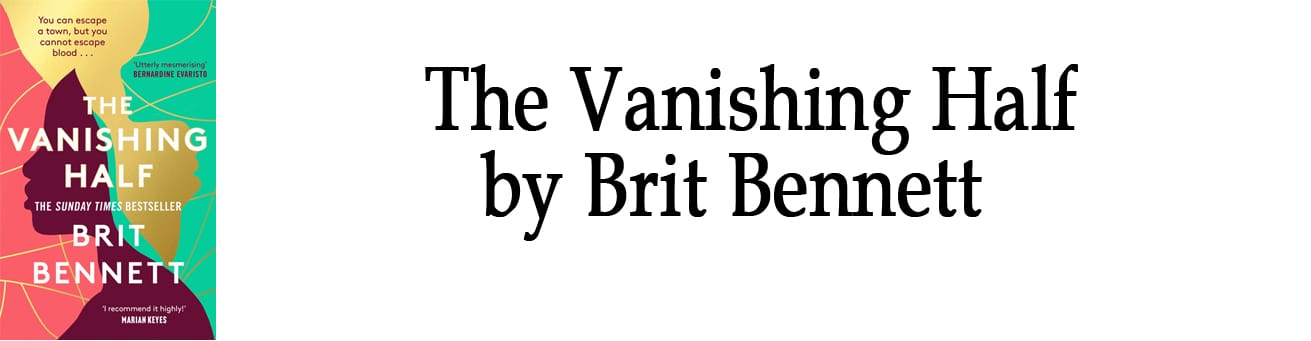
The Vanishing Half by Brit Bennett
When twin sisters from a Black Southern town choose very different paths—one passing as white, the other remaining rooted in her community—their lives and those of their daughters intertwine in a nuanced story about identity, secrecy, and reinvention.
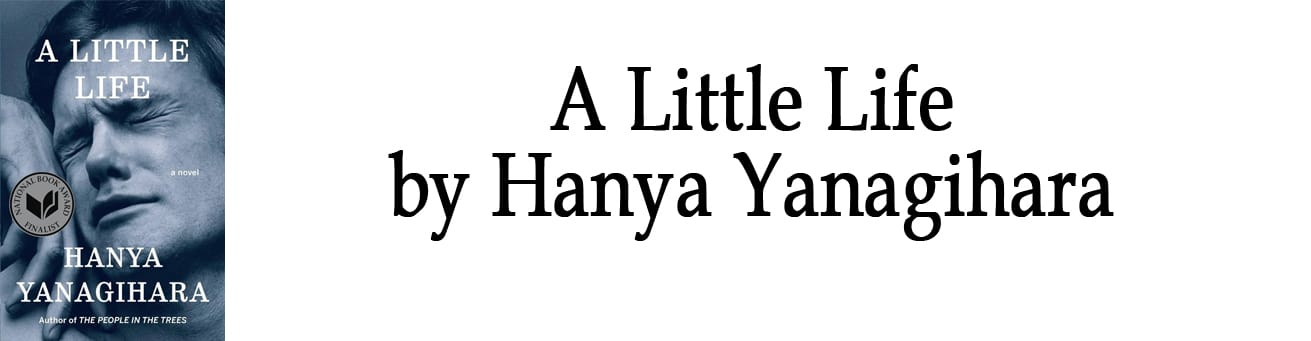
A Little Life by Hanya Yanagihara
Centered on four college friends in New York City, this intense, emotionally heavy novel delves into trauma, friendship, queerness, and care over decades, offering a devastating portrait of how the past clings to even the most outwardly successful lives.

Paid Subscriber Perk!
Love the book we just reviewed? Paid subscribers can now download an exclusive printable list of books with a similar vibe—perfect for planning your next read or curating your book club’s picks. It’s a handpicked, beautifully designed list guide you won’t find anywhere else.
Unlock your next favorite reads—become a paid subscriber today to get instant access to these printable book lists!
Comments