
- Date Published:
August 4, 2026 - Length:
208 pages—Listening Time: 3 hours 12 minutes - Genre:
Fiction, Contemporary Fiction, Magical Realism - Setting:
Present day, in an unnamed fictional coastal country - Awards
#1 top pick for the August 2026 Indie Next List. Because Etna was released last week, it has not yet completed a full annual cycle of major literary awards. However, it arrives with a massive amount of prestige due to Paul Yoon's highly decorated background as a fiction writer. - Languages:
English - Sensitive Aspects:
War and its aftermath, combat and wartime violence, injuries and broken bodies, death and grief, animal loss, a dog being taken from his home and used as a military weapon, animal endangerment, trauma and displacement, destruction of communities and landscapes, cruelty and dehumanization, abandonment, emotionally distressing depictions of survival and loss - Movie
As of August 2026, there are no movie adaptations announced, planned, or released for Etna. - Recommended for Book Club:
Yes

War stories rarely knock politely.
They kick down the door, track mud across the carpet, and leave you staring at the wall afterward, wondering how human beings can keep finding new ways to break one another. Etna by Paul Yoon does exactly that—but not in the way you might expect. This is not a book that relies on spectacle or bloodshed to make its point. Instead, it slips beneath your ribs with quiet precision, then punches you square in the belly with the savage reality of war and its breathtaking, infuriating senselessness.
And honestly? I’m still a little amazed by how creatively Yoon pulls it off.
The prose is beautiful—achingly so. You know those books where every sentence feels deliberate, where even the pauses carry weight? Etna is that kind of reading experience. Yoon writes with such restraint and clarity that the emotional impact lands harder. There’s no need for him to wave a giant red flag and announce, “This is tragic!” He trusts us to see it. To feel it. To sit with the awful truth that war doesn’t just reshape borders or determine who gets to write the history books; it rearranges ordinary lives until nothing familiar quite fits again.
And then there are the dogs.
Dogs have served alongside people in war efforts for centuries: carrying messages, detecting danger, locating the wounded, guarding camps, offering companionship in places where tenderness can seem almost impossible. They’ve been treated as soldiers, tools, mascots, and, at their best, reminders of the loyalty and innocence that war so casually devours. Isn’t that heartbreaking in itself? We ask these animals—creatures who greet us like we’re the best thing that’s ever happened—to walk into humanity’s worst instincts with us.
In Etna, the presence of a dog sharpens the story’s emotional edge. It asks us to look at conflict from an angle we may not be prepared for, stripping away the familiar language of heroism and strategy. What remains is vulnerability. Dependence. Fear. The fragile, stubborn desire to protect something when protection feels almost absurd.
If you’re looking for a book that treats war as a backdrop for grand adventure, this may not be your stop. But if you’re willing to read something exquisitely written, quietly devastating, and far more powerful than its pages might initially suggest, keep going. Paul Yoon has written a novel that doesn’t simply tell you war is senseless.
It makes you feel the bruise.

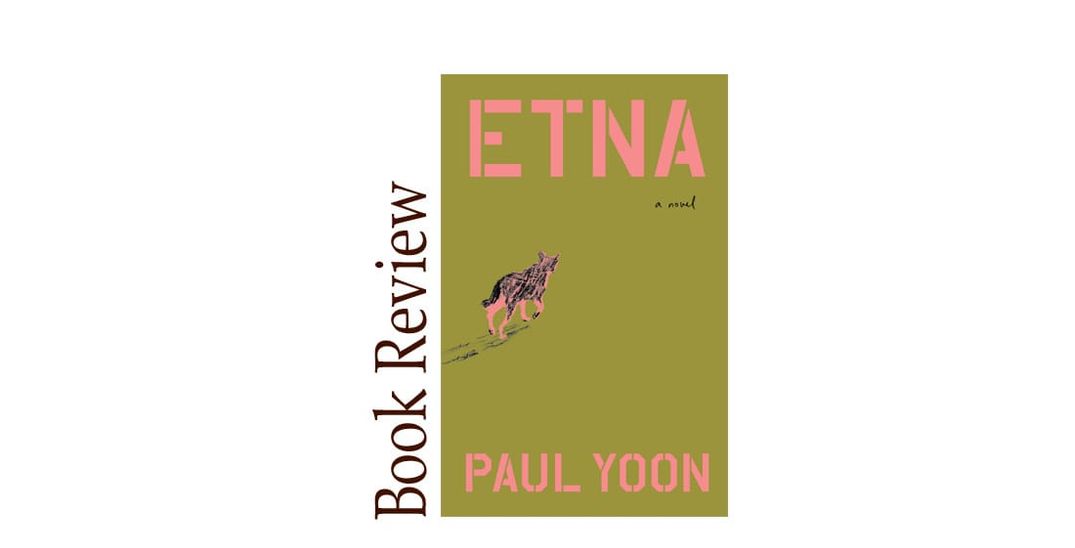
Etna is a haunting, deeply moving novel about a dog trying to find his way home after war has changed everything. Told through the eyes of Etna—a shepherd mix taken from his peaceful coastal farm and trained to serve in an unnamed country’s brutal conflict—it’s a story that turns a familiar “dog journey” premise into something far more profound.
Before he becomes a military dog, Etna’s world is small in the best possible way: his mother, his siblings, the farm, the smells of the coast, and the quiet rhythm of ordinary days. Then war arrives, as war so often does, with no regard for who is ready—or who has anything to do with the fighting. Etna is taken away and trained to assist soldiers, learning skills that place him directly in the middle of human violence.
After years of service, Etna makes a choice that will feel instantly relatable to anyone who has ever longed for the safety of a place they can barely remember: he wants to go home. Not necessarily because he knows what he’ll find there, but because the idea of home has become the one steady thing he can still hold onto.
What follows is an odyssey through a country scarred by conflict. Along the way, Etna encounters people and animals who are also trying to survive, rebuild, and figure out whether life can ever resemble “normal” again. The novel asks tender but piercing questions: What do we owe one another after unimaginable loss? Can trust return once it’s been broken? And what does home mean when the place you loved may no longer exist?
Readers With Wrinkles followers who love literary fiction with emotional depth should know this: Etna isn’t simply a novel about a dog in wartime. It’s a beautifully written story about displacement, loyalty, grief, and the stubborn little spark of hope that refuses to go out—even when the world has done its absolute worst.

This is the kind of book I’d press into your hands with a warning: it may hurt a little, but it’s worth it. Etna blends a canine narrator, a war-scarred journey, and lyrical literary fiction into a story that feels both intimate and unsettling. Here is why I think you will want to read Etna:
You’ve loved a dog like family
If you’ve ever looked into your dog’s face and thought, You have no idea how much I need you, Etna will get under your skin quickly. His perspective makes the story feel immediate and vulnerable, reminding us that loyalty isn’t always loud or complicated—it can be as simple as continuing to look for the people and places you love.
You want literary fiction that actually makes you feel something
Some beautifully written books keep you admiring the sentences from a polite emotional distance. Etna doesn’t do polite distance. It’s poetic, yes, but it also has teeth. Paul Yoon uses spare, evocative storytelling to make the human cost of war—and its aftermath—feel painfully close.
You’re drawn to stories about home, especially when home gets complicated
Etna’s journey is rooted in the longing to return to what he knew before war disrupted it all. That longing will resonate with anyone who has changed, lost something precious, moved on reluctantly, or wondered whether the version of “home” they miss can ever truly be recovered.
You appreciate a book that doesn’t treat war like entertainment
This isn’t a chest-thumping battlefield tale or a neat hero’s journey with a shiny bow at the end. Through Etna’s eyes, war is confusing, cruel, and deeply senseless—the way it is for those caught in it without power or explanation.
You enjoy unconventional narrators with a real purpose
A dog narrator might sound like a clever hook—and it is—but Yoon uses it for something far more meaningful than novelty. Etna’s viewpoint sidesteps political speeches and moral grandstanding, bringing readers closer to the instincts that survive catastrophe: fear, hunger, attachment, grief, and hope.
You like books that give you plenty to discuss after “The End”
Book-club readers, this one has your name on it. You’ll have questions about loyalty, survival, human responsibility, memory, and whether innocence can endure in a world built to crush it. This is not a read-it-and-forget-it novel; it’s a close-the-book-and-stare-into-space-for-a-minute novel.
You believe hope matters more when it isn’t easy
Etna doesn’t pretend that love fixes war or that one brave creature can erase devastation. Instead, it finds meaning in the small, stubborn acts of connection that remain. And sometimes, when life feels especially heavy, that’s exactly the kind of story we need.

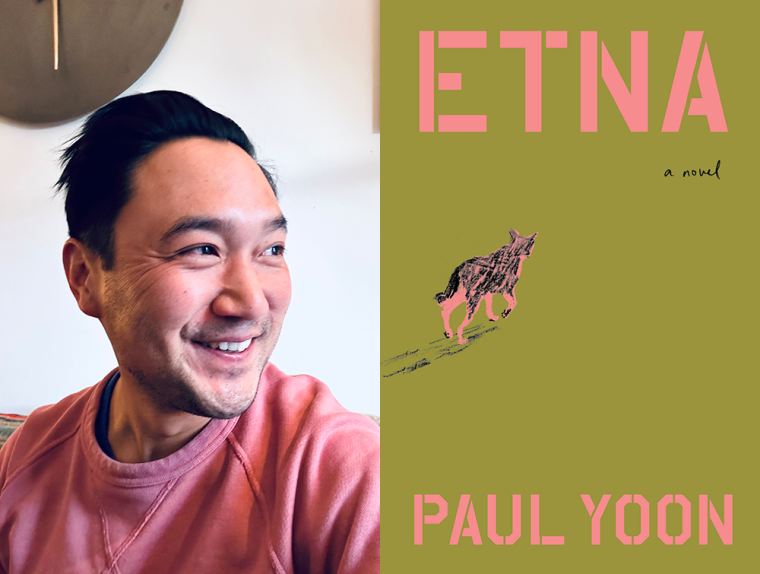
Get Paul Yoon Books
Paul Yoon’s books are exquisitely written, deeply human journeys through war, displacement, love, and belonging—stories that whisper at first, then stay with you long after you’ve turned the last page.
Bookshop.org was created as a socially conscious alternative to Amazon, with the goal of helping local, independent bookstores thrive. This is why Readers With Wrinkles supports their efforts. Please join us in this effort by purchasing your next read here.

No book can replicate Etna’s particular blend of a canine narrator, war’s aftermath, and quietly devastating prose—but these eight picks echo its emotional terrain: loyalty, displacement, survival, and the complicated ache of finding one’s way home.
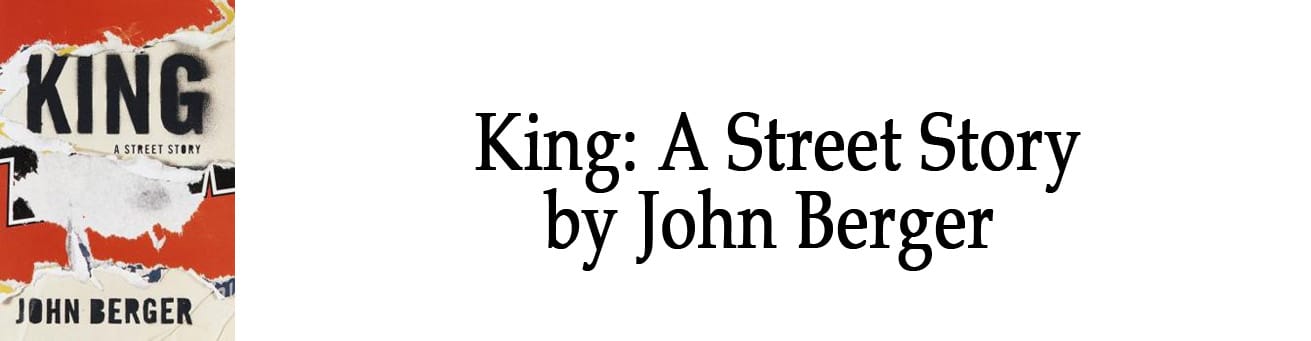
King: A Street Story by John Berger
Told by King, a stray dog living among unhoused people in a city encampment, this lyrical novel observes a community enduring poverty, memory, loss, and the indifference of the wider world. A particularly meaningful companion to Etna, it was written by Booker Prize–winning author John Berger and has been identified as a key inspiration for Paul Yoon’s canine-centered novel. Readers who appreciated Etna’s watchful, tender perspective will love how King’s canine viewpoint reveals human dignity and devastation without ever feeling sentimental.
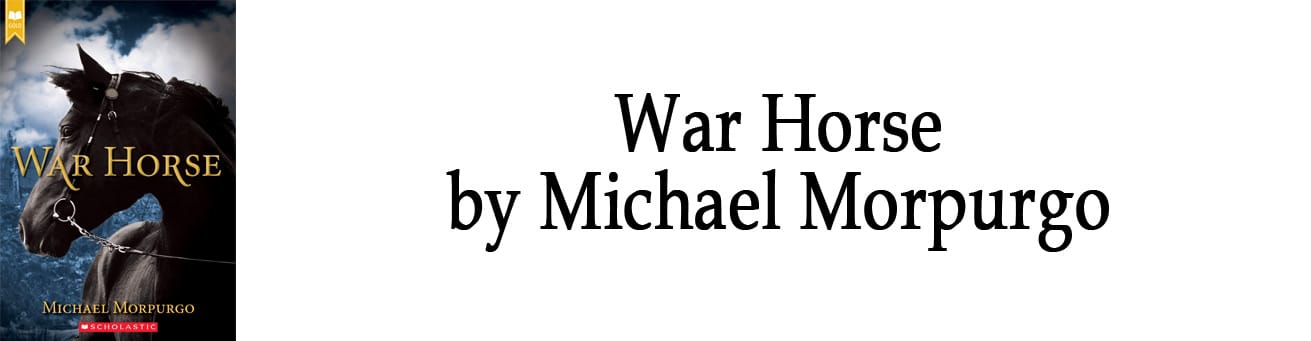
War Horse by Michael Morpurgo
Joey, a farm horse sold into military service during World War I, passes through the hands of soldiers on both sides while a young boy searches desperately to bring him home. Its stage adaptation became an international phenomenon, winning five Tony Awards including Best Play, and the story was later adapted into a Steven Spielberg film. If Etna’s journey made you think about the animals swept into human violence, Joey’s story will break your heart in a remarkably similar—and deeply unforgettable—way.
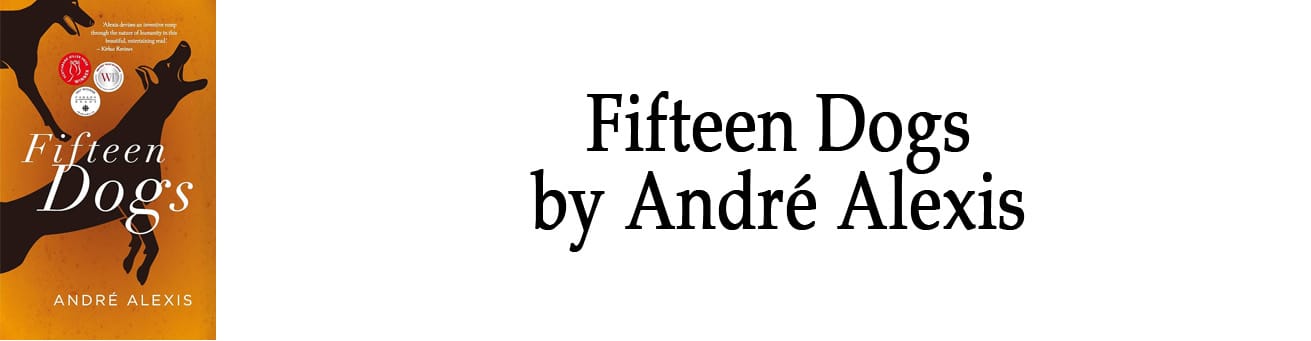
Fifteen Dogs by André Alexis
After the gods Apollo and Hermes grant fifteen Toronto dogs human consciousness and language, the dogs must navigate the strange gifts and painful complications of becoming more human. The novel won the 2015 Scotiabank Giller Prize and the Rogers Writers’ Trust Fiction Prize, then went on to win Canada Reads in 2017. Readers who loved seeing the human world refracted through Etna’s eyes will find this philosophical, funny, and surprisingly brutal exploration of canine consciousness irresistible.
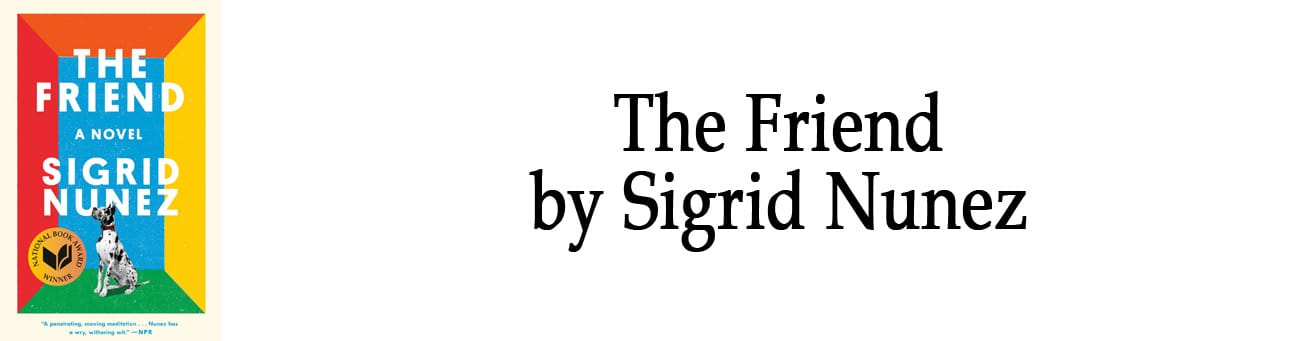
The Friend by Sigrid Nunez
After her closest friend and mentor dies by suicide, a writer unexpectedly becomes responsible for his enormous Great Dane, Apollo, while grieving both the man and the complicated life he left behind. The Friend won the 2018 National Book Award for Fiction and was a finalist for the 2020 Dublin Literary Award. Like Etna, this is a book for readers who understand that an animal’s companionship can carry us through grief when human language simply isn’t enough. The Friend is part of the Paws, Pages, and Plot Twists series, and the full review is coming.
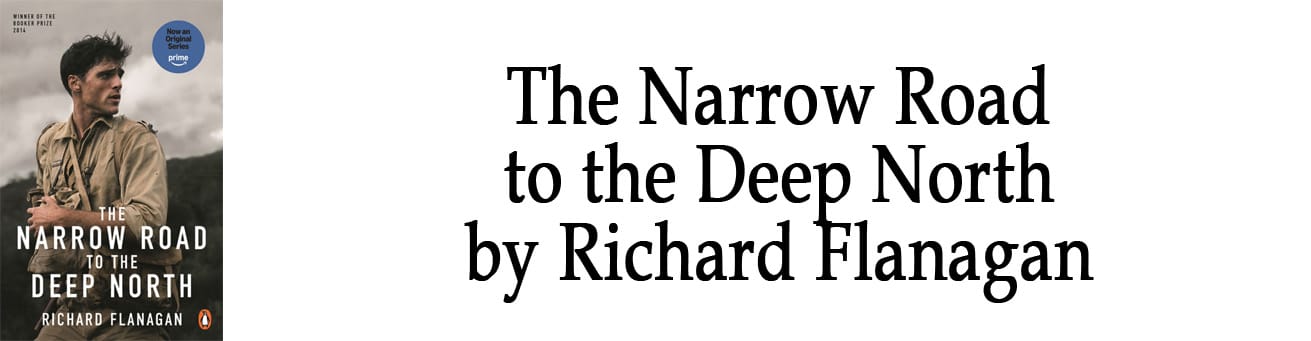
The Narrow Road to the Deep North by Richard Flanagan
This sweeping novel follows Australian surgeon Dorrigo Evans before, during, and after his imprisonment in a Japanese POW camp on the Thailand-Burma Death Railway during World War II. It won the 2014 Man Booker Prize, with judges praising its extraordinary prose and its powerful treatment of love, war, guilt, and heroism. Readers who responded to Yoon’s refusal to romanticize conflict will appreciate Flanagan’s equally unflinching look at war’s cruelty and the emotional wreckage it leaves behind.
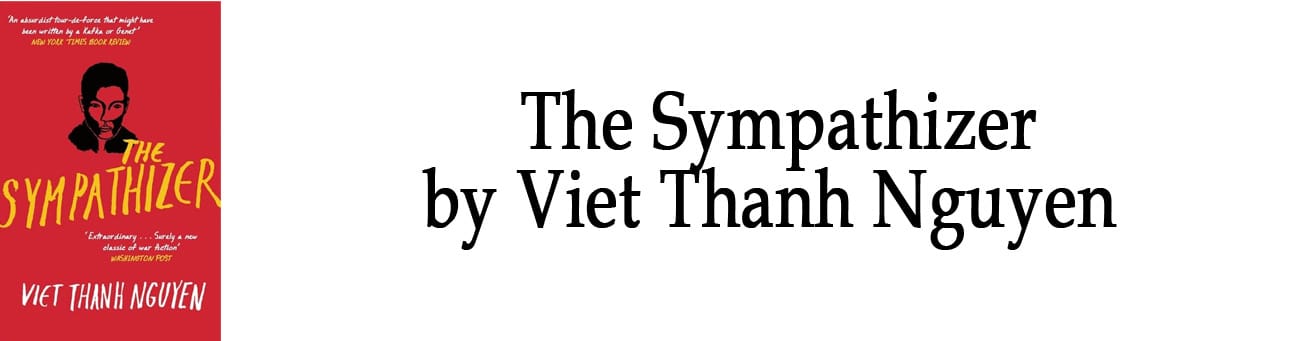
The Sympathizer by Viet Thanh Nguyen
In the aftermath of the Vietnam War, a South Vietnamese army captain living in Los Angeles secretly reports back to the Viet Cong while struggling with divided loyalties and a fractured identity. Nguyen’s debut won the 2016 Pulitzer Prize for Fiction, the Edgar Award for Best First Novel, and the Andrew Carnegie Medal for Excellence in Fiction. If Etna made you hungry for a war story that questions easy ideas of allegiance, innocence, and heroism, this sharp, darkly funny, emotionally knotty novel is a must-read.
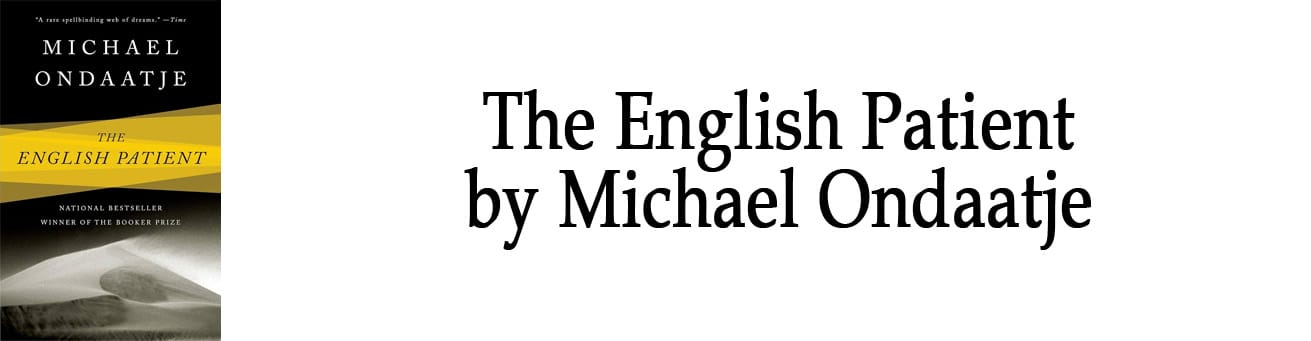
The English Patient by Michael Ondaatje
Set in an abandoned Italian villa near the end of World War II, this novel brings together four damaged strangers whose stories of love, identity, betrayal, and survival slowly intertwine. It won the 1992 Booker Prize and later received the Golden Man Booker Prize, selected by readers as the best Booker-winning novel from the award’s first fifty years. Readers who loved the beauty and restraint of Etna will likely fall hard for Ondaatje’s luminous prose and his haunting portrait of lives permanently altered by war. Read my full review here.
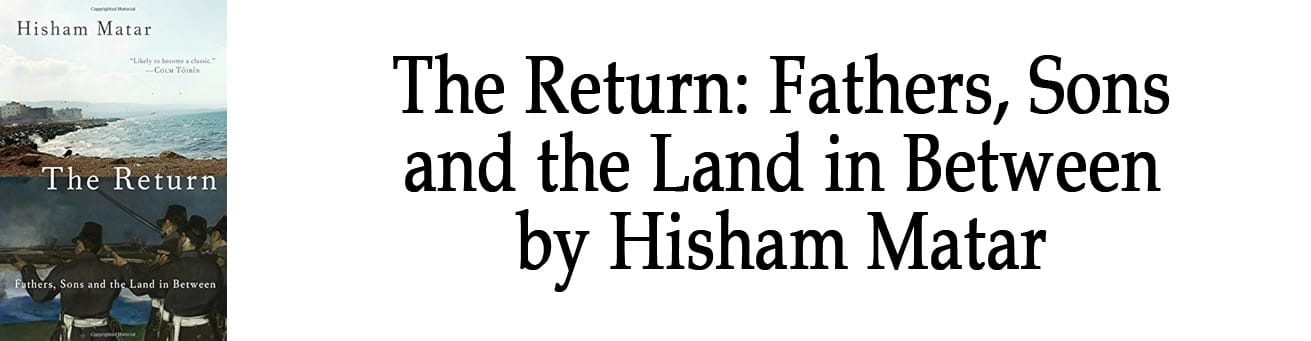
The Return: Fathers, Sons and the Land in Between by Hisham Matar
In this memoir, Hisham Matar returns to Libya after the fall of Gaddafi to search for answers about his father, a political dissident who was abducted and disappeared decades earlier. It won the 2017 Pulitzer Prize for Biography, the Rathbones Folio Prize, and the PEN/Jean Stein Book Award. For readers most moved by Etna’s longing for home after devastation, Matar’s exquisitely written meditation on exile, memory, and impossible return will land with particular force.
Paid Subscriber Perk!
Love the book we just reviewed? Paid subscribers can now download an exclusive printable list of books with a similar vibe—perfect for planning your next read or curating your book club’s picks. It’s a handpicked, beautifully designed list guide you won’t find anywhere else.
Unlock your next favorite reads—become a paid subscriber today to get instant access to these printable book lists!
Comments