
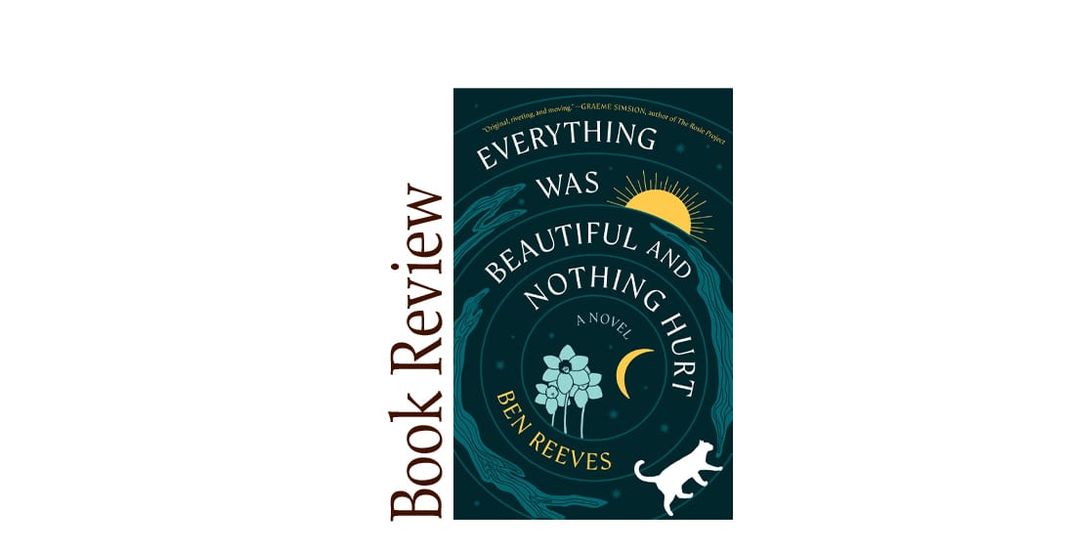
I received an audiobook version of this novel courtesy of Simon and Schuster. This book officially launches tomorrow, July 7th.
- Date Published:
July 7, 2026 - Length:
256 pages—Listening Time: 7 hours 37 minutes - Genre:
Fiction - Setting:
Present day, in a nondescript small town - Awards
International Bath Novel Award 2024 (under the title Dance of the Mayflies) - Languages:
English - Sensitive Aspects:
Death, grief, terminal illness, child endangerment, single parent struggling, depression, suicidal thoughts, car accident, hospital scenes, medical emergencies, emotional cruelty, neglect, traumatic loss, existential dread, discussions of the afterlife, spiritual questioning, loneliness, anxiety, poverty and financial stress, complex family dynamics, vignettes of strangers’ deaths, graphic emotional pain, reflections on mortality, dark humor around death - Movie
There is currently no official movie adaptation for Everything Was Beautiful and Nothing Hurt. - Recommended for Book Club:
Yes!

There are books you go looking for, and then there are books that somehow find you—quietly, persistently, almost like they’ve been waiting for the exact moment you’re ready to hear what they have to say. This one? It found me. And once it did, it didn’t just sit on the surface—it settled in deep, the kind of story that gently but unmistakably rearranges something inside you.
I didn’t sit down with Everything Was Beautiful and Nothing Hurt by Ben Reeves—I listened to it. And I’m so glad I did. The written version isn’t easy for a traditional reader. The punctuation (or, at times, the intentional lack of it) creates a rhythm that can feel disorienting at first. You might find yourself rewinding or rereading, leaning in a little harder, trying to catch the emotional undercurrent between the lines. But stay with it. Seriously. Because what unfolds is something extraordinary.
This story is raw in a way that sneaks up on you. Not loud, not performative—but deeply, quietly devastating and oh, so real. It’s the kind of emotional gut punch that doesn’t knock you over all at once. Instead, it lingers. It settles in your chest. It asks you to feel things you might not be entirely ready to feel… and somehow does it with a kind of gentleness that feels almost like being understood.
Have you ever finished a book and just sat there for a minute, unsure what to do with yourself? That was me here. I swear, at the end, Ben Reeves reached his brilliant arms right through the words on the page (or in my case, the phone) and hugged me. And it was not just a simple, reassuring "there, there" pat on the back. It was a deep, soothing embrace that I didn't want to end. What a gift.
There’s a reason this novel—originally titled The Dance of the Mayflies—won the 2024 Bath Fiction Award. Reeves has this uncanny ability to capture the fragility of being human without dressing it up or softening the edges too much. It’s honest. It’s profound. And somehow, even in its heaviest moments, it carries a thread of quiet beauty.
I don’t say this lightly: I recommend this book to everyone. Not because it’s easy, but because it matters. It's the kind of story you didn’t know you needed.
Travis Smith is Death, but not the hooded, skeletal version you’re picturing. He’s a quiet man in a small English town, wearing jeans, living in a modest flat with his cat, and clocking in to do the job nobody else can: walking with people as they leave this world and step into whatever comes next. He moves through hospital corridors, accident scenes, bedrooms, and care homes, witnessing final moments with a kind of steady, almost bureaucratic tenderness. He doesn’t judge, doesn’t interfere, and doesn’t allow himself to feel too much. That’s the deal.
Everything shifts when he meets Dalia, a young single midwife who spends her days on the other side of the life-death door, quite literally catching new beginnings. Dalia is exhausted, stubbornly kind, and holding her little family together with coffee, grit, and sheer love for her eight‑year‑old daughter, Layla, and toddler, Neda. Layla, noisy and bright and endlessly curious, barges into Travis’s carefully controlled existence like a sunbeam through blackout curtains.
As Travis grows closer to Dalia and Layla, the rules of his work begin to chafe. He’s supposed to be an observer, a constant, not a participant. But proximity to this small, unremarkable-on-paper family forces him to see what is so achingly remarkable about being alive: the burnt toast mornings, the school-gate worries, the inside jokes, the way a child’s hand finds yours without looking. He starts to understand, in ways he’s never allowed himself to, what is truly lost each time he gently guides someone out of the world.
Threaded through Travis’s evolving relationship with Dalia and Layla are vignettes of other deaths: strangers whose stories flicker in and out like mayflies, brief and heartbreaking and strangely beautiful. These moments widen the lens, reminding us that while the novel stays rooted in one town and one family, it’s really talking about all of us—our tiny urgencies, our big regrets, our last words (or lack of them).
By the time the story crescendos toward its inevitable choices—because a book about Death is always, on some level, a book about what we’re willing to lose—you’re not just invested in whether Travis can bend the rules. You’re asking yourself quieter, harder questions: If everything comes to an end, what truly holds significance in the interim? What does a meaningful life look like from the perspective of the one who sees them all?

You know I don’t say “everyone should read this book” very often. But this one? This one feels like it has "you" written all over it. Here are some reasons I think Readers With Wrinkles folks will click with this book:
You’ve lived enough life to appreciate a story about Death that is really about life
This book isn’t morbid for shock value; it’s about what it means to keep going, to love people who will eventually leave, and to know, in your bones, that every ordinary moment is on a timer. It hits differently when you’ve already said a few goodbyes and know that grief isn’t theoretical—it’s personal.
You’re not afraid of feelings that don’t come with a tidy Hallmark bow
This story is raw, layered, and emotionally gut-punching, but it never tips into manipulation. It lets the hard stuff sit: regret, fear, tenderness, the weird humor that sneaks into even the worst days. If you’re tired of books that flirt with big emotions but then back off, this one actually goes there—gently, but honestly.
You appreciate complicated, imperfect, deeply human characters
Travis as Death is one of those characters who will stick with you long after you’re done listening. He’s not grand or flashy; he’s awkward, observant, and quietly learning what it means to care. Dalia and Layla feel like real people you might bump into at the grocery store—sleep‑deprived, loving, hanging on by a thread and a snack bag. They’re not symbols; they’re people you root for.
You like books that trust you to keep up
The structure, the punctuation, and the rhythm—especially in print—ask you to lean in. It might feel strange at first, especially if you’re used to very “clean,” conventional prose. But that slightly disorienting style mirrors the subject: life and death are messy, conversations blur, thoughts overlap. If you enjoy books that respect your attention and don’t explain everything three times, this will feel like a good challenge.
You want to feel both devastated and strangely comforted
This is one of those rare books that breaks your heart and still manages to leave you with a sense of quiet hope. Not “everything happens for a reason” hope—more like “we’re all stumbling through this together and the small moments mattert” hope. If you’re drawn to stories that make you cry a little and then sit there thinking, “Okay… but that was worth it,” this belongs on your list.
You enjoy fiction that doubles as a long, late-night conversation
This book feels less like plot fireworks and more like someone sitting across from you saying, “Here’s what I’ve noticed about being alive.” It invites you to mull, to pause, to remember your own losses and joys. It’s perfect for book clubs because you don’t just talk about what happened—you talk about yourself, your choices, your beliefs.
You’re looking for a book that lingers
Some stories are great while you’re in them but then evaporate the minute you close the cover (or pull out your earbuds). This one hangs around. It shows up when you’re brushing your teeth or watching someone you love do something completely mundane. It quietly asks, “Are you paying attention?” And you’ll find yourself answering, “More now than I was before.”

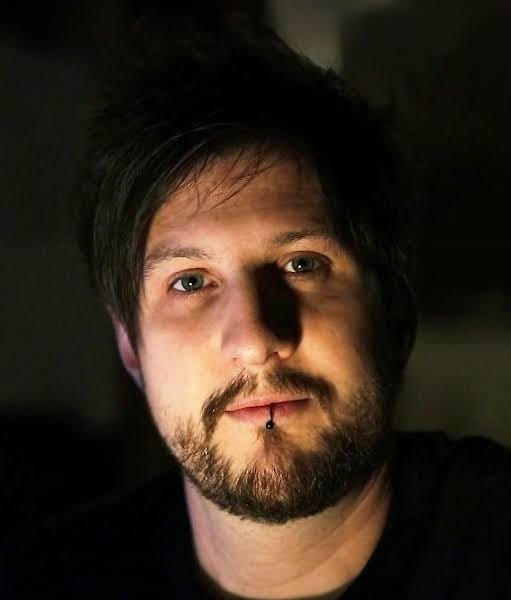
Ben Reeves, author of Everything Was Beautiful and Nothing Hurt
A quietly dvastating, beautifully humane novel about Death in jeans who falls into the orbit of a exhausted midwife and her fierce young daughter, Everything Was Beautiful and Nothing Hurt is a raw, tender, and profoundly moving reminder of why being alive—messy, painful, ordinary as it is—still matters.
Bookshop.org was created as a socially conscious alternative to Amazon, with the goal of helping local, independent bookstores thrive. This is why Readers With Wrinkles supports their efforts. Please join us in this effort by purchasing your next read here.

Here’s a list of read‑alikes for Everything Was Beautiful and Nothing Hurt.
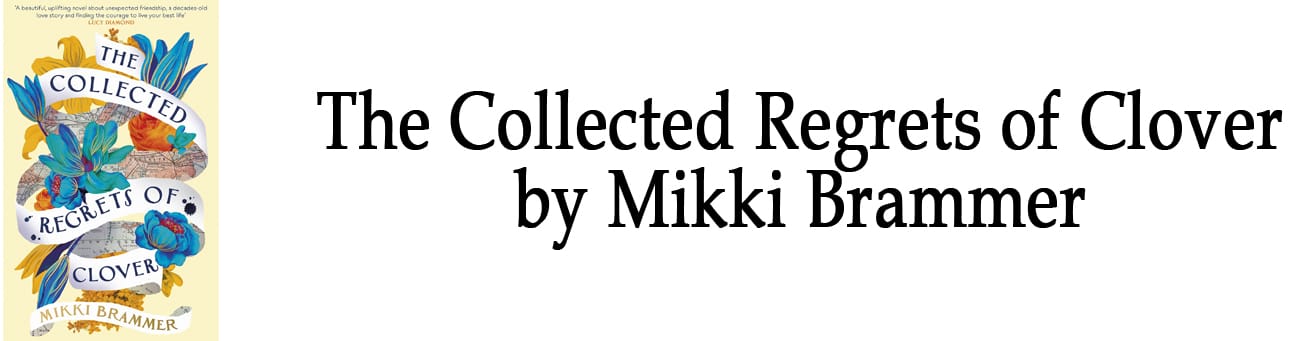
The Collected Regrets of Clover by Mikki Brammer
Clover is a death doula who spends her time at the bedsides of strangers, collecting their last words, regrets, and stories while quietly avoiding her own life. The book is gentle, introspective, and full of small, luminous moments about what it means to live well in the shadow of death. Readers who connected with Travis’s work guiding people out of the world—and the way it slowly reshapes his understanding of living—will appreciate Clover’s journey toward letting all those endings push her into a beginning of her own.
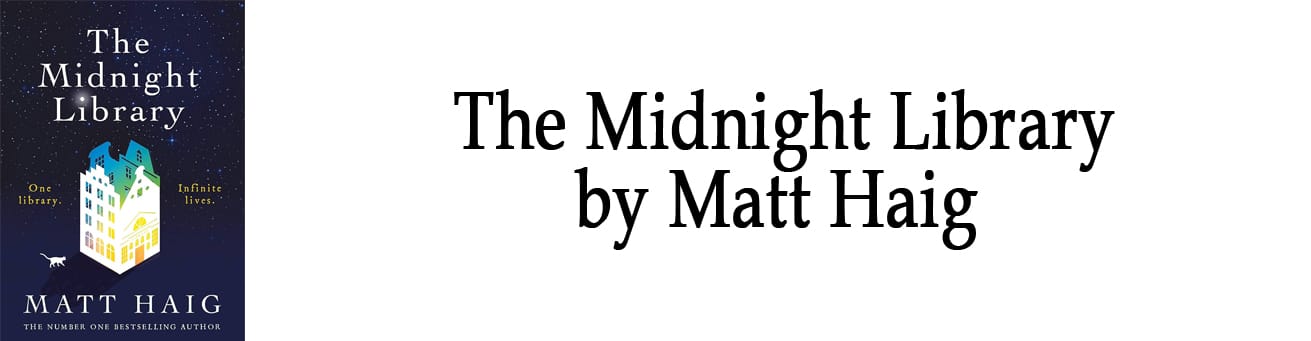
The Midnight Library by Matt Haig
Nora Seed, stuck between life and death, finds herself in a library where every book contains a version of her life if she’d made different choices. As she “checks out” possible lives, she’s forced to confront regret, meaning, and the quiet value of the life she actually lived. If you loved the philosophical undercurrent of Everything Was Beautiful and Nothing Hurt—that mix of speculative setup with deeply human questions about purpose and mortality—this scratches the same itch in a more overtly high-concept way.
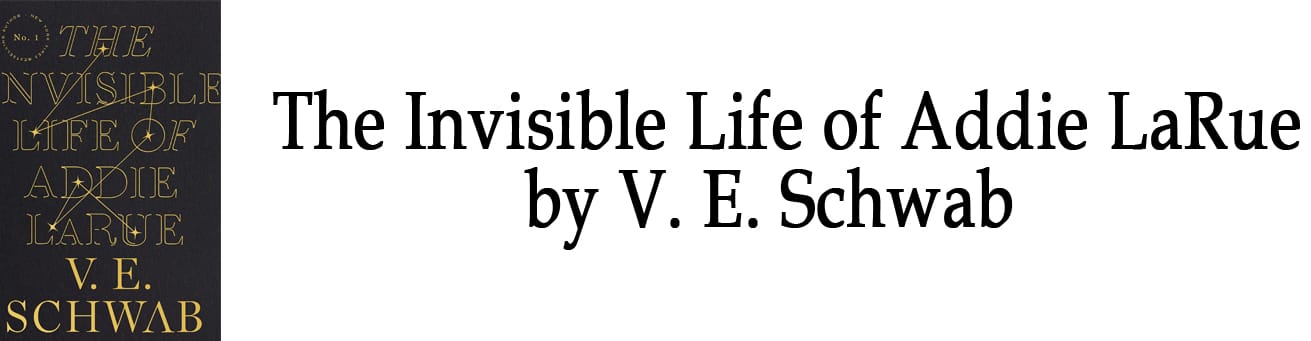
The Invisible Life of Addie LaRue by V. E. Schwab
Addie makes a Faustian bargain for immortality and is cursed to be forgotten by everyone she meets, wandering through centuries as a kind of living ghost. The novel is suffused with longing, loneliness, and the fierce desire to leave a mark on a world that can’t hold onto you. Readers who were moved by the book’s blend of magic‑adjacent realism, aching introspection, and the focus on what makes a single human life meaningful will find a similarly bittersweet, atmospheric experience here.
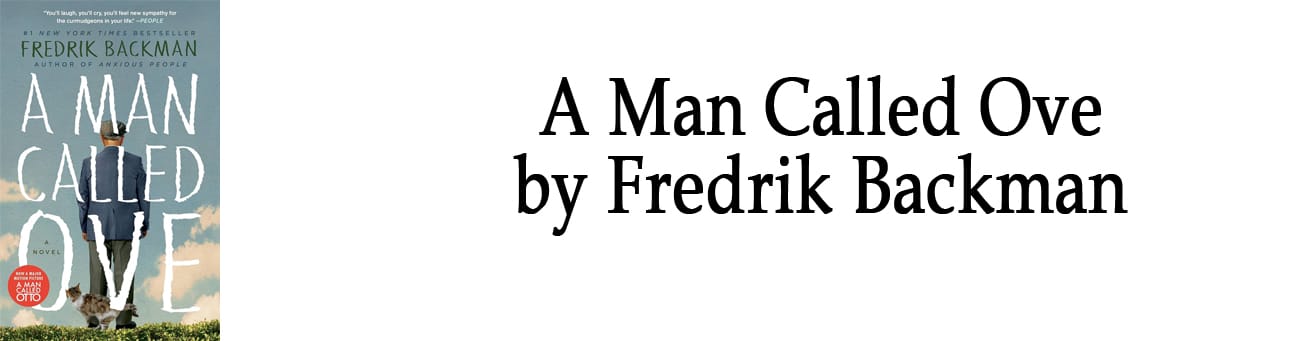
A Man Called Ove by Fredrik Backman
Ove is a grumpy, grieving man who’d really like to be done with life, thank you very much—until noisy neighbors and unexpected friendships keep barging in. Underneath the humor, it’s a story about grief, chosen connections, and the ways small, ordinary acts of care tether us to the world. If Dalia and Layla’s messy, everyday family life in Everything Was Beautiful and Nothing Hurt broke your heart a little and then pieced it back together, Ove’s reluctant opening to community will hit that same emotional sweet spot.
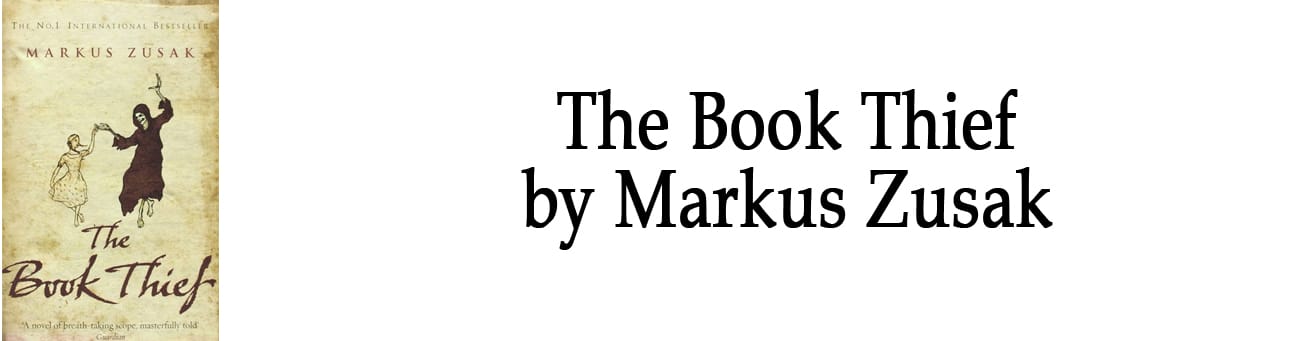
The Book Thief by Markus Zusak
Narrated by Death itself, this World War II story follows Liesel, a young girl stealing books and finding pockets of humanity in a brutal world. Death watches, comments, and sometimes almost cares too much, giving the novel its haunting, compassionate tone. Readers who loved Travis as a weary, observant, almost bureaucratic Death figure will feel right at home with Zusak’s Death—wry, tender, and shaken by the stubbornness of human love and cruelty.
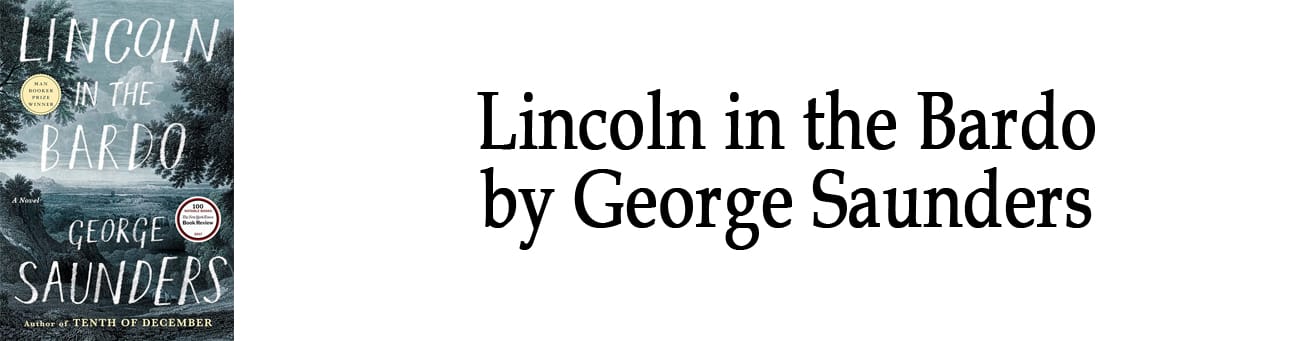
Lincoln in the Bardo by George Saunders
Set in a graveyard over the course of a single night, this novel tracks Abraham Lincoln grieving his dead son while a chorus of spirits, stuck between worlds, bicker, confess, and cling to unfinished business. The fragmented structure and overlapping voices create a strange, moving meditation on grief, attachment, and letting go. If the vignette‑style glimpses of other people’s deaths in Everything Was Beautiful and Nothing Hurt worked for you, this book’s polyphonic, experimental approach to the afterlife will feel like a bolder cousin.
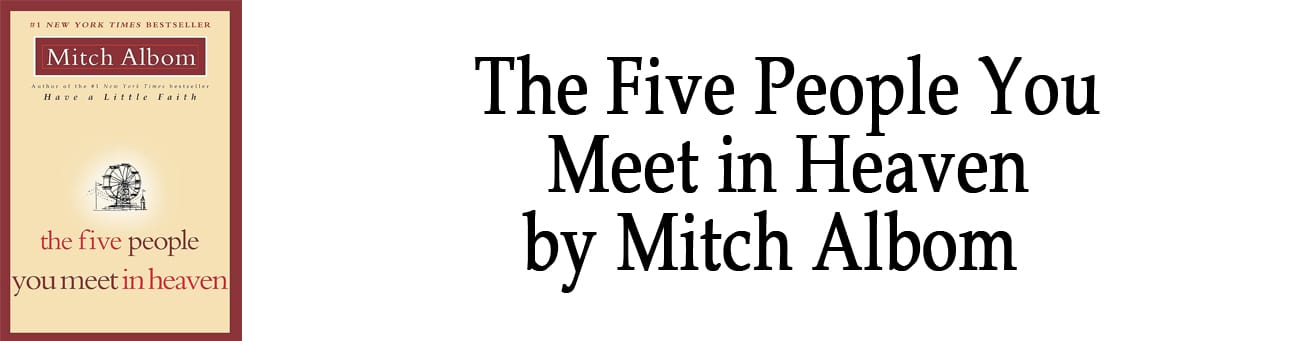
The Five People You Meet in Heaven by Mitch Albom
After a fatal accident, Eddie wakes up in an afterlife where he meets five people whose lives intersected with his in ways he never fully understood. Each encounter reframes his “ordinary” existence as something far more interconnected and significant. Readers drawn to Benn Reeves’s theme that no life is truly small—that every burnt‑toast morning and quiet kindness matters—will find a similarly reassuring, emotionally direct exploration of cause, effect, and legacy here.
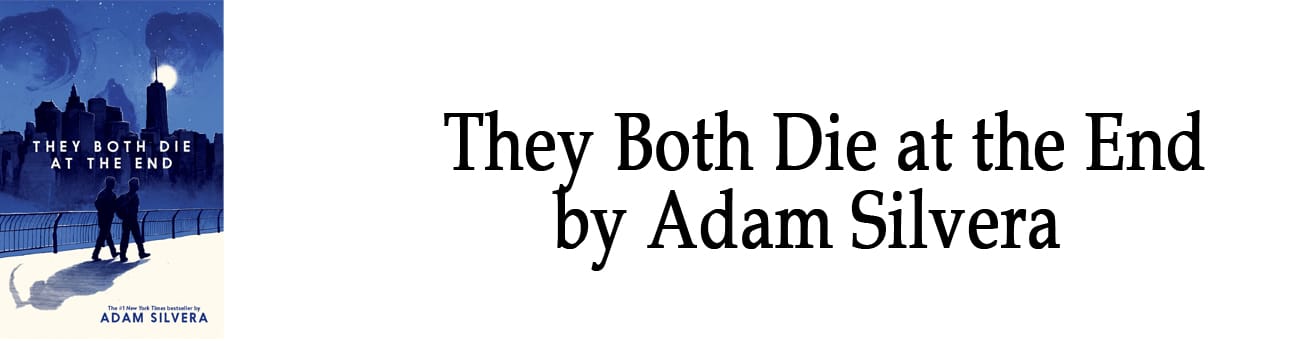
They Both Die at the End by Adam Silvera
In a near‑future world where you’re notified on the day you’re going to die, two teenage boys meet through an app designed to help “End Day” people find a companion for their final hours. What follows is a single, compressed day of connection, risk, and choosing to live fully, with the clock loudly ticking. If you were wrecked (in a good way) by the ticking‑time‑bomb tenderness in Everything Was Beautiful and Nothing Hurt—that awareness that every moment with someone is precarious—this YA novel takes that feeling and amplifies it into a raw, heart‑on‑sleeve experience.
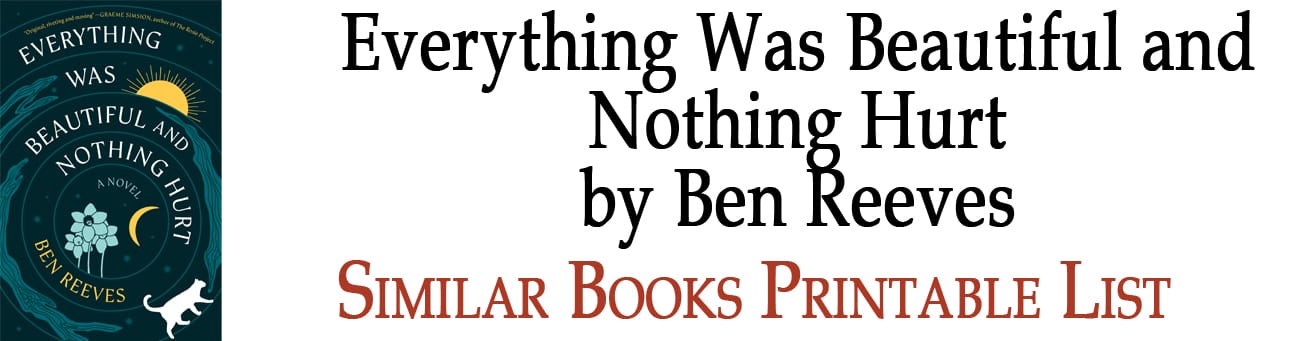
Paid Subscriber Perk!
Love the book we just reviewed? Paid subscribers can now download an exclusive printable list of books with a similar vibe—perfect for planning your next read or curating your book club’s picks. It’s a handpicked, beautifully designed list guide you won’t find anywhere else.
Unlock your next favorite reads—become a paid subscriber today to get instant access to these printable book lists!
Comments