

Table of Contents
January came in like a snow globe someone couldn’t stop shaking. One minute I was buried under a stack of thrillers, the next I was sipping tea with found families, widows, and ghosts (metaphorically… mostly). It was a month of fifteen books—some that cracked my heart open, some that whispered a secret or two, and a few that reminded me why stories are the best kind of time travel.
I began the year in Dan Brown’s The Secret of Secrets, chasing symbols through cathedrals, and somehow ended up in Charleston with Mother Emanuel, a book that demanded I pause, listen, and absorb. Somewhere between those pages, I floated on The House in the Cerulean Sea (pure joy in book form) and wrestled with moral knots in The Widow and Blood Orange. By the time I reached Emily Henry’s Great Big Beautiful Life, I was both emotionally spent and completely revived — which, to be fair, is how any good reading month should end.
Some books dazzled (looking at you, Elif Shafak and Maggie Shipstead). Others quietly crawled under my skin (Monogamy, I’m still not over you). And a few — like The Tell or Mona’s Eyes — reminded me how wonderfully unpredictable fiction can be when it refuses to color inside the lines.
Fifteen stories. Fifrteen journeys. One very caffeinated reader trying to make sense of them all. Let’s dive in — here’s what I read in January 2026, the highs, the heartbreaks, and the books that stuck like burrs on the brain.
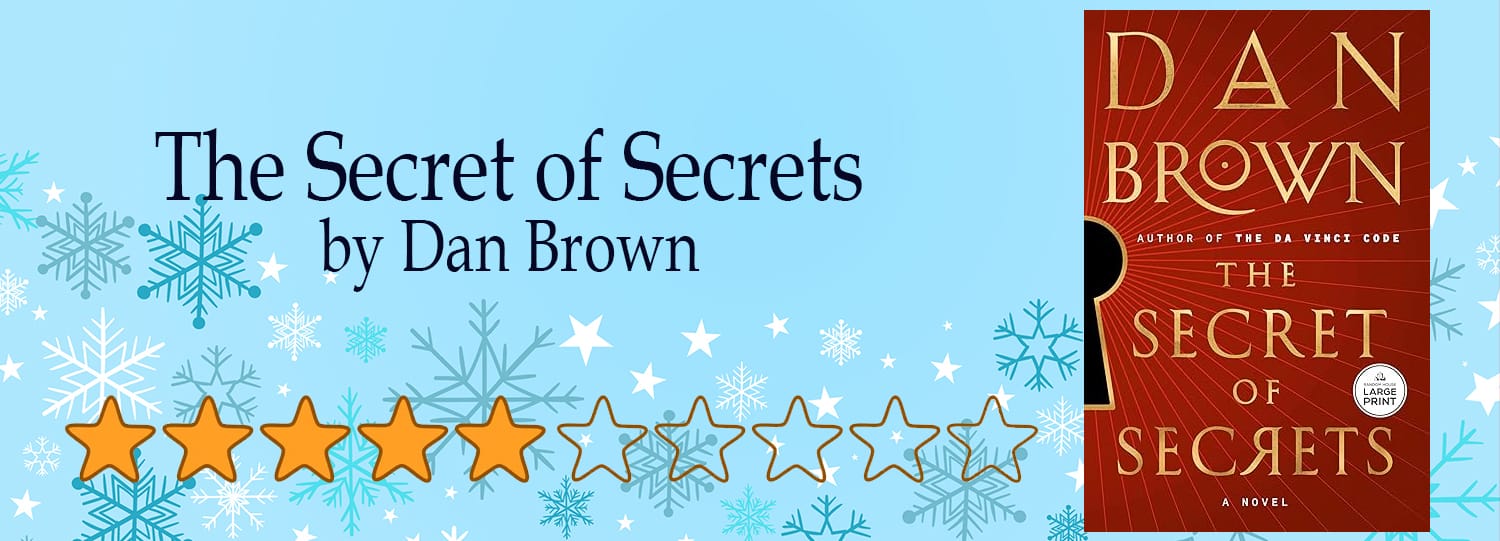
Imagine if Robert Langdon went on a brainy European vacation and you were invited along, only to realize halfway through that you kind of wish you’d stayed home and reread The Da Vinci Code instead. That, for me, is The Secret of Secrets. It’s classic Dan Brown in premise—our tweed-jacket symbologist racing through Prague, London, and New York, chasing cryptic clues tied to consciousness, secret projects, and the unsettling idea that what we think of as “reality” might be more hackable than we’d like. On paper, it sounds like exactly the sort of high-concept thriller that should keep you up too late on a weeknight.
But here’s the thing: I landed at a solid 5 out of 10. The puzzle pieces are all technically there—codes, history, shady organizations, futuristic science flirting with the metaphysical—but the magic isn’t. The stakes never quite feel real, the twists are more exhausting than exhilarating, and the emotional beats between Langdon and Katherine, who’s at the center of the mind-science plot, never fully clicked for me. Instead of that breathless “oh no I have to keep reading” momentum, I kept getting that “okay, but do I care?” feeling.
If you love Brown for his blend of airports, ancient symbols, and big theological what-ifs, this one leans harder into speculative neuroscience and noetic science, which could be fun if that’s your lane, but it made the story feel oddly floaty and less grounded than his best work. I never doubted I’d finish it—but I also never once forgot I was reading a constructed puzzle instead of getting lost in a story. So if you’re a completist, sure, add it to your list; just maybe dial down your expectations and know that, at least for me, this secret wasn’t really worth the hype.
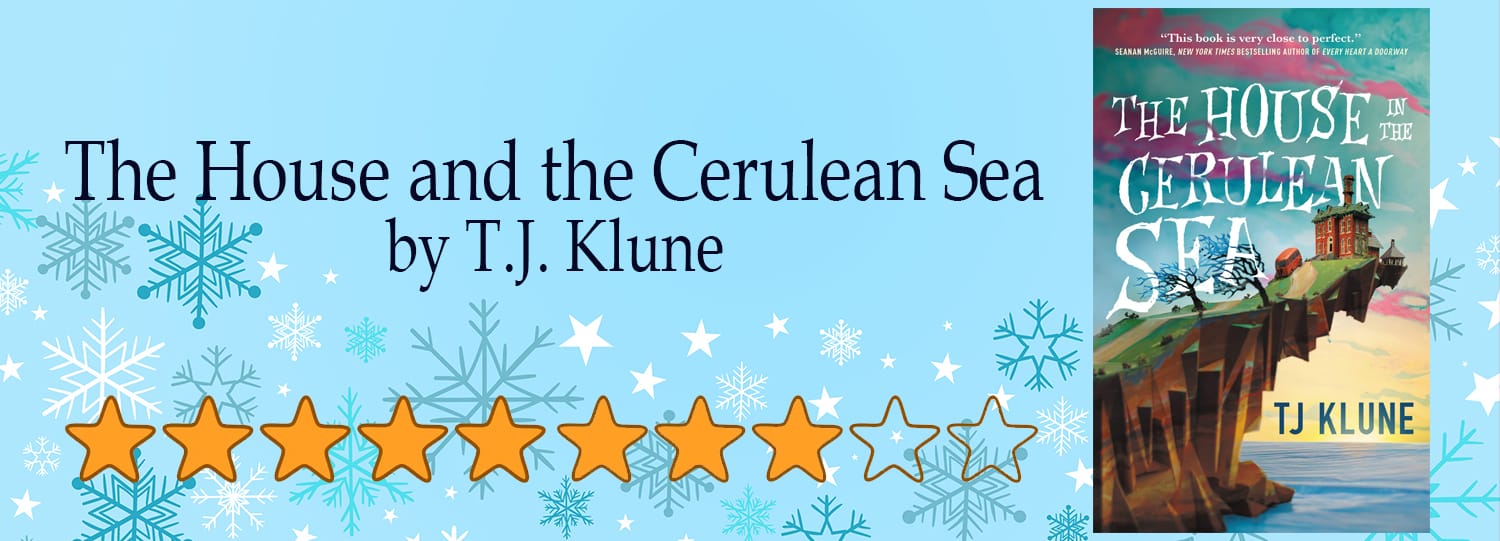
The House in the Cerulean Sea by TJ Klune was not my typical type of read—I’m usually knee-deep in moody literary fiction or historical drama—but this one completely caught me off guard. It’s whimsical and heartwarming in all the best ways, a found-family story that sneaks up on you with real emotional depth. I started it curious, maybe even skeptical, but ended up deeply moved. Klune proves that there are so many ways to deliver a profound message—sometimes it’s through quiet kindness, a bit of magic, and a home full of unlikely love. You can read my full review here.
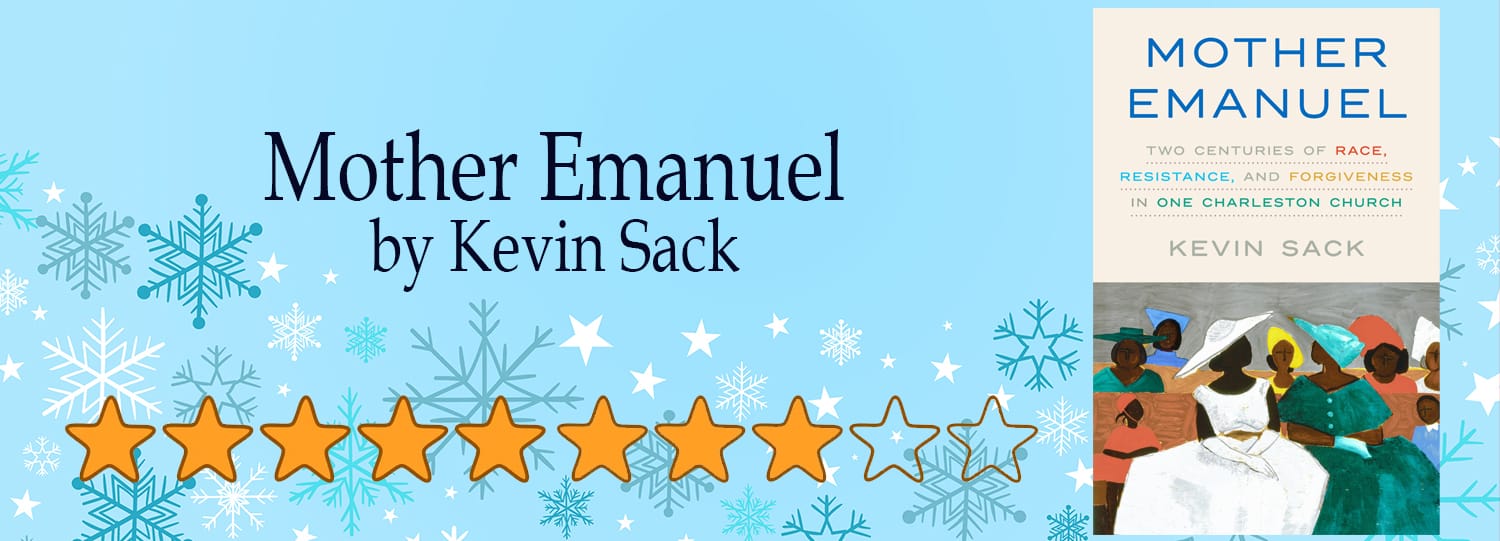
Mother Emanuel: Two Centuries of Race, Resistance, and Forgiveness in One Charleston Church by Kevin Sack isn’t just a history lesson—it’s a heartbeat that’s lasted through slavery, civil rights marches, and unspeakable tragedy. Sack traces the story of Emanuel AME Church with journalist precision and soulful tenderness, bringing to life the faith, courage, and defiance that have defined this congregation for over 200 years. Having walked in a few of the same marches as the icons Sack writes about, I found his storytelling both deeply validating and profoundly humbling. His research honors a community that refused to be broken, and his prose captures the enduring rhythm of resistance and grace that still echoes through those Charleston pews.
John Grisham’s The Widow reminds you why he’s still the reigning champ of the legal thriller—a writer who just keeps cranking out winners like it’s effortless. The story hooks you immediately, swirling with courtroom tension, moral gray zones, and the kind of small-town secrets Grisham loves to peel open one by one. You probably won’t see this book sitting on a literary prize shortlist anytime soon—and honestly, that’s fine. Grisham’s not out to dazzle the critics; he’s here to entertain the rest of us. And he does, page after page. The Widow is pure Grisham: tight pacing, familiar Southern grit, and a story that begs for just one more chapter before bed. Read my full review here.
I went into The Tell knowing almost nothing—just a few lines from Oprah calling it an extraordinary memoir—and honestly, that was the perfect way to meet this book. Within a few pages, I went from “let me just sample this” to “please don’t talk to me, I’m busy having my soul rearranged.”
Amy Griffin’s story begins with a woman who seems to be doing everything right: running the roads of Amarillo, the campus of UVA, and eventually the streets of New York, while juggling marriage, motherhood, and a glittering career. From the outside, it all looks enviably polished; on the inside, she’s white‑knuckling her way through a secret even she can’t fully see. When her ten-year-old daughter finally voices what everyone has been feeling—“you’re here, but you’re not here”—Amy’s life tilts on its axis and she’s pushed into a reckoning she can’t outrun.
What follows is a raw, propulsive journey through MDMA‑assisted therapy, the shattering return of repressed childhood trauma, and the maddening limits of the legal system, all rendered with a clarity that makes you feel like you’re sitting in the room with her. Griffin writes about perfectionism, shame, and the way so many women are trained to outrun their own pain with a kind of scalpel‑sharp honesty that’s both devastating and strangely comforting. I was totally engrossed—heart in my throat, highlighting like a maniac—watching her move from dissociation to hard-won self‑trust and a different, braver version of joy. This isn’t just a memoir about uncovering a past; it’s about what it costs to finally stop running and tell the truth.
So Far Gone by Jess Walter isn’t a perfect read, but wow, it knows how to grab you from the first page. The story kicks off with a desperate rescue — a grandfather risking everything to pull his daughter and grandkids out of a fundamentalist cult — and that alone kept me glued to the story. Walter’s writing hums with tension and moral complexity, peeling back the layers of family loyalty, faith, and forgiveness. Even when I wasn’t sure I loved the book, I couldn’t stop turning the pages. It’s a taut, emotionally charged family drama that lingers afterward — not my favorite January read, but definitely one I couldn’t stop thinking about.
I’ll admit, Dear Mrs. Bird by AJ Pearce wasn’t love at first sight. The cover felt a little too jaunty, the premise too “WWII-light.” I thought I was picking up a charming slice of wartime fluff — something quaint and forgettable. But then, quite without warning, it got under my skin. Emmy Lake, with her stubborn optimism and old-fashioned grit, drew me into her world of London bombings, friendship, heartbreak, and hope. What begins as a plucky adventure about answering letters turns into a story about bravery in the quietest forms — the kind that happens behind typewriters and in whispered conversations after the sirens stop. By the end, I wasn’t just charmed; I was moved.
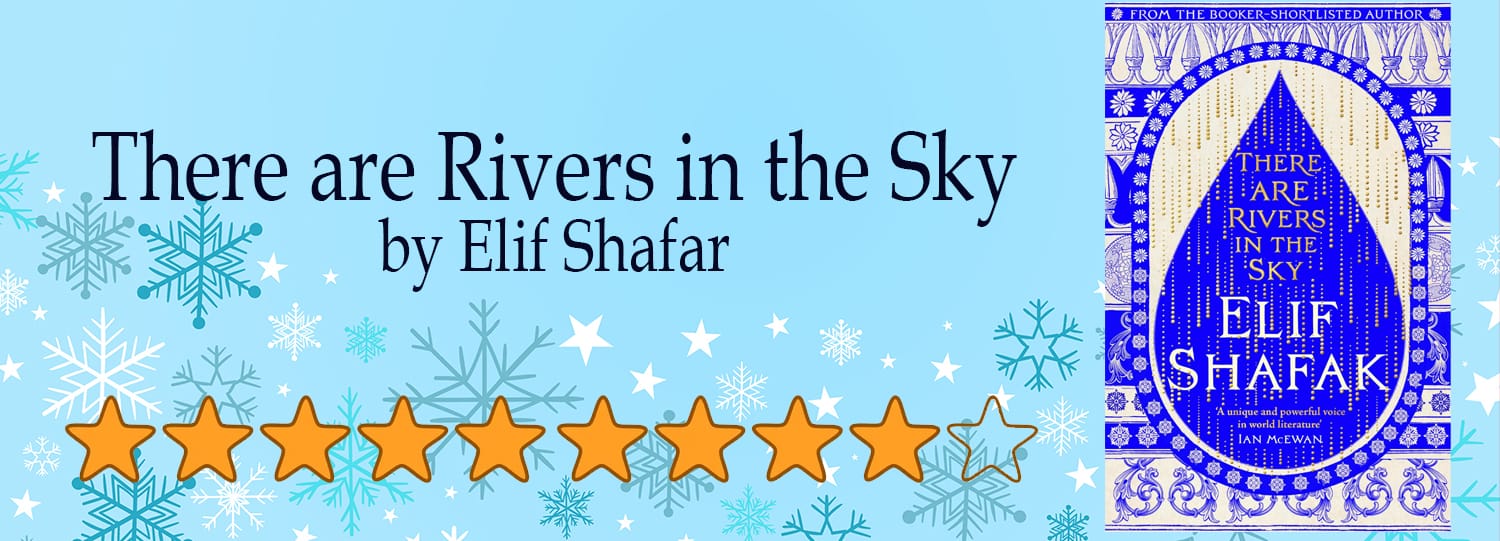
Elif Shafak’s There Are Rivers in the Sky is a luminous meditation on water — not just as a natural force, but as a metaphor for memory, migration, and the human heart. Through her signature blend of magic, melancholy, and empathy, Shafak traces how rivers connect worlds and souls, flowing through time, grief, and resilience. The novel feels like watching light move across water — shifting, unpredictable, and quietly transformative. It’s lush, poetic storytelling that reminds us how an every drop carries a history, every crossing a story. What a stunning tribute to water, and to the fragile beauty of being alive. Read my full review here.
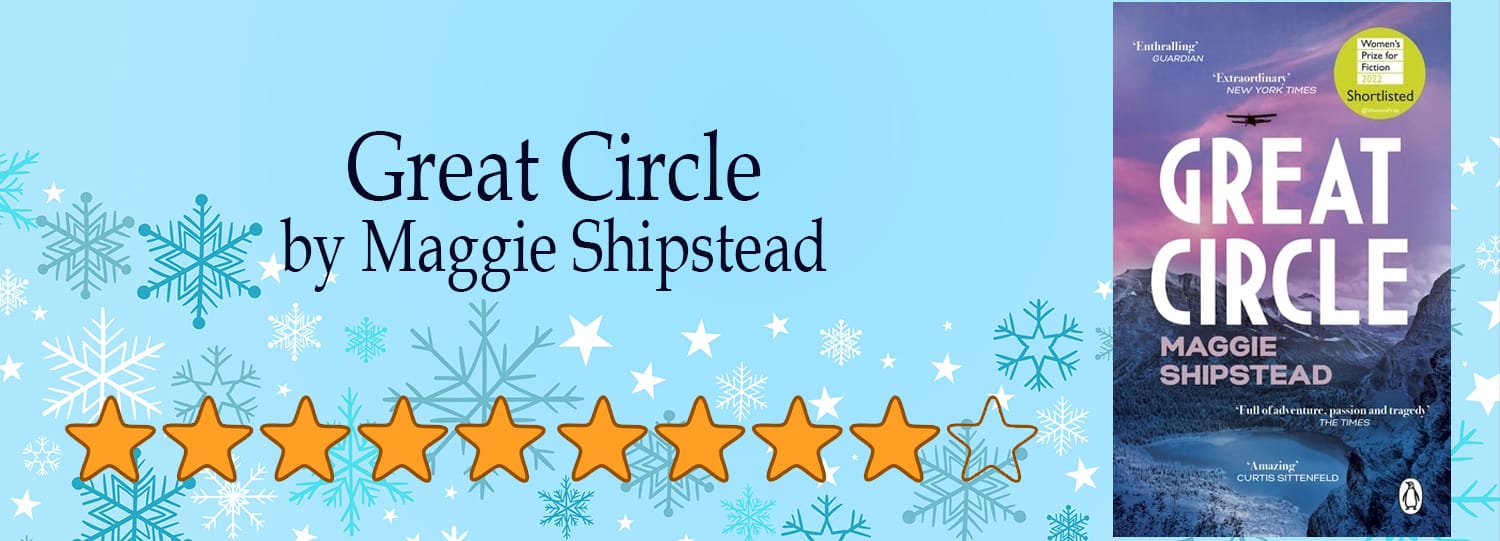
Great Circle by Maggie Shipstead is a sweeping, time-bending tribute to the women who dared to fly before the world believed they could. At its heart is Marian Graves, a fearless aviator tracing her own route through the clouds and across eras, refusing to be grounded by society’s limits. Parallel to her is Hadley Baxter, a modern-day actress whose career depends on portraying Marian in a biopic—only to find her own reflection in the pilot’s defiant, wind-whipped life. Shipstead’s prose soars, blending historical adventure with emotional depth, humor, and grace. It’s the kind of novel that makes you want to stand outside, tilt your face to the sky, and wonder what it would take to keep flying. Read my full review here.
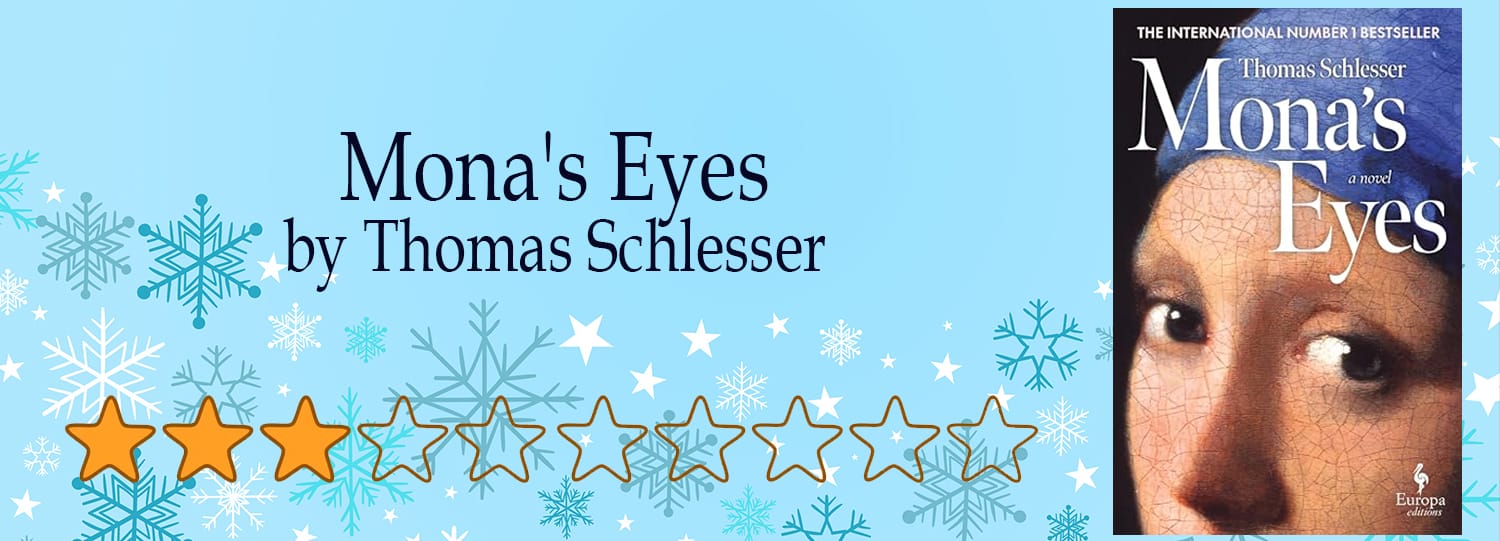
I went into Mona’s Eyes by Thomas Schlesser expecting an emotional, art-soaked journey that would leave me breathless. What I got instead felt more like sitting through an undergraduate lecture on art history—informative, sure, but not exactly what I reach for in a novel. Schlesser clearly knows his subject, but the story never escaped the shadow of his expertise. The characters felt like sketches rather than people, flat outlines instead of full portraits. The plot meandered when it should have pulsed with life. I really wanted to love it—everyone seemed to—but for me, this one didn’t quite hang together on the canvas. Three out of ten stars for effort and aesthetic, but not much more.
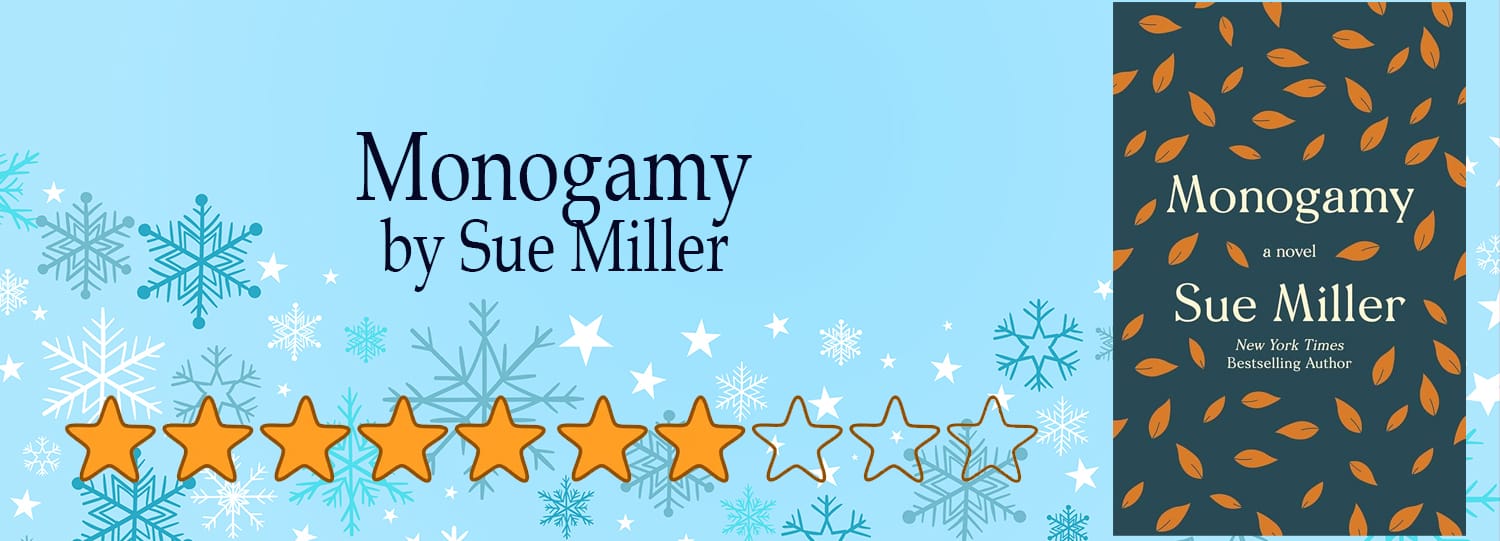
Sue Miller’s novel Monogamy opens with a jolt: Annie, a woman in her sixties, wakes up beside her husband Graham and slowly realizes he has died in the night. From there, Miller unspools a life—two lives, really—dense with love, regret, laughter, betrayal, and the quiet habits that define long marriage. What’s remarkable isn’t the shock of death, but how tenderly Miller traces what remains: Annie’s bewilderment, her anger, her aching memories. This isn’t a story about grand revelations; it’s about the way ordinary devotion can hold both beauty and damage at once, and how loss forces you to reckon with the truth of what your life—and your love—really were.
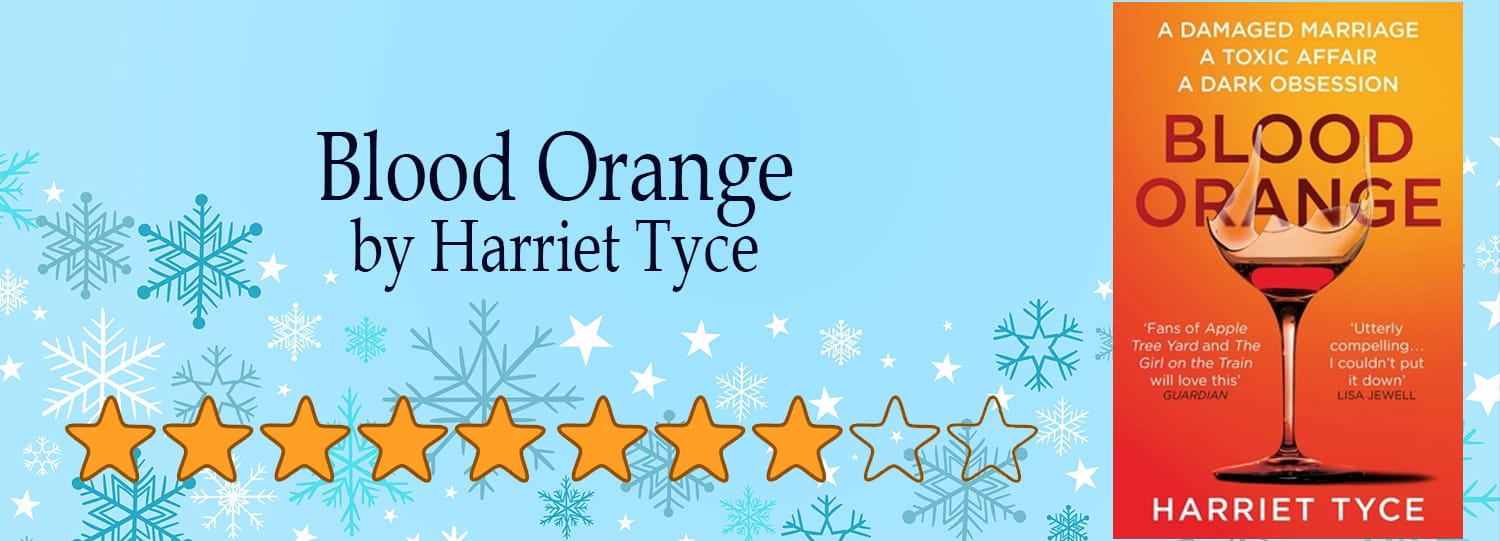
Blood Orange by Harriet Tyce lures you in with the promise of a tidy legal thriller—polished characters, serious cases, a bit of courtroom drama. But within a few chapters, that illusion burns away. What you get instead is a raw, booze-soaked, nerve-jangling story about a woman whose life is cracking along the edges in ways that feel uncomfortably real. You start off judging her—she’s messy, infuriating, hard to like. And then Tyce flips the narrative so hard you’ll find yourself ready to storm the castle and defend her at all costs. It’s dark. It’s addictive. And by the end, you don’t read Blood Orange so much as survive it.
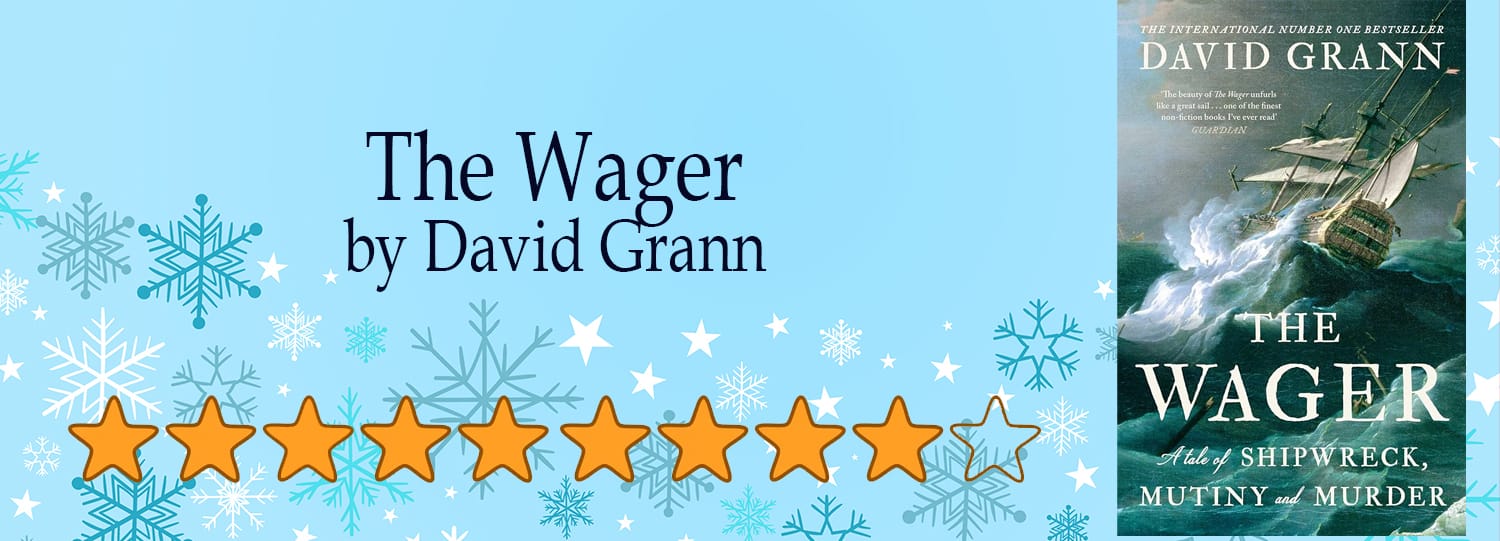
Imagine signing up for a little armchair history and instead getting dropped onto a splintered ship in the howling Drake Passage, salt in your teeth and dread in your stomach. That’s what The Wager by David Grann feels like: you open the book on your couch and somehow end up clinging to a mast in a storm, caring deeply about 18th century sailors you didn’t know you needed in your life.
Grann reconstructs the disastrous voyage of His Majesty’s Ship the Wager, sent out in 1740 on a secret mission to harass Spain and chase a treasure-laden galleon—the kind of imperial errand that sounds grand in London and hellish anywhere near Cape Horn. When the ship wrecks off a desolate Patagonian island, the story shifts from high-seas adventure to raw survival: starvation, factions, moral lines smudged beyond recognition. Months later, two different groups of survivors stagger back to civilization in barely floating contraptions, each telling a completely different tale—heroism versus mutiny, tyranny versus rebellion—and suddenly the real drama moves into the courtroom, where the British Admiralty must decide who lives, who hangs, and whose version of the truth becomes history.
What makes it so compelling, even if you don’t know port from starboard, is how human it is. Grann turns rigging and knots and naval hierarchies into living, breathable texture, never homework. The Wager isn’t just about a shipwreck; it’s about what happens to rules, loyalty, and conscience when the ship—literal and metaphorical—is gone. It’s history, yes, but it reads with the tension of a thriller and the emotional weight of a novel, the kind of book that makes you briefly, bewilderingly, think, “You know…maybe I am a maritime history person now.” Read my full review here.
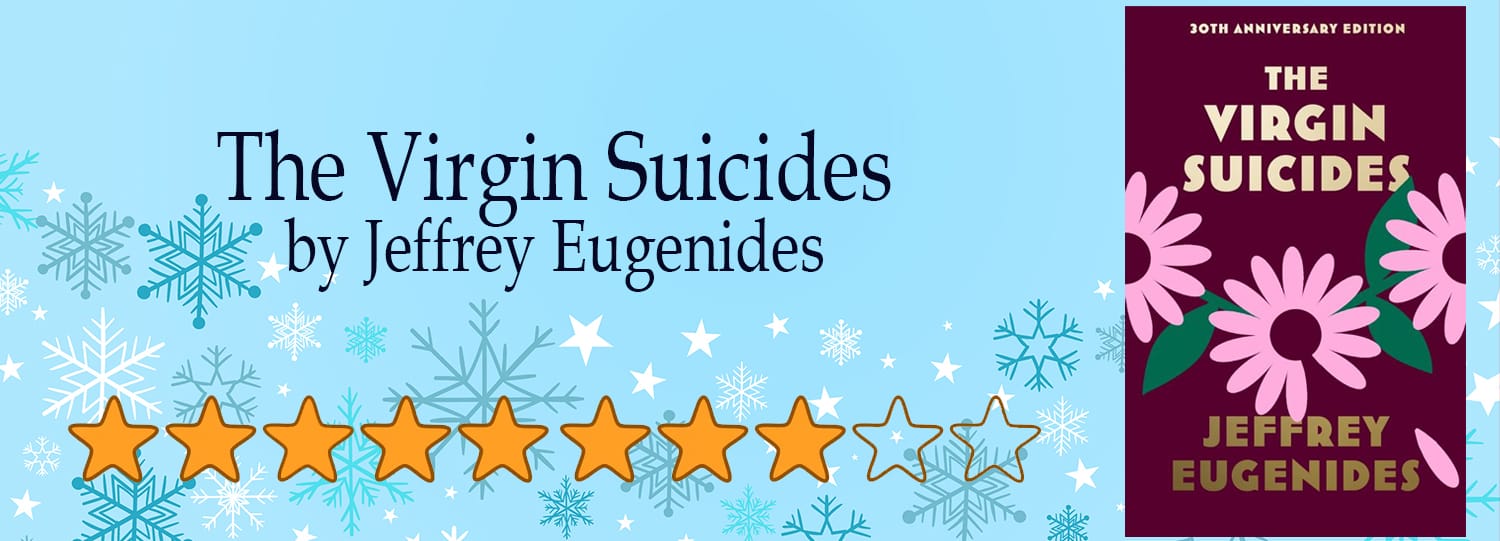
After years of sitting patiently on my TBR, The Virgin Suicides finally found its moment—and I’m so glad it did. Jeffrey Eugenides captures that aching, nostalgic haze of adolescence so vividly that I felt like I’d stepped right back into the 1970s. Told through the collective voice of neighborhood boys obsessing over the mysterious Lisbon sisters, the novel hums with equal parts beauty and melancholy. It’s about memory, longing, and the slippery way we mythologize the past. Every page felt like peering through the blinds at something I half-remembered—haunting, gorgeous, and deeply human. A wonderful, unforgettable read.

I picked up Great Big Beautiful Life expecting another breezy Emily Henry rom-com: witty banter, slow-burn tension, a meet-cute kissed by sunshine. What I didn’t expect was a story that sucker-punched me right in the feelings — tender, wise, and unexpectedly raw. This book is still funny and romantic (Henry’s dialogue never misses), but beneath the charm is a deeper reckoning with what it means to build a life after everything falls apart. It’s about choosing joy without ignoring the grief that shaped you, about hope and healing showing up in the same messy moment. In short: less fluff, more heart — and it’s beautiful indeed.
January was a tough one. No matter where you are in the world, the month seemed to stretch on forever—gray, relentless, and a little too eager to test our resolve. It’s the kind of month that reminds you why books matter so much.
Because honestly, who among us çdoesn’t need a little help riding the chaos?
So I leaned into the stories. I let Dan Brown spin his tightly wound puzzles, let T.J. Klune build me a soft place full of found family, and let Kevin Sack take me inside a church that’s witnessed both humanity’s worst and best. Emily Henry made me laugh-snort into my tea, David Grann dropped me onto a doomed ship, and Sue Miller cracked open the fragile heart of commitment. Each of these writers, in their own way, handed me a flashlight and said: Here, keep going.
That’s the thing about reading when life is loud and uncertain—it offers both escape and perspective. Books don’t erase the noise, but they give it meaning. They soothe, they redirect, they whisper truths we’re too tired to find ourselves.
So, thank goodness for them—the fiction, the tenderness, the bold storytelling that drags us through January’s long evenings and back into the light of February. Here’s to the stories that make us braver, softer, and a little more whole than we were a month ago.
Comments