

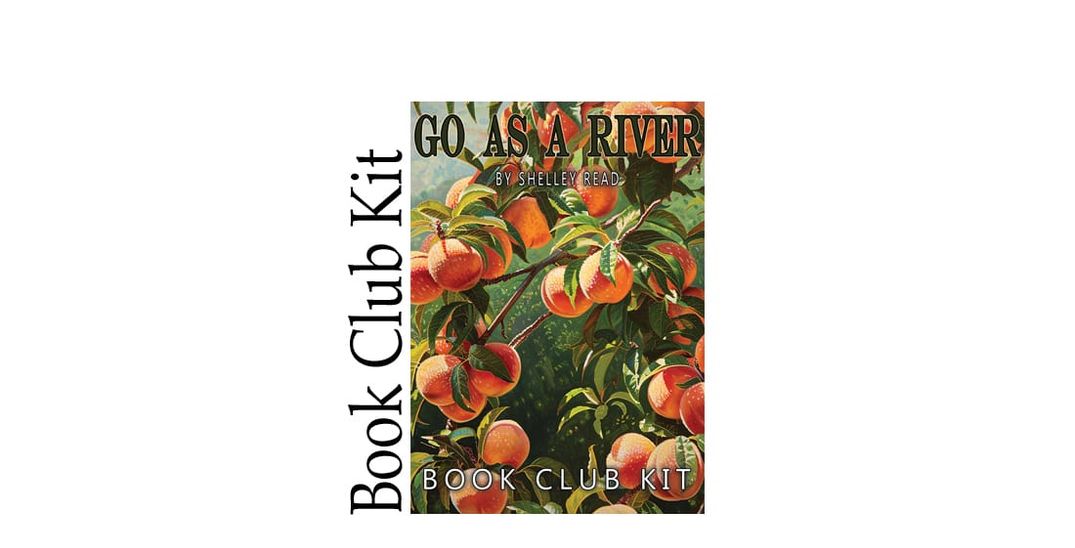
Table of Contents
In this kit:
- Book Summary Page (Online & Printable Kit)
- Main Characters Page (Online & Printable Kit)
- Discussion Questions Page (Online & Printable Kit)
- Book Quotes Page (Online & Printable Kit)
- Icebreaker Game: (Printable kit only)
- About the Author Page (Online & Printable Kit)
- Historical Facts Surrounding the Book (Online & Printable Kit)
- List of Podcasts and Videos about this Book (Online only)
- Meeting Decoration Ideas (Online & Printable Kit)
- Meeting Decorations Printable Images (Printable kit only)
- Meeting Menu Ideas (Online & Printable Kit)
- Meeting Food Recipes (Printable kit only)
- Printable decoration images (Printable kit only)
- Bookmarks for Go As a River (Printable kit only)
- Bookmarks for Readers With Wrinkles (Printable kit only)
Seventeen-year-old Victoria “Torie” Nash lives in the tiny ranching town of Iola, Colorado, in the late 1940s, where the air smells of dust, peaches, and hard work. She’s the only woman left on her family’s peach farm, running the house and tending the orchard while her father and brother wrestle with grief, silence, and their own demons after a terrible accident. Torie is practical, observant, and quietly strong, but she’s also painfully aware of how little room there is for a young woman to be anything but what the town expects.
Then, one ordinary day, a stranger walks into her life: Wilson Moon, a young drifter with a mysterious past and a calm, steady presence that feels like a different kind of weather rolling in. Their chance meeting is small at first, but it opens a door in Torie she didn’t know was there—a door to feeling seen, to desire, and to a kind of love that’s both tender and dangerous in a place where differences are punished.
When Everything Changes
Life in Iola is already tense, with old grudges, simmering racism, and the constant pressure of making the farm survive. When tragedy strikes, Torie is forced to make a choice that rips her from everything familiar. She doesn’t just leave town; she leaves behind the only identity she’s ever known and heads into the wild, rugged mountains that surround her valley.
What follows is a raw, beautiful, and often heartbreaking journey of survival. Torie has to learn how to live off the land, how to trust her own instincts, and how to carry unbearable grief without breaking. The Colorado wilderness becomes both her refuge and her teacher, shaping her in ways the town never could.
Love, Loss, and the Weight of Secrets
Over the decades that follow, Torie’s life unfolds in unexpected ways. She builds a new existence, forms profound bonds with other women, and faces the long shadow of the past—the secrets she’s kept, the choices she’s made, and the people she’s lost. There’s a quiet, fierce motherhood at the heart of her story and a love that endures even when it can’t be spoken aloud.
The novel also weaves in the larger story of Iola itself, a town slowly being erased as plans grow to flood the valley and create a reservoir. That looming change mirrors Torie’s own journey: what does it mean to lose a home? Can you ever go back? And how do you find a new place to belong when the old one is gone?
Go As a River is perfect for book clubs because it’s so rich with things to talk about. There’s the powerful coming-of-age arc of a young woman finding her voice in a man’s world, the complex dynamics of family and loyalty, and the way prejudice and trauma ripple through generations. The setting—Colorado’s mountains and orchards—is almost a character itself, and the river becomes a powerful symbol of how life keeps moving, even when it’s dammed or diverted.
Most of all, Torie is the kind of character who stays with you: flawed, brave, and deeply human. Her choices, her silences, and her quiet acts of courage will spark honest, emotional conversations about love, sacrifice, and what it really means to go on.
Victoria Nash (Torie)
Victoria is the novel’s resilient, introspective protagonist, a young woman whose life is upended by love, violence, and displacement. Raised on a peach farm in Iola, Colorado, she shoulders the weight of a motherless household and a volatile family, only to find an unexpected connection with Wil. Her journey—from dutiful daughter to solitary survivor to a woman rebuilding a life—forms the emotional core of the story.
Wilson Moon (Wil)
Wil is a young Indigenous man with a painful past, displaced from his tribal land and living as a drifter. Victoria is drawn to him because of his quiet strength, deep connection to the land, and gentle wisdom. His famous line, "I'll go as a river," becomes a quiet mantra that helps her understand resilience and survival.
Seth Nash
Seth, Victoria's younger brother, is a volatile and angry teenager whose deep-seated racism and sense of entitlement lead him to clash with Wil. His actions have devastating consequences that ripple through Victoria’s life and the entire town.
Mr. Nash
Mr. Nash is Victoria’s father, a hardworking but emotionally distant man who runs the family peach farm. Grief and the weight of running the orchard have left him withdrawn, and his relationship with Victoria is strained by unspoken expectations and the loss of her mother.
Mrs. Nash
Victoria’s mother died in a car accident when Victoria was twelve, leaving her to step into the role of woman of the house far too young. Her absence echoes throughout the novel, shaping Victoria’s sense of duty and loneliness.
Ogden (Og) Nash
Ogden Nash, Victoria's uncle, is a World War II veteran who now uses a wheelchair due to his injury. His bitterness and rage mask deep sorrow, and his presence adds another layer of tension and grief to the Nash household.
Ruby‑Alice Akers
Victoria’s reclusive older neighbor is a woman who doesn’t speak but serves as a quiet source of comfort and practical wisdom. Her presence in the wilderness chapters offers Victoria a rare sense of safety and belonging.
Inga
A woman who later becomes a key figure in Victoria’s life, Inga represents a different kind of motherhood and resilience. Her own complicated choices about family and identity mirror Victoria’s journey in powerful ways.
Lukas (Baby Blue)
Lukas, the child of Victoria and Wil, plays a pivotal role in the emotional arc of the novel. His story, and Victoria’s lifelong longing for him, drive much of the book’s exploration of love, loss, and the possibility of reunion.
Shelley Read is an international bestselling author and a fifth‑generation Coloradan who lives with her family in the Elk Mountains of the Western Slope of Colorado. Her deep connection to the land, rivers, and small mountain communities of the West infuses her writing with a powerful sense of place and a quiet reverence for the natural world.
Before turning to fiction, Read was a senior lecturer at Western Colorado University for nearly three decades, where she taught writing, literature, and environmental studies. Her academic background in literary studies and her passion for the environment and sustainability shine through in the rich, lyrical prose and ecological awareness of Go As A River.
Go As A River is her stunning debut novel, inspired by the real history of the town of Iola and the creation of Blue Mesa Reservoir. The book has been widely praised as a literary triumph, winning the High Plains Book Award for Fiction and the Reading the West Book Award for Debut Fiction, and has been translated into more than thirty languages.
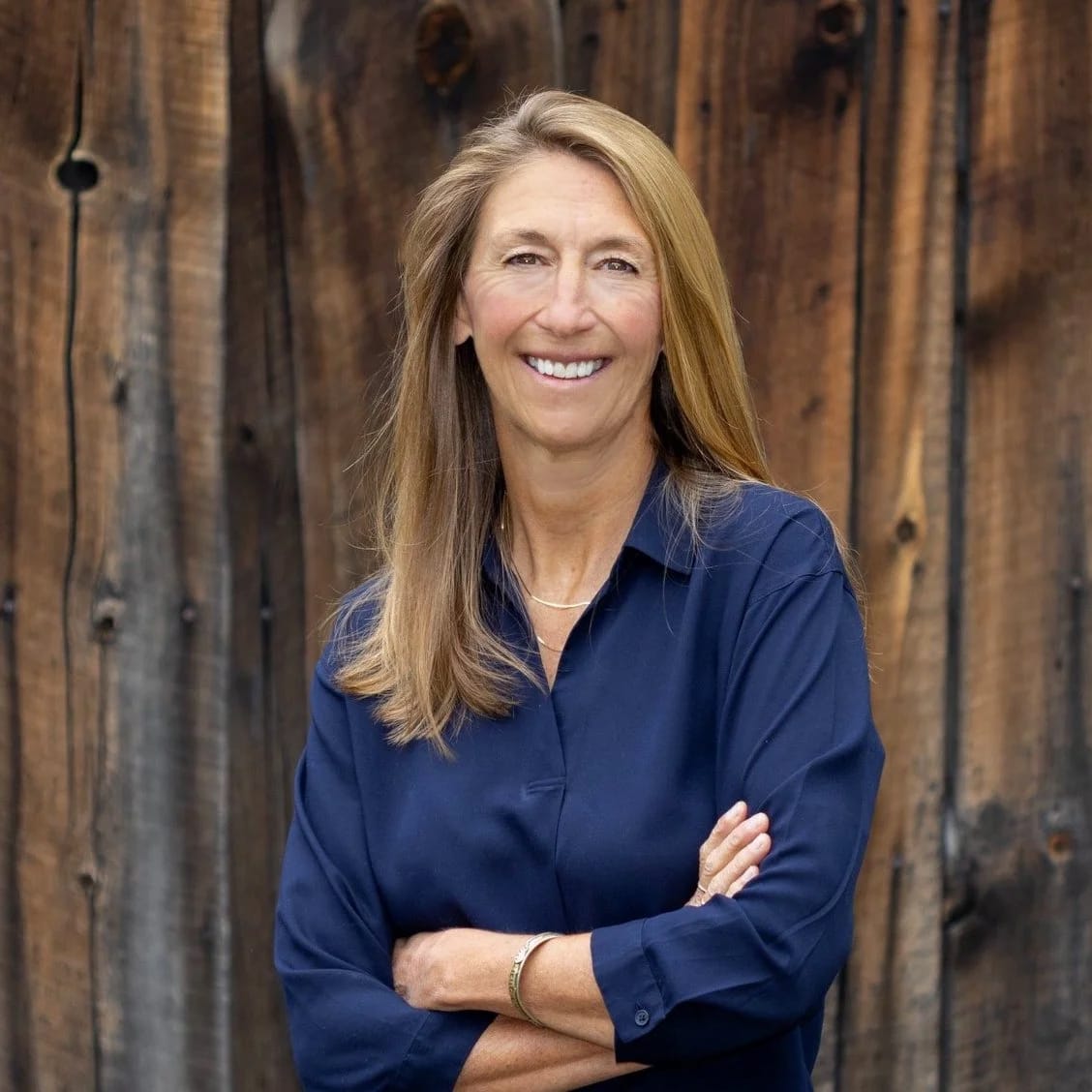
Read’s writing is known for its emotional depth, its exploration of love, loss, and resilience, and its ability to capture the quiet, transformative moments in a woman’s life. She continues to write stories that honor the land, the past, and the enduring strength of the human spirit.
Notable Quotes from Go As a River:
“I’ll go as a river,” said Wil. “My grandfather always told me that it’s the only way.”
Speaker: Wilson Moon (Wil)
Location in book: Early in Victoria and Wil’s relationship, introducing the novel’s central metaphor.
“The landscapes of our youths create us, and we carry them within us, storied by all they gave and stole, in who we become.”
Speaker: Victoria (the protagonist/narrator)
Location in book: Prologue and recurring reflection on memory and identity.
“Just as a single rainstorm can erode the banks and change the course of a river, so can a single circumstance of a girl’s life erase who she was before.”
Speaker: Victoria (the protagonist/narrator)
Location in book: Mid‑novel, reflecting on how one moment can alter a life forever.
“We are one and all alike if for no other reason than the excruciating and beautiful way we grow piece by unpredictable piece, falling, pushing from the debris, rising again, and hoping for the best.”
Speaker: Victoria (the protagonist/narrator)
Location in book: Later section, on resilience and the messy process of becoming.
“Women endure. That’s what we do.”
Speaker: Victoria (the protagonist/narrator)
Location in book: A quiet, powerful moment of recognition about women’s strength.
“That’s nonsense,” she replied more harshly than I expected. “A woman is more than a vessel meant to carry babies and grief.”
Speaker: Zelda (Victoria’s friend)
Location in book: A key conversation about women’s roles and worth.
“I was a girl alone in a house of men, quickly becoming a woman. It was like blossoming in a bank of snow.”
Speaker: Victoria (the protagonist/narrator)
Location in book: Early in the novel, capturing her isolation and coming of age.
“Strength, I had learned, was like this littered forest floor, built of small triumphs and infinite blunders, sunny hours followed by sudden storms that tore it all down.”
Speaker: Victoria (the protagonist/narrator)
Location in book: A mature reflection on what real strength looks like.
“When no place will receive you, everywhere becomes a kind of nowhere, all ground as uncertain as in my frightening dream.”
Speaker: Victoria (the protagonist/narrator)
Location in book: During her time in the wilderness, describing profound dislocation.
“Loss has nothing to do with what you do deserve and don’t deserve.”
Speaker: Victoria (the protagonist/narrator)
Location in the book: A hard-won truth about grief and injustice.
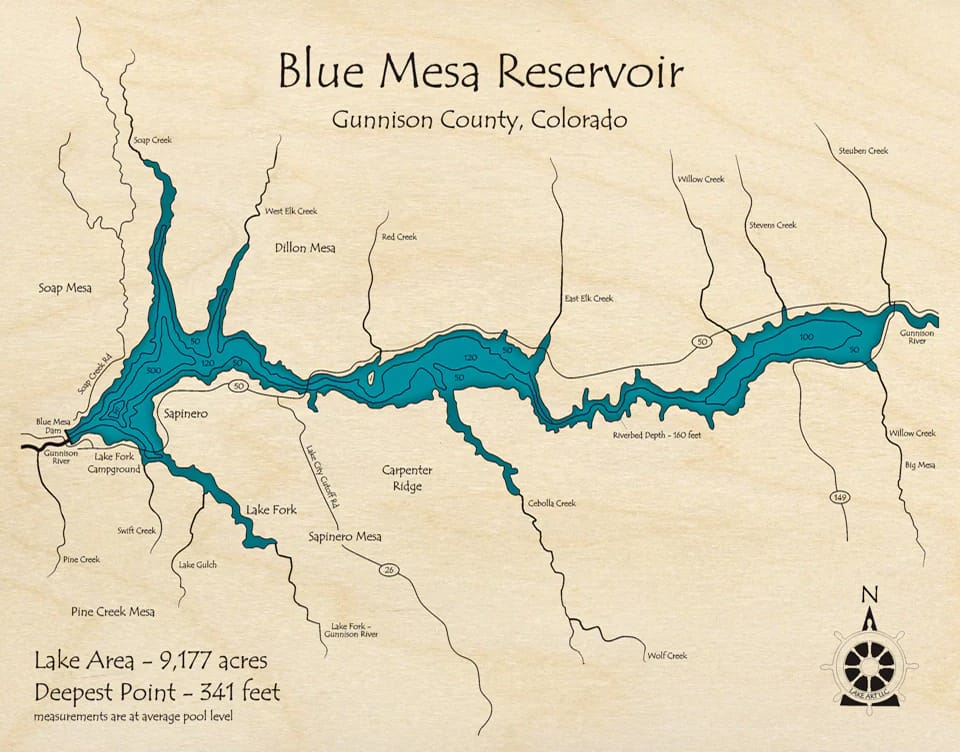
Go As A River is inspired by the true story of the small Colorado ranching town of Iola, which was evacuated and flooded in the 1960s to create Blue Mesa Reservoir on the Gunnison River. Victoria's experience of losing her family's peach farm and way of life to the dam project mirrors this real-life displacement.
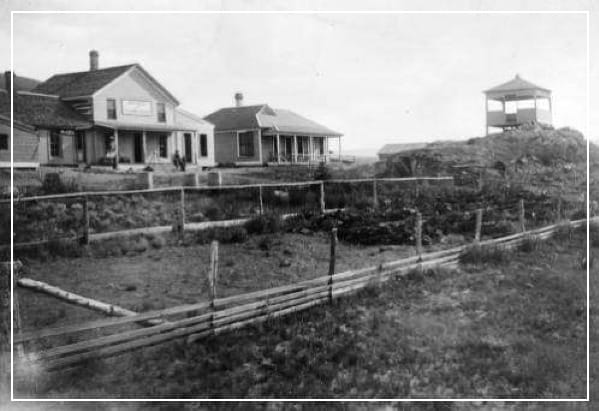
The novel is set in the 1940s–1960s, a time of rapid change in the American West, when federal water projects reshaped entire valleys and communities. The creation of Blue Mesa Reservoir was part of a larger Great Basin water management plan that prioritized hydropower and irrigation, often at the expense of small towns and family farms.
Shelley Read, a fifth‑generation Coloradan, drew on local history and oral stories about Iola and the Gunnison Valley to ground Victoria’s story in an authentic place and time. The peach orchards, the harsh mountain winters, and the rhythms of ranch life are all rooted in the real landscape of western Colorado.
The novel also touches on the history of Native American displacement and the legacy of Indian boarding schools, reflecting the broader, painful history of Indigenous peoples in the American West. Wil’s backstory and the community’s prejudice are informed by this difficult past.
The title’s central metaphor—“go as a river”—echoes Indigenous teachings about resilience, adaptability, and flowing with life’s obstacles rather than against them. This idea of moving forward, gathering strength along the way, is both a personal and cultural survival strategy.
These questions are designed to encourage thoughtful conversation, personal reflection, and close reading of Shelley Read’s beautiful prose. Choose 8–10 that best suit your group. The first fifteen can be discussed with readers who haven’t finished the book; the final five are best saved for a deep, spoiler‑friendly discussion.
- The title Go As A River comes from Wil’s saying, “I’ll go as a river. My grandfather always told me that it’s the only way.” What is the meaning of "going as a river," and how does Victoria embody this concept throughout her life?
- Victoria describes herself as “a girl alone in a house of men, quickly becoming a woman.” How does that early relationship affect her decisions, her sense of who she is, and her ideas about love and safety?
- How does the setting—the peach farm, the mountains, the river, and the coming flood—function almost like another character in the novel? In what ways does the land both nurture and threaten Victoria?
- Wil’s identity as a Native American is revealed gradually, and Victoria’s understanding of him deepens over time. How does the novel portray racism, prejudice, and the erasure of Indigenous lives in mid‑20th‑century America?
- Victoria’s decision to flee into the wilderness is both an act of survival and an act of defiance. What emotions did that choice evoke for you, and how did it change your understanding of her strength?
- How does Victoria’s relationship with Ruby‑Alice contrast with her relationships with the men in her family? What does Ruby‑Alice teach her about quiet strength and self‑reliance?
- The novel is deeply concerned with the idea of home. What makes a home, and how does Victoria’s sense of home shift—from the orchard to the mountains to her later life?
- Victoria reflects: “The landscapes of our youths create us, and we carry them within us, storied by all they gave and stole, in who we become.” Do you agree with this idea? How has your own landscape shaped you?
- How does the novel portray motherhood, both biological and chosen? What does Victoria learn about what it means to be a mother, and how does that understanding evolve?
- How does Victoria’s relationship with her father change over the course of the novel? What moments stand out as turning points in their relationship?
- The book is set against the real historical backdrop of the damming of the Gunnison River and the flooding of Iola. How does that historical context deepen the novel’s themes of loss, displacement, and “progress”?
- How does Shelley Read use nature and the seasons to mirror Victoria’s inner journey? Which natural images or moments stayed with you the most?
- Victoria makes several life‑altering decisions in silence and solitude. How do those quiet, internal choices compare with the loud, public decisions of the men around her?
- How does the novel explore the idea of forgiveness—of others, of oneself, and of the past?
- What roles do storytelling and memory play in the novel? How does Victoria’s act of remembering and recounting her life shape her identity?
Deep Dive (Post‑Ending) Questions
- What emotions did you feel when you learned the truth about Wil’s fate? How did that moment change your understanding of Victoria’s grief and her choices afterward?
- Victoria’s decision about her child is one of the most wrenching in the novel. Do you agree with what she did, and how do you think that choice shaped the rest of her life?
- The novel ends with Victoria and Lukas meeting for the first time. What do you imagine happens next for them, for Inga, for Zelda, and for Victoria’s sense of family?
- How does the novel foster empathy for even its most challenging characters, such as Seth or the townspeople who ignore injustice?
- If Victoria’s story were set today, what might be different about her path to freedom and self‑determination, and what would remain the same?
Here are 11 evocative, on‑theme decorating ideas for a Go As A River book club meeting, rooted in its Colorado peach farm, mountain wilderness, river, and “going as a river” motifs. Use these to create immersive tablescapes, wall moments, and cozy nooks that echo Victoria’s journey of love, loss, and quiet resilience.
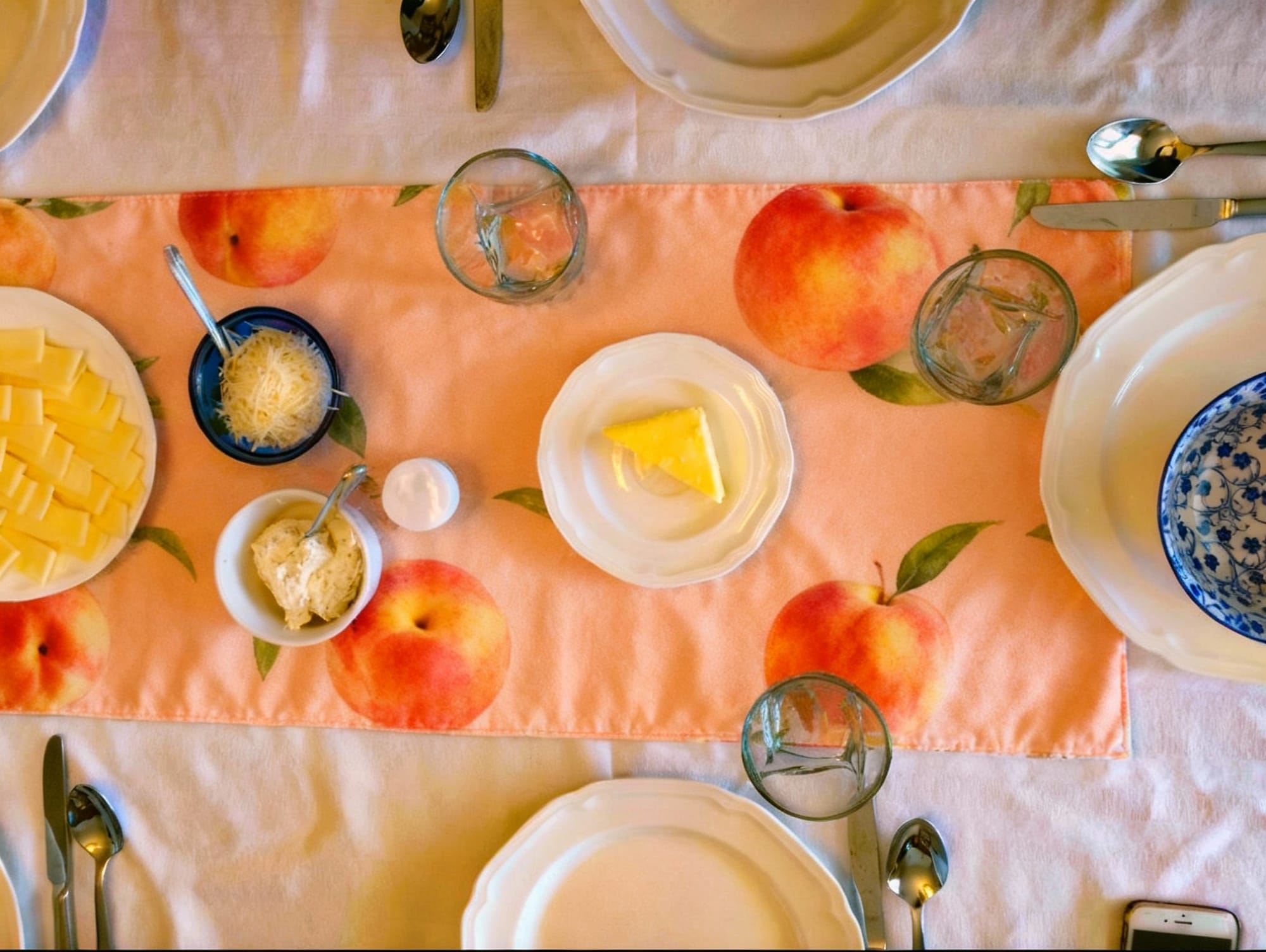
Peach Farm Table Runner
Layer a burlap or linen runner with small peach‑colored fabric peaches, twine, and a few dried peach slices to evoke Victoria’s family orchard. Add a tiny wooden sign that says “Nash Peaches” for a nostalgic, farm‑fresh feel.
Mountain & River Centerpiece
On a round tray, arrange smooth river stones, a small blue‑glass “river,” and a few pinecones or sprigs of faux evergreen to represent the wild Colorado mountains and the Gunnison River. A small card with the line “I’ll go as a river” anchors the theme.
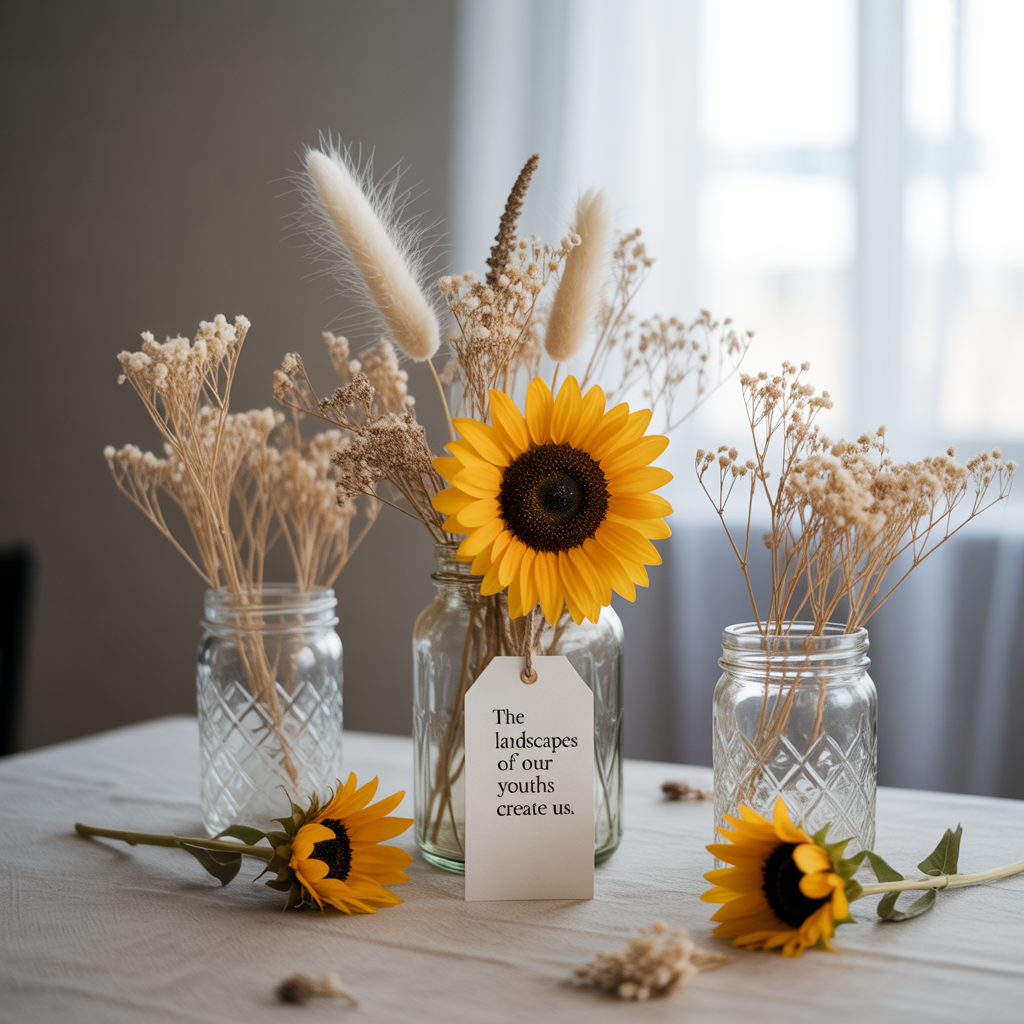
Wildflower & Nature Accents
Scatter dried or faux wildflowers (sunflowers, lupines, and wild roses) in mason jars or small vases to mirror the blooms Victoria notices in the wilderness. A simple tag with “The landscapes of our youths create us” ties the flowers to the novel’s theme of memory.
“River Flow” Table Runner
Use a long, flowing blue‑gray fabric runner with wavy edges to suggest a river. Along it, place small wooden boats, smooth stones, and tiny paper “currents” to represent Victoria’s journey and the idea of moving forward despite obstacles.
Peach & Harvest Color Palette
Keep linens, napkins, and ribbons in peach, cream, sage green, and soft blue, with textures like linen, burlap, and unfinished wood. This warm, earthy palette reflects the orchard, the mountains, and the changing seasons.
“Go As A River” Quote Pennants
Hand-letter short lines like “I’ll go as a river,” “The landscapes of our youths create us,” and “Women endure. That’s what we do” on kraft paper pennants or tent cards for each seat. Simple black ink keeps the look timeless and literary.
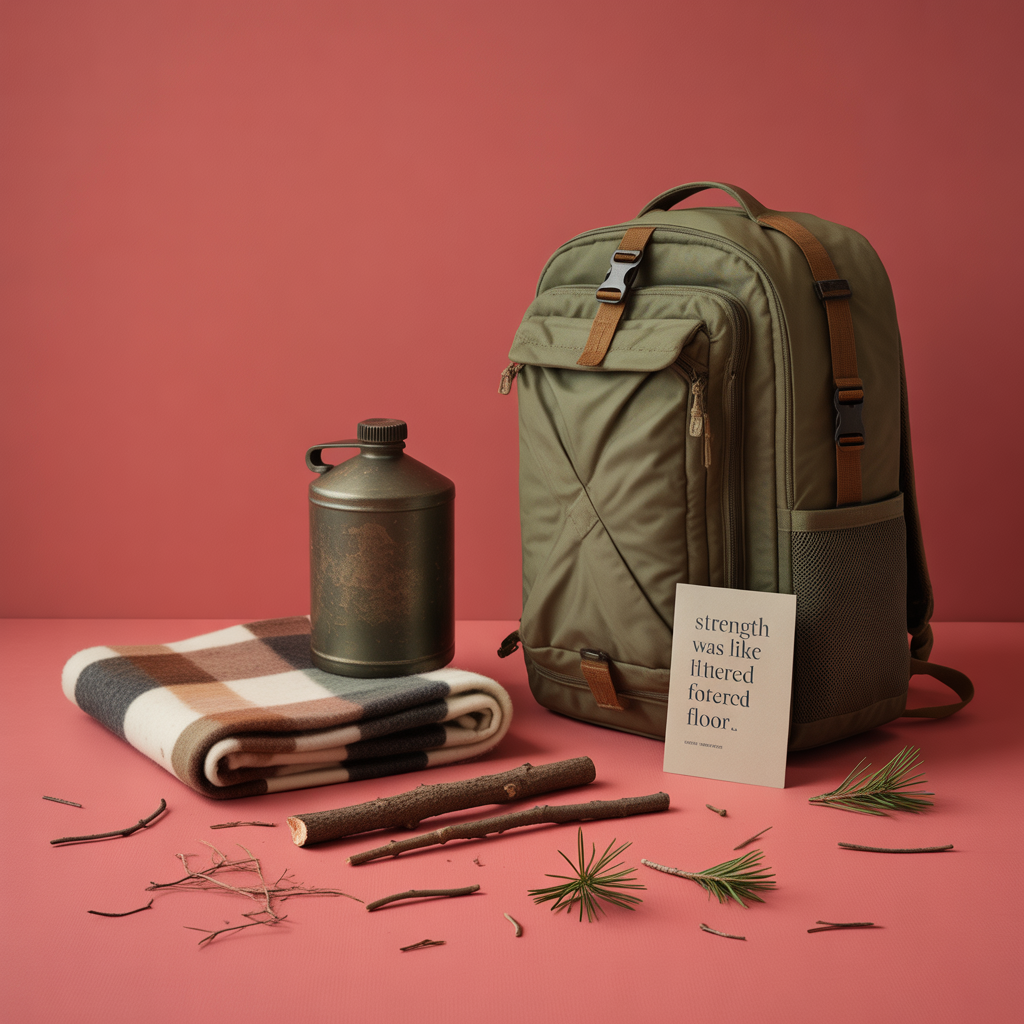
Wilderness Survival Vignette
On a side table, display a small backpack, a vintage canteen, a wool blanket, and a few foraged‑looking items (twigs, pine needles) to evoke Victoria’s time alone in the mountains. A tiny card with “Strength was like this littered forest floor” adds depth.
Old Colorado Map Wall
Pin up a reproduction 1940s–50s map of western Colorado, highlighting the Gunnison River and the area around Iola and Blue Mesa Reservoir. Add a small placard about the real history of the dam and the drowned town.
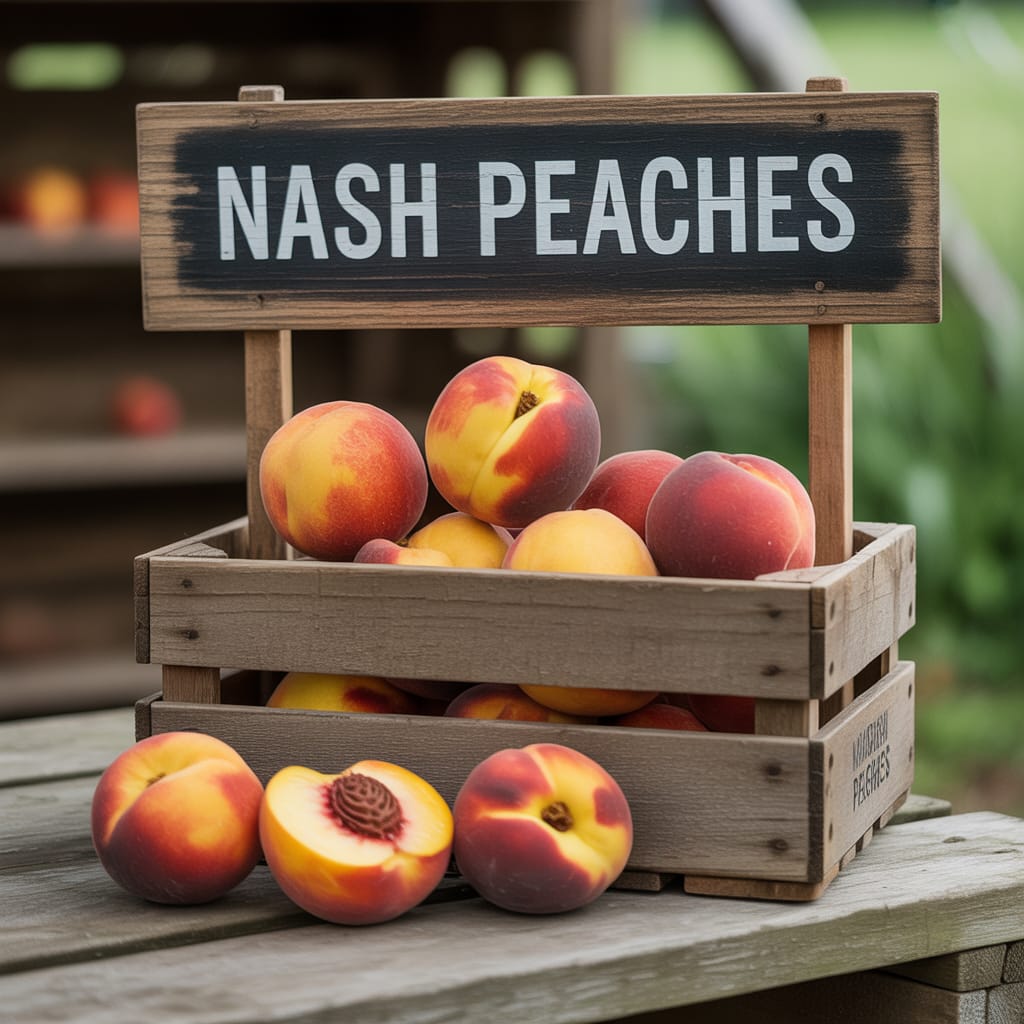
“Nash Peaches” Market Stand
Create a mini fruit stand with a small wooden crate, a few real or faux peaches, and a hand‑painted sign that says “Nash Peaches.” This playful touch nods to Victoria’s family farm and her role in the orchard.
River Stone Place Card Holders
Place a smooth river stone at each setting with a small card that has the guest’s name and a short quote from the book (e.g., “Just as a single rainstorm can erode the banks…”). The stones symbolize the river and the enduring weight of memory.
“Home & Belonging” Tableau
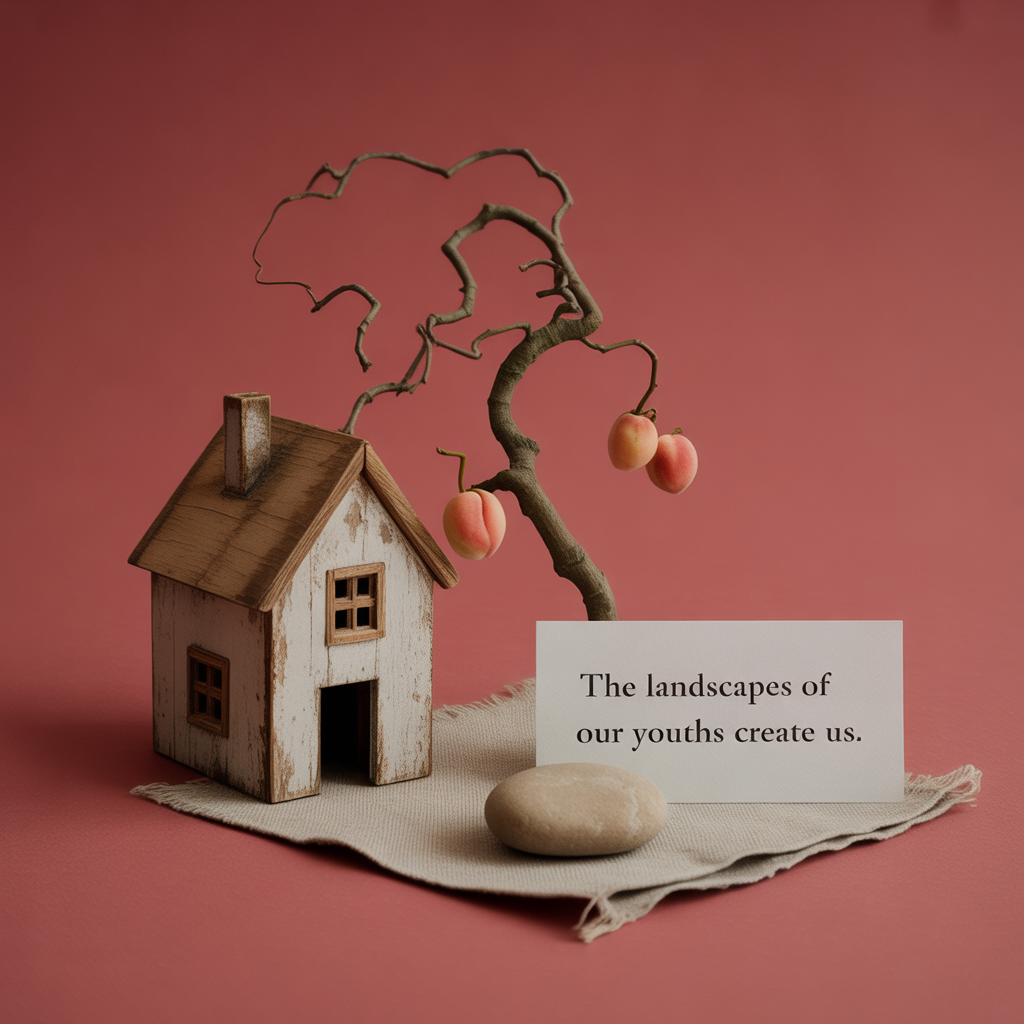
Arrange a small wooden house, a peach tree branch, and a river stone on a linen square, with a card that reads “The landscapes of our youths create us.” This quiet station invites reflection on what “home” means to each guest.
- "River of Life Stones" Icebreaker Activity (In printable kit)
- "Orchard Memories" Icebreaker Activity (In printable kit)
- "The Secret Ingredient" Comfort Food Icebreaker Activity (In printable kit)
Here are themed menu ideas for appetizers, main courses, desserts, and beverages inspired by Shelley Read’s Go As A River, blending Victoria’s Colorado peach farm with the rugged beauty of the mountains and river. These dishes honor the novel’s setting while keeping the gathering warm, welcoming, and delicious.
Appetizers
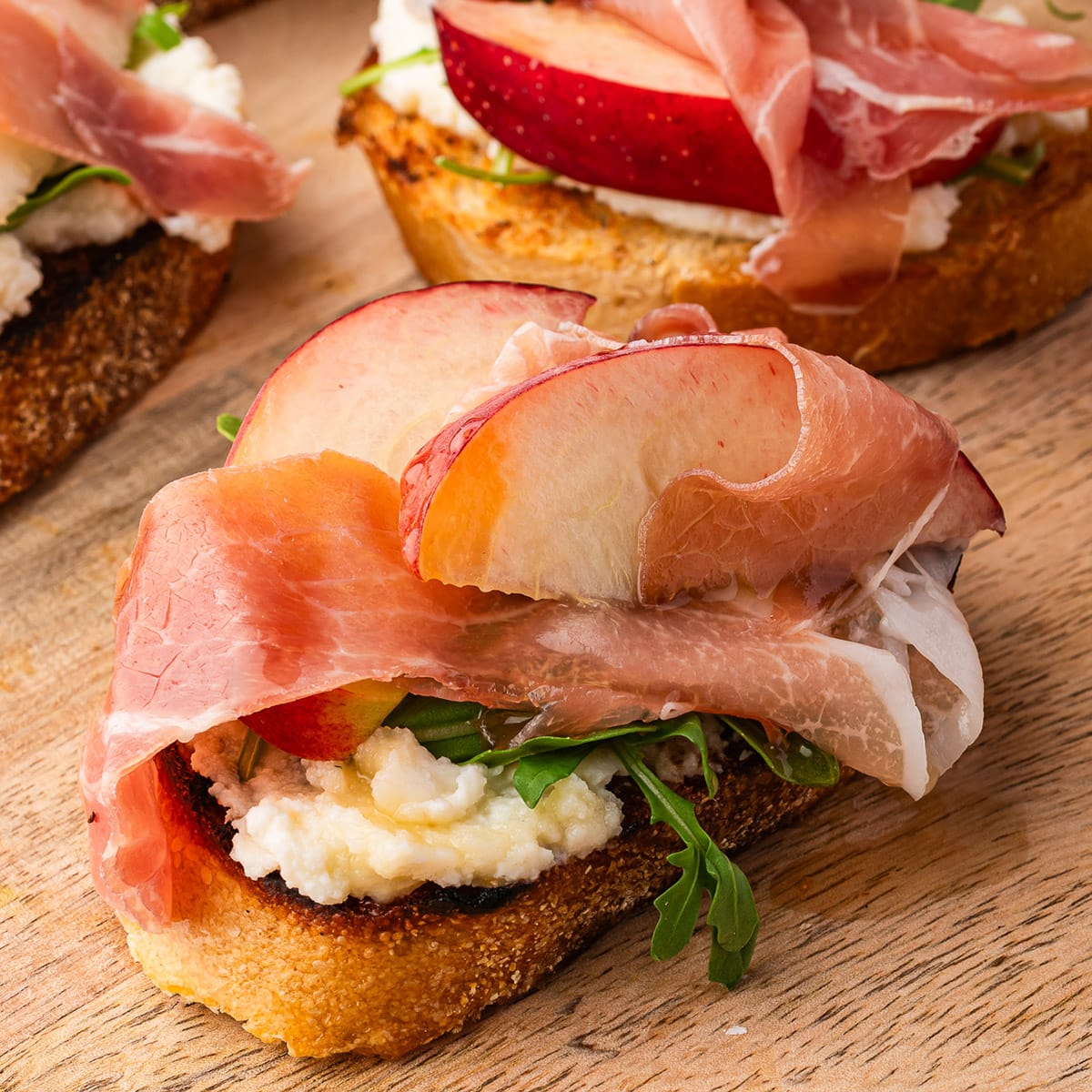
Nash Orchard Peach & Prosciutto Crostini
To honor the Nash family’s “miracle” peaches, serve grilled baguette slices topped with whipped goat cheese, thin prosciutto, and a fan of fresh or lightly roasted peach, finished with thyme and a drizzle of honey. It nods to the sweetness and fragility of the peach harvest while still feeling rustic and simple, like something Torie could plate for unexpected company.
Gunnison Riverbank Charcuterie Board
Build a wooden board with smoked trout dip, sharp cheddar, cured meats, pickled vegetables, and crusty bread to evoke a picnic along the Gunnison River and the rugged Colorado landscape. Add a few peach slices or a small dish of peach chutney to tie back to the orchard.
Iola Roadside Farmstand Veggie Platter
Arrange raw and roasted seasonal vegetables—carrots, radishes, snap peas, small potatoes, and beets—with a tangy buttermilk herb dip, styled like produce laid out at a simple roadside stand near Iola. The emphasis on humble, earth-grown food mirrors Torie’s life on the farm and the working-town setting.

Canyon Pass Skillet Cornbread Bites
Serve mini wedges or muffin-sized pieces of cast-iron cornbread with whipped honey butter and a touch of chili for heat. The cornbread feels period-appropriate to mid‑century rural Colorado and works as a warm, filling bite before a long, emotional discussion.
Main Courses
Blue Mesa Braised Beef Pot Roast
A slow-braised beef roast with root vegetables and onions in a rich pan gravy reflects the hearty, no‑nonsense meals Torie might cook for her family, while the “Blue Mesa” name nods to the dam and flooded town that reshape her world. Serve family‑style in a heavy roasting pan to echo the novel’s themes of home, loss, and resilience.

Paonia Peach-Glazed Roast Chicken
Oven-roast chicken pieces or a whole bird brushed with a savory peach glaze made from reduced peach preserves, garlic, and herbs, referencing Torie’s later decision to transplant her peach trees to Paonia and start anew. This dish captures both the sweetness of possibility and the practical grit required to rebuild a life.
Homestead Vegetable Stew with Barley
Create a thick stew with beans, potatoes, carrots, onions, and barley in a tomato‑herb broth to recall subsistence cooking and the novel’s survival elements in the high country. Offer crusty bread on the side and frame it as “what might simmer on the stove after a long day in the orchard.”

Wil’s Campfire Skillet Hash
Pan-fry diced potatoes, onions, peppers, and sausage or bacon in a cast‑iron skillet, finished with a fried egg on top, as a hearty “campfire” main that evokes Wil’s outsider life and Torie’s time in the wilderness. Serve the skillet at the table for a rustic feel and invite guests to “help themselves, like sharing a pan over the fire.”
Desserts
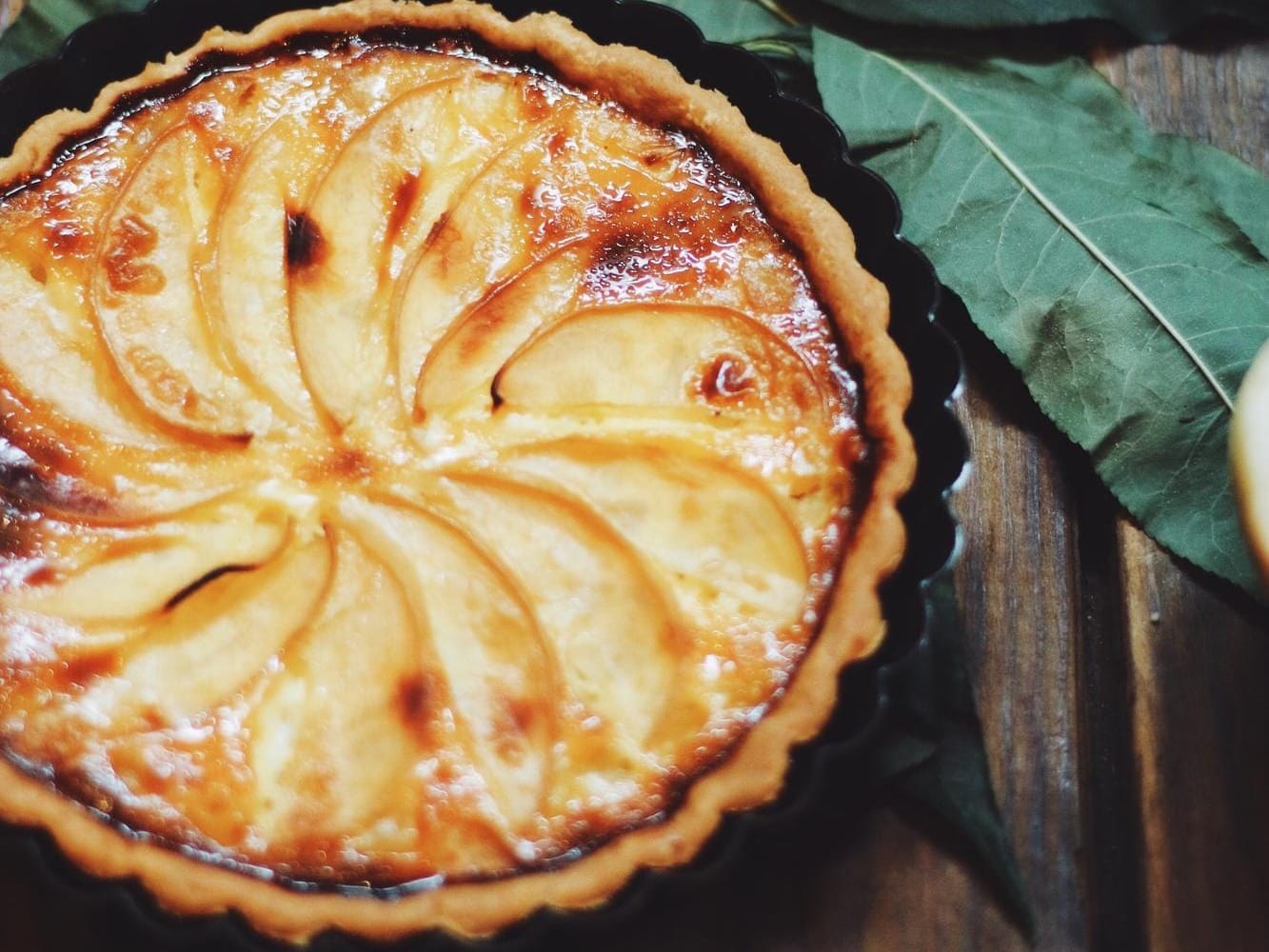
Late-Season Peach Pie with Sugar Crust
A classic double‑crust peach pie with coarse sugar on top directly references the recurring peach pie motif and the late-season harvest Torie delivers at the beginning of the story. Present it as the emotional centerpiece of the dessert table, symbolizing both sweetness and the fragility of happiness.
Orchard Cobbler in Cast-Iron
Bake individual or shared peach-and-berry cobblers in cast‑iron skillets to suggest a dessert improvised from what is on hand in a farmhouse kitchen. The bubbling fruit and rough biscuit topping echo the novel’s rough edges and the comfort Torie carves out for herself amid hardship.

Colorado Snowmelt Vanilla Ice Cream with Peach Compote
Serve scoops of vanilla ice cream topped with warm peach compote, branded as “snowmelt” in a nod to the mountain runoff that feeds the Gunnison River and the reservoir. The hot‑cold contrast mirrors the tension between harsh conditions and moments of tenderness in the book.
Flooded Town Chocolate Sheet Cake
A simple, old-fashioned chocolate sheet cake under a glossy ganache can be decorated with a swirl of blue and white icing to suggest the waters that eventually drown Iola. Each slice becomes a visual reminder of the town submerged beneath the reservoir and the memories that refuse to disappear.
Beverages
Gunnison River Iced Tea (with or without Spirits)
Brew a strong black tea, add a splash of peach nectar, lemon, and mint, and serve over ice as a long, “river-colored” drink that hints at both water and peaches. Offer a version spiked with bourbon for those who want something stronger and one without alcohol for a more reflective tone.

Miracle Peach Bellini
Create a sparkling cocktail with peach purée and prosecco and name it after the Nash family’s “miracle” peaches that somehow thrive in a harsh climate. The bubbles lend a celebratory note that contrasts with the novel’s sorrow, underscoring the resilience that runs through Torie’s journey.
Big Blue Wilderness Hot Cider
Serve hot apple cider with cinnamon, cloves, and orange slices, optionally fortified with a splash of whiskey, to evoke chilly Colorado evenings and the Big Blue wilderness that surrounds Iola. This works especially well for fall or winter meetings and pairs beautifully with peach-based desserts.
Orchard Spring Sparkling Water
Offer sparkling water infused with peach slices and fresh herbs like rosemary or thyme, framed as water drawn from a spring near the orchard. It gives a clear, refreshing, river-like option that ties together the story’s twin symbols of water and peaches without adding more sweetness.
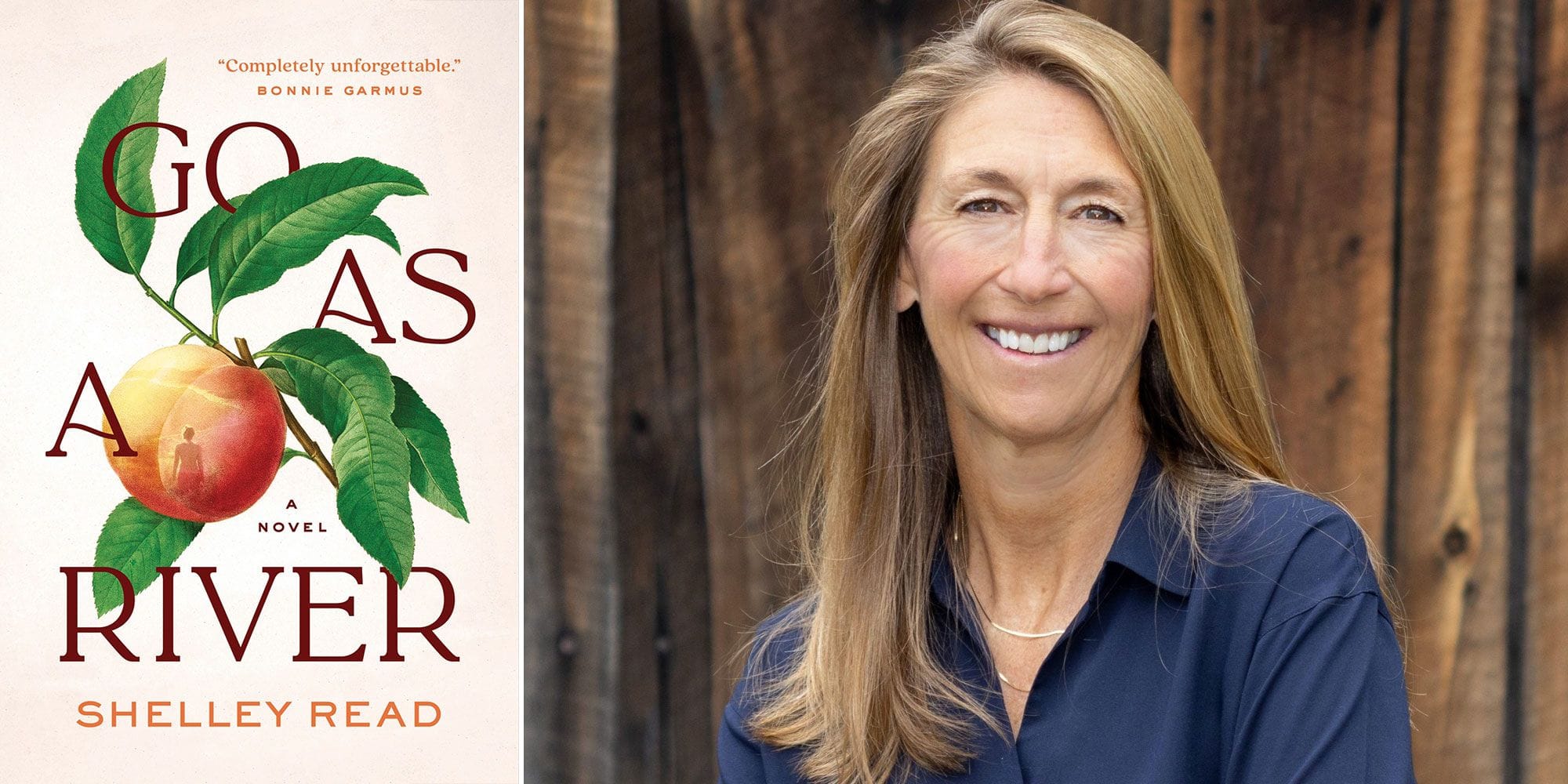
Get Go As a River
Set in the wild beauty of 1940s Colorado, Go As a River by Shelley Read is a stirring tale of love, loss, and resilience. When a chance encounter changes young Victoria Nash’s life, she’s forced to navigate heartbreak and the unforgiving power of nature with quiet strength and grace. This luminous debut celebrates the human spirit’s capacity to endure and bloom, even after the deepest storms.
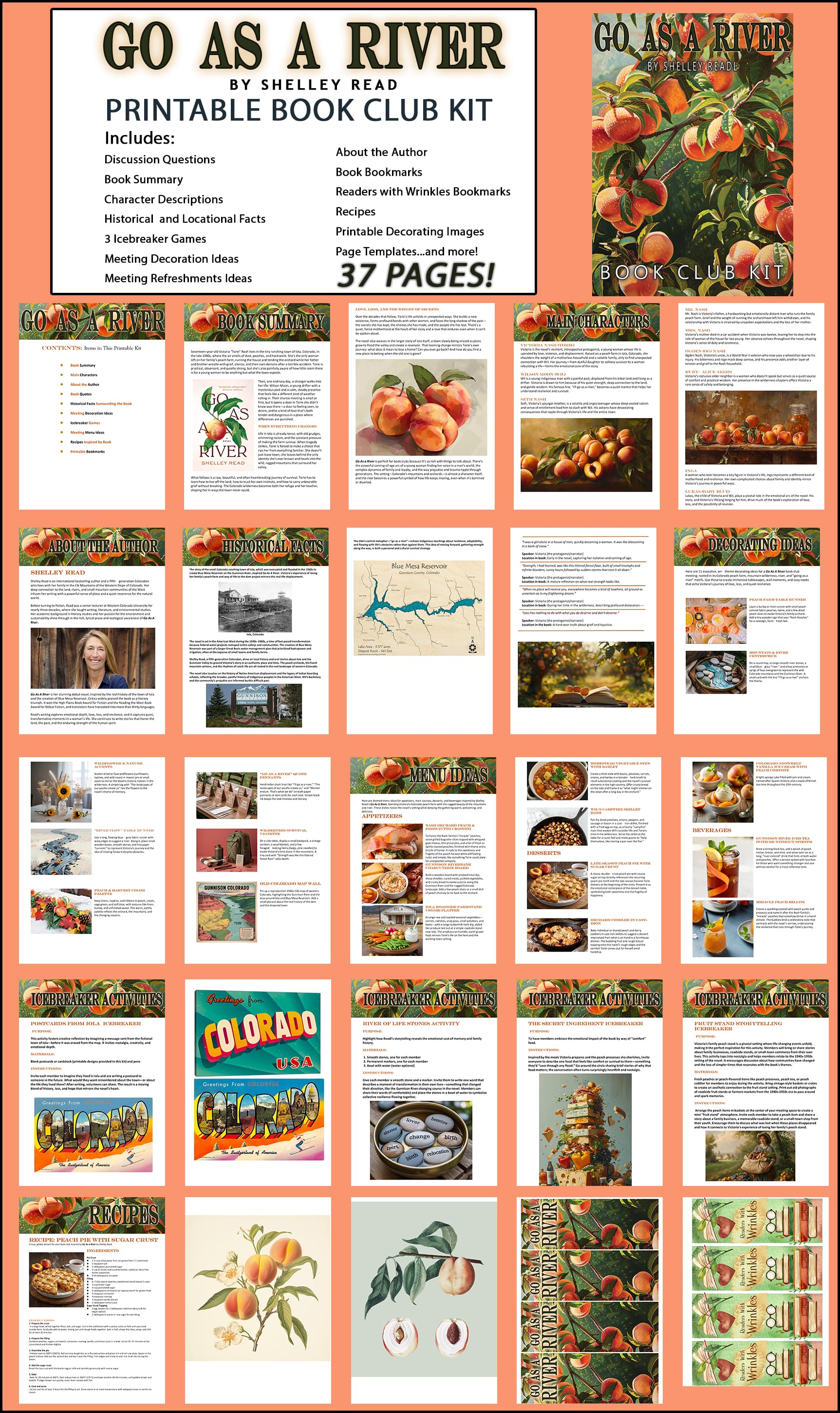
Go As a River printable BOOK CLUB KIT
The RWW book club kits provide everything you need to organize a great meeting with insightful discussions. These resources simplify book club preparation with character lists, book quotes, refreshment suggestions, recipes, and carefully prepared book club questions!

Keep the Pages Turning
This blog helps readers find their next favorite book and keeps book clubs thriving. If it’s helped you, would you consider supporting the next review?
Comments