

Table of Contents
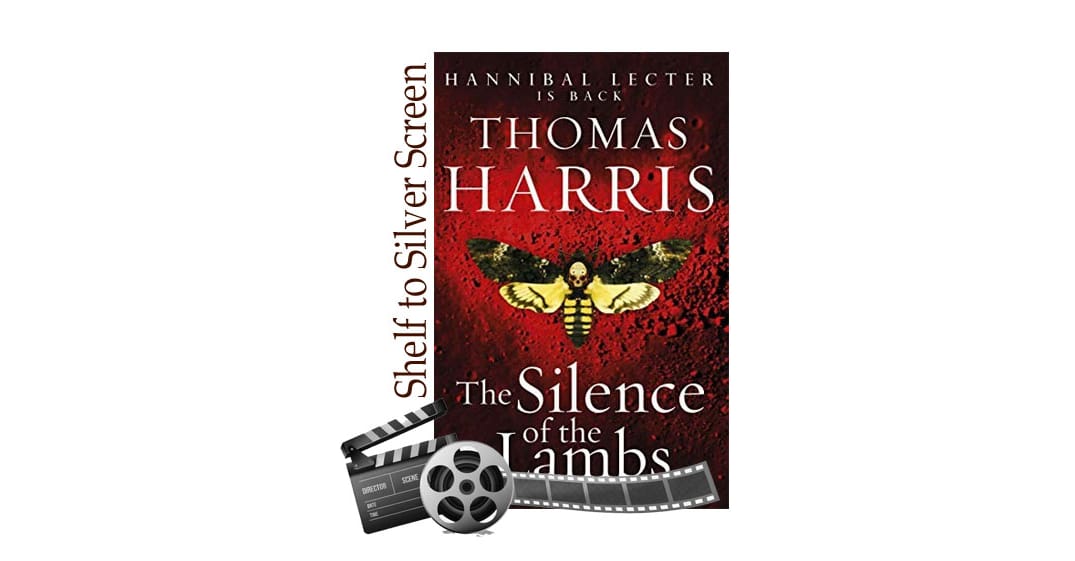
Shelf Meets Silver Screen Series
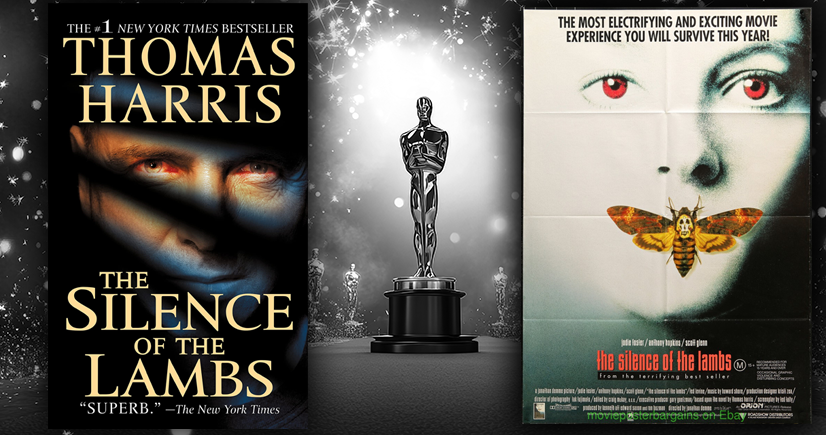
Book Awards:
- 🥇Bram Stoker Award Best Novel 1988
- 🥇Anthony Award Best Novel 1989
- 🥇Macavity Award Best Mystery Novel 1989
- 🥇Edgar Award Best Adapted Screenplay 1992
(It is often cited as the first novel to win all four major thriller/horror awards: Edgar, Bram Stoker, Anthony, and Macavity).
Oscar Awards:
- 1992 Nominated for 7 Academy Awards
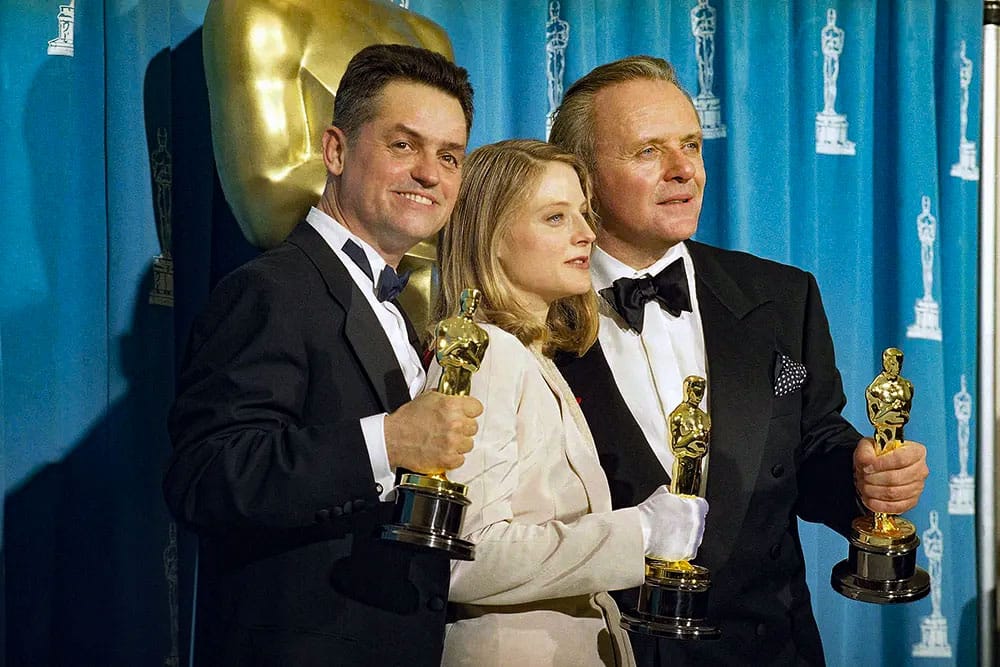
- Won the "Big 5":
🏆Best Picture
🏆Best Director - Jonathan Demme
🏆Best Actor - Anthony Hopkins
🏆Best Actress - Jodie Foster
🏆Best Adapted Screenplay - Ted Tally
I had never read this book before I started writing this series. Of course, I saw the movie. Who could forget the exquisite way that Anthony Hopkins whispered, "Clarice..." in the film? I get shivers just thinking about it. I read the book last week, and yes, it was good, but for this one, maybe not quite as good as the movie. It presented the character of Clarice Starling, rookie FBI agent, very differently from what Jodie Foster portrayed in the movie. I'm not sure which I prefer. If you've never read the book, read it and see what you think.
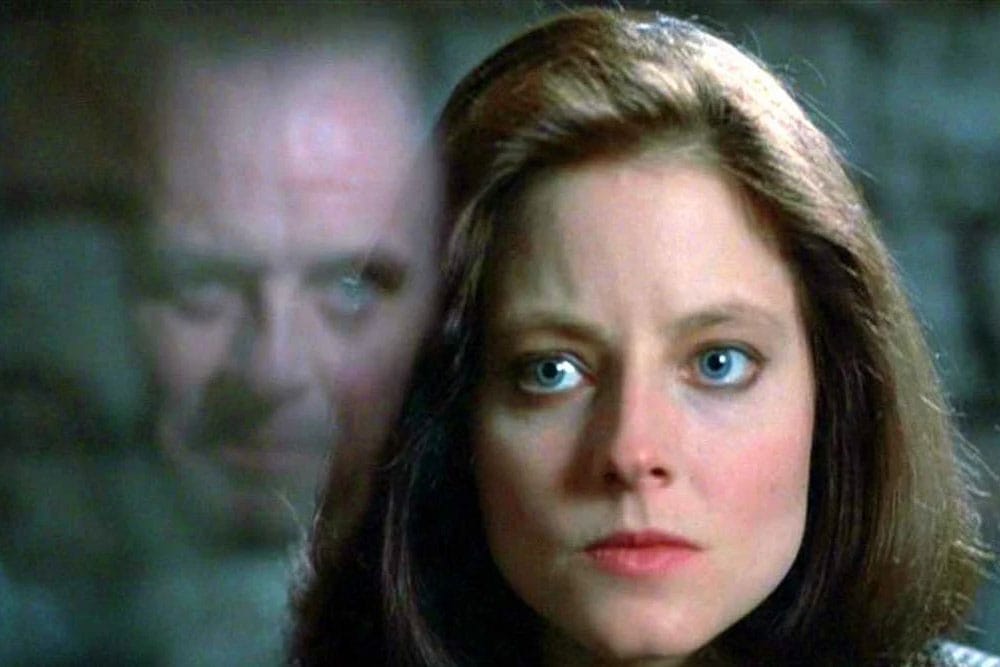
Anyway, this story crept off the page and settled into our collective consciousness and kept most of us up at night, thinking about what humanity’s darkness looks like when it stares back. The Silence of the Lambs, written by Thomas Harris, was published in 1988, and when Jonathan Demme brought it to the screen three years later, it became more than a chilling thriller; it became a rare cultural phenomenon that nabbed five Academy Awards and forever changed what audiences expect from psychological horror.
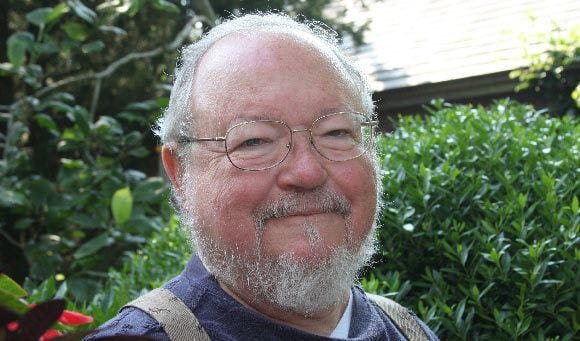
The Book That Rewrote Fear
When Harris published The Silence of the Lambs, readers met Clarice Starling—a bright, ambitious FBI trainee—and the unforgettable Dr. Hannibal Lecter, a psychiatry genius with a taste for human flesh. Harris’s writing balanced meticulous forensic detail with a deep dive into moral psychology. It wasn’t just about murder; it was about power, empathy, and the price of looking evil in the eye. Book critics praised Harris’s control of tension and psychological realism, and before long, Hollywood took notice.
Translating Terror: A Study in Adaptation
Many page-to-screen adaptations lose the quiet terror that defines a novel’s atmosphere. But Jonathan Demme’s 1991 film did the unthinkable—it distilled Harris’s intricate prose into visual tension. Screenwriter Ted Tally stayed loyal to the book’s emotional architecture, keeping much of Harris’s dialogue and structure intact, while Demme framed his camera like an intimate confession—often putting characters in direct eye contact with the viewer, forcing us into the interrogation room with Lecter and Starling.
Anthony Hopkins’s chillingly precise portrayal of Dr. Lecter and Jodie Foster’s guarded vulnerability as Clarice made the story pulse with psychological realism. Demme’s direction emphasized humanity as much as horror—something most thrillers of the time didn’t dare attempt.
A Sweep at the Academy Awards
In 1992, The Silence of the Lambs did what few films have ever done: it swept the “Big Five” Oscars—Best Picture, Director, Actor, Actress, and Screenplay. Only two other films in history (It Happened One Night and One Flew Over the Cuckoo’s Nest) had achieved the same feat. The film’s success wasn’t just about craft; it was about resonance. It elevated the thriller genre to literary status, just as Harris’s novel had done for commercial fiction.
Why It Still Grips Us Today
Decades later, The Silence of the Lambs remains both a reading and viewing experience that rewards revisiting. Readers like us who appreciate layered storytelling — can’t help but admire how two different mediums expressed the same psychological unease. The novel pulled us into Lecter’s mind; the film made us feel watched by it.
Whether you discover it on the page or revisit it in the flickering light of your TV, The Silence of the Lambs reminds us that horror, when done right, isn’t about monsters—it’s about what happens when the human soul looks too closely at itself.
It’s one of the rare thrillers to be showered with major awards, including the Bram Stoker Award for Best Novel and the Anthony Award for Best Novel, signaling that it’s respected well beyond “airport thriller” status.
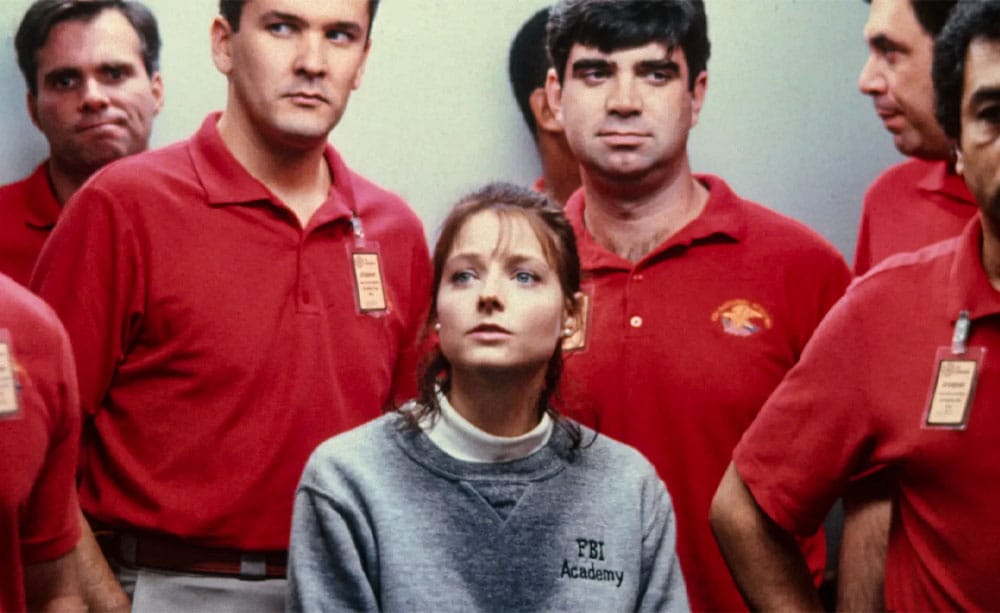
Clarice Starling as a pioneering heroine
Clarice is a young FBI trainee navigating a male-dominated world, fighting institutional sexism while trying to save another woman; her mix of vulnerability and grit helped redefine what a “strong female character” could look like. You can trace a line from Clarice to later favorites like Dana Scully and Olivia Benson, so rereading the novel lets you see where an entire wave of complex women detectives and investigators began.
A masterclass in psychological suspense
The core of the story isn’t just gore; it’s a tense psychological chess match between Clarice and Hannibal Lecter, steeped in manipulation, fear, and the unnerving thrill of trading information for insight. Scenes like their interviews show how dialogue alone can create dread, making this a great study text for anyone interested in how to build suspense with conversation rather than constant action.
Rich themes for discussion (gender, power, trauma)
The novel wrestles with gender, power, and gaze: Clarice is constantly looked at, judged, and underestimated by men, which makes her competence and persistence all the more satisfying to watch. Its treatment of identity and trauma—especially around Buffalo Bill—has sparked decades of scholarship on gender, sexuality, and the ethics of representing “the other,” giving book clubs plenty to unpack and critique in a modern context.
Cultural touchstone you already “know”… but maybe only from the film
Many readers know the famous lines and Lecter’s image without ever sitting with Harris’s prose, pacing, and internal monologue, which deepen both Clarice and Lecter beyond their movie versions. Rereading lets you notice small character details, investigative steps, and thematic breadcrumbs that the film had to compress or cut, making the story feel fuller and more textured.
Surprisingly literary craft
Scholars and critics have long noted the novel’s strong characterization and careful handling of suspense, arguing that it “transcends its genre” and can be read fruitfully as literature, not just entertainment. The structure—intercutting investigations, victim perspective, and Lecter’s chilling intelligence—offers a neat case study in how to balance multiple points of tension without losing narrative clarity.
Perfect for seasoned, discussion-driven readers
Mature readers tend to appreciate stories that blend propulsive plotting with ethical and psychological nuance, and this novel hits that sweet spot: it’s fast, but it lingers. For a group like Readers with Wrinkles, it’s ripe for conversation about how thrillers age: what still works, what feels dated or problematic, and how our understanding of gender, mental health, and true crime has shifted since the late 1980s.
Here are a few reasons to watch or rewatch this award-winning, history-making thriller:
It’s one of the few Oscar “Big Five” winners
The film swept Best Picture, Director, Actor, Actress, and Screenplay at the 1992 Oscars, a feat only three movies in history have achieved, which makes it essential viewing for any serious film-loving reader.
Clarice Starling is a rare, mature, feminist hero
Jodie Foster’s Clarice is smart, competent, and quietly determined, pushing through a male‑dominated FBI culture without being reduced to a stereotype or a love interest, which resonates strongly with older women viewers.
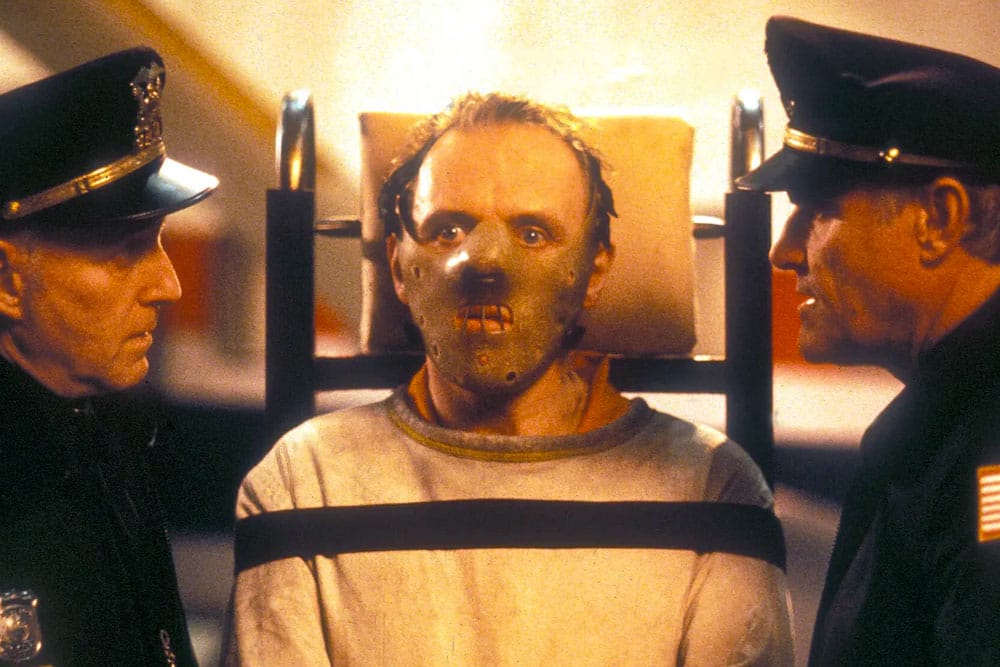
Hannibal Lecter is an iconic literary-style villain
Anthony Hopkins’ Lecter is written and performed with the depth of a great novel antagonist—erudite, witty, and terrifying—so each rewatch reveals new shades of manipulation and psychological insight.
It helped elevate horror and thrillers to “prestige” status
The movie proved that a psychological horror-thriller could be both a box office hit and an awards darling, opening the door for later prestige genre films like Get Out and The Shape of Water.
The film is a masterclass in tension and pacing
From the first visit to Lecter’s cell to the night‑vision basement sequence, the movie sustains a slow, literary kind of dread rather than relying on jump scares, making it ideal for viewers who savor atmosphere.
It’s packed with now‑classic scenes and dialogue
Lecter’s glass cell, the quid‑pro‑quo conversations, the “liver with some fava beans” line, and Buffalo Bill’s chilling lair have all seeped into pop culture, so rewatching lets you catch references you see everywhere else.
The themes reward thoughtful, book-club style discussion
The story wrestles with identity, transformation, trauma, power, and the male gaze, giving plenty of material for the kind of deep thematic unpacking Readers with Wrinkles followers enjoy doing with novels.
Clarice’s backstory mirrors the emotional arc of many readers
Her childhood memory of the lambs and her drive to “silence” them through saving Catherine taps into ideas of survivor guilt, redemption, and aging memories that still haunt us, which can feel especially poignant on a rewatch later in life.
It offers a snapshot of early‑1990s gender dynamics
The film quietly but constantly shows how men look at, talk over, or underestimate Clarice, making it a fascinating time capsule of workplace sexism that viewers can compare to their own experiences across decades.
Its cultural legacy is still unfolding
The Silence of the Lambs has influenced true‑crime media, TV procedurals, later Hannibal adaptations, Halloween costumes, and even ongoing debates over representation of gender and trans characters, so revisiting it helps you understand why it remains such a cultural touchstone.
The 98th Academy Awards (2026 Oscars) will air live on Sunday, March 15, 2026, at 7 p.m. ET (4 p.m. PT). The ceremony will be broadcast from the Dolby Theatre in Hollywood on ABC and available to stream on Hulu. Comedian Conan O'Brien is set to host the event.
Comments