

Shelf Meets Silver Screen Series
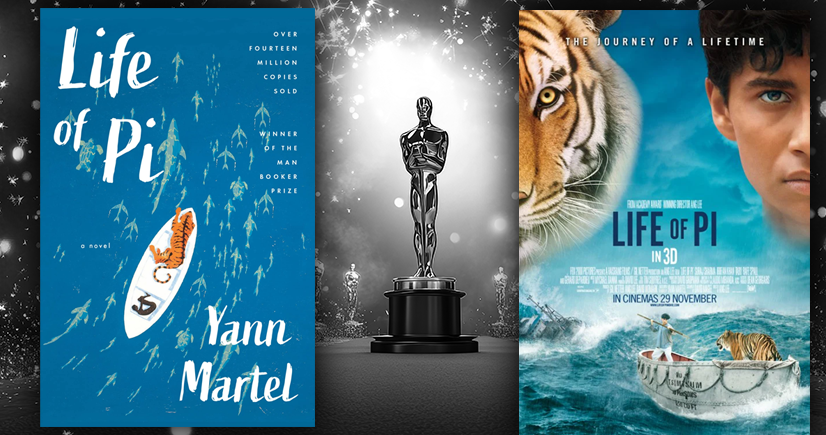
Book Awards:
- 🥇Booker Prize Winner 2002
- 🥇Asian/Pacific American Award for Literature Winner Adult Fiction 2003
- 🥇 Exclusive Books Boeke Prize Winner 2003
- 🥇Quebec Writers' Federation Award Winner Fiction 2001
Oscar Awards:
- 2013 Nominated for 11 Academy Awards
- Won:
🏆Best Director—Ang Lee
🏆Best Cinematography—Claudio Miranda
🏆 Best Visual Effects - Bill Westenhofer, Guillaume Rocheron, Erik-Jan de Boer, and Donald R. Elliott
🏆 Best Original Score - Mychael Danna
Some stories feel destined to live twice—once in the quiet hush of pages and again in the bright glow of a movie screen. Yann Martel’s Life of Pi is one of these rare stories that made the improbable leap: a philosophical novel about faith, survival, and storytelling that somehow became an Oscar-winning visual masterpiece.
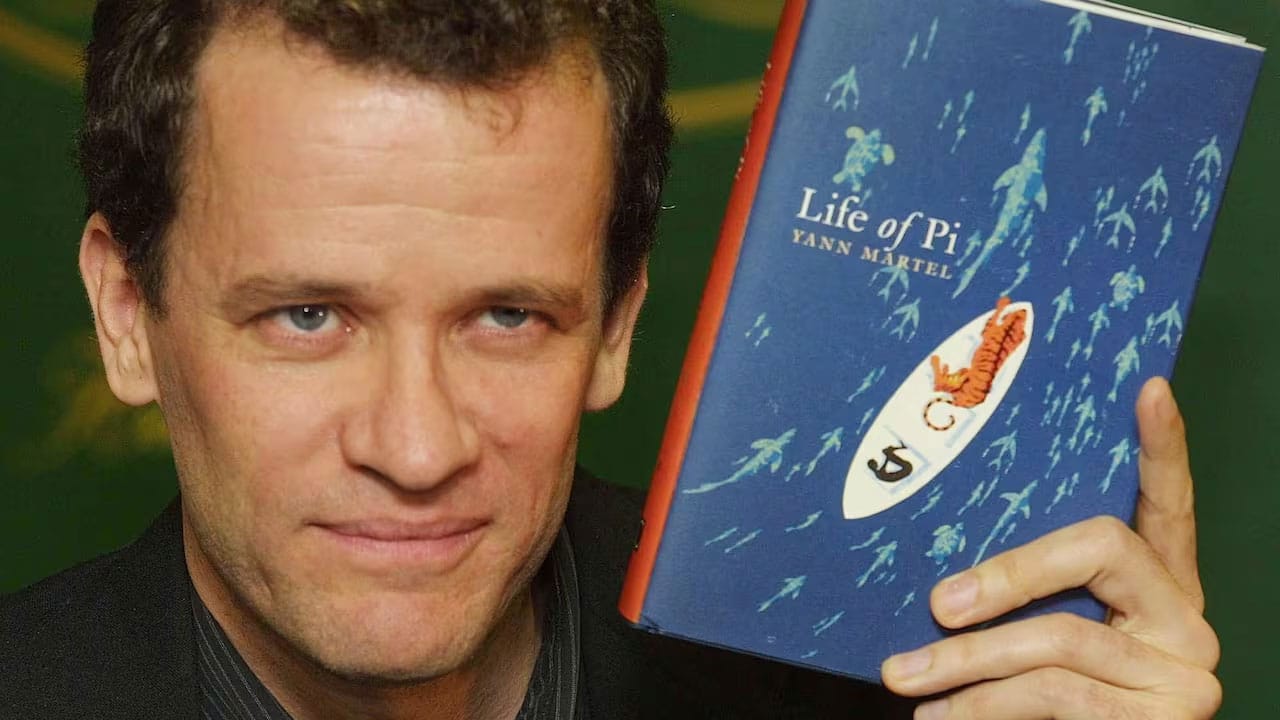
When the book first appeared in 2001, it swept readers and critics alike. Martel’s tale of a boy stranded on a lifeboat with a Bengal tiger named Richard Parker didn’t just win the Man Booker Prize—it redefined what readers thought a survival story could be. It was equal parts fable and spiritual allegory, as comfortable discussing zoology as it was God. For years, Hollywood circled it warily. How do you film a metaphor? How do you make the infinite imaginable?
Enter Ang Lee.
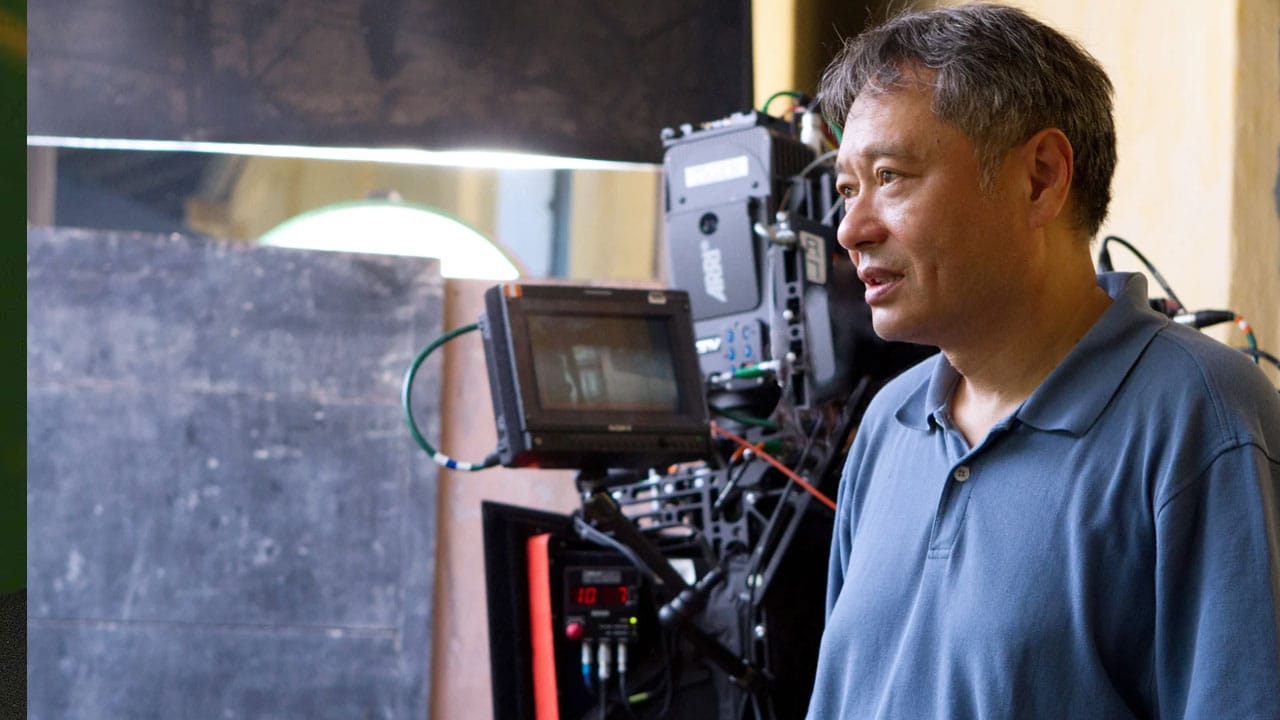
Small Story to Big Film
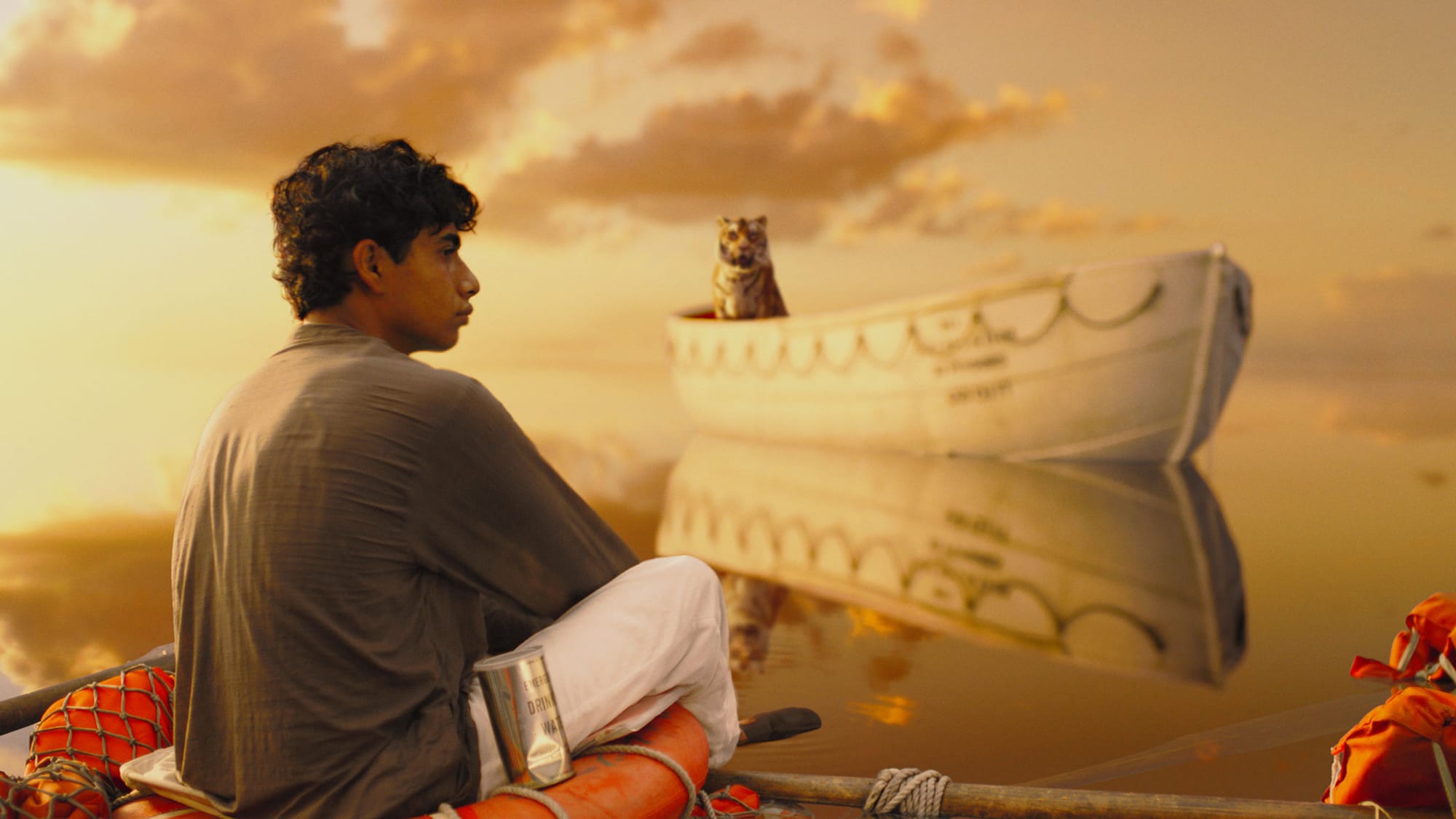
The Crouching Tiger, Hidden Dragon director had a habit of tackling the “unfilmable.” With Life of Pi, he found not just a story about survival but a meditation on wonder. Lee approached the novel as a visual prayer, using groundbreaking 3D and digital effects to transform Pi’s voyage into a luminous dreamscape. The Pacific became both a mirror and a mystery, with Richard Parker’s golden fur gleaming like a living pulse beneath the sun.
What’s remarkable is that Lee didn’t strip away Martel’s spiritual ambiguity—he deepened it. In the book, readers debate which version of Pi’s story is “true.” In the film, that same uncertainty ripples through every frame. Sight becomes belief. By the time the end credits roll, audiences face the same choice readers did years before: which story, in your heart, do you choose to believe?
When Life of Pi won four Oscars in 2013—including Best Director—it wasn’t just a victory for a film. It was validation that literature steeped in introspection and metaphor can still resonate on a cinematic scale.
For readers (and viewers) with life experience, Life of Pi offers something even more poignant. It reminds us that survival—whether of body, spirit, or art—is a kind of storytelling, and that great stories never truly end. They just find new ways to stay afloat.
Life of Pi is one of those novels that rewards age, experience, and rereading; it’s a story that grows up right alongside its readers. Here are reasons Readers with Wrinkles might want to pick it up (again).
It’s a survival story that hits differently with life experience.
Pi’s ordeal at sea isn’t just about staying alive; it explores how far a person will bend their morals, habits, and identity to survive when everything familiar is stripped away. Mature readers, who’ve weathered a few of life’s own storms, will recognize the nuance in how survival can reshape a person’s soul, not just their circumstances.
The faith and doubt themes deepen as you age.
The novel wrestles with religion and spirituality, showing Pi as a devoted practitioner of Hinduism, Christianity, and Islam whose belief is both tested and sustained during his journey. Rereading later in life makes his questions about God, suffering, and meaning feel richer and more personal, inviting readers to compare Pi’s evolving faith to their own.
The “better story” question is perfect for book club debate.
At its core, Life of Pi asks whether we prefer a brutal, factual story or a more mysterious, faith‑infused one—and what that preference says about us. That single question can power an entire meeting’s discussion about truth, storytelling, and how we make sense of our own hardest experiences.
The symbolism is layered enough to discover something new on reread.
The Bengal tiger, Richard Parker, can be read as Pi’s survival instinct, his shadow self, and a symbol of the wildness of nature all at once. The ocean, the carnivorous island, and even the animals on the lifeboat become richer when you revisit them, because each reread lets you notice another metaphor tucked beneath the adventure.
It’s a gentle bridge between page‑turning adventure and literary fiction.
On the surface, readers get shipwrecks, storms, hungry animals, and a boy on a lifeboat—very accessible, plot‑driven elements. Underneath, though, are themes of identity, cultural relativism, and the line between truth and fiction, making it an ideal pick for readers who like their stories gripping and thoughtful.
The book means something different at different ages.
Commentators note that Life of Pi’s language is fairly accessible, but its ideas are dense enough that teens, young adults, and older readers will all come away with different insights. Rereading in midlife or later can turn what once felt like a quirky survival tale into a moving reflection on memory, trauma, resilience, and how we rewrite our own stories over time.
It invites reflection on the relationship between humans and animals.
Pi’s coexistence with Richard Parker forces him to confront both the brutality and dignity of animals, as well as the “animal” aspects of himself. For readers who love richly drawn animal characters—or who’ve lived with beloved pets—there’s a lot to ponder about dominance, dependence, and what counts as true companionship.
The prose is immersive, meditative, and easy to sink into.
The novel blends clear, descriptive scenes of the sea and zoo life with more contemplative passages about belief and storytelling, creating a rhythm that’s both readable and reflective. It’s the kind of book many readers can enjoy slowly, in small nightly doses, without losing the emotional thread.
It’s ideal for thoughtful, multi-layered book club conversations.
Life of Pi raises questions about ethics in survival situations, the reliability of narrators, and whether stories rooted in faith can still be “true” even if not literally factual. Those overlapping layers give plenty of entry points for readers with different backgrounds—spiritual, skeptical, nature-loving, or simply story-obsessed.
The ending lingers and invites reinterpretation.
The novel’s final reveal reframes everything that came before, asking readers to decide which version of events they accept and why. That twist makes a reread especially rewarding, because knowing both stories lets you catch foreshadowing, symbolic hints, and emotional clues you missed the first time.
Life of Pi is a must-see. Here's why:
The visuals are breathtaking
The film’s ocean vistas, storm sequences, and starry skies are some of the most striking images in contemporary cinema, enhanced by Oscar‑winning cinematography and visual effects that still feel fresh on rewatch.
It’s a rich spiritual exploration
Life of Pi wrestles with faith, doubt, and the search for meaning, inviting viewers to consider how stories, religion, and perspective help us endure suffering and make sense of a chaotic world.
Layers of symbolism reward rewatching
From Richard Parker as Pi’s shadow self to the ocean, zoo, and carnivorous island as symbols of the unconscious, safety, and dangerous illusion, there are many allegorical details that become clearer on a second or third viewing.
It’s a master class in unreliable narration
The film’s “two stories” structure asks viewers to decide which version of events they prefer, making it perfect for book‑club-style discussion about truth, fiction, and whether “the better story” can be more important than literal facts.
The relationship with Richard Parker is unforgettable
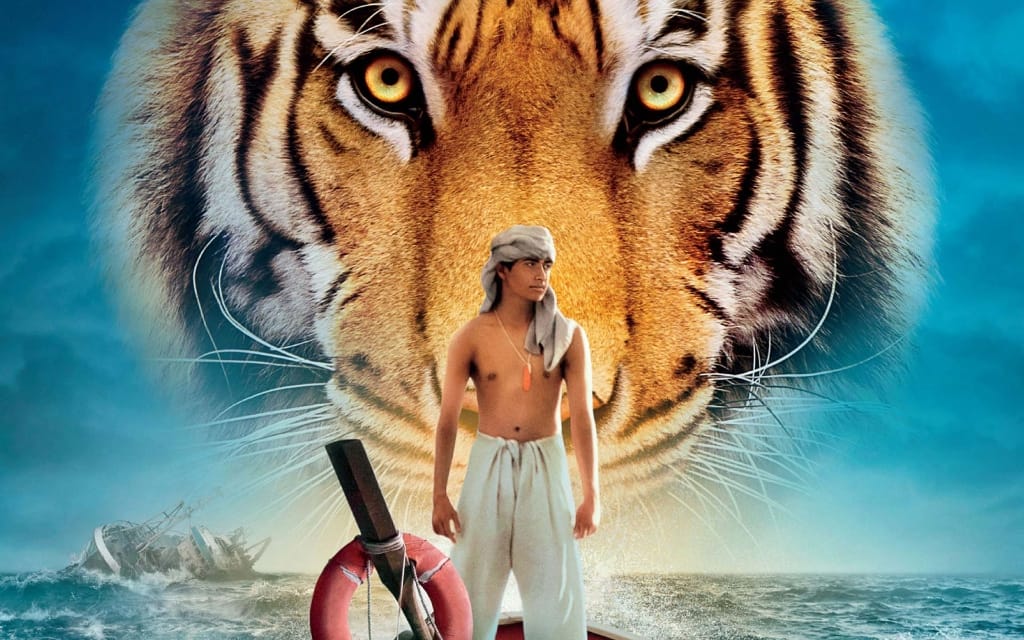
Watching Pi and the Bengal tiger move from pure terror to wary cooperation creates a tense, emotionally complex survival story that raises questions about our own primal instincts and capacity for empathy.
It showcases the power of storytelling
The frame narrative—an older Pi recounting his tale to a writer—highlights how narratives shape identity, heal trauma, and invite listeners to interpret and reinterpret what they hear.
It’s critically acclaimed and award‑winning
Life of Pi won four Academy Awards, including Best Director and Best Cinematography, and earned widespread praise for turning a “supposedly unfilmable” novel into an emotionally resonant, visually stunning movie.
It raises great club questions
Themes of faith, survival ethics, animal nature, and the line between reality and myth make this a conversation starter, giving Readers with Wrinkles followers ample material for thoughtful discussion after a viewing or rewatch.
The score and sound design deepen the experience
Mychael Danna’s Oscar‑winning score and the immersive soundscape of wind, waves, and silence on the Pacific heighten tension and awe, making a rewatch especially rewarding with good speakers or headphones.
It bridges literary and film worlds
As an adaptation of Yann Martel’s celebrated novel, Life of Pi offers a chance to compare page and screen—structure, symbols, and tone—making it ideal content for readers who enjoy seeing how beloved books are reimagined in film.
The 98th Academy Awards (2026 Oscars) will air live on Sunday, March 15, 2026, at 7 p.m. ET (4 p.m. PT). The ceremony will be broadcast from the Dolby Theatre in Hollywood on ABC and available to stream on Hulu. Comedian Conan O'Brien is set to host the event.
Comments