
- Date Published:
2025 - Length:
896 pages—Listening Time: 26 hours 4 minutes - Genre:
Fiction, Horror, Fantasy - Setting:
Late 1980s-2020s; set primarily in Maine, United States (opening at Rackham College) and later expands to other locations, including England - Awards:
Locus Award Finalist Horror Novel 2026; Bram Stoker Award Nominee Novel 2025; RUSA CODES Reading List Shortlist Horror 2026; Library Journal Best Books Thrillers / Supernatural 2025; Barnes & Noble Best Books of the Year Horror 2025; Indigo Best Books of the Year Top 100 2025; The New York Times Notable Books of the Year Fiction 2025; The Guardian Book of the Day 2025-11-13-2025; Chicago Public Library Best of the Best: Adults Selection Favorite Books 2025; Libby Life: The Best Books of the Year 2025; Vulture's Best Books 2025 - Languages:
English - Sensitive Aspects:
Graphic violence and gore, murder and death, child death, child abuse, sexual violence and rape, sexual coercion, sexual content, domestic violence, emotional and physical abuse, bullying, suicidal ideation and suicide, self-harm, addiction and substance use, strong language, racism, antisemitism, homophobia, sexism and transphobia, mental illness, animal cruelty, references to child sexual abuse material, abortion, cancer and AIDS, alcohol use during pregnancy, references to 9/11, occult rituals and human sacrifice - Movie:
King Sorrow is currently in development as a serialized television series. - Recommended for Book Club:
Maybe, this book is incredibly long, but groups that love fantasy reads will not mind.

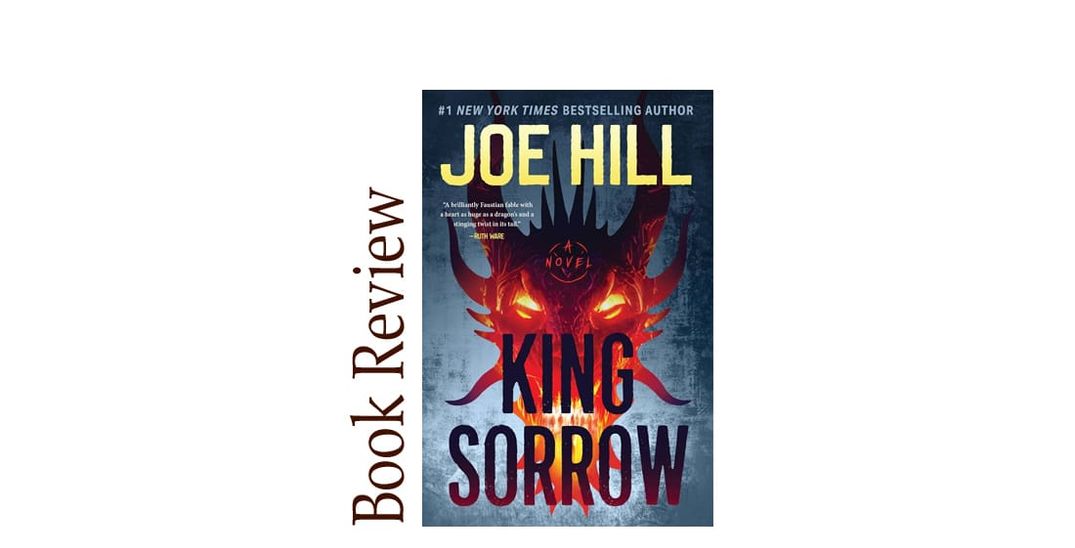
Nine hundred pages. Let’s get that out of the way before you spot the size of Joe Hill’s King Sorrow and suddenly remember you have laundry to fold.
Yes, I read the whole thing. All 900 pages. And yes, it was so worth it.
Here’s what makes that confession a little surprising: I rarely read fantasy. It’s not that I have anything against imaginary worlds. I just tend to reach for other books first, and a dragon on the cover doesn’t usually send me racing toward the checkout. In fact, I haven’t read a dragon book since George R.R. Martin’s Game of Thrones came out. That’s a rather long gap between dragons.
Then Joe Hill showed up and apparently decided I’d been away long enough.
I became completely engrossed in King Sorrow. Not politely interested. Not “I’ll finish this because I’ve already invested three hundred pages.” I wanted to keep reading. Whatever reservations I’d brought to this enormous book gradually stopped mattering, because I cared far more about what would happen next.
That’s the thing about an extremely talented writer: he can make your usual reading preferences feel beside the point.
Hill doesn’t just give you events to follow. He creates people you feel you know—the sort whose decisions you find yourself debating long after you’ve closed the book. You understand them, even when understanding them doesn’t mean you’d trust them with your house keys. There’s a difference, and Hill knows how to make the most of it.
And for a novel that took me so far outside my everyday reading habits, King Sorrow felt remarkably connected to the world outside my window. Hill has a gift for creating events that resonate with what’s happening around us. The recognition slips in while you’re caught up in the story: that uncomfortable little feeling that the distance between this imagined world and our own isn’t quite as reassuring as you’d hoped.
That combination—the characters, the unsettling relevance, the sheer pleasure of his writing—kept me turning pages.
So, if you’re looking at this book and thinking, “Fantasy? Dragons? Nine hundred pages? Absolutely not." I understand. I might have stood right beside you. If this book hadn't been a 2026 Bram Stoker Award finalist, I probably would have never found it.
But take a moment to consider it before you dismiss it. This is one recommendation I’ve earned, page by very worthwhile page.

Spoiler-Free
Arthur Oakes loves books. Being blackmailed into stealing them? That’s another matter entirely. A student at Maine’s Rackham College, Arthur finds his quiet, bookish life upended when a local drug dealer and her partner force him to steal valuable volumes from the college library. Desperate for a way out, he turns to his five closest friends, who come up with a solution that makes calling the authorities look positively unimaginative: summon a dragon.
The idea comes from wealthy, confident Colin Wren, who believes an unsettling old journal holds the means to bring a creature called King Sorrow into their world. Alongside Arthur, Gwen, Alison, and twins Donna and Donovan, he sets out to call upon something that should exist only in nightmares. Their goal is simple enough: protect their friend and put an end to the threats against him. Unfortunately, the creature they summon has its own understanding of the arrangement.
What begins as a desperate rescue becomes a bargain with a terrible recurring cost. Each year, the six friends must choose a new sacrifice for King Sorrow—or risk becoming his next meal. Apparently, even a dragon’s services come with terms and conditions you really should read first.
Spanning decades, King Sorrow follows the friends as that youthful decision reaches into their adult lives, binding them to one another and to consequences they can neither predict nor control. It’s a story of friendship, fear, and the dangerous temptation to solve a human problem by handing it over to something monstrous. The question hanging over it all isn’t simply what the dragon will do. It’s what these six people are willing to do to keep themselves safe.

Honestly, recommending a 900-page book feels a little like asking someone to help you move. It’s a commitment, and “trust me, it’ll be worth it” only gets you so far. So here’s why I think this particular chunk of a book deserves your time.
The writing
Joe Hill is an exceptionally talented writer, and I don’t mean that in the vague, polite way we sometimes praise a book we admired more than enjoyed. His writing made me want to keep reading. Nine hundred pages gave me plenty of opportunities to lose interest. I didn’t.
You don’t have to be a fantasy reader
I rarely reach for fantasy, and I hadn’t read a dragon book since George R.R. Martin’s Game of Thrones came out. Yet I became completely engrossed in this one. If the genre is what’s making you hesitate, take it from someone who had the same reservation.
The characters become people you care about
For me, that’s the difference between watching a story unfold and feeling invested in it. Hill creates characters who feel like people you know—not necessarily people you’d take advice from, but people you want to understand.
The impossible feels uncomfortably relevant
Yes, there’s a dragon. But what struck me was how closely the events and human behavior aligned with what’s happening in our own world. I went in expecting an escape and found myself recognizing more than I’d anticipated.
It gives you something to wrestle with
A desperate decision, a dangerous bargain, consequences that won’t politely go away: there’s plenty here to make you ask what you would do. I love a book that makes the answer less comfortable than I’d like.
It’s worth discussing with other readers
This is the kind of story that makes me want to compare reactions, question decisions, and hear someone else defend a character I’m ready to lecture. For a book club willing to tackle the length, that’s an appealing prospect.
The time commitment paid off
I read the whole thing—all 900 pages—and I’m glad I did. That’s my strongest recommendation, really. Not that you should finish every enormous book you start, but this one made me want to.
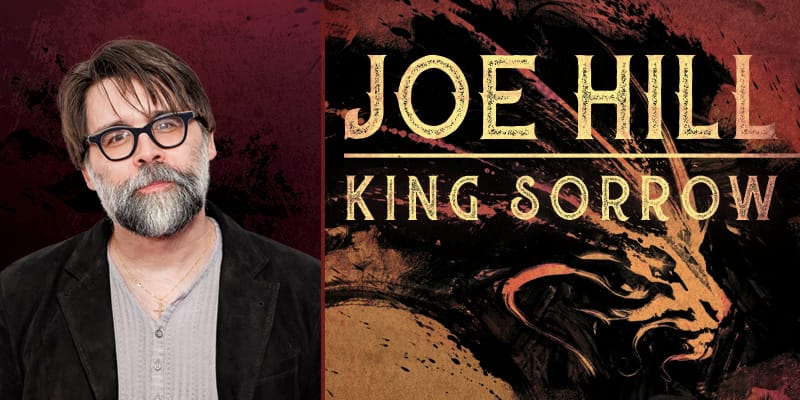
Get Joe Hill Books
Joe Hill’s books pull you into terrifying worlds with unsettling twists and characters so human, you’ll care far too much to look away.
Bookshop.org was created as a socially conscious alternative to Amazon, with the goal of helping local, independent bookstores thrive. This is why Readers With Wrinkles supports their efforts. Please join us in this effort by purchasing your next read here.

The best read-alikes don’t necessarily have dragons—they capture the friendships, dangerous bargains, unsettling magic, and painfully human choices that make King Sorrow so absorbing. Here are my recommendations:
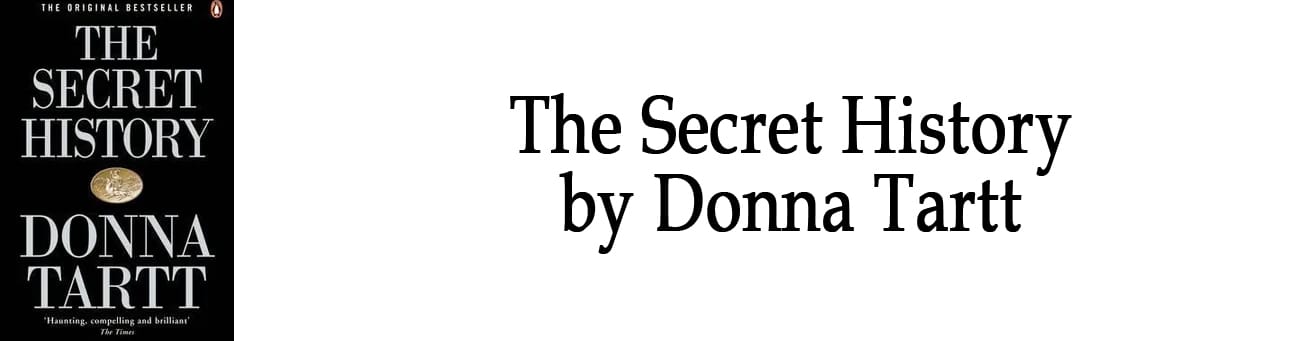
The Secret History by Donna Tartt
At an elite Vermont college, a close-knit group of classics students falls under a charismatic professor’s influence and becomes entangled in murder. An immediate critical and commercial success, the novel had sold more than 2.3 million English-language print copies and appeared in 40 languages by its thirtieth anniversary. If you loved the college friendships and disastrous decisions in King Sorrow, this is a compelling next stop—no dragon required, because these students cause quite enough trouble themselves.
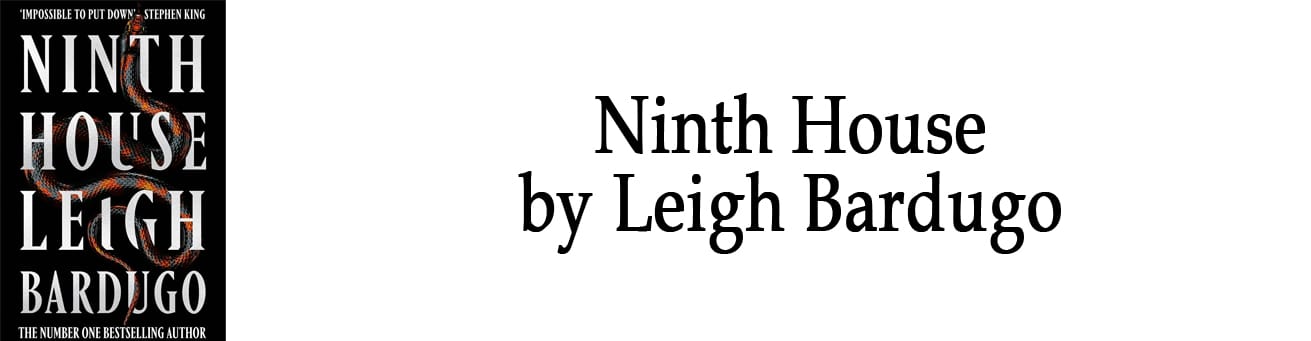
Ninth House by Leigh Bardugo
Given an unlikely opportunity to attend Yale, Alex Stern must monitor the university’s occult secret societies, whose privileged members practice dangerous magic. The novel was a finalist for both the Shirley Jackson Award and the Locus Award for Best Fantasy Novel. Its combination of campus life, unequal power, and supernatural forces that refuse to stay safely contained makes it a natural choice for readers drawn to King Sorrow’s darker academic atmosphere.
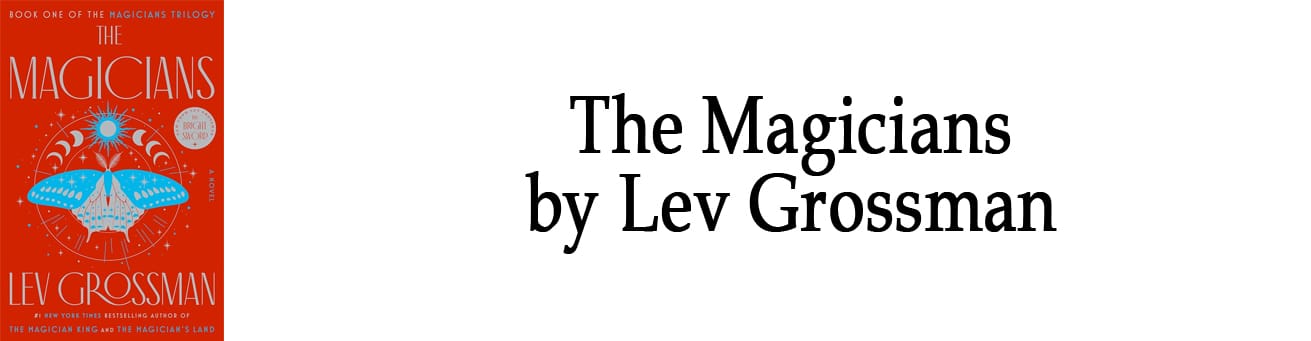
The Magicians by Lev Grossman
A brilliant but dissatisfied young man enters a secret college of magic and discovers that gaining access to an extraordinary world doesn’t make ordinary human unhappiness disappear. The novel became a New York Times bestseller in both hardcover and paperback. Like King Sorrow, it puts flawed young people into contact with extraordinary power, making it especially appealing if you enjoy fantasy that takes its characters’ emotional baggage seriously.
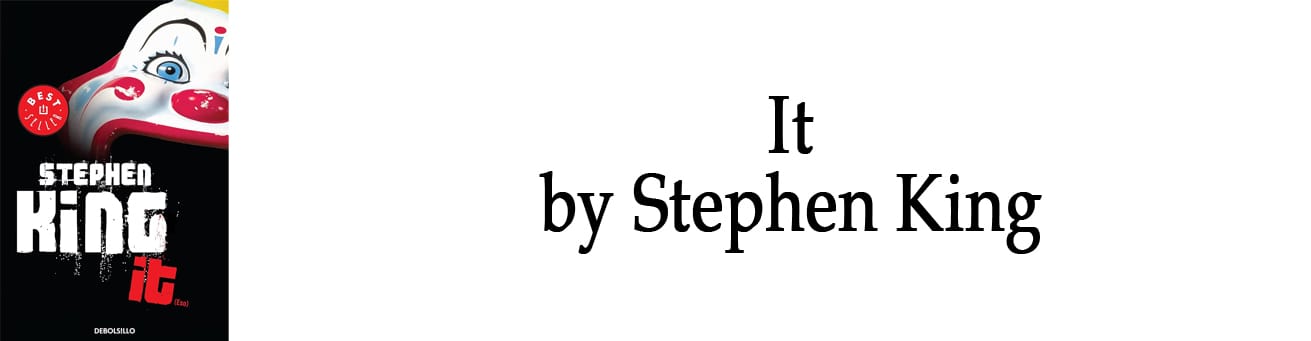
It by Stephen King
Seven childhood friends confront a shape-shifting evil in their Maine hometown, only to find themselves drawn back together as adults when the terror returns. The novel won the 1987 British Fantasy Award and was the bestselling hardcover fiction book in the United States in 1986. If the enduring friendships, long-reaching consequences, and emotional scope of King Sorrow kept you reading, this sprawling horror novel offers another deeply involving commitment.
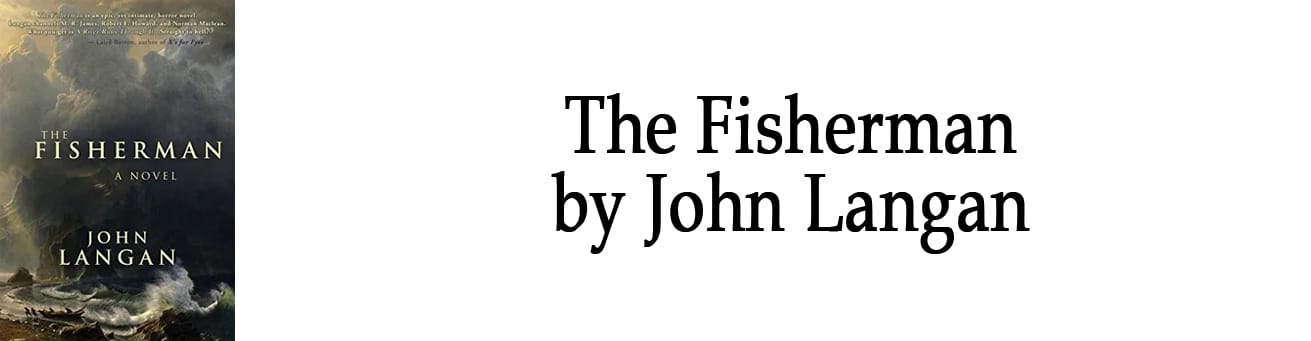
The Fisherman by John Langan
Two widowers find comfort in fishing together until stories about a mysterious creek tempt them toward something far more dangerous than either understands. The novel won the 2016 Bram Stoker Award for Superior Achievement in a Novel. Its blend of recognizable grief and immense supernatural danger makes it a strong match for readers who appreciated how King Sorrow grounds monstrous possibilities in deeply human needs.
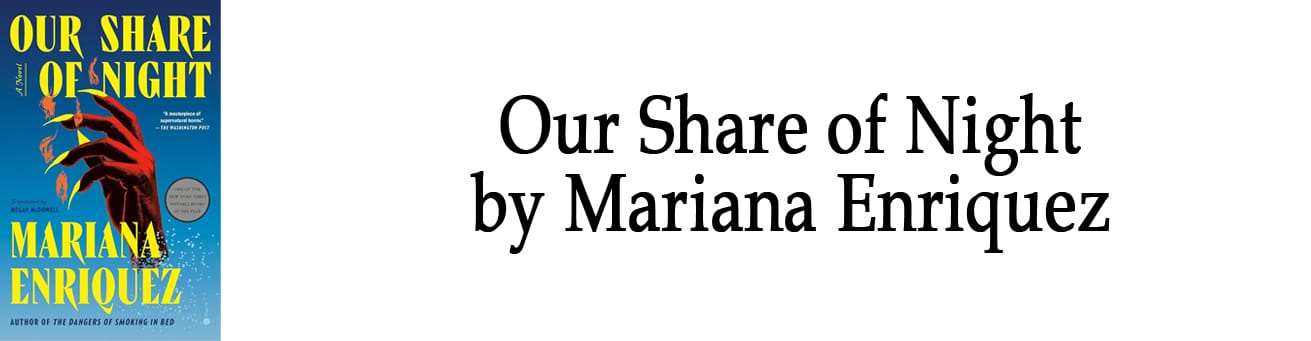
Our Share of Night by Mariana Enriquez
A father tries to protect his son from a powerful occult society seeking immortality in a story that moves across decades of Argentina’s violent history. The original Spanish-language novel won the 2019 Herralde Prize. Its devastating bargains, predatory supernatural power, and connections between private suffering and public brutality should resonate with readers who found King Sorrow frighteningly relevant to the real world.

The Library at Mount Char by Scott Hawkins
Raised by a terrifying, godlike figure called Father, Carolyn and her fellow apprentices face a dangerous struggle over his mysterious library after he disappears. Hawkins’s debut earned a place in The Washington Post’s June 2015 roundup of notable science-fiction and fantasy novels. Its collision of contemporary life, horrifying power, and people shaped by their proximity to something monstrous makes it an especially intriguing follow-up if you liked King Sorrow’s refusal to keep fantasy and horror in separate boxes.
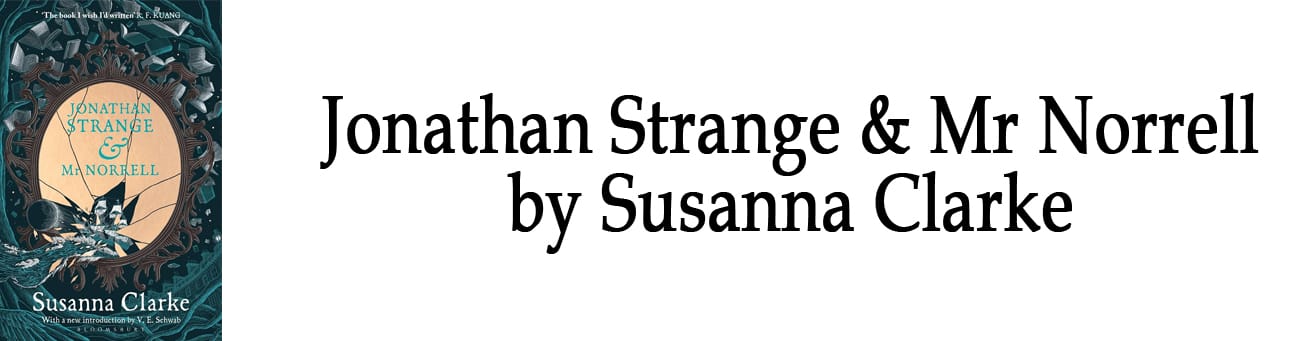
Jonathan Strange & Mr Norrell by Susanna Clarke
Two very different magicians restore practical magic to England during the Napoleonic Wars, but their partnership strains as Jonathan Strange pursues increasingly perilous knowledge. The novel won the 2005 Hugo Award for Best Novel, the World Fantasy Award for Best Novel, and the Locus Award for Best First Novel. Although its historical setting offers a change of scenery, its dangerous magic and richly immersive storytelling make it a rewarding choice if King Sorrow reminded you how satisfying a substantial fantasy novel can be.
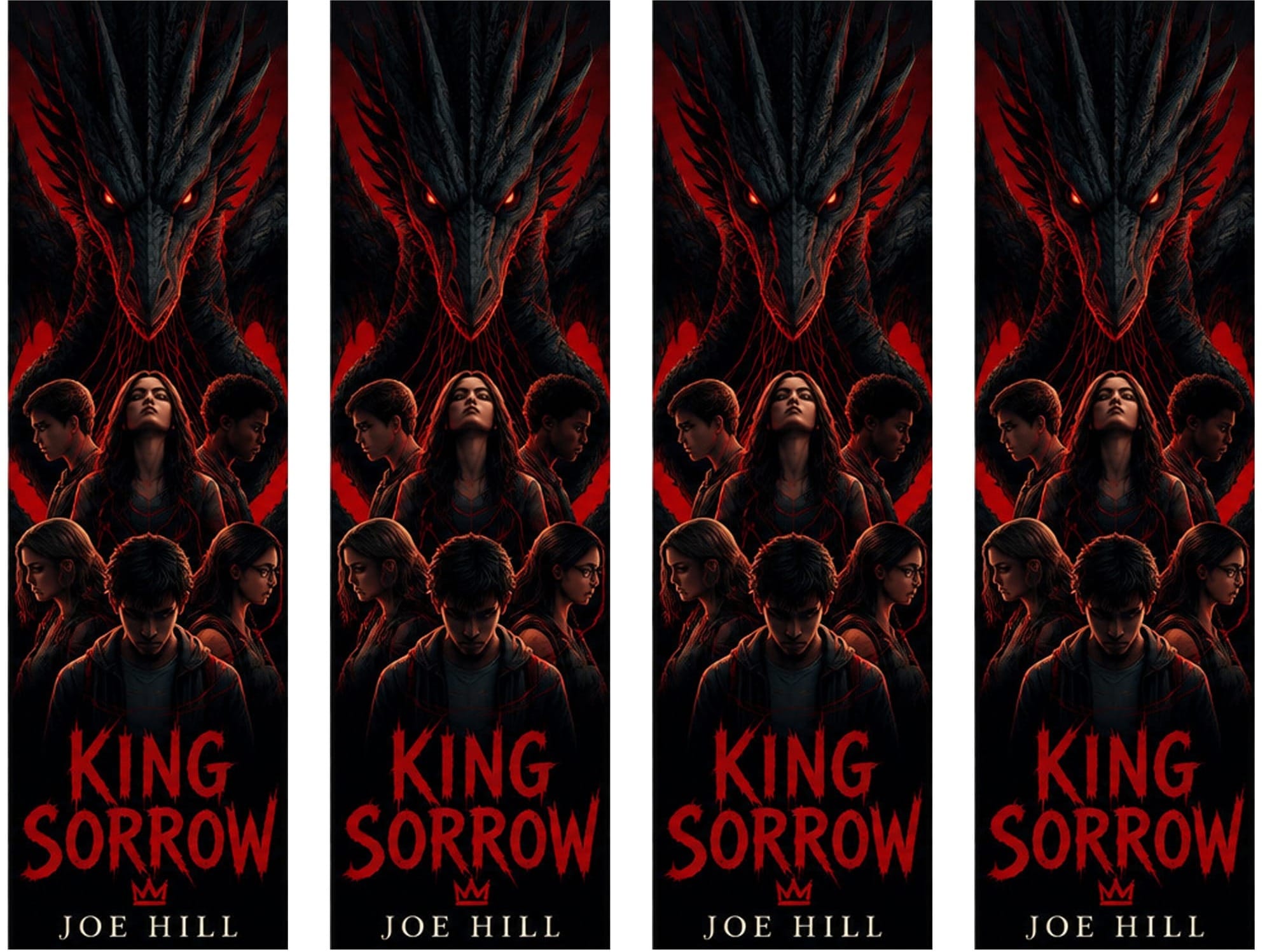
A Little Something Extra for Paid Subscribers
Every great book deserves a place to be remembered—and now, paid Readers With Wrinkles subscribers can collect a little piece of every review they love.
With your paid subscription, you’ll receive exclusive access to free printable bookmark pages created for each book reviewed on Readers With Wrinkles. Simply download, print, and tuck one inside the book you’re reading—or save a few for your next book-club pick, gift, or reread.
Each bookmark is a small, bookish keepsake designed to help you celebrate the stories that stay with you. Whether you use them to mark your place, share them with fellow readers, or build a collection of your favorite reads, they’re a thoughtful extra made especially for our subscriber community.
Paid subscribers already enjoy exclusive bookish printable lists resources and special savings on Book Club Kits. Now you can make every reviewed book even more memorable—one beautiful bookmark at a time.
Subscribe today and start collecting your printable bookmarks with every new Readers With Wrinkles review.
Paid Subscriber Perk!
Love the book we just reviewed? Paid subscribers can now download an exclusive printable list of books with a similar vibe—perfect for planning your next read or curating your book club’s picks. It’s a handpicked, beautifully designed list guide you won’t find anywhere else.
Unlock your next favorite reads—become a paid subscriber today to get instant access to these printable book lists!
Comments