

Table of Contents

- Date Published:
2023 - Length:
400 pages—Listening Time: 12 hr 21 minutes - Genre:
Historical Fiction - Setting:
1920s-1930s, fictional Chicken Hill neighborhood of Pottstown, Pennsylvania - Awards:
International Dublin Literary Award Longlist 2025; Kirkus Prize Winner Fiction 2023; National Jewish Book Award Winner Book Club Award 2023;
National Jewish Book Award WinnerFiction 2023; The Morning News Tournament of Books Finalist 2024; Aspen Words Literary Prize Shortlist 2024; Macavity Award Nominee Sue Feder Memorial Award for Best Historical Mystery 2024; Ohio Book Award Winner Fiction 2024; PEN/Faulkner Award for Fiction Longlist 2024; BookTube Prize Quarterfinalist Fiction 2024; Jewish Fiction Award Winner 2024; Libby Book Award Winner Adult Fiction 2024; Goodreads Choice Awards Nominee Historical Fiction 2023; Sophie Brody Medal Winner 2024; NAIBA Book of the Year Awards Fiction 2024; NAACP Image Award for Outstanding Literary Work Nominee Fiction 2024; Mark Twain American Voice in Literature Award Shortlist 2024; Publishers Weekly's Best Books of the Year Fiction 2023; Booklist Editor's Choice: Adult Books 2023; NPR: Books We Love 2023; Boston Globe Best Book Fiction 2023; Notable Books List Fiction 2024; Amazon.com Best Books Best Book of the Year 2023; The New York Times Notable Books of the Year Fiction 2023; Kirkus Reviews Best Book of the Year Historical Fiction 2023; Christian Science Monitor Best Book Fiction 2023; New York Times bestseller Fiction 2023; Publishers Weekly's Summer Reads Listed Fiction 2023; LibraryReads Monthly Pick Top Ten August 2023; New York Public Library Best Books: For Adults Fiction 2023; Chicago Public Library Best of the Best: Adults Favorite Books 2023; AudioFile's Best Audiobooks of the Year Fiction 2023; Fresh Air: Maureen Corrigan's 10 Favorite Books of the Year Fiction 2023; Washington Post Best Books Fiction 2023; NPR Best Book 2023; Barack Obama's Favorite Books 2023; Outstanding Books for the College Bound and Lifelong Learners 2024; Time Magazine's Best Books of the Year Fiction 2023; Read in Color Recommended Reading Adults & Advanced Readers Jewish 2025; BookPage Best Books Fiction 2023 - Languages:
English, French, German, Latin, Norwegian, Spanish - Sensitive Aspects:
Racism, racial slurs, antisemitism, xenophobia, anti‑Black racism, religious tension between Judaism and Christianity, ableism, discrimination against people with physical and intellectual disabilities, forced/involuntary institutionalization, medical neglect, police brutality, other forms of state violence, pedophilia, child sexual abuse, rape, sexual assault, threats of sexual violence, misogyny, domestic conflict, infertility, infidelity, poverty, financial hardship, substance use, smoking, ageism, classism, community ostracism, use of outdated and offensive terms for Black people - Movie:
An adaptation of The Heaven & Earth Grocery Store, is currently in early development as a film project, with A24 and Steven Spielberg's Amblin Entertainment partnering to bring it to the screen, with Spielberg set to produce, not direct. It is expected to be a major cinematic event, though details on directors, writers, and cast are still emerging as it's in the very initial stages. - Recommended for Book Club:
Yes

As book clubs everywhere start finalizing their reading lists for the year ahead, it feels like the perfect time to revisit some timeless classics. I have a long list of books that I have read in years past and rated 9-10 stars, but somehow, I've never had time to write full reviews for them. So, before your book club locks in its 2026 lineup, consider exploring a few of these unforgettable reads.
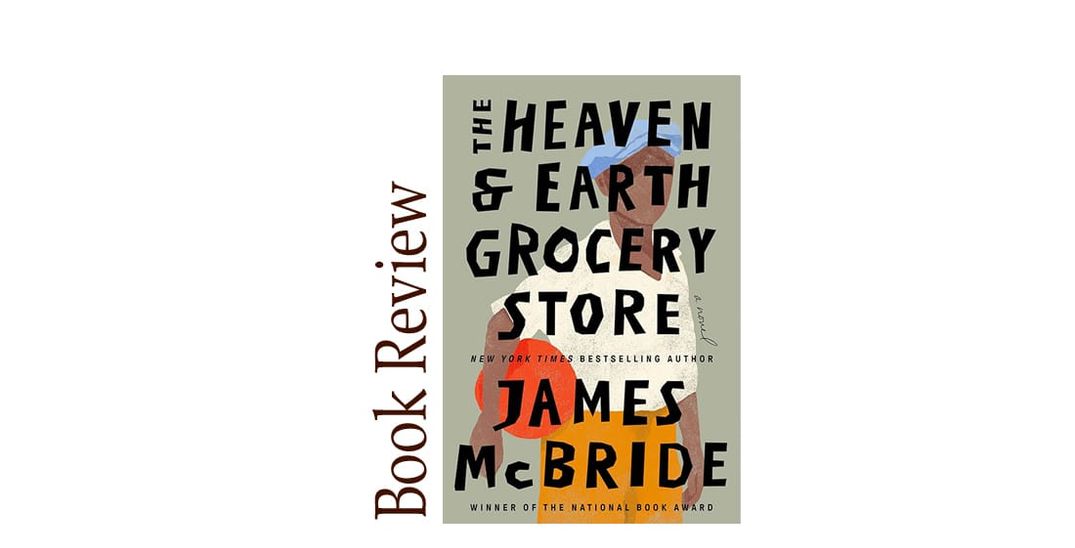
Have you ever started a book thinking you’ll read or listen for just a few pages before bed, and suddenly it’s two in the morning and you’re whispering “just one more chapter” like a promise you know you can’t keep? That was me with The Heaven & Earth Grocery Store by James McBride. I didn’t just read this novel—I lived in it. I walked its streets, eavesdropped on its gossip, and carried its people with me long after I closed the cover.
Set in the tiny Pennsylvania town of Chicken Hill during the 1930s, McBride takes what could’ve been a simple story and turns it into something incandescent—a tapestry of outcasts, dreamers, and unlikely saints. The beating heart of it all is the Heaven & Earth Grocery Store itself, a humble corner shop run by a Jewish couple, where neighbors—Black and Jewish, rich and struggling—collide in all their messy, hopeful humanity. It’s a place where kindness looks ordinary until you realize how extraordinary it really is.
What grabbed me wasn’t just McBride’s wit (though he’s funny as hell) or his sentences (which sing). It’s the warmth—the kind that hums under every heartbreak and small triumph. He writes about community the way some people talk about faith: something you lean on when the world makes no sense. These aren’t perfect people; they’re complicated, stubborn, and sometimes cruel. But when the narrative weaves them all together, you realize this is what survival looks like—grace in the unlikeliest corners.
If you loved Deacon King Kong or Toni Morrison’s Home, this book will find its way straight to your heart. The Heaven & Earth Grocery Store isn’t just a story about a town—it’s a reminder of what holds us all up when everything else falls apart.

The novel opens not in Chicken Hill’s bustling streets, but decades later, with the discovery of a skeleton buried in a construction site. From that single bone, James McBride winds the clock back to the 1930s, when this small Pennsylvania hillside was home to a mix of Black and Jewish families—people scraping by, looking out for each other, and trying to carve out a bit of dignity in a world that offered them very little.
At the center is Chona Ludlow, the warm but quietly defiant woman who runs the Heaven & Earth Grocery Store with her husband, Moshe. She’s one of those characters who seems to know everyone’s business—and still loves them for it. Her store isn’t just where people buy flour or gossip—it’s where decency lives rent-free in a hard decade.
Everything ripples outward from the day a young Black, deaf boy named Dodo needs saving. After an accident leaves him orphaned and vulnerable, the community closes ranks around him. But this isn’t a tidy story about heroic rescue—it’s about the fragile network of trust that forms when people who’ve been pushed to the margins decide they’ll protect one of their own, no matter what it costs.
The authorities—white, powerful, and uninterested in nuance—want Dodo sent away to a state institution. Chona and Moshe, with the help of their tight-knit neighborhood, hide him, setting off a chain of events that tangle together pride, loyalty, and more than one old secret. As the tension tightens, the novel peels back layer after layer of the town’s history: who betrayed whom, who stayed silent, and who was brave enough to act.
By the end, that buried skeleton from the first pages doesn’t feel like a mystery to be solved—it feels like a story coming home. Every lie, every act of kindness, every moment of courage leads back to that ground, where the truth—and the people who fought to protect it—finally get to breathe.

Readers with Wrinkles followers and their clubs who love stories with heart, depth, and something worth chewing on after the last page will appreciate this book. Here is why.
It celebrates community the way small towns really work
You know how in every neighborhood there’s that one person who somehow holds everyone together—the one who checks in, remembers your birthday, and has the coffee ready when life falls apart? That’s the spirit McBride captures here. Chicken Hill feels alive with the kind of connections built through years of shared meals, whispered gossip, and quiet acts of rescue.
The characters are gloriously imperfect
Nobody in this story is polished. They gossip. They fight. They love fiercely and sometimes foolishly. But they feel real. You can see your neighbors—or maybe even a younger version of yourself—in these people who are trying to do the right thing in a world that doesn’t make it easy.
It’s historical fiction that actually breathes
Set in the 1930s, the novel paints a vivid picture of an America wrestling with segregation, antisemitism, and survival. Yet it never drifts into the “dusty textbook” kind of history. McBride invites readers to step into the music, gossip, and laughter of Chicken Hill until it feels like a place you could walk into tomorrow.
McBride’s humor softens the heartbreak
Even when the story dips into pain and injustice, there’s always a flicker of joy—like someone cracking a joke at a funeral because otherwise everyone might collapse. His humor doesn’t undercut the weight of the story; it keeps it human.
It reminds us that kindness still changes everything
At its core, this novel isn’t about villains and heroes—it’s about ordinary people choosing decency over convenience. For readers who appreciate stories that leave a moral bruise and a warm afterglow, this one is unforgettable.
It’s perfect for thoughtful book club conversations
This story opens up rich discussions about faith, prejudice, compassion, and community responsibilities. The layers run deep, but the storytelling is so engaging that every reader—no matter their background—finds a way in.

Purchase James McBride Books
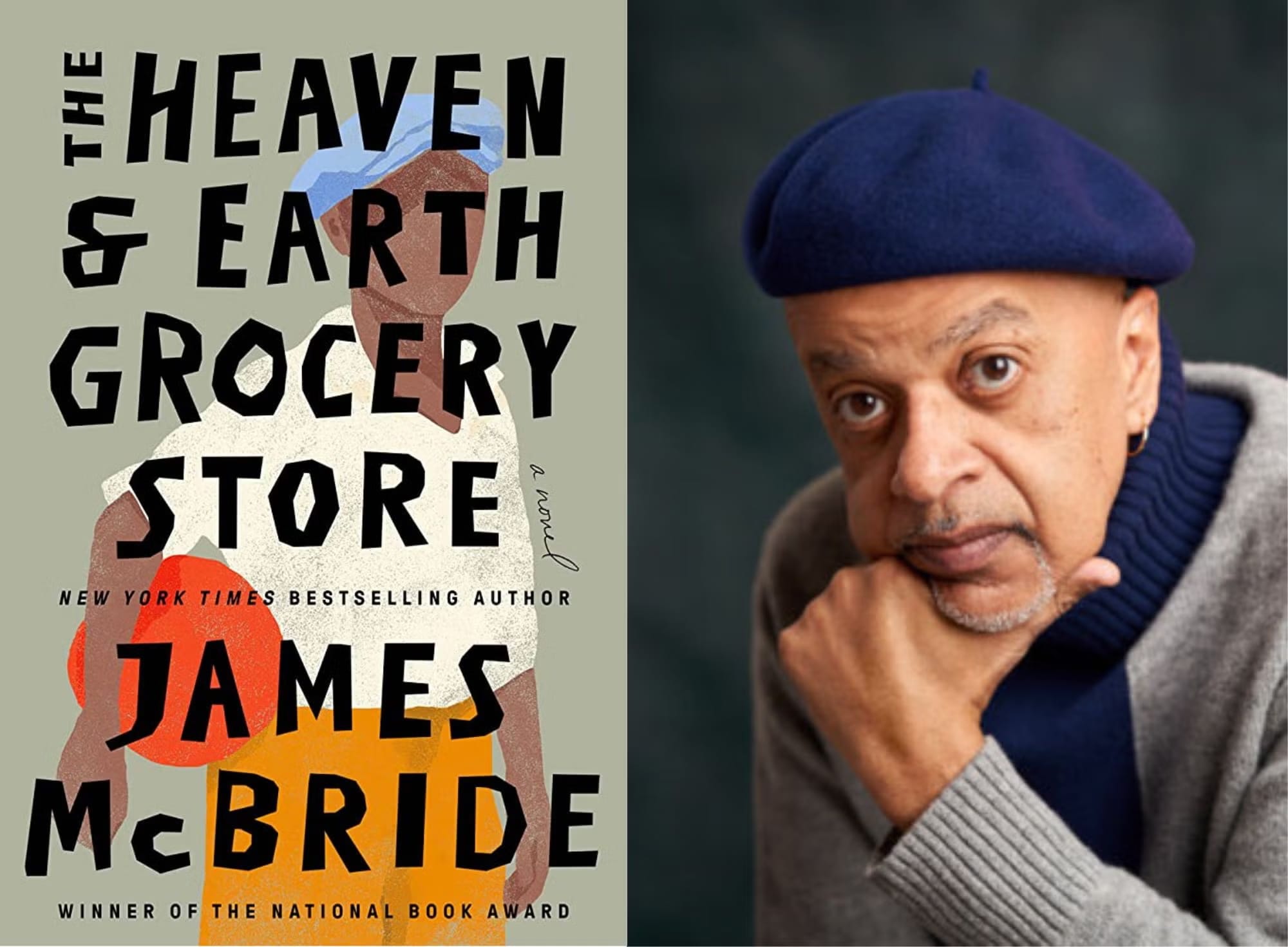
James McBride’s books blend humor, history, and humanity into unforgettable stories that explore race, faith, and the enduring power of community.
Bookshop.org was created as a socially conscious alternative to Amazon, with the goal of helping local, independent bookstores thrive. This is why Readers With Wrinkles supports their efforts. Please join us in this effort by purchasing your next read here.

Here are several strong read-alikes that echo the community, history, injustice, humor, and sprawling-cast feel of The Heaven & Earth Grocery Store.
Race, injustice, and community
- The Nickel Boys by Colson Whitehead
Set in a brutal reform school in Jim Crow–era Florida, this novel follows two Black boys whose friendship is tested by systemic cruelty and violence. It probes the legacy of racist institutions and the long shadow they cast over a community and a life. - This Tender Land by William Kent Krueger
In the 1930s, four children escape a cruel Indian boarding school and travel by stolen canoe down the river, encountering kindness, danger, and makeshift families along the way. It blends historical injustice, kids in peril, and a deep sense of found community and moral choice. - The Four Winds by Kristin Hannah
During the Dust Bowl and Great Depression, a mother must decide whether to stay on her dying Texas farm or flee to California with her children in search of work and survival. The book centers on resilience, sacrifice, and what ordinary people endure—and risk—for those they love. - Native Son by Richard Wright
Set in 1930s Chicago, this classic follows Bigger Thomas, a young Black man whose desperate actions and their aftermath expose the brutal realities of racism, poverty, and fear. It is unflinching and psychologically rich, asking how a society’s crimes shape an individual’s fate.
Jewish life, intertwined cultures, and history
- The Amazing Adventures of Kavalier & Clay by Michael Chabon
Two Jewish cousins in mid‑century New York invent a groundbreaking comic-book hero while wrestling with wartime trauma, ambition, and love. The novel mixes humor, heartache, and big questions about art, escape, and the American dream. - Before All the World by Moriel Rothman-Zecher
In Prohibition-era Philadelphia, a Black labor organizer who speaks Yiddish and a Jewish pogrom survivor form an unlikely circle of friendship and love in a semi-secret bar that doubles as a queer gathering place. Lyrical and formally inventive, it explores trauma, chosen family, and the hope of building a more humane world across cultures. - The Golem and the Jinni by Helene Wecker
A woman made of clay and a fire spirit trapped in human form both try to build lives in turn-of-the-century New York’s immigrant neighborhoods. Drawing on Jewish and Middle Eastern folklore, it uses the fantastical to illuminate assimilation, otherness, and the immigrant experience.
Sprawling casts and small-town or community focus
- There There by Tommy Orange
Twelve Native characters converge on a powwow in Oakland, each carrying their own history, grief, and hopes into a single explosive day. The multi-POV structure creates a chorus of contemporary Indigenous voices, examining identity, dislocation, and community in an urban setting. - Beartown by Fredrik Backman
In a struggling Swedish town that lives and dies by its junior hockey team, a violent act shatters the community’s loyalties and illusions. With a big ensemble cast, it examines how small towns close ranks, who gets believed, and the quiet forms of courage and kindness that remain. - The Heart of It All by Christian Kiefer
In a fading Ohio factory town, three families—white, Central Asian immigrant, and Black—navigate economic precarity, grief, and everyday attempts at decency. The novel uses multiple perspectives to show how small acts of mercy and connection hold a fractured community together.
Bonus McBride note: If you loved the tone and ensemble storytelling most, Deacon King Kong by James McBride is an especially close cousin, with raucous humor, church and neighborhood life, and a community closing ranks around its own.warmth of imperfect people caring for one another.
Comments