

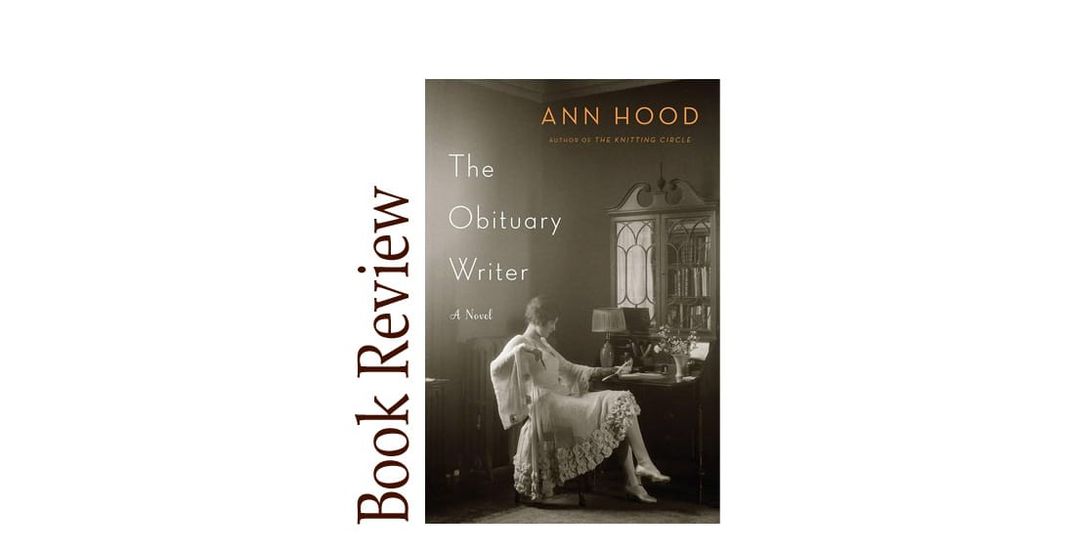
- Date Published:
2013 - Length:
304 pages—Listening Time: 7 hours 50 minutes - Genre:
Fiction, Historical Fiction - Setting:
1919 and years following as well as 1961 (Kennedy's Inauguration); Washington D.C., Virginia, San Francisco, and Napa Valley - Awards
Maine Readers' Choice Award Longlist 2014; Ann Hood has earned recognition for her fiction, essays, and short stories, including Two Pushcart Prizes, Two Best American Food Writing Awards, Best American Travel Writing Award, Best American Spiritual Writing Award, and Paul Bowles Prize for Short Fiction - Languages:
English - Sensitive Aspects:
Grief and bereavement, death and obituaries, disappearance and presumed death, loss connected to the 1906 San Francisco earthquake, marital infidelity and extramarital affairs, loveless marriage, pregnancy uncertainty, emotional distress, depression-like prolonged grief, abandonment, social pressure surrounding women’s roles, sexism and restrictive gender expectations, divorce stigma, sexual content, adult relationship conflict - Movie
There is no official movie or television adaptation currently released or actively in production for The Obituary Writer. - Recommended for Book Club:
Yes

When people actually read newspapers—the real, ink-on-your-fingers kind—everyone seemed to have a favorite section they visited first. Some people eagerly flipped straight to the sports pages. Others went directly to arts and entertainment, political cartoons, the classifieds, or the crossword puzzle, waiting patiently near the back. You had your ritual before you read a single headline.
I always loved the comics. Give me Peanuts, Cathy, or a slightly puzzling family-strip joke, and I was happy. My father, however, immediately turned to the obituaries.
Now, before that sounds unbearably morbid, there’s context. He grew up in a small East Texas town where his family owned a funeral home. Death wasn’t a taboo subject tucked behind lowered voices and casseroles; it was part of the family business, woven into the rhythms of a close-knit community. The obituaries told stories. They revealed who belonged to whom, who had served, who had endured, and who had built a life that mattered to someone else.
And in October, my father turns 93. That is a lot of obituaries he has carefully combed through over the years.
So perhaps it’s no surprise that Ann Hood’s The Obituary Writer caught my attention. A book with that title practically asks you to pause, take a breath, and consider what a life looks like once someone else tries to fit it into a few neat paragraphs. What gets included? What gets softened? And, maybe more importantly, what gets left out because it was too complicated, too painful, too scandalous, or simply too much for polite society to say aloud?
Hood takes two pivotal moments in American history—the devastating 1906 San Francisco earthquake and John F. Kennedy’s inauguration in 1961—and uses them as more than historical wallpaper. They become fault lines in the lives of two women connected by marriage, generations, and the difficult inheritance of family secrets. Their stories unfold decades apart, but they echo one another in ways that feel both intimate and unsettling.
This isn’t merely a novel about history and a writer who tells stories about dead people. It’s about the lives women were expected to accept, the desires they were told to bury, and the small acts of courage that can look invisible from the outside. It’s about marriage, motherhood, loss, longing, and the particular loneliness of being seen as a role instead of a whole person.
The Obituary Writer is also a tender tribute to the women modern women stand on the shoulders of—the ones who made choices with fewer options, carried burdens without applause, and quietly pushed against the boundaries drawn around them. Ann Hood reminds us that the past isn’t as distant as we like to pretend. Sometimes it is sitting right beside us, waiting for someone to tell the fuller story.

The Obituary Writer moves between two women whose lives are separated by more than half a century but connected by family, secrecy, and the weight of choices that cannot be easily undone.
In 1961, Claire lives in Virginia with her husband, Peter, whose successful contract work with the Pentagon provides the family with a comfortable, outwardly enviable life. But behind the respectable façade, Claire is profoundly unhappy. Peter wants a traditional wife—someone who will keep house, raise children, and fit neatly into the role he has designed for her—while offering little emotional warmth or physical intimacy in return. Lonely and increasingly trapped by the narrow expectations placed on women, Claire begins an affair that forces her to confront the difference between the life she is supposed to want and the life she truly longs for.
Her story unfolds against the backdrop of John F. Kennedy’s 1961 inauguration, a moment filled with national optimism and the suggestion that change might be possible. For Claire, though, change is much more personal, complicated, and risky.
The novel also travels back to 1906 San Francisco, where Vivian works as an obituary writer for a newspaper. She spends her days turning the final details of strangers’ lives into graceful public remembrance, even as her own life refuses to follow a tidy script. Independent and ambitious in a world that does not make much room for either quality in women, Vivian is navigating love, loss, and a future that feels increasingly uncertain.
When the San Francisco earthquake devastates the city, Vivian’s path takes an unexpected turn—one that will eventually connect her life to Claire’s in ways neither woman could have imagined.
Ann Hood uses these two timelines to explore the private costs of living according to other people’s expectations. The Obituary Writer is a thoughtful, emotionally layered novel about desire, identity, marriage, and the stories families preserve—and the ones they quietly leave behind. It is not a twisty mystery built on shock value; it’s a character-driven story about the private histories that shape us, the stories women are encouraged to keep quiet, and the longing to be known as more than someone’s wife, mother, daughter, or obituary.

You should read The Obituary Writer if you’re in the mood for a novel that understands how much can be happening beneath a perfectly ordinary-looking life. Ann Hood doesn’t shout for your attention here. She draws you close, lets you sit with these women, and then quietly makes their fears, hopes, and impossible choices feel personal.
Read it for the women
Claire and Vivian are separated by decades, yet both are trying to claim a self beyond the roles assigned to them. One is expected to be a contented wife; the other is trying to build a life in a world that has little patience for women with ambition and desire.
Why it matters: You may not agree with every choice either woman makes—and honestly, you’re not supposed to. But you’ll understand the hunger underneath those choices: to be loved, listened to, touched, respected, and seen as a complete human being. That recognition can hit surprisingly close to home.
Read it for the quiet heartbreak
This isn’t heartbreak served with a flashing neon sign. It’s the ache of a lonely marriage, grief that follows someone into every room, a sentence left unsaid because saying it might change everything. Hood is especially good at showing how isolation can exist even when another person is sitting right beside you.
Why it matters: If you’ve ever looked at someone’s seemingly “good” life and wondered what was happening behind the curtains, this book gets it. It asks us to extend compassion before judgment—both to fictional women and to the real people around us.
Read it for its history
The 1906 San Francisco earthquake and the Kennedy inauguration in 1961 are not merely period details sprinkled in for atmosphere. They frame two moments when the country was changing—and when the women at the center of the novel were being asked to change, endure, or remain silent right along with it.
Why it matters: Historical fiction works best when history feels lived-in rather than announced. Here, the clothing, social rules, newspapers, homes, and shifting expectations help you feel the pressure of each era without turning the novel into a lecture.
Read it if you love family secrets
The connection between Claire and Vivian unfolds gradually, giving the novel an extra layer of emotional pull. You’ll likely find yourself reading “just one more chapter” because you want to understand how these two women’s lives fit together—and what their family has chosen to remember.
Why it matters: The book understands that families rarely hand down the whole truth. They pass along fragments: a name, an old photograph, a rumor, a silence at the dinner table. Occasionally those fragments are enough to shape an entire life.
Read it for the questions it leaves behind
At its heart, The Obituary Writer asks what a life looks like when it is reduced to the version others are comfortable hearing. Who gets remembered accurately? Who gets edited into something more respectable? And what parts of ourselves do we hide simply to survive?
Why it matters: You may finish this book wanting to call your mother, ask your grandmother a question, or look at an old family story differently. That’s one of its quiet strengths: it doesn’t just tell you about these women—it makes you think about the women whose lives made yours possible.


Get Ann Hood Books
Ann Hood’s novels blend emotional honesty, richly drawn women, and the tender, complicated truths of family life into stories that linger long after the final page.
Bookshop.org was created as a socially conscious alternative to Amazon, with the goal of helping local, independent bookstores thrive. This is why Readers With Wrinkles supports their efforts. Please join us in this effort by purchasing your next read here.

If The Obituary Writer stayed with you because of its layered women, family secrets, and history that feels personal, these eight novels should be high on your reading list. They all understand that the most life-altering stories are often the ones families tuck away, soften, or never speak of at all. Similar reads to try:
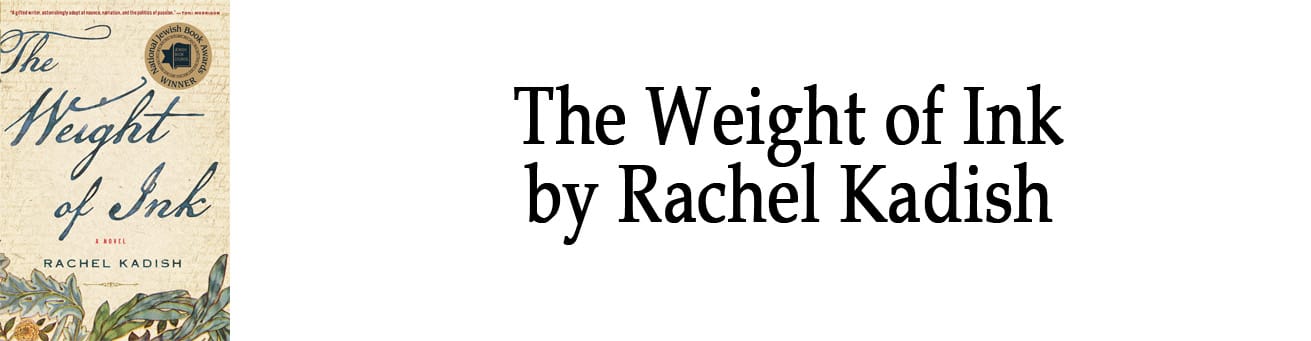
The Weight of Ink by Rachel Kadish
In 1660s London, two extraordinary Jewish women leave behind a mysterious manuscript, and centuries later an aging historian and a graduate student race to uncover the lives behind it. It won the National Jewish Book Award for Fiction and was named a New York Times Notable Book. Readers who loved The Obituary Writer will appreciate another emotionally intelligent dual-timeline novel about women whose intellectual and private lives have been obscured by history.
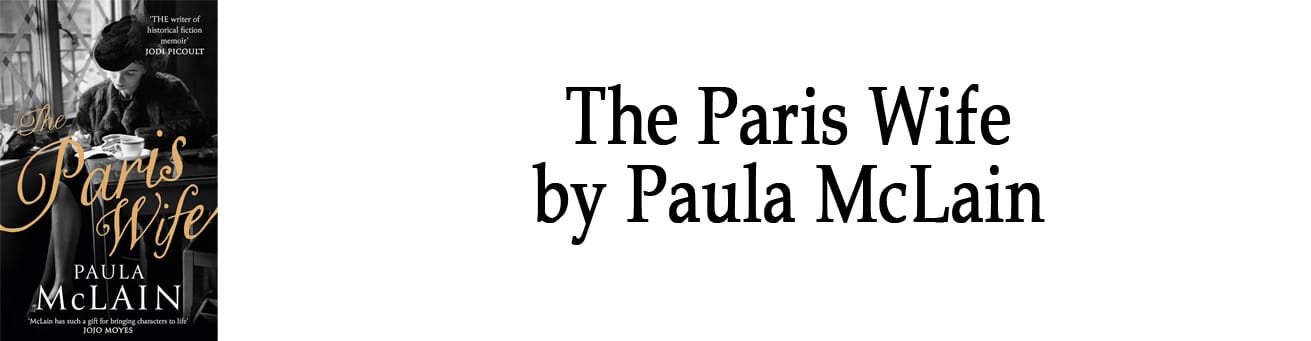
The Paris Wife by Paula McLain
Told through the eyes of Hadley Richardson, this novel imagines the early marriage of Ernest Hemingway and the glittering, difficult years they spent among the Lost Generation in Paris. It became a New York Times bestseller and was a Reese Witherspoon Book Club selection. Like Ann Hood’s novel, it looks past the famous man at the center of a story to give emotional depth, agency, and heartbreak to the woman often pushed to the margins.
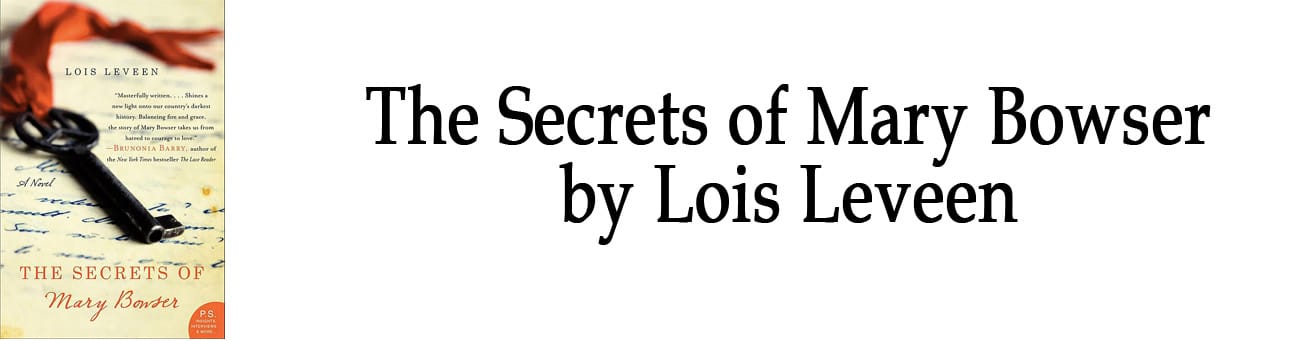
The Secrets of Mary Bowser by Lois Leveen
This historical novel follows Mary Bowser, a formerly enslaved woman who becomes a Union spy by working inside the Confederate White House during the Civil War. The novel was widely praised for bringing a little-known historical figure to life and was selected by several book clubs and reading programs. Readers who enjoyed Vivian’s overlooked work and inner life will be drawn to a woman whose intelligence and courage have been far too often omitted from the official record.
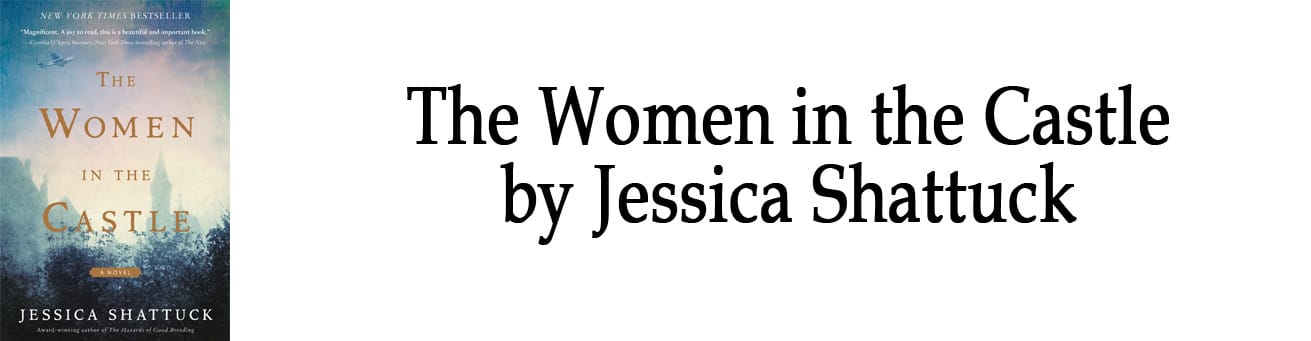
The Women in the Castle by Jessica Shattuck
In the aftermath of World War II, three German women and their children take refuge in a crumbling Bavarian castle while carrying the burdens of war, marriage, and moral compromise. It was a New York Times bestseller and a Reese Witherspoon Book Club selection. Readers who loved Hood’s compassionate attention to women’s complicated choices will find a similarly nuanced, unsettling exploration of survival, loyalty, and the stories people tell themselves to keep going.
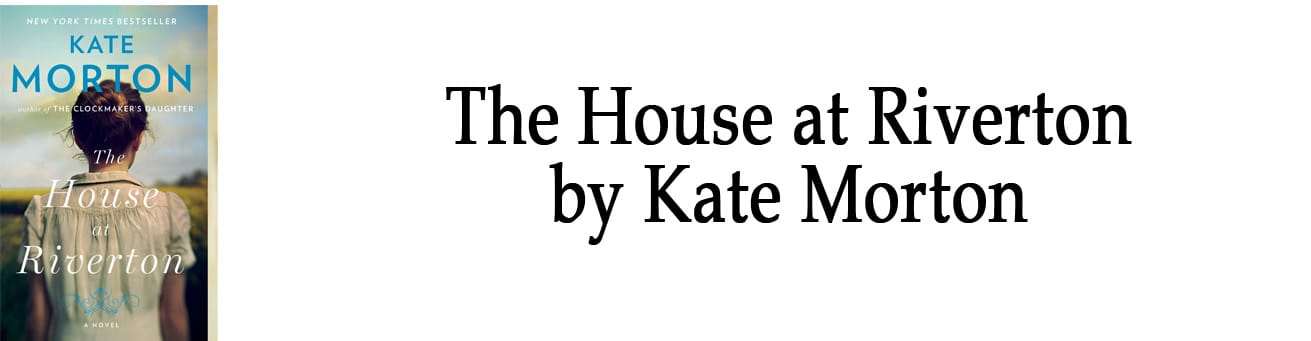
The House at Riverton by Kate Morton
An elderly woman finally decides to reveal the truth about a tragic event that took place at an English country estate before World War I. Morton is an international bestselling author, and this debut was a major bestseller that helped establish her as a favorite among readers of historical mysteries and family sagas. If the gradually unfolding connection between Claire and Vivian kept you turning pages, this is the kind of atmospheric, secret-filled story you can happily disappear into for a weekend.
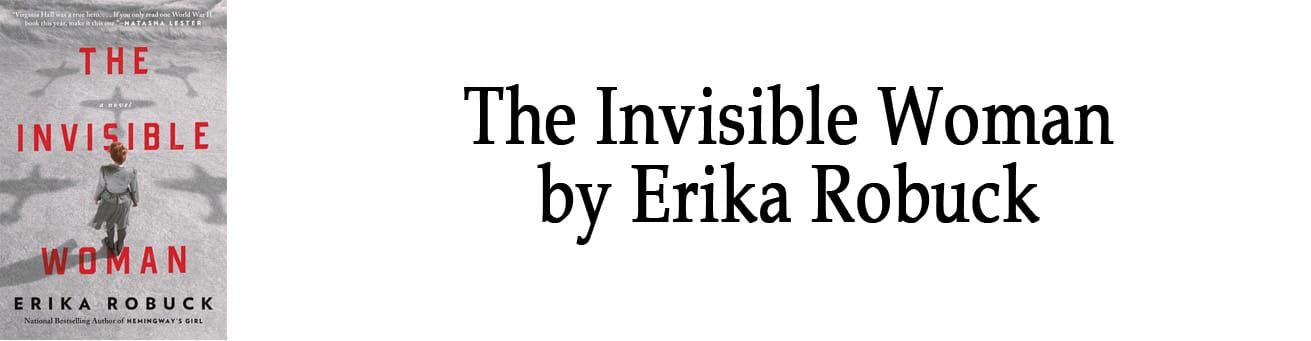
The Invisible Woman by Erika Robuck
This novel reimagines the life of Virginia Hall, the American woman who became one of World War II’s most daring Allied spies despite the enormous barriers placed in her way. It was named an Indie Next Pick and received praise for spotlighting a remarkable woman whose contributions were long underrecognized. Readers who value The Obituary Writer’s tribute to women who refused to disappear into prescribed roles will find much to admire here.

The Giver of Stars by Jojo Moyes
Set in Depression-era Kentucky, this novel follows women who deliver books on horseback through rugged terrain as part of Eleanor Roosevelt’s traveling library initiative. It became a New York Times bestseller and was selected as a Reese Witherspoon Book Club pick. Like Hood’s novel, it celebrates women finding friendship, courage, and a sense of self in a culture determined to tell them exactly where they belong.
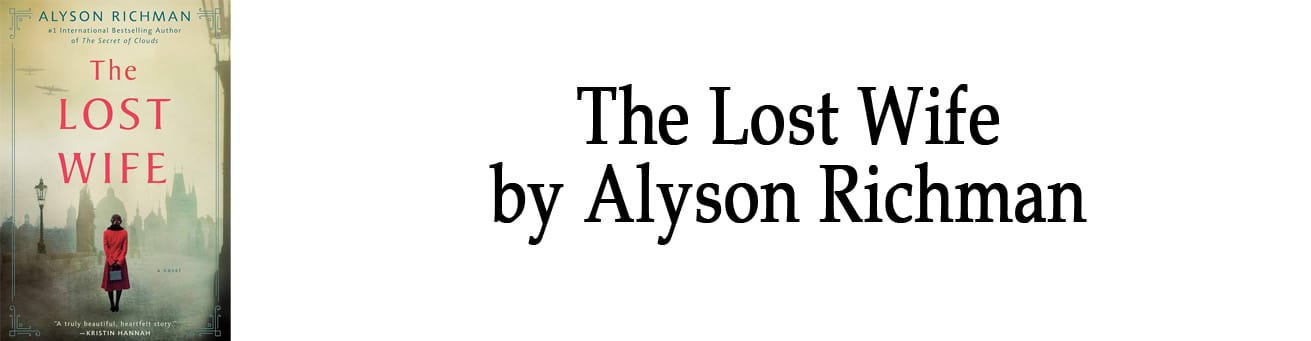
The Lost Wife by Alyson Richman
Before World War II tears Europe apart, Lenka and Josef fall in love in Prague; decades later, their story resurfaces through memory, art, and a devastating question of what might have been. It was a USA Today bestseller and became a popular book-club favorite for readers drawn to sweeping, emotional historical fiction. If you responded to the yearning and missed connections in The Obituary Writer, this tender, deeply romantic novel may require tissues—and perhaps a little extra recovery time afterward.
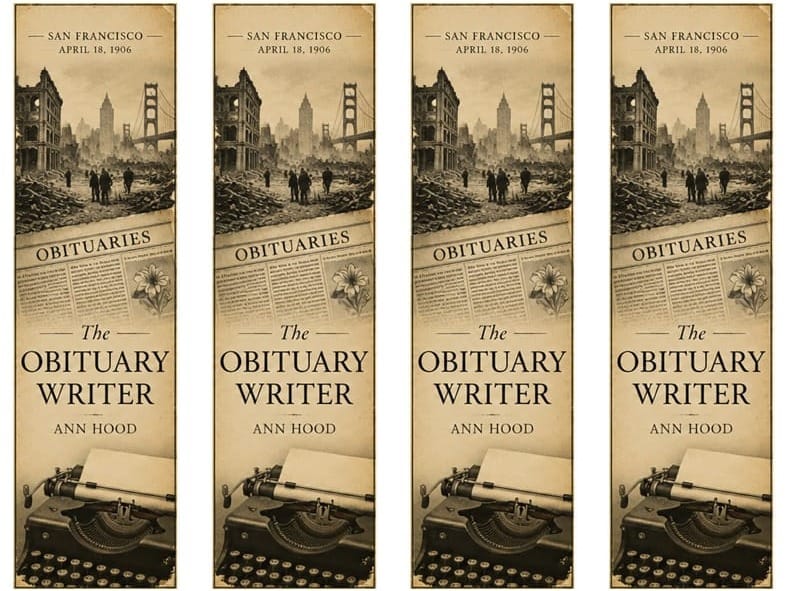
A Little Something Extra for Paid Subscribers
Every great book deserves a place to be remembered—and now, paid Readers With Wrinkles subscribers can collect a little piece of every review they love.
With your paid subscription, you’ll receive exclusive access to free printable bookmark pages created for each book reviewed on Readers With Wrinkles. Simply download, print, and tuck one inside the book you’re reading—or save a few for your next book-club pick, gift, or reread.
Each bookmark is a small, bookish keepsake designed to help you celebrate the stories that stay with you. Whether you use them to mark your place, share them with fellow readers, or build a collection of your favorite reads, they’re a thoughtful extra made especially for our subscriber community.
Paid subscribers already enjoy exclusive bookish printable lists resources and special savings on Book Club Kits. Now you can make every reviewed book even more memorable—one beautiful bookmark at a time.
Subscribe today and start collecting your printable bookmarks with every new Readers With Wrinkles review.
Paid Subscriber Perk!
Love the book we just reviewed? Paid subscribers can now download an exclusive printable list of books with a similar vibe—perfect for planning your next read or curating your book club’s picks. It’s a handpicked, beautifully designed list guide you won’t find anywhere else.
Unlock your next favorite reads—become a paid subscriber today to get instant access to these printable book lists!
Comments