

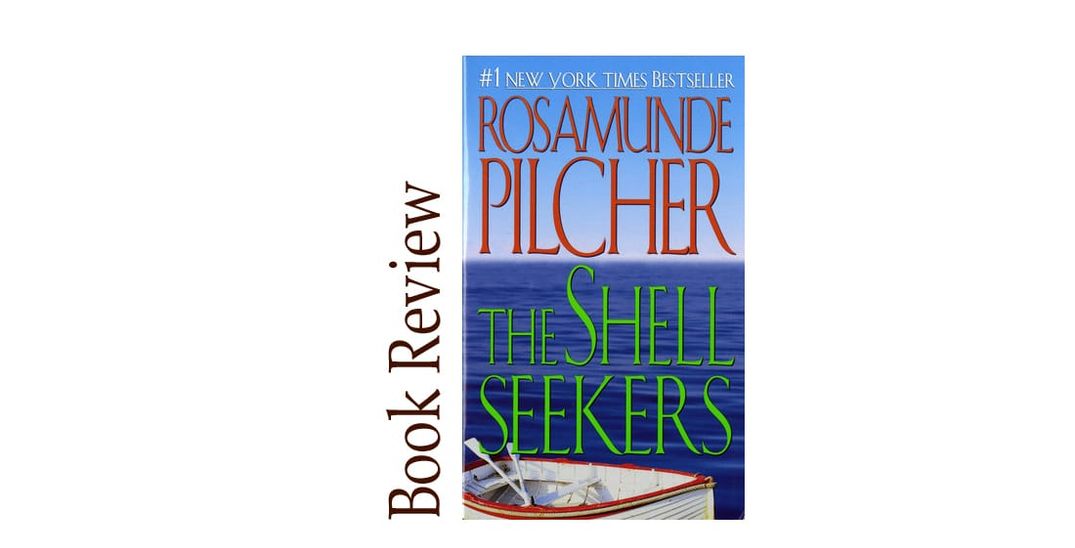

- Date Published:
1987 - Length:
530 pages—Listening Time: 19 hours 26 minutes - Genre:
Fiction, Romance - Setting:
1980s (the "present" of the novel) and the World War II era; London and Cornwall, England - Awards
New York Times bestseller Fiction 1988; LiveLib Rating 2002; BBC's Big Read; Koen Book Distributors Top 100 Books of the Past Century; The 100 Favorite Novels of Librarians - Languages:
Catalan, Danish, Dutch, English, Estonian, Finnish, French, German, Greek, Hungarian, Italian, Norwegian (Bokmål), Norwegian, Polish, Portuguese, Romanian, Russian, Spanish, Swedish - Sensitive Aspects:
Depiction of wartime bombing and its traumatic aftermath, terminal illness and reflections on approaching death, death of spouses and loved ones, estranged and conflict‑ridden parent–adult child relationships, emotional neglect and selfish behavior by adult children, marital infidelity, pregnancy outside of marriage, abortion and its emotional consequences, period-typical sexism and gender-role stereotyping, class snobbery and social prejudice, emotional manipulation for financial gain, greed surrounding inheritance, portrayal of serious illness, generational conflict over money versus sentimental value of family heirlooms - Movie
The Shell Seekers has been adapted into two distinct feature-length television films: - The 1989 adaptation starring Angela Lansbury as Penelope Keeling, along with Irene Worth and Sam Wanamaker.
- The 2006 adaptation starring Vanessa Redgrave as Penelope Keeling, with Maximilian Schell (in flashbacks) and Charles Edwards.
- Recommended for Book Club:
Yes!

This book is quietly magical. It doesn't try to dazzle you—and yet, before you know it, you’re completely under its spell. The Shell Seekers by Rosamunde Pilcher feels less like a story you read and more like a life you gently step into.
I picked this up as part of my Readers With Wrinkles Beach Reads series, expecting sun-drenched scenes, salty air, and long stretches of seaside escape. And while the ocean does make its appearance, don’t be fooled—this isn’t a “beach read” in the traditional sense. In fact, very little of the story unfolds by the shore. The “shell seekers” of the title aren’t about sandy toes and seashell hunts at all. It’s a painting—quiet, evocative, and deeply symbolic—that anchors the entire novel and ties together generations, memories, and long-buried emotions.
And oh, those emotions.
Pilcher doesn’t shout. She whispers. But somehow, that whisper becomes impossible to ignore.
Through Penelope Keeling’s life—spanning youth, love, war, heartbreak, and the complicated bonds of family—you’re invited into moments that feel startlingly real. A tense dinner conversation that says everything without saying enough. The bittersweet nostalgia of a love remembered more clearly than it was lived. The subtle, often painful realization that the people closest to us don’t always see us clearly.
It’s these moments that linger.
And, no matter how old you are, Pilcher’s writing has a way of reaching you exactly where you are. There’s a timelessness to her storytelling that makes you feel both comforted and quietly undone. I found myself completely absorbed—not because the plot raced ahead, but because I didn’t want to leave these characters behind.
I loved this book. Truly. It’s the kind of story that wraps itself around your thoughts long after you’ve turned the last page. Gentle, yes—but also deeply addictive in its own understated way.
So if you’re expecting waves and sun hats, adjust your expectations. What you’ll find instead is something richer: a story about art, memory, family, and the complicated beauty of a life fully lived.

The Shell Seekers is, at its heart, the story of one woman looking back over the long, messy, beautiful sprawl of her life and quietly deciding what really matters. Penelope Keeling, recently home from a health scare and very aware that time is not an endless resource, finds herself caught between her grown children’s ambitions and her own sense of what is worth holding onto.
The novel moves back and forth in time, slipping between Penelope’s present in the 1980s and her earlier years as the daughter of a once-obscure painter and his much younger French wife. Those past sections take us through a bohemian childhood, wartime Britain, great loves found and lost, and the complicated, often unglamorous business of raising a family. In the present, her three adult children—each with their own agendas and money worries—circle around her like planets with slightly wobbly orbits, especially when they realize her father’s paintings have suddenly become valuable.
At the center of it all is "The Shell Seekers," a painting Penelope inherited from her father and kept for decades, not as an investment but as a piece of her own history. As pressure mounts for her to sell, the painting becomes a quiet lightning rod for everyone’s hopes, fears, resentments, and loyalties. The question isn’t just what the painting is worth, but what Penelope’s life—and the memories bound up in that canvas—are worth to her and to the people who claim to love her.
Without ever turning into a “twisty” plot, the book builds its tension from family dynamics: siblings at odds, old friends reappearing, and younger people drifting into Penelope’s orbit and unexpectedly understanding her better than her own children do. By the end, her choices about the painting, her home, and her legacy pull together the many threads of her past and present into a resolution that feels quietly earned, rather than loudly announced.

You’ll enjoy The Shell Seekers for a lot of the same reasons you enjoy a long, honest conversation with a friend who’s lived a little—and isn’t afraid to tell the truth. Here are the big reasons it’ll land for you:
It treats age like a superpower, not a punchline
This isn’t a novel that sidelines older characters in favor of the young and glamorous. Penelope’s life experience, regrets, loves, and second chances are the story, not a footnote. If you’re tired of books where anyone over 50 fades into the background, this one feels like a deep breath—warm, respectful, and completely uninterested in pretending that real life ends at midlife.
The “plot” is life itself, not a gimmick
You won’t find shocking twists or high-drama cliffhangers here—and that’s exactly why it works. Pilcher builds tension out of family dinners, difficult phone calls, grown children’s selfishness, and quiet acts of courage. It’s the kind of book where you look up and realize you’ve been turning pages for an hour, not because you needed to know what happens, but because you needed to know what these people will choose.
The characters feel like people you actually know
You will recognize someone in this book—maybe one of Penelope’s children, maybe a younger woman trying to figure out her life, maybe Penelope herself. Their flaws are familiar: entitlement, resentment, guilt, and old wounds that never quite healed.
That familiarity is what makes it powerful; you don’t just watch this family, you quietly examine your own while you read.
Pilcher whispers, and you lean in
This isn’t a showy writer. Her style is gentle, observant, and deeply human—more like someone telling you a long, layered story over tea than performing on a stage.
And yet somehow, that softness becomes addictive; you keep thinking, "Just one more chapter,” because the emotional stakes sneak up on you.
It’s about art, memory, and what we leave behind.
The painting at the center of the story isn’t just a plot device—it’s a mirror. It asks the same questions we do as we get older: What matters more, money or meaning? Who gets to decide the value of our lives? If you like books that make you think about legacy, inheritance (emotional and otherwise), and how families rewrite stories to suit themselves, this will absolutely hit the mark.
It’s deeply comforting… without being sentimental mush
This is one of those rare books that manages to be cozy and emotionally honest at the same time. Yes, it’s comforting, but not because everything is tied up in a bow—instead, it acknowledges disappointment, selfishness, and missed chances, then gently shows you what acceptance can look like. It’s the literary equivalent of a well-worn sweater that still smells faintly of the sea and old perfume.
It reminds you that it’s never “too late”
Penelope is not a woman waiting politely for the end of her story; she’s still making choices, still claiming ownership of her life. If you’ve ever wondered whether it’s too late to change something—your mind, your priorities, your will, your heart—this book says, quietly but firmly, it isn’t. That’s a message most of us don’t realize we needed until we hear it.


Purchase Rosamunde Pilcher Books
Escape into Rosamunde Pilcher’s timeless tales, where tender romance and vivid landscapes capture the bittersweet beauty of love, family, and second chances.
Bookshop.org was created as a socially conscious alternative to Amazon, with the goal of helping local, independent bookstores thrive. This is why Readers With Wrinkles supports their efforts. Please join us in this effort by purchasing your next read here.

Here are 8 books to read if you liked The Shell Seekers.
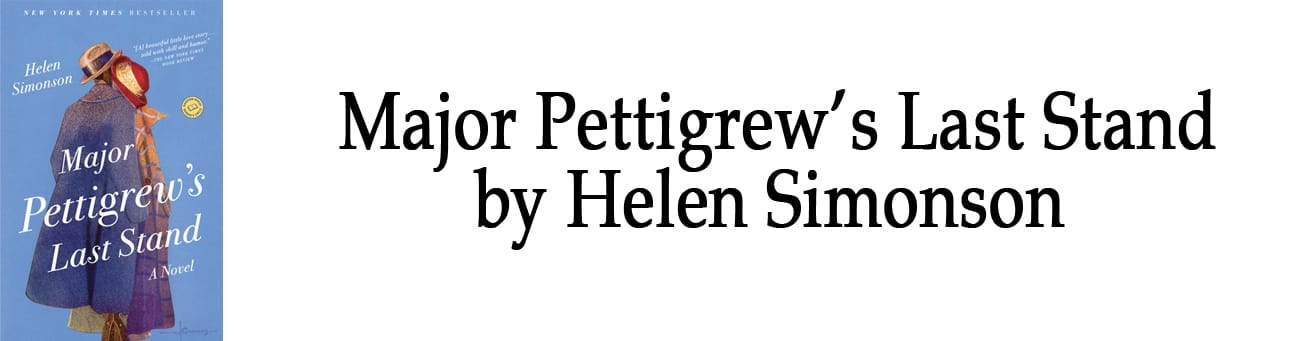
Major Pettigrew’s Last Stand by Helen Simonson
A widowed, retired English major in a small village unexpectedly finds companionship and quiet romance with a Pakistani shopkeeper, much to the horror of his snobbish relatives and neighbors. Like The Shell Seekers, it’s steeped in village life, late-in-life self-discovery, and gently critical humor about selfish adult children and class expectations—perfect if you loved watching Penelope claim her own happiness while everyone else fussed around her.

Winter Solstice by Rosamunde Pilcher
Pilcher gathers a handful of lonely, slightly bruised adults in a Scottish village over Christmas and lets them slowly knit themselves into a found family. You get the same soothing, atmospheric writing, multigenerational cast, and emotional warmth as The Shell Seekers, just in a more compressed, holiday-infused setting—ideal if you want more of her voice without committing to another very long saga. Read my full review here.

The Cazalet Chronicles (beginning with The Light Years) by Elizabeth Jane Howard
This five-book family saga follows the sprawling Cazalet family from the late 1930s through the postwar years, moving between adults, children, servants, and lovers as the world shifts under their feet. If you enjoyed the way The Shell Seekers braids everyday domestic scenes with war, memory, and the slow unraveling of old certainties, the Cazalets offer that same richly detailed, upstairs-downstairs tapestry of English life.

The Guernsey Literary and Potato Peel Pie Society by Mary Ann Shaffer and Annie Barrows
Told through letters, this novel follows a young writer who becomes entangled with a quirky, close-knit community on Guernsey after the German occupation of World War II. It shares The Shell Seekers’ blend of war shadows, chosen family, and the healing power of stories and art, but with a slightly lighter, more charming tone—especially if you liked the emotional warmth but want something a bit more whimsical.
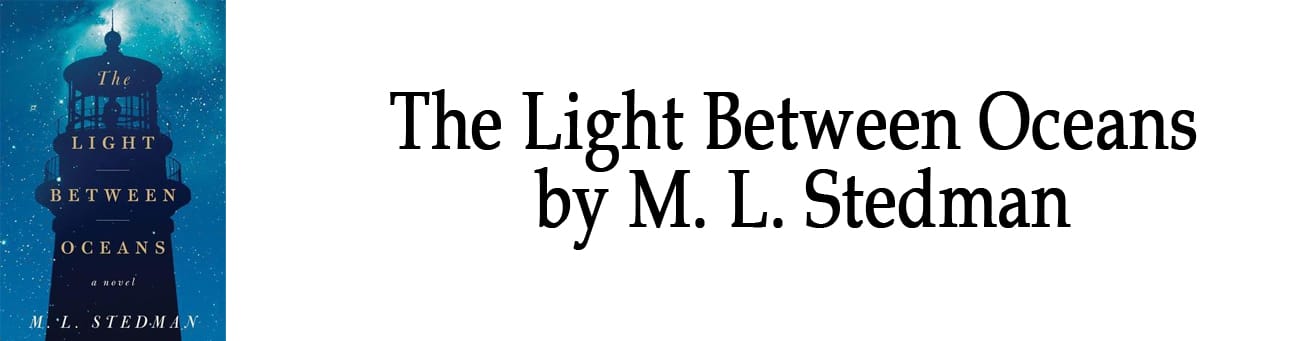
The Light Between Oceans by M. L. Stedman
A lighthouse keeper and his wife on a remote Australian island make one devastating choice when a boat washes ashore carrying a baby, and the consequences ripple for years. Like The Shell Seekers, it’s a character-driven, morally complex story that asks what we owe to family, what we owe to ourselves, and how one decision can shape an entire life—ideal if you want something a touch darker but equally emotional.

China Court by Rumer Godden
This novel centers on a crumbling English country house and the generations of women and men who have lived, loved, and schemed within its walls. Its shifting timelines, focus on inheritance (emotional and financial), and the way a single place holds an entire family’s history make it a natural companion to The Shell Seekers and its painting-as-centerpiece structure.
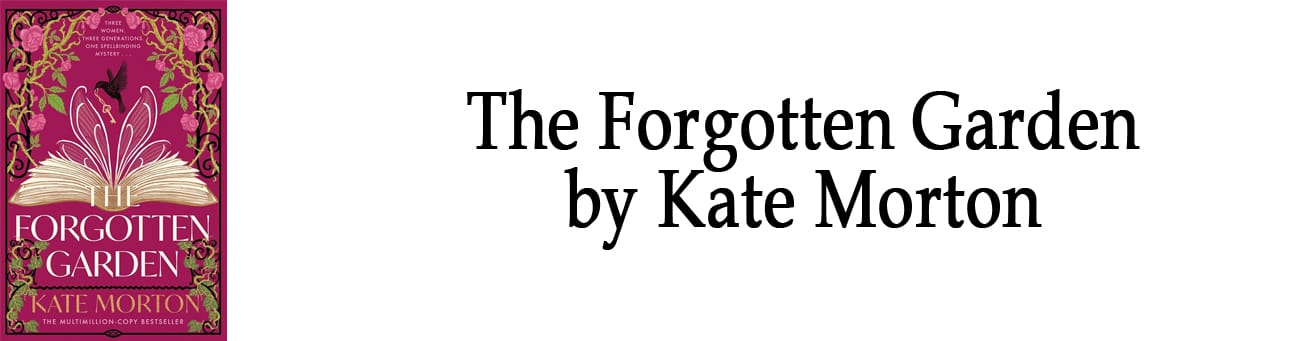
The Forgotten Garden by Kate Morton
A little girl is abandoned on a ship to Australia in 1913, and decades later her granddaughter sets out to uncover the family secrets that link Australia, England, and a mysterious writer. Morton’s mix of past-and-present narrative, gothic-tinged family secrets, and questions about identity and legacy will resonate with readers who loved the generational mysteries and slowly revealed past in The Shell Seekers.
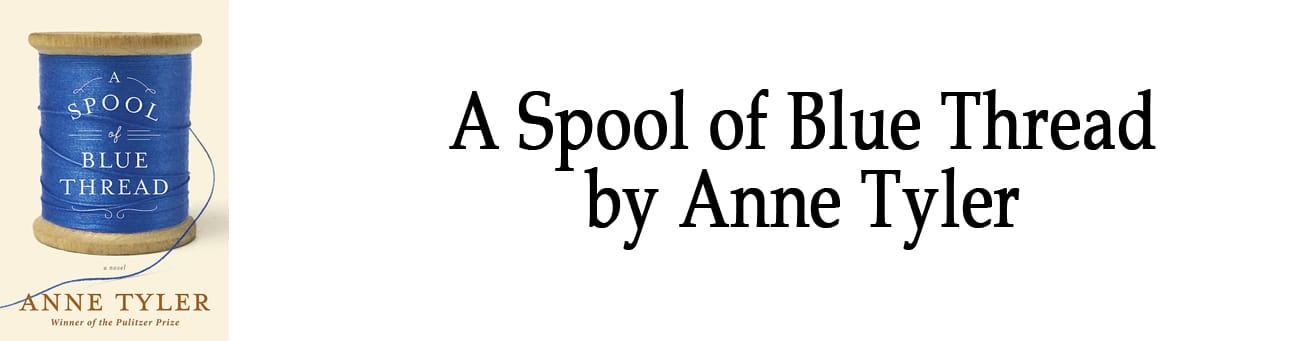
A Spool of Blue Thread by Anne Tyler
This novel traces several generations of the Whitshank family in Baltimore, circling around their beloved house and the stories they tell (and refuse to tell) about themselves. Tyler’s quietly observant prose, focus on ordinary family tensions, and interest in how memory and myth shape a family’s identity make this an excellent match for readers who appreciated Pilcher’s subtle, deeply human approach to family, aging, and belonging.

Paid Subscriber Perk!
Love the book we just reviewed? Paid subscribers can now download an exclusive printable list of books with a similar vibe—perfect for planning your next read or curating your book club’s picks. It’s a handpicked, beautifully designed list guide you won’t find anywhere else.
Unlock your next favorite reads—become a paid subscriber today to get instant access to these printable book lists!
Comments