

- Date Published:
2002 - Length:
352 pages—Listening Time: 14 hours 38 minutes - Genre:
Fiction, Science Fiction - Setting:
The near future, at the end of the 21st century, the United States - Awards
Nebula Award Winner Novel 2003; Arthur C. Clarke Award Shortlist 2003; Locus Recommended Reading Novel Science Fiction 2003 - Languages:
Czech, English, French, German, Hungarian, Italian, Portuguese, Spanish, Turkish - Sensitive Aspects:
Ableism toward autistic people, depiction of autism as something to be “cured,” coercive medical treatment of disabled employees, corporate exploitation and manipulation, workplace discrimination and harassment, social ostracism and bullying, microaggressions and dehumanizing language, eugenics-adjacent ideas about “normalizing” disability, medical ethics violations and lack of informed consent, gaslighting by authority figures, emotional abuse by coworkers and acquaintances, stalking and escalating hostility from a peer, physical violence and its aftermath, victim-blaming attitudes toward disabled characters, gendered jealousy and possessiveness in relationships, framing autism as darkness or deficit rather than difference, psychological distress and identity crisis around changing one’s brain, death of a character and grief responses, depiction of criminal behavior linked to resentment of disability, pressure to conform to neurotypical norms at the cost of selfhood, suggestion that “cure” leads to a better, more valuable life, tension with autistic community views on neurodiversity and cure narratives - Movie:
As of April 2026, there are no released film or television adaptations of The Speed of Dark. - Recommended for Book Club:
Yes

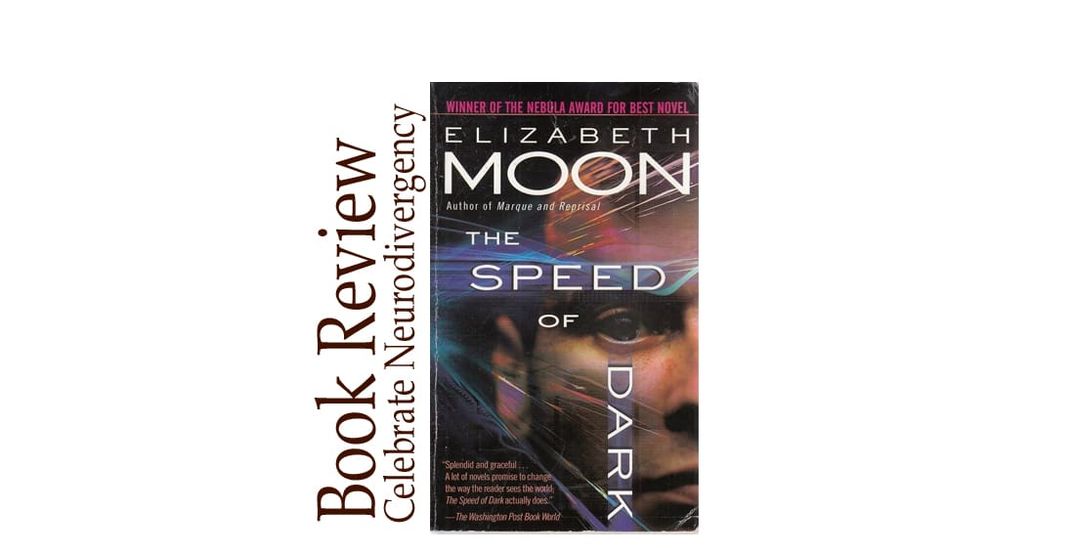
Heads up. Science fiction and I don’t usually get along. I’m the reader who wanders toward literary fiction, messy relationships, and quiet emotional gut punches… not futuristic labs or speculative tech. So when I picked up The Speed of Dark by Elizabeth Moon, I fully expected to appreciate it from a distance.
Instead, I had to keep reminding myself: this is science fiction.
Because what unfolds here doesn’t feel distant or abstract. It feels intimate. Immediate. Uncomfortably real.
At the center of the story is Lou Arrendale, an autistic man living in a near-future world where autism is understood, accommodated, and—here’s the twist—possibly “cured.” And that word alone starts to unravel everything. What does it mean to change who you are at the core? Who gets to decide what “better” looks like?
But what truly stayed with me—what I can’t shake even now—is the way Moon brings us inside Lou’s mind. Not as an outsider looking in, not as a clinical case study, but as a fully realized human being. His routines, his logic, his joys, his fears—they’re rendered with such care and precision that you don’t just understand him. You feel with him.
And it’s not just Lou. The empathy threaded through every autistic character in this novel is extraordinary. These characters are not mere fleeting figures on the page; they are the kind that linger in your heart and mind.
I found myself pausing, rereading, sitting with certain moments longer than usual. You know that feeling when a book quietly rearranges your perspective without making a big show of it? That’s what this book does.
So if you’re anything like me—if “science fiction” makes you hesitate—stay with me here. This isn’t about gadgets or galaxies.
It’s about identity. Belonging. And the quiet, complicated question of whether being different was ever something that needed fixing in the first place.

Set in a near-future world where medical science has made enormous strides, The Speed of Dark follows Lou Arrendale, a highly skilled analyst working for a pharmaceutical company. Lou is autistic, and in this version of society, autism is no longer misunderstood or hidden away—it’s recognized, accommodated, and even respected in certain professional spaces. Lou and his colleagues, many of whom are also autistic, have built structured, stable lives around routines that help them thrive.
At work, Lou is valued for his precision and focus. Outside of it, his life is carefully balanced between fencing lessons, social rules he’s learned to navigate, and a deep commitment to maintaining the order that helps him make sense of the world. His days may look predictable from the outside, but they are full, deliberate, and meaningful.
Everything begins to shift when the company introduces a new experimental treatment—one that claims it can “normalize” autistic individuals. At first, the idea exists at a distance, more theoretical than urgent. But it doesn’t stay that way for long.
As corporate pressure quietly builds, Lou and his coworkers find themselves facing a decision that feels anything but simple. The choice isn’t framed as a demand, at least not overtly—but the implications are clear. Careers, independence, and autonomy begin to intertwine with the question of whether they should undergo the treatment.
Outside of work, Lou’s world also starts to expand in unexpected ways. New relationships challenge his understanding of trust and connection, while moments of conflict force him to reconsider the rules he’s relied on for so long. The structured life he has carefully constructed begins to feel less certain as unfamiliar variables enter the equation.
Throughout the novel, Lou navigates a series of external pressures and internal questions, all circling the same central dilemma: what does it truly mean to change—and at what cost?
The story unfolds with a steady, thoughtful pace, following Lou as he weighs his options in a world that insists it knows what’s best for him, even when he’s not so sure.

If we were sitting across from each other with coffee (and probably something sweet on the side), here’s exactly why I’d nudge this book into your hands:
You love character-driven stories that linger
This isn’t about fast-paced twists—it’s about living inside a character’s mind in a way that feels rare and intimate. Lou is the kind of protagonist you don’t just read about… you carry with you.
You appreciate books that explore big questions without feeling heavy-handed.
Identity, autonomy, what it means to “fix” someone—this book brings all of that to the table, but in a quiet, thoughtful way. It trusts you to sit with the questions rather than forcing answers.
You’re drawn to emotionally intelligent storytelling
The empathy here is something special. The way Moon writes autistic characters feels deeply human, through and through, not clinical or distant. It’s the kind of perspective that expands you a little.
You enjoy subtle tension over dramatic plot twists
Don’t expect edge-of-your-seat chaos—but do expect a steady, underlying tension that builds as Lou’s choices become more complicated. It’s the kind that sneaks up on you.
You like books that make you reflect on your own assumptions
I found myself quietly questioning things I hadn’t examined before. Not in a guilt-heavy way—just… thoughtfully. And those are often the books that stay with us longest.
You want something a little outside your usual lane—but still grounded
If you’re like me and don’t typically reach for science fiction, this is such a gentle entry point. It feels far more like literary fiction with a speculative edge than anything overly technical.
You’re always looking for memorable, meaningful book club picks
This one? Oh, the conversations it could spark. There’s so much to unpack, and everyone will walk away seeing it a little differently.
Honestly, this is one of those books I’d press into your hands and say, “Just trust me on this one.” And then wait (impatiently) to hear what you think. And once you start reading, once you step into Lou’s world, once you begin to see through his eyes… I don’t think you’ll be able to walk away unchanged.

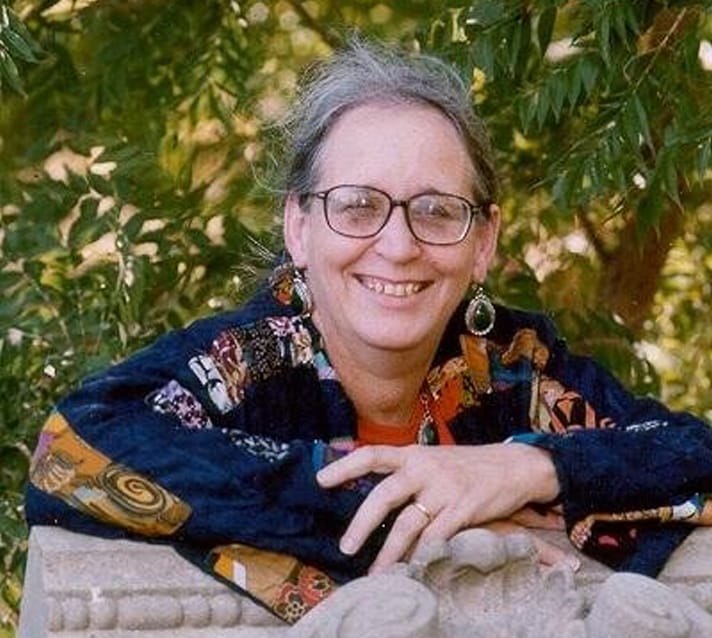
Get Elizabeth Moon Books
Elizabeth Moon’s books deliver richly imagined fantasy and science fiction worlds filled with courageous protagonists, intricate politics, and character-driven adventures that explore honor, duty, and what it means to be human.
Bookshop.org was created as a socially conscious alternative to Amazon, with the goal of helping local, independent bookstores thrive. This is why Readers With Wrinkles supports their efforts. Please join us in this effort by purchasing your next read here.

Here are a few books I’d happily slide across the table to you if you loved The Speed of Dark and want more character-driven, empathetic reads in that vein:
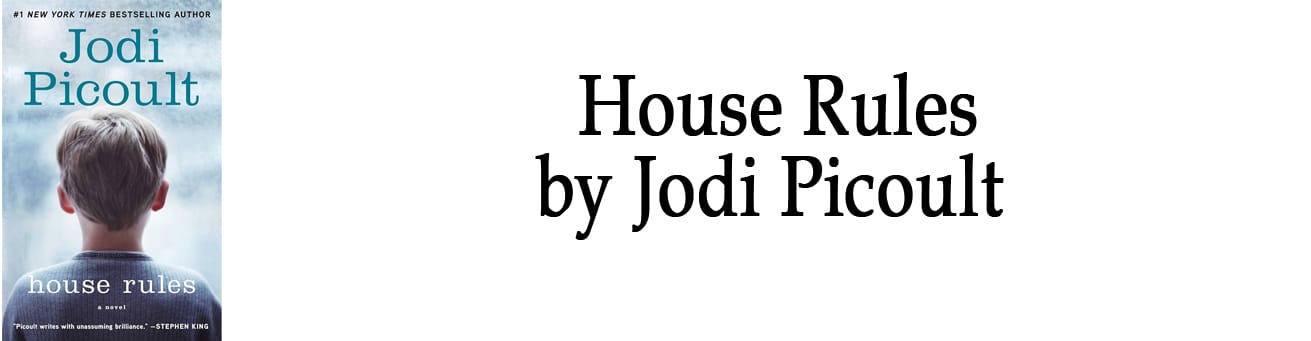
House Rules by Jodi Picoult
A legal drama about Jacob, an autistic teen obsessed with crime scene analysis who’s accused of murder, this novel digs into family dynamics, prejudice, and how the justice system handles neurodivergent people.
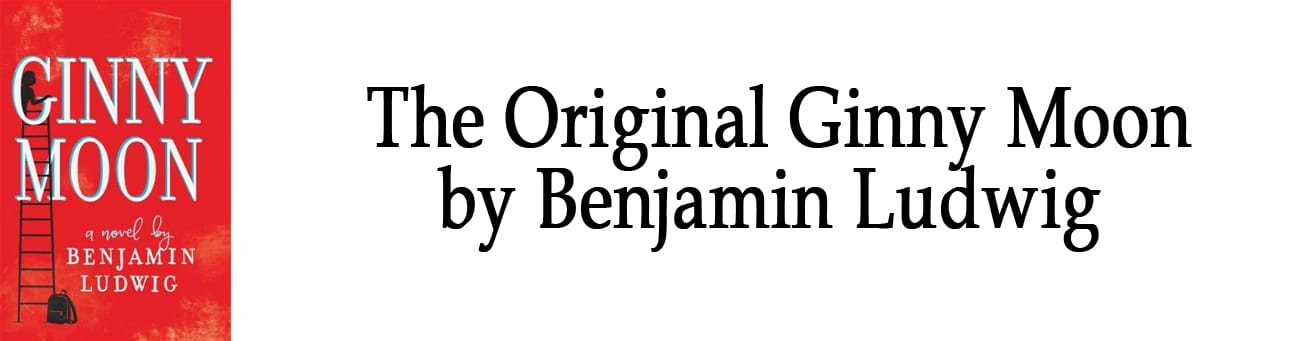
The Original Ginny Moon by Benjamin Ludwig
Told from the perspective of Ginny, an autistic fourteen-year-old in foster care, this story follows her fierce, sometimes misunderstood determination to reconnect with her past and protect someone she loves.
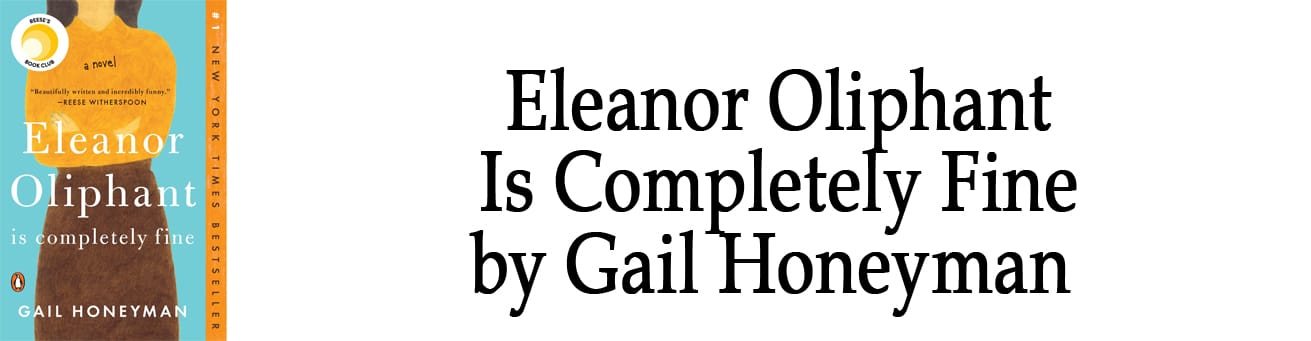
Eleanor Oliphant Is Completely Fine by Gail Honeyman
While not explicitly labeled as autistic, Eleanor’s rigid routines, social struggles, and internal logic mirror many neurodivergent traits, and the novel gently unpacks trauma, loneliness, and the slow, hopeful work of connection.
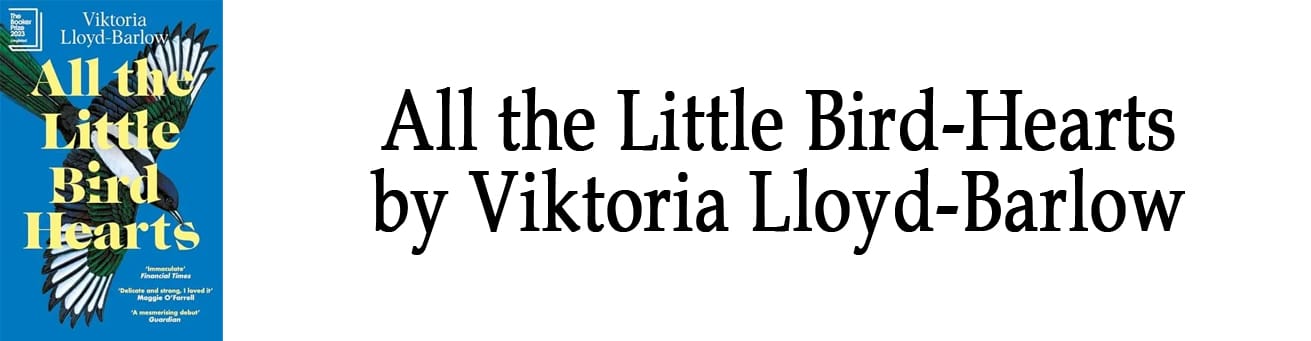
All the Little Bird-Hearts by Viktoria Lloyd-Barlow
This literary novel centers on Sunday, an autistic single mother whose life is upended by manipulative new neighbors, exploring ableism, vulnerability, and the quiet strength of a woman the world underestimates.
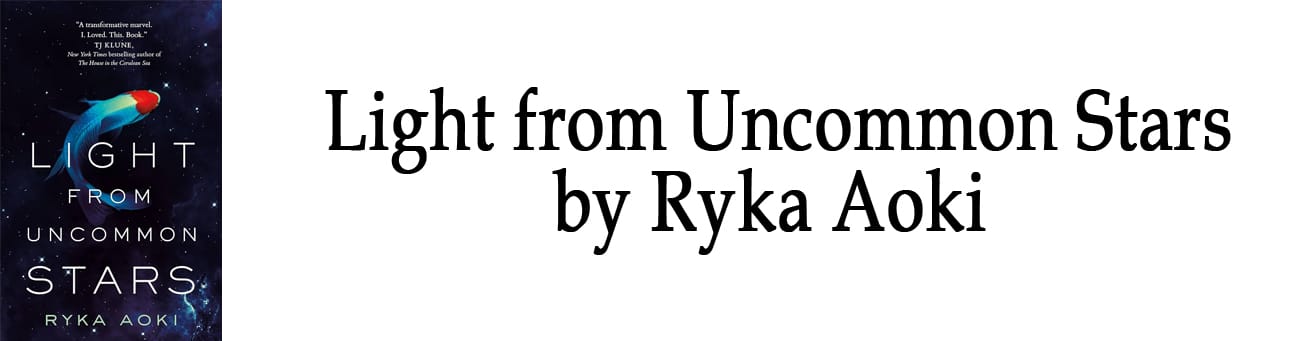
Light from Uncommon Stars by Ryka Aoki
A luminous blend of sci-fi and fantasy, this book follows a cursed violin teacher, a runaway trans girl, and a starship captain running a donut shop, offering found family, compassion, and a very human emotional core under the speculative setup.
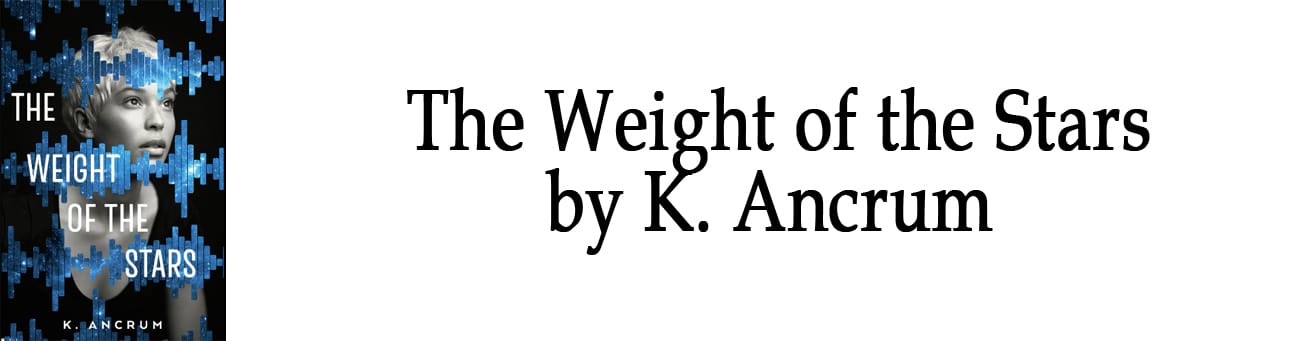
The Weight of the Stars by K. Ancrum
A slow, tender YA sci-fi about a tough girl, the daughter of an astronaut, and the quiet relationship that grows between them as they listen for signals from space, this one leans hard into character growth, grief, and chosen family.
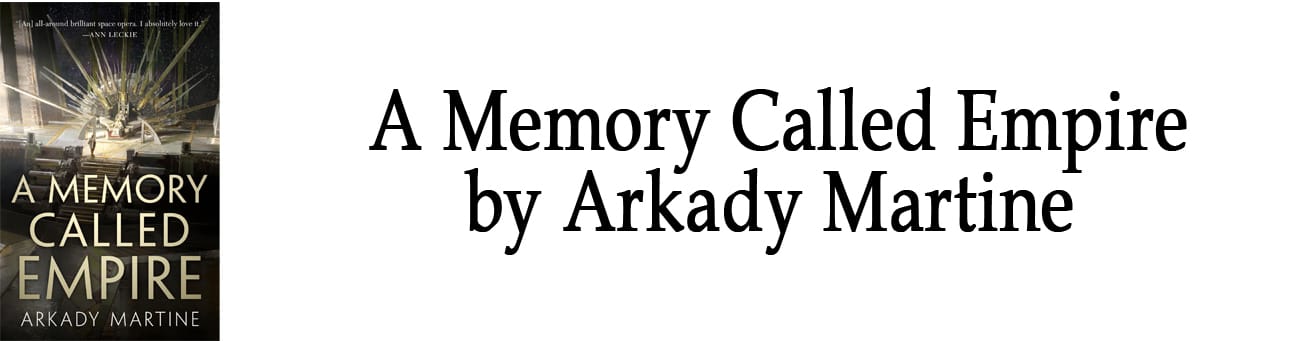
A Memory Called Empire by Arkady Martine
If you want something more traditionally “sci-fi” but still introspective, this novel follows an ambassador in a vast interstellar empire, blending political intrigue with thoughtful questions about identity, language, and what makes us who we are.
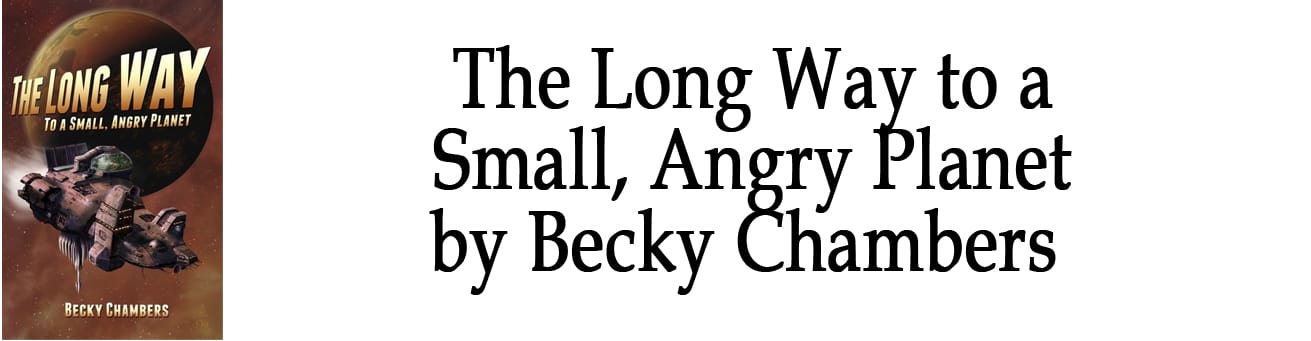
The Long Way to a Small, Angry Planet by Becky Chambers
Cozy, character-first space opera where a mismatched ship’s crew navigates the galaxy and each other, this story is all about empathy, culture, neurodiversity, and found family rather than flashy tech or nonstop action.
New Paid Subscriber Perk!
Love this book review? Paid subscribers can now download an exclusive printable list of books with a similar vibe—perfect for planning your next read or curating your book club’s picks. It’s a handpicked, beautifully designed list guide you won’t find anywhere else.
Unlock your next favorite reads—become a paid subscriber today to get instant access to these printable book lists!
Comments