

Table of Contents
- Date Published:
2009 - Length:
275 pages—Listening Time: 4 hrs 41 minutes - Genre:
Fiction, Holiday - Setting:
1964, during the Christmas season; Three Rivers, Connecticut - Awards:
New York Times bestseller Fiction - Languages:
English, French - Sensitive Aspects:
Mild profanity and vulgar language, crude jokes and innuendo from children, sexual references including mention of sex acts (not graphic), period-typical sexist attitudes and gender stereotypes, Catholic school religious strictness and related humor that may feel irreverent, a nervous breakdown portrayed for comic effect, an epilogue that depicts characters’ later lives in a more depressing, adult way - Movie:
Wishin' and Hopin' was adapted into a movie, a holiday film that aired on Lifetime, and it's now available to stream on platforms like Amazon Prime Video and Tubi. The film adaptation, produced by Gernhard, benefited from Connecticut tax credits and focused on hiring local talent for its production in the region. - Recommended for Book Club:
Yes, especially for groups seeking holiday reads

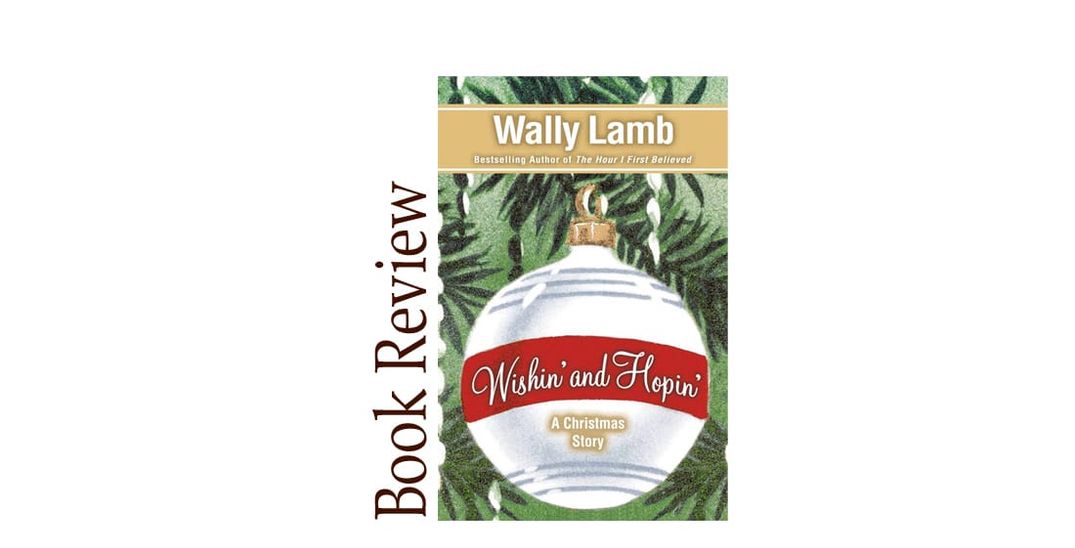
Remember when fifth grade felt like the center of the universe? When the smell of chalk dust and cafeteria meatloaf could define an entire day, and the biggest drama was who got picked for the Christmas pageant?
That's exactly where Wally Lamb takes us in Wishin' and Hopin', and trust me, Readers with Wrinkles followers—this one's a nostalgic trip worth taking.
Set in a Catholic elementary school in 1964, Lamb captures something precious: the unfiltered world of ten-year-olds navigating nuns, crushes, and the countdown to Christmas. I never sat in those straight rows under the watchful eyes of Mother Superior. My fifth-grade classroom had Mrs. Johnson instead of Sister Fabian. But the essence of that age, that particular mix of innocence and confusion, came flooding back with every page.
Catholic school in the '50s and '60s? It was its own universe. Uniforms that scratched. Rules that seemed designed to test the limits of human patience. Nuns who could silence a room with a single look. And underneath it all, kids just trying to figure out who they were while memorizing catechism and dodging rulers. Even if you didn't grow up in that world, you'll recognize it. We all had our version of strict teachers, unspoken social hierarchies, and the desperate hope that someone noticed us.
Lamb doesn't just tell us about 1964—he drops us right into Felix Funicello's worn-out sneakers. You'll taste the penny candy. You'll feel the awkwardness of your first crush. You'll remember what it was like when the world was simultaneously smaller and somehow more magical than it ever would be again.
So what I'm asking is, do you want to go back? Do you want to remember what it felt like to hope and wish and dream in an uncomplicated, achingly sincere way that only kids could manage? Because that's what this book delivers.

The story follows ten-year-old Felix Funicello (yes, a distant cousin of that Annette Funicello) in 1964, growing up in a working-class Catholic family in Three Rivers, Connecticut. Felix is at that wonderfully awkward in-between age: old enough to know the world can be unfair, still young enough to believe that maybe, just maybe, things will turn out like they do on TV if he tries hard enough.
Most of the action unfolds at St. Aloysius Gonzaga parochial school, where Felix and his classmates navigate strict nuns, confusing rules, and the general weirdness of being a kid in the early ’60s. The year starts under the watch of the tightly wound Sister Dymphna, whose classroom meltdown becomes the kind of legendary school story that lives on for decades. In her wake arrives a replacement teacher, Madame Frechette, a glamorous French-Canadian laywoman whose modern ideas, strange assignments, and unapologetic flair shake up this little Catholic school in all the best—and most chaotic—ways.
Around Felix swirls a small universe of unforgettable classmates: brainy Rosalie Twerski, who always has the right answer and knows it; mysterious newcomer Zhenya from Russia, who brings Cold War tension right into the classroom; prank-ready boys who have never met a rule they couldn't test; and a few girls Felix can’t quite stop noticing, though he doesn’t entirely understand why.
At home, life is just as colorful. The Funicellos run a modest lunch counter at the bus station, and Felix’s world is full of relatives, regulars, TV shows, and the constant, slightly out-of-reach glamour of cousin Annette’s fame. Lamb layers in all the cultural details of 1964—TV shows, pop songs, commercials, the lingering shadow of JFK’s assassination—so you feel like you’re sitting right there on the plastic-covered couch with the family.
All of this builds toward the centerpiece of the book: the school’s ambitious, over-the-top Christmas pageant. With Madame Frechette’s artistic “improvements,” a menagerie of unreliable animals, unpredictable children, and high-stakes small-town expectations, the pageant morphs from a simple Nativity play into a full-blown spectacle. From the very first page, it is evident that everything is destined for a kind of spectacular catastrophe—and when it occurs, it is more substantial, more humorous, and more bizarre than anticipated, all while maintaining its core essence.
By the time the curtain falls—literally and figuratively—Felix has stumbled his way into a deeper understanding of friendship, family, faith, and what it means to be seen, even when you’re just the kid in the background who’s hoping this will finally be your moment.
This is the kind of story you pick up for the grins and holiday warmth and then realize somewhere along the way that you’ve grown a little attached to this awkward boy and his messy, lovable world.

This book is basically tailor-made for Readers With Wrinkles followers—especially anyone who remembers life before seatbelts, gluten-free anything, or “Elf on the Shelf.” Here are reasons you will love Wishin’ and Hopin’.
Delicious 1960s nostalgia
Lamb drops you right back into 1964 with TV dinners, old-school commercials, and that very specific mid-century Catholic-school atmosphere. Readers who actually lived through the era will recognize the details, and those who didn’t will still feel like they’ve time-traveled.
Catholic school chaos and charm
If you ever wore a plaid uniform, dodged nuns, or worried about getting in trouble for passing notes, this book will feel hilariously familiar. Even if you didn’t, the strict teachers and over-the-top rules give the story a relatable “we all survived childhood” energy.
A holiday story that’s warm but not sappy
This isn’t one of those sticky-sweet Christmas tales where everyone learns a Very Special Lesson and sings by a tree. It’s warm-hearted and cozy, but Lamb keeps plenty of sharp humor and honest kid misbehavior in the mix.
Short, snappy, and easy to finish
At novella length, Wishin’ and Hopin’ is perfect for busy December brains. It’s substantial enough to feel satisfying but short enough to squeeze between shopping, baking, and wondering where you put the Scotch tape.
Laugh-out-loud classroom disasters
From mortifying moments to pageant mishaps, Felix’s school life is packed with the kind of disasters that are only funny after they’re over. Readers who enjoy a little secondhand embarrassment will have a wonderful time.
A lovable, awkward kid narrator
Felix Funicello is earnest, clueless, and unintentionally hilarious. Mature readers will see right through his misunderstandings, which adds an extra layer of fun as you watch him fumble toward self-awareness.
Relatable family dynamics
Felix’s Italian-American family feels real: affectionate, loud, imperfect, often exasperated, and occasionally ridiculous. Anyone who’s ever tried to get a family to behave during the holidays will recognize the chaos.
Perfect for holiday book clubs
There’s so much to talk about: childhood Christmas memories, school experiences, changing times, and what counts as “appropriate” holiday behavior. It’s light enough for a festive meeting but still offers plenty of depth and conversation starters.
A gentle reminder of simpler—and not so simple—times
The book captures that odd mix of innocence and strictness that defined many childhoods in the 60s. Readers may find themselves thinking, “We’d never get away with that now,” while also remembering the freedoms and limits of that era.
Humor with heart
Lamb doesn’t just go for punchlines; beneath the jokes, there’s real tenderness for these characters and their flaws. Readers who like to both chuckle and care will feel right at home.


Get Wally Lamb Books
Rediscover resilience, wisdom, and the power of forgiveness in Wally Lamb’s unforgettable novels—stories crafted for readers with rich life experience, inviting book lovers at any age (but especially those with a few laugh lines) to find themselves reflected in every page.
Bookshop.org was created as a socially conscious alternative to Amazon, with the goal of helping local, independent bookstores thrive. This is why Readers With Wrinkles supports their efforts. Please join us in this effort by purchasing your next read here.

Here are several books that hit a similar sweet spot to Wishin’ and Hopin’: funny, nostalgic, often Christmas-adjacent, and grounded in family, school, or small‑town chaos.
- The Best Christmas Pageant Ever by Barbara Robinson
A rough‑and‑tumble group of “worst kids ever” hijack the church Christmas pageant, turning it into a hilarious, unexpectedly moving mess that feels very much in conversation with Felix’s chaotic school play. The irreverent kid perspective and blend of comedy and heart make it a natural companion read. - The Shepherd, the Angel, and Walter the Christmas Miracle Dog by Dave Barry
Set in the 1960s, this short, laugh‑out‑loud Christmas story follows a boy navigating a church pageant, family mishaps, and a very memorable dog, with plenty of slapstick around sacred holiday traditions. The gently nostalgic tone and the disasters of the church play feel reminiscent of Wishin’ and Hopin’. - In God We Trust: All Others Pay Cash by Jean Shepherd
This classic collection of linked stories about a boy growing up in the Midwest includes the material that inspired the film A Christmas Story, which Lamb’s novel is explicitly compared to in tone and spirit. The wry first‑person voice, period details, and holiday episodes make it an excellent “grown‑up nostalgia” pairing. - Holidays on Ice by David Sedaris
Sedaris’s darkly funny holiday essays—most famously “The Santaland Diaries,” about working as a Macy’s elf—skewer Christmas expectations while still tapping into genuine feeling. If you liked Lamb’s sly humor and slightly subversive take on holiday innocence, this collection scratches the same itch. - A Christmas Memory by Truman Capote
In this brief, tender story, a young boy and his elderly cousin share one last Christmas of baking fruitcakes, flying kites, and savoring small joys in the Depression‑era South. Despite being quieter than Lamb, it perfectly captures the child's perspective of a cherished, imperfect holiday season. - A Redbird Christmas by Fannie Flagg
A lonely man lands in a tiny Southern town and finds community, humor, and a touch of miracle through a beloved pet bird and the town’s Christmas traditions. Like Lamb, Flagg offers cozy small‑town hijinks, gentle sentiment, and a holiday setting that never gets too saccharine. - The Christmas Scrapbook by Philip Gulley
In this small‑town novella, a well‑meaning pastor tries to redeem years of terrible Christmas gifts by making his wife a scrapbook, only to spark suspicion, gossip, and comic misunderstandings all over town. It shares Lamb’s mix of Midwestern setting, holiday chaos, and affectionately drawn community characters. - Skipping Christmas by John Grisham
Luther and Nora Krank decide to skip all the trappings of Christmas and take a cruise instead, only to have their plans unravel in increasingly ridiculous ways when the neighborhood and their daughter intervene. The satire of holiday expectations and the escalating farce make it a strong match for Lamb’s comedic timing. - The Stupidest Angel by Christopher Moore
When a somewhat clueless angel arrives in a small coastal town to deliver a Christmas miracle, things spiral into outrageous, occasionally gory comedy involving townsfolk, holiday pageantry, and even the undead. It’s sharper and weirder than Lamb, but the combination of irreverent humor and Christmas chaos will appeal to similar readers. - Comfort & Joy by Kristin Hannah
A burned‑out woman escapes her life and stumbles into an off‑the‑map town and a grieving father and son, finding a second chance amid snow, secrets, and a slightly magical Christmas. It leans more reflective and romantic than comedic but shares Lamb’s interest in how holiday seasons collide with real emotional lives.

Keep the Pages Turning
This blog helps readers find their next favorite book and keeps book clubs thriving. If it’s helped you, would you consider supporting the next review?
Comments