

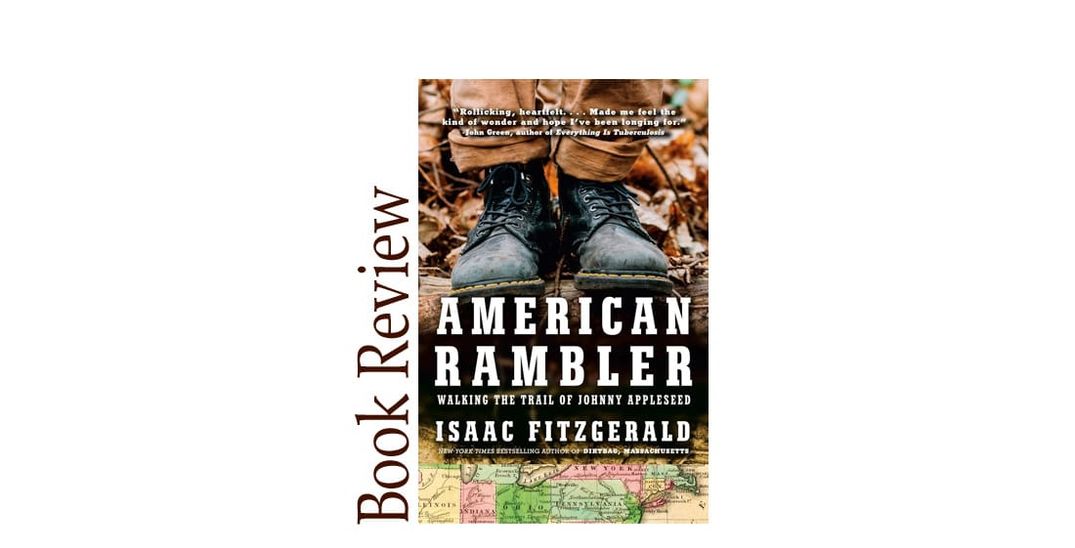
- Date Published:
May 12, 2026 - Length:
352 pages—Listening Time: 11 hours 24 minutes - Genre:
NonFiction, Historical, Memoir, Travel - Setting:
Modern times; the historic Johnny Appleseed (John Chapman) trail, Massachusetts to Fort Wayne, Indiana - Awards
New York Times Bestseller; Featured work at the National Book Festival 2026; Barnes & Noble Best Book of the Year (So Far) 2026; Amazon Books (#1 in History and #13 in Memoirs & Biographies) 2026; Audible Best Audio Book of the Year (So Far) 2026 - Languages:
English - Sensitive Aspects:
Profanity and crude/obscene language, alcohol use and hangovers, substance abuse discussion, hallucinations, grief and loss, mental health and midlife crisis themes, potentially dangerous hiking/camping, trespassing and other risky behavior, hostile outdoor conditions, violence and brutality in American/frontier history, Indigenous-history context including King Philip’s War, critiques of American mythmaking, capitalism, privilege, and national identity, faith and unconventional religious beliefs including Swedenborgianism, tense or politically/socially charged conversations, depictions of grimy bathrooms and bodily/discomfort-related travel details - Movie
There is currently no movie adaptation announced or in production for American Rambler: Walking the Trail of Johnny Appleseed. - Recommended for Book Club:
Yes

If you’ve ever taken the long way home just to see what’s around the bend, then American Rambler may be exactly the kind of book you didn’t know you needed. I love to walk—really walk. Not the “I parked three blocks away from Kroger” variety, but the kind where you wander into an unfamiliar neighborhood, follow a trail because it looks promising, or turn down a side street simply because there’s something intriguing at the end of it. Exploring new places has a way of shaking loose the dust in your brain. It reminds you that the world is still wonderfully strange, even when you think you know everything about it.
Isaac Fitzgerald understands that feeling.
In American Rambler, Fitzgerald heads out to trace the footsteps of John Chapman, America’s original outdoorsy wanderer, environmental prophet, and possibly the patron saint of people who look at a mountain and immediately think, “I wonder what’s over there?” But the book isn’t a dry history lesson with a few scenic detours. Fitzgerald brings Chapman’s life, contradictions, influence, and larger-than-life American mythology into sharp focus while also giving us something more immediate: the pleasure, discomfort, surprise, and occasional absurdity of being out in the world.
You do not have to be the sort of person who owns a tent, knows how to start a fire without a lighter, or considers granola a food group to enjoy this book. If your idea of camping is Motel 6 (no judgment, they do leave the light on for you), you can still fall hard for this journey. Fitzgerald captures what it feels like to explore: the ache in your feet, the weather that refuses to cooperate, the strange conversations with strangers, and the moments of beauty that arrive without warning and make you stop mid-step.
The genius of American Rambler lies in the way Fitzgerald bridges Americana’s legends and history with the restless, complicated spirit of America that is still alive, well, and thriving today. He doesn’t place John Chapman behind museum glass. Instead, he lets Chapman’s ideas collide with the present—our roads, our national parks, our communities, our environmental anxieties, and our enduring urge to go looking for something beyond ourselves.
This is a book for travelers, walkers, history lovers, nature admirers, and anyone who has ever stood somewhere unfamiliar and felt both very small and completely awake.

American Rambler is not a conventional plot-driven book, but it does have a wonderfully restless narrative engine: Isaac Fitzgerald sets out to follow the life, legend, and supposed trail of Johnny Appleseed—and discovers that both America and its folk heroes are far messier than the storybook versions. Part memoir, part travelogue, and part historical investigation, it follows one man’s long walk into the mythology of another.
In American Rambler: Walking the Trail of Johnny Appleseed, Isaac Fitzgerald begins with a deceptively simple idea. Feeling the need to get out of his own head and move through the world on foot, he decides to trace the route of Johnny Appleseed—the beloved American folk figure whose real name was John Chapman.
Naturally, things become complicated almost immediately.
Fitzgerald starts in Massachusetts, near Chapman’s birthplace in Leominster, and arrives at the Johnny Appleseed Visitors’ Center expecting to find an actual trail to walk. Instead, he learns that the “Johnny Appleseed Trail” is largely a name attached to a stretch of road, including Route 2, rather than a tidy, clearly marked path for ramblers with sturdy boots and unrealistic expectations. It is an early reminder that this journey will require improvisation, detours, and a willingness to keep going even when the map is less than helpful.
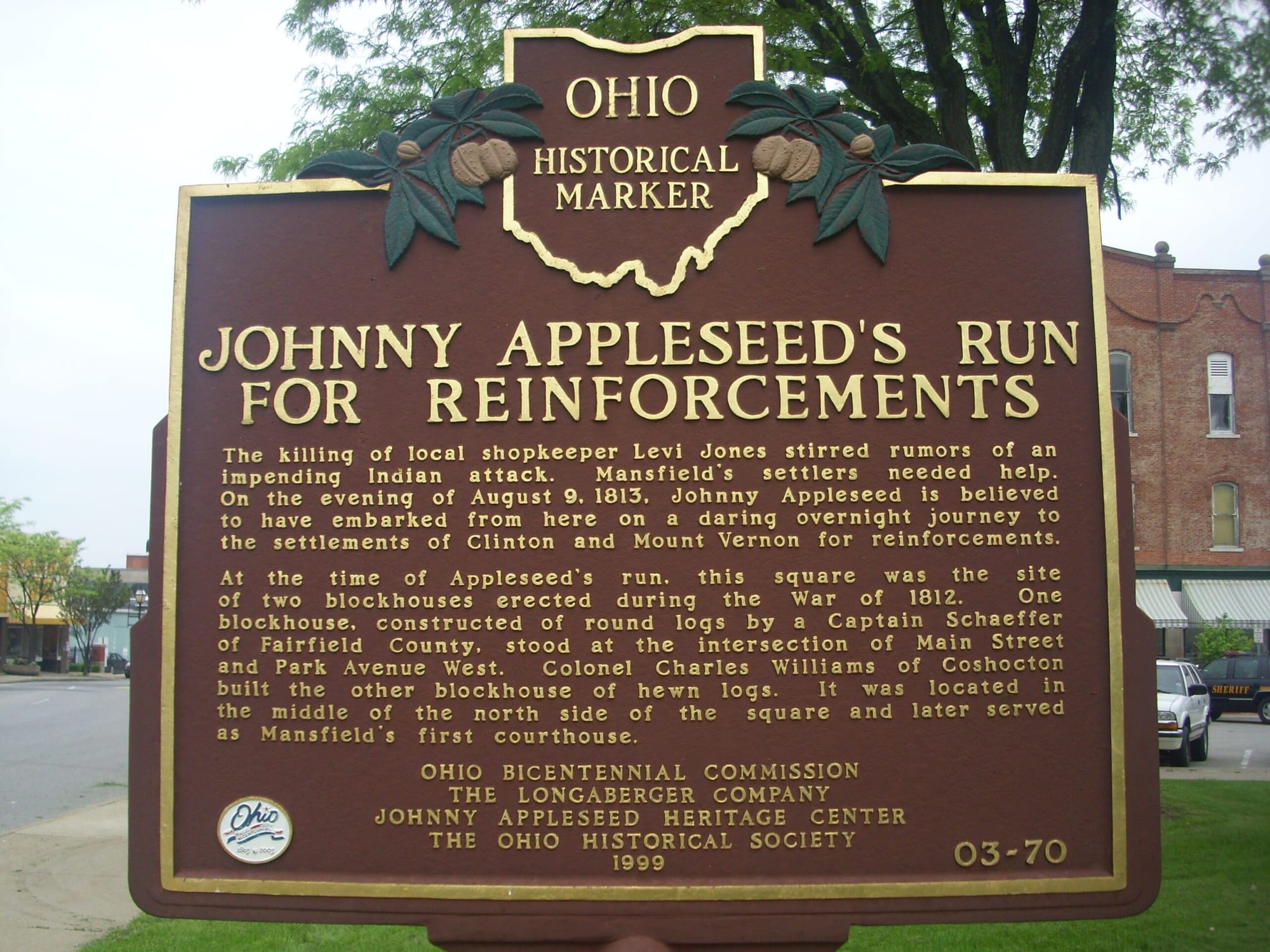
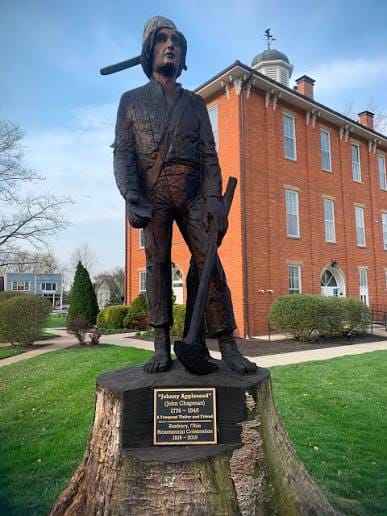
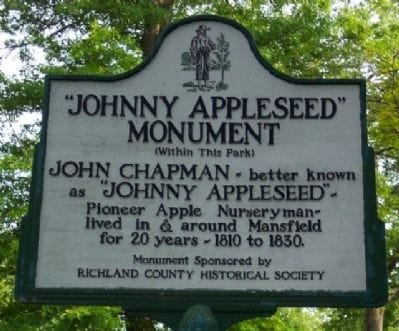
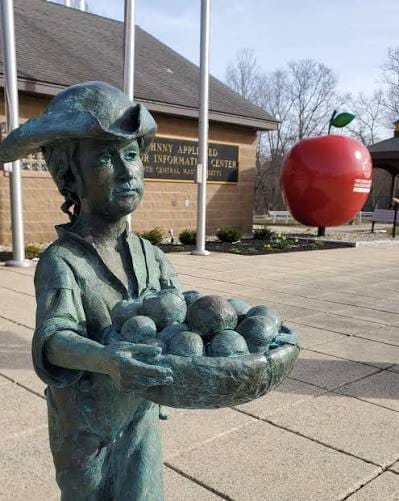
Over the course of a year—and through all four seasons—Fitzgerald travels from Massachusetts toward Indiana, walking when he can, driving when he must, and even floating downstream at one point. His route takes him through places connected to Chapman’s life and afterlife, including Massachusetts, western Pennsylvania, Ohio, and finally Fort Wayne, Indiana, where Johnny Appleseed is buried. Along the way, Fitzgerald visits roadside markers, statues, monuments, festivals, old properties, claimed Appleseed trees, and grave sites. Some are touching; some are strange; and many have rather shaky historical credentials. That uncertainty becomes part of the book’s charm. America, Fitzgerald suggests, loves a good legend—even when the facts are wearing hiking boots and wandering off in another direction.
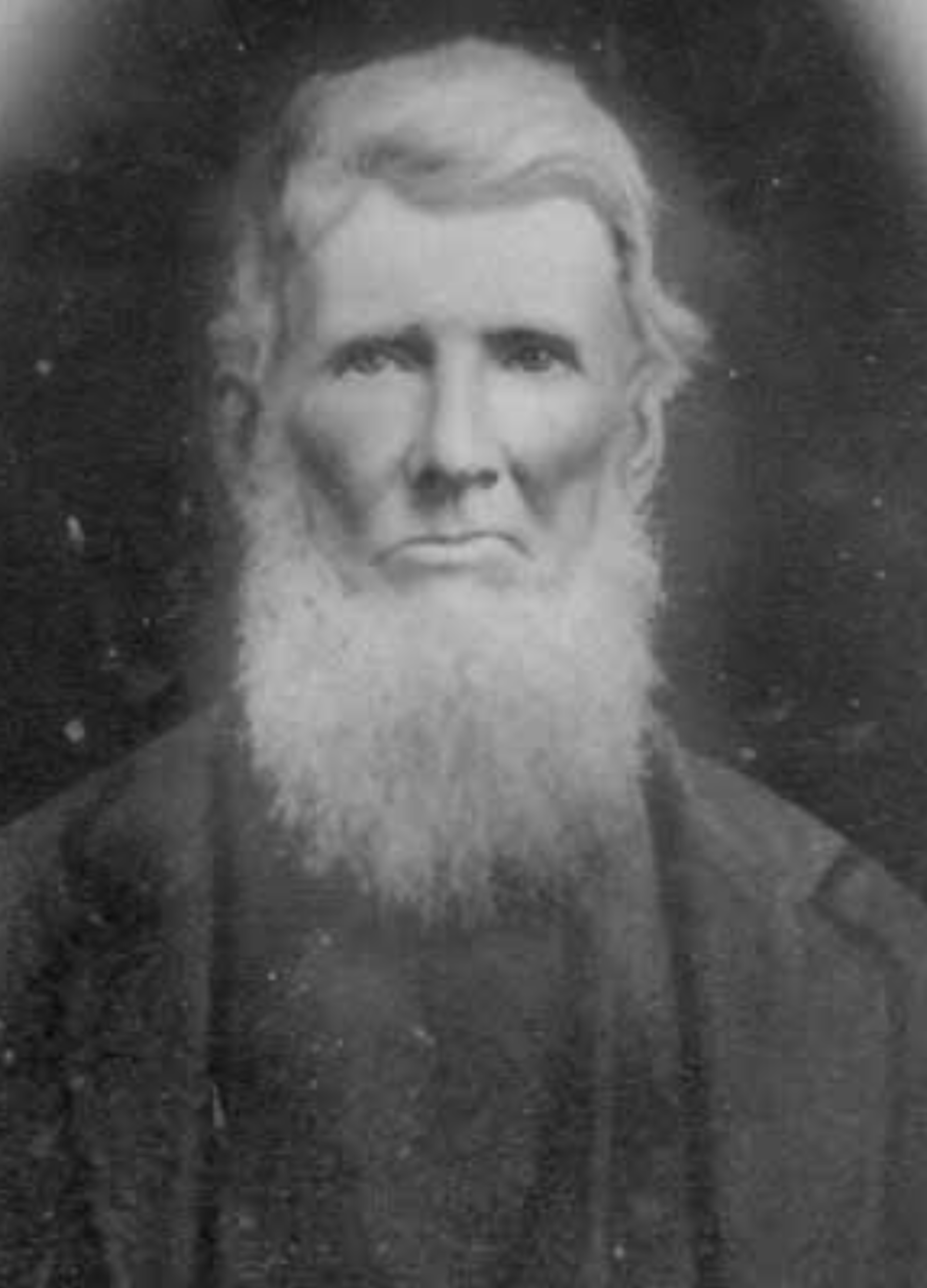
As Fitzgerald rambles through the landscape, he pieces together the story of John Chapman, who was born in 1774 and traveled west through Pennsylvania, Ohio, and Indiana as the nation expanded. Chapman was not merely a sweet, barefoot fellow scattering seeds so children could grow pie apples. He was a practical nurseryman who established apple orchards near growing settlements, often working with local partners who would tend and protect the young trees while he continued onward.
The book also explores the religious, economic, environmental, and cultural realities behind the Johnny Appleseed legend. Chapman’s life intersects with westward expansion, land speculation, frontier settlement, faith, and the way Americans turn complicated people into comforting symbols. Fitzgerald does not simply tear down the myth; he examines why it endured—and why we may still need stories like it, even when they are imperfect.
One of the most memorable bits of historical truth in the book involves the apple trees themselves. The apples Johnny Appleseed helped cultivate were generally different from the sweet, crisp eating apples we picture in lunchboxes, apple pies, or on teachers' desks. Because apple trees grown from seed do not reliably reproduce the same kind of fruit as their parent tree, many of Chapman’s trees produced unpredictable, often tart or bitter apples. They were far more useful for making hard cider and applejack than for baking a grandmotherly pie.
Chapman reportedly obtained seeds from cider-making waste, planted them in fenced nurseries, and sold or supplied young trees to settlers. In that context, apple growing was not simply wholesome pioneer gardening. It was a practical business, a form of frontier development, and a way to provide a familiar alcoholic drink in communities where safe water and established agriculture could be scarce. The cheerful, apple-pie version of Johnny Appleseed is not entirely false—it is simply missing the cider.
By the time Fitzgerald reaches Fort Wayne, American Rambler has become more than a retracing of John Chapman’s steps. It is a personal reckoning shaped by grief, identity, friendship, solitude, faith, and the uneasy question of what it means to inherit an American story. Fitzgerald encounters generosity from strangers, uncomfortable camping conditions, questionable landmarks, grimy gas-station bathrooms, and moments of real natural beauty—exactly the sort of material that makes a journey feel lived rather than polished.
The result is a book about looking beyond the postcard version of America. Fitzgerald follows Johnny Appleseed into the heartland, but he also follows the gaps between legend and history, asking what survives when we stop treating the past as a fairy tale.

You should read American Rambler because it feels less like being handed a history lesson and more like being invited along on a slightly scruffy, unexpectedly moving road trip with a smart friend. Isaac Fitzgerald doesn’t ask you to be an outdoors person, a history buff, or someone who owns hiking poles; he simply asks you to stay curious. And honestly? That is more than enough.
Here is why you should read American Rambler:
It reminds you that wandering is good for the soul
I loved the way Fitzgerald makes movement feel meaningful. His journey is not about conquering miles, collecting impressive photographs, or proving he is tougher than the weather. It is about stepping out of your usual routines long enough to notice what is around you—and perhaps what is happening inside you, too. If you have ever felt restless, stuck, or in need of a change of scenery, this book may feel like a deep breath.
It lets you explore America without needing camping equipment
You can enjoy this book whether you are happiest on a wooded trail or firmly believe that “roughing it” means a hotel without a decent coffee maker. Fitzgerald captures muddy boots, unpredictable weather, strange roadside stops, and the glorious discomfort of being outdoors, but he never makes you feel as though you need to become a wilderness expert to understand the appeal. You can read it from your favorite chair with a blanket and still feel the tug of the open road.
It makes history feel human again
Johnny Appleseed may sound like the sort of figure who belongs on a classroom bulletin board, smiling beside a construction-paper apple. Fitzgerald gives us the real John Chapman: eccentric, complicated, enterprising, spiritual, and very much a product of his time. I appreciated that the book does not settle for the polished folk-tale version. It asks us to look closer, because the truth is nearly always more interesting than the legend.
It is full of the kind of details you will want to tell someone about later
The apple trees alone are worth the trip. Fitzgerald reveals that Johnny Appleseed’s apples were not necessarily destined for pies, cobblers, or a wholesome afternoon snack. Many were grown for cider and applejack, which gives the familiar legend a rather more grown-up twist. It is the sort of historical nugget that makes you pause, laugh, and immediately think, “Well, that changes things.”
It understands that America is both beautiful and complicated
This is one of the reasons I admired the book so much. Fitzgerald does not romanticize every mile of the journey or pretend that the past was simpler, kinder, or cleaner than it was. He looks at the country’s myths, expansion, landscapes, people, contradictions, and uneasy inheritances with affection—but also with his eyes open. That balance makes the book feel honest.
It is funny in the way real travel is funny
Travel stories can sometimes make every sunset sound life-changing and every inconvenience sound noble. Thankfully, Fitzgerald understands that a journey can be profound one minute and ridiculous the next. There are bad conditions, odd encounters, questionable landmarks, and the humbling reality that following a legend’s path is not always as romantic as it looks on a map. His humor keeps the book warm and approachable rather than preachy.
It gives you permission to be curious, even when you do not have all the answers
Fitzgerald is not walking across America because he has his life perfectly figured out. He is walking because he needs to move, look, learn, and make sense of things. That feels deeply relatable. Sometimes we do not need a grand plan; sometimes we need to take the next step, ask a better question, and remain open to the possibility that the road may teach us something.
It will make you want to pay closer attention to your own surroundings
After reading this book, I found myself thinking about the stories hidden in ordinary places: the old trees near a familiar road, the historical marker I have driven past without reading, the small-town museum I have always meant to visit, the name behind a local street or park. American Rambler has that lovely effect of making the world feel larger while also making your own corner of it feel newly worth exploring.
It is ultimately a book about becoming more awake to your life
Beneath the Johnny Appleseed history, the cider apples, the miles, and the Americana, this is a book about attention. It is about letting the outdoors, other people, and the stories of the past interrupt your assumptions. It is about being willing to become a little uncomfortable in exchange for feeling more present. That is why I loved it. It made me want to lace up my shoes, take the long way somewhere, and see what I have been missing.

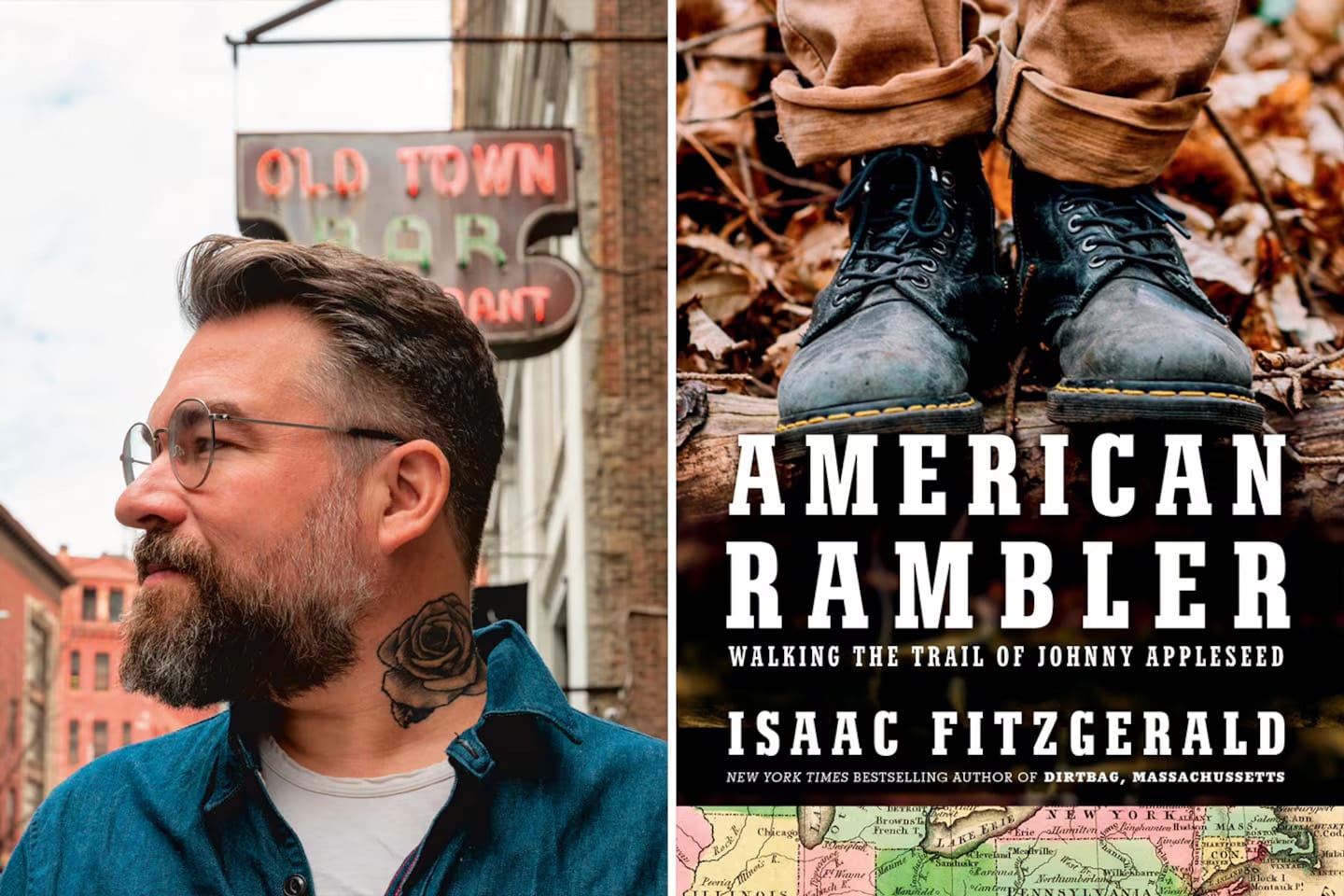
Get Isaac Fitzgerald Books
Isaac Fitzgerald’s unforgettable books blend literary wit, tender honesty, and vivid storytelling, inviting readers to embrace the messy beauty of becoming fully themselves.
Bookshop.org was created as a socially conscious alternative to Amazon, with the goal of helping local, independent bookstores thrive. This is why Readers With Wrinkles supports their efforts. Please join us in this effort by purchasing your next read here.

If American Rambler made you want to walk a little farther, look twice at a historical marker, or reconsider everything you thought you knew about Johnny Appleseed and his cider-minded apple trees, these are the books I would place directly into your hands. They all understand that travel is never only about getting somewhere—it is about the people, stories, landscapes, and unexpected truths that meet us along the way. Here are 8 books to read next:
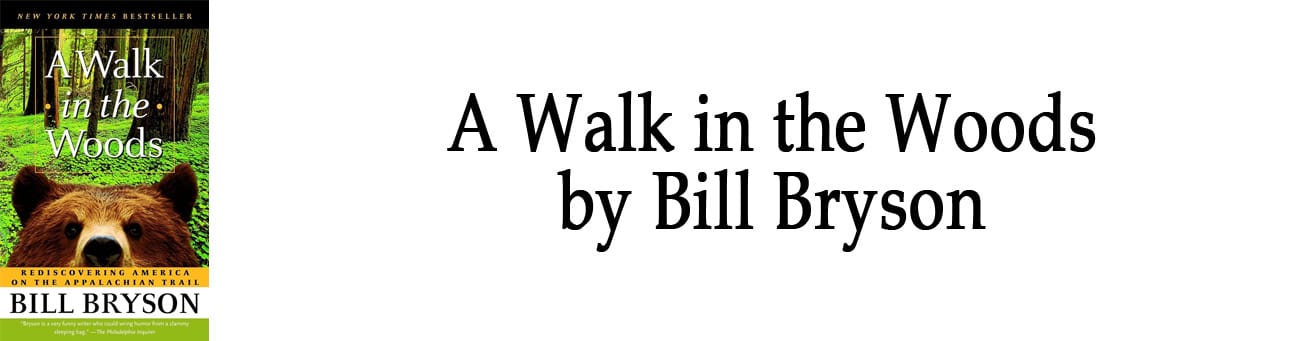
A Walk in the Woods by Bill Bryson
Bill Bryson recounts his determined, underprepared, and often hilarious attempt to hike the Appalachian Trail with his old friend Stephen Katz, blending natural history, trail lore, American history, and the alarming reality of long walks. This enduring travel classic is a New York Times bestseller, earned a Nielsen Gold Bestseller Award, and was adapted into a 2015 film starring Robert Redford and Nick Nolte. If you loved Fitzgerald’s ability to make outdoor adventure feel funny, uncomfortable, thoughtful, and accessible to people who may prefer a hotel bed to a sleeping bag, Bryson will feel like terrific company on the trail.
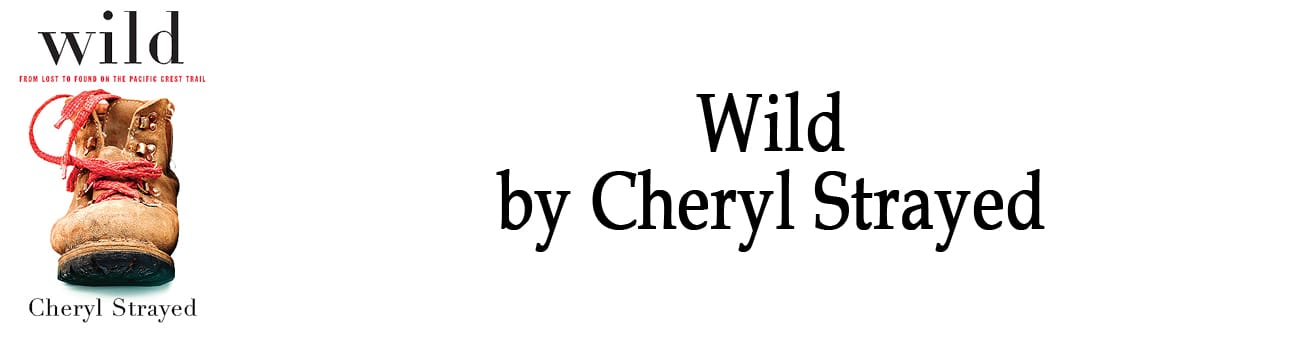
Wild by Cheryl Strayed
In this raw memoir, Cheryl Strayed hikes more than 1,000 miles of the Pacific Crest Trail alone while grieving the death of her mother and trying to rebuild a life that has come apart. Wild was the first selection of Oprah’s Book Club 2.0, reached No. 1 on the New York Times bestseller list, won the Goodreads Choice Award for Memoir & Autobiography, and inspired the acclaimed film starring Reese Witherspoon. Readers who connected with the personal heart beneath Fitzgerald’s miles will love how Strayed turns a physical journey into an honest, deeply human reckoning with grief, resilience, and the hard work of moving forward.
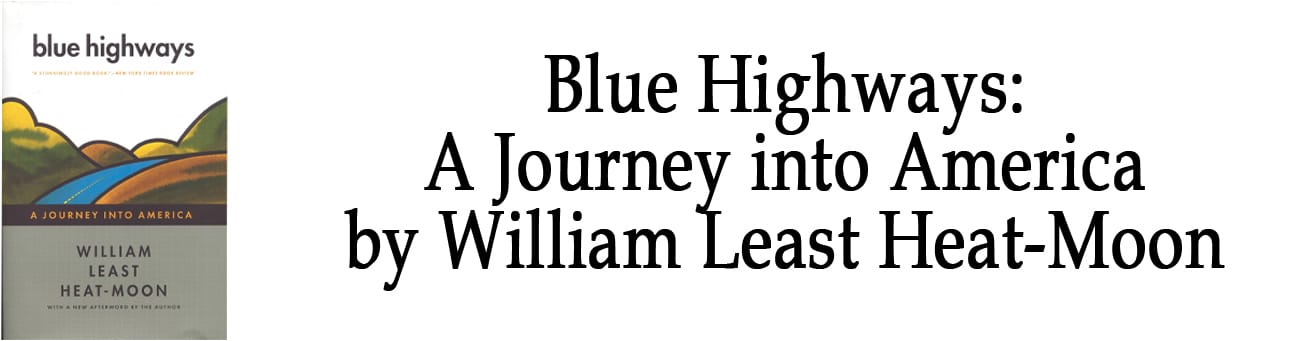
Blue Highways: A Journey into America by William Least Heat-Moon
After a difficult season in his life, William Least Heat-Moon sets out on a 13,000-mile journey along America’s smaller, blue-lined roads, meeting strangers and seeking the country that exists beyond interstates and tourist brochures. The book spent 42 weeks on the New York Times bestseller list, was named a New York Times Notable Book, was chosen as one of Time’s five best nonfiction books of 1983, and received a Christopher Award. Like American Rambler, it looks for the country beneath the myth—the roadside diners, overlooked towns, chance encounters, and complicated stories that make America feel both familiar and endlessly surprising.
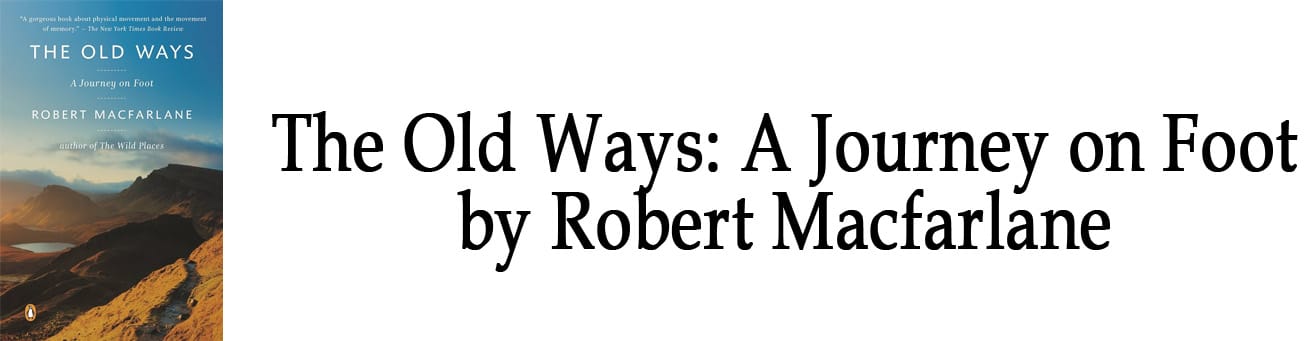
The Old Ways: A Journey on Foot by Robert Macfarlane
Robert Macfarlane follows ancient paths, sea roads, holloways, and pilgrimage routes across Britain, exploring the ways landscapes preserve memory, myth, ritual, and human history. The Old Ways was a Sunday Times bestseller, jointly won the Dolman Best Travel Book Award, was shortlisted for the Samuel Johnson Prize, and was selected as a Book of the Year by writers including Philip Pullman, John Banville, and Jan Morris. Fitzgerald fans will appreciate Macfarlane’s belief that walking is a way of reading a place: every trail holds old stories, and every step can bring the past into conversation with the present.
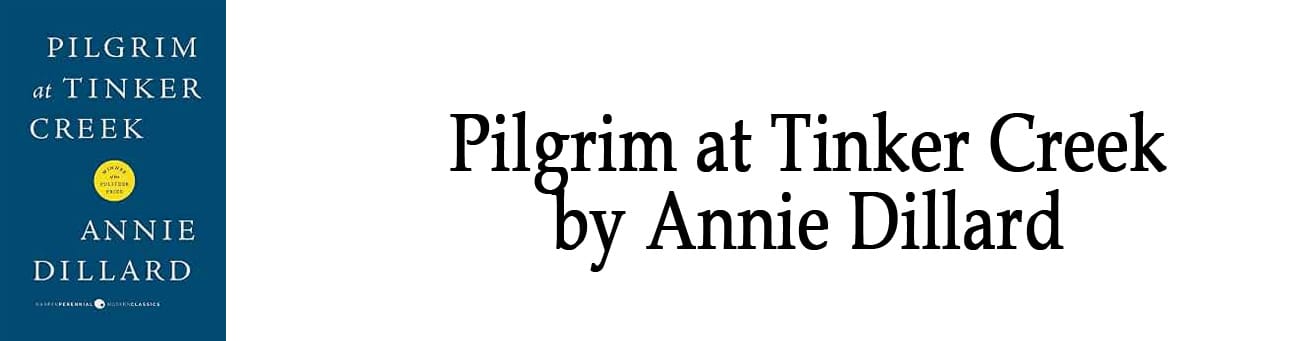
Pilgrim at Tinker Creek by Annie Dillard
Annie Dillard spends a year observing the woods, creek, weather, insects, animals, and astonishing small dramas of the natural world near her Virginia home. This luminous work of nature writing won the 1975 Pulitzer Prize for General Nonfiction. Read this book when what you loved most about American Rambler was its invitation to slow down and pay attention, because Dillard can make a creek bank, a bug, or a single flash of light feel as grand as a national park.
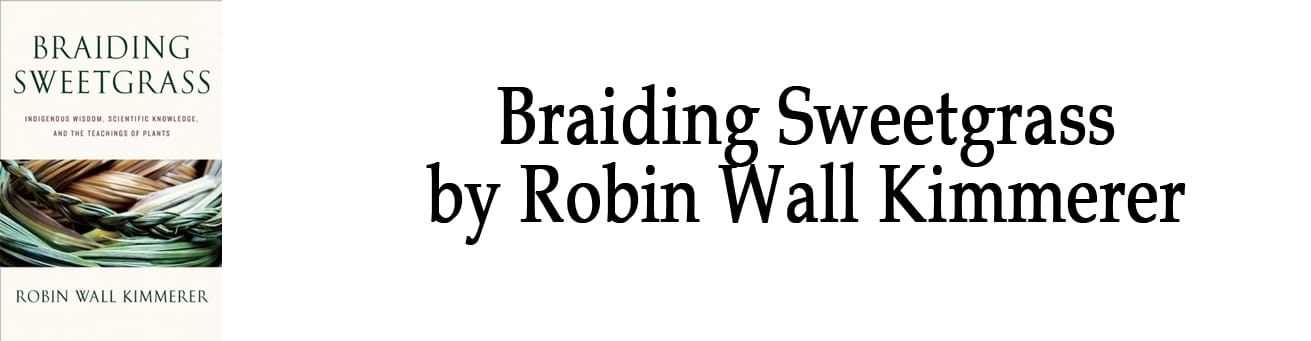
Braiding Sweetgrass by Robin Wall Kimmerer
Botanist and Citizen Potawatomi Nation member Robin Wall Kimmerer weaves Indigenous knowledge, ecology, personal stories, scientific understanding, and plant life into a moving argument for gratitude and reciprocity with the living world. The book is a No. 1 New York Times bestseller, a Washington Post and Los Angeles Times bestseller, a winner of the Sigurd F. Olson Nature Writing Award, and was named a New York Times 100 Best Books of the 21st Century Readers Pick. If Fitzgerald’s apple-tree history made you see a familiar piece of Americana differently, Kimmerer will do something even more lasting: she will change the way you look at the plants, land, and relationships around you.
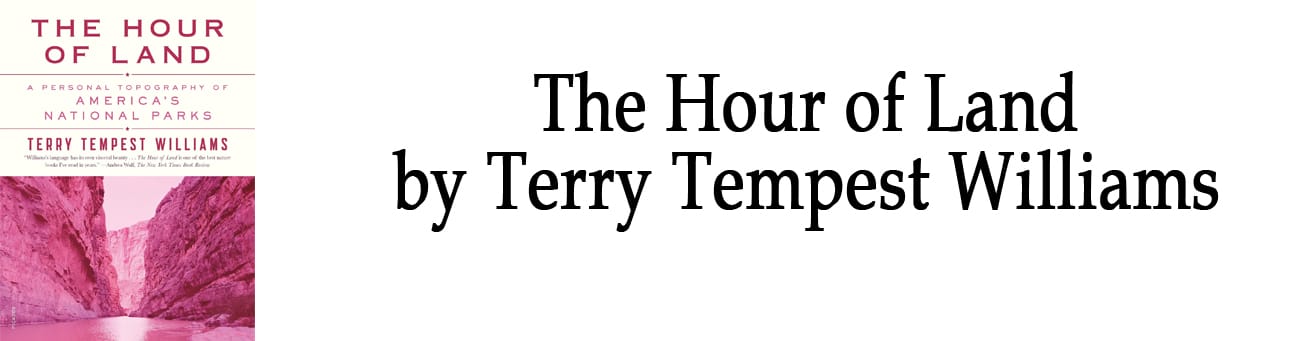
The Hour of Land: A Personal Topography of America’s National Parks by Terry Tempest Williams
Terry Tempest Williams visits national parks across the United States, using each landscape—from the Everglades to Gettysburg to Alcatraz—to consider public lands, memory, democracy, environmental responsibility, and who gets to belong in America’s story. The Hour of Land became a New York Times bestseller and won the 2016 Reading the West Book Award from the Mountains & Plains Independent Booksellers Association. This is a particularly lovely follow-up for readers who admired how American Rambler pairs a physical journey with a searching meditation on American ideals, contradictions, history, and the landscapes that hold all of it.
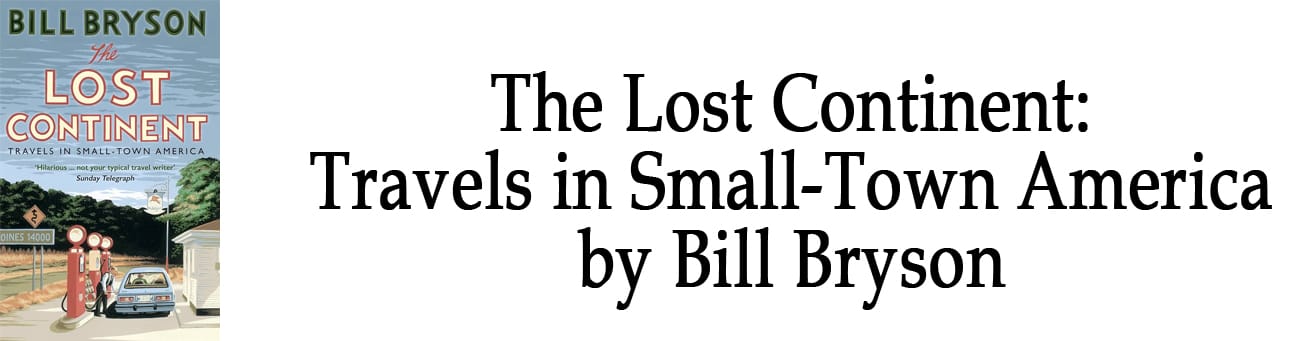
The Lost Continent: Travels in Small-Town America by Bill Bryson
In this sharp, funny travel memoir, Bill Bryson drives across the United States in search of the small-town America he remembers from childhood, finding plenty of eccentricity, nostalgia, disappointment, and odd roadside beauty. The book became a Book-of-the-Month Club alternate selection, and New York magazine famously described it as the kind of travel book “Steinbeck might have written if he’d traveled with David Letterman.” If you loved Fitzgerald’s warm humor and his knack for finding meaning in the weird, ordinary, sometimes unglamorous corners of America, Bryson’s cranky affection for the country will absolutely hit the spot.
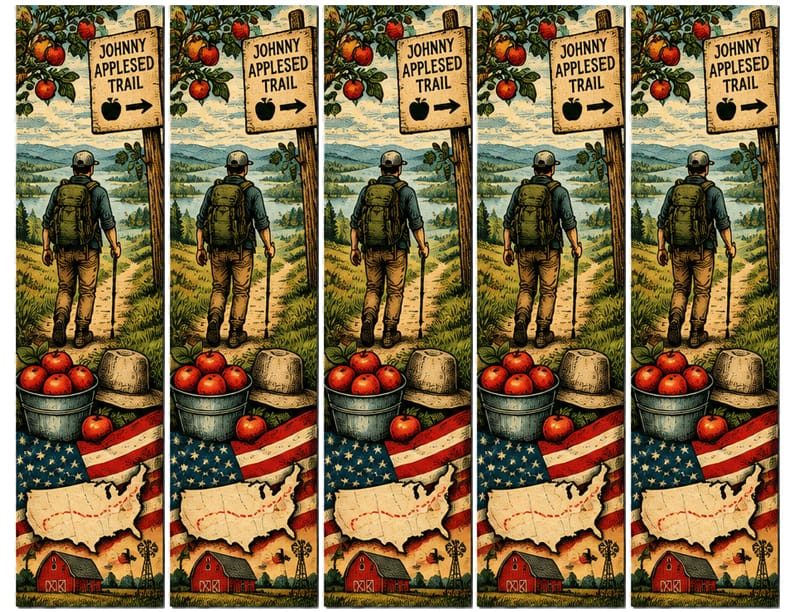
A Little Something Extra for Paid Subscribers
Every great book deserves a place to be remembered—and now, paid Readers With Wrinkles subscribers can collect a little piece of every review they love.
With your paid subscription, you’ll receive exclusive access to free printable bookmark pages created for each book reviewed on Readers With Wrinkles. Simply download, print, and tuck one inside the book you’re reading—or save a few for your next book-club pick, gift, or reread.
Each bookmark is a small, bookish keepsake designed to help you celebrate the stories that stay with you. Whether you use them to mark your place, share them with fellow readers, or build a collection of your favorite reads, they’re a thoughtful extra made especially for our subscriber community.
Paid subscribers already enjoy exclusive bookish printable lists resources and special savings on Book Club Kits. Now you can make every reviewed book even more memorable—one beautiful bookmark at a time.
Subscribe today and start collecting your printable bookmarks with every new Readers With Wrinkles review.

Paid Subscriber Perk!
Love the book we just reviewed? Paid subscribers can now download an exclusive printable list of books with a similar vibe—perfect for planning your next read or curating your book club’s picks. It’s a handpicked, beautifully designed list guide you won’t find anywhere else.
Unlock your next favorite reads—become a paid subscriber today to get instant access to these printable book lists!
Comments