
- Date Published:
2025 - Length:
334 pages—Listening Time: 11 hours 34 minutes - Genre:
Fiction, Historical Fiction, Mystery - Setting:
Late 18th Century-Mid 19th Century; London, England - Awards:
Edgar Award Nominee Novel 2026; National Jewish Book Award Winner Fiction 2025; Jewish Fiction Award Honor Book 2026; Sophie Brody Medal Winner 2026; The Best Books: Book Recommendations from the Multnomah County Library Audiobooks for Adults 2025; Illinois Reads Adult 2026; CrimeReads Best Books of the Year Notable Selection 2025 - Languages:
English - Sensitive Aspects:
Antisemitism, religious prejudice and xenophobia, child abuse and exploitation, domestic abuse, physical violence, gun violence, murder, death and grief, severe poverty, theft and criminal activity, strong language, references to sex work - Movie:
As of October 2026, there is no movie adaptation in production or officially announced for Fagin the Thief. - Recommended for Book Club:
Yes

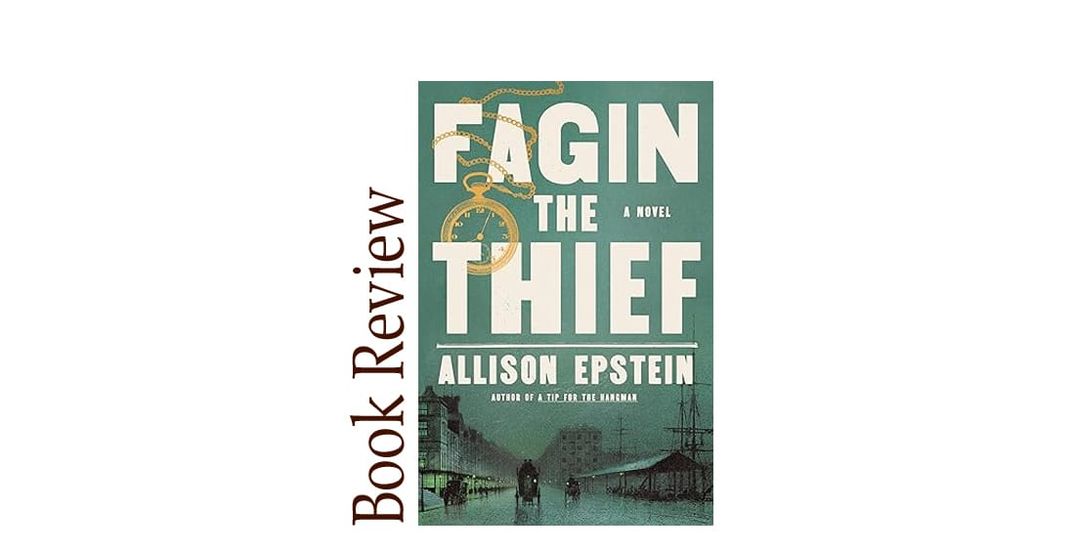
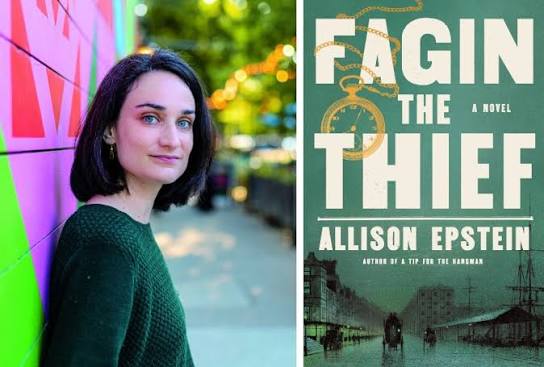
I wasn’t expecting to hand my heart over to Fagin. My imaginary valuables? Certainly not. But a few pages into Allison Epstein’s Fagin the Thief, I was ready to pull up a chair, hear him out, and reconsider everything I thought I knew about the man Dickens left in the shadows. That’s the trouble with a brilliant novel: you open it expecting a story, and suddenly your long-held opinions have vanished.
I don’t give out 10-star ratings often. A book has to earn that kind of enthusiasm. This one earned every last star.
You probably know something of Oliver Twist, even if you’ve never cracked open Charles Dickens’s novel. Through generations of readers, stage productions, and film adaptations, its world of hungry children, dangerous streets, and questionable benefactors has remained firmly lodged in our collective imagination. Oliver may have his name on the cover, but he’s hardly the only character who stays with us. There’s the Artful Dodger. There’s Nancy and her abusive choice of boyfriend, Bill Sikes. And then, there’s Fagin.
Ah, Fagin. What do we do with him?
Epstein’s brilliant answer is to stop looking at him solely through Oliver’s story and ask what happened before Oliver ever arrived. Who was this man before he became literature’s notorious teacher of young thieves? What did he love? What did he lose? And what changes when the Jewish character Dickens so often reduced to “the Jew” gets a name, a childhood, and an interior life? Epstein gives us Jacob Fagin—not a conveniently scrubbed-up saint, but a complicated human being whose Jewish identity belongs to him rather than serving as shorthand for villainy.
That distinction is the beating heart of this novel. Epstein doesn’t ask us to pretend that wrongdoing isn’t wrongdoing. She asks us to look longer. To consider the difference between understanding someone and excusing them. To notice how much a familiar story can change when the person standing in its shadows finally gets to speak.
And the writing? There’s such depth and beauty here. The prose has texture, wit, and emotional weight; the tenderness feels earned rather than ladled on. I wanted to keep turning pages, but I also wanted to linger. That’s a lovely predicament for a reader—and a mildly inconvenient one for anyone expecting dinner on time.
Now, don’t let its status as a finalist for the 2026 Edgar Award for Best Novel send you reaching for the night light. This isn’t really a horror, mystery, or thriller novel, though its world contains cruelty, danger, and painful losses. Its suspense belongs to the precarious business of surviving Dickensian London, not to things lurking under your bed.
For our RWW Something Wicked This Page Turns Halloween series, that makes Fagin the Thief a beautifully mastered welcome respite: a different kind of darkness, illuminated by humanity rather than designed to frighten you.
Come for the familiar literary rogue. Stay for the man Epstein lets you see. This is one recommendation I’m making with my whole reader’s heart.
Spoiler-Free
Before Oliver Twist ever knocks on his door, Jacob Fagin has a story of his own—and survival is at the heart of it. Growing up in London’s impoverished Jewish neighborhood of Stepney, Jacob’s world revolves around his mother, Leah. His father’s execution for theft casts a shadow over their lives, while poverty and prejudice leave him with few promising paths forward. When a skilled pickpocket offers to teach him a trade, Jacob discovers that quick fingers can earn far more than the respectable work available to him.
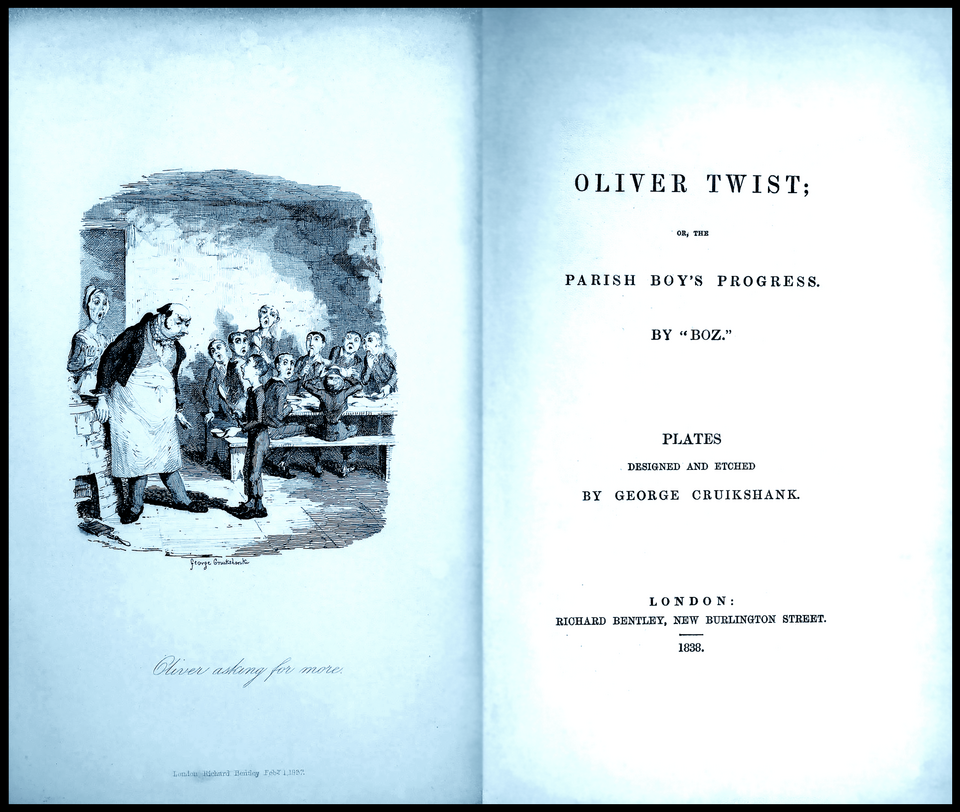
As Jacob builds a life in London’s criminal underworld, his solitary existence gradually becomes something resembling a family. He takes in a young Bill Sikes and develops close ties with Nancy and the gifted Artful Dodger. These relationships bring companionship and loyalty, but also complications that cleverness alone can’t resolve. Bill’s growing ambition and dangerous temper threaten the precarious world Jacob has built, forcing him to confront the responsibilities that come with letting people into his life.
Moving between Jacob’s earlier years and the familiar world of Oliver Twist, Allison Epstein shifts the spotlight away from Oliver to explore the man whose home he enters. The result is a story of theft, belonging, and difficult loyalties, shaped by Jacob’s Jewish identity and the hostility he encounters—a portrait of someone trying to make a place for himself in a city that offers little room for him.

A familiar classic told from another character’s perspective doesn’t automatically earn a place on my must-read list. I want more than a clever premise. I want a reason to care. Fagin the Thief gave me that—and then gave me a complicated, beautiful story I didn’t want to leave.
Here’s why I think it might win you over, too:
Fagin becomes someone worth knowing, not simply someone worth judging
You don’t have to approve of his choices to become invested in his life. That’s part of the pleasure here: finding yourself caring about a character you might once have dismissed. Epstein makes room for both responses.
The writing invites you to slow down—even when you want to race ahead
There’s depth and beauty in the prose, but it never feels like the author is elbowing you and whispering, “Notice how beautifully I’m writing?” The language serves the story. A tender moment lands, a sharp observation catches you, and suddenly you’re rereading a passage instead of turning the page.
Its treatment of Jewish identity gives the story meaning beyond its clever premise
What moved me was the opportunity to encounter Fagin as a person rather than a stereotype. His identity isn’t an incidental detail or an explanation for his wrongdoing. It’s part of a fuller life—and that makes this reimagining feel purposeful, not merely inventive.
The relationships give you something to worry about more than who gets caught
Loyalty, affection, and obligation: those are complicated enough in an ordinary household. Add theft and dangerous associates, and “family troubles” takes on a whole new meaning. The emotional stakes kept me invested just as much as the suspense.
It trusts you to have mixed feelings
I appreciate a novel that doesn’t hand me a tidy verdict on every character. Here, compassion doesn’t require overlooking harm, and understanding someone doesn’t mean letting them off the hook. That tension makes the reading experience richer—and gives a book club plenty to discuss.
It offers a welcome change of pace for our Halloween reading
There’s darkness here, and I wouldn’t call it a lighthearted escape. But if you’d like a break from horror without sacrificing atmosphere or suspense, this is the kind of book I’d put in your hands. Think fewer reasons to check under the bed, more reasons to stay up for one more chapter.
It earns its emotional impact
I don’t give out 10 stars simply because a book makes me sad, surprises me, or puts a lovely sentence on the page. I want those elements to work together. For me, they do here. Fagin the Thief made me care, made me reconsider, and gave me the pleasure of watching a gifted writer bring a difficult character fully into view.
Get Allison Epstein Books
John Grisham’s books are irresistible, page-turning stories where high-stakes legal drama, unforgettable characters, buried secrets, and moral dilemmas collide—making you swear you’ll read “just one more chapter” until it’s suddenly far too late to be awake.
Bookshop.org was created as a socially conscious alternative to Amazon, with the goal of helping local, independent bookstores thrive. This is why Readers With Wrinkles supports their efforts. Please join us in this effort by purchasing your next read here.


If Fagin the Thief made you wonder who else has been waiting in the margins of a familiar story, these eight retellings offer fresh perspectives, complicated characters, and plenty to discuss.
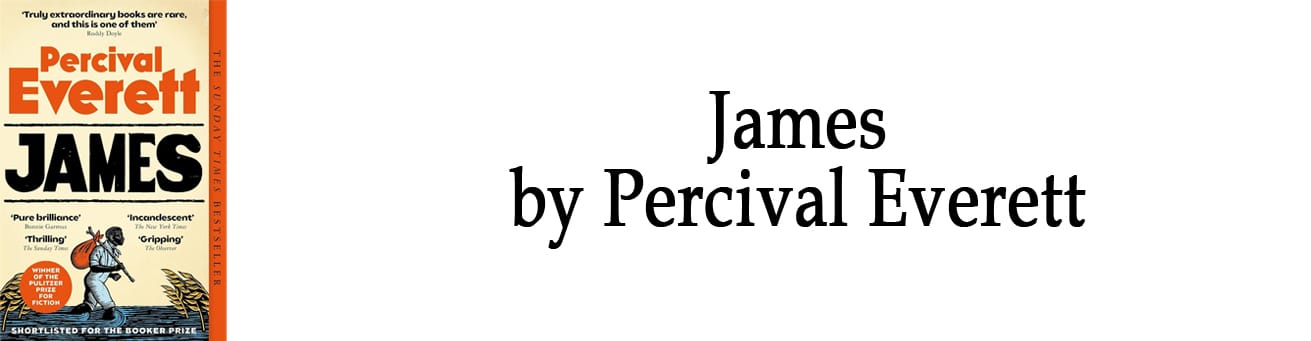
James by Percival Everett
This reimagining of Mark Twain’s Adventures of Huckleberry Finn follows Jim, the enslaved man traveling with Huck, giving him control of a story traditionally told by his young companion. It won the 2025 Pulitzer Prize for Fiction and the 2024 National Book Award for Fiction. Like Fagin the Thief, it challenges a classic’s portrayal of a marginalized character, making it an especially compelling choice for readers who appreciate sharp humor, emotional depth, and a perspective that changes everything. Read the full review here. Book club kit here.


Wide Sargasso Sea by Jean Rhys
This haunting prequel to Charlotte Brontë’s Jane Eyre imagines the Caribbean life of Antoinette Cosway, the woman readers come to know as Rochester’s first wife. It won the 1967 W. H. Smith Literary Award and was included in Time’s selection of the 100 best English-language novels published since 1923. Like Epstein’s novel, it restores an inner life to a character defined largely by others, rewarding readers who enjoy beautiful prose and uncomfortable questions about whose version of a story we believe.
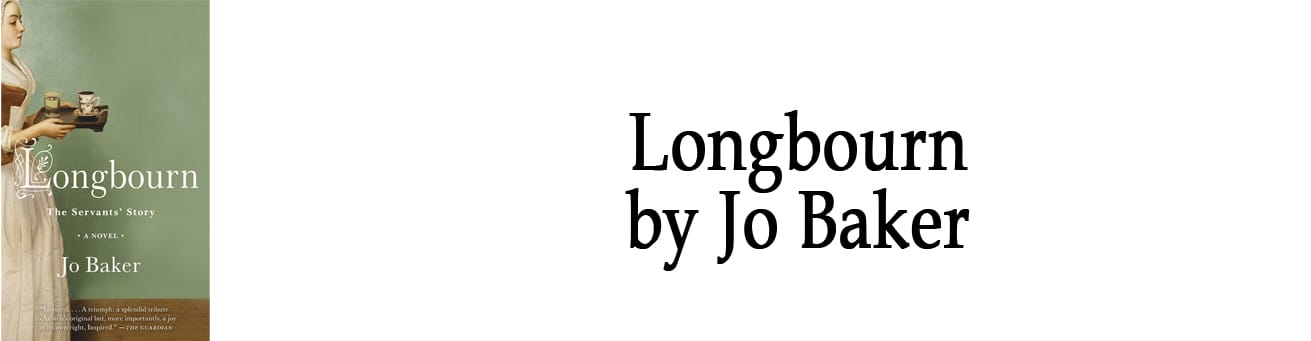
Longbourn by Jo Baker
Jane Austen’s Pride and Prejudice unfolds below stairs in this retelling, which follows the servants whose work keeps the Bennet household running. The novel was shortlisted for the Independent Booksellers Week Book Award and has been translated into 21 languages. Like Fagin the Thief, it shifts attention toward people a beloved classic leaves at the edges, making it appealing to readers who want intimate historical fiction with a sharper awareness of class and survival.
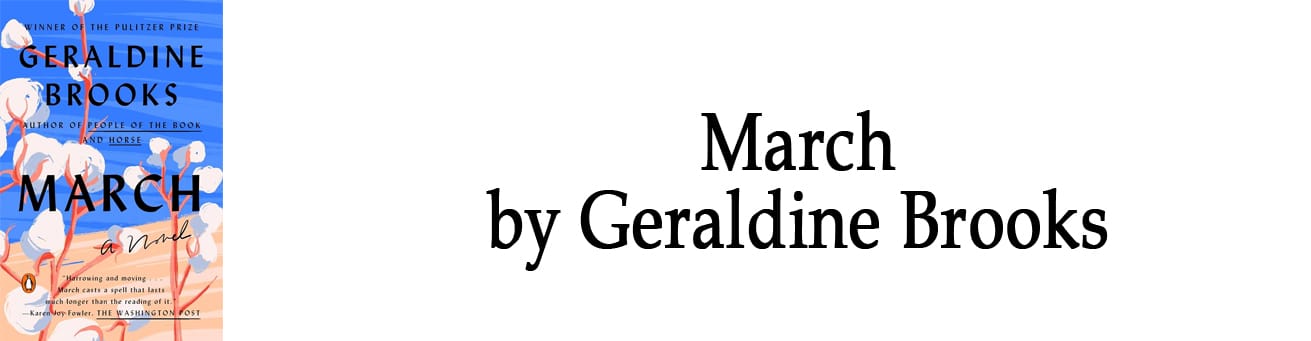
March by Geraldine Brooks
This companion to Louisa May Alcott’s Little Women follows the March sisters’ absent father as he serves the Union cause during the American Civil War and confronts challenges to his convictions. It won the 2006 Pulitzer Prize for Fiction. Like Fagin the Thief, it builds a complex life around a supporting character, offering readers richly textured historical fiction that tests the distance between good intentions and difficult realities.
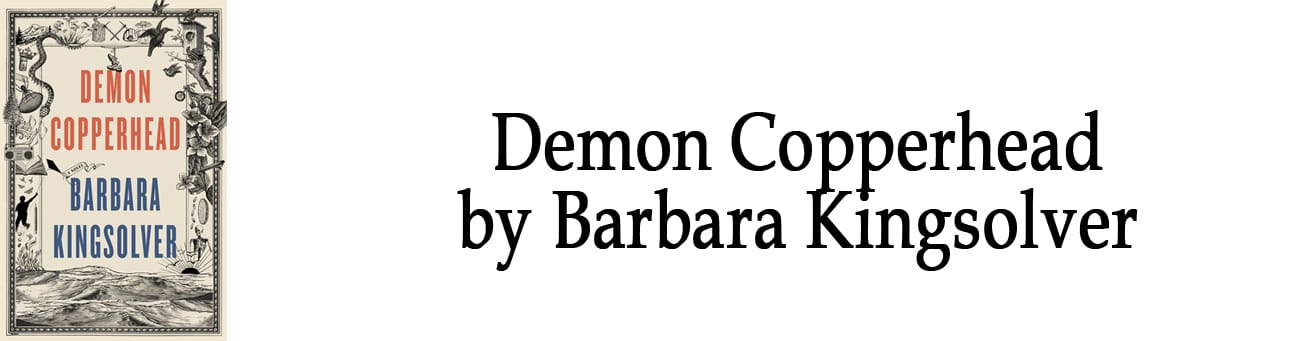
Demon Copperhead by Barbara Kingsolver
This contemporary reimagining of Charles Dickens’s David Copperfield follows an Appalachian boy through poverty, foster care, exploitation, and addiction, armed with wit and a fierce instinct for survival. It won the 2023 Pulitzer Prize for Fiction and the 2023 Women’s Prize for Fiction. Like Fagin the Thief, it brings Dickens’s concern for vulnerable people into vivid focus, making it a strong choice for readers who love an unforgettable voice and compassion without sentimentality.
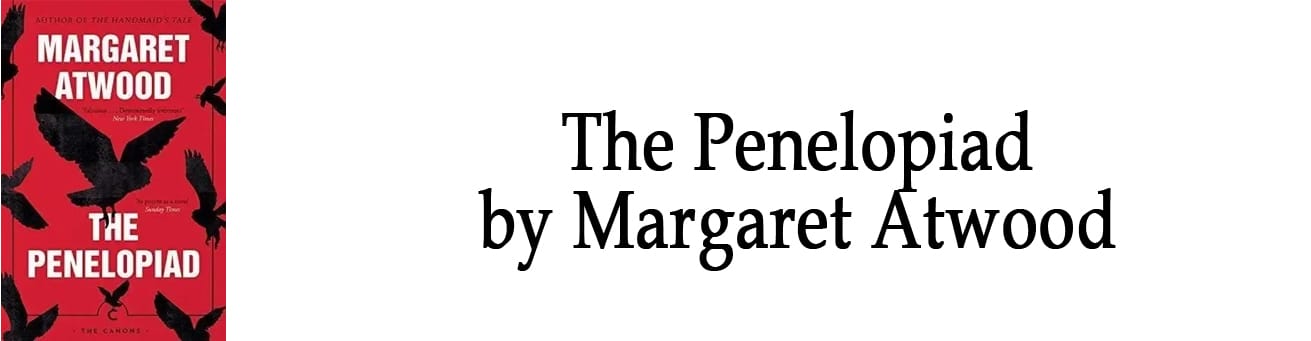
The Penelopiad by Margaret Atwood
Homer’s Odyssey gets a pointed reconsideration as Penelope recounts her side of the story from the underworld, accompanied by the voices of her twelve maids. The novella was nominated for the 2006 Mythopoeic Fantasy Award for Adult Literature and longlisted for the 2007 International Dublin Literary Award. Like Fagin the Thief, it asks what a familiar narrative conceals about its less powerful characters, with sardonic humor and competing perspectives that should delight readers who enjoy questioning the official story.
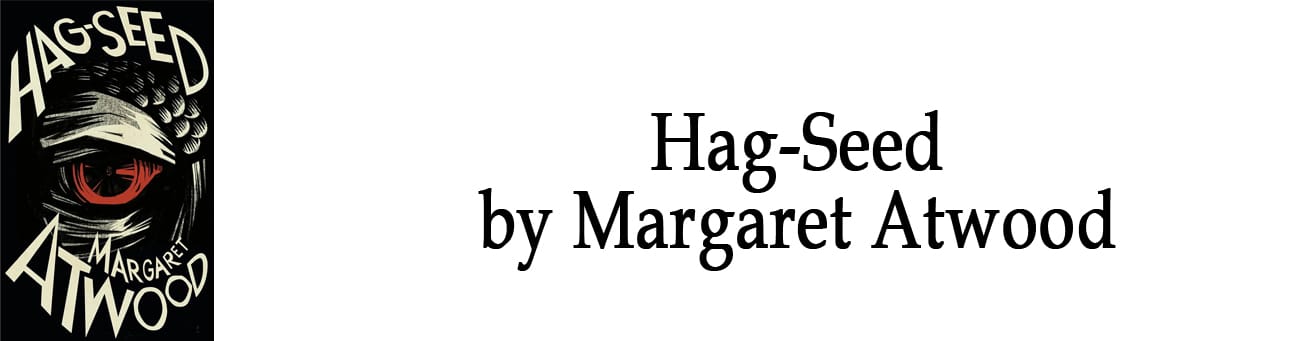
Hag-Seed by Margaret Atwood
This modern retelling of Shakespeare’s The Tempest follows a betrayed theater director who stages the play in a prison while pursuing an ingenious revenge. It became a New York Times bestseller and was published as part of the Hogarth Shakespeare series of commissioned retellings. Like Fagin the Thief, it finds fresh emotional possibilities inside a familiar classic, offering readers an inventive mixture of flawed characters, grief, humor, and second chances.
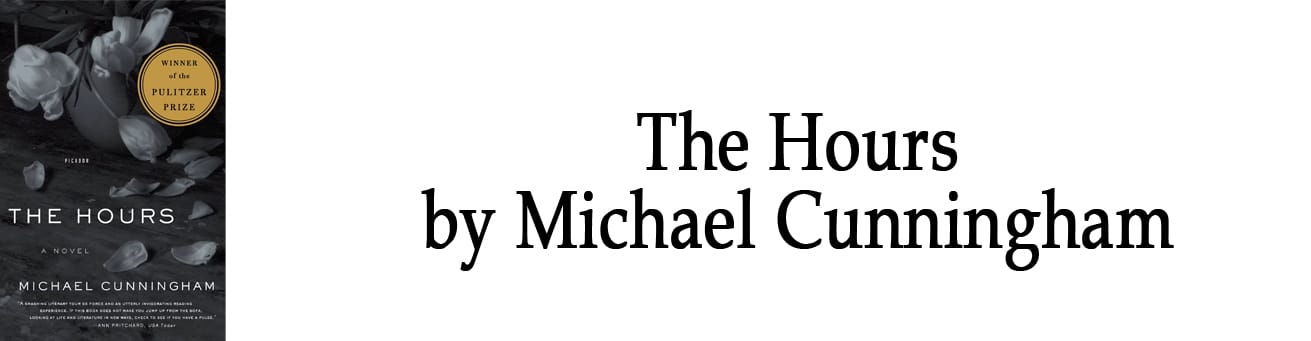
The Hours by Michael Cunningham
This layered reimagining of Virginia Woolf’s Mrs Dalloway interweaves a day in the lives of three women across different eras, including Woolf herself. It won the 1999 Pulitzer Prize for Fiction and the 1999 PEN/Faulkner Award for Fiction. Though its approach is less direct than Epstein’s, it similarly opens a classic to new emotional perspectives, making it a rewarding choice for readers drawn to beautiful writing and the private struggles beneath ordinary lives. Read my full review here.
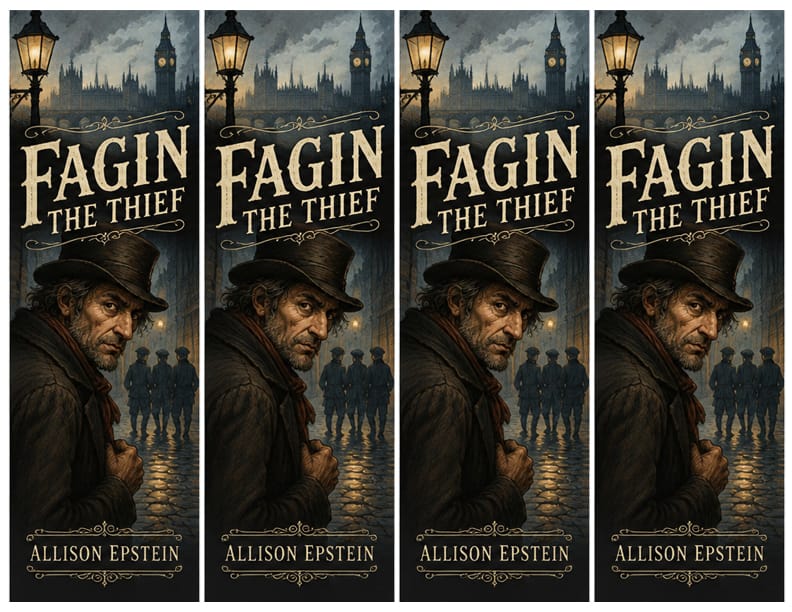
A Little Something Extra for Paid Subscribers
Every great book deserves a place to be remembered—and now, paid Readers With Wrinkles subscribers can collect a little piece of every review they love.
With your paid subscription, you’ll receive exclusive access to free printable bookmark pages created for each book reviewed on Readers With Wrinkles. Simply download, print, and tuck one inside the book you’re reading—or save a few for your next book-club pick, gift, or reread.
Each bookmark is a small, bookish keepsake designed to help you celebrate the stories that stay with you. Whether you use them to mark your place, share them with fellow readers, or build a collection of your favorite reads, they’re a thoughtful extra made especially for our subscriber community.
Paid subscribers already enjoy exclusive bookish printable lists resources and special savings on Book Club Kits. Now you can make every reviewed book even more memorable—one beautiful bookmark at a time.
Subscribe today and start collecting your printable bookmarks with every new Readers With Wrinkles review.
Paid Subscriber Perk!
Love the book we just reviewed? Paid subscribers can now download an exclusive printable list of books with a similar vibe—perfect for planning your next read or curating your book club’s picks. It’s a handpicked, beautifully designed list guide you won’t find anywhere else.
Unlock your next favorite reads—become a paid subscriber today to get instant access to these printable book lists!
Comments