

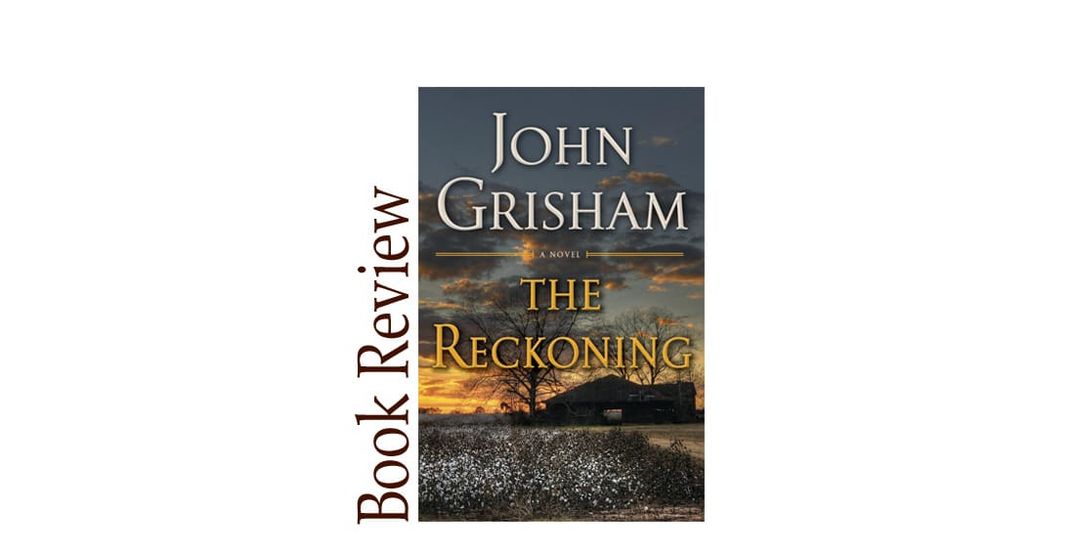
- Date Published:
2018 - Length:
432 pages—Listening Time: 17 hours 36 minutes - Genre:
Fiction, Historical Fiction, Mystery, Thriller - Setting:
1946 with flashbacks; Clanton, Mississippi, in Ford County - Awards
New York Times Bestseller 2018 - Languages:
Dutch, English, Finnish, French, German, Italian, Polish, Portuguese, Spanish, Swedish, Turkish - Sensitive Aspects:
Murder and gun violence, death and grief, World War II combat and wartime brutality, torture and prisoner-of-war suffering, graphic injuries and medical trauma, suicide and suicidal thoughts, mental illness and forced institutionalization, racism and racial slurs, segregation and white supremacy, xenophobia, misogyny and sexism, sexual content, infidelity, rape references, abortion, miscarriage and pregnancy loss, alcoholism and drinking, classism, domestic and family trauma, capital punishment, intense courtroom and legal conflict - Movie
As of 2026, The Reckoning does not have a movie or television adaptation in production or released. - Recommended for Book Club:
Yes

I’ve always been a fan of John Grisham’s legal thrillers. Give me a sharp attorney, a morally murky case, a courtroom ticking with tension, and I’m happy to cancel plans, ignore the laundry, and tell everyone I’ll “just be another hour.” Famous last words, right?
But The Reckoning? Oh, this book is something else entirely.
Yes, it begins with a crime so shocking you’ll immediately start building theories. A respected Mississippi war hero walks into town, commits an unthinkable act, and then refuses—absolutely refuses—to explain himself. No confession. No convenient emotional breakdown. No helpful little clue slipped into a conversation. Just silence.
And naturally, I thought I had it figured out.
I pride myself on being able to sniff out the ending of most mystery thrillers. I notice the suspiciously tidy alibis. I side-eye the character who’s being a little too helpful. I have spent many a reading night smugly announcing, “I know exactly where this is going,” only to keep turning pages to prove myself right.
Grisham had other plans.
He toys with his readers in this one, and I mean that as the highest possible compliment. Just when you think you understand the crime, he pulls you deeper into the past—into the torn Europe, family loyalties, love, loss, duty, and the brutal ways one decision can echo across a lifetime. The historical elements absolutely enraptured me. This isn’t simply a detour from the central mystery; it’s the heart of the novel. The scenes set during World War II are vivid, haunting, and unexpectedly moving, adding a weight and emotional richness I wasn’t fully prepared for.
This book is so much more than a courtroom drama. In fact, if you come looking only for the familiar rhythm of a classic Grisham legal thriller, you may be surprised by where he takes you. The Reckoning is part mystery, part historical fiction, part family saga, and part meditation on the secrets people carry—even from those they love most.
And that mystery? The one that has been quietly needling at you from the beginning? Grisham doesn’t hand over the answer early. He doesn’t let you feel clever for too long, either. The truth isn’t fully revealed until the very last page, and I can honestly say I didn’t see it coming.
Not even close.
Bravo, Grisham. You got me.
The Reckoning is gripping, heartbreaking, ambitious, and unforgettable—and, in my opinion, it’s his best.

In October 1946, the quiet town of Clanton, Mississippi, is rocked by an act no one can explain. Pete Banning—a decorated World War II hero, respected cotton farmer, devoted father, and faithful churchgoer—walks into the local Methodist church and kills its beloved minister. Then, rather than flee or fight the charge, he calmly waits for the sheriff and offers only one chilling response: “I have nothing to say.”
Why would a man with so much to lose commit such a shocking crime? And why would he choose silence when an explanation might save him?
As the town hungers for answers, Pete’s silence leaves his family to face the fallout. His adult children must reckon with the devastating consequences of their father’s choices, while the community that once admired him struggles to reconcile the man they thought they knew with the crime he has committed.
But this is not simply a courtroom story about guilt and innocence. Grisham takes readers beyond the small-town trial and into Pete’s extraordinary past, tracing the experiences that shaped him during World War II. The novel moves through postwar Mississippi and the brutal realities of the Pacific theater, building a sweeping story of war, family, loyalty, trauma, and the secrets that can quietly define an entire life.
The Reckoning begins with the crime, but the real question isn’t whether Pete Banning committed it. He did. The question is why—and Grisham is in no hurry to tell you.
Expect a slow-burning mystery filled with moral complications, family heartbreak, historical detail, and the kind of unanswered question that follows you long after you’ve put the book down for the night. Just when you think you understand the shape of the story, Grisham widens the lens and reminds you that people are rarely as simple as the stories a town tells about them.

If you love a book that gives you a mystery to obsess over and an emotional story to carry around afterward, The Reckoning deserves a spot on your reading list. I didn’t just enjoy this one—I was completely pulled into it, and I think it’s one of those rare novels that offers far more than you expect when you crack open the cover.
Here is why you should read it:
The central mystery will get under your skin
From the opening pages, you know what happened—but you don’t know why. That unanswered question keeps quietly tugging at you through every twist, every courtroom scene, and every reveal. If you enjoy trying to outsmart a thriller, prepare to be humbled. I certainly was.
It’s Grisham at his most ambitious
You may come for the legal drama—and yes, there is plenty of tension around the consequences of a shocking crime—but this is much bigger than a trial. It’s a mystery, a historical novel, a family saga, and a deeply human story bundled into one irresistible read.
The World War II storyline is unforgettable
I expected courtroom fireworks. I did not expect to become so enraptured by the historical sections. Grisham brings the wartime setting to life in a way that feels vivid, sobering, and emotionally involving, giving the novel a depth that surprised me.
The characters feel complicated in the best way
Nobody is neatly sorted into “good” or “bad” boxes. People make painful choices, protect their own secrets, and live with consequences they can’t simply explain away. That moral messiness makes the story feel richer—and far more memorable—than a straightforward whodunit.
It gives you plenty to discuss afterward
This is a terrific book-club choice because it practically invites debate. Was there ever a right choice? Does the truth change how we judge someone? How much can one person’s silence cost a family? You’ll finish with opinions, questions, and probably the urge to corner someone else who has read it.
The ending is worth the wait
I’m usually pretty good at spotting where a mystery is headed. I’ll collect clues, make my little mental case, and feel rather pleased with myself. Not here. Grisham holds his final answer until the very end, and when it arrived, I had to sit with it for a moment. Bravo, Grisham.
It’s the kind of book that makes reading feel like an event
You know those novels that make you look forward to the quiet hour after dinner, your morning coffee, or that precious stretch before bed? The Reckoning is one of them. It asks for your attention, rewards your patience, and leaves you with more than a tidy conclusion.
My honest recommendation: Read The Reckoning if you’re craving a story with suspense, substance, history, and heart. It may not be the Grisham novel you expect—but that’s exactly why I loved it so much. In my view, it’s his best, and I have a feeling you’ll still be thinking about Pete Banning and the truths buried beneath his silence long after you turn the last page.

Get John Grisham Books
John Grisham’s books are irresistible, page-turning stories where high-stakes legal drama, unforgettable characters, buried secrets, and moral dilemmas collide—making you swear you’ll read “just one more chapter” until it’s suddenly far too late to be awake.
Bookshop.org was created as a socially conscious alternative to Amazon, with the goal of helping local, independent bookstores thrive. This is why Readers With Wrinkles supports their efforts. Please join us in this effort by purchasing your next read here.

If The Reckoning pulled you in with its quiet Southern tension, morally complicated characters, wartime history, and last-page revelations, these eight novels belong on your TBR. They each offer a different version of that same irresistible mix: people with secrets, communities with long memories, and truths that do not come easily. Here are a few more books for your TBR:
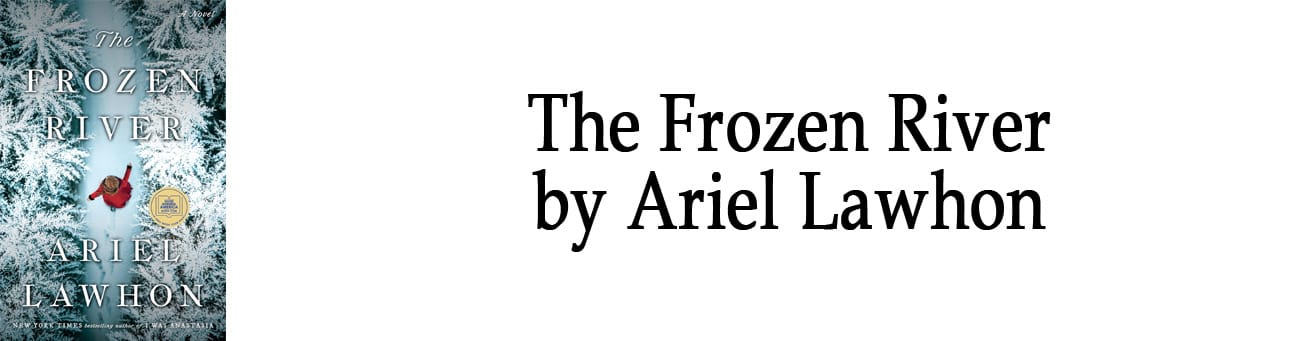
The Frozen River by Ariel Lawhon
In 1789 Maine, midwife and healer Martha Ballard investigates the suspicious death of a man found frozen in the Kennebec River, while an earlier assault allegation threatens to expose the secrets of her close-knit town. The novel was a Goodreads Choice Award nominee for Readers’ Favorite Historical Fiction in 2024. If you loved the way The Reckoning blends crime, history, family loyalties, and a community determined to protect its own, this icy, atmospheric mystery will be an easy next pick.
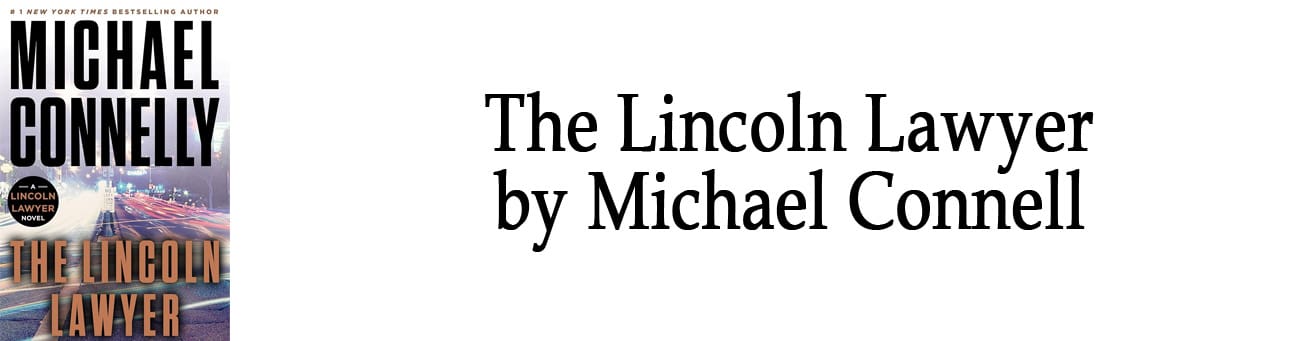
The Lincoln Lawyer by Michael Connelly
Los Angeles defense attorney Mickey Haller runs his practice from the back seat of his Lincoln Town Car until a wealthy client’s high-profile case draws him into a dangerous web of deception. It won both the 2006 Macavity Award for Best Novel and the Shamus Award for Best P.I. Novel, and it was nominated for the Edgar Award for Best Novel. Readers who enjoy Grisham’s legal know-how, sharp courtroom maneuvering, and ethically messy cases will appreciate Connelly’s fast-moving, clever thriller.
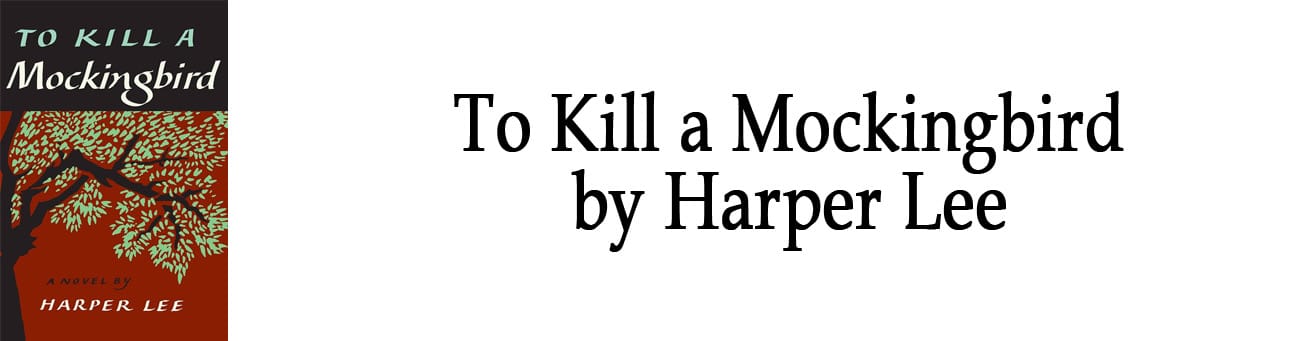
To Kill a Mockingbird by Harper Lee
In Depression-era Alabama, young Scout Finch watches her principled lawyer father defend a Black man falsely accused of assault, forcing her to confront the injustice and prejudice embedded in her hometown. Lee’s landmark novel won the Pulitzer Prize for Fiction in 1961 and remains one of the most widely read American novels. If the Mississippi setting and the moral weight of The Reckoning stayed with you, you will find the same kind of small-town pressure, courtroom drama, and devastating questions of conscience here. Read the full review here.
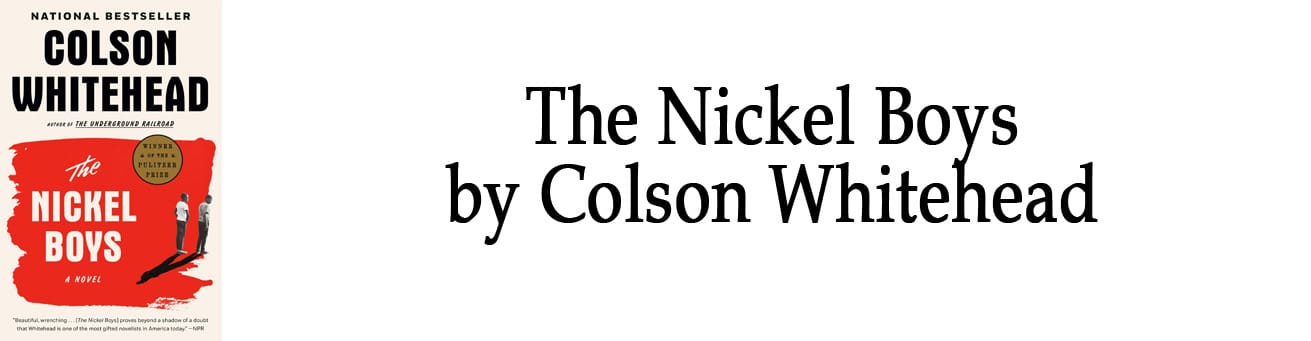
The Nickel Boys by Colson Whitehead
Set in Jim Crow-era Florida, this powerful novel follows two boys sent to a cruel reform school where survival, friendship, and dignity are tested by institutional brutality. It won the 2020 Pulitzer Prize for Fiction, the 2019 Kirkus Prize for Fiction, and the Orwell Prize for Political Fiction. This is a darker and more literary read than The Reckoning, but readers who valued Grisham’s historical vision of the American South and his interest in the lasting damage of injustice will find it unforgettable.
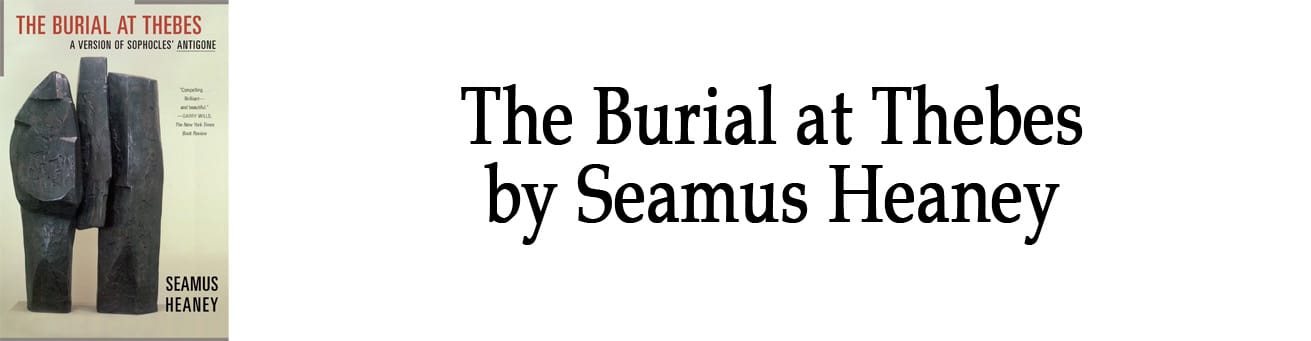
The Burial at Thebes by Seamus Heaney
This dramatic retelling of Sophocles’ Antigone follows a young woman who defies the law—and a powerful ruler—to honor family, conscience, and the dead. Heaney’s adaptation of the Greek tragedy has been widely staged and studied, and it comes from the Nobel Prize–winning poet behind Beowulf and many celebrated poetry collections. If you were captivated by The Reckoning’s central question of whether a person can live with an unspoken reason for an unthinkable act, this short but emotionally mighty read will give you plenty to ponder.
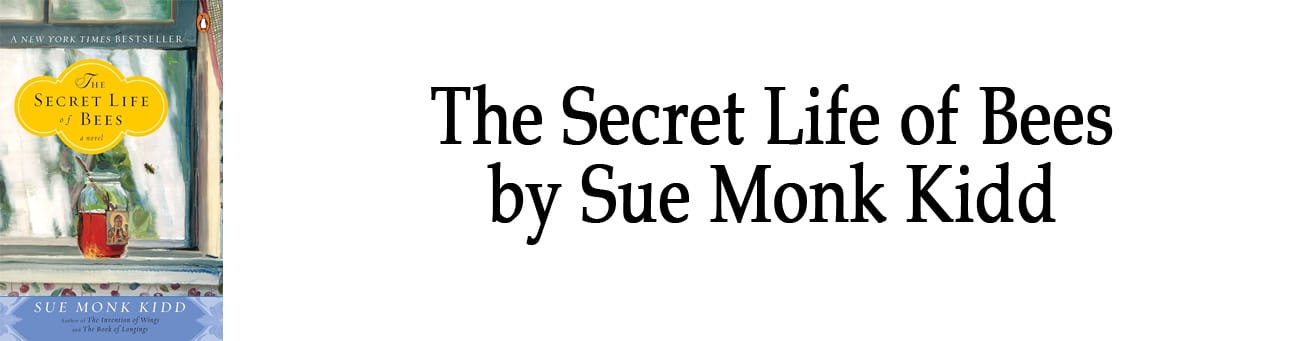
The Secret Life of Bees by Sue Monk Kidd
In 1964 South Carolina, a lonely teenage girl runs away with her Black caregiver and finds shelter, sisterhood, and long-buried family truths among a remarkable group of beekeeping women. The novel was a long-running New York Times bestseller, was named a Book Sense Book of the Year finalist, and became a successful film adaptation. If you loved the emotional pull of The Reckoning’s Southern setting and family legacy, this one offers a warmer—but no less moving—story about grief, belonging, and the painful secrets parents leave behind.
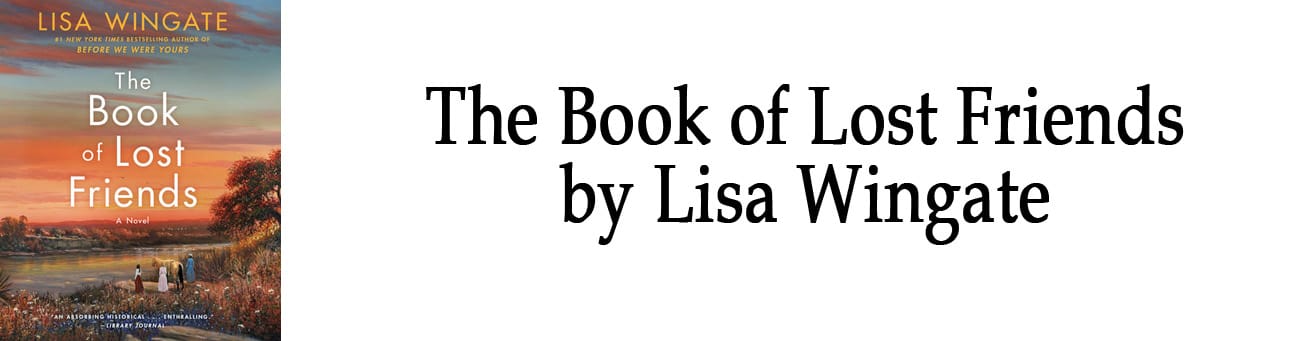
The Book of Lost Friends by Lisa Wingate
In post–Civil War Louisiana, a formerly enslaved woman, an aristocratic young woman, and a troubled girl, in 1987, discover how a newspaper column helping families reconnect after slavery can echo across generations. Wingate is the bestselling author of Before We Were Yours, and this novel was a New York Times bestseller. Like The Reckoning, this is a sweeping Southern story in which the past refuses to stay buried, and the historical threads slowly illuminate the emotional stakes of the present.
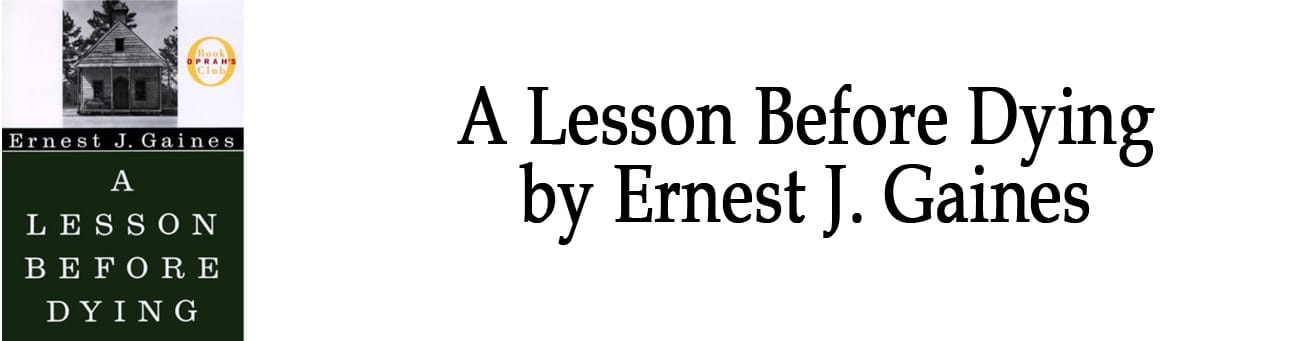
A Lesson Before Dying by Ernest J. Gaines
In 1940s Louisiana, a Black schoolteacher is asked to help a wrongly condemned young man face his final months with dignity in a world designed to deny him humanity. The novel won the National Book Critics Circle Award for Fiction and was nominated for the Pulitzer Prize. Readers who responded to The Reckoning’s courtroom consequences, racial tensions, moral questions, and quiet emotional power should make room for this profound, heartbreaking classic.
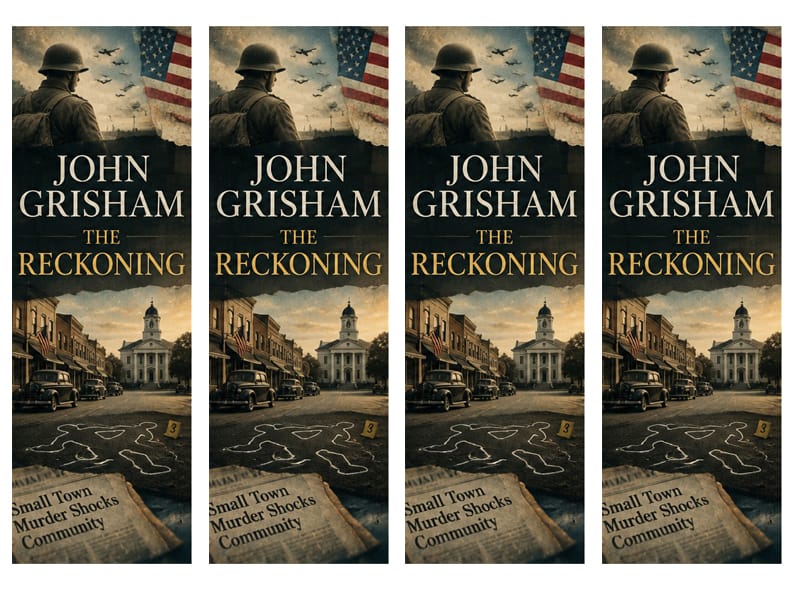
A Little Something Extra for Paid Subscribers
Every great book deserves a place to be remembered—and now, paid Readers With Wrinkles subscribers can collect a little piece of every review they love.
With your paid subscription, you’ll receive exclusive access to free printable bookmark pages created for each book reviewed on Readers With Wrinkles. Simply download, print, and tuck one inside the book you’re reading—or save a few for your next book-club pick, gift, or reread.
Each bookmark is a small, bookish keepsake designed to help you celebrate the stories that stay with you. Whether you use them to mark your place, share them with fellow readers, or build a collection of your favorite reads, they’re a thoughtful extra made especially for our subscriber community.
Paid subscribers already enjoy exclusive bookish printable lists resources and special savings on Book Club Kits. Now you can make every reviewed book even more memorable—one beautiful bookmark at a time.
Subscribe today and start collecting your printable bookmarks with every new Readers With Wrinkles review.
Paid Subscriber Perk!
Love the book we just reviewed? Paid subscribers can now download an exclusive printable list of books with a similar vibe—perfect for planning your next read or curating your book club’s picks. It’s a handpicked, beautifully designed list guide you won’t find anywhere else.
Unlock your next favorite reads—become a paid subscriber today to get instant access to these printable book lists!
Comments