
- Date Published:
2008 - Length:
584 pages—Listening Time: 21 hours 39 minutes - Genre:
Fiction, Literary Fiction - Setting:
1970s; on an isolated rural farm near the Chequamegon National Forest in remote northern Wisconsin - Awards
Dublin Literary Award Longlist 2010; Audie Award Finalist Solo Narration Male 2009; Los Angeles Times Book Prize Finalist First Fiction 2008; Indies Choice Book Awards Winner Best Author Discovery Debut Winner 2009; Colorado Book Award Winner Literary Fiction 2009; Center for Fiction First Novel Prize Shortlist 2008; Puddly Awards Fiction 2009; Publishers Weekly's Best Books of the Year 2008; Publishers Weekly Bestseller Fiction 2008; Christian Science Monitor Best Book Fiction 2008; New York Times Bestseller Fiction 2008; Booklist Top of the List: Best of Editors' Choice Audio 2008; Oprah's Book Club selection 2008; King County Library System Best Books Fiction 2008 - Languages:
Catalan, Czech, Dutch, English, French, German, Italian, Norwegian (Bokmål), Portuguese, Spanish, Swedish - Sensitive Aspects:
Animal harm and distress involving dogs, dog death and grief, murder and suspected murder, poisoning, sudden parental death, intense bereavement, child endangerment and survival in the wilderness, family betrayal and manipulation, an uncle pursuing a relationship with his sister-in-law after his brother’s death, violence and threats, references to illegal dogfighting, disability-related themes (Edgar is nonverbal and communicates through sign), ghostly/haunting elements, some strong and offensive language - Movie
A feature film adaptation of The Story of Edgar Sawtelle was optioned by Universal Pictures but remains stuck in development hell. No movie has been officially produced or released. - Recommended for Book Club:
Oh, yes!

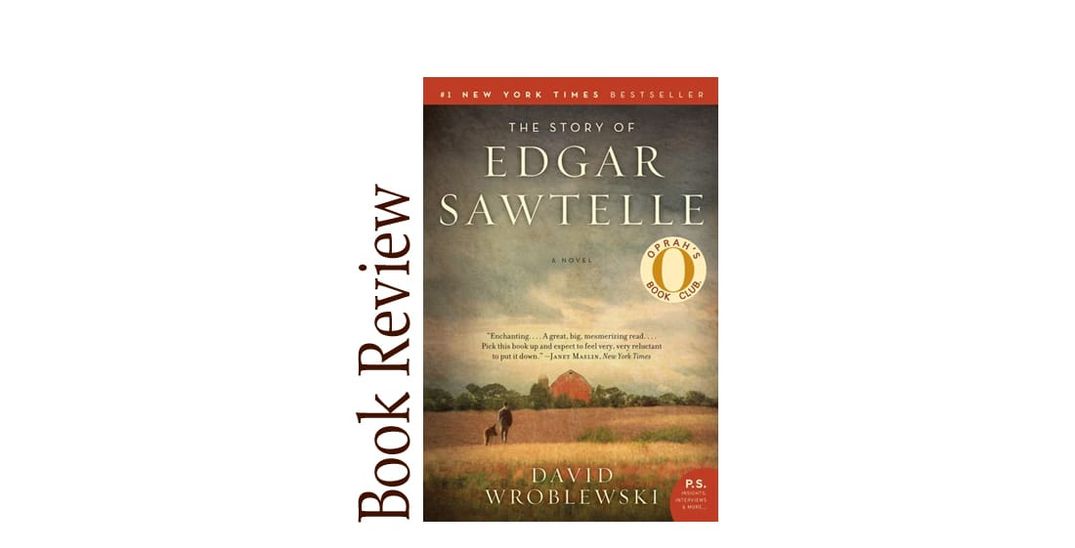
Some books take their time winning you over. They offer a polite handshake, make a little small talk, and wait for you to decide whether you’re in the mood to commit. The Story of Edgar Sawtelle? No way. This book had me at "hello," or should I say, "woof." This was love at first page for me—the kind where you read a paragraph, pause, and think, “Oh no. I’m about to be emotionally wrecked, aren’t I?”
And honestly? What a gorgeous way to go.
David Wroblewski’s novel pulls you into the Sawtelle family’s isolated Wisconsin farm, where Edgar is born unable to speak but communicates with a depth that makes most fictional characters seem downright chatty. At the center of his life are the Sawtelle dogs: a remarkable, carefully bred line of intelligent companions raised with astonishing care, purpose, and affection. The research around dog breeding is phenomenal—not tossed in as a bit of fancy background decoration, but woven so naturally into the story that the dogs become essential, unforgettable presences in their own right. If you’ve ever loved a dog, admired a dog, or had a dog stare at you like they know your tax situation, prepare yourself.
But don’t mistake this for a quiet farm story with a few muddy paws and a wholesome lesson tucked into the final chapter. Wroblewski takes a family tragedy and lets it unfurl into something darker, stranger, and increasingly impossible to put down. This book rides that exquisite edge between reality and fantasy, keeping you teetering just enough to wonder what is truly happening—and what might be reaching in from somewhere beyond what we can explain.
Then there’s the suspense. Oh, the suspense.
It doesn’t arrive with flashing lights and a dramatic drumroll. It creeps in. It settles beside you. It makes itself comfortable while you keep reading “just one more chapter,” even though you absolutely should have gone to bed an hour ago. By the time I reached the final stretch, I had no clue how this story could possibly resolve. I had theories. I had guesses. I had confidently mapped out several endings in my head.
Every single one of them was wrong.
That’s part of the magic—and the ache—of The Story of Edgar Sawtelle. It’s literary, yes, but never cold. It’s ambitious without feeling showy. It’s tender, unsettling, heartbreaking, and at times so beautifully written you’ll want to reread a sentence before moving on. If you’re ready for a novel that asks you to lean in, trust it, and maybe keep a tissue nearby for emotional emergencies, this is one worth your time.

The Story of Edgar Sawtelle follows Edgar, a boy born unable to speak, who grows up on a remote Wisconsin farm where his parents breed an extraordinary line of dogs. Edgar communicates through sign language, keen observation, and an especially deep bond with the dogs—particularly his beloved companion, Almondine. The Sawtelle farm is more than a home; it’s a world built around patience, trust, and the remarkable relationship between humans and animals.
That fragile world begins to shift when Edgar’s estranged uncle, Claude, returns to the farm. Old tensions rise, a sudden family loss leaves Edgar and his mother struggling to hold their lives together, and Edgar begins to sense that not everything is as it appears. As grief, suspicion, and loyalty collide, Edgar is drawn into a story that becomes part family drama, part coming-of-age journey, and part eerie meditation on fate.
With its richly imagined dogs, isolated woodland setting, and an atmosphere that grows steadily more unsettling, David Wroblewski’s novel takes familiar questions—Whom can we trust? What do we owe the people we love? Can silence still speak the truth?—and makes them feel utterly new. It’s a sweeping, emotionally charged story for readers who enjoy literary fiction with heart, mystery, and just enough strangeness to keep you looking over your shoulder.

I loved The Story of Edgar Sawtelle because it didn’t just give me a story to follow—it gave me a world to fall into. It’s the sort of novel that asks for your attention, then rewards you with unforgettable characters, breathtaking writing, and a level of emotional intensity that lingers long after you’ve turned the last page.
If you’re wondering whether it deserves a place on your reading list, here’s why I think it absolutely does:
It makes you feel everything
This is a book about love, loyalty, grief, family, and the terrible uncertainty of not knowing whom to trust. It reaches for your heart early and, frankly, does not let go gently.
Edgar is an unforgettable main character
Because he cannot speak, Edgar experiences and communicates with the world differently—and Wroblewski makes that difference feel powerful rather than limiting. You’ll find yourself leaning into his silences and noticing how much can be said without a single spoken word.
The dogs are actual characters, not decorative pets
The Sawtelle dogs have intelligence, individuality, loyalty, and emotional weight. If you’re an animal lover, their presence may undo you a little. If you’re not? You may leave this book wondering why you haven’t been giving dogs more credit all along.
The setting feels wonderfully alive
The isolated Wisconsin farm, the woods, the kennels, and the rhythms of life with the dogs create such a vivid atmosphere that you can practically smell the hay, hear the paws on the floorboards, and feel the chill of the forest closing in.
It balances literary beauty with genuine suspense
Yes, the prose is gorgeous. But this isn’t one of those books that’s so busy being beautifully written that nothing happens. The tension keeps building, quietly at first and then with a grip that makes it very difficult to put down.
It lives in that deliciously uneasy space between reality and something more
There’s an eerie, almost dreamlike quality to parts of this story that keeps you questioning what you know. Is it grief? Intuition? Fate? Something beyond explanation? That uncertainty is part of what makes the novel so haunting.
It will keep you guessing
I thought I understood where the story was headed. I had possibilities lined up. I had opinions. And then the book calmly proved that I had no idea what I was talking about. The ending stayed out of reach in the best possible way.
It’s a book worth discussing afterward
Whether you’re reading with a book club or simply cornering a friend who has already read it, The Story of Edgar Sawtelle gives you plenty to unpack: family dynamics, moral choices, loss, instinct, silence, and what loyalty really asks of us.
Read this one when you’re ready for a novel that feels immersive, intelligent, tender, and a little unsettling. Come for the dogs, stay for the emotional devastation—and don’t say I didn’t warn you.


Get David Wroblewski Books
David Wroblewski’s richly imagined, emotionally resonant novels explore family, fate, and the extraordinary bond between humans and dogs with sweeping, unforgettable storytelling.
Bookshop.org was created as a socially conscious alternative to Amazon, with the goal of helping local, independent bookstores thrive. This is why Readers With Wrinkles supports their efforts. Please join us in this effort by purchasing your next read here.

If The Story of Edgar Sawtelle left you craving more atmospheric literary fiction, complicated families, animal companionship, and a little delicious unease, these novels should be next on your list.
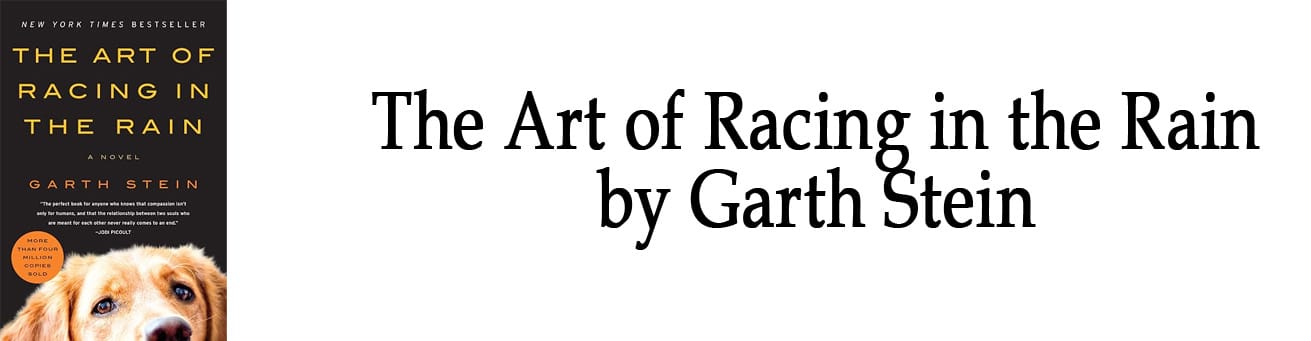
The Art of Racing in the Rain by Garth Stein
This one is part of the Paws, Pages, and Plot Twists series and follows Enzo, a philosophically inclined dog, as he watches the joys and upheavals of his human family’s life unfold. It was a New York Times bestseller for more than three years, won the 2009 Pacific Northwest Booksellers Association Award, and later became a major motion picture. If Edgar’s bond with the Sawtelle dogs broke your heart in the best way, Enzo’s fiercely loving perspective will make this one an easy recommendation. Full review coming.

Fifteen Dogs by André Alexis
This book imagines what happens after a group of dogs in a Toronto veterinary clinic is granted human consciousness—and, with it, language, longing, and existential complications. It won the 2015 Scotiabank Giller Prize and Rogers Writers’ Trust Fiction Prize, then went on to win Canada Reads in 2017. If you loved that the dogs in Edgar Sawtelle felt like full, emotionally intelligent characters, this strange, tender, and philosophical novel will have plenty to say to you.
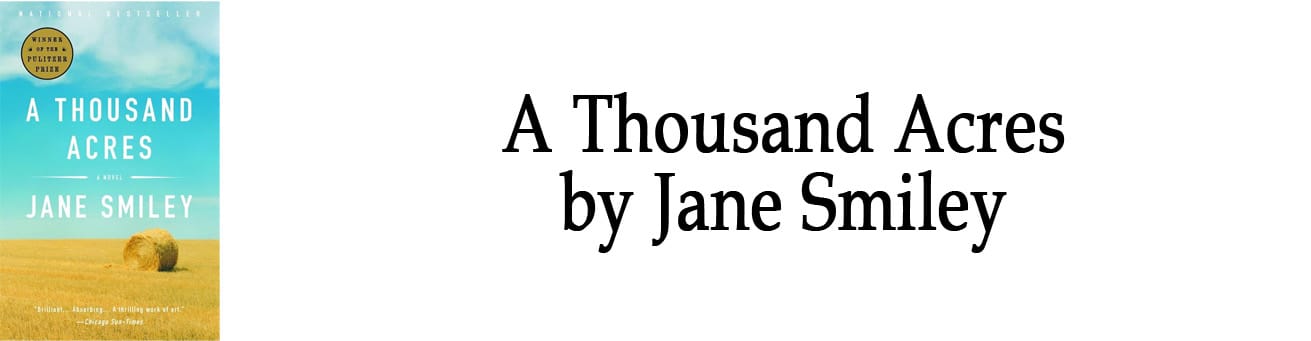
A Thousand Acres by Jane Smiley
This one centers on three daughters after their aging father decides to divide his vast Iowa farm, setting old wounds and devastating secrets into motion. A modern reimagining of Shakespeare’s King Lear, it won both the Pulitzer Prize for Fiction and the National Book Critics Circle Award. If Wroblewski’s Hamlet-shaped family drama and rural setting got under your skin, Smiley’s dark, sharply observed farm tragedy is a natural next read.
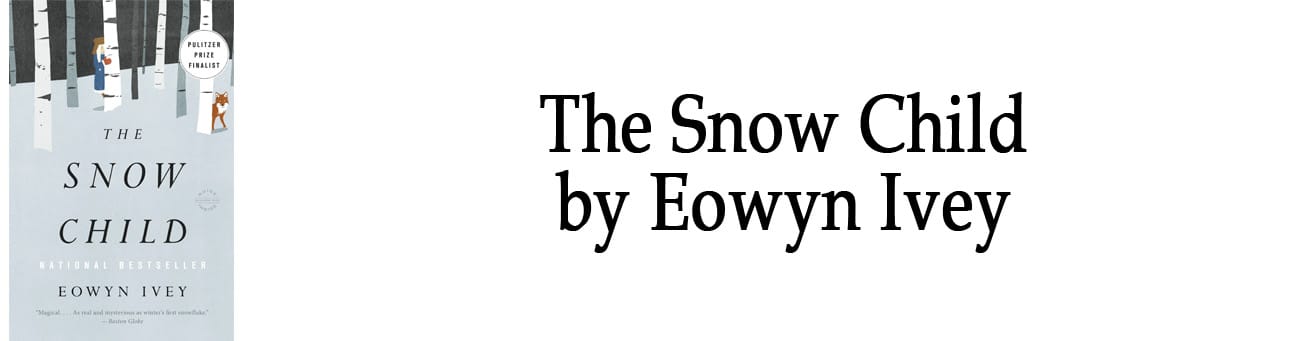
The Snow Child by Eowyn Ivey
The Snow Child follows an older couple homesteading in 1920s Alaska whose lonely life shifts after a mysterious girl appears in the snowy wilderness. Ivey’s debut was a 2013 Pulitzer Prize finalist, won the Indies Choice Award for Debut Fiction and a Pacific Northwest Book Award, and became an international bestseller. If you enjoyed Edgar Sawtelle’s ability to hover between the ordinary and the uncanny, this gorgeous, folklore-infused novel will keep you leaning closer. Read my full review here.
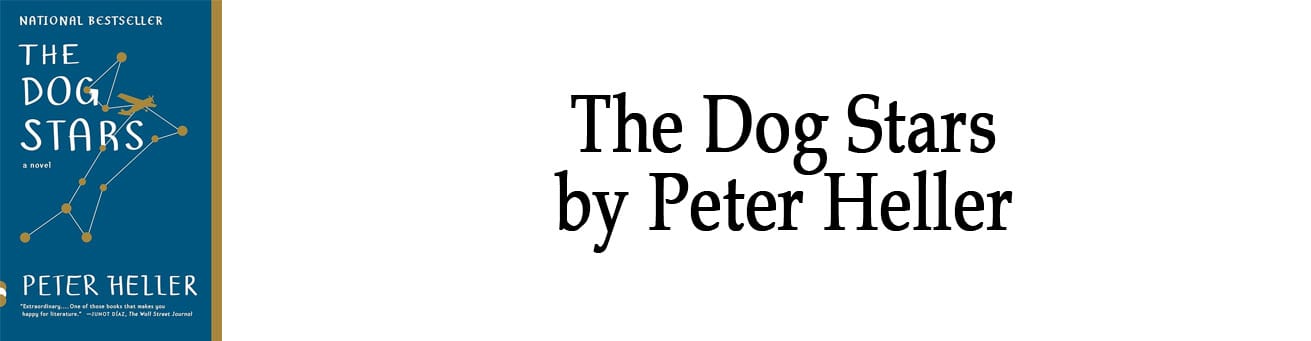
The Dog Stars by Peter Heller
This story follows Hig, a man surviving in a post-pandemic Colorado with his dog, Jasper, and a small airplane—until a distant radio transmission changes the shape of his isolated life. It was a New York Times and Indie bestseller, an Atlantic Monthly Best Book of 2012, and iTunes’ Novel of the Year. If you connected with Edgar’s wilderness journey and the profound loyalty between human and dog, this lyrical survival story delivers both beauty and bite.
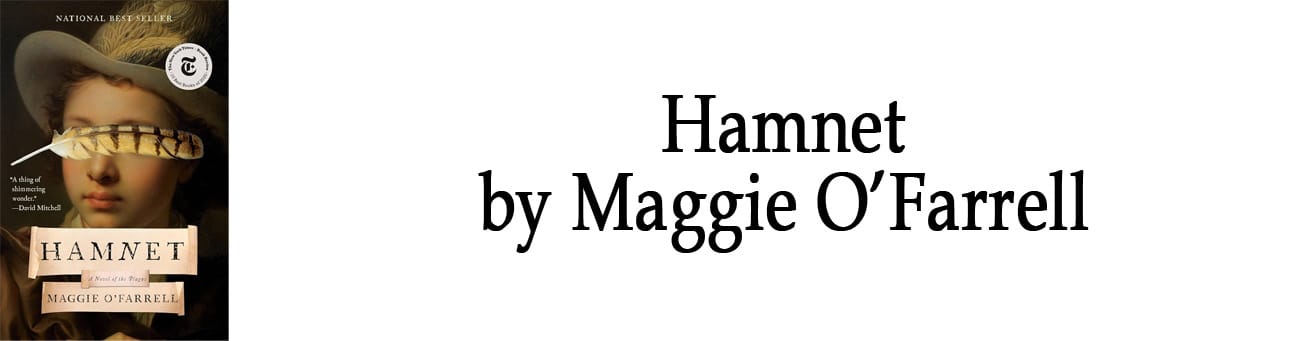
Hamnet by Maggie O’Farrell
Hamnet imagines the family life of William Shakespeare and Agnes, the woman he loves, as they face marriage, motherhood, illness, and unbearable loss. It won the 2020 Women’s Prize for Fiction and National Book Critics Circle Award for Fiction, and was named Waterstones Book of the Year. If you admired how The Story of Edgar Sawtelle transforms a Shakespearean foundation into something intimate and emotionally devastating, Hamnet is required reading—and possibly a tissue box situation. Read the full review here.
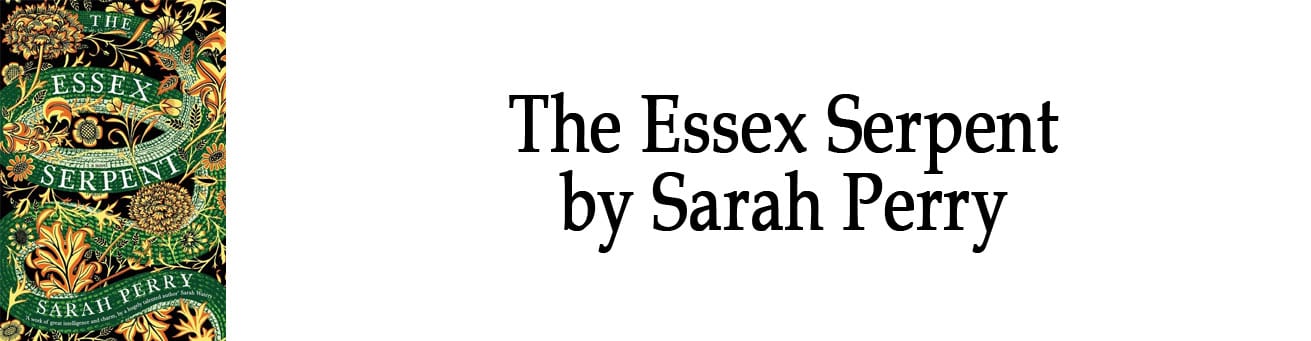
The Essex Serpent by Sarah Perry
This novel begins when Cora Seaborne, newly free from an unhappy marriage, travels to a coastal English village where rumors swirl around a mythical creature in the marshes. The novel won Waterstones Book of the Year in 2016 and both Fiction Book of the Year and overall Book of the Year at the 2017 British Book Awards. If the eerie uncertainty in Edgar Sawtelle kept you wondering what was real, what was imagined, and what was lurking just beyond the page, this gothic gem should absolutely be on your radar.
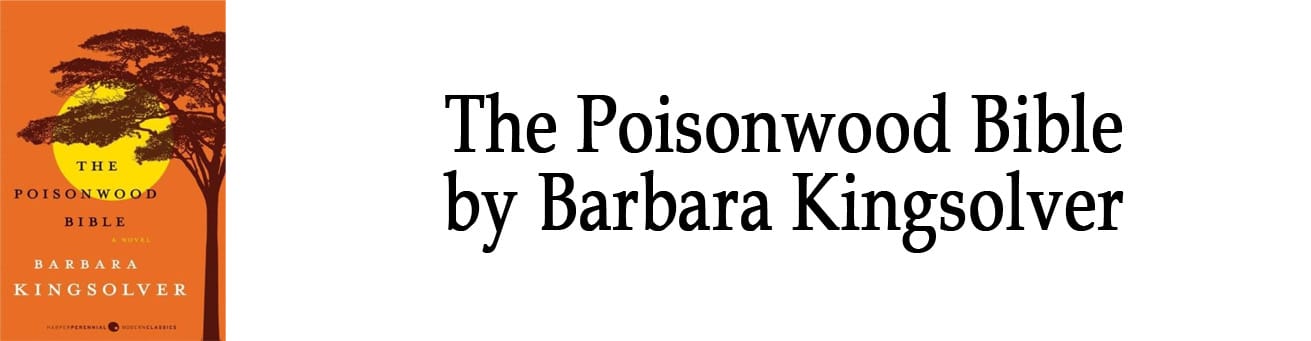
The Poisonwood Bible by Barbara Kingsolver
This is the book that made me Barbara Kingsolver's biggest fan. It follows a missionary family from Georgia who relocates to the Belgian Congo in 1959, with the story unfolding through the perspectives of the mother and four daughters. It was an Oprah’s Book Club selection, a Pulitzer Prize and PEN/Faulkner finalist, and the winner of South Africa’s National Book Prize. If you loved Wroblewski’s immersive storytelling, layered family dynamics, and willingness to let moral certainty get very messy indeed, Kingsolver’s sweeping novel will give your book club plenty to discuss.
Paid Subscriber Perk!
Love the book we just reviewed? Paid subscribers can now download an exclusive printable list of books with a similar vibe—perfect for planning your next read or curating your book club’s picks. It’s a handpicked, beautifully designed list guide you won’t find anywhere else.
Unlock your next favorite reads—become a paid subscriber today to get instant access to these printable book lists!
Comments