
- Date Published:
1955 - Length:
127 pages—Listening Time: 2 hours 26 minutes - Genre:
Memoir, Biography - Setting:
Two weeks in 1955; The author wrote the book while staying at a quiet beach house on Captiva Island on the Gulf Coast of Florida. - Awards
National Book Award Finalist Nonfiction 1956; Notable Books List 1955; New York Times bestseller 1955 - Languages:
Chinese, Danish, English, French, German, Japanese, Spanish, Swedish, Portuguese (Portugal) - Sensitive Aspects:
Traditional gender-role assumptions about women’s primary identity as wife and mother, mid‑century expectations that women’s lives center on domestic labor, implicit marginalization of women who do not marry or have children, class privilege underlying beach‑house retreat, potentially exclusionary focus on white, affluent, mid‑century American womanhood that may conflict with some religious perspectives - Movie
There are no official feature films surrounding this book. - Recommended for Book Club:
Yes

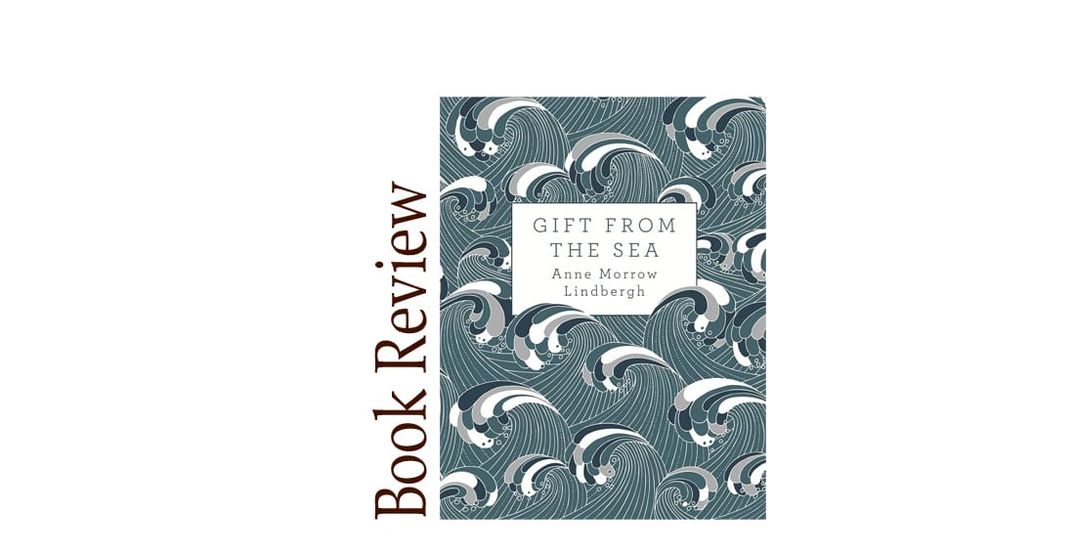
If you’ve ever stood at the edge of the ocean and felt that strange tug—that mix of “I’m tiny” and “I need to rethink my entire life”—then you’re already halfway into Gift From the Sea. This little book looks deceptively gentle, like something you’d tuck into your beach bag and forget under the sunscreen, but it has teeth. Soft ones, maybe, but they still bite.
Because of this, I chose Gift From the Sea by Anne Morrow Lindbergh as the "cherry on top" of the Readers With Wrinkles Beach Reads series.

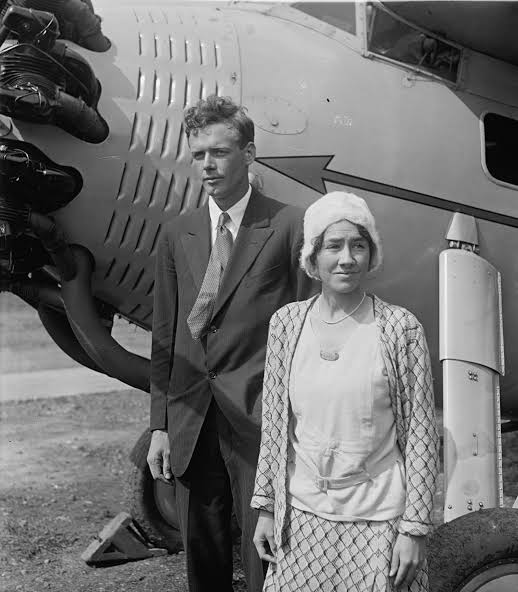
Lindbergh wrote these essays in the early 1950s while staying alone on Captiva Island, Florida, walking the beach, pocketing shells, and using each one as a doorway into the inner life of women. She wasn’t just someone journaling between swims. She was a celebrated aviator and writer, partner to Charles Lindbergh in headline-making flights, and a woman whose private tragedies (kidnapping and murder of her baby) and public controversies made her one of the most watched—and judged—women in America. By the time Gift From the Sea came out in 1955, she’d already published bestsellers and become a kind of spiritual big sister to American women, the one saying the quiet parts out loud while the rest of the culture hummed along to “June Cleaver has it all.”
Here’s the interesting thing: women in 1955 devoured this book. It became the top nonfiction bestseller of the year, passed from friend to friend, dog-eared and underlined, especially by women who were supposed to be “fulfilled” by the perfect cocktail of husband, children, and polished silver. Lindbergh’s reflections on solitude, selfhood, and the invisible emotional labor of women landed like a revelation in a decade that told women their highest calling was ironing shirts and looking pretty while they did it. When she wrote that a “woman must come of age by herself,” that she has to find her true center alone, many readers felt seen in a way the glossy magazines simply didn’t offer.
Now, acknowledging the obvious: some of her opinions are dated. You’ll hear assumptions about marriage, domestic roles, and gender that feel very anchored in mid-20th-century upper-middle-class America. You may find yourself rolling your eyes at certain lines or wanting to argue back. And honestly? That pushback is part of the modern reading experience. But it’s worth remembering the time she was writing in: this was pre–second-wave feminism, before “the problem that has no name” hit The Feminine Mystique and before consciousness-raising groups were teaching women to dissect the patriarchy over coffee. For a woman in 1955 to say, in print, that women need solitude, self-knowledge, and a life that isn’t entirely defined by husband and children—it was not neutral background noise. It was radical in a quiet, seashell-shaped way.
And that leads us to the question that’s probably already on your mind: Was Anne Morrow Lindbergh an early feminist, or just a deeply conflicted woman trying to cope with her own life by writing it out? Some readers today call Gift From the Sea “overtly feminist,” pointing to her insistence on female autonomy and her critique of the emotional fragmentation women endure. Others see her more as a humanist, someone more interested in the spiritual and emotional wholeness of individuals than in dismantling systems.
So you decide, and please approach Gift From the Sea with an clear mind, knowing all of this: its beauty, its blind spots, its shell-deep wisdom, and its occasionally wince-inducing, 1950s worldview. There is a lot that still resonates for a woman (or man) today, so take these parts as a gift. And remember that you’re absolutely allowed to leave parts that don't resonate on the shore. Because if you’re going to spend your precious reading time with Anne Morrow Lindbergh, open your mind as you discern whether you’re sitting down with an early feminist voice, a complicated diarist, or something messier and more interesting in between.
Gift from the Sea is a slim, reflective book in which Anne Morrow Lindbergh uses seashells found on a Florida beach as metaphors for different stages of a woman’s inner and relational life.
Across a series of essay-chapters, she argues that modern life fragments women through constant demands—marriage, motherhood, home, community—and that simplicity and solitude are essential if a woman is ever going to hear herself think. The early shells she describes, like the channeled whelk and the moon shell, become symbols of stripping life down to essentials and claiming time alone as a nonnegotiable need rather than a selfish indulgence.
From there, Lindbergh moves into shells that represent relationships: the “double-sunrise” shell for the intense, romantic beginning of love, and the oyster shell for the middle years of marriage, crowded with children, work, and shared struggle. She’s honest about how initial passion gives way to practicality and roles, yet she insists that relationships can deepen if both partners remain rooted in a strong, independent inner life instead of clinging to possession or dependency.
The rare argonauta shell embodies her most ideal vision: two people who can be together and apart, each pursuing self-realization while moving in a shared, harmonious rhythm. By the end of the book, she suggests that learning to choose “fewer shells”—fewer obligations, fewer distractions—is the only way to make space for meaning, creativity, and genuine connection.
Throughout, Lindbergh’s core ideas circle around simplicity, solitude, conscious choice, and the need for women (especially) to cultivate an inner life strong enough to face both personal relationships and broader ethical demands without losing themselves.

You should read Gift from the Sea—not because it’s “important” in that stuffy, capital-L Literature way, but because it’s the kind of quiet book that can rearrange how you think about your own life when you’re not looking. Here’s why it’s worth your time and what you’ll actually get out of it:
It gives you language for the gnawing sense of overload
If you’ve ever felt like your life is a crowded junk drawer—kids, work, relationships, errands, and emotional labor all jammed together—this book names that feeling without shaming you for it. Lindbergh describes the fragmentation of a woman’s days so clearly that you may find yourself thinking, “Oh. So it’s not just me.” That alone can be weirdly soothing.
It makes solitude feel necessary, not selfish
One of the most powerful threads in the book is her insistence that time alone isn’t a luxury or a character flaw; it’s maintenance for your inner life. She treats solitude like sleep or food: something you need if you want to be any good to yourself or anyone else. If you struggle with guilt every time you crave space, this book gently but firmly argues in your favor.
It helps you rethink relationships without blowing them up
Lindbergh is honest about how romance changes, how marriage stretches and sags, and how roles can swallow people whole. But she’s not writing a manifesto for walking out; she’s writing about how to stay in a relationship without disappearing inside it. Her images of partnership—especially the idea of two people who can be together and separate in healthy ways—may give you a more realistic, less Hollywood framework for love.
It reminds you that you’re allowed to want “less” and “smaller” in a culture that worships "more"
The book’s obsession with simplicity is a quiet rebellion against the constant pressure to do, be, and own more. Lindbergh keeps asking, "What if you chose fewer obligations, fewer distractions, and fewer expectations and made room for depth instead of breadth?" If you’re tired of the productivity gospel, her seashell-sized vision of life may feel like a deep breath.
It connects you to women who were thinking these thoughts long before Instagram therapy
Reading this book is like overhearing a smart, conflicted woman in 1955 trying to sort her life out with the tools she had. Some of what she says will feel dated; some will feel startlingly current. That tension is valuable. It lets you see how far we’ve come, where we’re still stuck, and how women have been wrestling with the same questions—identity, marriage, motherhood, meaning—for generations.
It invites you to sit with your own confusion instead of rushing past it
Lindbergh isn’t handing out ten-step plans or “five hacks to a balanced life.” She’s modeling what it looks like to sit with discomfort and ask better questions: Who am I when I’m not performing a role? What do I actually want my days to look like? How much of my busyness is chosen, and how much is fear? If you’re in a season of transition, this kind of contemplative writing can be more useful than something that pretends to have all the answers.
If any part of you is craving a slower, more honest look at how you’re living—and why you feel so stretched thin even when you’re “doing everything right”—Gift from the Sea is absolutely worth a few quiet hours of your attention.

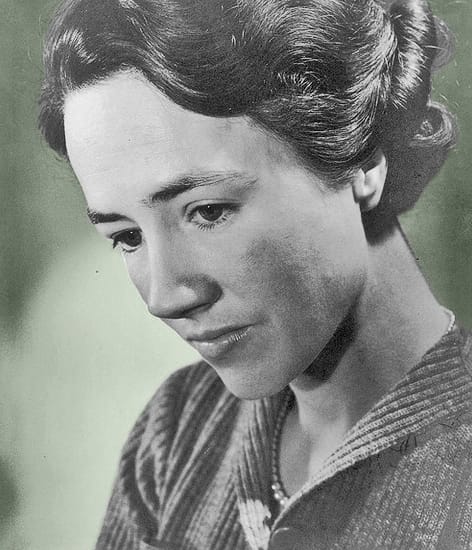
Get Anne Morrow Lindbergh Books
Anne Morrow Lindbergh writes with a quiet, shell-bright clarity that turns ordinary moments into intimate meditations on womanhood, solitude, and the struggle to stay whole in a demanding world.
Bookshop.org was created as a socially conscious alternative to Amazon, with the goal of helping local, independent bookstores thrive. This is why Readers With Wrinkles supports their efforts. Please join us in this effort by purchasing your next read here.

Here are some books that will hit similar notes for readers who enjoyed Gift From the Sea.
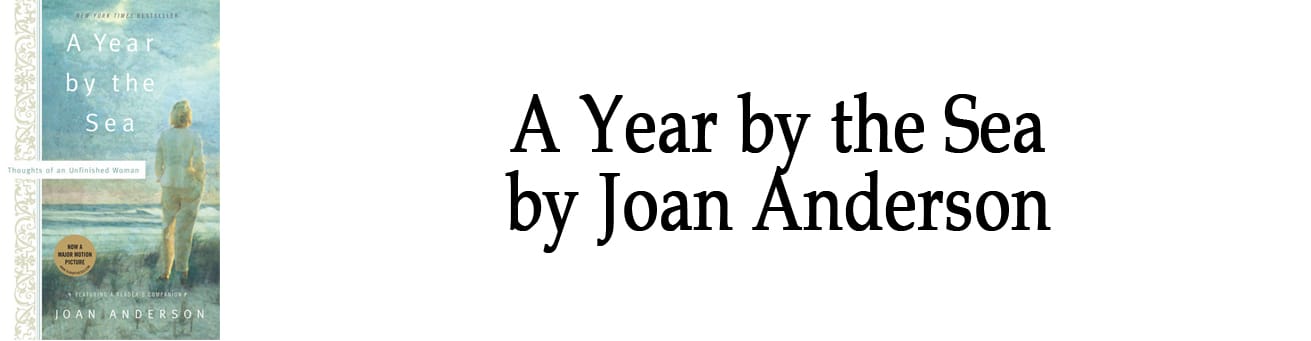
A Year by the Sea by Joan Anderson
A memoir of a woman who leaves her conventional life to spend a year alone by the ocean, exploring identity, marriage, and reinvention in a way that feels like a contemporary echo of Lindbergh’s beachside reflections.
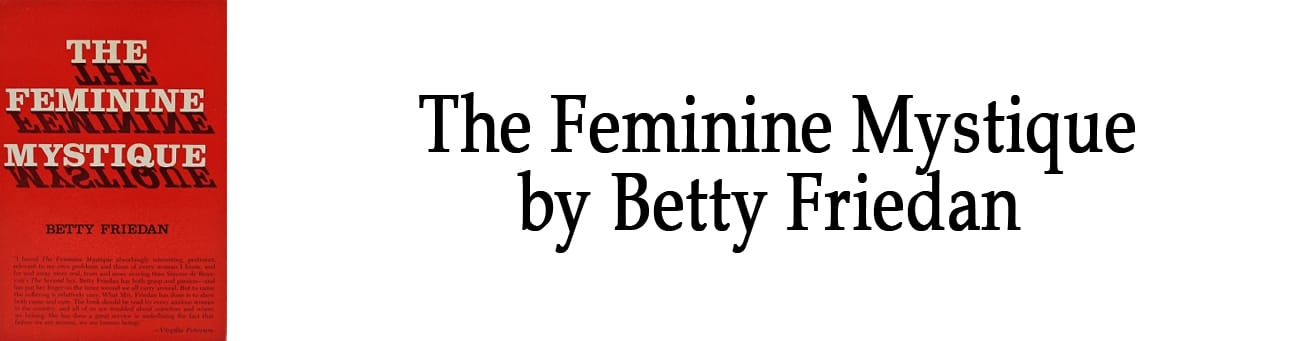
The Feminine Mystique by Betty Friedan
The landmark 1963 work that gave a name to the quiet despair of mid-century housewives and helped ignite second-wave feminism, a tougher, more sociological companion to Gift from the Sea’s introspective musings.
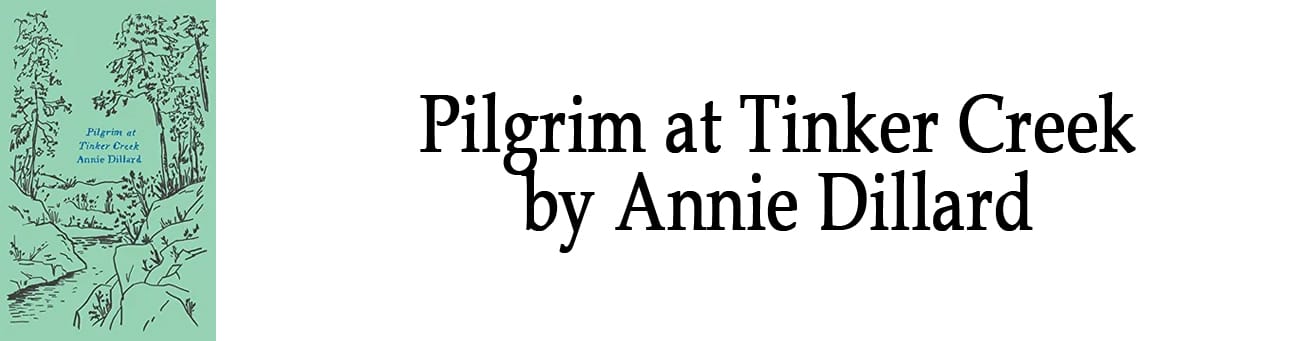
Pilgrim at Tinker Creek by Annie Dillard
A Pulitzer-winning meditation on solitude, nature, and spiritual questions, written from the perspective of a woman wandering through the natural world and using close observation as a way to think about meaning and inner life.
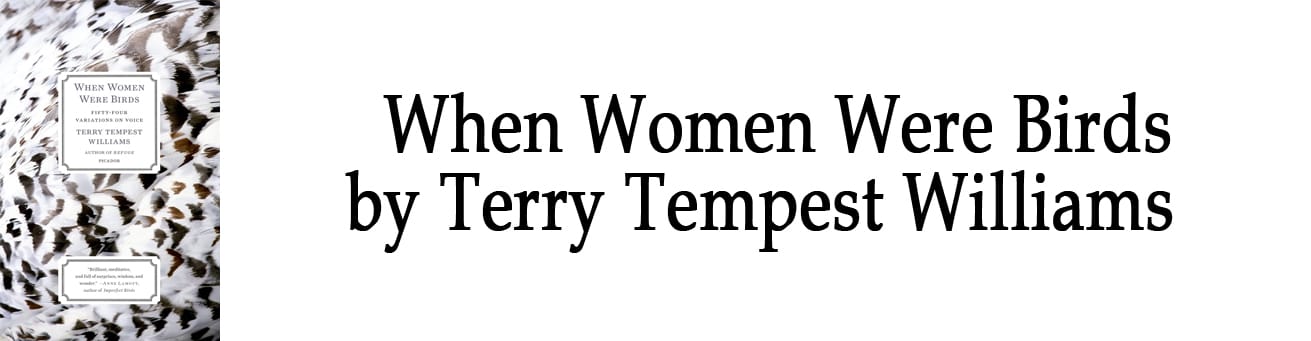
When Women Were Birds by Terry Tempest Williams
A lyrical, fragmentary memoir about voice, silence, inheritance, and the inner landscape of women, blending nature writing and spiritual reflection in a way that will resonate with readers who loved Lindbergh’s contemplative tone.
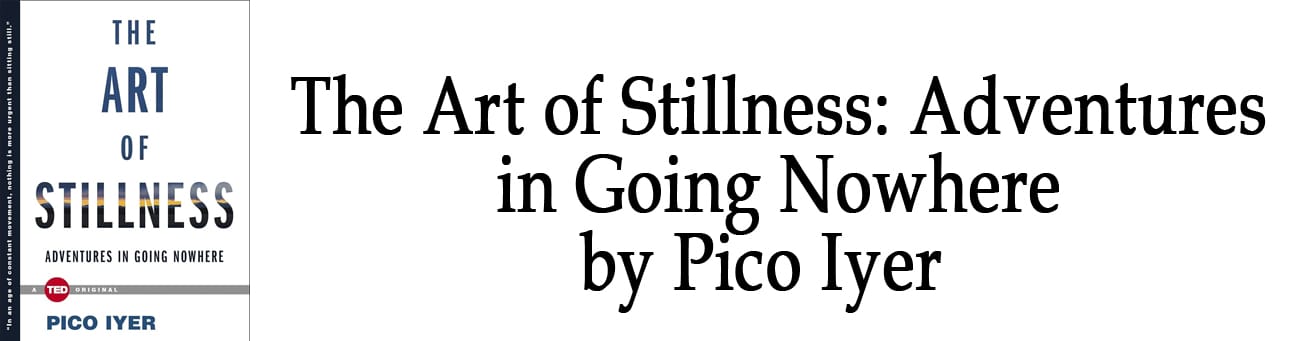
The Art of Stillness: Adventures in Going Nowhere by Pico Iyer
A modern exploration of why staying put, slowing down, and embracing quiet can change the shape of a life, offering a more secular, global counterpart to Lindbergh’s plea for simplicity and solitude.
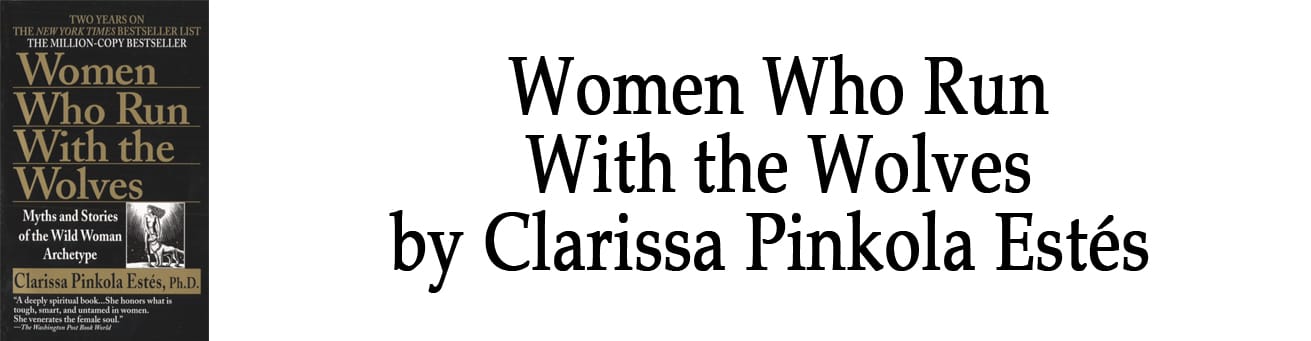
Women Who Run With the Wolves by Clarissa Pinkola Estés
A deep dive into female archetypes, instincts, and freedom through myth and story, expanding the questions Lindbergh raises about women’s inner lives into a broader, more mythic, Jungian framework.
Paid Subscriber Perk!
Love the book we just reviewed? Paid subscribers can now download an exclusive printable list of books with a similar vibe—perfect for planning your next read or curating your book club’s picks. It’s a handpicked, beautifully designed list guide you won’t find anywhere else.
Unlock your next favorite reads—become a paid subscriber today to get instant access to these printable book lists!
Comments