
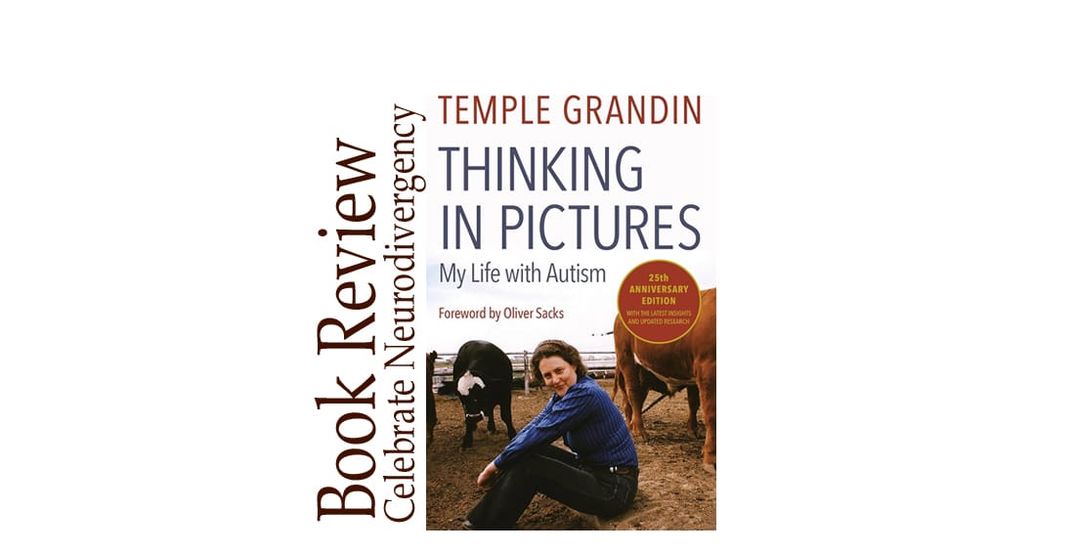

- Date Published:
1995 - Length:
304 pages—Listening Time: 9 hours 7 minutes - Genre:
NonFiction, Memoir - Setting:
1940s-early 1990s; Arizona, Colorado and other livestock facilities - Awards
The 50 Best Memoirs of the Past 50 Years - Languages:
English, French, German, Hungarian, Italian, Spanish, Turkish - Sensitive Aspects:
Graphic descriptions of animal slaughter and slaughterhouse practices, detailed accounts of livestock handling, restraint, and humane killing that some readers find disturbing or emotionally triggering, clinical and deficit-focused language about autism, sweeping generalizations about autistic people, discussion of religion and God in ways that may conflict with some readers’ beliefs, emotionally intense depictions of childhood bullying, social exclusion, and traumatic experiences related to disability - Movie:
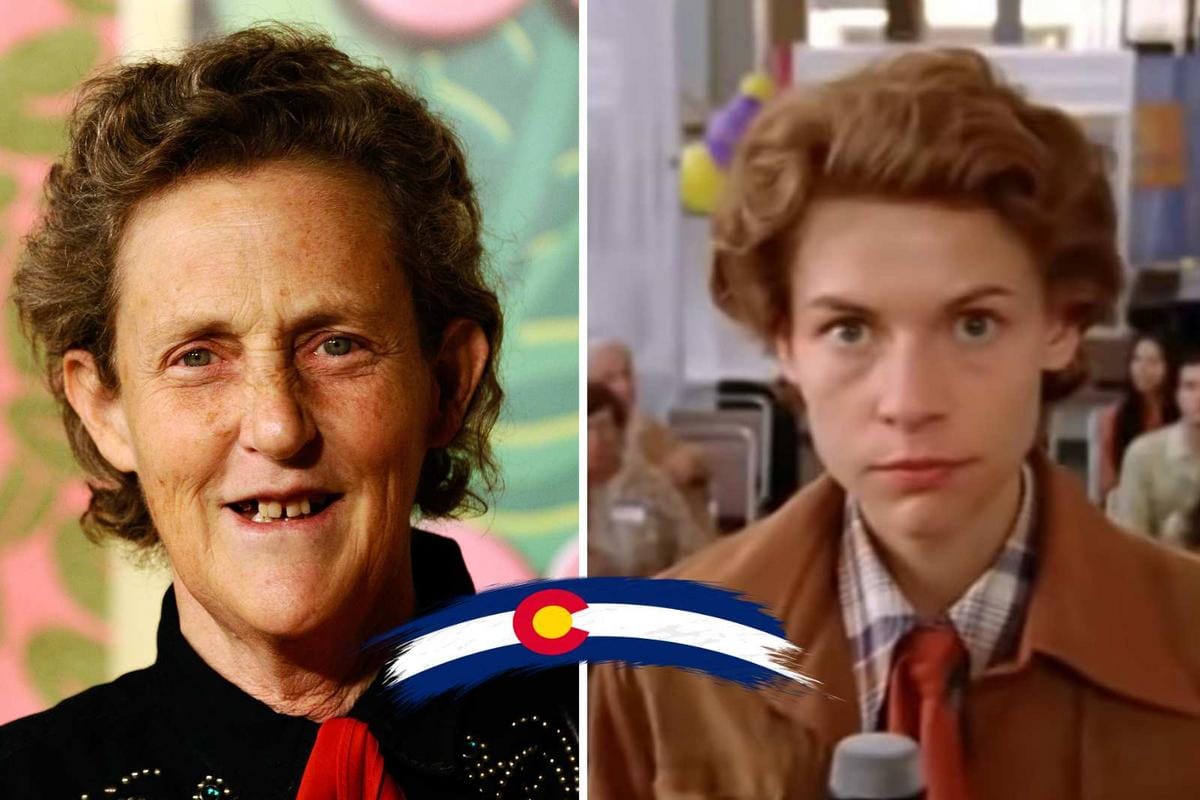
The 2010 HBO biographical drama Temple Grandin, starring Claire Danes, is the primary film adaptation of Temple Grandin's life, based largely on Thinking in Pictures and her earlier memoir Emergence. It focuses on her journey with autism, her visual thinking abilities, and her groundbreaking work in livestock handling systems. - Recommended for Book Club:
Maybe, for groups that enjoy diving into statistics and detailed informational books

If you’ve ever found yourself wondering what autism actually feels like—from the inside out—you’re not alone. We hear the term everywhere now, folded into conversations about neurodiversity, education, and identity. But for all that visibility, there are still so many gaps. So many “I think I understand” moments that don’t quite hold up under closer inspection.
That’s where Thinking in Pictures steps in—and quietly, profoundly changes the conversation.
Temple Grandin doesn’t just explain autism. She translates it.
Reading this book feels a bit like being handed a new set of lenses. Suddenly, things that once seemed confusing or distant begin to click into place. Grandin walks you through how her mind works—how she quite literally thinks in images rather than words—and in doing so, she fills in the blanks that most clinical definitions leave behind. It’s not abstract theory. It’s lived experience, grounded in real science.
And yes, this is an intensive, deeply informational book. Grandin doesn’t shy away from research, neurological explanations, or the complexities of diagnosis. But what makes it so compelling is how seamlessly she ties that information to her own extraordinary life. One moment you’re learning about sensory processing differences; the next, you’re alongside her designing humane livestock systems or navigating a world that wasn’t built with her brain in mind.
It’s that balance—between data and story, between intellect and emotion—that makes this book stick with you.
You don’t just come away informed. You come away changed.
Because somewhere between the science and the stories, you start to realize that autism isn’t a puzzle to be solved—it’s a different way of experiencing the world. And Grandin invites you, patiently and generously, to step into that world with her.
So if you’ve ever felt like you were missing a piece of the bigger picture when it comes to autism, this book doesn’t just offer answers. It reshapes the question entirely.

In Thinking in Pictures, Temple Grandin walks you through her mind—and then uses that tour to unpack what autism really is, how it works, and how deeply varied it can be.
Instead of a traditional “plot,” the book unfolds in linked chapters that move between Grandin’s personal experiences and the broader science of autism. She starts by explaining how she thinks—literally in pictures—describing in vivid detail how her thoughts arrive as full-color mental images, almost like scrolling through an internal photo album. From there, she connects this visual thinking style to her work with animals, showing how her sensory sensitivity and attention to detail helped her design more humane livestock facilities and understand animal behavior in a way most people can’t.
As the book moves forward, Grandin weaves in key moments from her childhood: early communication struggles, intense sensory overload, and the trial-and-error nature of the supports that actually helped her. These stories sit alongside discussions of diagnostic criteria, brain differences, and the wide spectrum of how autism can show up in real life. She talks about language development, social skills, stimming, sensory processing, and the gap between how autistic people experience the world and how neurotypical people assume they do.
Throughout, Grandin pulls in research, case studies, and real examples of autistic children and adults, using them to highlight different “types” of thinkers—visual, verbal, pattern-based—and how each can thrive with the right environment and expectations. She also addresses therapies, education approaches, and common myths, always circling back to the central idea that autism isn’t one thing, and it certainly isn’t a tragic, one-note diagnosis.
By the end, you’ve followed Grandin from childhood to professional success, from chaos to a kind of hard-won clarity, and along the way she’s quietly filled in so many of the blanks that surround autism: what it feels like, how it shapes daily life, and why understanding autistic minds on their own terms matters so much.

Let’s pretend we’re on your couch with coffee and a stack of sticky notes—because this is exactly the kind of book you’re going to want to talk about as you read.
It actually fills in the blanks about autism
You know how so many books talk about autism but still somehow feel vague? This one doesn’t. Grandin lets you into her internal world—how she thinks, feels, and processes—and suddenly all those abstract terms turn into something you can really picture. You walk away with a clearer, more grounded understanding of what autism can look like from the inside.
It’s intensely informational and totally human
This isn’t a fluffy memoir, and it’s not a dry textbook—it’s both. Grandin dives into research, brain differences, therapies, and diagnostic labels, but every concept is tethered to a real story from her life or the people she’s known. You’re not just learning; you’re seeing how the science plays out in actual, everyday experience.
It shows how different brains build extraordinary lives
One of the most powerful things here is watching how Grandin’s so-called “limitations” become her strengths. The same sensory sensitivity and visual thinking that made childhood so hard are the very things that make her brilliant at designing humane livestock systems. It’s such a strong antidote to the idea that autism is only about deficit or tragedy.
It’s a masterclass in visual thinking
If you’ve ever wondered what it’s like to literally think in pictures, this book is fascinating. Grandin breaks down how she solves problems using mental images, and how that differs from verbal or pattern-based thinkers. It’s weirdly validating too—you start recognizing your own thinking style and seeing how it fits into the bigger neurodiversity puzzle.
It helps you “translate” autistic behavior in real life
This is one of those books that quietly changes how you move through the world. When Grandin explains sensory overload, meltdown triggers, or social confusion, you start reinterpreting things you’ve seen in classrooms, families, workplaces. Instead of “that’s odd,” your brain starts going, “Oh, that makes sense now.”
It’s perfect for thoughtful, feelings-forward readers
Readers with Wrinkles gravitate toward books that make you think and feel, and this hits that sweet spot. You get the dense, satisfying information load, but it’s wrapped in a life story that’s genuinely moving—full of frustration, small wins, and big, hard-earned joy.
It reframes autism from “problem” to perspective
Grandin doesn’t sugarcoat the challenges, but she refuses to treat autism as a simple tragedy. Instead, she talks about different kinds of minds, different strengths, and different needs. By the end, you’re not just more informed—you’re more respectful, more curious, and a lot more open to the idea that “normal” is a very narrow box.
It’s the kind of book that makes you a better ally
Whether you’re reading as a parent, teacher, friend, or just a human who cares, this book gives you language, insight, and compassion. You’ll come away better equipped to understand, support, and advocate for autistic people—without turning them into projects or pity stories.

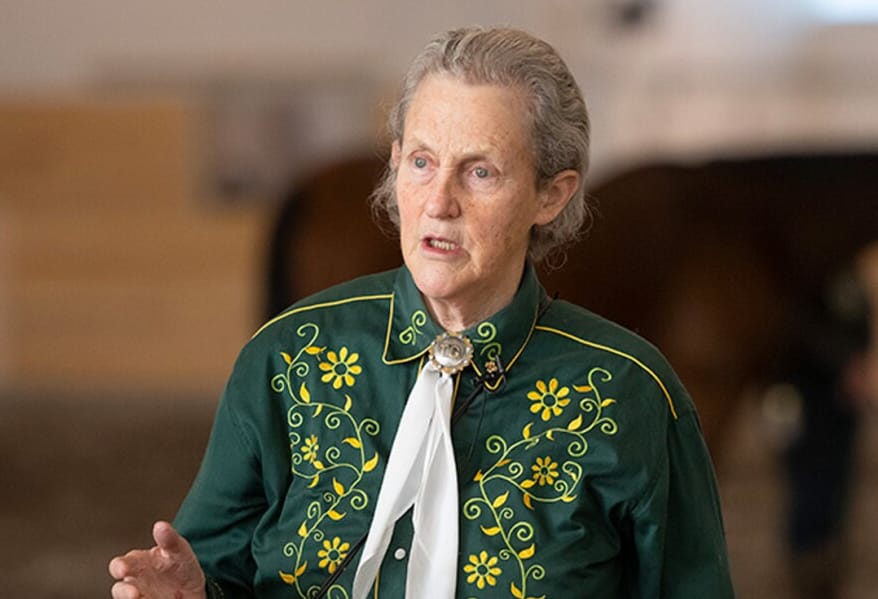
Get Temple Grandin Books
Temple Grandin’s books offer clear, compassionate, science-grounded insights into autistic and animal minds, turning complex neurology into practical, hopeful guidance for anyone who wants to better understand how different brains experience the world.
Bookshop.org was created as a socially conscious alternative to Amazon, with the goal of helping local, independent bookstores thrive. This is why Readers With Wrinkles supports their efforts. Please join us in this effort by purchasing your next read here.

Here are some books that pair well with Thinking in Pictures—the kind you’d hand to someone and say, “Okay, if that one worked for you, try this next.”
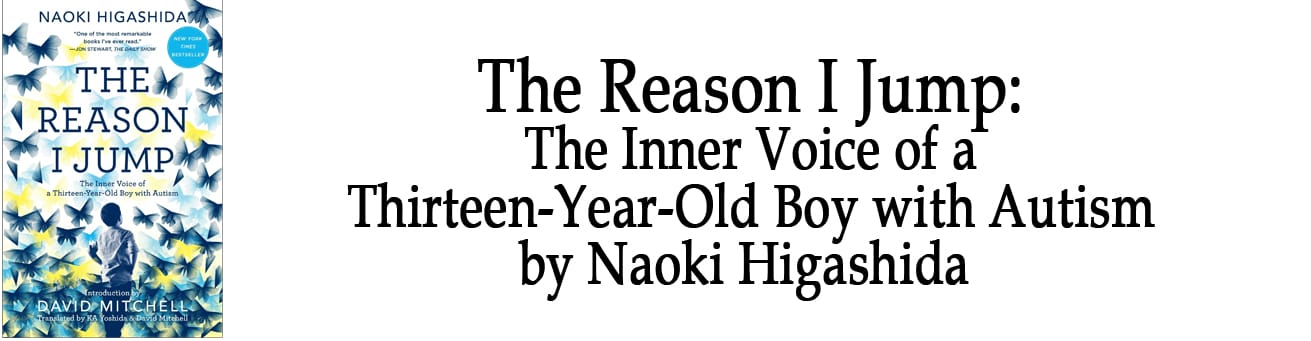
The Reason I Jump: The Inner Voice of a Thirteen-Year-Old Boy with Autism by Naoki Higashida
Written by a nonverbal autistic teenager using an alphabet grid, this book answers direct questions about why he does what he does—stimming, bolting, repeating—and offers a remarkably clear, emotional window into his inner world.
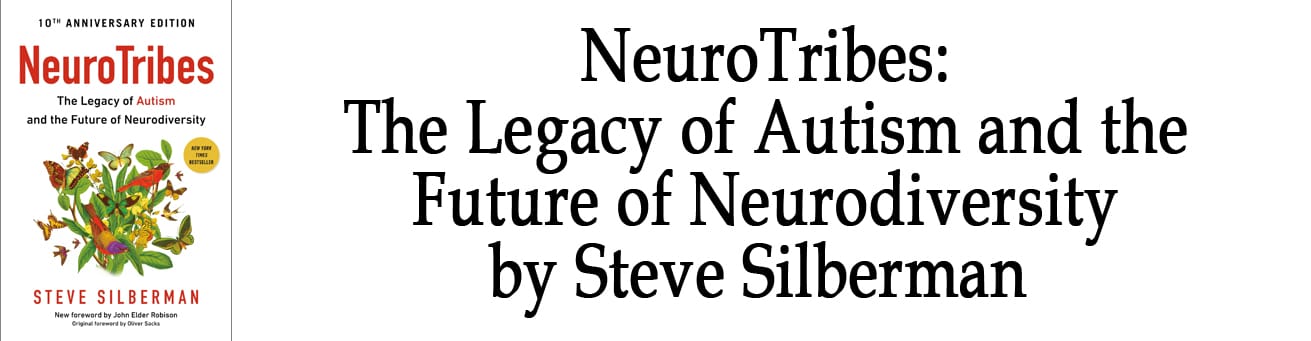
NeuroTribes: The Legacy of Autism and the Future of Neurodiversity by Steve Silberman
If Thinking in Pictures is the inside story, NeuroTribes zooms out to the wide-angle shot, tracing the history of autism diagnosis, the harm of past “cures,” and the rise of the neurodiversity movement in a big, deeply researched narrative.
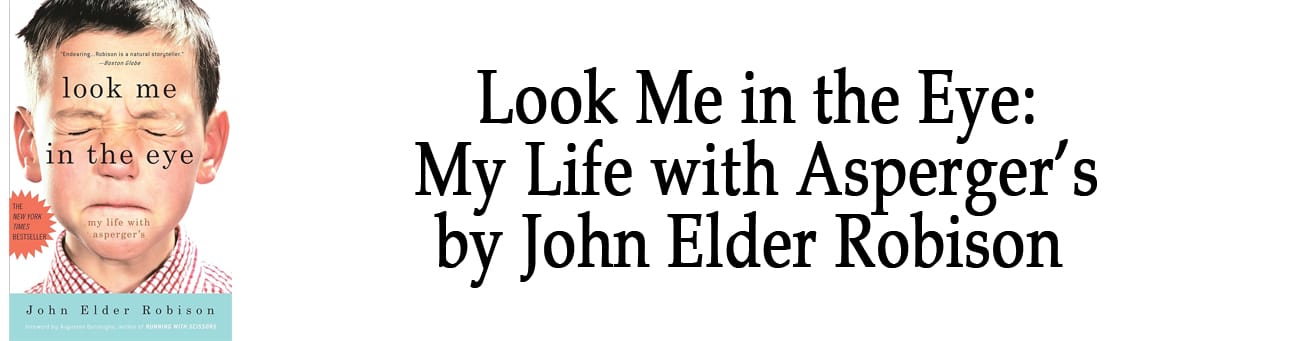
Look Me in the Eye: My Life with Asperger’s by John Elder Robison
Robison’s memoir covers his childhood, social struggles, and unexpected career in the music and tech worlds, all before he was diagnosed with Asperger’s as an adult, offering another candid, often funny portrait of a mind that works differently.
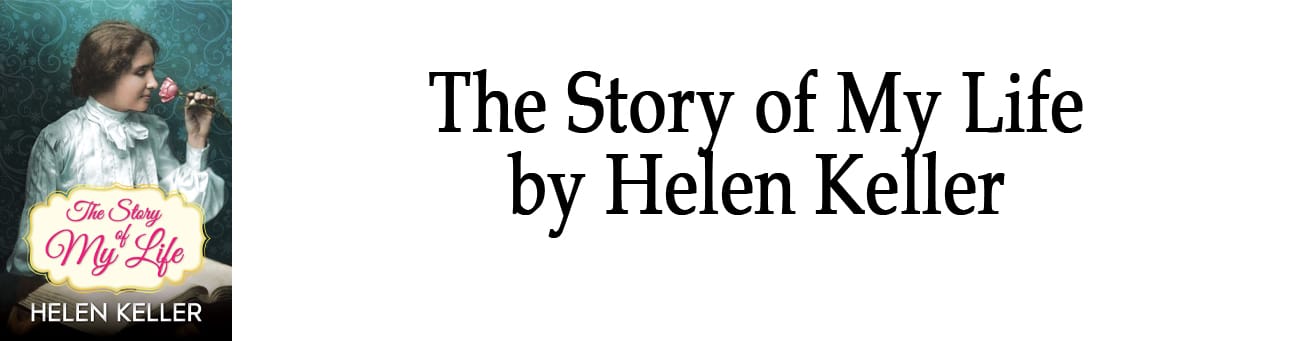
The Story of My Life by Helen Keller
Not about autism, but a foundational disability memoir, Keller’s account of learning to communicate while deafblind mirrors Grandin’s emphasis on alternative ways of perceiving and understanding the world, and the transformative power of the right support.
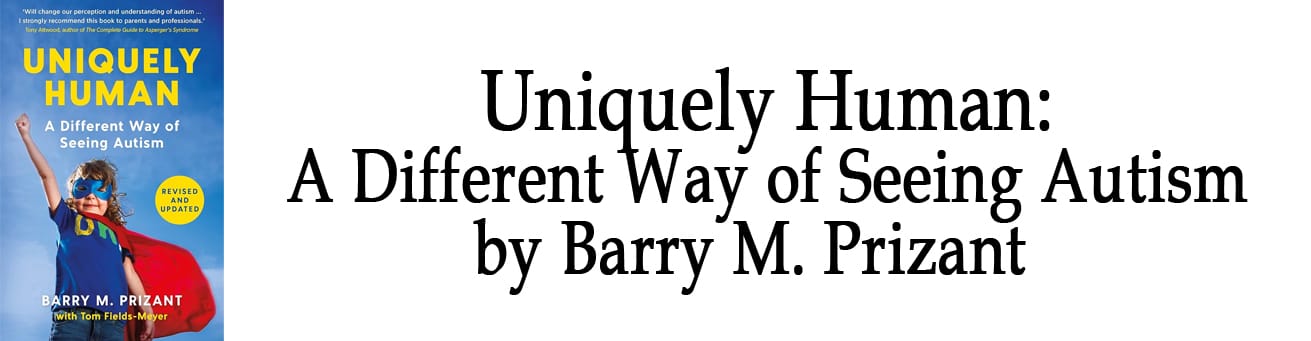
Uniquely Human: A Different Way of Seeing Autism by Barry M. Prizant
A blend of clinical experience and storytelling, this book focuses on understanding autistic behaviors as meaningful communication instead of “symptoms to fix,” making it a great companion if you loved how Grandin re-frames autistic traits as differences, not defects.
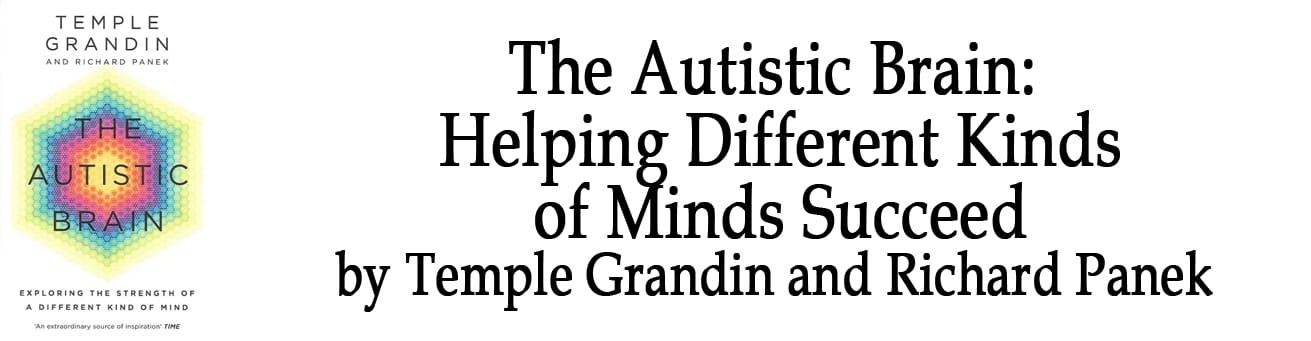
The Autistic Brain: Helping Different Kinds of Minds Succeed by Temple Grandin and Richard Panek
Think of this as a follow-up in the same universe: Grandin revisits her earlier ideas with updated neuroscience, brain imaging, and practical advice for helping autistic people thrive, especially around education and work.

I Will Die on This Hill: Autistic Adults, Autism Parents, and the Children Who Deserve a Better World by Jules Edwards and Meghan Ashburn
Co-written by an autistic advocate and a parent, this book digs into the tensions and misunderstandings between those groups and offers a more collaborative, respectful approach to supporting autistic kids.
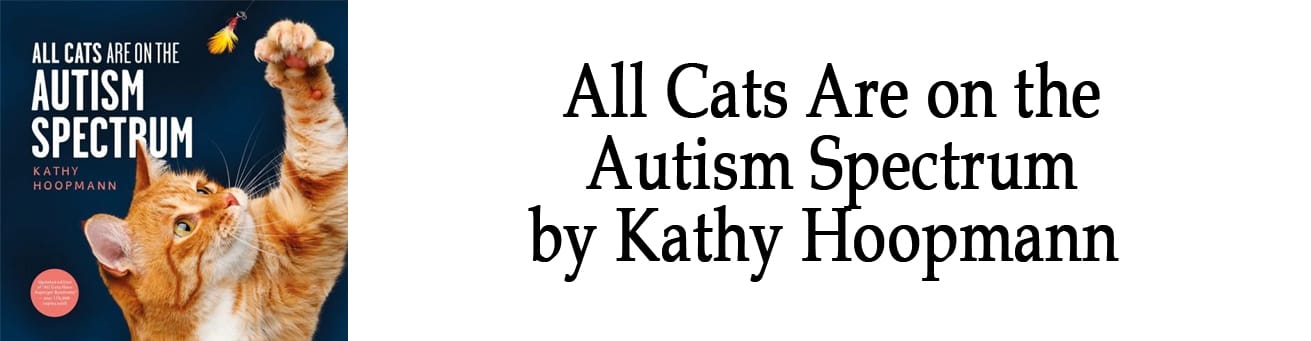
All Cats Are on the Autism Spectrum by Kathy Hoopmann
This short, visual book uses photos of cats and simple text to illustrate common autistic traits in a warm, nonjudgmental way—great as a gentle, charming supplement if you want something lighter to pair with Grandin’s more intensive deep dive.
New Paid Subscriber Perk!
Love this book review? Paid subscribers can now download an exclusive printable list of books with a similar vibe—perfect for planning your next read or curating your book club’s picks. It’s a handpicked, beautifully designed list guide you won’t find anywhere else.
Unlock your next favorite reads—become a paid subscriber today to get instant access to these printable book lists!
Comments