

- Date Published:
June, 2026 - Length:
304 pages—Listening Time: 10 hours 44 minutes - Genre:
Fiction - Setting:
Present day with flashbacks; New York City - Awards
The Guardian Book of the Day 05-25-2026; New York Times Bestseller 2026 - Languages:
English - Sensitive Aspects:
Family secrecy, emotional neglect, marital infidelity, a hidden same-sex relationship, deception within relationships, parental abandonment, strained stepfamily dynamics, death and grief, a car accident, ethical gray areas around loyalty and honesty, and class-based privilege - Movie
As of July 2026, there is no official movie adaptation in production for Whistler. - Recommended for Book Club:
Yes!

There are certain authors you don’t just read—you follow. Ann Patchett is that writer for me. I’ve read every single one of her books, and at this point, picking up a new release feels less like a gamble and more like coming home. Still, even with sky-high expectations, Whistler managed to surprise me.
I went in confident. After all, this is the same author behind The Dutch House (yes, that Pulitzer finalist gem that quietly wrecked so many of us) and Tom Lake, which, frankly, was already destined for greatness, but then Meryl Streep narrated it and somehow made it… epic. So no, my expectations weren’t exactly modest.
And then there’s Whistler.
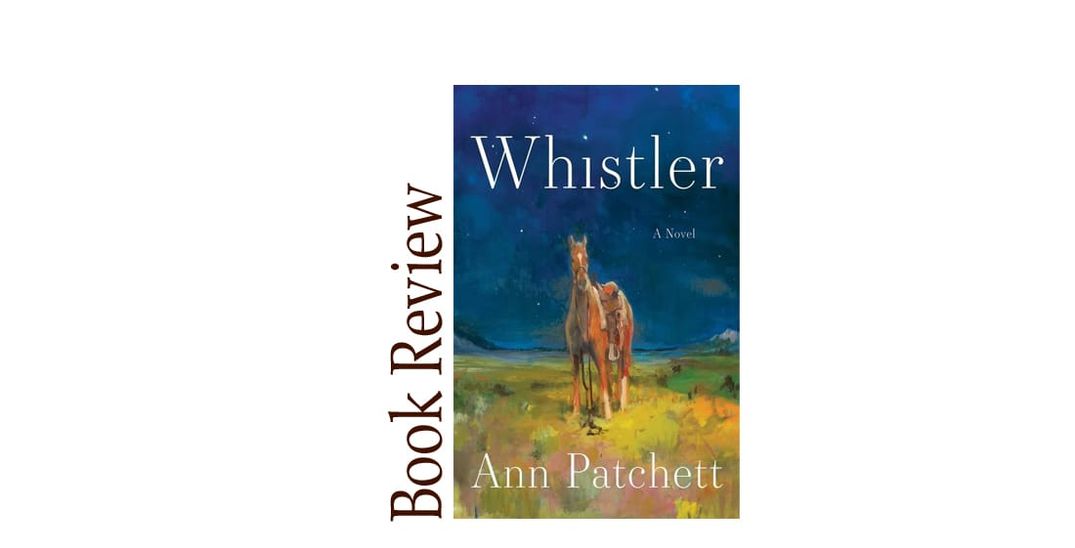
At first glance, you might think you know what you’re getting. The cover leans into a certain aesthetic—quiet, pastoral, maybe even a little niche. Horses, perhaps? A specific kind of reader? Not so fast.
If you’re not a horse person, don’t let the cover mislead you into thinking this book isn’t for you. It absolutely is.
And if you are a horse person? Also—don’t be misled. This isn’t just “your” story either. It’s bigger, deeper, and far more emotionally layered than the imagery suggests.
Because what Patchett does here—what she always does, but somehow sharper this time—is slip past your defenses. She gives you characters who feel so real you start mentally inviting them to dinner. She builds a world that seems quiet on the surface but hums with tension underneath. And before you know it, you’re completely invested, turning pages faster than you meant to.
Honestly? This might be her best book yet.

Whistler opens with a woman who thinks she knows where her life is headed and then, in the span of an afternoon at the Met, finds the past quietly walking up beside her. Daphne Fuller is in her early fifties, settled into the routines of her work, her marriage, and her New York life when she and her husband notice an older man who seems oddly interested in them as they move from gallery to gallery.
When the man finally approaches, Daphne realizes he isn’t a stranger at all but someone she once loved and lost from her childhood—her former stepfather, Eddie Triplett. That unexpected reunion is the spark that sets the story in motion. From there, the novel gently braids two threads: Daphne in the present, cautiously reconnecting with Eddie, and Daphne as a child, remembering a winter night that became a turning point for both of them.
The past storyline centers on a frightening car trip in bad weather, with young Daphne depending on Eddie for reassurance and guidance. To keep her calm, he tells her the story of Whistler, a chestnut mare owned by a woman named Mary Carter—a tale that mixes danger, devotion, and resilience. That horse story becomes a kind of legend in Daphne’s mind, shaping how she thinks about courage and trust.
In the present, as Daphne and Eddie spend more time together, they start to fill in the gaps left by years of silence: why their relationship ended so abruptly, what each of them carried away from that childhood night, and how those unspoken memories shaped who they became. The drama here isn’t about shocking twists but about the gradual discovery of what really happened beneath the family stories Daphne grew up believing.
Throughout, the novel stays close to Daphne’s relationships—her marriage, her bond with her sister, and her fragile, hopeful connection with Eddie—while the figure of Whistler hovers in the background as a symbolic touchstone tying together past and present. The plot’s tension comes from watching these characters navigate old wounds with kindness and honesty, and seeing how one long-ago winter night continues to echo through their lives.

You and I both know this: by the time you’ve got a few wrinkles, you’ve earned the right to be picky about what you read. If I could put this directly into your hands, I’d say: this is a book for someone who’s lived a bit, loved a lot, and is still curious about how the past and present talk to each other. So let me talk to you directly, Readers With Wrinkles style, about why Whistler is worth your time, attention, and maybe even your tissues.
Because you understand how the past never really stays “past”
If you’ve ever been blindsided by an old memory—at the grocery store, in a song, in a random conversation—Whistler is going to feel like someone finally put that experience on the page for you. This book is about what happens when a woman in midlife is quietly confronted with the unfinished business of her childhood, and how that reckoning can be tender instead of traumatic. You’ll recognize the way certain nights never quite leave you, even when everyone else has moved on.
Because you know relationships are rarely simple
By now, you’ve lived through complicated marriages, exes who still occupy a corner of your brain, step-parents who did their best (or didn’t), and siblings who share your history but not always your perspective. Patchett writes these relationships with the kind of emotional nuance that feels like she’s been eavesdropping on your family group texts. As you read, you’ll feel seen—not in a flashy, dramatic way, but in those small, accurate details of how people try (and sometimes fail) to love each other well.
Because you appreciate kindness as much as drama
You’ve probably read your fill of books that chase shock value. Whistler does something quieter and, honestly, more radical: it believes in decency. The tension comes from good people trying to do the right thing under imperfect circumstances. If you’re tired of cruelty as a plot device and you long for stories where compassion actually matters, this book will feel like a deep breath.
Because you know courage doesn’t always look like heroics
When you’ve navigated health scares, aging parents, career changes, or just the daily work of being human over decades, you know that bravery often looks like simply showing up—making the phone call, telling the truth, walking into the hard conversation. Whistler understands that kind of courage. As you read, you’ll see a character learning to reframe her own childhood bravery in ways that might make you look back at your younger self with a little more gentleness.
Because you’ve earned stories that respect your intelligence
You’re not here for hand-holding or over-explaining. You want a book that trusts you to put pieces together, feel the quiet implications, and sit with ambiguity. Patchett structures Whistler so that you’re given just enough to understand what’s at stake, but not so much that the mystery of other people’s interior lives disappears. It’s the kind of novel that lingers, because it assumes you’re capable of meeting it halfway.
Because you know loss and love can coexist
If you’ve lived through any kind of long-term grief—a person, a relationship, a version of yourself—then you know love doesn’t stop at the moment of loss. Whistler is deeply interested in that overlap: the way affection, regret, gratitude, and sorrow can all sit at the same table. It doesn’t demand that everything be “resolved.” Instead, it offers a story where reconnection is possible, even when perfection is not. That feels honest in a way older readers tend to recognize instantly.
Because at this point in life, you want books that feel worth the time
You read more carefully now. Your hours are precious. Whistler rewards that. It’s layered enough to make for rich book club conversation, gentle enough not to exhaust you, and emotionally generous in a way that leaves you feeling more open, not depleted. It’s the kind of novel you can read slowly, or in a couple of concentrated evenings, and still feel like you’ve truly gone somewhere.

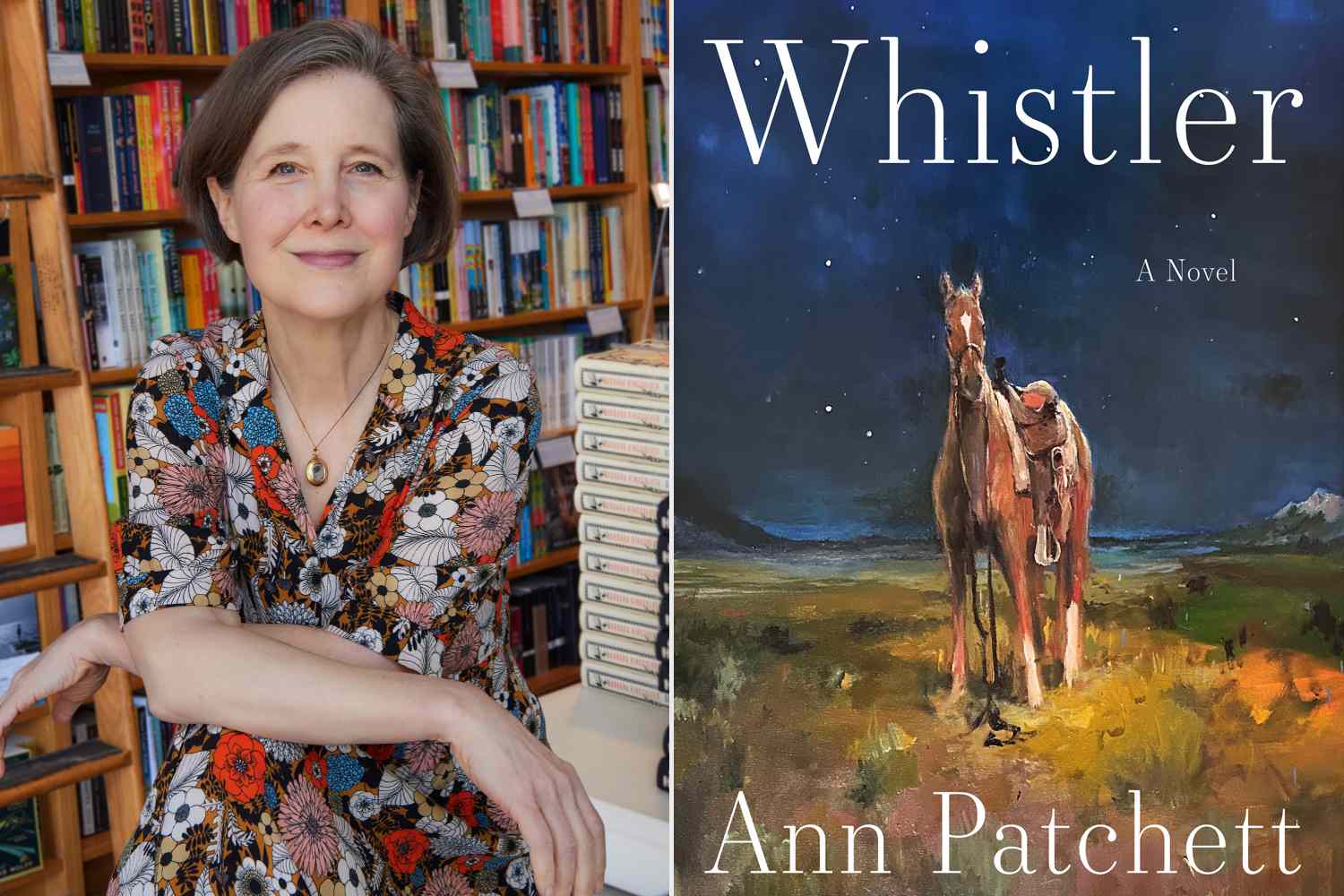
Get Ann Patchett Books
Ann Patchett writes emotionally intelligent, quietly riveting novels that blend beautifully crafted prose with unforgettable characters, making every book feel like equal parts comfort read and soul-level conversation.
Bookshop.org was created as a socially conscious alternative to Amazon, with the goal of helping local, independent bookstores thrive. This is why Readers With Wrinkles supports their efforts. Please join us in this effort by purchasing your next read here.

If Whistler is your kind of read, chances are you will enjoy these books as well.
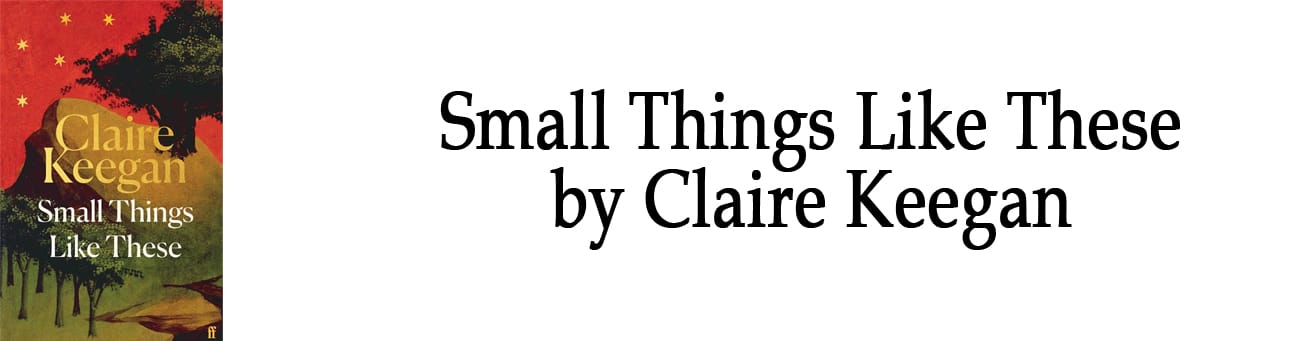
Small Things Like These by Claire Keegan
A short, razor-sharp novel about a decent man in a small Irish town who discovers a hidden injustice and has to decide whether he’ll quietly look away or take a moral stand. If you loved Whistler’s quiet emotional power and its focus on ordinary people making life-shaping choices, this one will feel like a spiritual cousin—compact, restrained, and morally complex in all the right ways.
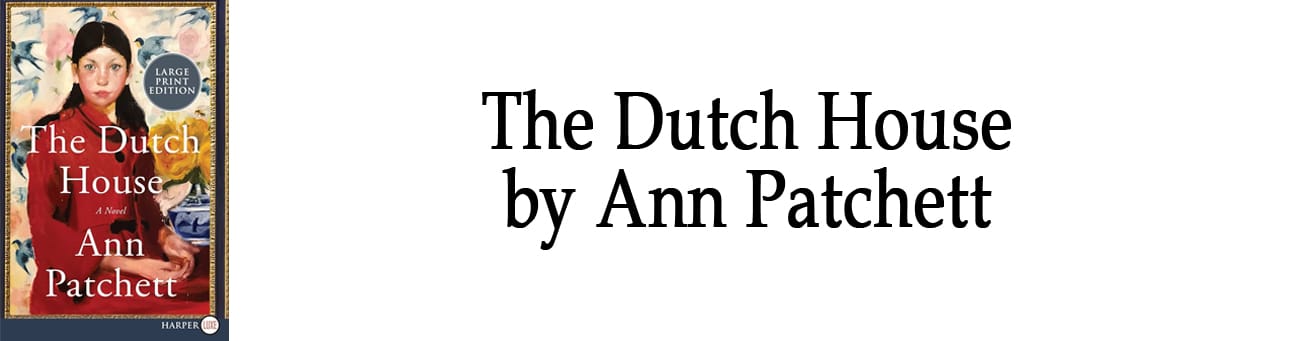
The Dutch House by Ann Patchett
A brother and sister spend a lifetime orbiting the house that defined their childhood, grappling with inheritance, abandonment, and the strange ways a place can haunt us even after we’ve left. If Whistler’s exploration of family history and long shadows from childhood hooked you, The Dutch House offers that same mix of clear-eyed tenderness and generational fallout—plus you’re staying within Patchett’s universe, which is always a good idea.
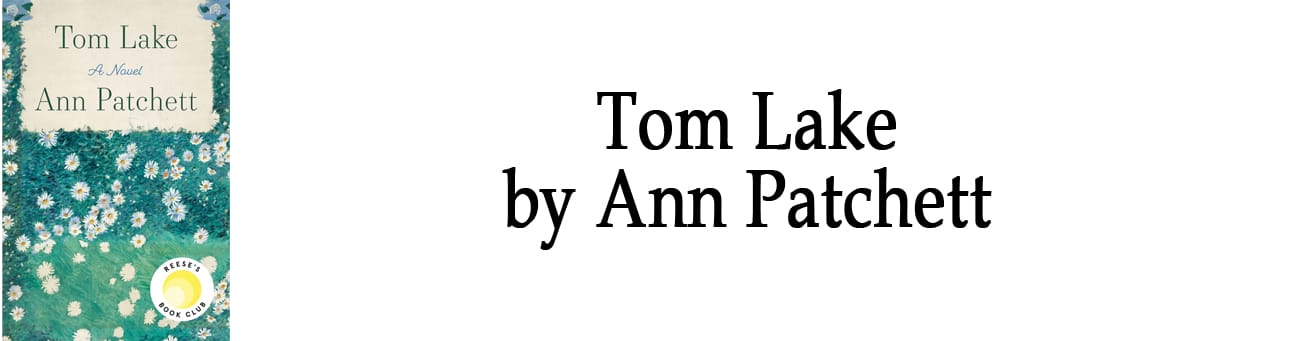
Tom Lake by Ann Patchett
A mother in midlife tells her three grown daughters the story of a long-ago summer, an old love, and the choices that led her to the life she has now. Readers who appreciated Whistler’s reflective, midlife perspective and its gentle untangling of past and present will love how Tom Lake treats memory as conversation—intimate, imperfect, and full of truths that arrive only with age.
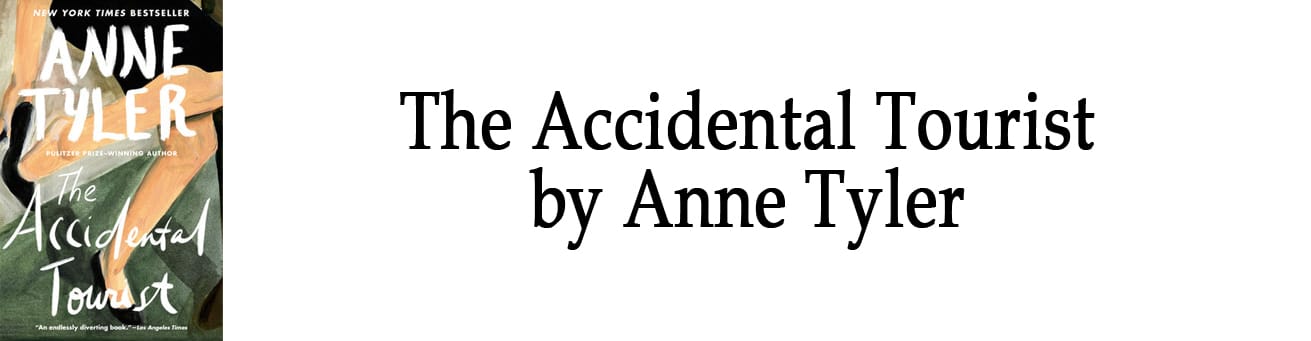
The Accidental Tourist by Anne Tyler
A deeply interior novel about a grief-stricken travel guide writer whose carefully controlled life is disrupted by an unexpected, messy relationship that forces him out of emotional hiding. If Whistler’s blend of quietness, character-driven change, and subtle humor resonated with you, Tyler’s story of a man slowly re-learning how to live and love will feel like another nuanced portrait of ordinary courage.
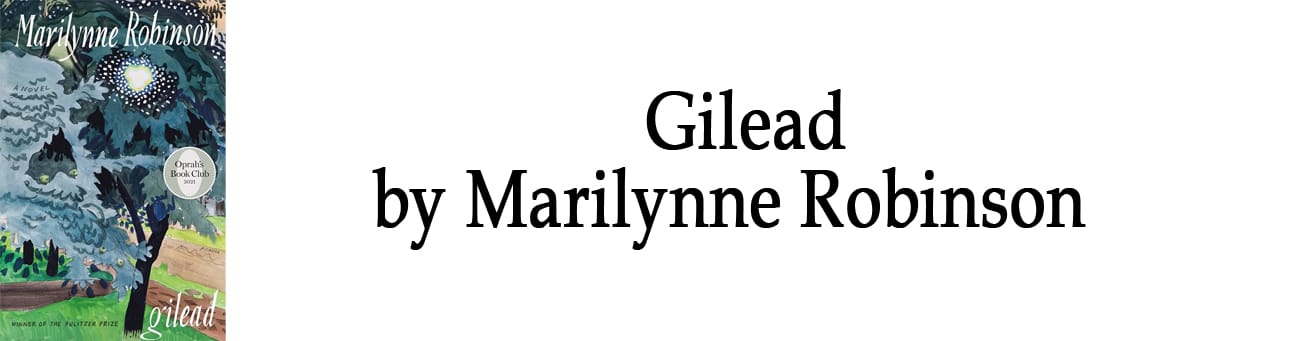
Gilead by Marilynne Robinson
Told as a long letter from an aging pastor to his young son, this novel lingers over faith, family scars, forgiveness, and the way past sins ripple through generations. Whistler readers who were moved by its gentle wisdom, moral undercurrent, and attention to the small, meaning-soaked moments of daily life will find a similar contemplative depth in Gilead—different setting, same soul-level quiet.
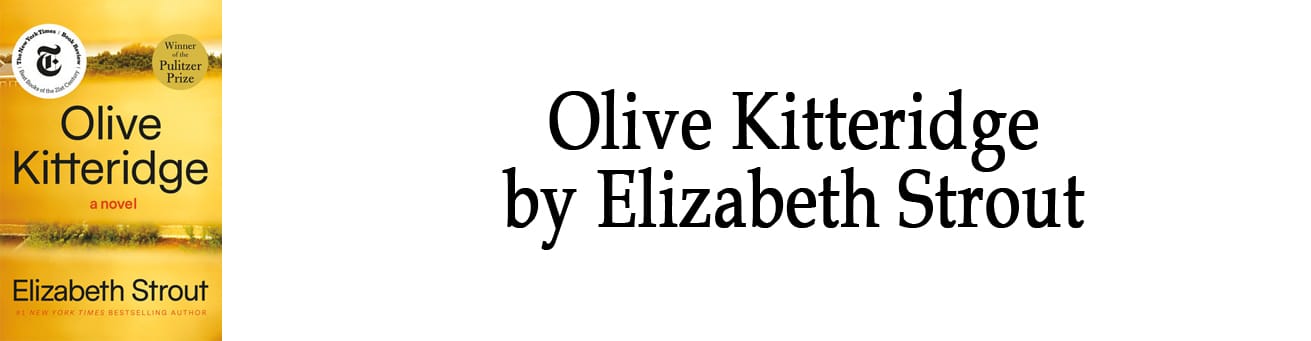
Olive Kitteridge by Elizabeth Strout
Linked stories centered on a prickly, unforgettable retired schoolteacher in a small Maine town, revealing her complicated ties to family, neighbors, and her own regrets. If you loved how Whistler honored flawed yet fundamentally decent people and captured the texture of long relationships over time, Olive Kitteridge will scratch that same itch with its sharp insights and emotional honesty. Read my full review here.
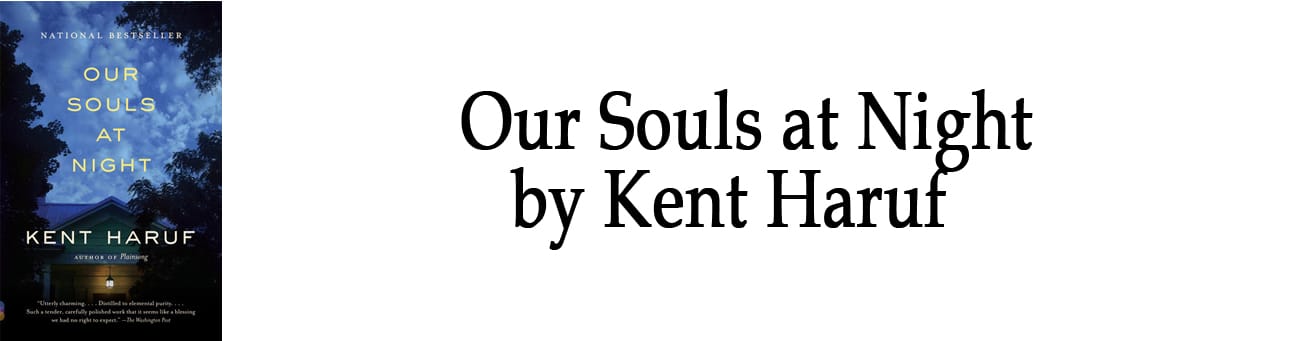
Our Souls at Night by Kent Haruf
Two older neighbors in a small Colorado town begin a simple, unconventional companionship that quietly changes both their lives and unsettles the people around them. Whistler fans who appreciated its tender look at late-in-life connection and the courage it takes to defy expectations will find this slim novel equally moving, with the same gentle insistence that kindness matters.
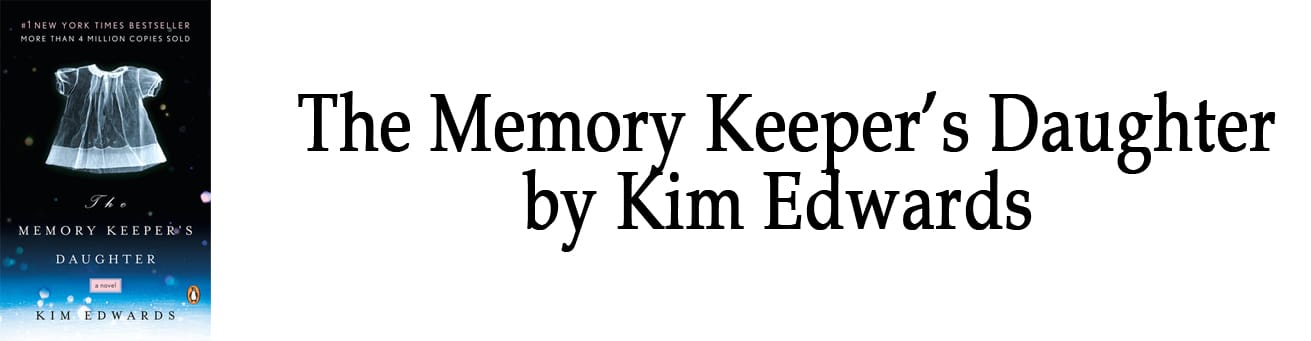
The Memory Keeper’s Daughter by Kim Edwards
A doctor makes a fateful decision on a snowy night: he sends his newborn daughter, born with Down syndrome, away and tells his wife the baby died, and the novel follows the ripple effects of that secret over the years. If the way Whistler handled one night’s consequences—radiating through lives and relationships—stayed with you, this book offers another exploration of how a single choice can fracture a family and haunt everyone involved.
Paid Subscriber Perk!
Love the book we just reviewed? Paid subscribers can now download an exclusive printable list of books with a similar vibe—perfect for planning your next read or curating your book club’s picks. It’s a handpicked, beautifully designed list guide you won’t find anywhere else.
Unlock your next favorite reads—become a paid subscriber today to get instant access to these printable book lists!
Comments