
I started April thinking it would be a quiet reading month—maybe a few solid reads, a couple of pleasant surprises, nothing too dramatic. Wow, was I wrong. April handed me eleven books and then had the audacity to make two of them absolutely unforgettable. Two ten-star reads! In one month. That almost never happens around here. I think I've handed out more ten-star ratings in April than I have in the last six months combined, and honestly? I'm still a little shaken.
If you've been following Readers with Wrinkles for any length of time, you know I don't throw tens around like confetti. A ten means I'm still thinking about the book at 2 a.m. It means I recommend it to three people before I even finish it. It means that something in those pages penetrated deeply and rearranged something within me. So when I tell you April gave me two of those? You should probably pay attention.
This month took me everywhere: into the minds of people with autism trying to navigate a world that wasn't built for them; through a pandemic where humanity unraveled in the most uncomfortably believable ways; deep into a murder mystery that had me convinced I knew the killer (I didn't); and somehow, into a passionate crusade to save America's birds. Yes, really. The birds. And I have zero regrets.
Eleven books. Two tens. Plus, a handful of nine-star gems. One title that made me want to immediately reread it and one that made me want to call a therapist. Honestly, a perfect reading month.
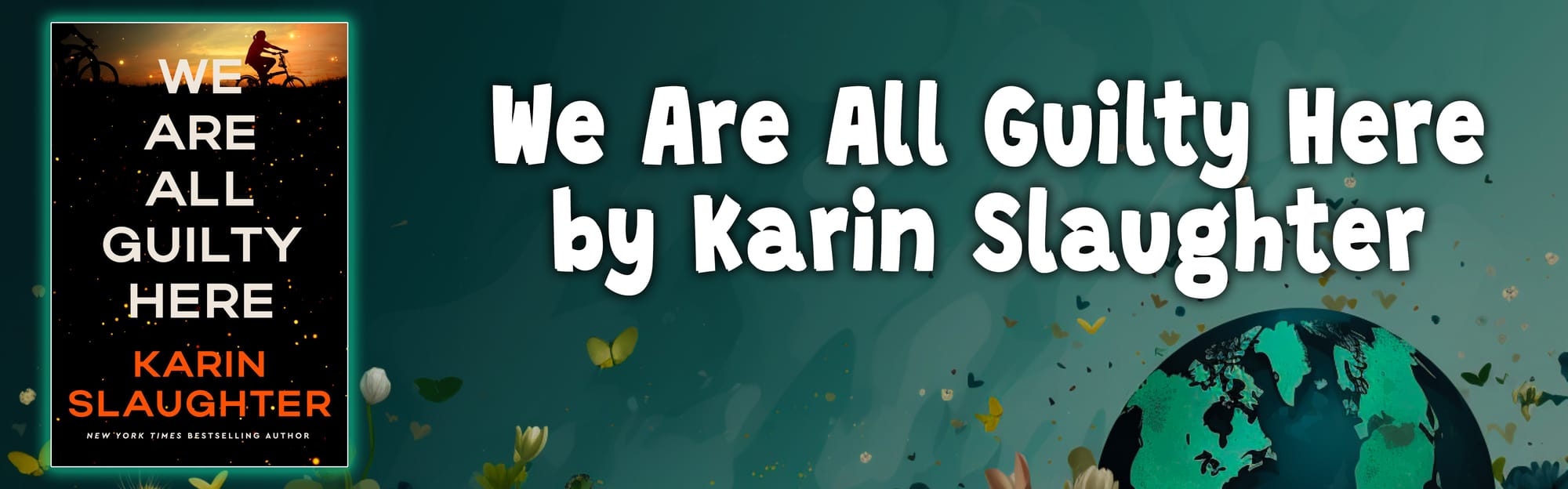
We Are All Guilty Here by Karin Slaughter
⭐⭐⭐⭐⭐⭐⭐⭐⭐ — 9 Stars
I love to read thrillers, and frankly, I've read enough of them to think I'm practically a detective. I'm the person who whispers, "It's the best friend," forty pages in and turns out to be right about it. It's not a gift, exactly. It's just what happens when you've read as many crime novels as I have. But with this one, Karin Slaughter made me look like a complete amateur, and I'm not over it.
We Are All Guilty Here is set in North Falls, Georgia—one of those small towns where everyone knows your business, your mama's business, and your mama's mama's business. On the night of the Fourth of July fireworks, two teenage girls vanish without a trace, leaving behind nothing but mangled bicycles, a smashed phone, and blood. Deputy Emmy Clifton — who missed a chance to help one of the girls earlier that very night — spends the next twelve years drowning in guilt. Then another girl disappears, the convicted killer turns out to have an alibi, and suddenly Emmy has to ask the question no small-town cop ever wants to ask: did we get it wrong?
What Slaughter does brilliantly here is remind you that guilt isn't just for the guilty. Every single character in this book is carrying something. The title isn't just a title—it's a warning. And just when I thought I had the whole thing mapped out, one of the killers turned out to be someone I genuinely did not see coming. Not even a little. I sat there with the book in my hand like, "Wait, WHAT?" Nine stars, and I'd have given it ten if I weren't still a little annoyed at being outsmarted.
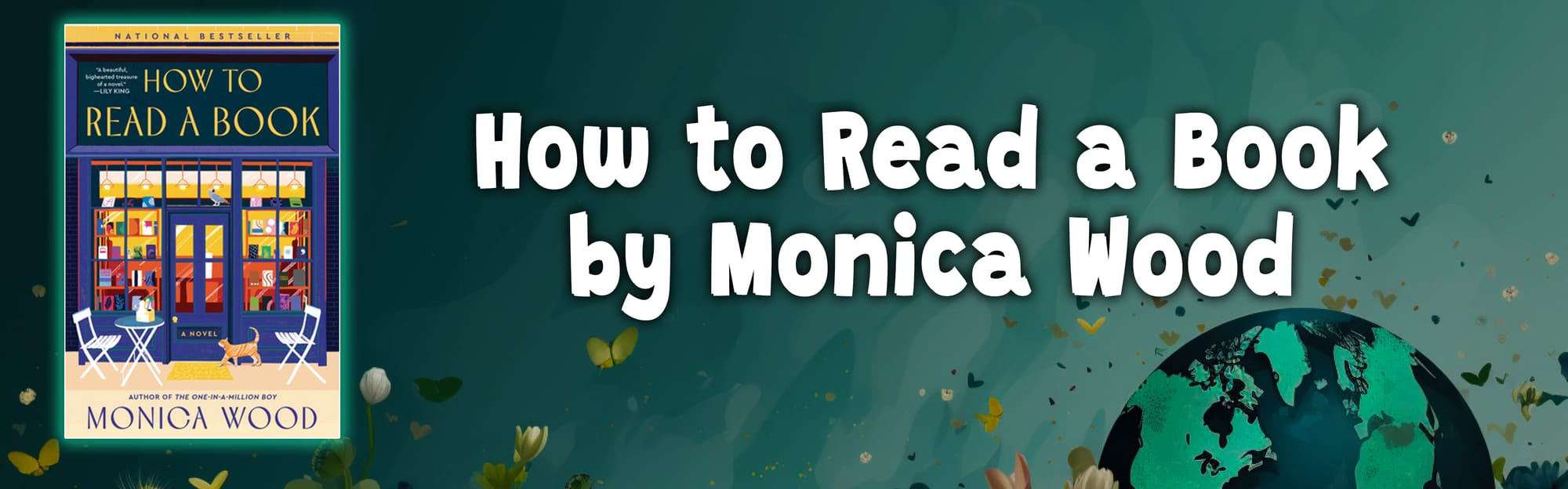
How to Read a Book by Monica Wood
⭐⭐⭐⭐⭐⭐⭐⭐⭐⭐ — 10 Stars
Every once in a while, a book lands in your hands and you just know. You know it before you finish the first chapter. You know it when you catch yourself reading slower on purpose because you don't want it to end. How to Read a Book by Monica Wood is that book for April — and it might be that book for the whole year.
Here's the setup: Violet is twenty-two years old, freshly released from prison after a drunk-driving accident that killed a kindergarten teacher. Harriet is a buttoned-up retired English teacher who runs a book club inside the very prison Violet just left. Frank is the quiet handyman at a local bookstore—and also the widower of the woman Violet killed. These three people, linked by the worst kind of tragedy, find their way into each other's lives in coastal Portland, Maine, and what happens next is nothing short of beautiful.
Now, I want to be very clear: this is not a weepy, hand-wringing grief novel. It's warm. It's wise. It's funny in all the right moments. Wood writes imperfect people doing the best they can, and somehow she makes you root for every single one of them. The book club scenes alone—where women in prison dissect literature and discover themselves in the pages—made me want to stand up and applaud.
Here's what I keep coming back to, though: the title works on so many levels. Yes, there's a literal book club. But Wood is really asking how we read people, how we read our own lives, how we read second chances when they show up looking nothing like we expected. It's a slim little book—under 300 pages—but it carries the emotional weight of something twice its size.
I'm saying it plainly: this book should be handed to every book club in America as a warm-up read. It'll teach your group how to talk about books, how to sit with complicated feelings, and how to find grace in a story where grace seems impossible. Ten stars. No hesitation. Zero regrets. The only thing I'm sorry about is that I can only give it ten.
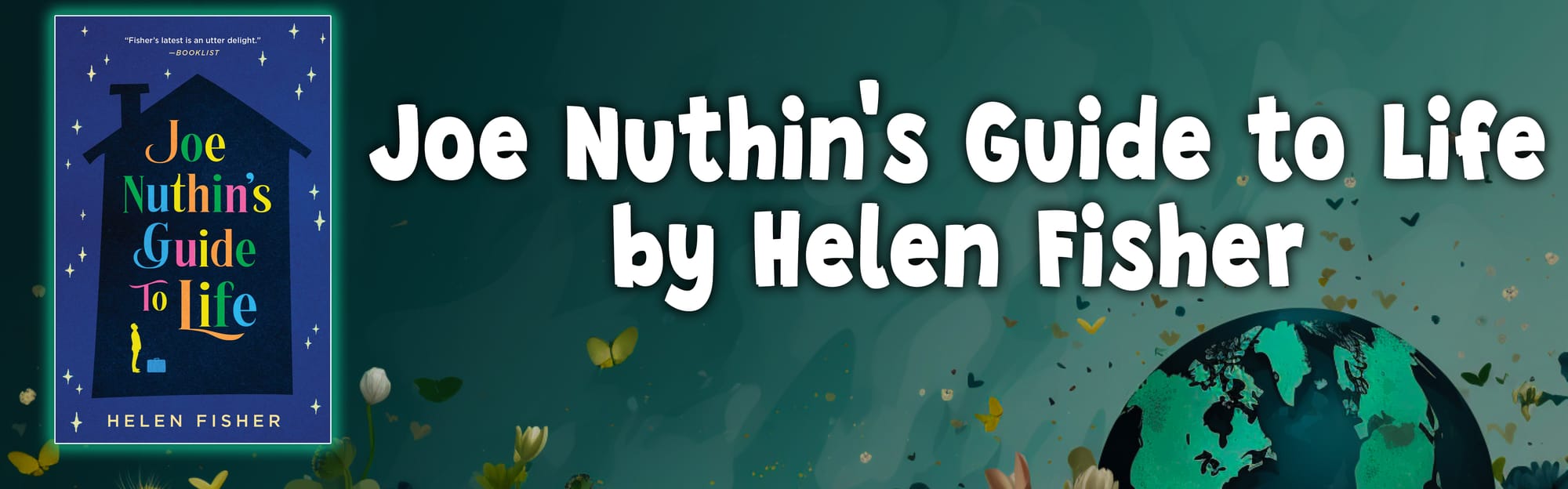
Joe Nuthin's Guide to Life by Helen Fisher
⭐⭐⭐⭐⭐⭐⭐⭐ — 8 Stars
If you haven't met Joe Nuthin yet, let me introduce you—and fair warning, you're going to love him immediately.
Joe is a twenty-three-year-old neurodivergent man who lives by his routines, his rules, and the wisdom-filled notebooks his mother has been quietly writing for him his whole life. He works at a store called The Compass; he doesn't do well with surprises, and yet life—rude, unpredictable, wonderful life—is about to hand him a whole pile of them. When things get complicated, Joe does the only thing he knows how to do: he follows his mother's advice in the most gloriously literal, Joe-like way imaginable.
This one is part of my Celebrating Neurodiversity series here on Readers with Wrinkles, so if you want the full deep-dive, that review is waiting for you with the kettle already on. But the short version? Helen Fisher wrote something genuinely tender here — funny and a little heartbreaking and completely unforgettable. Eight stars, and Joe Nuthin himself would probably tell you that's an excellent score. Read the full review here.
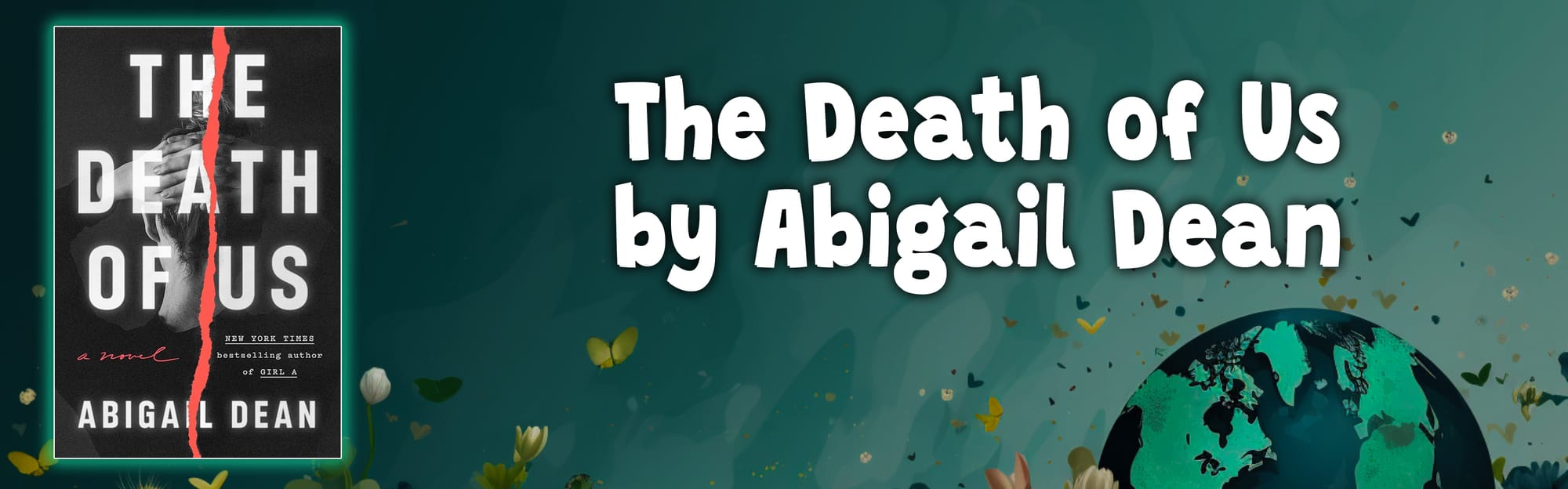
The Death of Us by Abigail Dean
⭐⭐⭐⭐⭐⭐⭐⭐ — 8 Stars
I figured this one out earlier than Abigail Dean probably intended and still gave it eight stars. That's how excellent the writing is.
The Death of Us centers on Isabel and Edward—married, in love, and thirty years old—when a man known as the South London Invader breaks into their home one spring night and commits an act so violent it quietly destroys everything they'd built together. He's never caught. Their marriage crumbles. Life moves on the way it does after trauma—slowly, painfully, with a lot left unsaid. Then, twenty-five years later, he's finally arrested, and Isabel and Edward are reunited to deliver victim impact statements at his sentencing.
What unfolds is less a traditional thriller and more an excavation—of a marriage, of guilt, of all the things two people never found the words to say to each other. The chapters alternate between Isabel's and Edward's perspectives, and Dean peels back the layers of their relationship with the kind of precision that makes you feel like you're reading someone's private diary.
Here's my honest take: if you go in expecting edge-of-your-seat twists, you might get a little ahead of the story—I did. But what if you go in expecting emotionally devastating, beautifully written literary fiction dressed up in a thriller's clothing? You will not be disappointed. Dean writes trauma with so much dignity and restraint, and that restraint is exactly what makes it hit so hard. Eight stars, and zero regrets.
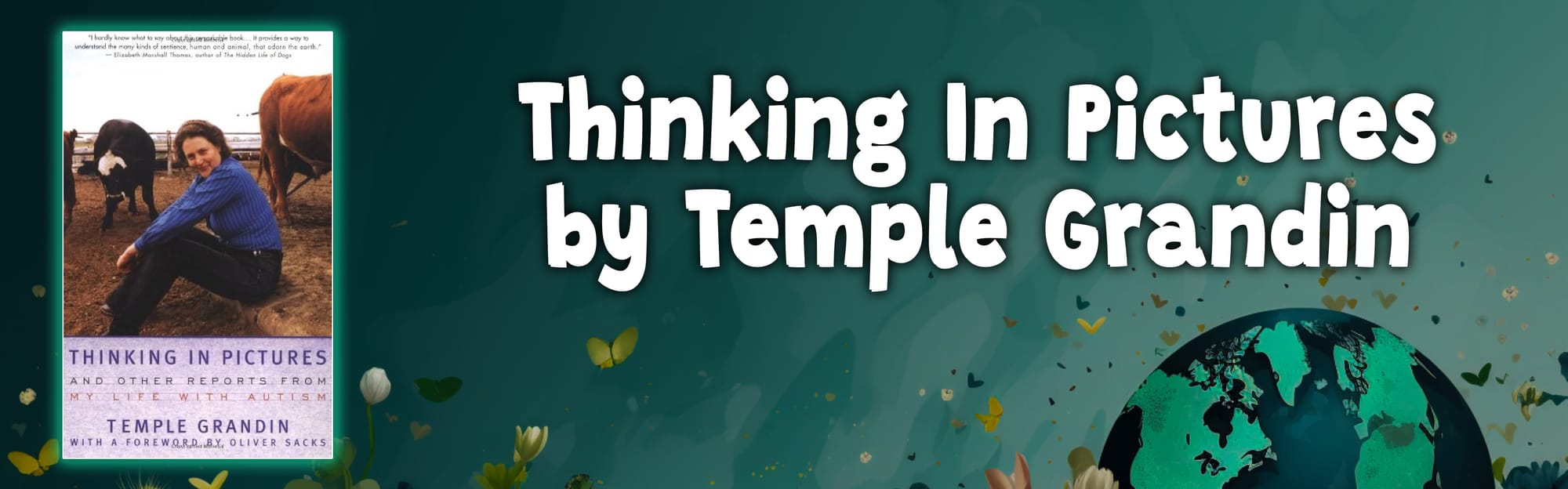
Thinking in Pictures by Temple Grandin
⭐⭐⭐⭐⭐⭐⭐ — 7 Stars
This book was a workout. A fascinating, eye-opening, occasionally overwhelming workout.
Thinking in Pictures is Temple Grandin's memoir and deep dive into what it actually feels like to live inside an autistic mind. Grandin, a world-renowned animal scientist and autism advocate, explains how she processes the world not in words but in vivid, detailed mental images, like a filing cabinet full of home videos instead of language. She moves through her life story, her groundbreaking work designing humane livestock facilities, and a dense pile of neurological research that she weaves in at the end of each chapter.
And I do mean dense. This is not a curl-up-with-a-cup-of-tea read. It's technical, it's thorough, and it will occasionally make you feel like you wandered into a neuroscience lecture without the prerequisite coursework. But here's what I keep coming back to: it filled in so many blanks for me. Behaviors I'd observed but never quite understood suddenly made complete sense. That alone is worth the price of admission.
Seven stars — and if you want my full take, the complete review is already up as part of the Celebrating Neurodiversity series. You'll find it here. You won't be sorry.
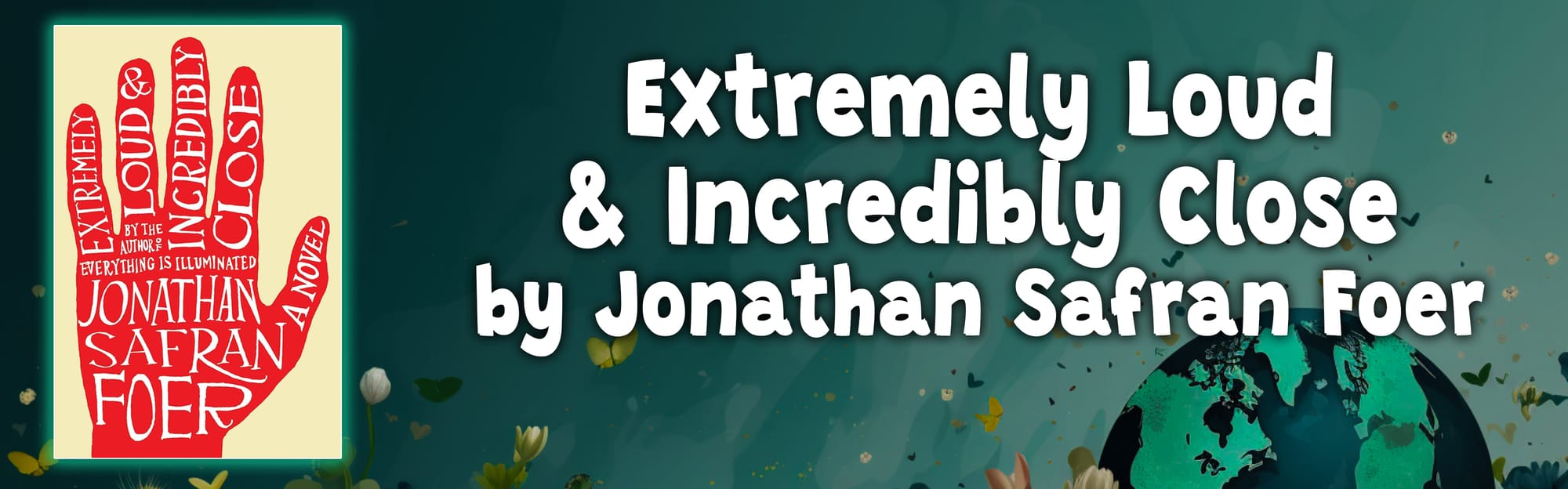
Extremely Loud & Incredibly Close by Jonathan Safran Foer
⭐⭐⭐⭐⭐⭐⭐⭐⭐⭐ — 10 Stars
Stop what you're doing. I mean it. Whatever is on your TBR list right now—shuffle it. Move things around. Make room. Because Extremely Loud & Incredibly Close is the kind of book that doesn't just deserve to be read; it deserves to be savored.
Nine-year-old Oskar Schell is one of the most extraordinary characters I've ever encountered in fiction. He's precocious, grieving, wildly imaginative, and so achingly human that you'll forget—repeatedly—that he's not real. After losing his father in the September 11 attacks, Oskar finds a mysterious key in his dad's closet inside an envelope labeled "Black." He becomes convinced the key unlocks something his father meant for him to find, and so begins a borough-by-borough search across New York City for anyone with the last name Black who might hold the answer.
But here's what I need you to understand: this book is not really about a key. It's about grief. It's about the stories we tell ourselves to survive loss. It's about the way a child's logic can be both heartbreaking and more honest than anything an adult could articulate. Foer writes in a way that is so layered, so quietly brilliant, that if you race through it — and you'll want to, because the story pulls you forward like a current — you will miss things. Gorgeous, gem-like things. Slow down. Linger. Read a paragraph twice if it takes your breath away, because several of them will.
There are moments in this book so beautiful they almost don't feel fair. An idiom tucked into a child's observation. A single sentence that somehow holds an entire universe of sadness and hope at the same time. I finished it and immediately wanted to go back to page one. My TBR list is the only thing that stopped me—and honestly, I'm still negotiating with myself about that. If I haven't gushed about this book enough, you can read my full review here.
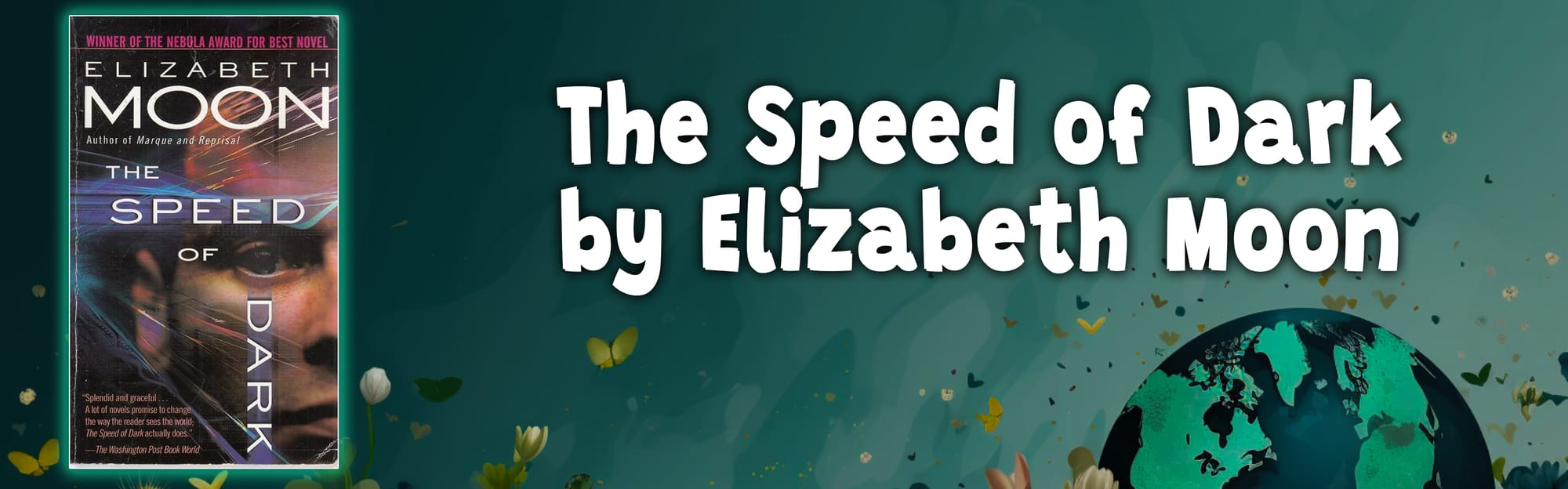
The Speed of Dark by Elizabeth Moon
⭐⭐⭐⭐⭐⭐⭐⭐ — 8 Stars
Full disclosure: science fiction is not really my genre. If a book description mentions spaceships, intergalactic travel, or anything involving laser weapons, I'm probably already backing slowly toward the literary fiction shelf. So when I tell you that The Speed of Dark by Elizabeth Moon had me completely hooked, please understand the weight of that statement.
Set in the near future, the story follows Lou Arrendale—an autistic man who works as a pattern analyst for a pharmaceutical company and has built a quiet, meaningful life entirely on his own terms. Then his employer presents him with an offer: a new experimental treatment that could essentially "cure" his autism. And suddenly Lou—and the reader—is standing in front of one of the most profound moral dilemmas I've encountered in fiction in years. Does he do it? Should he? And if he changes the very neurology that makes him Lou... is he still Lou at all?
That question is the beating heart of this book, and Moon doesn't let you off the hook with an easy answer. What does "normal" actually mean? Who gets to define it? And why does society spend so much energy trying to fix people who simply experience the world differently? I found myself putting the book down just to sit with those questions, which, in my opinion, is the mark of truly great writing.
Don't let the science fiction label scare you off the way it almost scared me. This one reads far more like thoughtful literary fiction than anything else, and it belongs comfortably alongside the other neurodiversity reads in this month's lineup. Eight well-earned stars. Read my full review here.
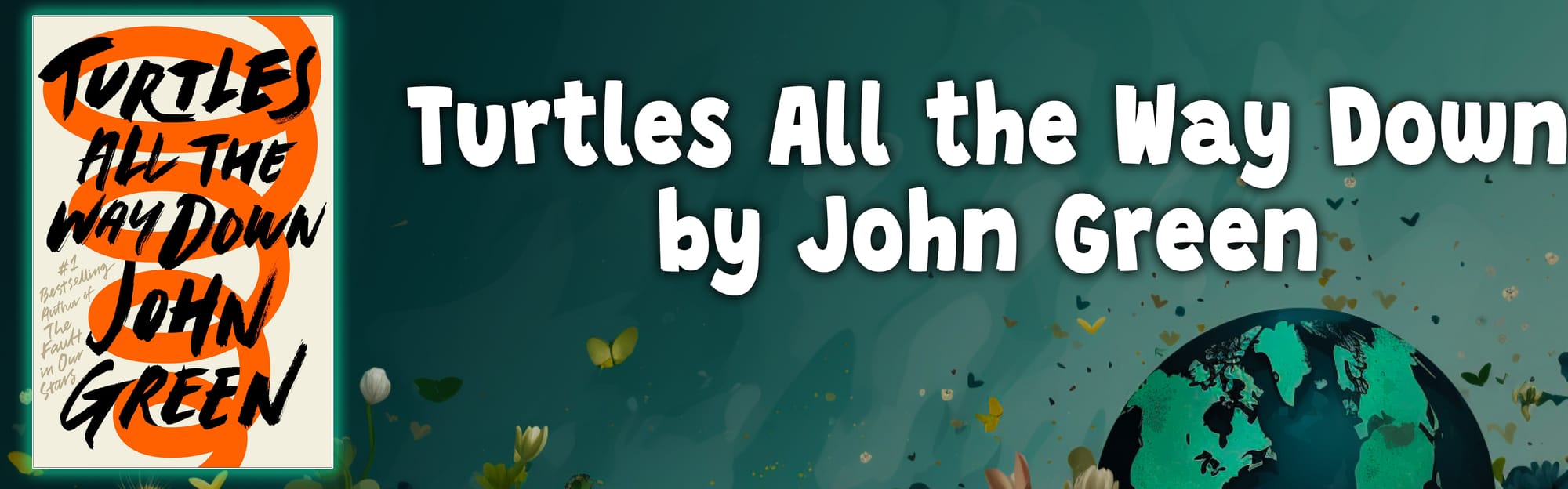
Turtles All the Way Down by John Green
⭐⭐⭐⭐⭐⭐⭐⭐⭐ — 9 Stars
John Green has never once let me down, and Turtles All the Way Down is exactly the kind of book that reminds me why I keep coming back to him. The man understands the interior life of a teenager in a way that feels almost unfair—like he has access to some emotional frequency the rest of us lost sometime around our thirtieth birthday.
Sixteen-year-old Aza Holmes is trying to be a good friend, solve a mystery involving a missing billionaire, and maybe fall in love—all while navigating an OCD so consuming and so relentless that it crowds out everything else. And I do mean everything. Now, I've always considered myself someone with a few mild OCD tendencies. I like things a certain way. I notice when something's off. I thought I understood, at least a little, what that particular mental spiral feels like. Then I met Aza, and I realized I had absolutely no idea. Her thought spirals—the ones Green writes from the inside out, pulling you right into the loop with her—are so visceral and so claustrophobically real that you don't just read them; you feel them tightening around you.
What makes this book extraordinary, though, is that Green never reduces Aza to her diagnosis. She's funny; she's loyal; she's deeply self-aware in the way only truly struggling people can be. The friendship between Aza and her best friend Daisy alone is worth the price of the book. Nine stars—and honestly, if you've been sleeping on John Green because you think he's "just YA," this is your official wake-up call. Read my full review here.
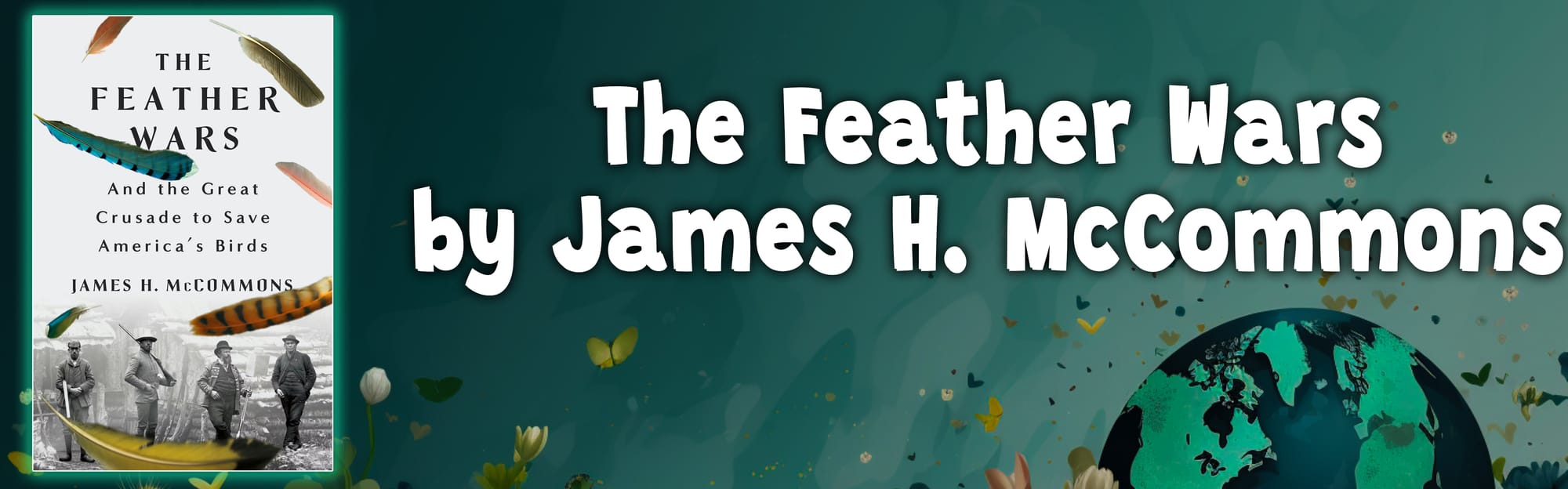
The Feather Wars by James H. McCommons
⭐⭐⭐⭐⭐⭐⭐⭐⭐ — 9 Stars
I'm going to say something I never expected to say: I read a book about birds this month, and it might be one of the most gripping, infuriating, and ultimately triumphant reads of my entire April. Come with me on this.
The Feather Wars tells the story of one of the most unlikely conservation battles in American history—the late 19th and early 20th century crusade to save wild birds from being slaughtered by the millions, all so their feathers could decorate fashionable women's hats. And not a feather or two, mind you. Entire birds. Egrets, herons, and hummingbirds perched on hat brims like some kind of grotesque taxidermy parade through the streets of polite society. McCommons traces the passionate, relentless women and men who said "enough" and launched what would eventually become the modern conservation movement and, ultimately, the Audubon Society.
Here's what surprised me most: I came in knowing virtually nothing about this slice of American history, and I left feeling like I'd discovered an entire world that had somehow been hiding in plain sight. McCommons writes with the pace and tension of a thriller—there are villains, heroes, political battles, and moments of genuine heartbreak—and the research is extraordinary without ever feeling like a textbook.
Nine stars, and I look at birds a little differently after finishing this one. Which is either a sign of great writing or proof that books are slowly rewiring my brain. Probably both. Read the full review of this awesome book here.
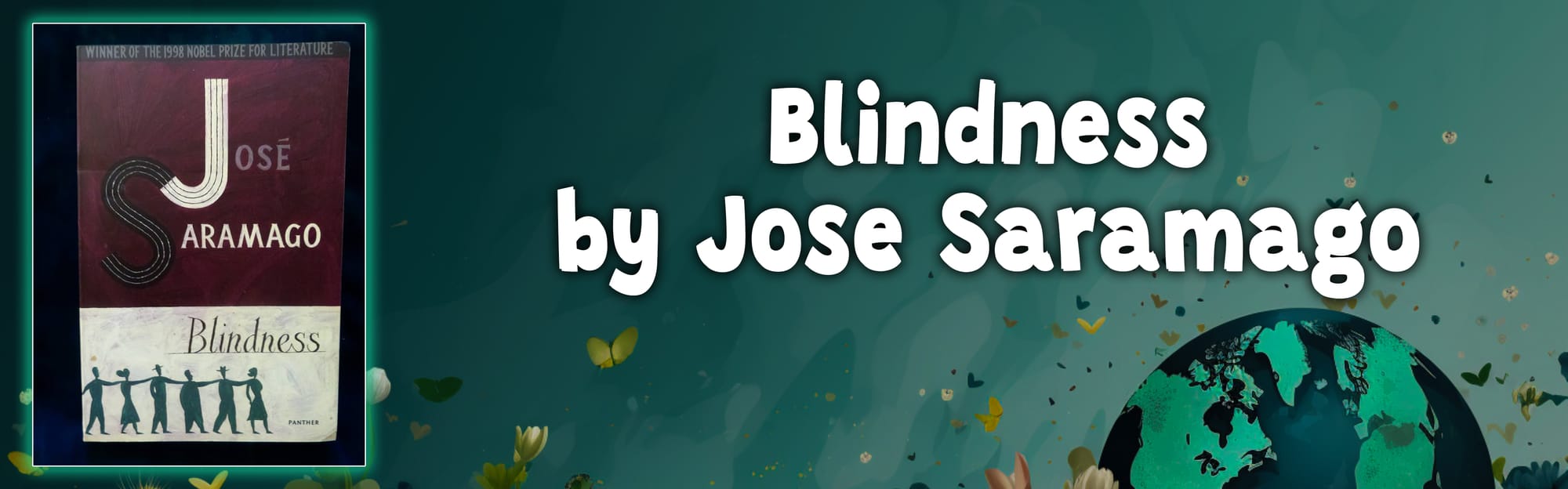
Blindness by Jose Saramago
⭐⭐⭐⭐⭐⭐⭐⭐⭐ — 9 Stars
I mentioned earlier in this post that one of my April reads might require a therapist. This is that book. You've been warned.
José Saramago's Blindness begins with a single man going blind in his car at a traffic light—not in darkness, but in a blinding, milky white. Within days, the blindness spreads like a contagion, sweeping through an unnamed city and plunging society into a terrifying, complete collapse. The government's response is to quarantine the blind in an abandoned asylum and essentially forget about them. What unfolds inside those walls is a portrait of humanity stripped of every civilized pretense — and Saramago does not look away. Not even once.
This book will disturb you. It will unsettle you in that deep, bone-level way that only the very best literature can. Saramago writes in long, winding sentences with almost no conventional punctuation—no quotation marks, minimal paragraph breaks—and somehow that stylistic choice makes everything feel more suffocating and more relentless, like the blindness itself is seeping into the prose. You adjust to it quickly, and then you realize the discomfort was entirely intentional.
What stays with you—what I am still turning over weeks later—is the question Saramago is really asking: how thin is the veneer of civilization? How quickly do we abandon our humanity when the structures that hold us accountable disappear? It's uncomfortable because the answer he offers is not a reassuring one. Nine stars, and I mean this with complete sincerity—clear your schedule after the last page. You're going to need a moment.
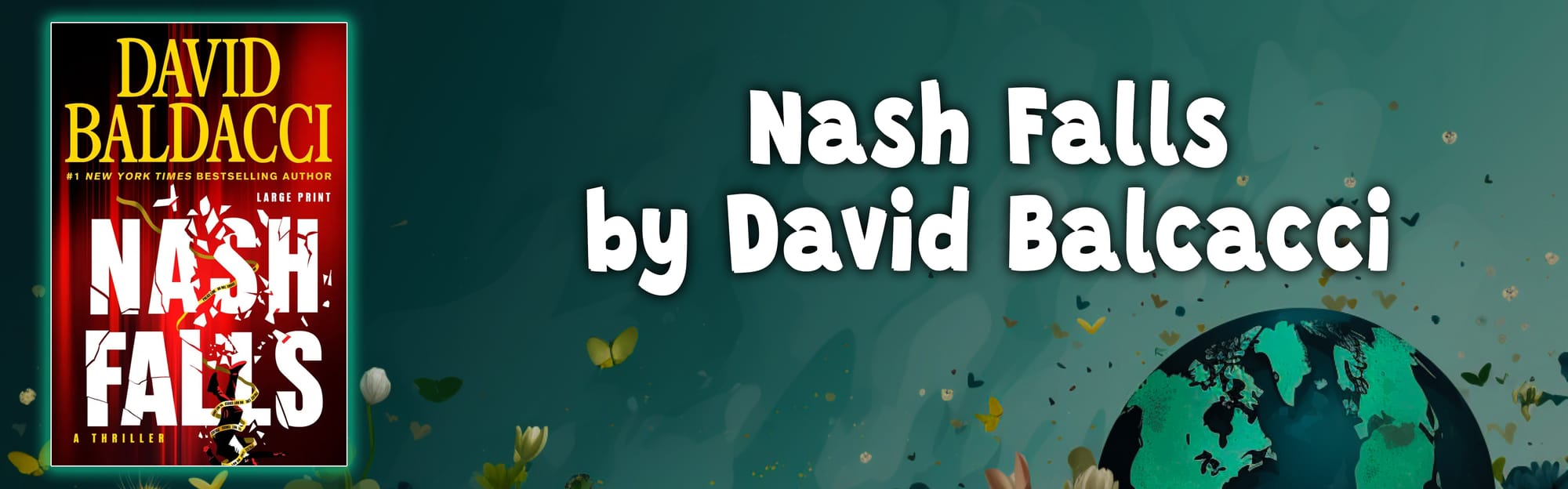
Nash Falls by David Balcacci
⭐⭐⭐⭐⭐⭐⭐⭐⭐ — 9 Stars
And we close out April with a bang. A very David Baldacci kind of bang.
Nash Falls introduces us to Walter Nash—a polished, successful corporate executive at Sybaritic Investments who has the kind of comfortable, well-ordered life most people spend their whole careers chasing. Then, after the death of his estranged father, everything that follows serves as a masterclass in how quickly a perfectly constructed life can crumble. The FBI shows up in the middle of the night with an offer Walter can't really refuse: become their inside man to expose a massive international money-laundering operation run by the ruthless Victoria Steers. He agrees. And then, almost immediately, everything goes catastrophically wrong.
His daughter is kidnapped. He's accused of murder. His wife betrays him. His career evaporates. By the time Baldacci is done dismantling Walter Nash's world, there's almost nothing left—except the man himself, who is forced to do the one thing that might save him: completely reinvent himself. And I mean completely. The transformation Walter undergoes is one of the most compelling character arcs I've read in a thriller in a long time.
Nine easy stars—and I have the next book in the Walter Nash series, Hope Rises, cued up for May. It's already on my nightstand, already calling my name. Baldacci, you've done it again.
And that's a wrap on April, friends—eleven books, two tens, and at least one that still has me staring at the ceiling at night. Not bad for a single month. Not bad at all.
New Paid Subscriber Perk!
Love the book we just reviewed? Paid subscribers can now download an exclusive printable list of books with a similar vibe—perfect for planning your next read or curating your book club’s picks. It’s a handpicked, beautifully designed list guide you won’t find anywhere else.
Unlock your next favorite reads—become a paid subscriber today to get instant access to these printable book lists!
Comments