
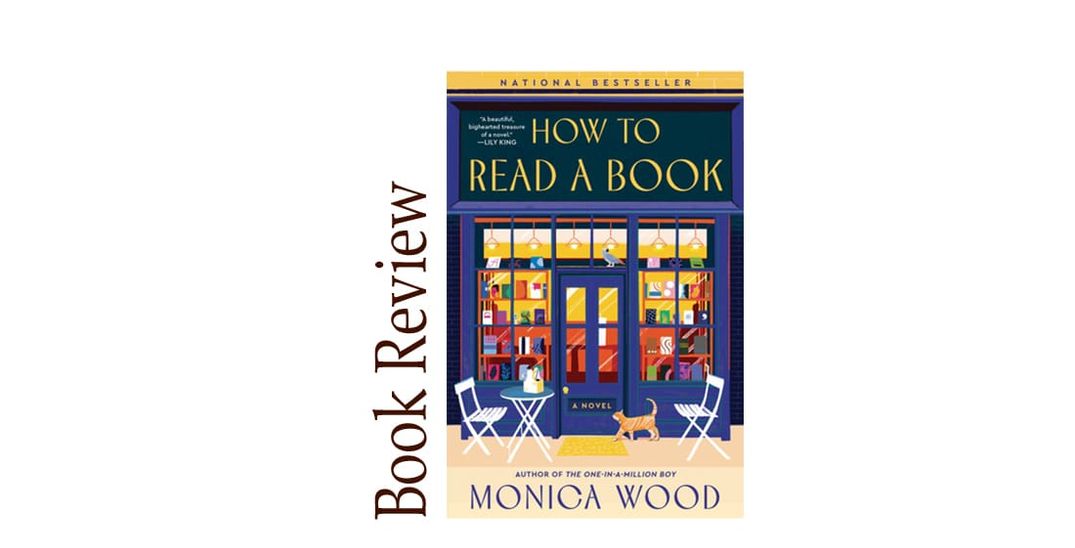
- Date Published:
2024 - Length:
288 pages—Listening Time: 10 hours 18 minutes - Genre:
Fiction - Setting:
Present day, Portland, Maine - Awards
New England Society Book Award Winner Fiction 2025;
Lariat Adult Fiction Reading List Selection 2025; All Connecticut Reads 2025; Mid-Continent Public Library Best Books Audiobooks 2024 - Languages:
English - Sensitive Aspects:
Prison including references to incarceration, stigma, and trauma; references to guilt, shame, and religious judgment toward an ex‑convict; brief but uncomfortable sexual content; themes of grief and bereavement surrounding the death of an innocent person; depictions of problem drinking and its consequences; age-gap romance treated by some characters as predatory or exploitative; emotionally intense book-club scenes with incarcerated women processing pain, regret, and past abuse - Movie:
As of May 2026, there is no official movie adaptation in production for How to Read a Book. While the book has been a massive critical success and a favorite for book clubs globally, no studio or production company has formally announced a film or series deal. - Recommended for Book Club:
Yes, this should be "required reading" for every book club.

"I am a reader. I am intelligent. I have something worthy to contribute." mantra spoken by book club members in Abbot Falls Women's Prison, How to Read a Book by Monica Wood
Some books entertain you. Some impress you. And then there are the rare ones that slip in, flip on a light, and quietly rearrange the furniture of your inner life. How to Read a Book by Monica Wood is one of those rare, rearranging books.
At first glance, the title feels almost disarmingly simple—maybe even a little instructional. But don’t be fooled. This isn’t a manual. It’s a love letter. To reading, yes—but also to connection, second chances, and the unexpected ways stories stitch people together.
“I used to race through books one after another, but in Book Club, Harriet taught us that when you slow down, you notice more, and when you notice more, you feel more.” spoken by Violet in How to Read a Book by Monica Wood
Wood drops us into a small, intimate book club formed inside a women’s prison, and from that premise alone, you might think you know what kind of story you’re getting. I certainly thought I did. But what unfolds is far richer, more tender, and—honestly—more surprising than you’d expect. It’s about the books we carry, the ones that save us, and the ones that finally help us see each other clearly.
At one point, Wood writes, “Books are how we find each other.” And that line? It lingers. Because this novel isn’t just about reading—it’s about being read. Being understood. Being given the grace to rewrite your own story.
“I feel the way I always feel in Book Club. The way I believe we all feel. Safe.” spoken by Violet in How to Read a Book by Monica Wood
What makes this book so special—and why I’m practically waving it in the air insisting every book club pick it up—is how deeply it understands readers. The rituals. The attachments. The way fictional characters can feel more real than the people sitting across from us. There’s even this quiet acknowledgment that “a book can change you, but only if you let it,” which feels less like a statement and more like an invitation.
And that’s exactly what this novel does. It invites you in. Gently, but firmly.
It asks, "What does it mean to really read a book?" And maybe more importantly… what does it mean to let a book read you?
I went in expecting a thoughtful story about books. I came out feeling seen, a little undone, and completely convinced that this is the kind of novel that sparks the very best conversations—the kind that linger long after the meeting ends and the wine glasses are empty.
If you’ve ever loved a book so much you had to talk about it… this one’s for you.

How to Read a Book by Monica Wood centers on three characters whose lives slowly intersect around stories, second chances, and a small book club that begins inside a women’s prison in Maine. Violet Powell, a twenty-two-year-old woman from rural Abbott Falls, is introduced as she nears the end of a prison sentence for a drunk-driving accident that resulted in a woman’s death. During her incarceration, Violet joins a prison book club led by Harriet Larson, a retired English teacher who has built a quiet, orderly life around literature and routine. For Harriet, the book club is both a calling and a way to navigate her own looming “empty nest” as the people she’s cared for and depended on move out of her daily orbit.
After Violet is released, she relocates to Portland, Maine, trying to find her footing in a world that has gone on without her. She searches for work, housing, and some sense of belonging, all while carrying the weight of her past and the stigma of her crime. Meanwhile, Harriet continues to choose books and visit the prison, but she’s also negotiating changes in her personal life and wondering what comes next for her outside of teaching and caregiving.
The third key character, Frank Daigle, is a retired machinist who works as a handyman at a local bookstore in Portland. He’s still struggling with unresolved feelings from his complicated marriage and the loss of his wife, though the details of that history unfold gradually over the course of the novel. One morning, Violet, Harriet, and Frank all land in the same bookstore—Violet to track down a novel she began in the prison book club, Harriet to pick the group’s next title, and Frank to do his usual maintenance tasks. From that quiet, everyday moment, their paths begin to cross in unexpected ways, and the story follows how books, conversation, and small acts of courage gently start to reshape each of their lives without revealing exactly where those changes will lead.

You know I don’t say this lightly: How to Read a Book feels like it was written for Readers With Wrinkles. So let’s curl up together for a minute and talk about why this one belongs in your hands.
It celebrates the way seasoned readers read
This book understands that by now, you don’t just “get through” a novel—you live in it for a while. It honors the kind of reader who brings a lifetime of memories, regrets, and hard-won wisdom to every page. You’ll recognize yourself in the way these characters discuss books, how a single line can tug something loose from decades ago, and how reading isn’t a hobby so much as a way of being in the world.
It’s about second chances, not perfection
The characters here are messy, flawed, and trying their best—which, let’s be honest, is far more compelling than polished perfection. As you watch them stumble, backtrack, and reach for do-overs, it gently echoes all the ways we revise our own lives over time. It’s the kind of story that makes you nod and think, “Yep. Been there,” without ever feeling scolded or sentimental.
The book club scenes feel like home
There’s a prison book club at the heart of this novel, and the conversations around the table—awkward pauses, surprising insights, side-eye, unexpected emotion—feel so much like a real-life group that you’ll swear you’ve sat in that circle. It quietly reminds you why you show up month after month: for the laughter, the hard questions, and the strange magic of talking about fictional people as if they’re family.
It treats books as lifelines, not decorations
If you’ve ever clutched a book during a hard season or felt like a story reached into your ribcage and held on, you’ll feel seen here. The characters use books to cope, connect, and sometimes just get through the day. The novel never talks down to readers or reduces reading to “self-improvement”; it understands that sometimes a story is the only thing keeping your head above water.
It’s deeply moving but emotionally gentle
This isn’t a shouty, melodramatic book. It works more like a quiet conversation over tea—the kind where you don’t notice how deep you’ve gone until you’re wiping at your eyes. The emotional beats are tender and humane, giving you plenty to feel without ever overwhelming you. It’s ideal for a group of thoughtful readers who like to sit with a story rather than race through it.
It’s perfect for rich, meaty discussion
You’ll have so much to talk about: guilt and forgiveness, who gets a second chance and who doesn’t, how reading shapes identity, and what it means to be truly known. It offers big themes wrapped in very human, relatable situations, so everyone in your group can find an entry point—whether they connect most with family struggles, aging, grief, or the simple joy of sharing a book.
It reminds you why you fell in love with reading
Most of all, this novel rekindles that old, familiar spark—the one you felt the first time a book made you feel less alone. It whispers, “Remember this? Remember how good it feels to be transported?” If your TBR pile has started to feel more like homework than pleasure, this story might be exactly the reset your reading life needs.
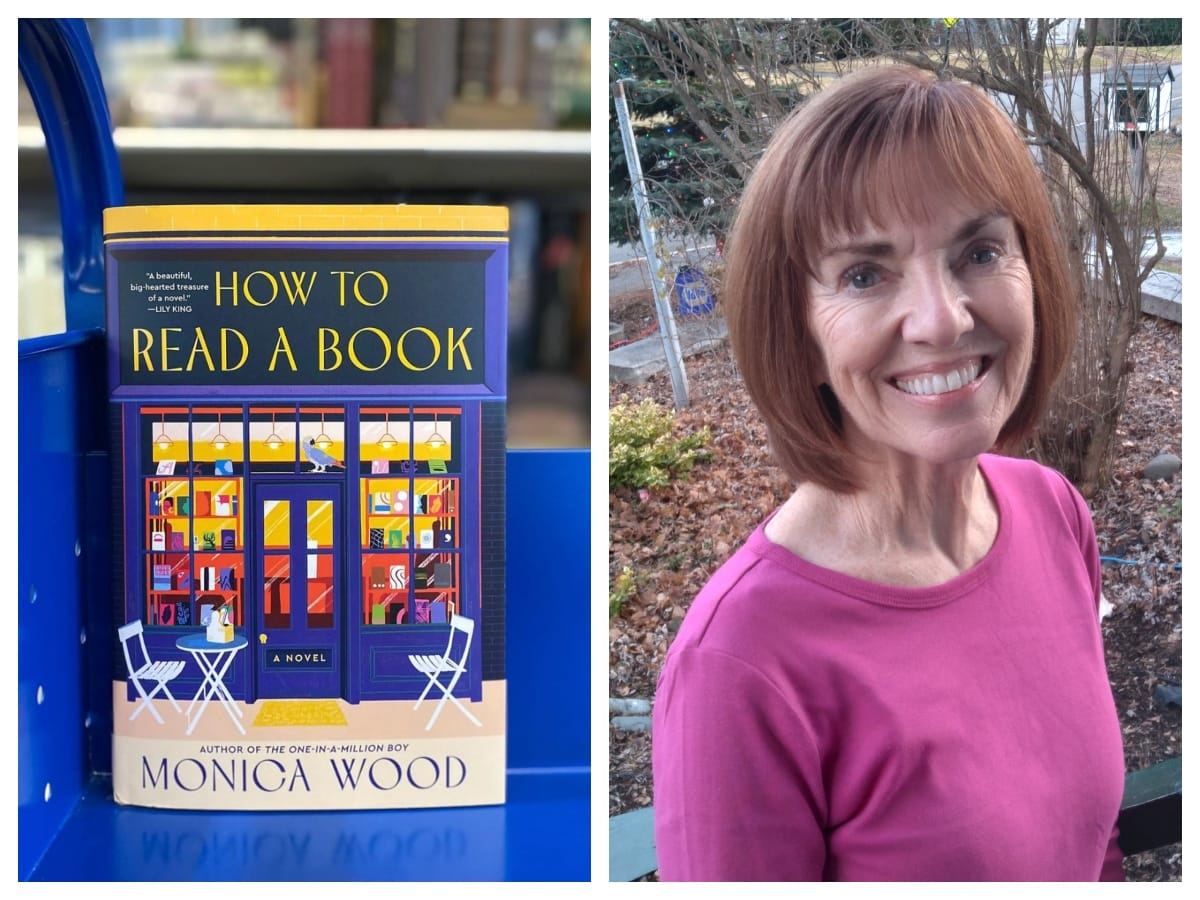
Get Monica Wood Books
Discover the luminous storytelling of Monica Wood, whose novels weave together small-town Maine life with profound insights into family, loss, and the enduring power of human connection.
Bookshop.org was created as a socially conscious alternative to Amazon, with the goal of helping local, independent bookstores thrive. This is why Readers With Wrinkles supports their efforts. Please join us in this effort by purchasing your next read here.


If you loved How to Read a Book, here are some character-driven reads that should resonate.”
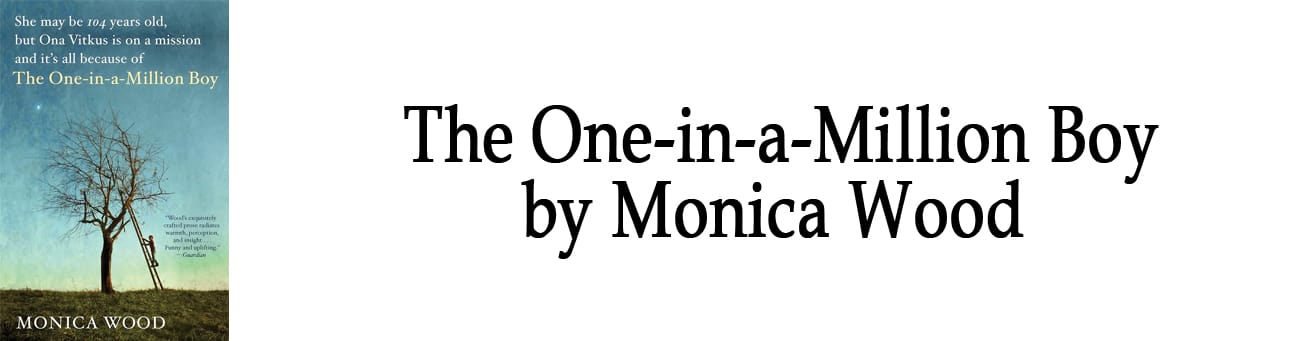
The One-in-a-Million Boy by Monica Wood
Another tender, luminous novel from Wood, this story follows an unlikely friendship between an awkward 11-year-old boy and a 104-year-old woman. Through their connection—and the father who steps in after tragedy—it explores grief, healing, and how one small life can leave a long echo. Read my full review here.
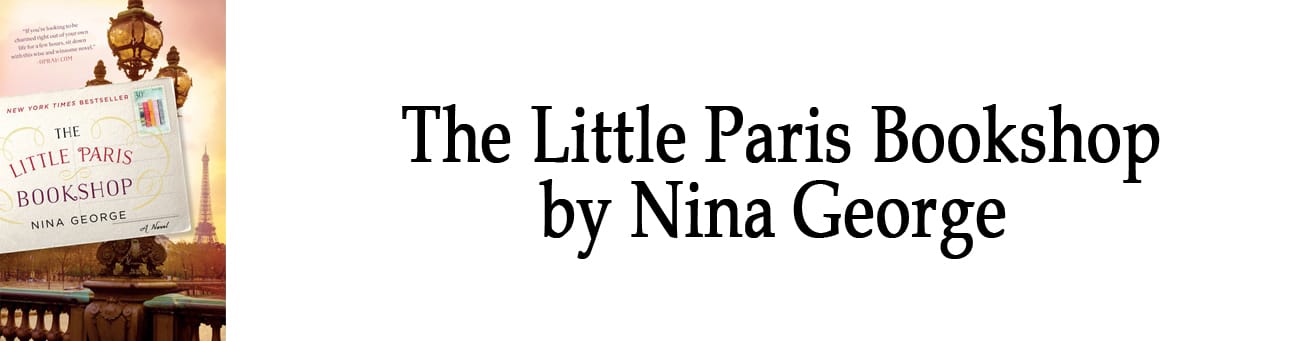
The Little Paris Bookshop by Nina George
Set on a floating book barge on the Seine, this novel centers on a “literary apothecary” who prescribes books to heal people’s emotional aches. When he finally confronts his own long-buried heartbreak, a river journey turns into a quiet, soulful exploration of love, loss, and the stories that help us begin again.
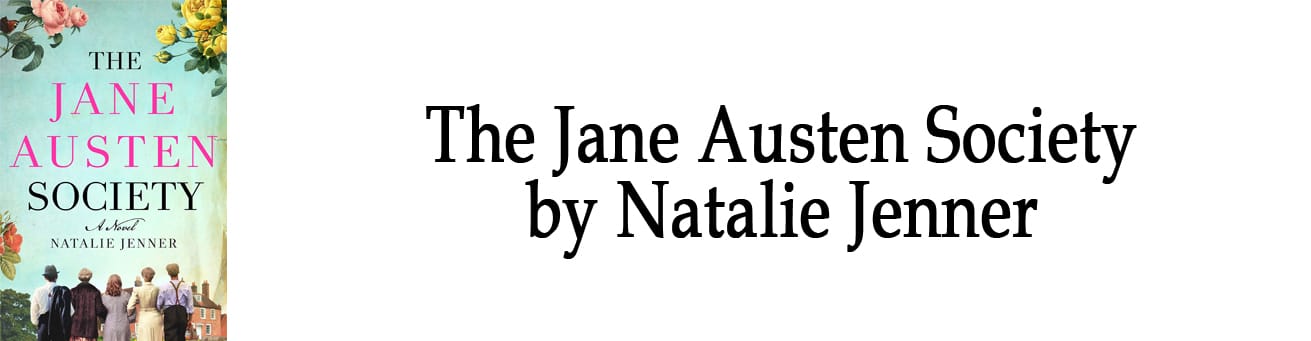
The Jane Austen Society by Natalie Jenner
In a postwar English village, a group of unlikely allies bands together to preserve Jane Austen’s legacy and, in the process, rescue themselves. It’s gentle, bookish, and full of people carrying invisible hurts who slowly establish connection and purpose through a shared love of literature.
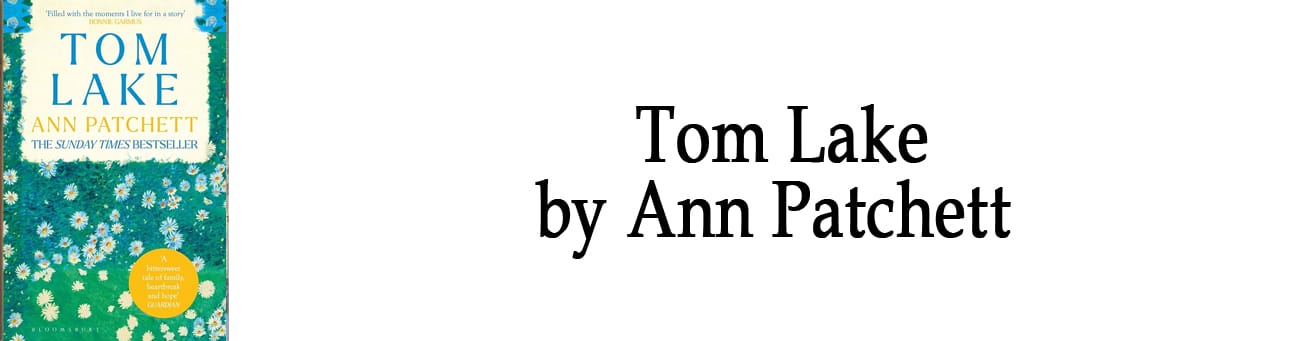
Tom Lake by Ann Patchett
Told over one summer on a Michigan cherry farm, a mother finally shares the story of her long-ago romance with a now-famous actor. As past and present braid together, the novel reflects on choices, ordinary happiness, and the stories families tell to understand one another.
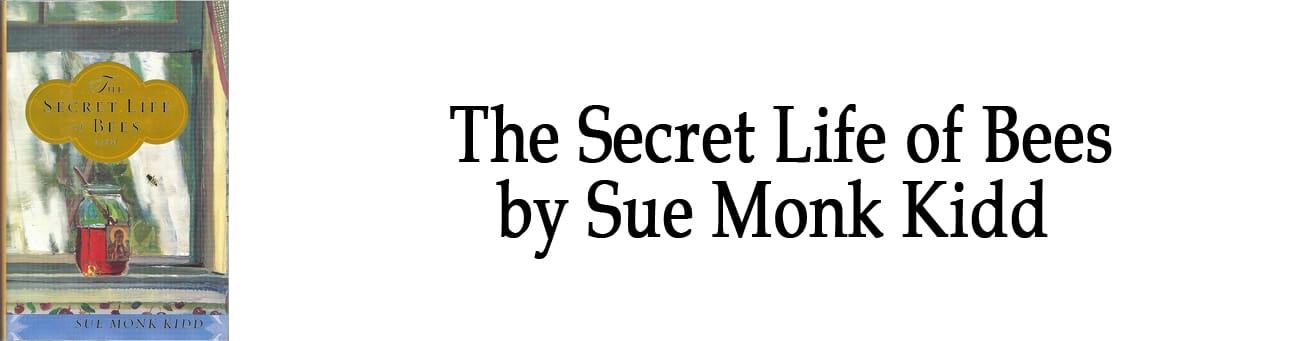
The Secret Life of Bees by Sue Monk Kidd
This beloved novel follows a girl who escapes an abusive home and finds refuge with three beekeeping sisters in 1960s South Carolina. It’s rich with themes of chosen family, forgiveness, and the way women’s communities can offer shelter—and a new narrative—when the old one has broken.
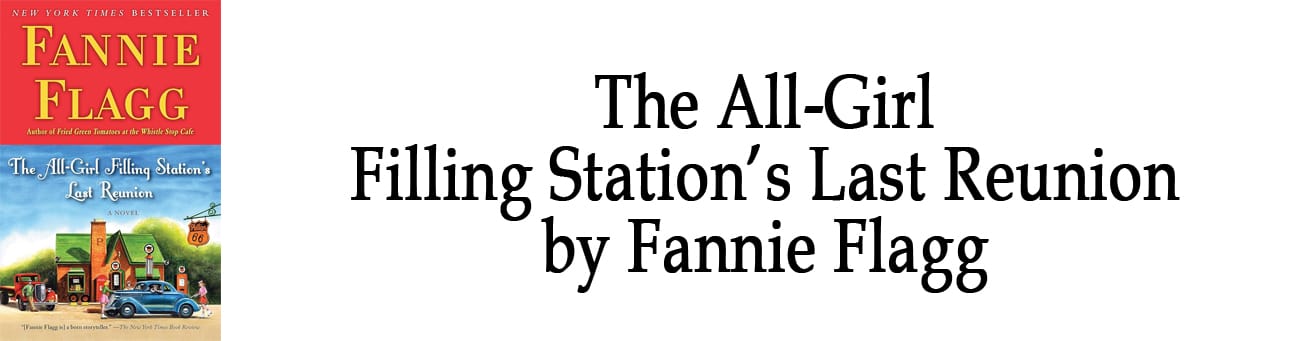
The All-Girl Filling Station’s Last Reunion by Fannie Flagg
This warm, witty novel follows Southern woman Sookie Poole as a long-buried family secret sends her digging into the past—and into the lives of a group of World War II-era women who ran an all-girl filling station and served as pilots. As Sookie unravels their story, she starts to see her own life, identity, and possibilities in a new light, making this an appealing choice for readers who enjoy multigenerational stories, second chances, and women discovering unexpected strength later in life.
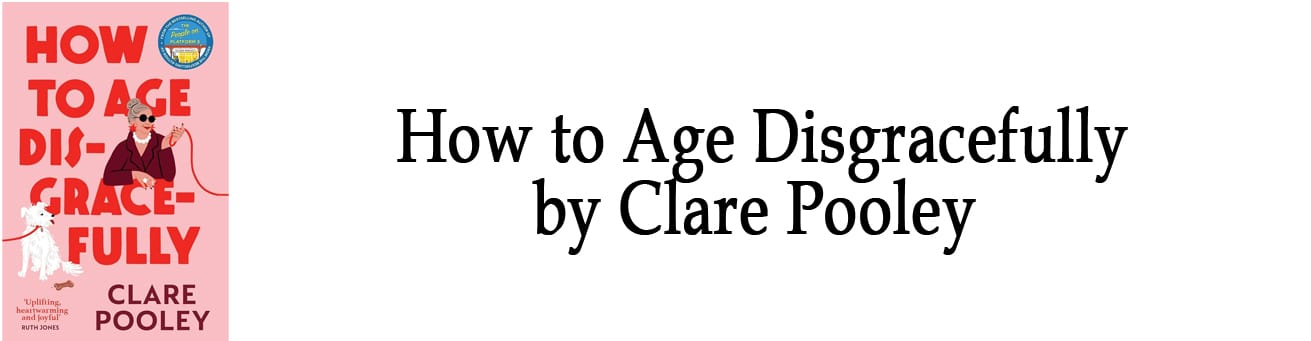
How to Age Disgracefully by Clare Pooley
Highlighted on read-alike lists, this is a lively, witty look at later-in-life reinvention and the joy of shaking off other people’s expectations. Like Wood’s novel, it treats older characters as complex, evolving humans still capable of surprise, growth, and fresh chapters.
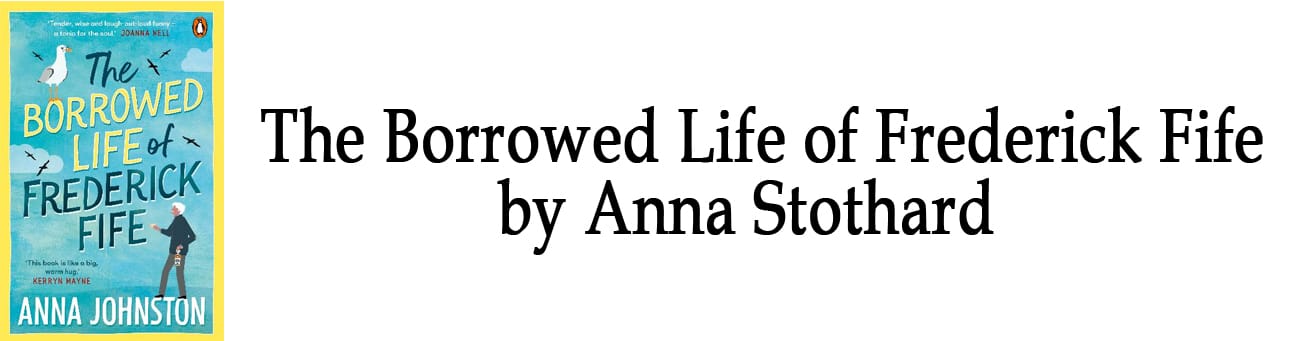
The Borrowed Life of Frederick Fife by Anna Stothard
Frederick, a socially awkward, rules-oriented man, finds his predictable existence disrupted when a bureaucratic mix-up gives him access to another man’s life—and family—leading him to unexpected connections and a reevaluation of what “a good life” can look like. Like Joe’s story, it’s more about small, human shifts than big drama, with kindness and community at its core.
Paid Subscriber Perk!
Love the book we just reviewed? Paid subscribers can now download an exclusive printable list of books with a similar vibe—perfect for planning your next read or curating your book club’s picks. It’s a handpicked, beautifully designed list guide you won’t find anywhere else.
Unlock your next favorite reads—become a paid subscriber today to get instant access to these printable book lists!
Comments