
The heat lingers longer, the days stretch wider, and somehow, the books hit deeper. Maybe it’s the way we read in July—half in the shade, half in our feelings. A chapter by the pool. A few pages before bed with the fan humming. Or those marathon reading sessions on a lazy Sunday when the outside world feels optional.
This month, my reading life mirrored July itself: a little messy, surprisingly emotional, occasionally indulgent, and full of moments that made me stop and think, “Okay… this is why I read.”
What I loved most about this lineup is how varied it was. Literary fiction sat comfortably beside more commercial picks. Quiet character studies shared space with twisty, high-concept narratives. Some books transported me across oceans and decades, while others kept me rooted firmly in the emotional landscapes of their characters. It’s the kind of reading month that reminds you there’s no single way to tell a compelling story—and no single way to experience one.
So if you’re building your late-summer TBR, packing a beach bag, or just looking for your next “stay up too late” read, I’ve got thoughts. Honest ones. The glowing, the lukewarm, and the “almost but not quite.”
Let’s get into it.
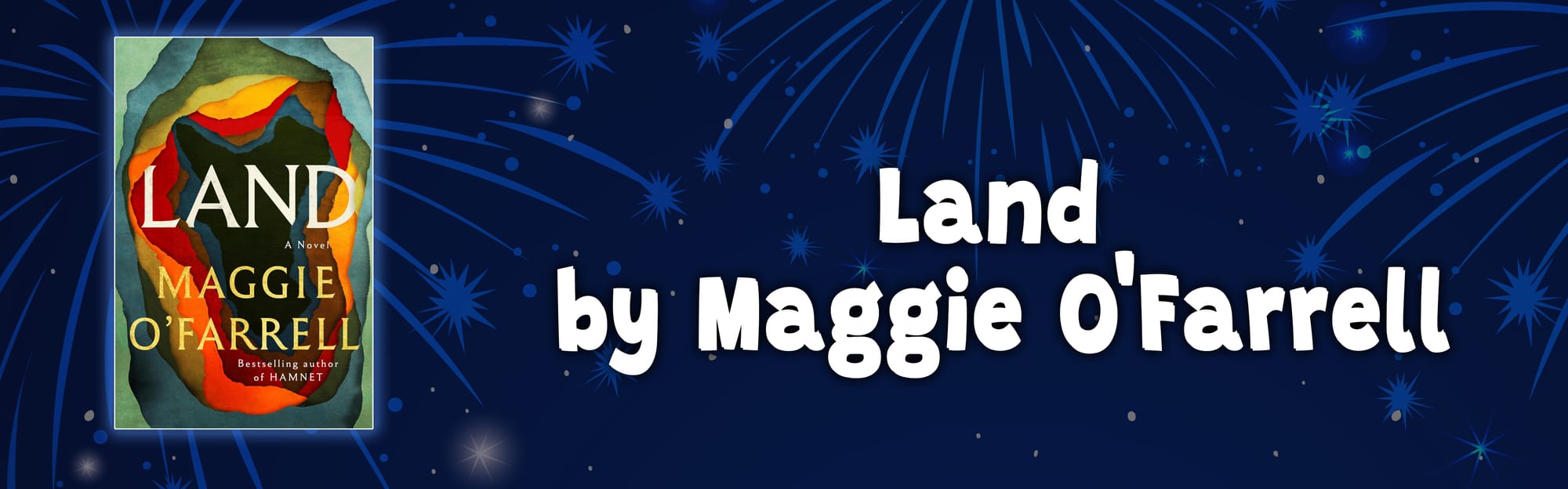
Land by Maggie O'Farrell
⭐⭐⭐⭐⭐⭐⭐⭐⭐ — 9 Stars
Genre: Fiction, Historical Fiction
Set in 1865 Ireland, Land follows Tomás, a mapmaker working under British rule, whose surveying trip with his young son Liam sparks an event that reshapes their family for generations. What unfolds is a layered story of land, memory, grief, and colonial power, where place is as influential as any character.
What stayed with me is the emotional depth beneath the historical premise. O’Farrell elevates a family saga with tension rooted in guilt, loss, and displacement, while the landscape feels vividly alive. The prose is lyrical yet propulsive, balancing intimacy with a broader historical scope.
I’d recommend it to readers of character-driven historical fiction and immersive family sagas. It’s especially strong for book clubs, with rich themes of inherited trauma, belonging, and how history is mapped—or erased.
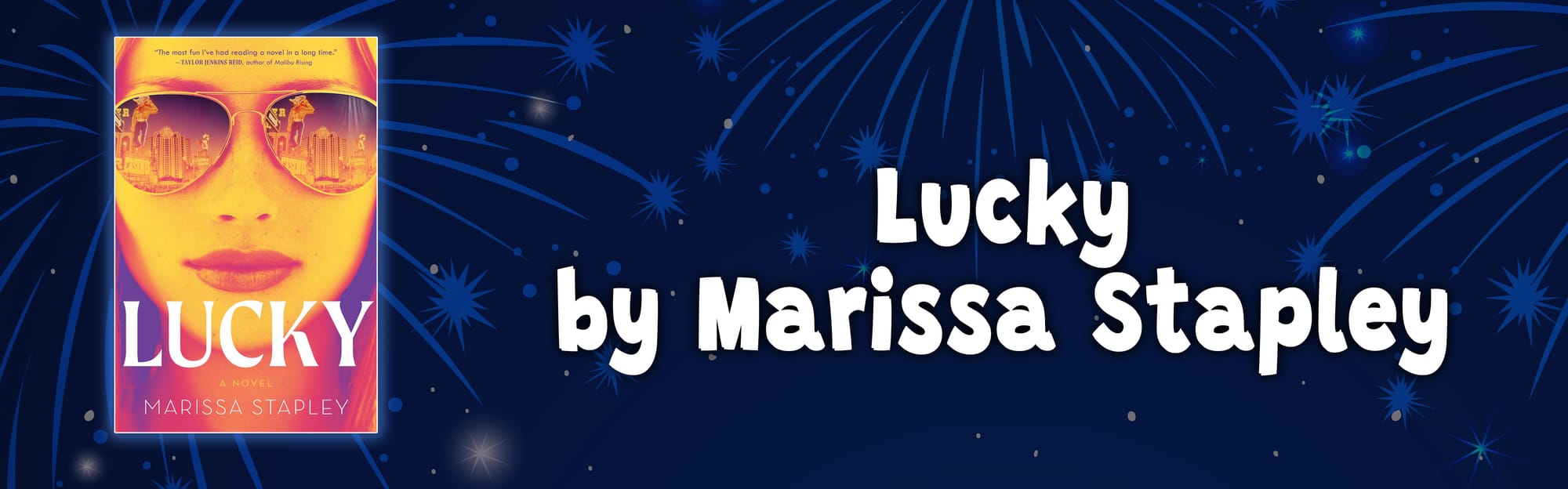
Lucky by Marissa Stapley
⭐⭐⭐⭐⭐⭐⭐— 7 Stars
Genre: Fiction, Thriller
Lucky by Marissa Stapley is a propulsive, character-driven novel about a gifted grifter who wins a life-changing lottery ticket only to realize she can’t cash it without exposing her crimes. The story moves between Lucky’s present-day flight from the law and the earlier events that shaped her, giving the book both momentum and emotional depth.
What made it land for me is the combination of high stakes and real heart. Lucky is not written as a glossy antihero; she feels wounded, smart, lonely, and trapped by the life she was taught to live, which makes her choices more complicated than a simple crime story. That tension between survival and self-invention is what gives the book staying power, and it’s why I’d recommend it to readers who like moral gray areas, family secrets, and page-turning plots with emotional weight.
The book was selected for Reese’s Book Club and became a New York Times bestseller. The story has also been adapted as an Apple TV+ limited series starring Anya Taylor-Joy. Read my full review here.
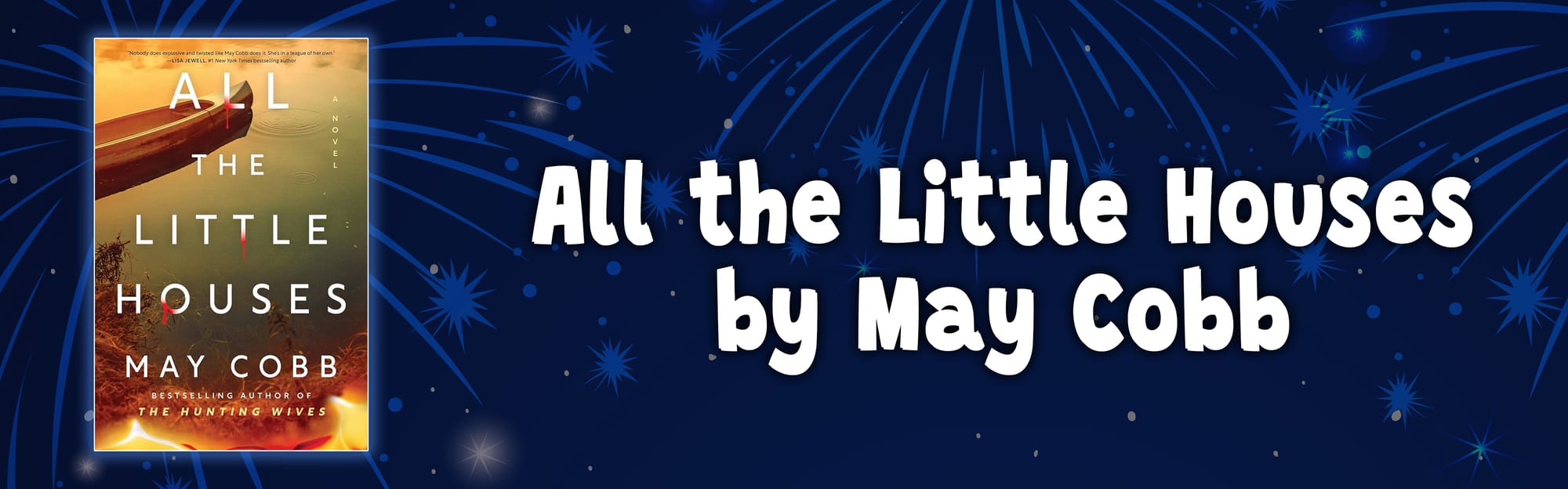
All the Little Houses by May Cobb
⭐⭐⭐⭐⭐⭐⭐ ⭐— 8 Stars
Genre: Fiction
All the Little Houses by May Cobb is a glossy, toxic, and highly entertaining Southern thriller set in mid-1980s Longview, Texas, where status, jealousy, and old resentments simmer behind the manicured lawns. The story follows four intertwined voices — Charleigh, the ruthless matriarch protecting the life she clawed her way into, her spoiled daughter Nellie, the seemingly wholesome newcomer Jane, and Jackson, Charleigh’s gay interior designer confidant — as a new family’s arrival disrupts the town’s fragile social order and pushes the gossip, obsession, and sabotage toward something much darker.
This is the kind of book that works because it fully commits to being messy, dramatic, and deliciously mean. Its multiple points of view keep the momentum moving, and the character work makes the conflict feel personal rather than ornamental; everyone is flawed, self-interested, and capable of making a terrible situation worse, which is exactly what gives the novel its charge.
I would recommend it to readers who enjoy rich-people-behaving-badly stories, gossip-driven suspense, and character-centered thrillers with a strong sense of place. It is especially appealing if you like books that feel both soap-operatic and psychologically tense, with short chapters, sharp dialogue, and a constant sense that everyone is hiding something. Read the full review here.
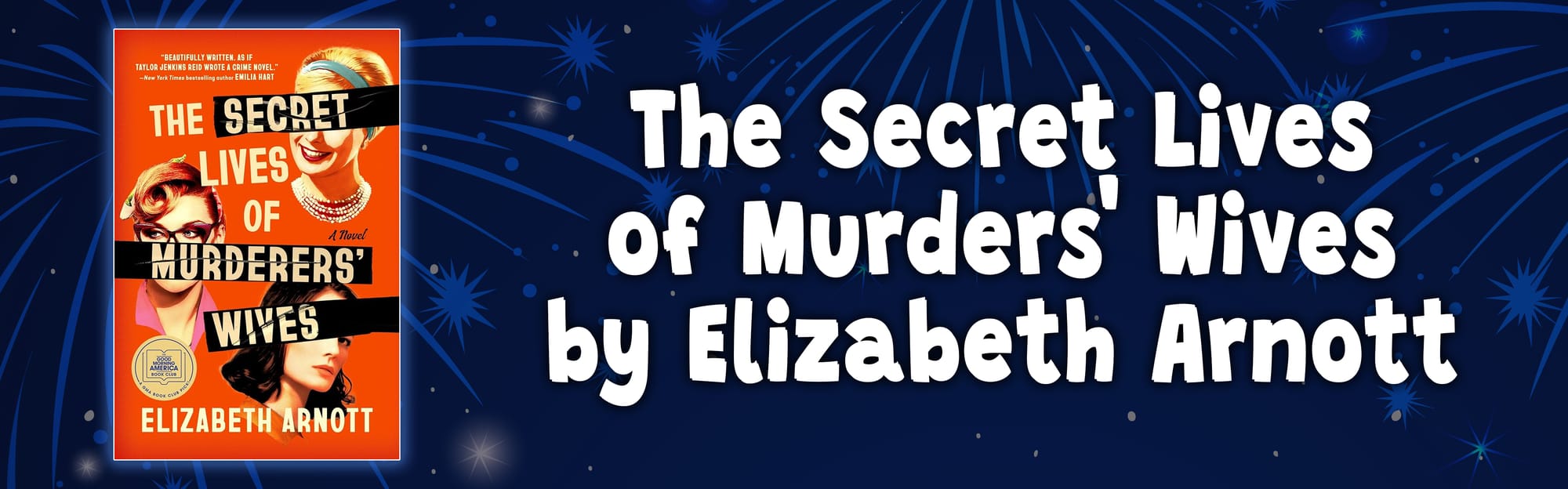
The Secret Lives of Murders' Wives by Elizabeth Arnott
⭐⭐⭐⭐⭐⭐⭐ —7 Stars
Genre: Fiction, Mystery, Thriller
The Secret Lives of Murderers’ Wives by Elizabeth Arnott is a sharp, unsettling crime novel set in sweltering 1966 California, where three women—Beverley, Elsie, and Margot—are bound together by a truth that has already ruined their reputations: each was married to a notorious murderer. When a new string of killings begins nearby, the women stop being passive witnesses to other people’s judgments and begin investigating the case themselves, using the intimate, uncomfortable knowledge they gained from living beside violent men.
What makes the story land is that it is not just a whodunit; it is also about shame, survival, and the strange solidarity that can form between women who have been reduced to the worst thing that ever happened to them. Beverley, Elsie, and Margot are written as distinctly human rather than symbolic, and the novel lets their differences sharpen the emotional stakes of the mystery. That’s a big reason it feels like a 7-star read: the premise is unforgettable, the atmosphere is tense, and the book keeps balancing suspense with social commentary in a way that stays compelling.
I’d recommend it to readers who like crime fiction with strong female characters, a morally complicated premise, and a darker, more psychological edge. It is especially appealing if you enjoy stories where friendship matters as much as the investigation, because the emotional core is as much about the women’s bond as it is about the murders.
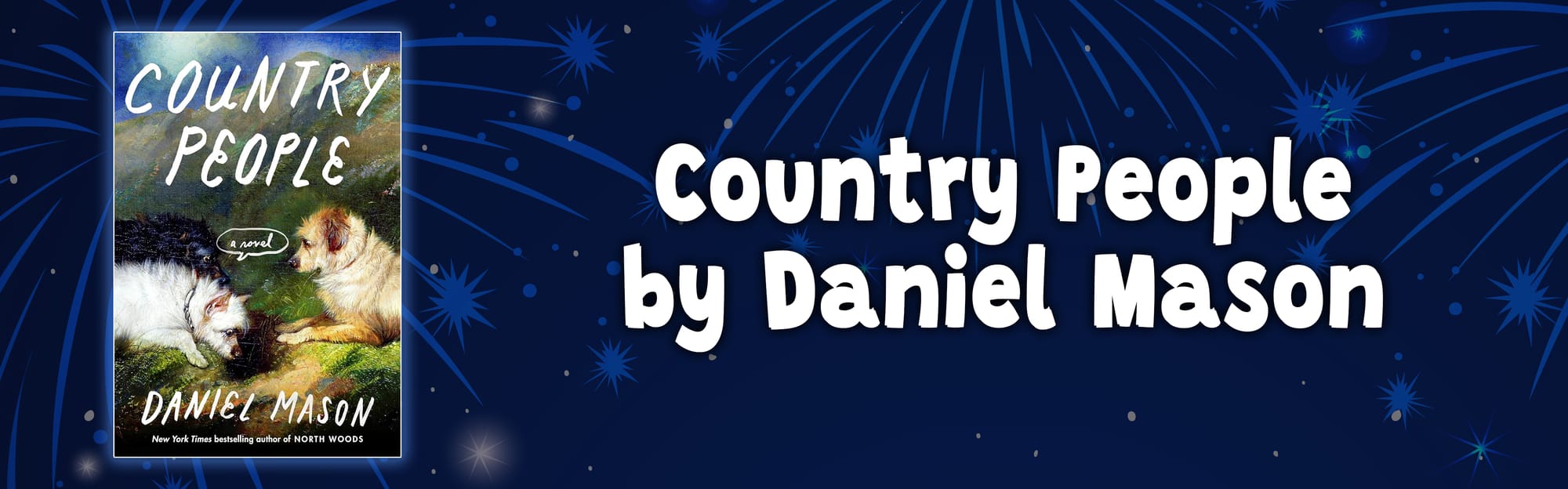
Country People by Daniel Mason
⭐⭐⭐⭐⭐⭐⭐ ⭐— 8 Stars
Genre: Contemporary Fiction
Country People follows Miles Krzelewski, a long-stalled doctoral student whose 14-year dissertation hangs over his life, as he moves with his wife, Kate, and their children from California to rural Vermont for her one-year teaching job. What begins as a story of academic pressure, marriage, and culture shock gradually opens into something more whimsical, as Miles is drawn into a world of eccentric locals, a mysterious society, and a new way of seeing ordinary life.
Daniel Mason makes Miles feel deeply human—earnest, distracted, and always slightly out of sync, yet open to change. The novel balances satire and tenderness, gently skewering both academia and rural life without flattening either. Beneath the humor, it becomes a story about belonging, family, and the quiet surprise of finding meaning where you land.
A strong pick for readers who enjoy character-driven fiction, offbeat humor, and book club–worthy themes. Read the full review here.
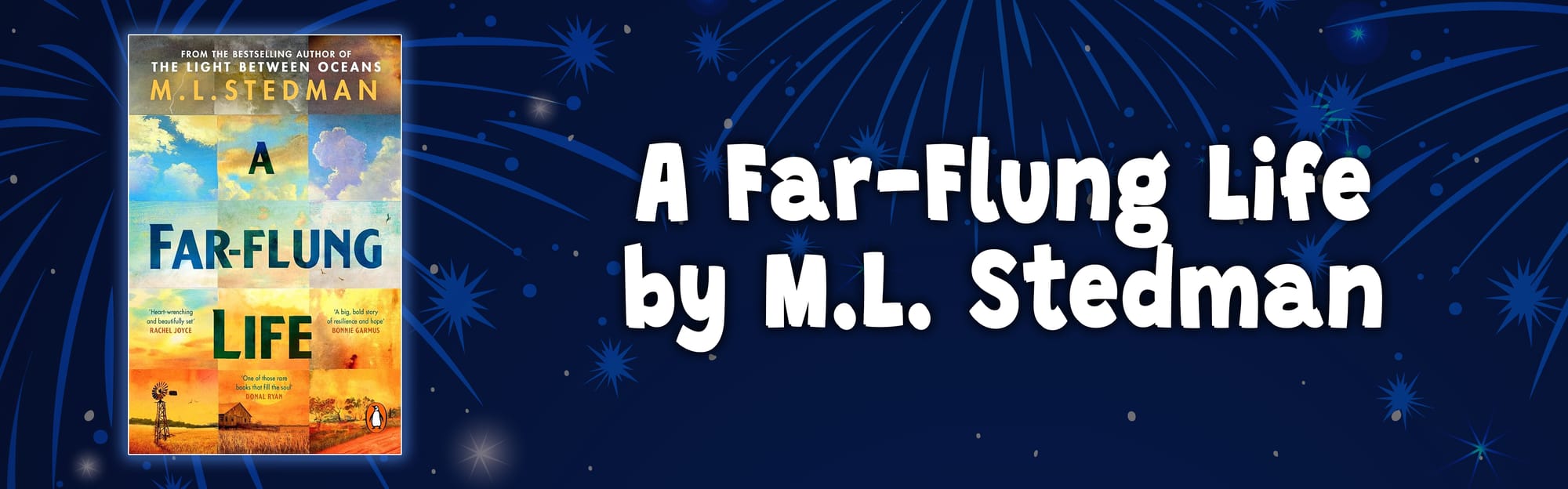
A Far-Flung Life by M.E. Stedman
⭐⭐⭐⭐⭐⭐⭐⭐⭐ — 9 Stars
Genre: Literary Fiction, Historical Fiction
A Far-Flung Life is a sweeping Australian family saga set on the isolated Meredith Downs sheep station, where a single split-second decision sparks decades of grief, secrecy, and reckoning. After Phil MacBride dies in a 1958 crash that also claims his eldest son and leaves his youngest gravely injured, the family is forced to navigate loss while holding together both their relationships and their land.
Stedman builds a layered portrait of survival through Lorna and Rosie, alongside figures like Pete Peachey and Miles Beaumont, whose presence deepens the emotional complexity. The harsh outback becomes more than setting—it mirrors the family’s isolation and resilience.
What makes this novel stand out is its balance of epic scope and intimate emotion, offering a powerful meditation on grief, loyalty, and the long shadow of buried choices. Read the full review here.
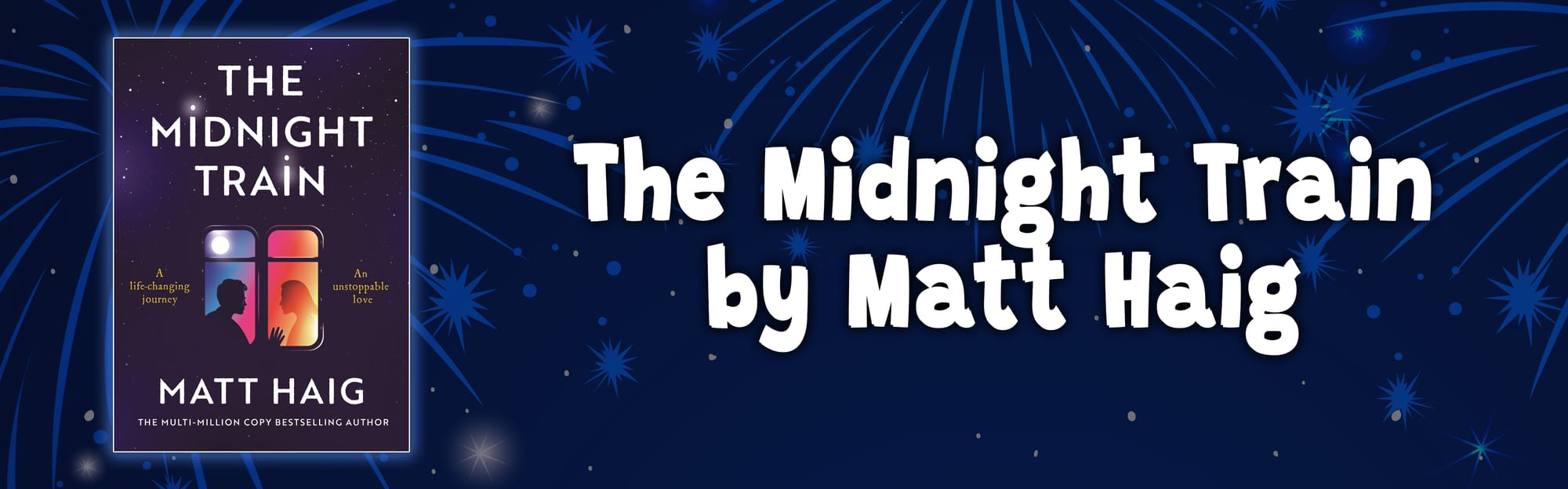
The Midnight Train by Matt Haig
⭐⭐⭐⭐⭐⭐— 6 Stars
Genre: Fiction, Fantasy
Matt Haig’s The Midnight Train is a deeply familiar spiritual cousin to The Midnight Library, except this time the vehicle of reflection is a train instead of a library. Wilbur Budd is an elderly man at the end of his life, still carrying the weight of his past, especially his love for Maggie and the choices that pulled them apart. When death comes, he boards the Midnight Train and is taken back through the defining moments of his life, forced to witness the tenderness, grief, regret, and missed opportunities that shaped him. The premise is elegant, but also immediately recognizable if you have read Haig before: a magical in-between space, a protagonist revisiting pivotal choices, and a lesson about learning to live with the consequences of one’s own life.
What made this one land at only 6 stars for me is that it feels more like a re-skinning than a fresh story. The emotional architecture is so close to The Midnight Library that the train motif never fully justified its existence as its own concept. Instead of feeling innovative, the book can read like a repeated argument delivered with different scenery. The character work, especially around Maggie and Wilbur’s internal reckoning, may be moving on the surface, but the broader emotional effect is blunted by deja vu. In other words, the book has Haig’s usual warmth and philosophical intent, but it does not escape the sense that you have already been on this journey before.
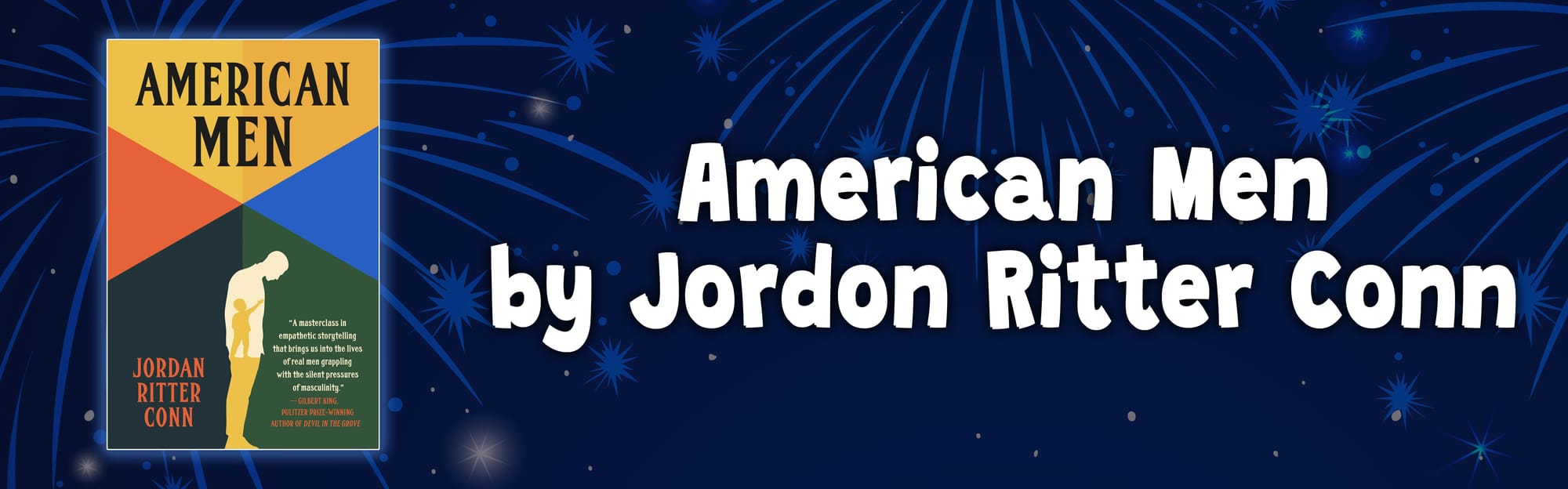
American Men by Jordan Ritter Conn
⭐⭐⭐⭐⭐⭐⭐⭐ — 8 Stars
Genre: NonFiction, Biography
American Men is a deeply reported, emotionally intelligent portrait of modern masculinity, following four men as they navigate identity, sexuality, trauma, and the gap between who they are and who they were taught to be. Conn’s years of reporting bring depth and intimacy, making complex themes feel vivid and personal.
The men—Ryan, a gay Mohawk man; Gideon, a former West Point athlete; Joseph, a law student confronting childhood abuse; and Nate, a Black trans man—offer distinct yet interconnected perspectives on loneliness, shame, violence, and societal expectations. Conn never reduces them to symbols; their contradictions remain, giving the narrative honesty and weight.
Balancing rigorous journalism with empathy, the book feels lived-in rather than clinical. It handles difficult subjects with nuance, making it both sobering and compassionate. Ideal for readers of literary nonfiction, character-driven reporting, and contemporary identity studies.
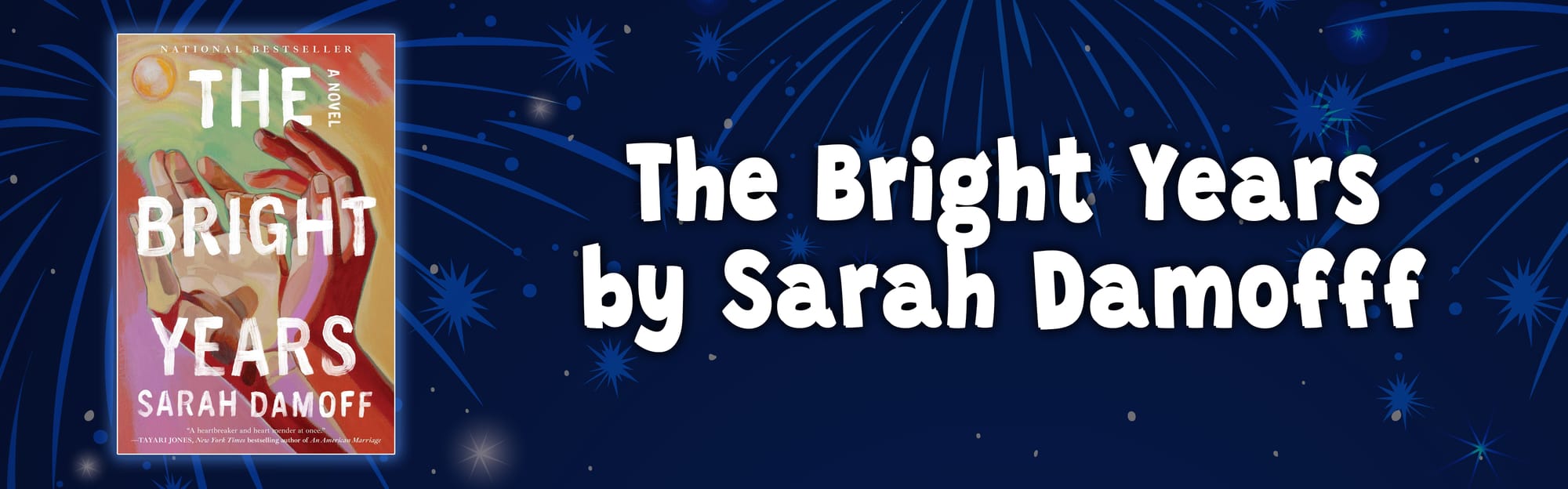
The Bright Years by Sarah Damoff
⭐⭐⭐⭐⭐⭐⭐⭐⭐⭐ — 10 Stars
Genre: Fiction, Historical Fiction
The Bright Years is a beautifully written, emotionally layered family saga and Sarah Damoff’s debut novel, and it absolutely deserves the attention it has been getting. The story follows Ryan and Lillian Bright, a couple whose love begins with warmth, hope, and the promise of a future built together, only to be tested by buried secrets, addiction, grief, and the hard realities of family life. What starts as a tender love story gradually expands into a multigenerational portrait of how trauma and choices echo across time, especially through their daughter, Jet, who grows up trying to make sense of the fractured world her parents have created.
What made this such a standout read for me was the emotional honesty in Damoff’s storytelling. She writes these characters with remarkable compassion, never flattening them into symbols of pain or redemption. Instead, she shows how messy love can be, how family bonds can survive damage, and how hope can still exist even when life is complicated. I loved the way the novel balances heartbreak with tenderness, giving every generation a voice and allowing readers to feel the full weight of what has been inherited and what might finally be broken.
This was an unforgettable reading experience, one that felt deeply human from beginning to end. Sarah Damoff made such a powerful first impression with her debut, and I know I will read everything she writes in the future. Read the full review here.
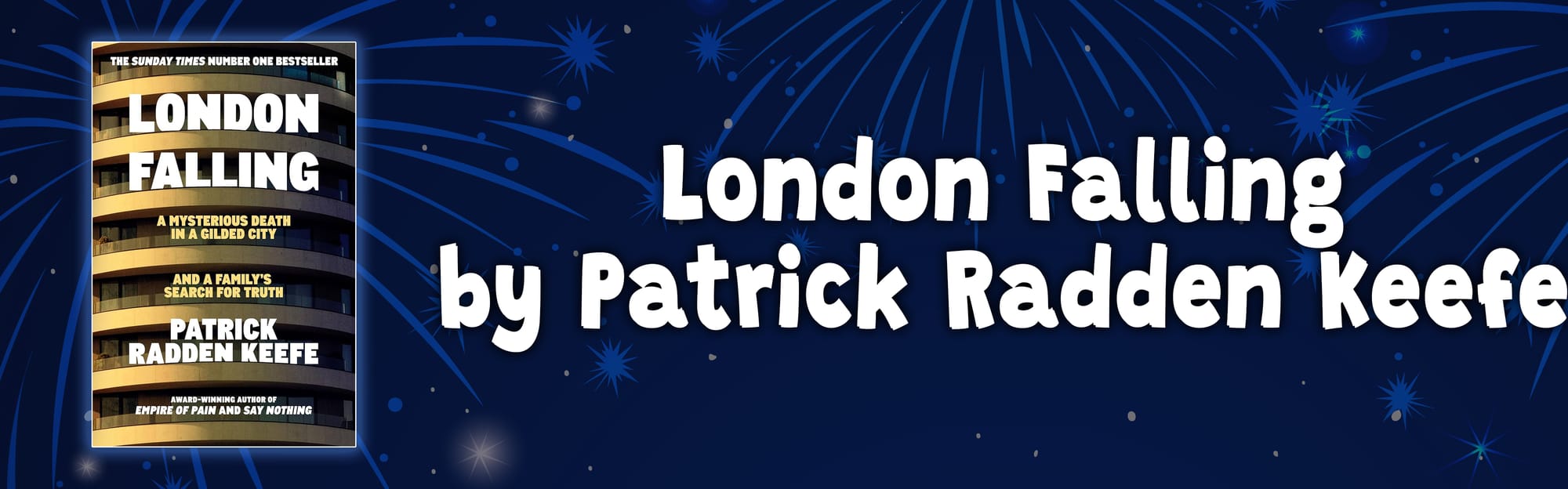
London Falling by Patrick Radden Keefe
⭐⭐⭐⭐⭐⭐⭐⭐⭐ — 9 Stars
Genre: NonFiction, Biography
London Falling is a gripping investigative narrative that begins with the shocking death of 19-year-old Zac Brettler, initially ruled a suicide, and expands into a complex story of identity, deception, and the hidden systems beneath London’s polished surface. Keefe traces Zac’s life beyond the headlines, uncovering a young man driven by reinvention and ambition, whose secret connections pulled him into the city’s criminal and financial undercurrents.
What makes this book stand out is how Keefe transforms a single tragedy into a broader portrait of a city shaped by illusion. Through meticulous reporting, he exposes the failures of official investigations and the uneasy overlap between wealth, privilege, and violence. The result is part true crime, part social exposé, and deeply human tragedy.
This is a 9-star read: intellectually sharp, emotionally devastating, and impossible to shake. Read the full review here.
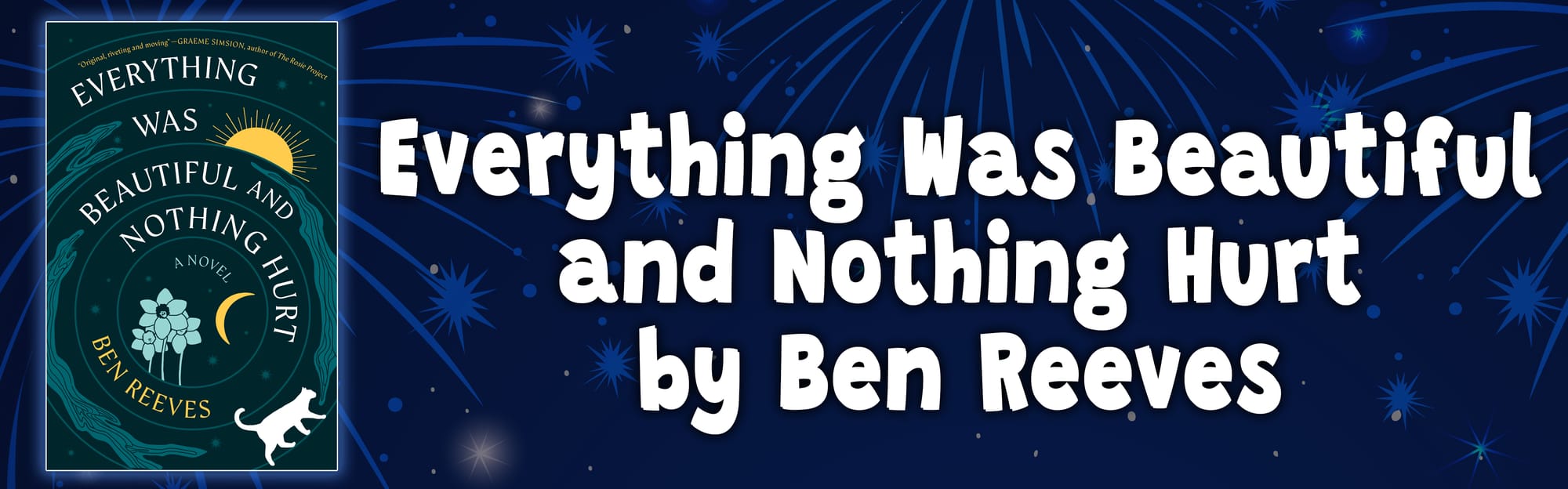
Everything Was Beautiful and Nothing Hurt by Ben Reeves
⭐⭐⭐⭐⭐⭐⭐⭐ ⭐— 9 Stars
Genre: Literary Fiction, Fantasy
Everything Was Beautiful and Nothing Hurt by Ben Reeves is a tender, original novel about Travis, a man who is Death in human form, as he moves through ordinary lives and quietly accompanies people in their final moments. The story becomes especially moving when he forms a bond with Dalia, a midwife, and her daughter Layla, and starts to understand what it means to truly live, love, and lose.
Travis lives a lonely, careful life in a small English town, doing his work without judgment and without ever trying to interfere with fate. He appears at the edges of people’s lives when their time has come, offering presence and comfort rather than fear. For much of the novel, that role keeps him emotionally distant, almost like a witness to the endless stream of human endings.
Everything shifts when Travis meets Dalia and Layla, the family living near him who slowly draw him into warmth, chaos, and companionship. Through them, he begins to notice the fierce tenderness of everyday life: the small rituals, the jokes, the exhaustion, the fear, and the joy that make a family feel alive. The novel deepens as Travis’s attachment to them grows, forcing him to confront the cost of caring when his very nature is tied to loss.
What makes this such a great read is the premise, but even more the emotional payoff. The book turns death into something compassionate and reflective, which gives the story a rare softness even as it deals with grief and mortality. The writing has been praised for its warmth, wisdom, and originality, and the scenes with Layla and Dalia add humor and humanity that keep the novel from feeling relentlessly heavy.
It also succeeds because it is willing to be unusual. The unconventional punctuation and style may feel risky, but they support the book’s dreamlike, almost lyrical atmosphere, and that creative choice helps the story feel distinct rather than ordinary. For me, that kind of ambition is exactly why it deserves a 9-star rating: it is emotionally resonant, intellectually interesting, and unforgettable.
I would recommend this to almost everyone who enjoys literary fiction, character-driven stories, and novels that explore grief with grace rather than melodrama. It is especially rewarding for readers who like books that ask big questions about life and death while still offering beauty, tenderness, and hope.
If July taught me anything, it’s this: I may have technically lived in one place, but emotionally? I was everywhere.
I walked through quiet countrysides, sat in complicated marriages, chased second chances, and unraveled secrets I had no business knowing. Some days I was fully present in my own life… and other days, I was mentally still inside whatever chapter I had just closed.
There’s something kind of magical about realizing you don’t measure your time by dates anymore but by books. Early July? I am still recovering from the emotions that Everything Was Beautiful and Nothing Hurt evoked in me. Mid-month? Fully consumed by The Bright Years. Late July? Oh, that was when I couldn’t stop thinking about Land. Calendars are helpful, sure—but they don’t quite capture the emotional timeline of a reading life.
Now, as July slips away (far too quickly, as always), I’m already eyeing August like it’s a fresh stack of unread possibilities. New stories, new obsessions, new characters I’ll inevitably think about at inconvenient times.
Here’s hoping August brings a few more 10-star surprises, at least one “just one more chapter” kind of night, and maybe—just maybe—a book that completely rearranges my brain in the best way.
Because if July was any indication, I’m more than ready to dive back in.
Paid Subscriber Perk!
Love the book we just reviewed? Paid subscribers can now download an exclusive printable list of books with a similar vibe—perfect for planning your next read or curating your book club’s picks. It’s a handpicked, beautifully designed list guide you won’t find anywhere else.
Unlock your next favorite reads—become a paid subscriber today to get instant access to these printable book lists!
Comments