
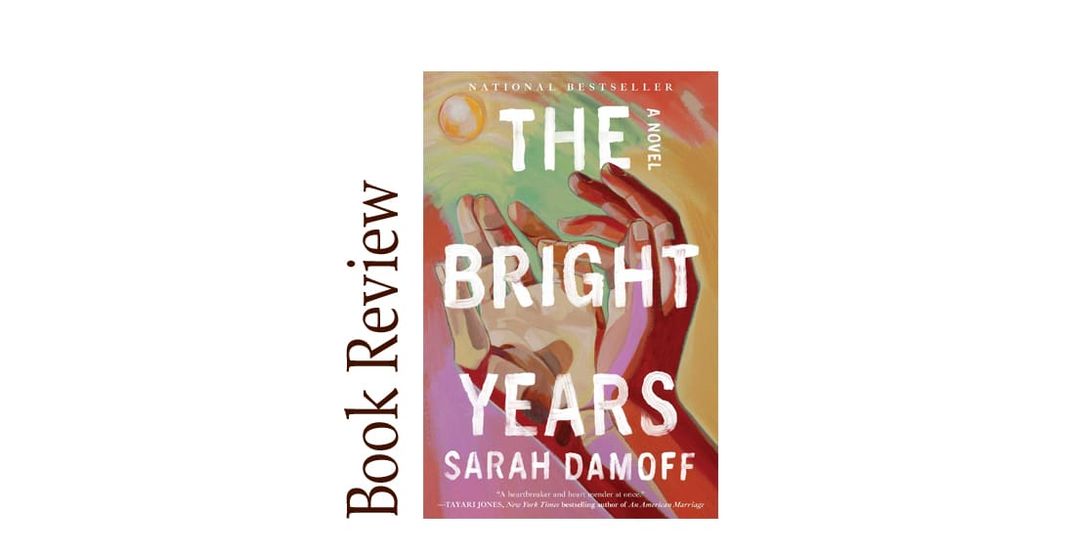
- Date Published:
2025 - Length:
288 pages—Listening Time: 8 hours 50 minutes - Genre:
Fiction - Setting:
1969 and spanning 6 decades thereafter; Fort Worth, Texas and surrounding areas - Awards
Goodreads Choice Awards Nominee Historical Fiction 2025; Texas Institute of Letters Awards Finalist – Sergio Troncoso Award for Best First Book of Fiction 2026; Denver Public Library Staff Picks for Adults 2025; New York Times Bestseller List 2025 - Languages:
English - Sensitive Aspects:
Alcoholism, alcohol-related violence, parental abandonment, miscarriage, adoption, death, family tragedy, secrets about a hidden child, generational trauma, substance abuse, mild profanity, closed-door sexual content, grief and loss, emotional neglect, complex religious references - Movie
There is currently no movie adaptation or announced film deal for The Bright Years. - Recommended for Book Club:
Yes!

If you’ve been around Readers With Wrinkles for a while, you already know I don’t review just any book that crosses my nightstand. I’m picky—in the best possible way. Every title featured here has earned its place, and that means it’s at least a 7-star read in my world. Life’s too short, books are too expensive, and your reading time is too valuable to spend on anything less than meaningful, memorable storytelling.
But here’s the thing: I almost never give out 10 stars. In fact, until now, I hadn’t given a single debut novel that honor. Ten stars isn’t just about beautiful prose or a clever plot. It’s about that rare, almost unexplainable magic—the kind that settles into your chest and stays there. The kind that makes you pause, reflect, and maybe even see your own life a little differently.
Sarah Damoff’s The Bright Years did exactly that.
It didn’t send me into a full-on crying jag, but it came close. And honestly? That restraint made it feel even more intense.
Set in North Texas, not far from where I grew up, this novel felt intimately familiar from the very first pages. The landscapes, the rhythms of family life, the quiet tensions simmering beneath the surface—it all rang true in a way that’s hard to fake. But what truly sets this book apart is how it captures the ripple effects of alcoholism with such clarity and compassion.
Because alcoholism isn’t just one person’s struggle—it’s a family’s story. And in the United States, that story is far more common than we like to admit. According to the National Institute on Alcohol Abuse and Alcoholism, about 29.5 million people aged 12 and older had Alcohol Use Disorder in 2022. Even more sobering? Nearly 1 in 5 children in the U.S. grow up in a household with at least one parent who misuses alcohol.
Those numbers are staggering. But statistics don’t hold your hand or break your heart—stories do.
And The Bright Years? It does both.
This is one of those rare novels I would recommend to absolutely everyone—not because it’s easy, but because it’s honest. Because it understands that love and damage can exist in the same breath. Because it reminds us how far the impact of one person’s choices can travel.
And most importantly, because it makes you feel it.

The Bright Years is a multigenerational family saga set in North Texas that traces four generations of the Bright family and the long shadow of alcoholism across six decades. It begins in the 1950s with Elise, a young mother who finally flees her abusive, alcoholic husband, taking her son Ryan with her and trying to build a safer life. Her decision plants the seeds of both trauma and fierce protectiveness that will echo through every Bright generation that follows.
As an adult in the late 1970s, Ryan meets Lillian, a bank teller whose own history is marred by loss—her parents are gone, one to cancer, one killed by a drunk driver. Their relationship begins as a tender love story built around art, hope, and the desire to do better than their parents did, leading to marriage and the birth of their daughter, Georgette, known as Jet. But both Ryan and Lillian carry secrets: Lillian once had a child she placed for adoption, and Ryan struggles with an alcohol addiction he keeps hidden.
When Lillian finally reveals her past, Ryan reacts with a drunken outburst that shatters their fragile sense of safety and sends him out of the family orbit. Lillian is left to raise Jet largely on her own, with vital support from Elise and a nearby single mother, Shauna, creating an ad-hoc family that softens, but doesn’t erase, the damage. Ryan drifts in and out over the years, cycling between sobriety and relapse, never fully gone but never reliably present, forcing Lillian and Jet to constantly renegotiate what they can expect from him.
In the second movement of the novel, the focus shifts to Jet’s perspective as she grows up in this unstable but loving constellation of women, neighbors, and chosen family. Jet’s childhood includes a deep friendship with Kendall, the boy next door, and a sense of relative security that starts to fray in adolescence as circumstances push her to live with Elise and confront more directly the legacy her father’s addiction has left on all of them. Jet’s journey into adulthood is marked by grief, romantic and familial ruptures, and a stubborn determination to break the generational cycles she’s inherited.
The final section brings Ryan’s point of view into sharper focus, granting him fewer chapters but situating him as an omnipresent force whose addiction and attempts at recovery shape the family’s story. We see him as a man who genuinely loves his wife and daughter, yet repeatedly fails them under the insidious pull of alcohol, drifting between hope and self-destruction. Later, as Elise’s health declines and she dies, Jet and Ryan are pushed into painful, necessary proximity, planning the funeral together and tentatively rebuilding a relationship.

You and I both know there are a million books shouting for your attention. So if I’m going to tell you The Bright Years is worth your precious reading hours, I owe you some brutally honest reasons why. Here they are. Read it because:
Because you grew up in a family that wasn’t picture-perfect
If you’ve ever tiptoed around a parent’s mood, watched someone you love slide in and out of addiction, or carried the kind of childhood memories you don’t post on Instagram, this book will feel uncomfortably familiar—in the best way. It takes that knot in your stomach and turns it into language you can finally point to and say, “Yes. That. That’s what it was like.”
Because you’re tired of drunk-dad clichés
We’ve all seen the one-note “alcoholic parent” trope: violent, monstrous, irredeemable. The Bright Years refuses that shortcut. It gives you a father who loves deeply, fails repeatedly, and still matters in ways his family can’t untangle. You walk away not with a villain, but with a human being whose damage is complicated, and whose love is, too.
Because you want to understand the ripple effects, not just the bottle
This isn’t a story about “someone has a drinking problem, everyone is sad, the end.” It’s about what happens to the kid who grows up in that house, the grandmother who once escaped her own nightmare, the mother who’s trying to break a cycle without a manual. It shows you how one person’s addiction rearranges birthdays, holidays, friendships, marriages, and what people believe they deserve.
Because you believe love can be both wound and medicine
If you’re drawn to character-driven stories where love doesn’t magically fix anything but still matters fiercely, this book is your lane. It lets love be messy: healing in some moments, harmful in others, always present even when people are at their worst. You see the ways this family keeps choosing one another, even when choosing each other hurts.
Because you care about generational stories
Four generations is a lot of emotional real estate, and Damoff uses every square inch. You get to watch patterns form, repeat, fracture, and sometimes—just sometimes—start to change. If you’ve ever looked at your own family and wondered, “How far back does this go?” this novel gives you a layered, intimate exploration of that question.
Because the setting feels lived-in, not wallpaper
North Texas isn’t just a backdrop here; it’s a texture. The rhythms of the place—small communities, highways, houses where everyone knows a bit too much—shape how this family moves and hides and loves. If you grew up in Texas or the broader South, you’ll recognize the air. If you didn’t, you’ll still feel the specificity that makes the story more real.
Because you want to feel something without being emotionally obliterated
This book cut close to the bone for me, but it didn’t send me into a spiral. It’s deeply emotional without being manipulative. You’re allowed to feel grief, anger, and hope without the narrative dunking you in nonstop trauma. It’s like having a hard conversation with a friend who doesn’t flinch—but also doesn’t leave you on the floor.
Because you’re curious what a “10-star debut” actually looks like
I’m stingy with top ratings. For a debut to land at ten stars, it has to do more than tell a good story—it has to feel alive, intentional, and emotionally honest from start to finish. The Bright Years hits that bar with its nuanced characters, grounded dialogue, and a structure that never lets the story flatten into “issue fiction.” You’re watching a writer arrive with full force.
Because you might see your own future in it
This isn’t just a book about what happened; it’s a book about what might still be possible. The Bright Years doesn’t promise clean redemption arcs, but it does suggest that awareness, boundaries, and tenderness can change the trajectory—if only a little. You may find yourself wondering what cycles you’re willing to interrupt in your own life.
Because you deserve to read stories that take your experiences seriously
If you grew up around addiction, complicated family loyalty, or the quiet shame no one talked about at the dinner table, you deserve a novel that doesn’t turn your reality into a plot device. This one treats those experiences with dignity, clarity, and care. It says, in its own way: “What you lived through matters. And look—you’re not alone.”
If one of these reasons hit a nerve, that’s probably your sign: you’re the reader this book is reaching for.


Get Sarah Damoff Books
Sarah Damoff writes with a rare blend of emotional precision and unshowy beauty, crafting character-driven stories that feel both intimately lived-in and universally resonant.
Bookshop.org was created as a socially conscious alternative to Amazon, with the goal of helping local, independent bookstores thrive. This is why Readers With Wrinkles supports their efforts. Please join us in this effort by purchasing your next read here.

Here’s a curated list that will feel right at home next to The Bright Years on your shelf.
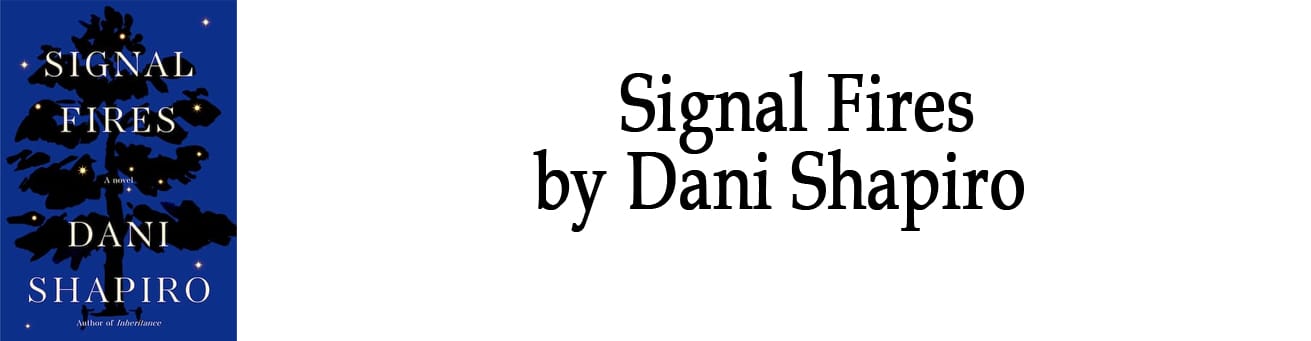
Signal Fires by Dani Shapiro
A quiet, devastating novel about a single tragic night and the way its secret reverberates through one family for decades. Like The Bright Years, it traces generational fallout with tenderness, showing how guilt, love, and unspoken histories shape who we become.
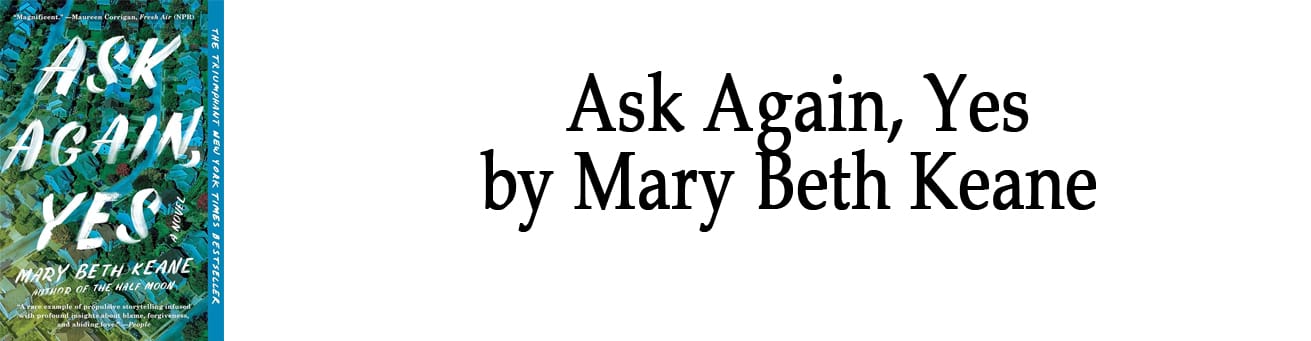
Ask Again, Yes by Mary Beth Keane
This book follows two neighboring families whose lives are ripped apart by violence, mental illness, and addiction, then painstakingly stitched together over the years. If you loved the way The Bright Years explores long-term consequences and messy forgiveness, this one offers a similarly nuanced, character-driven journey.
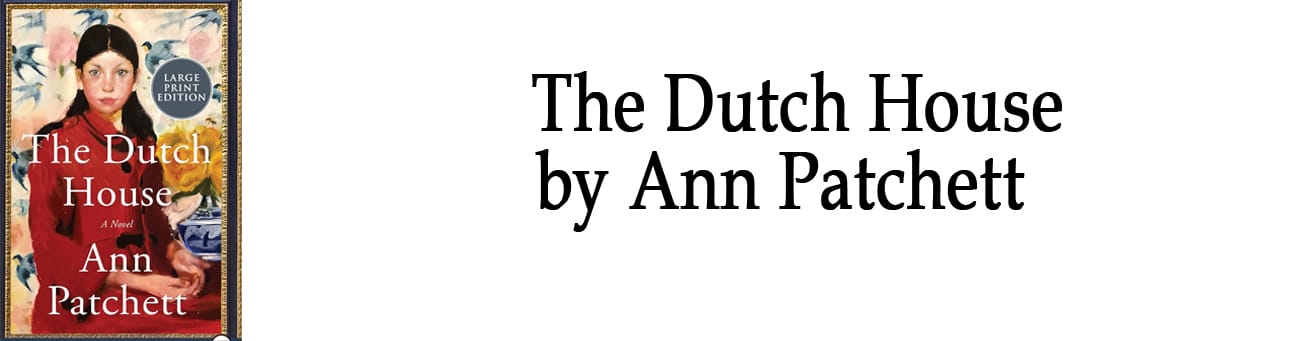
The Dutch House by Ann Patchett
A brother and sister spend their lives circling back to the childhood house that defined—and damaged—their family, trying to make sense of inheritance, resentment, and loyalty. Like The Bright Years, it’s a layered, multigenerational story where place, memory, and complicated parents leave marks that never quite fade.
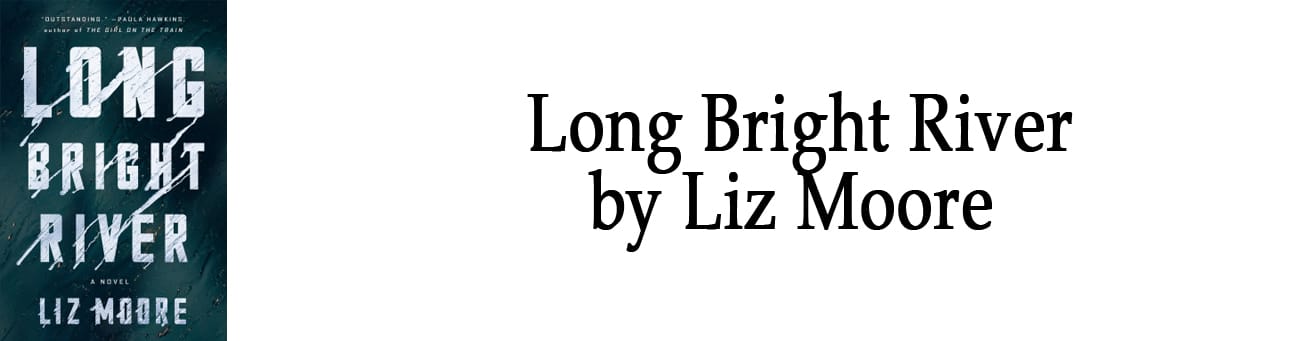
Long Bright River by Liz Moore
Set in a Philadelphia neighborhood haunted by the opioid crisis, this novel follows two sisters—one a cop, one struggling with addiction—as they navigate secrets, danger, and family obligation. Readers drawn to The Bright Years for its compassionate look at addiction’s ripple effects will find that same emotional depth and moral complexity here.
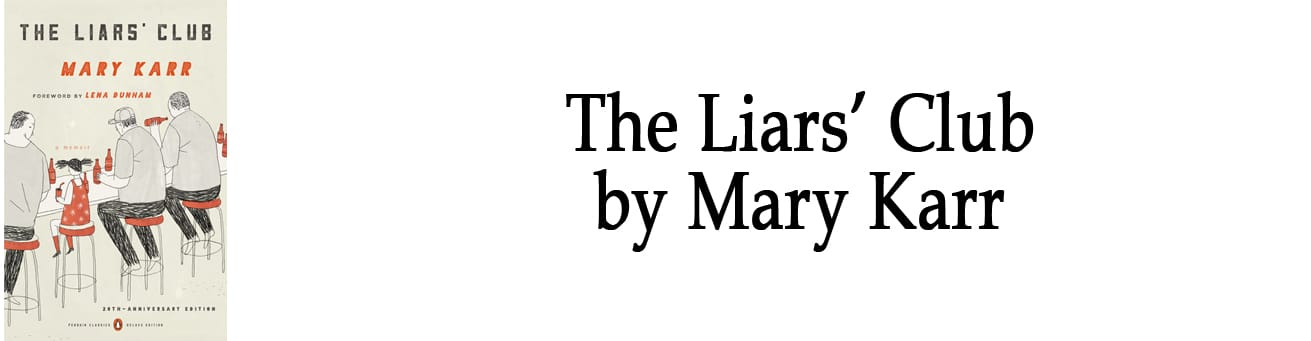
The Liars’ Club by Mary Karr
Karr’s memoir of her chaotic Texas childhood, ruled by a brilliant but unstable mother and the ever-present specter of alcohol, is raw, darkly funny, and unforgettable. It mirrors The Bright Years in its Texas setting, its focus on a girl growing up inside dysfunction, and its refusal to turn addiction into a flat stereotype.
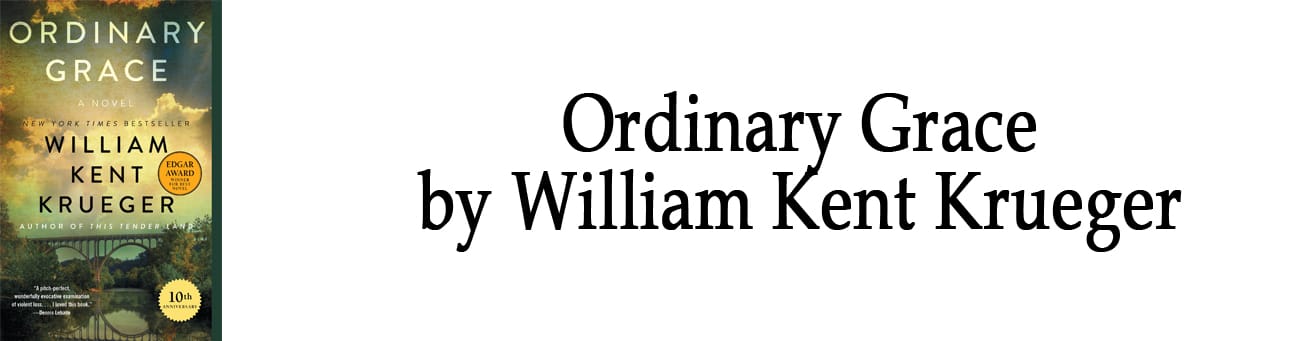
Ordinary Grace by William Kent Krueger
A coming-of-age story set in 1960s Minnesota, this novel centers on a young boy facing a season of tragic losses, learning how faith, family, and grief intertwine. If The Bright Years moved you with its blend of heartbreak and quiet resilience, Ordinary Grace offers a similarly reflective, emotionally honest experience.
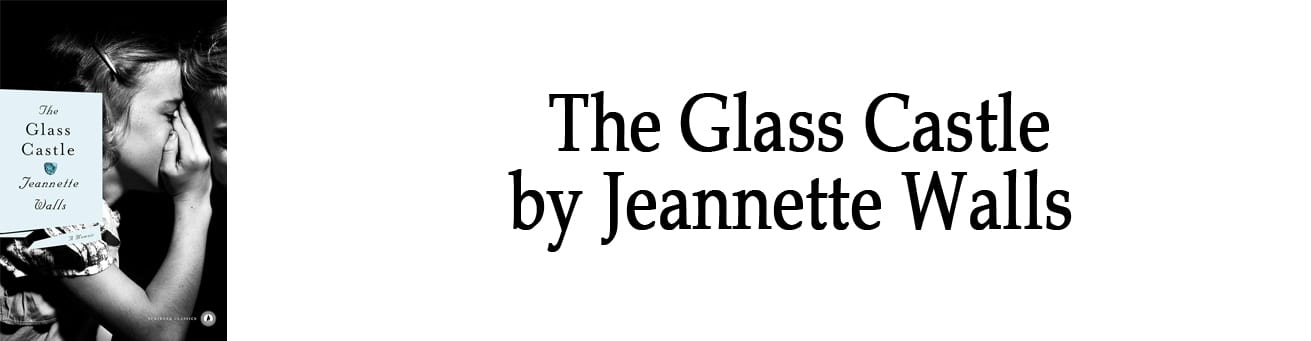
The Glass Castle by Jeannette Walls
Walls recounts her upbringing with deeply flawed, often intoxicated parents who oscillate between brilliance and neglect, forcing their children to become their own safety net. Like The Bright Years, it’s about surviving addiction and instability while still wrestling with love for the people who caused the damage.
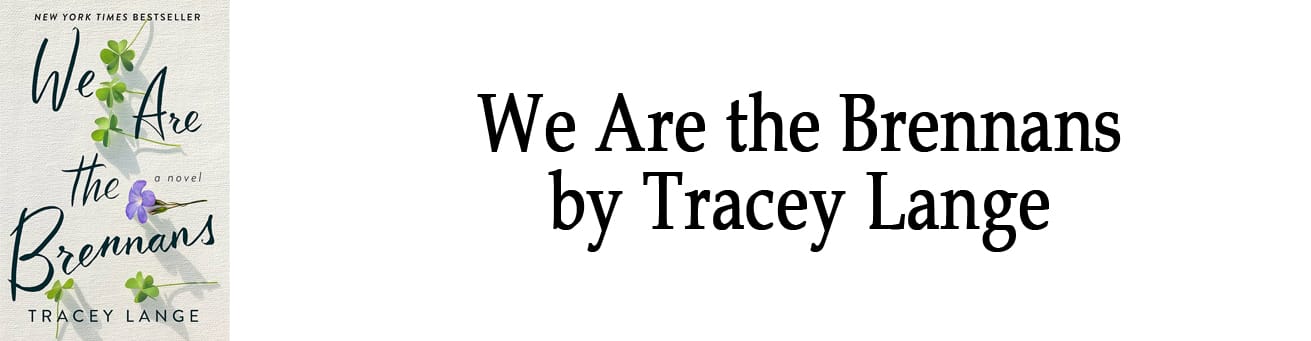
We Are the Brennans by Tracey Lange
A contemporary family drama in which a woman returns home after a drunk-driving crash, forcing her Irish American family to confront long-buried secrets, shame, and loyalty. Readers who appreciated The Bright Years for its exploration of how one person’s choices reverberate through an entire family will find a similarly compelling dynamic here.
Paid Subscriber Perk!
Love the book we just reviewed? Paid subscribers can now download an exclusive printable list of books with a similar vibe—perfect for planning your next read or curating your book club’s picks. It’s a handpicked, beautifully designed list guide you won’t find anywhere else.
Unlock your next favorite reads—become a paid subscriber today to get instant access to these printable book lists!
Comments