


- ate Published:
October, 2025 - Length:
400 pages—Listening Time: 10 hours 50 minutes - Genre:
Fiction, Legal Thriller - Setting:
Present day; Los Angeles, California - Awards
Los Angeles Times Book Prize Finalist Mystery/Thriller 2025; The Times (London) and Sunday Times Best Books of the Year Nominee Thrillers 2025; Barnes & Noble Best Books of the Year 2025; Chicago Public Library Best of the Best: Mystery & Thriller 2025; Deadly Pleasures Best of the Year So Far 2025 - Languages:
Dutch, English, French, Italian, Swedish - Sensitive Aspects:
Teen dating violence and murder of a girl by her ex-boyfriend, gun violence and shooting described in the context of the crime, incel-style misogyny and hostile attitudes toward women from the teenage perpetrator, emotional trauma and grief of bereaved parents following the murder, manipulation and psychological exploitation of a vulnerable teenager by an AI chatbot, corporate negligence and callous indifference to human suffering by a tech giant, references to adolescent male loneliness and social isolation, intense courtroom conflict and adversarial legal tactics that may feel stressful or aggressive - Movie
There is currently no movie adaptation planned or released for The Proving Ground. - Recommended for Book Club:
Yes

If you’ve lived long enough to remember rotary phones, cassette tapes, and a time when “online” wasn’t even a word, then you’ve witnessed something extraordinary: the world reinventing itself, over and over again. And now, here we are—well into our 60s and beyond—watching artificial intelligence step onto center stage, equal parts marvel and menace. It’s exciting. It’s unsettling. And depending on who you ask, it’s either the next great leap forward… or the beginning of something we don’t fully understand.
That tension—between progress and consequence—is exactly what Michael Connelly taps into with The Proving Ground, the most recent installment in the Lincoln Lawyer series. And if you’ve followed Mickey Haller this far, you already know: when Connelly picks a battlefield, it’s never just about the law. It’s about the world we’re living in right now.
Before we dive in, here’s the full Lincoln Lawyer lineup, because yes, this is a series worth savoring in order:
- The Lincoln Lawyer (2005)
- The Brass Verdict (2008)
- The Reversal (2010)
- The Fifth Witness (2011)
- The Gods of Guilt (2013)
- The Law of Innocence (2020)
- Resurrection Walk (2023)
- The Proving Ground (2025)
With The Proving Ground, Connelly pulls Mickey Haller into a legal storm centered on one of the most divisive issues of our time: the regulation of AI. Who controls it? Who’s accountable when it goes wrong? And perhaps the most unsettling question of all is this: can the law even keep up?
You’ve probably had this conversation yourself. Maybe over coffee, maybe with your book club, maybe while reading yet another headline that feels like science fiction inching closer to reality. Some people see AI as a tool for innovation and efficiency. Others see it as a ticking clock, counting down to consequences we’re not prepared for. And most of us? We’re somewhere in the middle, trying to make sense of it all.
That’s what makes this book hit differently.
No matter where you land on the AI spectrum—curious, cautious, or outright skeptical—The Proving Ground doesn’t just tell a story. It presses on the questions already sitting in the back of your mind. And it does so with the sharp, character-driven storytelling that has made Mickey Haller such a compelling guide through the gray areas of justice.
So let me ask you: when the rules are still being written, who do you trust to defend the truth?

The Proving Ground is a legal thriller that finds Mickey Haller at a turning point in his career and his life, stepping away from criminal defense into the murkier, high-stakes world of civil litigation. Instead of defending the accused, he’s now fighting on behalf of victims and their families, taking on cases where the harm isn’t just personal—it’s systemic.
In this book, Mickey agrees to represent Brenda Randolph, a mother whose teenage daughter has been killed by her ex-boyfriend. Rather than focusing on the boy’s criminal trial, the story centers on Brenda’s wrongful death lawsuit against Tidalwaiv Technologies, a powerful AI company whose teen-focused chatbot played a disturbing role in the events leading up to the shooting. Mickey’s job is to prove that the company’s product, designed as an AI “companion” for adolescents, crossed a line from emotional support into dangerous influence, all while that same company is juggling billion-dollar merger possibilities and will do almost anything to protect its reputation.
As the case unfolds, Mickey works with his familiar team—Lorna and Cisco—and brings in journalist Jack McEvoy, who wants to chronicle the landmark lawsuit but quickly becomes part of the investigation itself. Together, they sift through massive amounts of technical and legal material, uncovering hints of corporate negligence, ethical shortcuts, and the frightening gap between how AI is marketed and how it actually behaves when placed in the hands of vulnerable teens.
The novel balances the central courtroom battle with Mickey’s personal life: his evolving relationship with his ex-wife Maggie, now the Los Angeles district attorney, and a Los Angeles setting shaped by literal and figurative fires burning across the city. Without revealing any major turns, it’s fair to say the book uses Mickey’s case as a lens to explore questions about responsibility in the age of AI—what happens when human grief meets machine-made decisions and whether the law can keep pace with technology.

You and this book are actually a great match. Here are several reasons seasoned readers—especially those who’ve lived through a few tech revolutions—are likely to enjoy The Proving Ground:
Deep, character-driven storytelling
Mickey Haller isn’t just a clever lawyer; he’s a complicated human juggling ethics, ambition, regret, and family. You get to watch him wrestle with what “doing the right thing” looks like when the law lags behind reality. That kind of internal tension is catnip for readers who care about character more than car chases.
A timely, thought-provoking premise
The AI controversy isn’t just window dressing—it’s woven into the heart of the case. The book invites you to consider questions like: Who’s responsible when technology shapes human behavior? How much do we trust algorithms with people who are still forming their identities? You’re not being lectured; you’re being nudged to think.
Moral gray areas instead of easy answers
If you’re tired of stories that neatly separate heroes and villains, you’ll appreciate how this novel lives in the gray zone. Lawyers, tech execs, parents, and even the teens are all shown with messy motivations. You’re left to wrestle with your own judgment, which makes the reading experience feel active rather than passive.
Legal drama with emotional stakes
The courtroom scenes have the strategic, tactical fun of a chess match, but they’re anchored in real grief and fear. You’re not just watching Mickey score points; you’re watching a mother fight for acknowledgment that her child’s death isn’t just a tragic statistic in the tech world’s growth chart. That emotional weight makes the legal maneuvers matter.
Smart pacing that respects your attention
Connelly doesn’t waste your time with filler. The story moves, but not at the expense of nuance. Scenes feel purposeful—whether it’s a tense deposition, a quiet conversation in a hallway, or Mickey connecting dots in the middle of the night. As a seasoned reader, you’ll notice and appreciate that structural discipline.
Tech handled in a human way
You don’t need to be a programmer to follow what’s happening. The book translates complex tech ideas into human consequences: loneliness, dependency, manipulation, accountability. Instead of drowning you in jargon, it shows you what AI feels like from the inside of the story, which is exactly how thoughtful readers prefer to engage with big ideas.
Rich series continuity with fresh themes
If you’ve followed the Lincoln Lawyer books, you’ll enjoy watching Mickey evolve—especially his shift from criminal defense to civil litigation and his changing dynamic with Maggie and his team. If you’re new, you still get a complete, satisfying story, but with enough hints of backstory to make you want to explore earlier books.
Book club–ready discussion material
This novel practically begs to be talked about. You can dig into tech ethics, parenting in the digital age, corporate responsibility, the limits of the legal system, and what “justice” looks like when there’s no way to undo the harm. If you like books that linger in your conversations long after the last page, this one delivers.
Emotional resonance for readers 60+
If you’ve watched the world shift from landlines to smartphones and now to AI companions talking to teenagers at 2 a.m., this story hits a specific nerve: the sense that the rules changed without your consent. The book doesn’t mock that unease; it takes it seriously and turns it into story. That respect for lived experience is rare—and very satisfying.


Get Michael Connelly Books
Michael Connelly delivers gripping, character-rich crime and legal thrillers that blend razor-sharp plotting, moral complexity, and timely real-world issues into utterly addictive page-turners.
Bookshop.org was created as a socially conscious alternative to Amazon, with the goal of helping local, independent bookstores thrive. This is why Readers With Wrinkles supports their efforts. Please join us in this effort by purchasing your next read here.

Here’s a list of eight notable, thematically similar books and how each one connects to what readers loved in The Proving Ground:
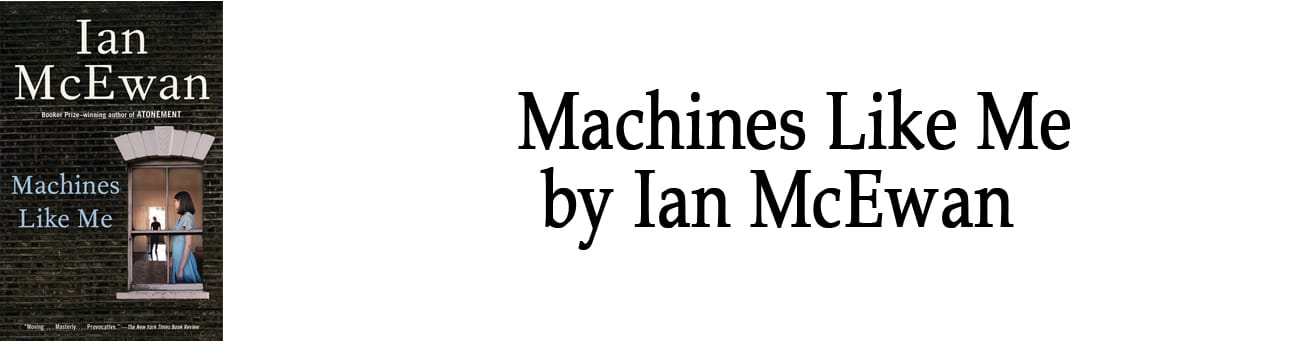
Machines Like Me by Ian McEwan
Set in an alternate 1980s London where lifelike androids are commercially available, this novel explores what happens when human desire collides with artificial consciousness and moral ambiguity. Readers who appreciated The Proving Ground’s “Can we trust AI with human emotions?” thread will love how McEwan pushes that question into intimate relationships and thorny ethical dilemmas.
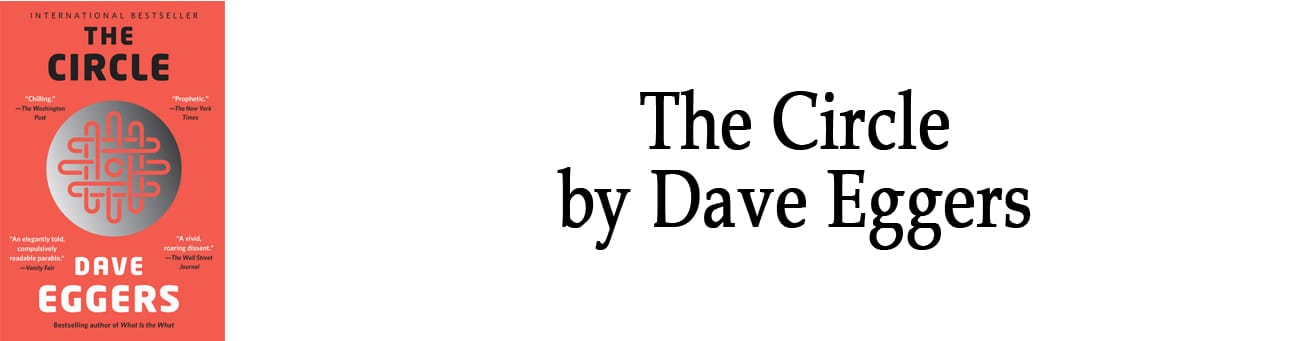
The Circle by Dave Eggers
This tech-corporate satire follows a young woman who joins a powerful social media/tech company determined to make all life “transparent.” If the corporate might and ethical blind spots of the AI company in The Proving Ground fascinated you, Eggers’ portrayal of surveillance capitalism and tech utopianism gone wrong will feel like the spiritual cousin of Connelly’s courtroom drama.
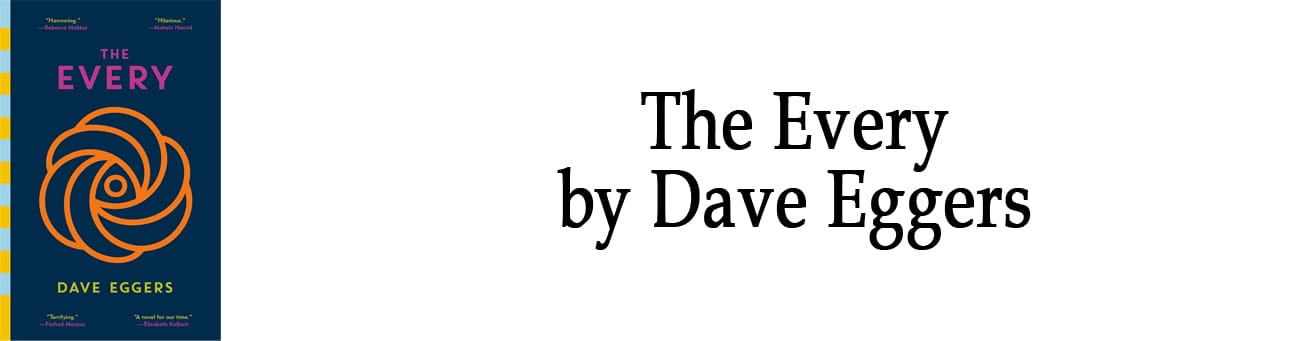
The Every by Dave Eggers
A companion to The Circle, this novel imagines the merger of the world’s largest search engine and biggest social platform into a single, omnipresent entity controlling data, behavior, and even morality. Readers drawn to The Proving Ground’s exploration of how far tech companies will go to protect profit and control will find a similarly chilling, thought-provoking look at corporate power and manipulation.

The Warehouse by Rob Hart
In a near-future dominated by a single mega-corporation that controls retail, employment, and even climate solutions, a new employee uncovers dangerous secrets at the heart of the company’s empire. Fans of The Proving Ground will appreciate the overlapping themes of corporate negligence, human cost, and the tension between individual justice and massive systemic forces.
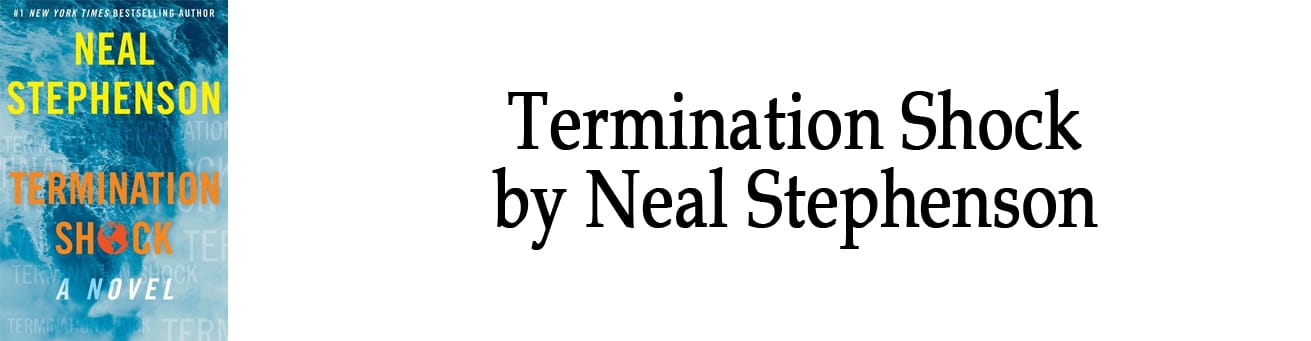
Termination Shock by Neal Stephenson
This sprawling speculative novel centers on a billionaire’s rogue geoengineering plan to combat climate change, raising complex questions about science, responsibility, and unilateral tech “solutions” to global problems. If you enjoyed The Proving Ground’s focus on unintended consequences of cutting-edge technology and the gap between innovation and accountability, Stephenson’s big-idea storytelling will scratch that same itch.

Version Control by Dexter Palmer
On the surface, this is a story about a physicist developing what he insists is not a time machine; underneath, it’s a meditation on glitchy reality, algorithmic influence, and the invisible ways tech reshapes human decisions and memory. Readers who liked how The Proving Ground uses AI to quietly warp a teenage boy’s thinking will be drawn to Palmer’s subtle, unsettling exploration of how systems change our lives long before we notice.
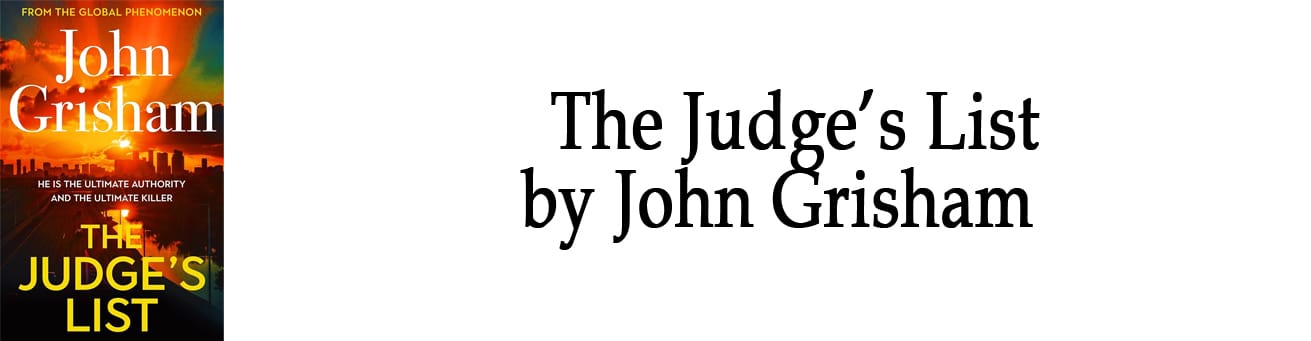
The Judge’s List by John Grisham
This legal thriller follows an investigator tracking a methodical serial killer who may be a sitting judge, blending courtroom strategy with tense, ethics-heavy suspense. While it doesn’t center on AI, fans of Mickey Haller’s moral wrestling, procedural precision, and high-stakes lawyering in The Proving Ground will find similar satisfaction in Grisham’s portrait of law, power, and accountability.

Culpability by Bruce Holsinger
This legal thriller centers on a high-profile case where emerging technology, hidden data, and institutional power collide with questions of guilt, responsibility, and the limits of the justice system. It weaves together courtroom strategy, political pressure, and ethical dilemmas in a way that feels very of-the-moment, especially for readers interested in how law struggles to keep pace with tech-driven harm. If you loved The Proving Ground for its blend of legal tension, moral ambiguity, and the chilling sense that systems can fail ordinary people, Culpability offers that same mix of sharp plotting and thought-provoking commentary on what—and who—gets held accountable. Read my full review here.

Paid Subscriber Perk!
Love the book we just reviewed? Paid subscribers can now download an exclusive printable list of books with a similar vibe—perfect for planning your next read or curating your book club’s picks. It’s a handpicked, beautifully designed list guide you won’t find anywhere else.
Unlock your next favorite reads—become a paid subscriber today to get instant access to these printable book lists!
Comments